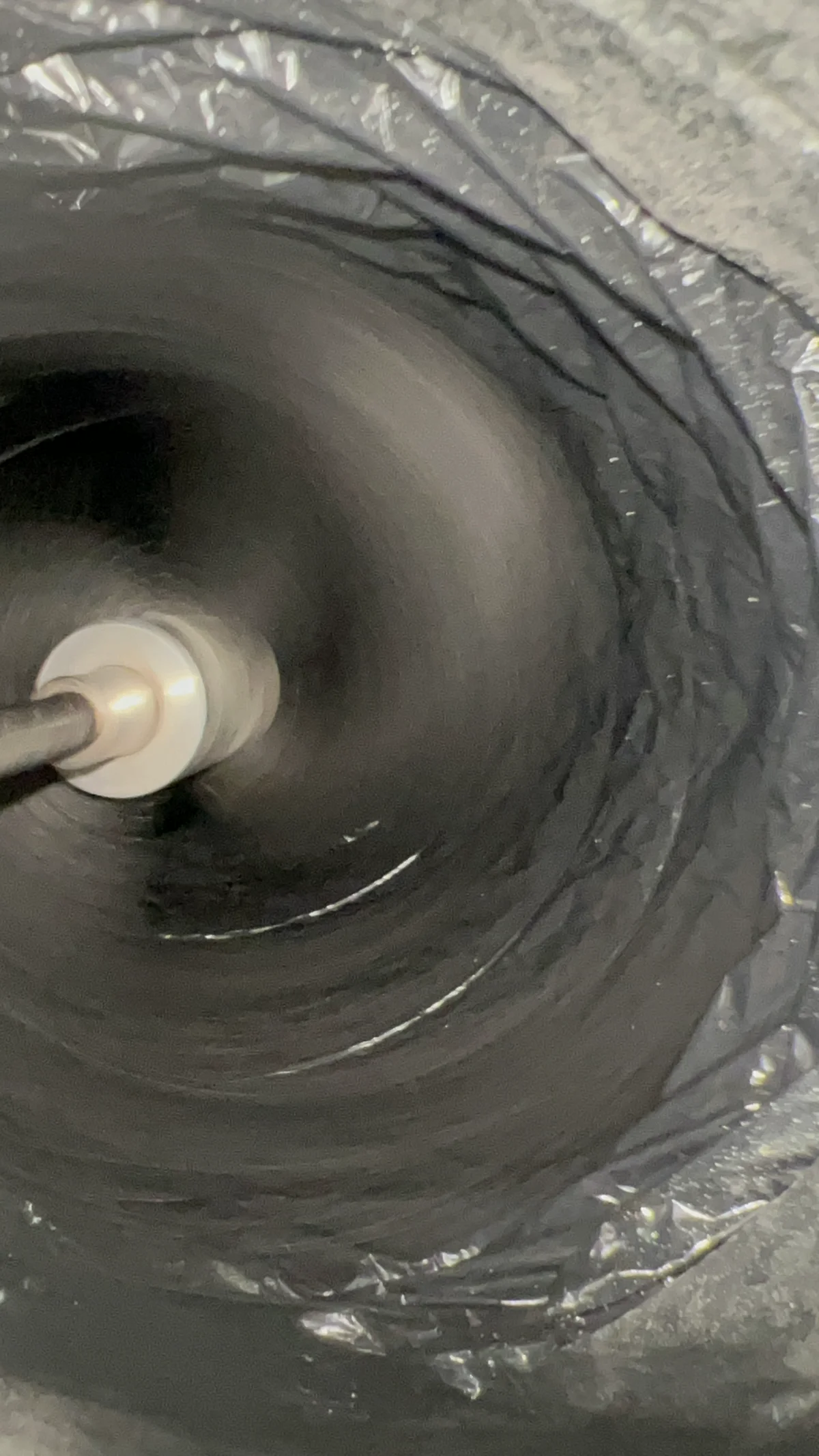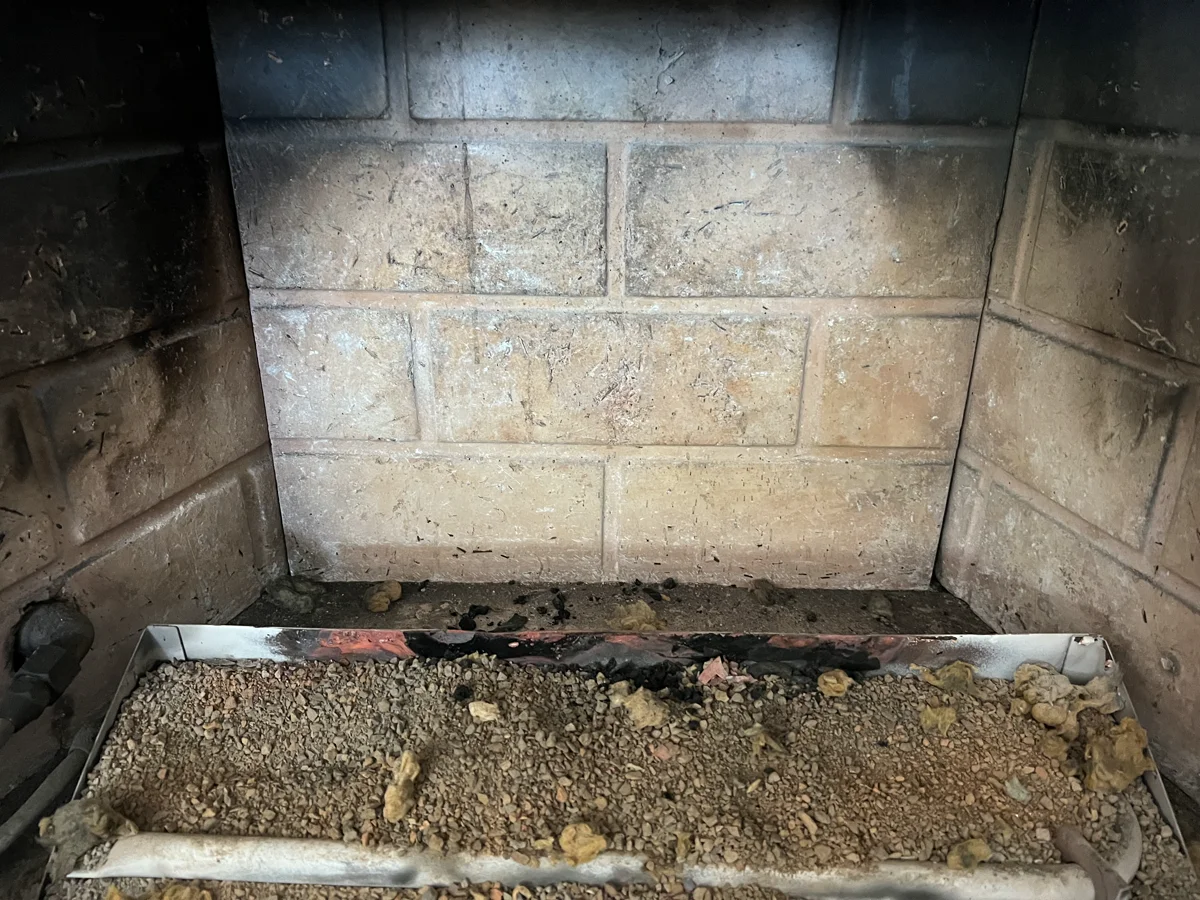
Austin homeowners with wood-burning fireplaces should have their chimney swept annually before the first fire of the season. Professional chimney sweep pricing in Austin varies depending on the level of inspection. Creosote buildup is the leading cause of chimney fires - even 1/8 inch of glazed creosote is a fire hazard. Gas fireplaces need annual inspection but less frequent sweeping.
Why Chimney Sweeping Still Matters in Austin
Austin is not exactly known as a fireplace city, but you would be surprised how many homes have them. Most neighborhoods built before 2010 include wood-burning or gas fireplaces, and newer luxury builds in areas like Westlake Hills, Lakeway, and Dripping Springs frequently feature fireplaces as a selling point. Even in our mild climate, Texans use their fireplaces during December through February - and that seasonal use is enough to create real safety hazards if the chimney is not maintained.
The Chimney Safety Institute of America (CSIA) recommends an annual chimney inspection regardless of how frequently you use your fireplace. The National Fire Protection Association (NFPA 211) standard agrees: chimneys, fireplaces, and vents should be inspected at least once a year and cleaned or repaired as needed.
Here in Austin, I see homeowners who have gone 5, 10, even 15 years without a chimney inspection. They use the fireplace a dozen times per winter and assume that light use means low risk. But creosote buildup is cumulative. Even moderate use over several years can produce enough buildup to be dangerous. And beyond fire risk, unmaintained chimneys develop cracks, deteriorated mortar joints, and damaged flue liners that allow carbon monoxide to enter your home.
"Austin homeowners underestimate their chimney risk because we have mild winters," says Nessi Ziv, owner of Air Central. "But I have inspected hundreds of chimneys across Tarrytown, Hyde Park, and Travis Heights, and the damage from water and UV is often worse than what I see from creosote. A cracked crown lets water in for years before anyone notices."
Understanding Creosote: The Real Danger in Your Chimney
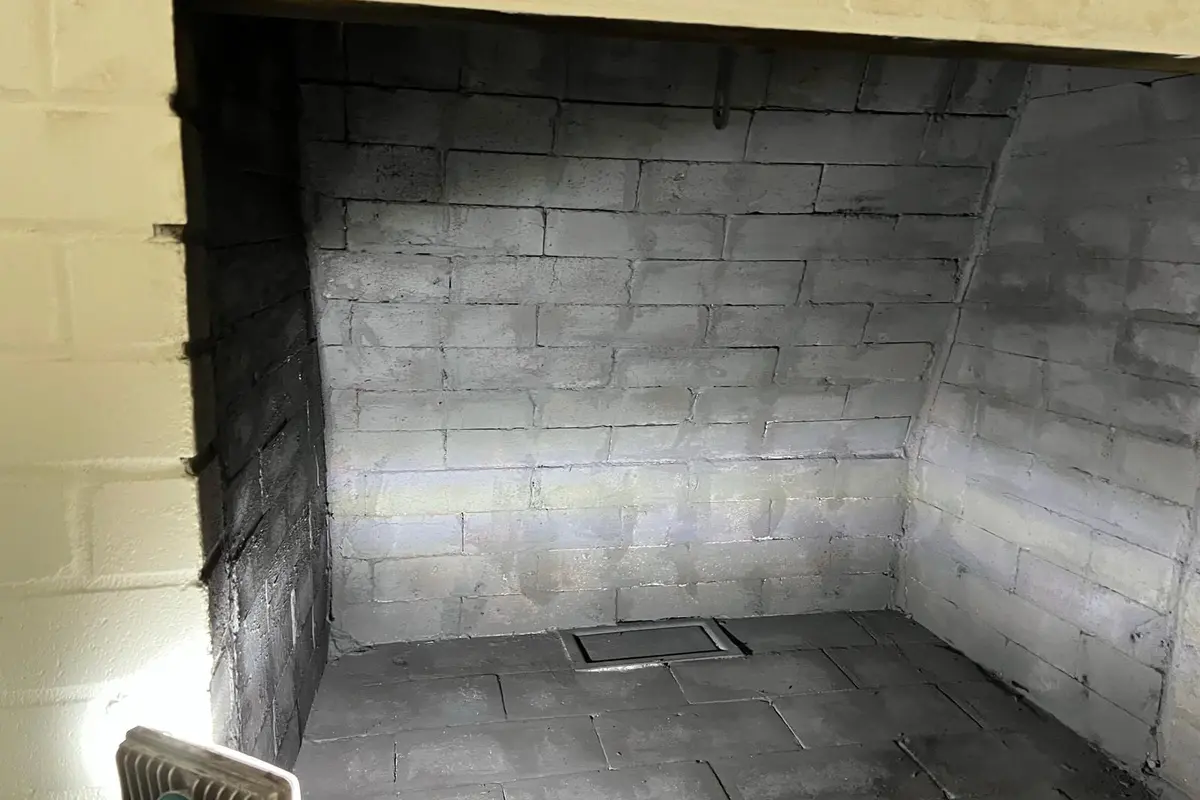
Creosote is a black or brown residue that forms when wood combustion byproducts condense on the cooler surfaces inside your chimney flue. It comes in three stages, and each stage is progressively more dangerous and harder to remove.
Stage 1 creosote is a light, flaky or powdery deposit. It is the easiest to remove and poses the lowest fire risk. Regular sweeping easily handles Stage 1 buildup. If your chimney is swept annually with moderate fireplace use, this is typically what we find.
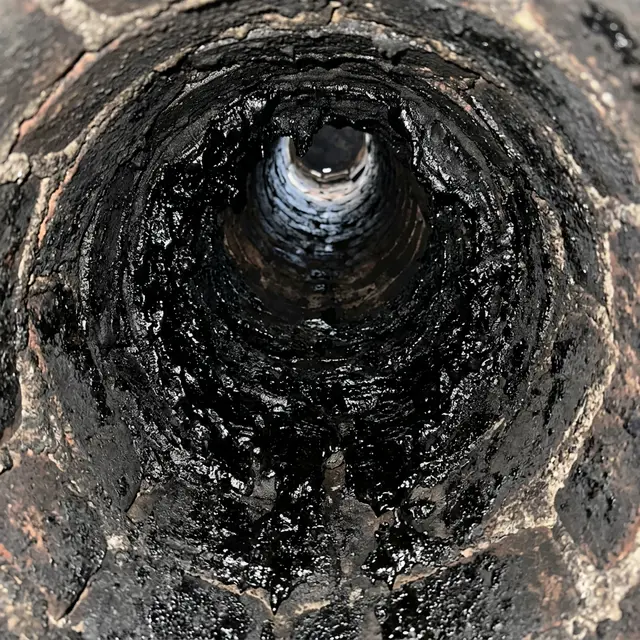
Stage 2 creosote is a shiny, hard, tar-like deposit. It forms when combustion temperatures are lower (such as when burning unseasoned wood or restricting airflow too much). Stage 2 requires more aggressive cleaning tools and takes longer to remove. It is a significant fire hazard because it can ignite at temperatures as low as 451 degrees Fahrenheit.
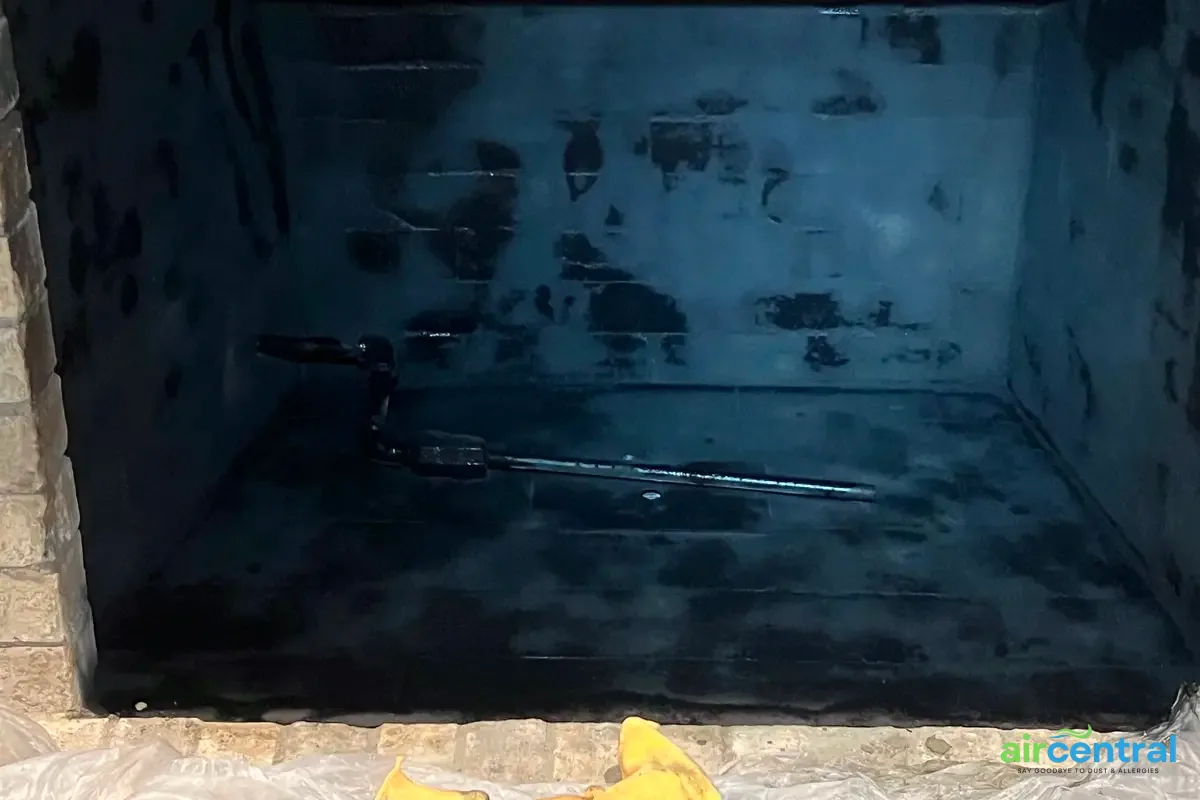
Stage 3 creosote is a thick, glazed, hardened layer that is extremely difficult to remove and highly combustible. It often requires chemical treatment to soften before mechanical removal. Stage 3 creosote can result in chimney fires that exceed 2,000 degrees Fahrenheit - hot enough to crack clay flue tiles and damage the chimney structure itself. If your chimney has Stage 3 creosote, it should not be used until professionally cleaned.
The best way to minimize creosote formation: burn only seasoned hardwood (dried for at least 6-12 months), maintain adequate airflow during burning, avoid smoldering fires, and have the chimney swept annually before the burning season begins.
Chimney Inspection Levels Explained
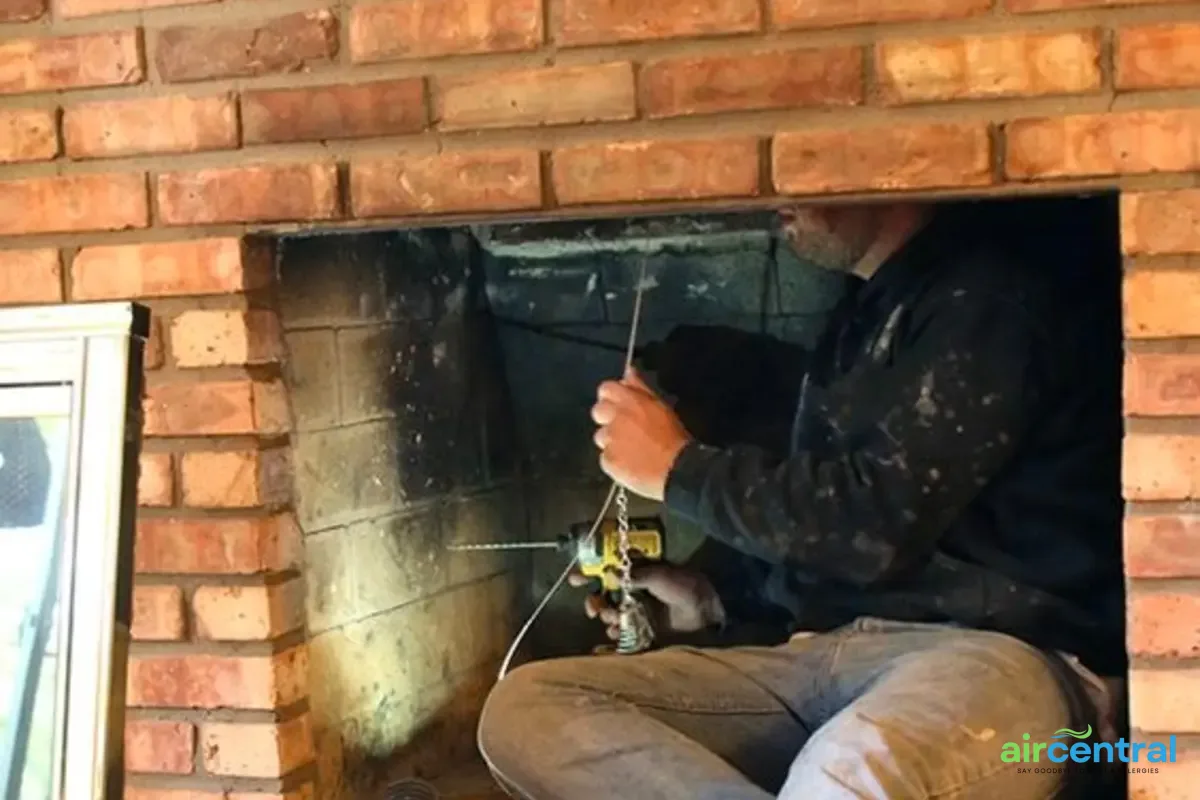
The NFPA defines three levels of chimney inspection, each appropriate for different situations.
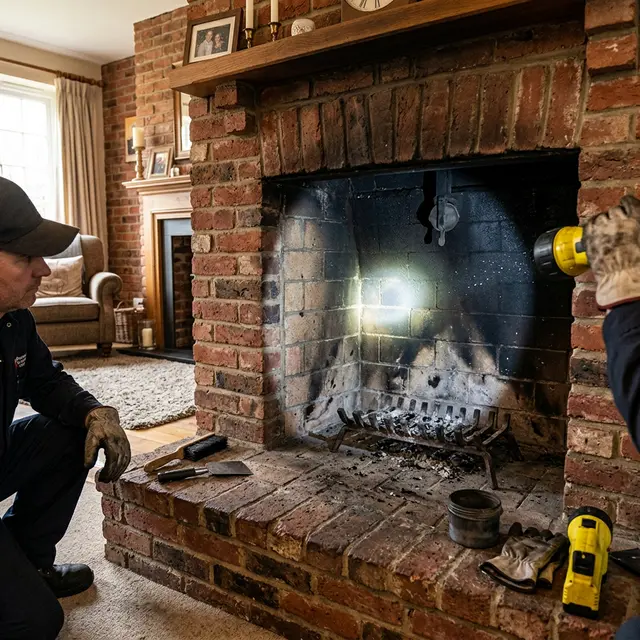
Level 1 inspection is the standard annual check. The technician examines all readily accessible portions of the chimney exterior, the firebox, the damper, and as much of the flue interior as can be seen from the top and bottom. This is included with every chimney sweep and is appropriate for chimneys with no known problems that are being used as they have been in the past. A Level 1 inspection covers most Austin homeowners who use their fireplace seasonally.
Level 2 inspection is required when you are buying or selling a home, when you have changed fuel types (converting from wood to gas or vice versa), after a chimney fire or weather event, or when problems are found during a Level 1. This includes everything in Level 1 plus a video camera inspection of the flue interior. The camera reveals cracks, deterioration, and damage that cannot be seen with the naked eye. If you are purchasing a home in Austin with a fireplace, insist on a Level 2 inspection.
Level 3 inspection involves removing components of the chimney or building structure to access concealed areas. This is only necessary when serious hazards are suspected, such as structural damage from a chimney fire or significant deterioration. Level 3 inspections are rare in residential settings.
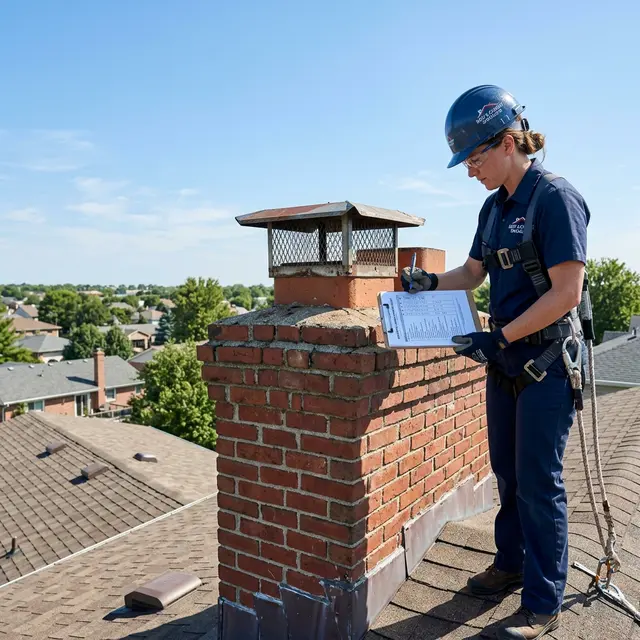
Air Central performs Level 1 and Level 2 inspections. Our 21-point inspection checklist covers the firebox, damper, smoke shelf, flue liner, chimney crown, flashing, and cap. For Level 2 inspections, we use HD video cameras to document flue condition with detailed reporting.
Chimney Sweep Cost in Austin
A standard chimney sweep with Level 1 inspection in Austin is a reasonable investment that includes cleaning the flue, firebox, smoke shelf, and damper, plus the 21-point visual inspection. Most appointments take 45-90 minutes depending on the level of buildup.
Level 2 inspection with HD video adds to the cost for a thorough sweep and camera inspection. This is the inspection level you want when buying a home or if you have not had the chimney serviced in several years.
Repairs are quoted separately based on what the inspection reveals. Common repairs include chimney cap replacement, crown repair, flashing resealing, and damper replacement - each priced based on the scope of work involved. More extensive repairs like flue liner replacement or structural masonry work cost more but are less common.
Gas fireplace inspection and cleaning is typically less than a wood-burning sweep. Gas fireplaces do not produce creosote, but they still need annual inspection for gas leaks, burner condition, thermocouple function, and proper venting. Carbon monoxide risks from a malfunctioning gas fireplace are serious.
Be cautious of chimney sweep companies that use bait-and-switch tactics. The pattern: a technician arrives, spends 10 minutes looking at your chimney without doing any real cleaning, then presents a $1,500 list of supposedly required repairs and pressures you to approve them immediately. Reputable companies provide honest assessments with photos or camera footage, give you time to decide, and never pressure you into immediate repairs.
Gas Fireplace Maintenance: What Austin Homeowners Need to Know
Gas fireplaces are increasingly common in Austin homes, particularly in newer construction. While they require less maintenance than wood-burning fireplaces, they are not maintenance-free. Annual professional inspection is essential for safety.
The primary concern with gas fireplaces is carbon monoxide. A cracked heat exchanger, damaged vent connector, or blocked exhaust can allow CO to enter your home. Carbon monoxide is odorless and colorless - you will not know there is a problem until symptoms appear (headaches, nausea, dizziness) or a CO detector alerts. Every home with a gas fireplace should have CO detectors on every level.
During annual gas fireplace inspection, the technician checks the burner assembly for proper flame pattern, inspects the thermocouple and thermopile for wear, examines the gas valve and connections for leaks, verifies the pilot light and ignition system, and inspects the venting system for proper draft and blockages.
The glass front on sealed gas fireplaces should be cleaned annually. Carbon deposits reduce radiant heat output and can indicate combustion issues. The gaskets and seals around the glass front deteriorate over time and should be inspected for air leaks.
Gas logs themselves should be inspected for cracks or deterioration. Damaged logs can alter flame patterns and produce incomplete combustion. Replacement logs should match the manufacturer's specifications for your specific unit.
Do not attempt to convert a wood-burning fireplace to gas or vice versa without professional assessment. Each fuel type has different venting requirements, and improper conversion is a carbon monoxide and fire hazard.
Common Chimney Problems in Austin Homes
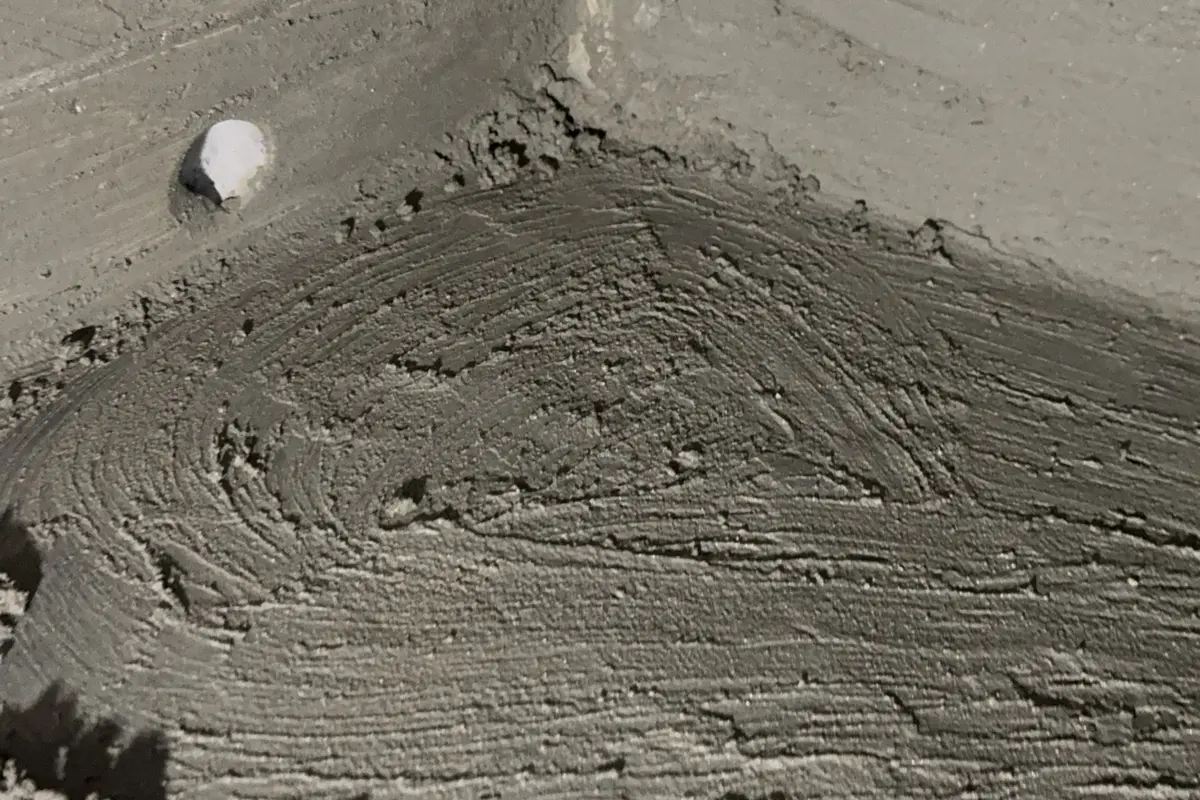
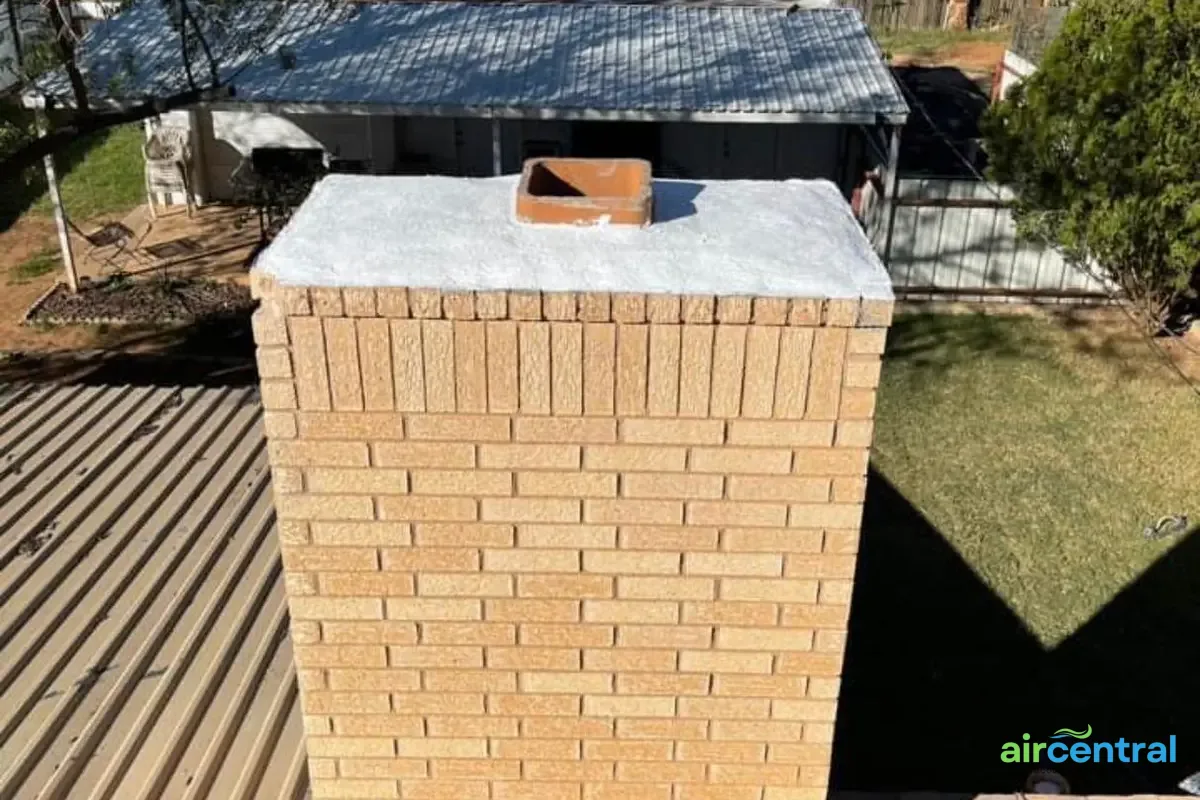
Chimney crown deterioration is the most common structural issue we see in Austin. The chimney crown is the concrete or mortar cap at the very top of the chimney that prevents water from entering between the flue liner and the chimney structure. Austin's intense summer heat, freeze-thaw cycles in winter, and driving rain degrade chimney crowns over time. A cracked or deteriorated crown allows water into the chimney structure, accelerating further damage.
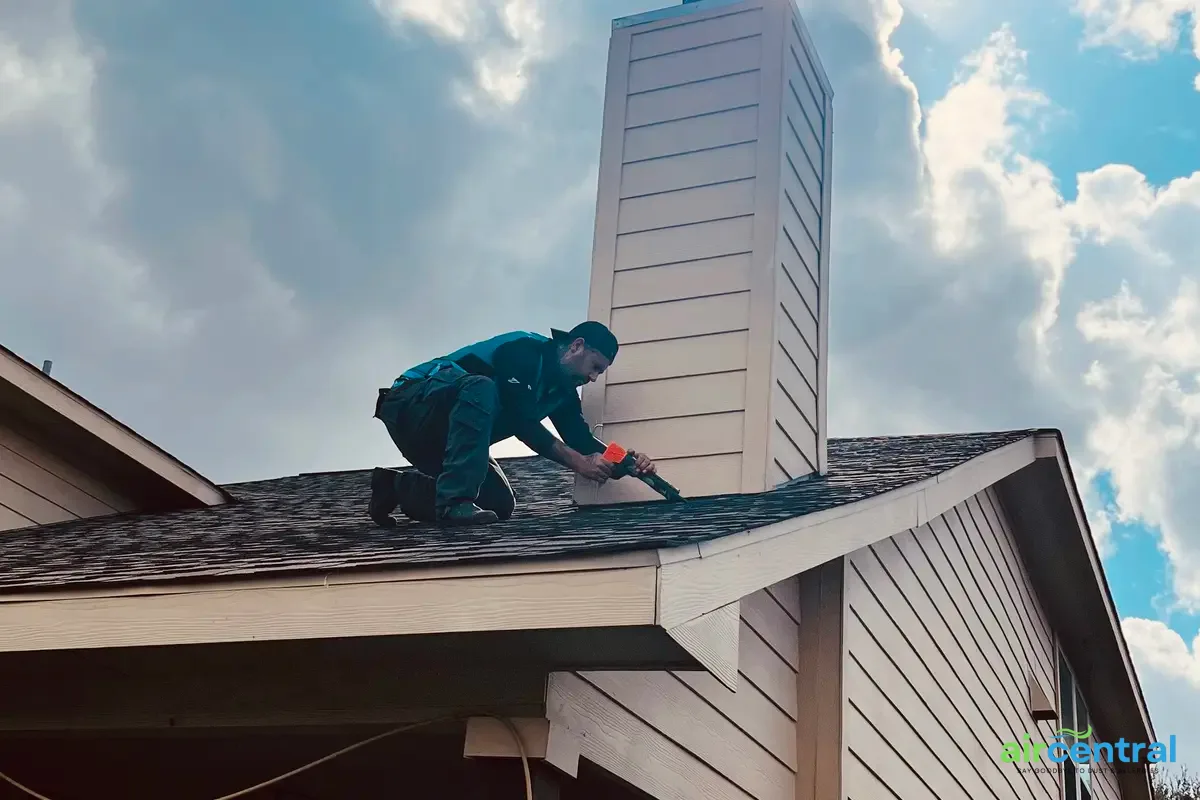
Flashing failure is another frequent issue. Flashing is the metal seal where the chimney meets the roofline. When flashing corrodes, separates, or loses its sealant, water enters the gap and damages both the chimney and the surrounding roof structure. Water stains on ceilings or walls near the chimney are often a sign of flashing failure rather than a roof leak.
Cracked or deteriorated flue liner is a serious safety concern. The flue liner protects the chimney structure from heat and combustion gases. Clay tile liners, common in older Austin homes, can crack from rapid temperature changes or chimney fires. A damaged liner allows heat transfer to combustible materials in the walls surrounding the chimney and can allow carbon monoxide to enter the home.
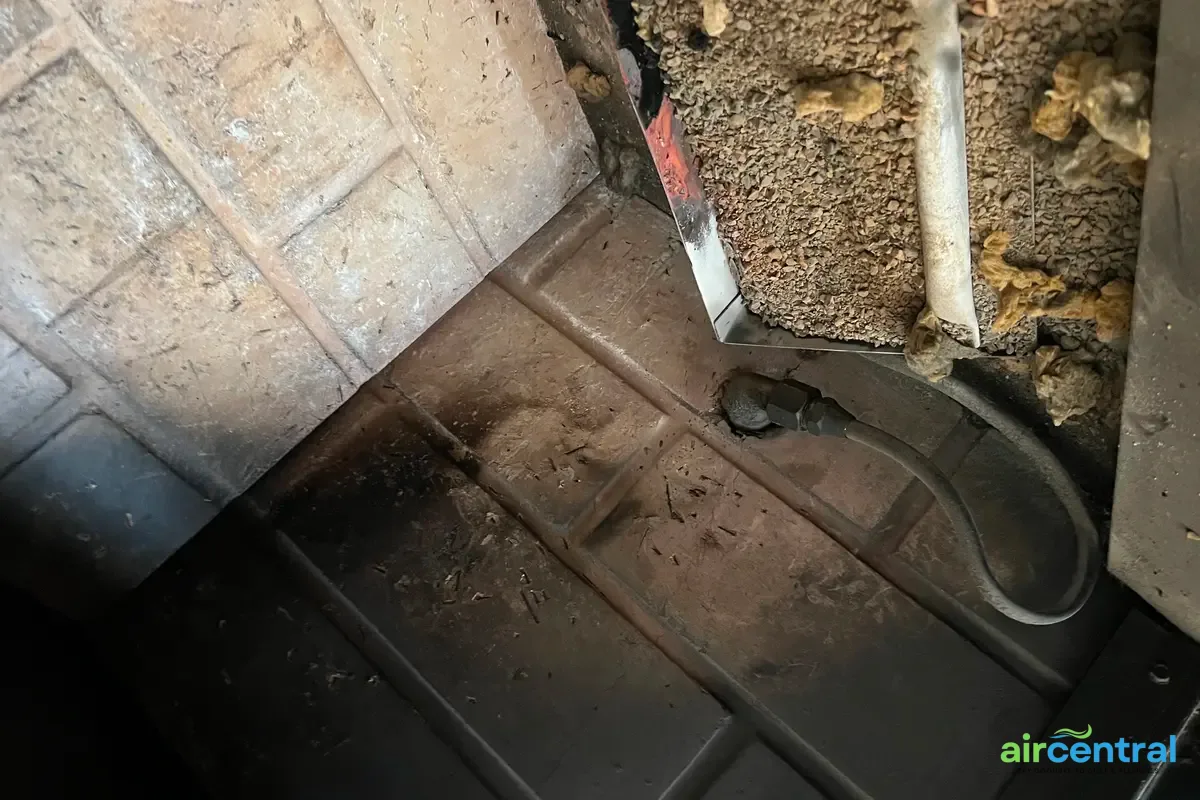
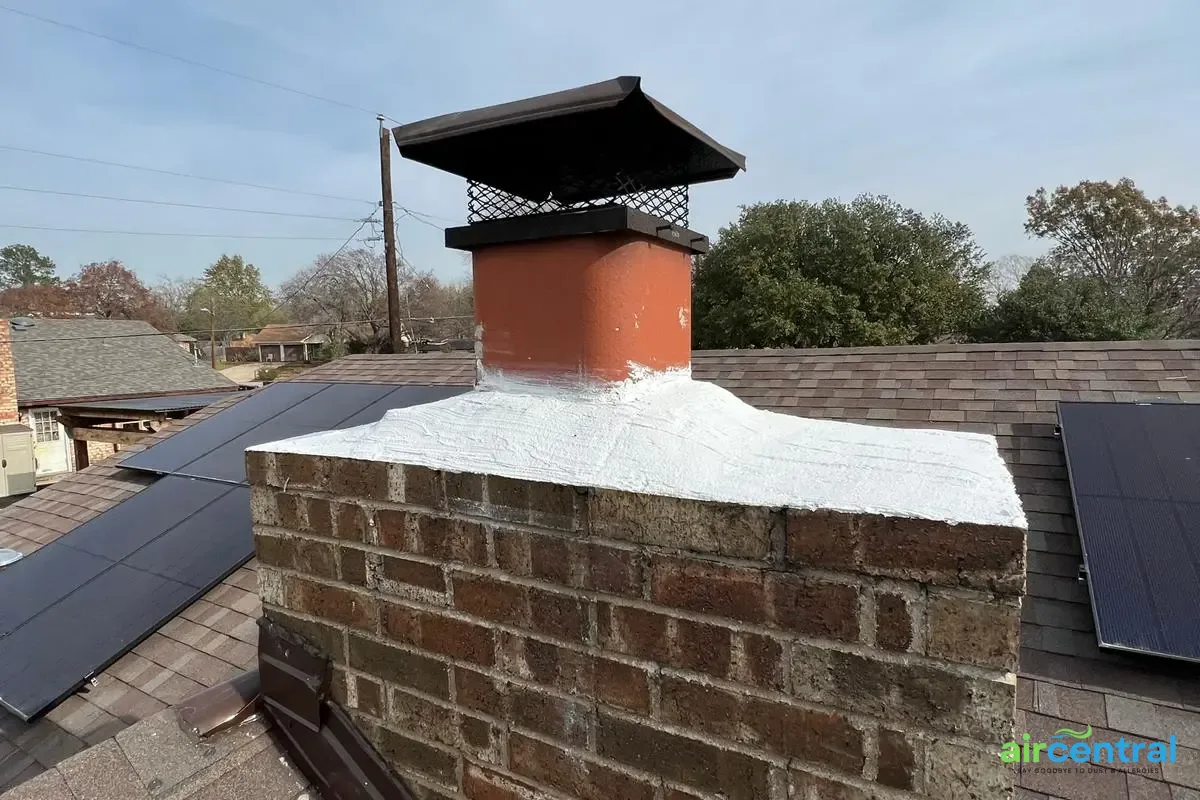
Animal intrusions are common in Austin chimneys without proper caps. Raccoons, squirrels, birds, and bats use uncapped chimneys for shelter and nesting. Besides creating blockages, animal nesting materials are fire hazards, and animal waste introduces health risks. A stainless steel chimney cap with mesh screening prevents animal entry while allowing proper venting.
Damaged or non-functional dampers waste energy. When the damper does not close properly, conditioned air escapes through the chimney year-round. In Austin, where you run AC for 6-8 months, an open or leaking damper increases cooling costs measurably. A top-mounted damper cap is an effective solution that both seals the chimney and replaces a failed throat damper.
When to Schedule Your Chimney Sweep in Austin
The best time for chimney sweeping in Austin is September through early November - before you light the first fire of the season. This timing ensures your chimney is clean, inspected, and safe before cold weather arrives.
If you used your fireplace during the previous winter and did not have it swept, schedule before the first fire this season. Never burn in a chimney that has not been inspected in over a year. Even light use produces enough creosote to warrant annual sweeping.
After any chimney fire, schedule an immediate inspection. A chimney fire may not be dramatic - sometimes it is just a loud crackling or roaring sound with excessive heat from the chimney exterior. But even a brief chimney fire can crack the flue liner and compromise the chimney's safety. Do not use the fireplace again until it has been inspected and any damage repaired.
Schedule a Level 2 inspection before purchasing a home with a fireplace. This should be part of your home buying process, separate from the general home inspection. Most general home inspectors are not qualified to assess chimney condition beyond basic visual observations.
Air Central schedules chimney sweeps throughout the year, but fall appointments fill quickly. If you want service before Thanksgiving, book by early October. Call (512) 601-4451 to schedule your chimney sweep and inspection.
Is Your Chimney Safe for This Season?
A 21-point chimney inspection catches problems before they become dangerous. Book before the first fire.
Call (512) 601-4451Rate your home's indoor air quality in 2 minutes
Chimney Caps, Crowns, and Dampers Explained
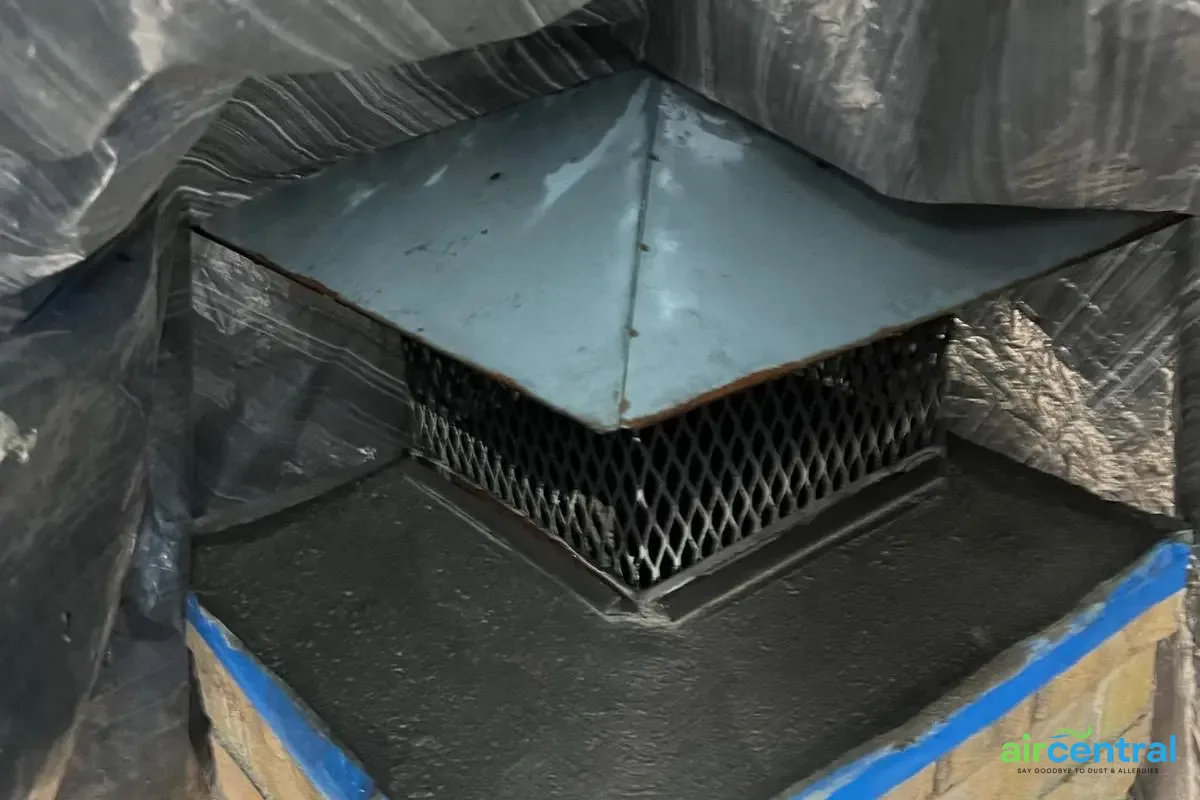
These three components sit at the top and throat of your chimney, and each serves a different protective function. The chimney cap is a metal cover with mesh screening that sits on top of the flue. Its job is simple but essential: keep rain, animals, and debris out while allowing smoke and combustion gases to exit freely. In Austin, uncapped chimneys are an open invitation for raccoons, squirrels, birds, and bats to move in. The mesh screening also prevents burning embers from escaping onto your roof. Stainless steel caps last 15-20 years in our climate, while galvanized steel caps may corrode in 5-10 years due to Austin's humidity and occasional coastal moisture from Gulf weather systems.
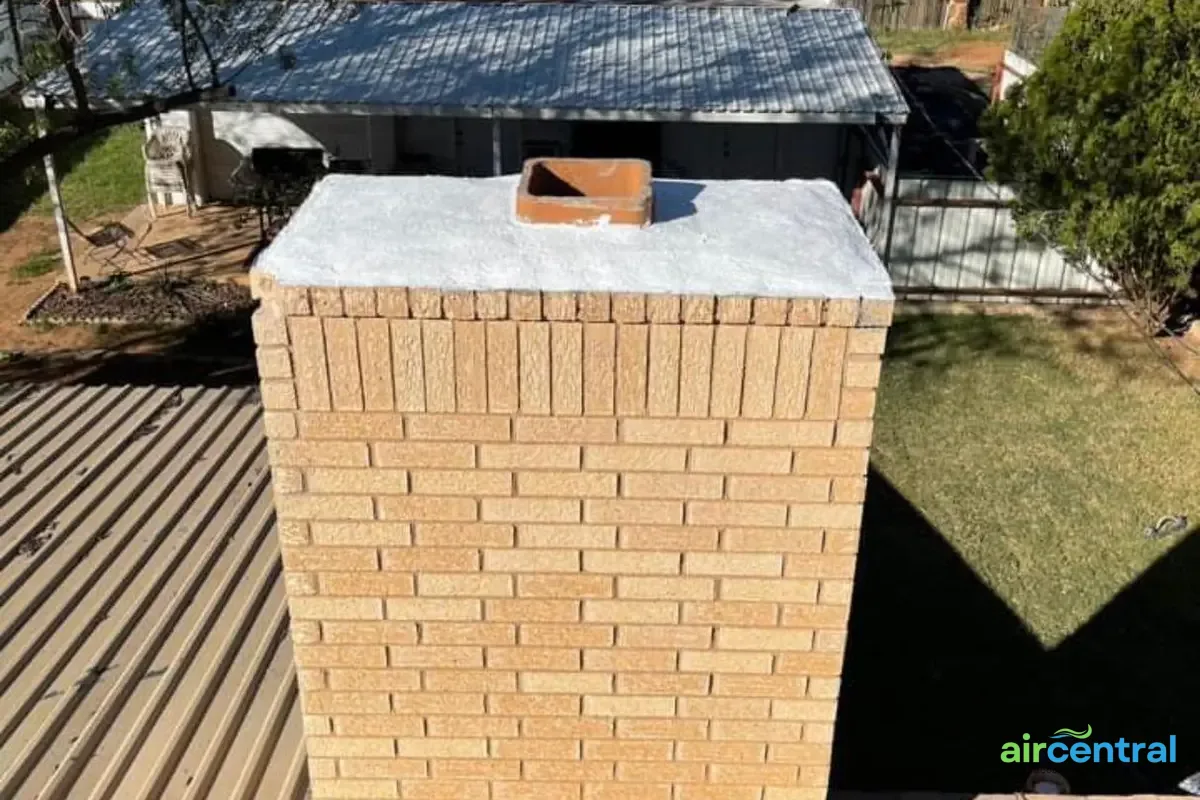
The chimney crown is the concrete or mortar slab at the very top of the chimney structure that surrounds the flue opening. Think of it as the roof of the chimney itself. Its purpose is to shed water away from the flue and prevent rain from seeping into the brickwork. Austin's temperature swings - from 20-degree winter nights to 105-degree summer afternoons - cause crowns to expand and contract repeatedly. Over 10-15 years, this thermal cycling cracks the crown. Water enters those cracks, and in the rare freezes we get, it expands and breaks the crown apart further. We see deteriorated chimney crowns on a large percentage of Austin homes built before 2005. A cracked crown should be repaired with a flexible crown sealant or rebuilt entirely, depending on the severity. Ignoring it leads to water damage inside the chimney structure that becomes far more expensive to fix.
The damper is the moveable plate inside the chimney throat (or at the top, in the case of a top-mounted damper) that you open before lighting a fire and close afterward. An open damper when the fireplace is not in use is like leaving a window open year-round - your conditioned air goes straight up the chimney. In Austin, where AC runs six to eight months per year, a stuck-open or poorly sealing damper wastes real money on cooling. Traditional throat dampers corrode over time and lose their seal. Top-mounted dampers, which use a spring-loaded cap controlled by a cable inside the firebox, provide a tighter seal and also function as a rain cap. Replacing a failed throat damper with a top-mounted unit is a worthwhile investment that pays for itself through reduced energy loss within a couple of years.
Wood-Burning vs Gas Fireplace Maintenance
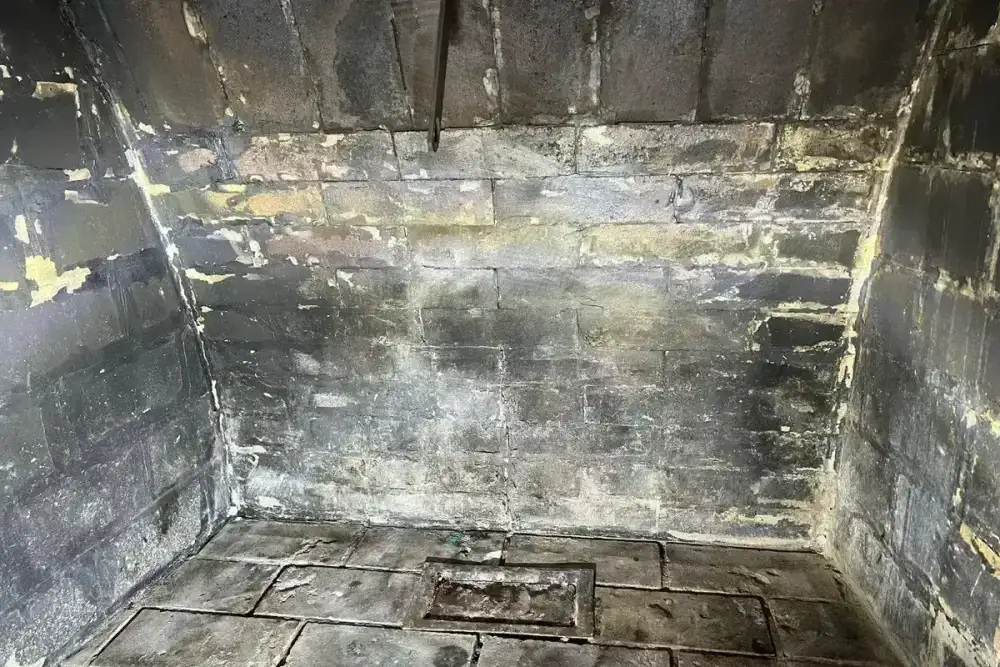
Wood-burning and gas fireplaces have fundamentally different maintenance needs, and understanding those differences helps you budget time and money for proper upkeep. Wood-burning fireplaces produce creosote, ash, and soot as natural byproducts of combustion. Every fire you burn adds to the creosote layer inside the flue. This means annual sweeping is mandatory - not optional, not every-other-year. The physical removal of creosote deposits requires rotary brushes, chemical treatments for heavier buildup, and a thorough cleaning of the firebox, smoke shelf, and damper. Wood-burning fireplaces also demand attention to fuel quality. Burning seasoned hardwood - oak, pecan, or mesquite that has dried for at least six to twelve months - produces far less creosote than green wood or softwoods like pine. Austin homeowners who buy bundled firewood from gas stations or grocery stores are often burning wood that is not adequately seasoned, which accelerates creosote buildup significantly.
Gas fireplaces produce no creosote, which is their primary maintenance advantage. However, they are not maintenance-free. The annual inspection for a gas fireplace focuses on entirely different concerns: gas valve integrity, burner assembly condition, thermocouple and thermopile wear, pilot light reliability, and venting system integrity. The carbon monoxide risk from a malfunctioning gas fireplace is the primary safety concern. A cracked heat exchanger or blocked vent can allow CO to enter your living space without any visible or olfactory warning. Gas log sets also need inspection for cracks and deterioration that can alter flame patterns and cause incomplete combustion.
One area where both types share common ground is the chimney structure itself. Whether you burn wood or gas, the chimney crown, flashing, cap, and masonry still face the same weathering from Austin's heat, rain, and occasional freezes. Both types need annual structural inspection to catch water intrusion, crown deterioration, and flashing separation before these issues cause expensive damage. The inspection and structural maintenance schedule is the same - once per year, ideally in early fall before the burning season begins. The difference is that wood burners will always need a physical sweep on top of the inspection, while gas units typically just need the inspection and a component check. Budget accordingly: gas fireplace inspections are generally less expensive than a full wood-burning sweep with Level 1 inspection. Contact us for current pricing on either service.
Fireplace Safety Tips for Austin Homeowners
Safe fireplace operation starts before you strike a match. Always open the damper fully before lighting a fire and keep it open until the ashes are completely cool - typically 12 to 24 hours after the last flame goes out. Closing it too early traps carbon monoxide inside your home. Install CO detectors on every floor, placing them at least 15 feet from the fireplace to avoid nuisance alarms but close enough to sleeping areas that you will hear them at night. Test detectors monthly and replace batteries every year.
Central Texas hardwoods like post oak, live oak, and pecan make excellent firewood, but only when properly seasoned. Store split wood off the ground and covered on top for at least six months before burning - green wood produces excessive creosote and burns inefficiently. Keep your woodpile at least 20 feet from your home to discourage termites and rodents from migrating indoors. Never burn treated lumber, cardboard, or trash in your fireplace, as these release toxic compounds and can ignite creosote deposits. A simple mesh spark screen in front of the firebox prevents embers from popping onto floors and rugs.
How to Choose a Chimney Sweep Professional in Austin
Look for technicians who follow CSIA (Chimney Safety Institute of America) standards. CSIA certification requires training, examination, and ongoing education in chimney safety and maintenance practices.
Ask about their inspection process. A thorough chimney sweep is not just running a brush through the flue. It should include a complete visual inspection of the firebox, damper, smoke shelf, flue liner, chimney exterior, crown, cap, and flashing. Any company that spends less than 45 minutes on a sweep and inspection is cutting corners.
Request before-and-after documentation. Companies with video inspection capability can show you the condition of your flue before and after cleaning. This transparency gives you confidence in the work and provides a baseline for future inspections.
Verify insurance. Chimney work involves fire, heights, and structural elements. The company should carry both general liability and workers compensation insurance.
Get a written estimate before work begins. The estimate should specify what is included in the service and what costs extra. Reputable companies do not surprise you with additional charges after the work is underway.
Check local reviews. Austin has a strong community of homeowners who share service provider recommendations. Look for companies with consistent positive reviews over several years, not just a burst of recent five-star ratings that may not be authentic.
The chimney is not going to inspect itself before next winter, and the last thing you want is smoke rolling into your living room on the first cold night of the season. Air Central's 21-point inspection covers everything from the cap to the firebox, and we document it so you have a clear record. If the flue is clean and the structure is sound, we will tell you exactly that - no invented problems, no upsells. Call (512) 601-4451 and get it on the calendar while schedules are still open.
How to Find Chimney Sweep Companies Near Me in Austin
When searching for chimney sweep companies near me in the Austin area, the volume of results can be misleading. Not every company that shows up in local search results is qualified, licensed, or honest. Here is a practical guide to evaluating your options. Start with Google reviews - look for companies with 50 or more reviews with detailed descriptions of the work, not just star ratings. Reviews that mention specific technician names, describe what was found during inspection, and include photos are more reliable than generic five-star blurbs.
Ask directly about chimney inspection service procedures. A legitimate chimney inspection service includes a written Level 1 visual inspection report at minimum, camera documentation when requested, and clear communication of what was found and what repairs (if any) are recommended. Companies that push expensive repairs without showing you documentation or camera footage of the problem are a red flag. For chimney cap installers specifically, ask about materials - stainless steel caps last decades, galvanized steel rusts in Austin's UV environment within 5-7 years.
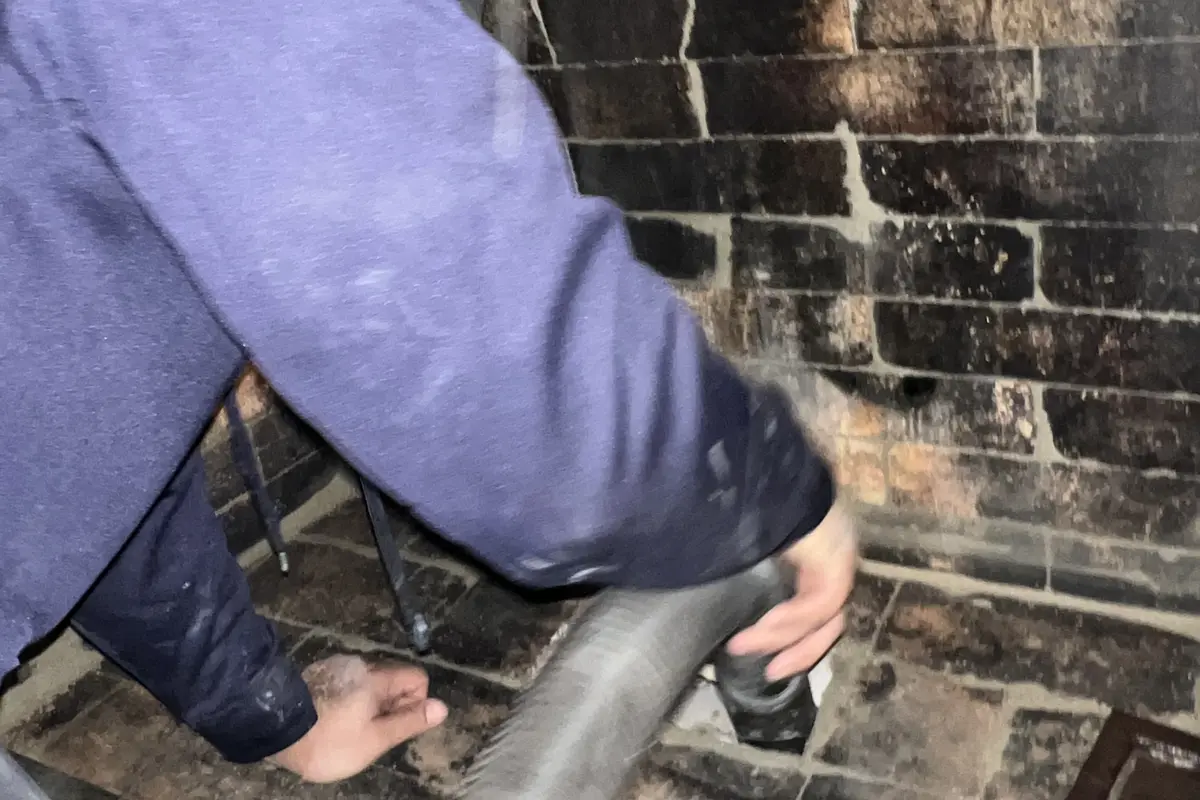
Professional chimney sweeps in Austin who follow CSIA standards will provide a written estimate before work begins, use professional-grade brushes and commercial HEPA vacuum equipment, and complete the job in 45-90 minutes for a single flue. Air Central handles chimney sweep services across the Austin metro area including Round Rock, Cedar Park, Georgetown, Pflugerville, Lakeway, Kyle, Dripping Springs, and 27 surrounding communities. If you need chimney cleaning near me, chimney sweep and inspection together, or fireplace repair assessment, we are available seven days a week.
Related Services
Learn more about our professional services related to this topic:
- Chimney Sweep & Repair - Professional cleaning and 21-point safety inspection for your fireplace.
All Articles in This Series
- How Often Should You Get a Chimney Sweep?
- 21-Point Chimney Inspection Checklist for Austin Homeowners
- Creosote Buildup: The Hidden Danger in Your Chimney
- Gas Fireplace Maintenance: Annual Service Guide
- Chimney Sweep Cost: 2026 Pricing Guide
- Chimney Caps: Installation, Replacement, and Why They Matter
- Chimney Sweep: What to Expect, Costs, and How to Choose
- Fireplace Cleaning: Wood vs Gas, Cost, and When to Schedule
- Do I Need a Chimney Sweep If I Don't Use My Fireplace?
- Animals in Your Chimney: Raccoons, Birds, and Bats
- Best Time of Year for a Chimney Sweep in Austin
- Chimney Cap vs Chimney Damper: What's the Difference?
Have questions about chimney & fireplace? Our team is available 7 days a week. Call us at (512) 601-4451 or visit our contact page.