Cedar pollen enters Austin HVAC systems through filter gaps, return air leaks, and normal air intake during the December-February peak. Once inside, it accumulates in the plenum, coils, and duct walls - recirculating allergens for months. Professional duct cleaning removes the buildup, and UV light systems help prevent biological regrowth.
Austin Has 12 Ashe Juniper Trees Per Resident
Every winter, Austin transforms into one of the worst allergy environments in the United States. The culprit is Ashe juniper - commonly called mountain cedar - a native tree that blankets the Hill Country west and south of the city. Travis County alone has an estimated 26 million Ashe juniper trees, roughly 12 for every person living in Austin.
From mid-December through February, male Ashe junipers release massive clouds of pollen that look like smoke rising from the tree canopy. Peak counts in Austin regularly exceed 20,000 grains per cubic meter of air, among the highest concentrations measured anywhere in the country. The Ashe Juniper Pollen Index maintained by the Austin-area allergy monitoring stations confirms what 20% of local residents already know from their symptoms: cedar season is brutal.
That pollen does not stay outside. Your HVAC system pulls air from your home's interior and recirculates it 5-7 times per hour. Every time someone opens a door, every gap around a window frame, every return air leak in an unconditioned attic - these are entry points for cedar pollen that your system then distributes through every room in the house.
How Does Cedar Pollen Get Past Your HVAC Filter?
The short answer: more easily than you think. Cedar pollen grains range from 20-30 microns in diameter - large enough for a MERV 8 filter to capture in theory. But pollen does not arrive at your filter in a neat, single-file line.
Standard 1-inch filters have a limited surface area and clog quickly during heavy pollen season. Once the filter loads up with debris, air pressure forces pollen around the filter edges and through any gap between the filter and its housing. A study published in the Journal of Allergy and Clinical Immunology found that poorly sealed filter housings allow up to 30% of airborne particles to bypass the filter entirely.
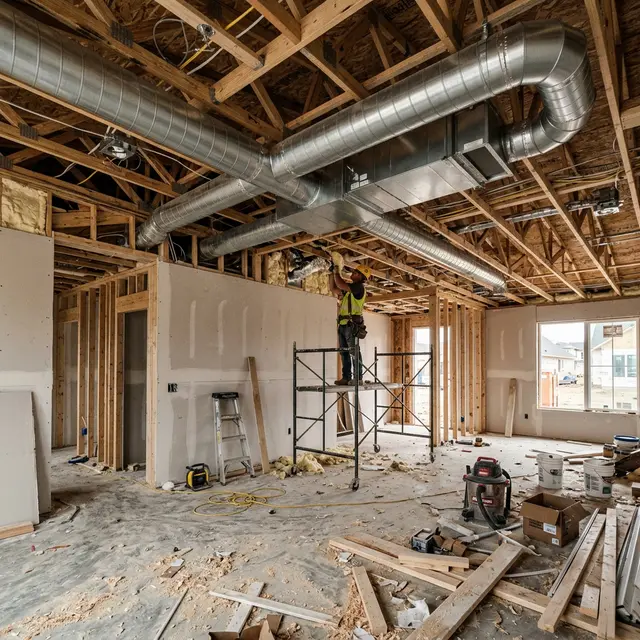
Return air ducts in Austin attics are notorious for leaks at joints and connections. The DOE estimates that typical duct systems lose 20-30% of airflow through leaks. During cedar season, those leaks pull pollen-laden attic air directly into your duct system, completely bypassing the filter. Homes in neighborhoods like Bee Cave, Lakeway, and Dripping Springs sit right in the cedar belt and see the heaviest infiltration.
Where Does Pollen Accumulate Inside Your Ductwork?
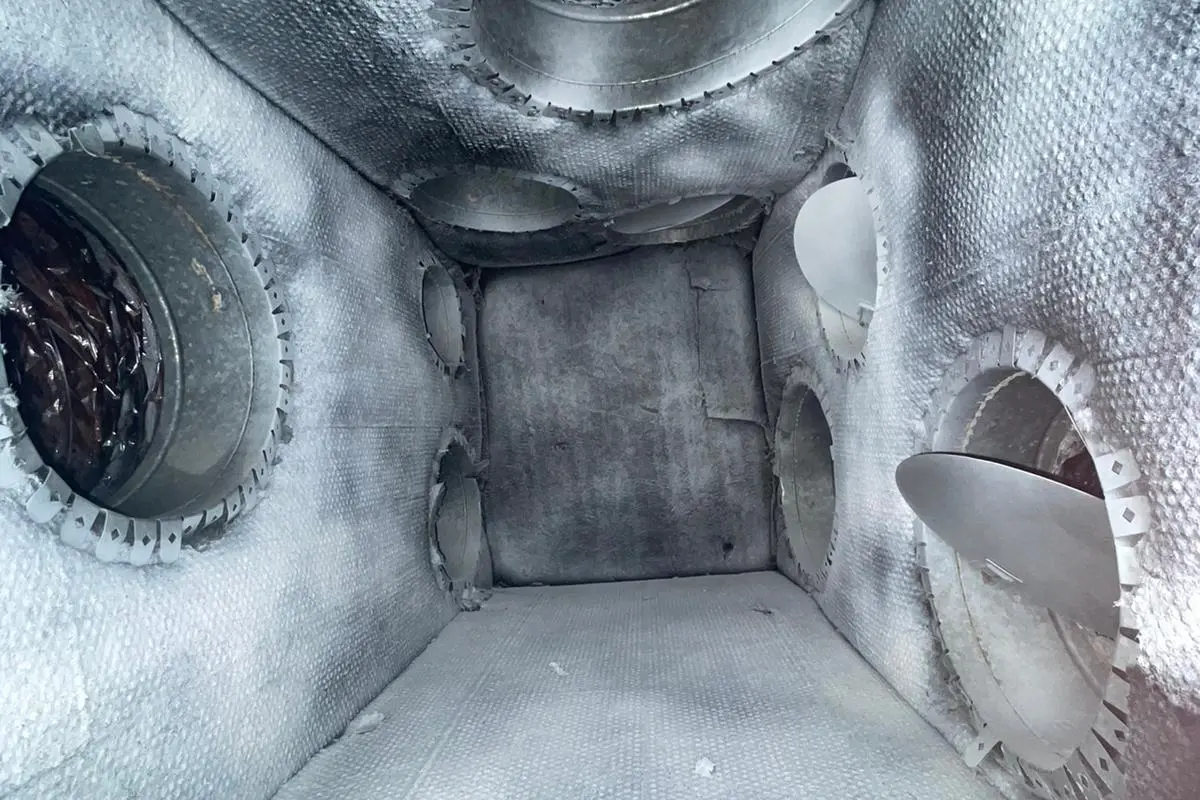
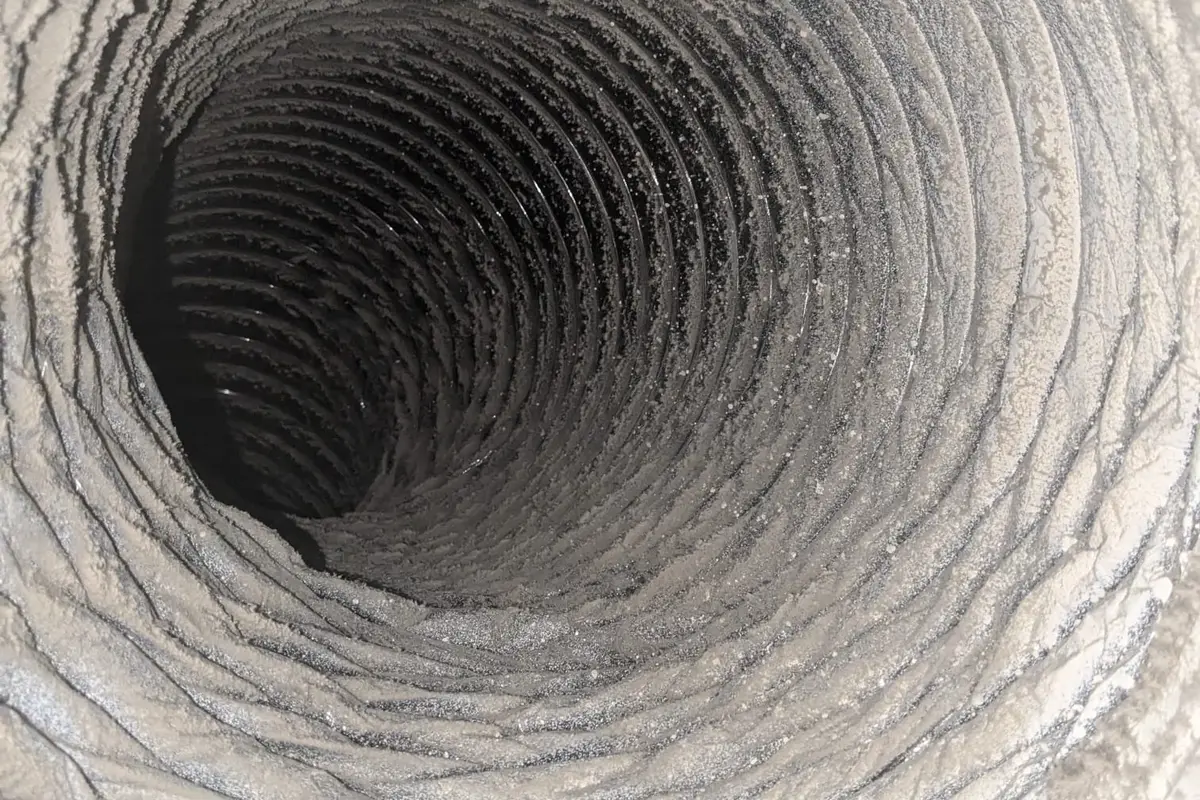
Once pollen enters the system, it settles in predictable places. The plenum box - the large metal chamber directly connected to your air handler - collects the heaviest deposits because all air passes through it. We routinely find a visible yellow-green layer of pollen buildup in plenums inspected during or after cedar season.
Evaporator coils are the second major collection point. These coils are wet from condensation, and pollen sticks to damp surfaces. A coil coated in cedar pollen acts like a biological incubator - the combination of moisture, organic material, and warm air creates conditions where mold and bacteria thrive alongside the pollen itself.
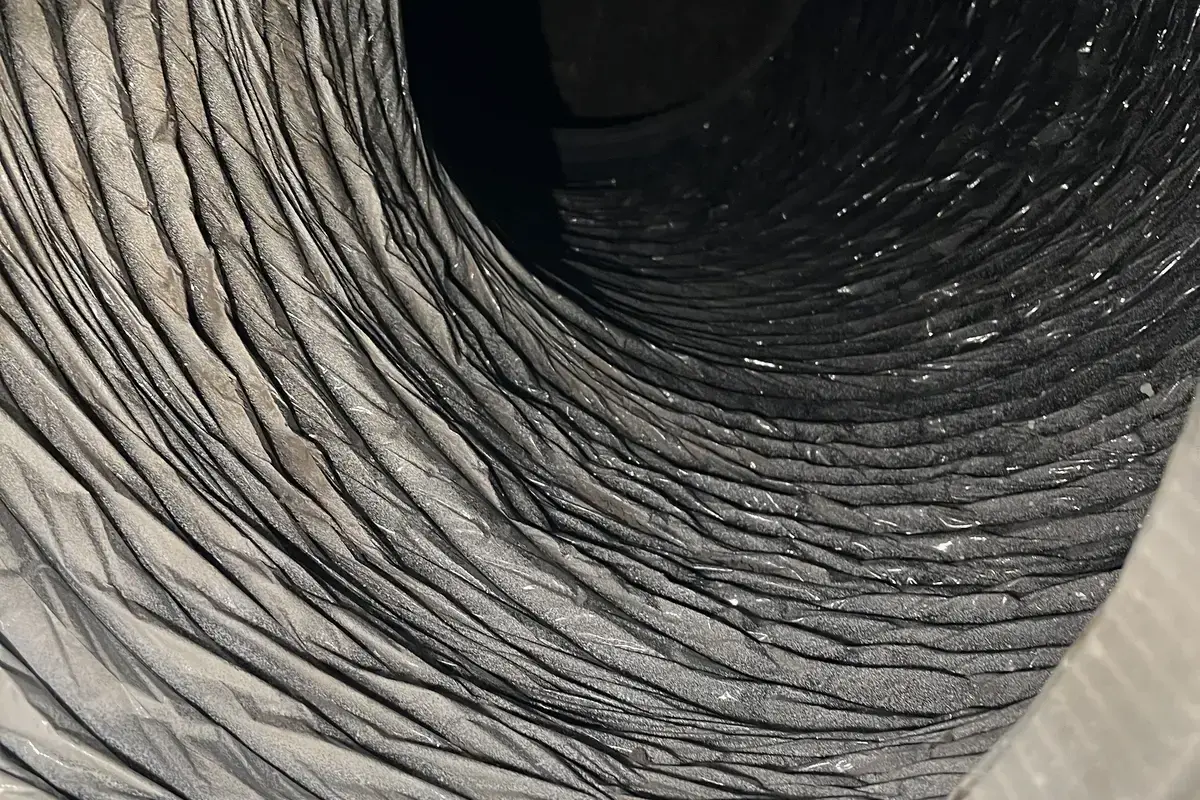
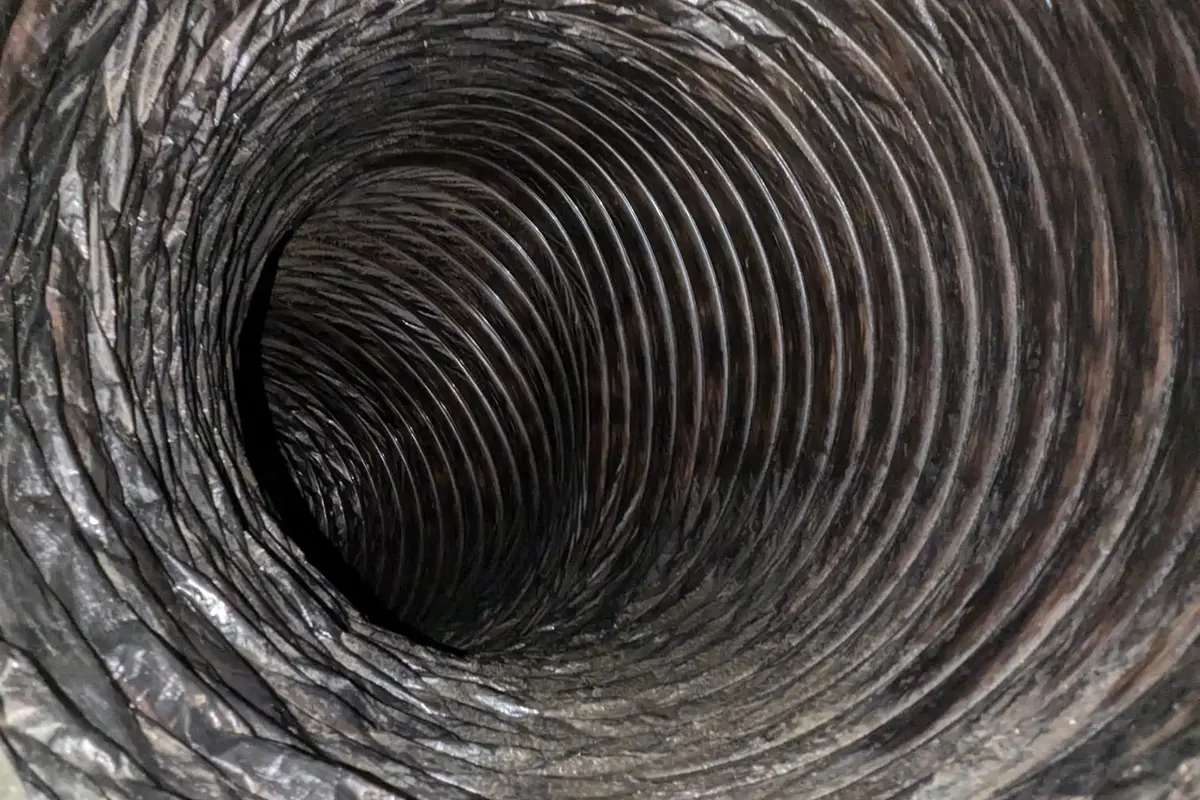
Supply duct walls, register boots, and flex duct interiors all accumulate pollen over time. The ridged interior of flex duct is particularly effective at trapping particles. In homes where ducts have not been cleaned in 5+ years, we find layered deposits showing distinct seasonal buildup - cedar in winter, oak in spring, and general dust year-round.
Why Cedar Allergies Persist After Pollen Season Ends
Many Austin residents notice their allergy symptoms continue into March, April, and even May - long after the trees stop producing pollen. The explanation is inside their ductwork.
Pollen trapped in the HVAC system recirculates every time the blower runs. According to the American Academy of Allergy, Asthma and Immunology (AAAAI), indoor allergen reservoirs in ductwork and HVAC components can sustain allergic reactions for months after outdoor pollen counts drop to zero. Your system runs 10-11 months per year in Austin, constantly pushing those stored allergens back into your breathing air.
"We get more calls in March than December," says Nessi Ziv, owner of Air Central with over 10,000 duct inspections in Central Texas. "People assume cedar season is over when the pollen count drops. But the pollen inside their ducts is still circulating. We show them the camera footage and they understand why they are still sneezing in April."
Professional Removal: What Duct Cleaning Does for Cedar Pollen
Removing cedar pollen from ductwork requires commercial-grade equipment. Consumer-level duct cleaning tools - shop vacs, brush kits from hardware stores - lack the suction power and reach to remove pollen embedded in flex duct ridges, coil fins, and plenum surfaces.
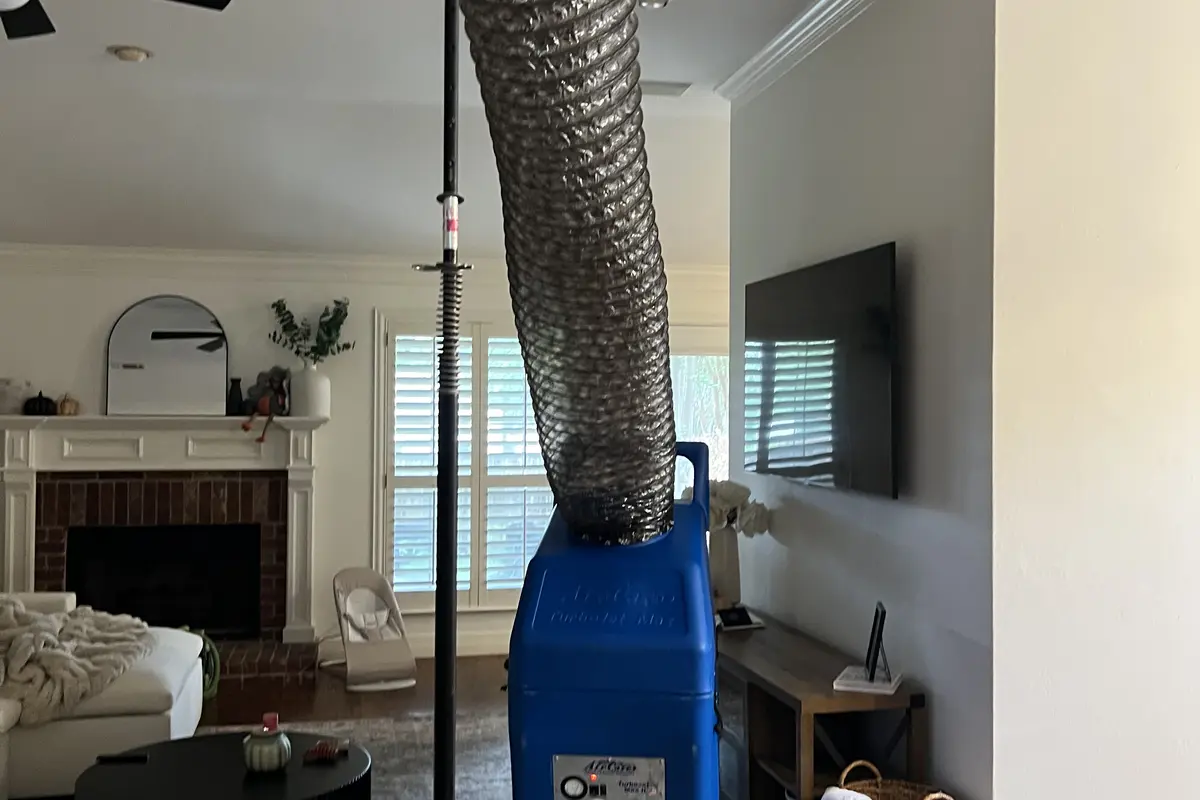
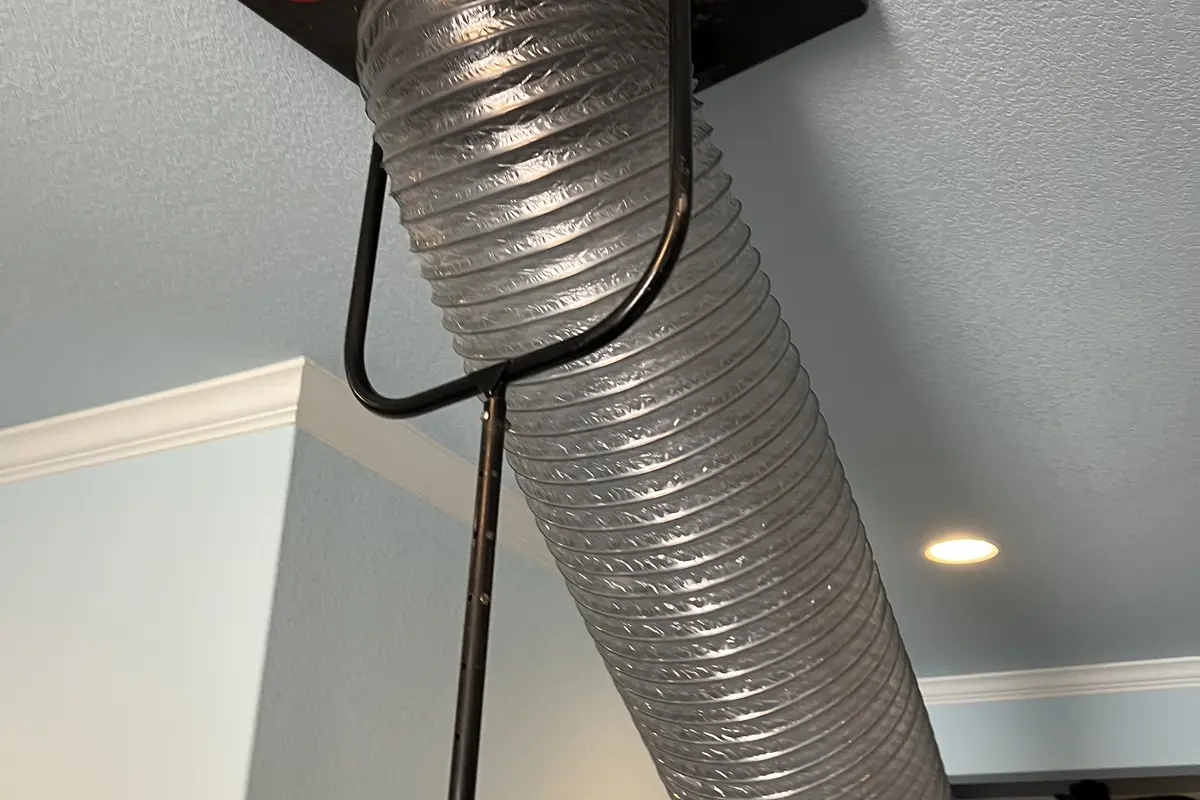
Professional duct cleaning uses HEPA-filtered negative-pressure vacuums connected to the main trunk line while rotary brushes and compressed air tools dislodge stuck-on debris from each vent, return, and duct run individually. The process takes 2-4 hours for a standard Austin home and removes accumulated pollen, dust, and biological growth from the entire air distribution system.
The EPA recommends duct cleaning when there is visible evidence of contamination or when occupants experience unexplained allergy symptoms. Cedar pollen buildup meets both criteria in most Austin homes. Residential duct cleaning typically costs $150-$2,500 depending on home size, number of vents, and contamination level.
For the best results, schedule duct cleaning in late February or March - after cedar season peaks but before oak pollen adds another layer. This removes the winter buildup before your system shifts into heavy cooling mode for summer.
Concerned About Your Home's Air?
We provide professional air quality assessments for Austin homes. See what is in your ducts before deciding.
Call (512) 601-4451Rate your home's indoor air quality in 2 minutes
UV Light Systems: Prevention Between Cleanings
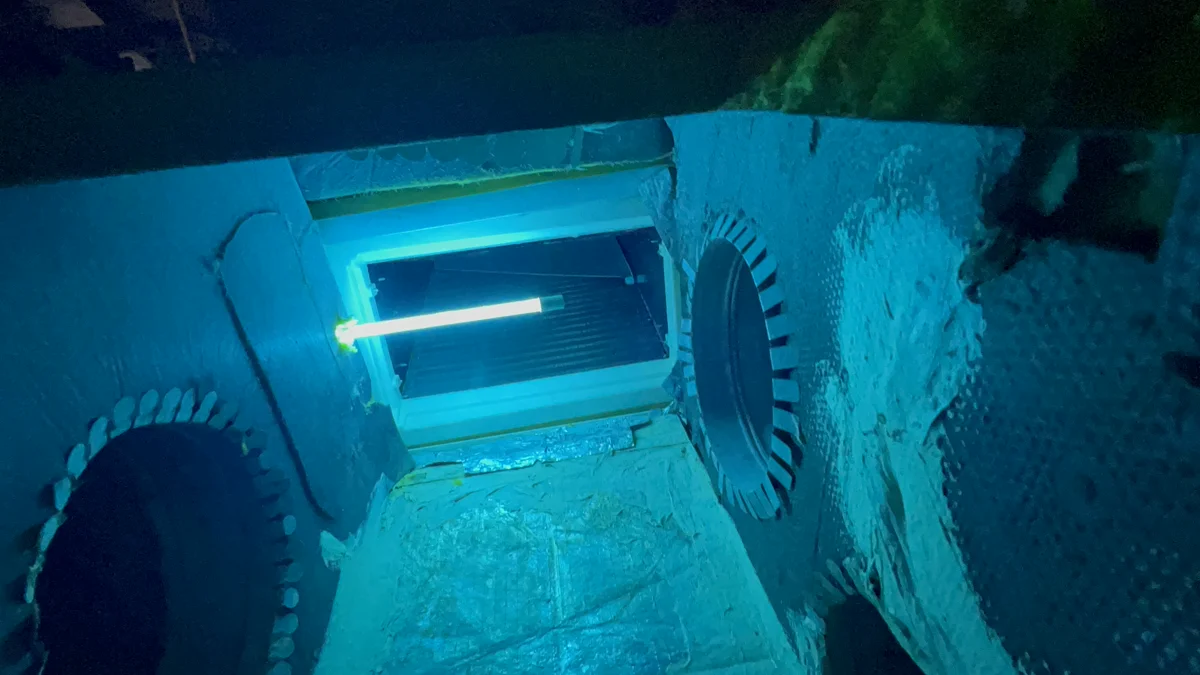
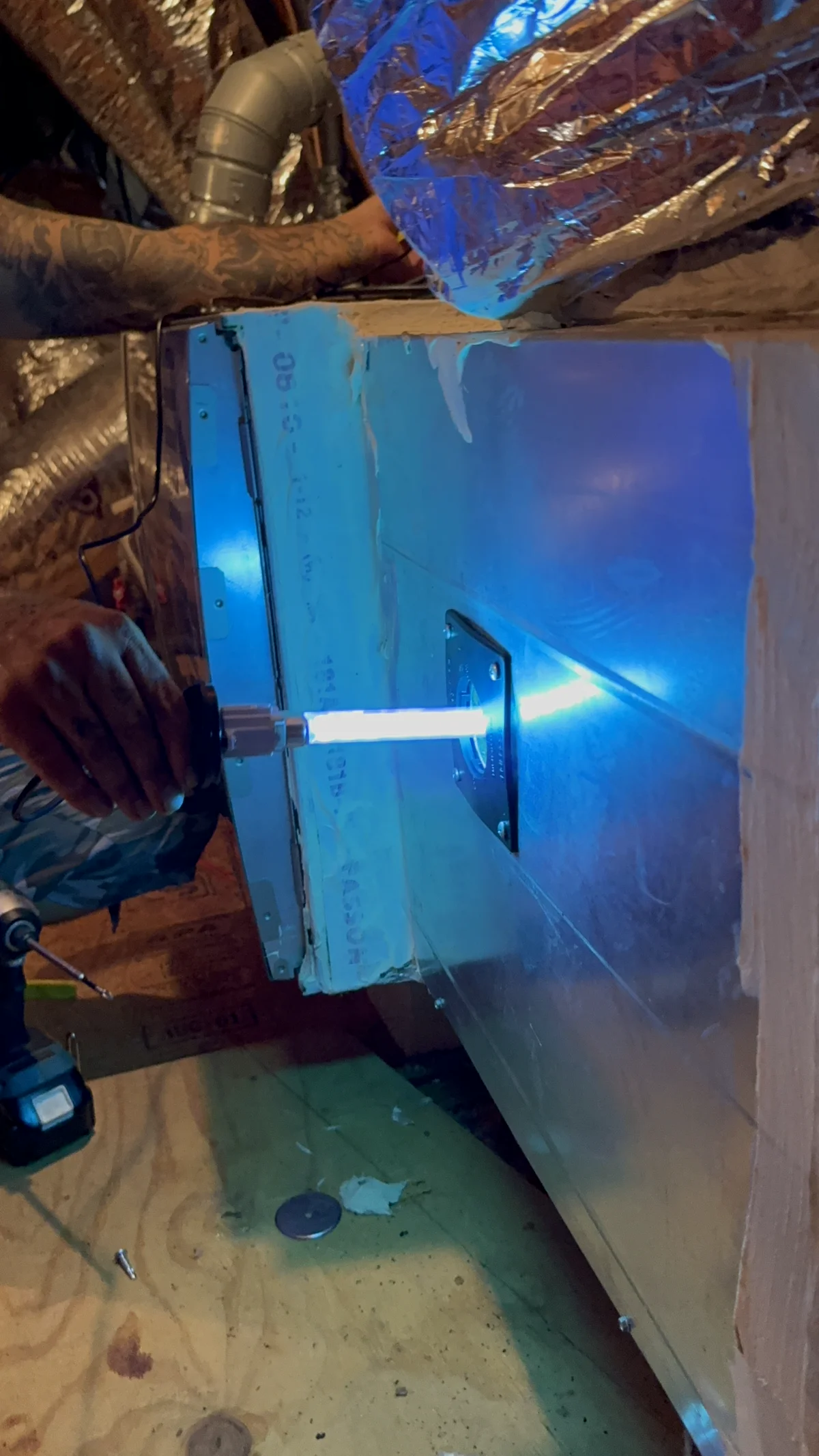
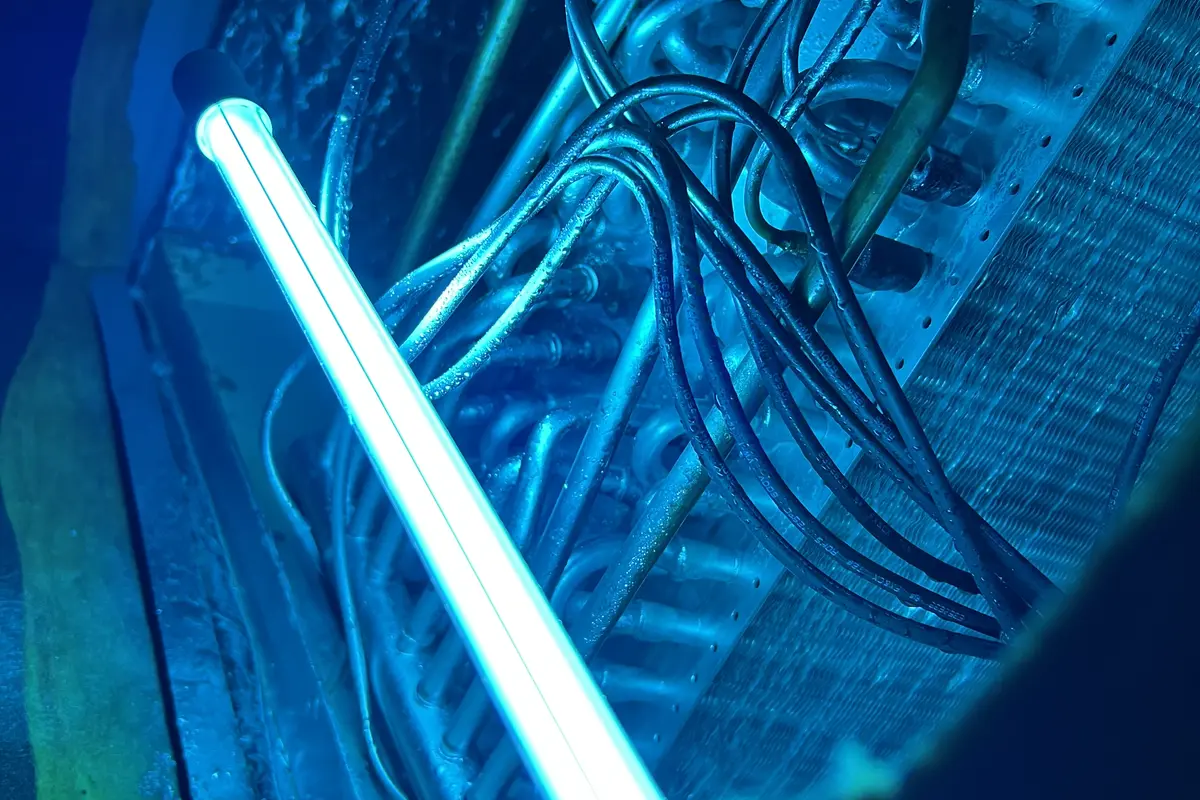
Duct cleaning removes existing pollen, but what about next season? UV-C germicidal light systems installed near the evaporator coil provide continuous protection against biological growth on the coil surface.
UV-C light at the 254nm wavelength disrupts the DNA of mold, bacteria, and other microorganisms. While UV light does not destroy pollen grains themselves, it prevents the mold and bacterial colonies that grow on moisture-trapped pollen from establishing on coil surfaces. The result is a cleaner coil that drains properly and does not become a secondary allergen source.
A UV light system costs $500-$2,000 installed and the bulbs require annual replacement ($50-$150). For Austin residents who suffer through cedar season every year, the combination of annual duct cleaning and a UV coil light represents the most effective indoor allergen management strategy available.
Filter Upgrades That Actually Help During Cedar Season
Upgrading to a MERV 13 filter captures 85%+ of particles in the 1-3 micron range and even more in the 20-30 micron cedar pollen range. That is a meaningful improvement over the MERV 8 filters most Austin homes use by default.
The catch: higher MERV ratings restrict airflow if your system was not designed for them. A MERV 13 in a system designed for MERV 8 can reduce airflow enough to cause coil freezing and compressor strain. Have a professional verify your system's static pressure capacity before upgrading. Most newer systems handle MERV 13 without issue; older systems may need a filter housing modification.
During peak cedar months, check and replace your filter every 30 days instead of the usual 90. A loaded filter during heavy pollen season is worse than a lower-rated clean filter because the pressure differential forces air around the filter edges. Write the install date on the filter frame with a marker so you do not lose track.
Get the Cedar Out of Your Ducts Before Spring
Cedar season deposits pollen in your ductwork whether you see it or not. If you or anyone in your household has been dealing with persistent allergy symptoms, watery eyes, or congestion that will not resolve, the answer may be circulating through your vents right now.
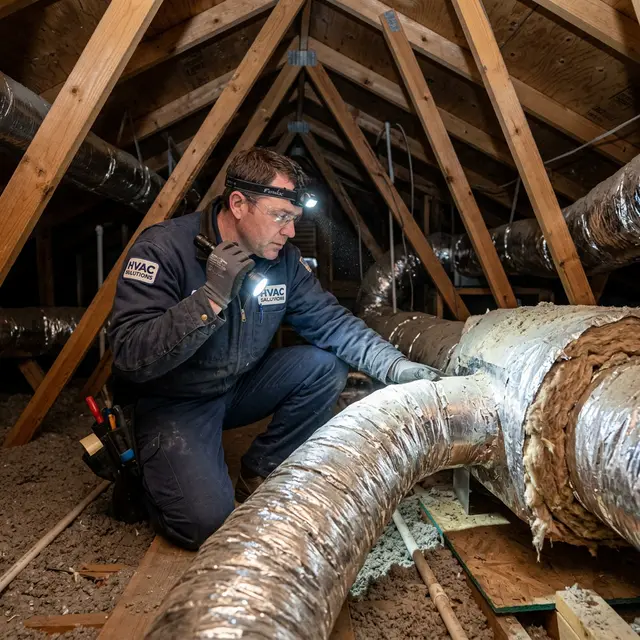
Air Central uses HD camera inspection to show you exactly what cedar season left behind in your ducts - before and after cleaning. We have removed cedar pollen buildup from over 10,000 Austin homes across Lakeway, Cedar Park, Round Rock, and every neighborhood in between. Call (512) 601-4451 to schedule your post-cedar-season duct cleaning.
Related Services
Learn more about our professional services related to this topic:
- Air Duct Cleaning - Remove dust, allergens, and debris from your entire HVAC system for cleaner indoor air.
- Air Duct Inspection - Diagnose leaks, blockages, and efficiency issues with HD camera inspection.
- UV Lighting System - Eliminate bacteria and allergens inside your HVAC with UV-C light technology.
Want the full picture?
Read our complete guide: Indoor Air Quality in Austin: The Complete Guide (2026) →Have questions about indoor air quality? Our team is available 7 days a week. Call us at (512) 601-4451 or visit our contact page.