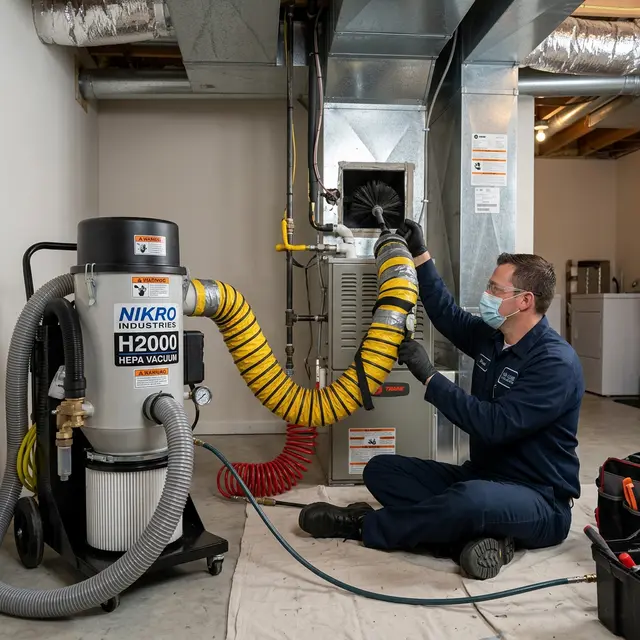
During cedar fever season (December-February), keep windows sealed, run your HVAC with a MERV 11+ filter changed monthly, shower and change clothes after being outdoors, and schedule duct cleaning in March to remove accumulated cedar pollen.
What Makes Cedar Fever So Severe
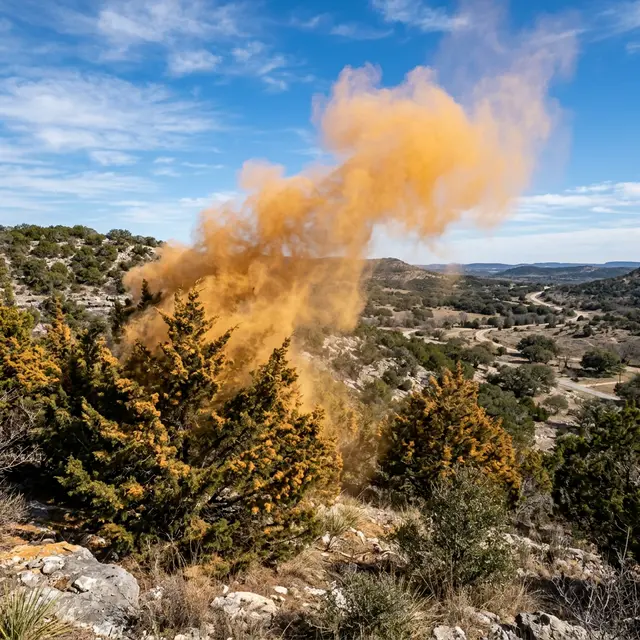
Austin sits in the heart of the Ashe juniper (mountain cedar) belt. These trees release massive pollen clouds that are visible from a distance. Cedar pollen counts in Austin regularly exceed 20,000 grains per cubic meter - anything above 500 is considered high. The pollen is extremely lightweight and can travel hundreds of miles. Even homes far from cedar trees are affected.
Cedar fever symptoms mimic a severe cold: intense sneezing, nasal congestion, itchy/watery eyes, sore throat, fatigue, and headaches. Unlike a cold, it lasts the entire season (6-10 weeks). An estimated 25-30% of Austin residents are allergic to cedar pollen.
Peak counts typically hit in late December through mid-January, when a single warm day after a cold front can trigger massive pollen releases. The Austin-area pollen monitoring stations have recorded counts above 30,000 grains per cubic meter on the worst days. To put that in perspective, most allergy sufferers start experiencing symptoms at 100-200 grains per cubic meter. During peak events, Austin's counts can be 150 to 300 times the threshold that triggers symptoms.
Neighborhood Severity Variations
Not all parts of Austin experience cedar fever equally. Areas closer to the Hill Country - West Austin, Lakeway, Bee Cave, Dripping Springs, and the western portions of neighborhoods like Circle C and Barton Hills - sit right in the cedar belt and experience the heaviest pollen loads. Homes in these areas are surrounded by mature Ashe juniper trees, and pollen concentrations are highest close to the source.
East Austin, Pflugerville, Manor, and areas east of I-35 generally see lower pollen counts because the cedar tree density drops off significantly east of the Balcones Escarpment. However, cedar pollen travels far on wind currents, so no part of the Austin metro is immune. Even homeowners in Georgetown, Round Rock, and Cedar Park - which are north of the densest cedar groves - report significant symptoms during peak season.
Indoor Air Quality Strategies
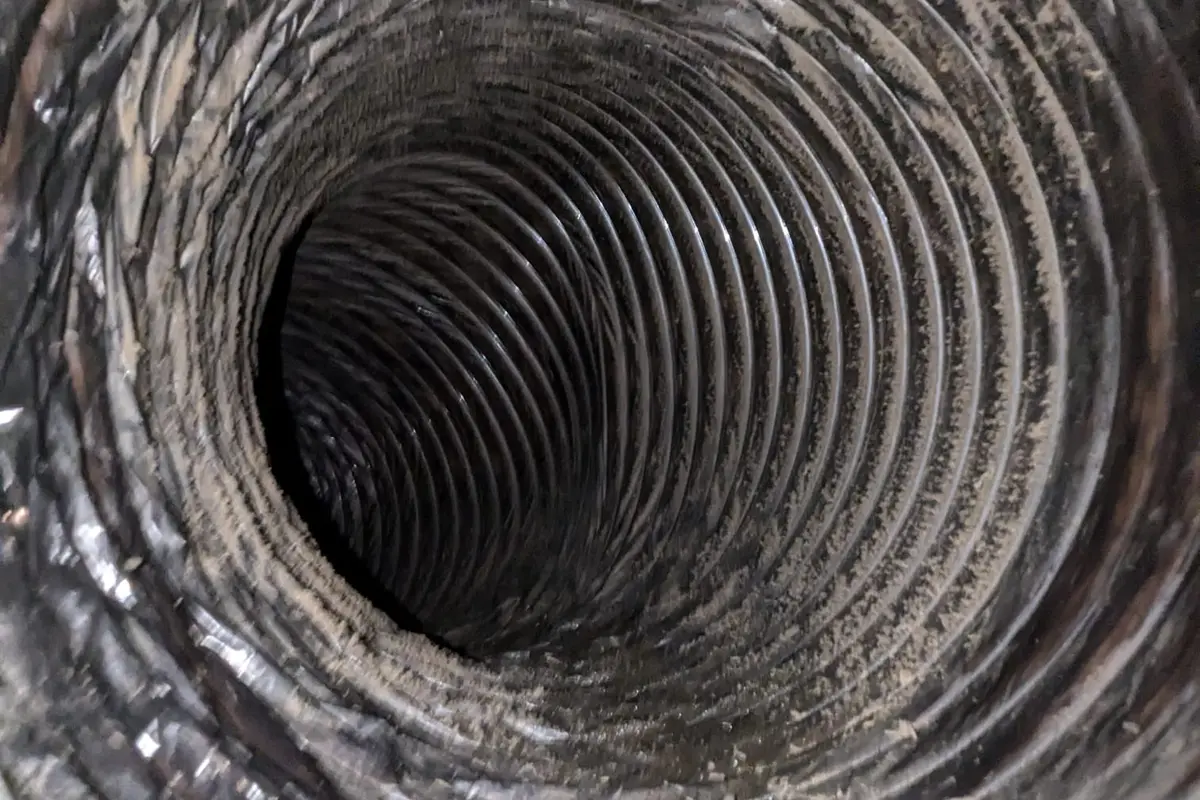
Seal the house: keep all windows and doors closed from December through February. Use your HVAC system for ventilation instead of outdoor air. Upgrade to MERV 11-13 filters and change monthly during cedar season. Run the HVAC fan on AUTO (not ON) to avoid circulating particles when the system is not actively filtering. Shower and change clothes immediately after coming inside - cedar pollen clings to hair, skin, and fabric.
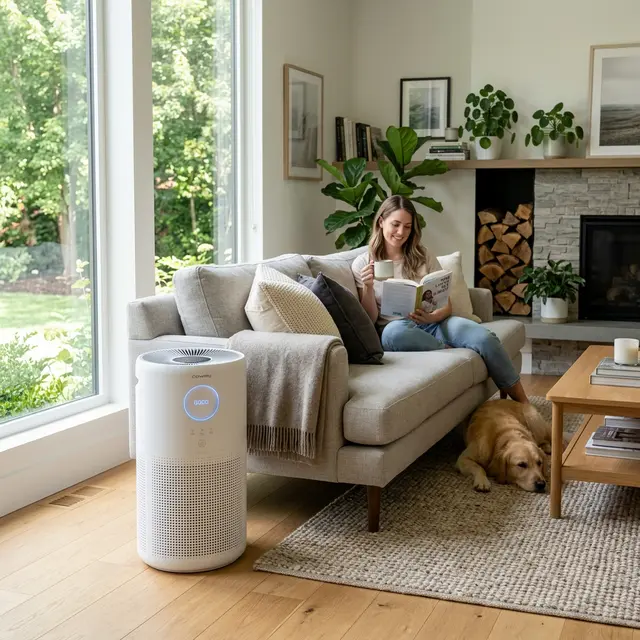
Do NOT use air purifiers as your only defense - they filter one room while your HVAC distributes pollen through the entire house. Clean the source (your ducts) and filter at the source (upgraded HVAC filter) for whole-home protection.
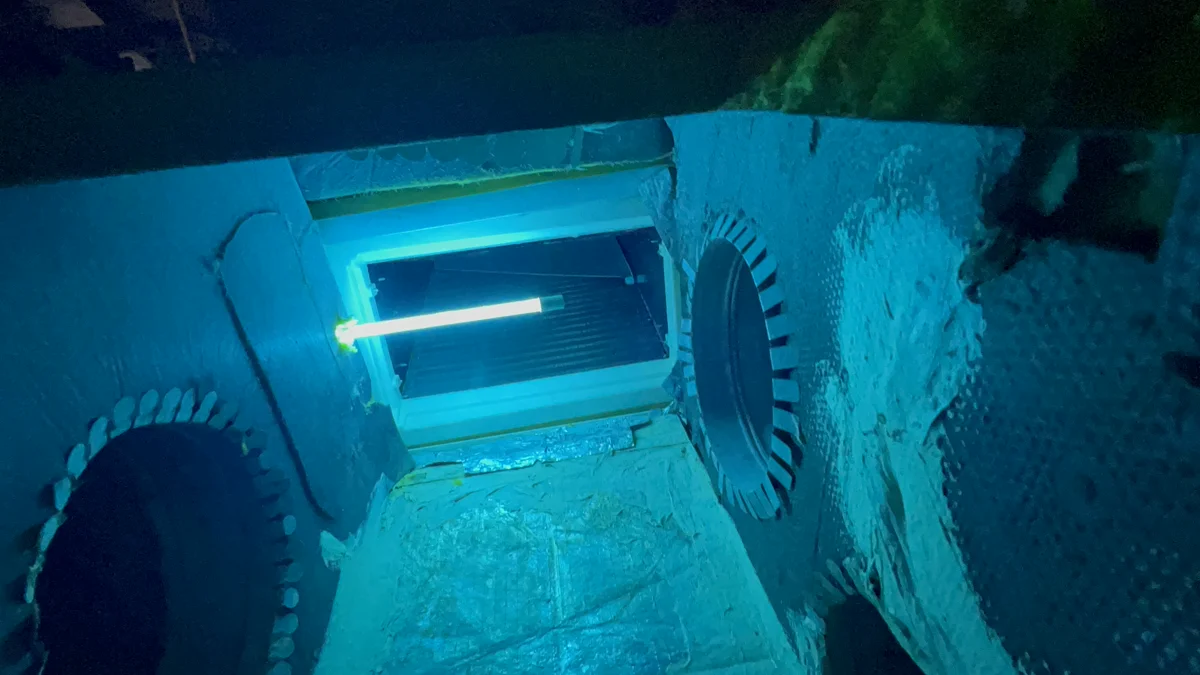
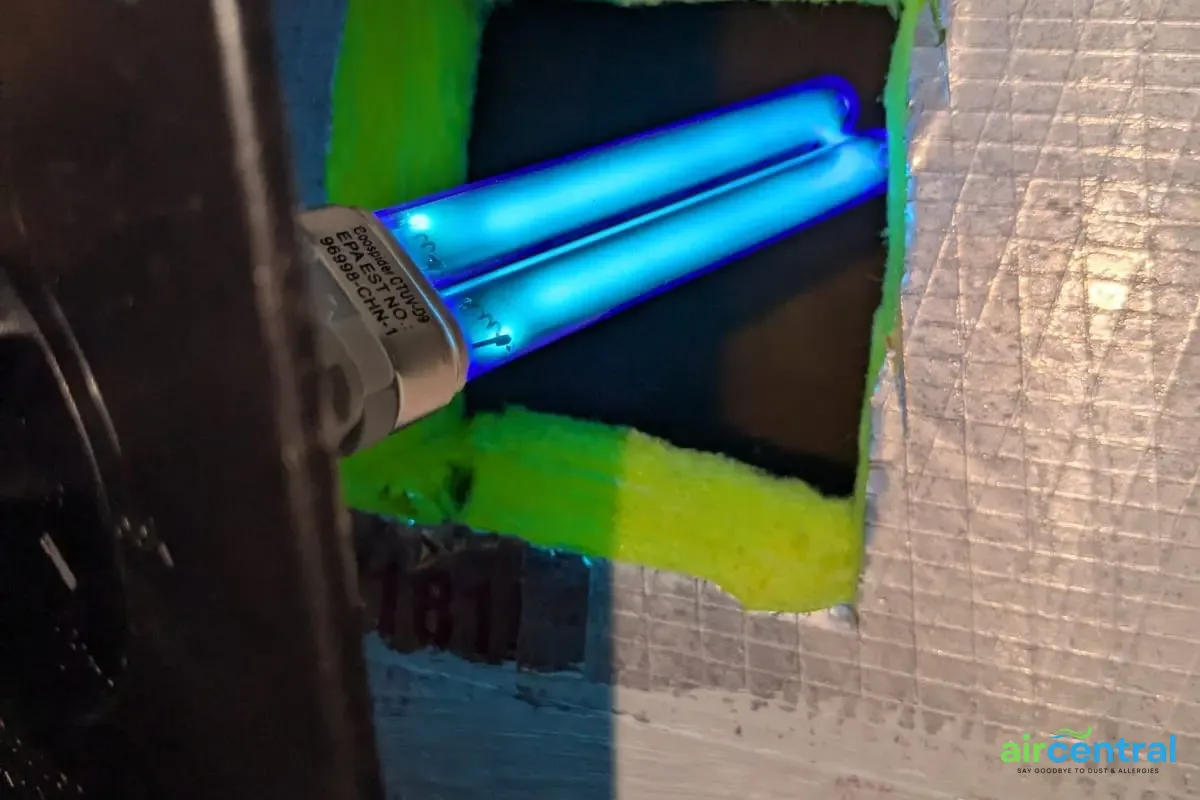
If you or family members have severe cedar allergies, consider adding a UV light system to your air handler. While UV lights do not filter pollen directly, they help control biological growth on the evaporator coil that can compound respiratory symptoms during allergy season. Combined with a high-MERV filter and clean ducts, a UV system gives you the best possible indoor air quality during the worst outdoor pollen months.
Concerned About Your Home's Air?
We provide professional air quality assessments for Austin homes. See what is in your ducts before deciding.
Call (512) 601-4451Rate your home's indoor air quality in 2 minutes
Medical Context for Cedar Allergies
Cedar fever is not actually a fever, though some sufferers report feeling feverish due to the intense immune response. The allergy is caused by a protein in Ashe juniper pollen that triggers a histamine reaction in sensitive individuals. Over time, many Austin residents who were not initially allergic develop sensitivity after several years of exposure - a phenomenon allergists call sensitization.
If over-the-counter antihistamines are not controlling your symptoms, see an allergist about prescription options or immunotherapy (allergy shots or sublingual drops). Immunotherapy can reduce cedar sensitivity over 3-5 years of treatment. Many Austin allergists specialize in cedar fever because it is so common here. While managing the medical side, controlling your indoor environment through duct cleaning, filter upgrades, and sealing the house prevents pollen from following you inside and extending your exposure beyond what outdoor time requires.
Post-Season Cleanup
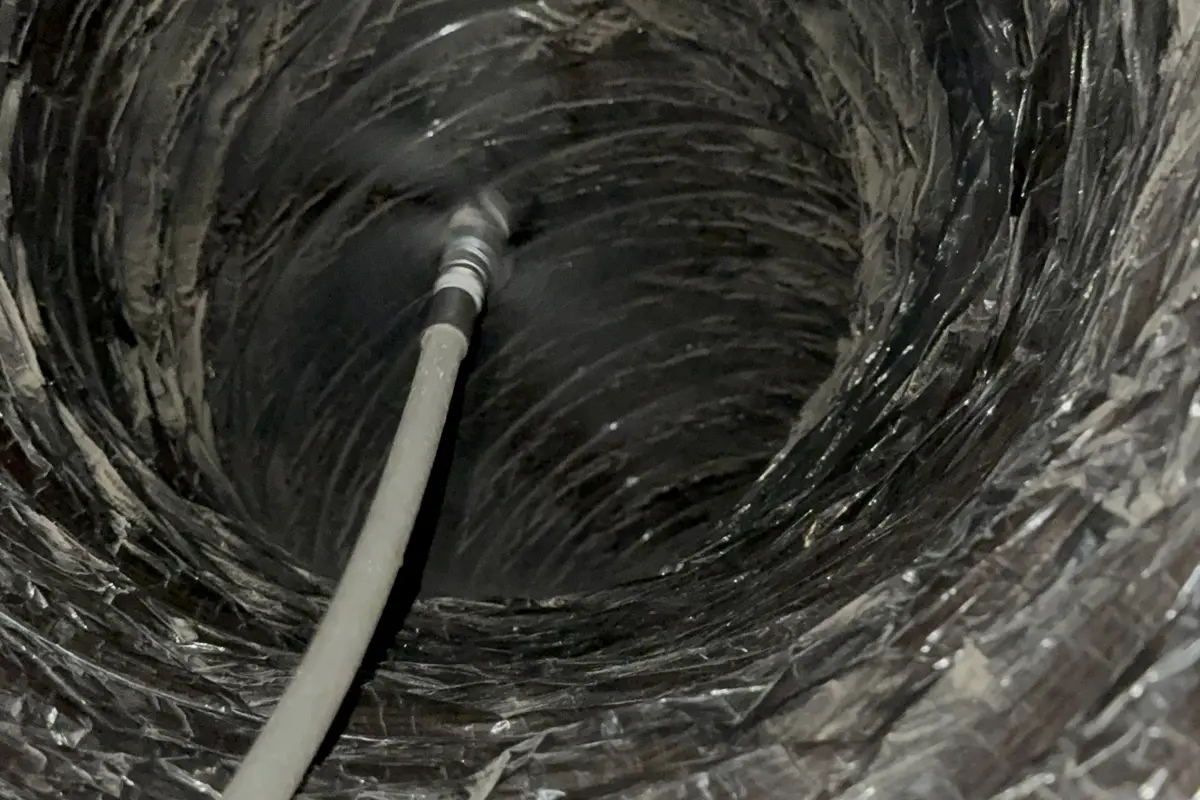
Cedar season may be winding down outside, but inside your ducts, three months of Ashe juniper pollen is still circulating every time the system kicks on. That is why you are still sneezing in April. A post-season cleaning clears the entire reservoir before you seal the house up for summer. Call (512) 601-4451 to Book Your Appointment while spring schedules still have openings - by May, everyone in Austin suddenly remembers their ducts.
Related Services
Learn more about our professional services related to this topic:
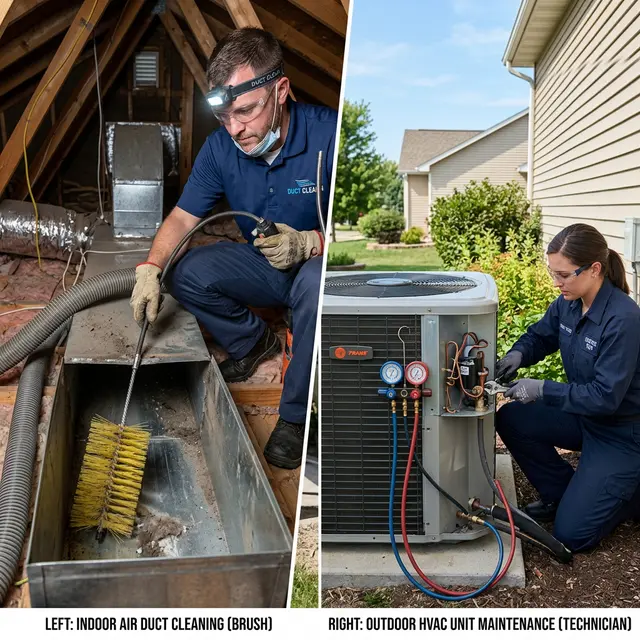
- Air Duct Cleaning - Remove dust, allergens, and debris from your entire HVAC system for cleaner indoor air.
- Air Duct Inspection - Diagnose leaks, blockages, and efficiency issues with HD camera inspection.
- UV Lighting System - Eliminate bacteria and allergens inside your HVAC with UV-C light technology.
Want the full picture?
Read our complete guide: Indoor Air Quality in Austin: The Complete Guide (2026) →Have questions about indoor air quality? Our team is available 7 days a week. Call us at (512) 601-4451 or visit our contact page.