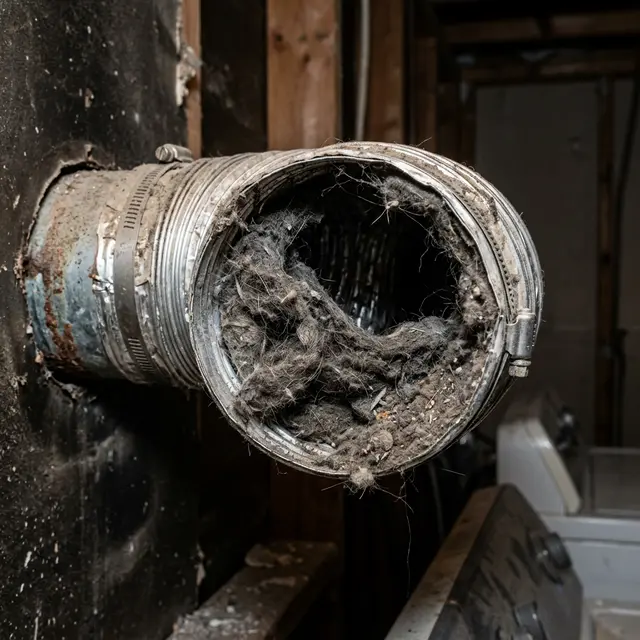
Yes, a dryer can catch fire even when it is turned off. Lint trapped in the vent line can ignite from residual heat retained after a cycle, from an electrical short in standby mode, or from an external heat source near the exhaust terminal. The U.S. Fire Administration reports 2,900 dryer fires per year, and a portion occur when the dryer is not actively running. Annual vent cleaning eliminates the fuel source. Call (512) 601-4451 to schedule dryer vent cleaning.
How a Dryer Can Catch Fire When It Is Not Running
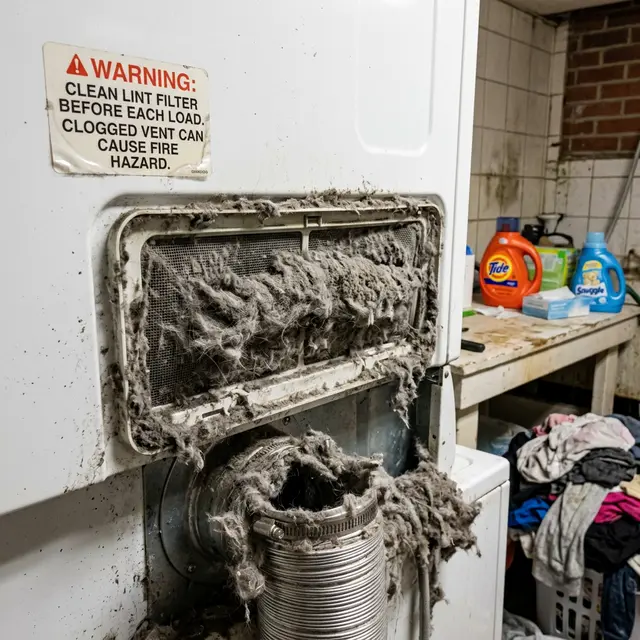
Most people assume fire risk only exists while the dryer is operating. The reality is more concerning. Lint is one of the most flammable materials in your home - the U.S. Consumer Product Safety Commission classifies it as a Class A combustible. When lint accumulates in your dryer vent line, the vent transition hose, or inside the dryer cabinet itself, it remains a fire hazard whether the machine is running or not.
Three scenarios can cause a dryer fire when the unit is turned off. First, residual heat: after a high-heat cycle, the dryer drum, heating element housing, and vent line retain significant heat for 30-60 minutes. If the vent is clogged with lint, this residual heat can reach the ignition point of lint (around 400-500 degrees Fahrenheit) even after the dryer has been switched off. This is especially likely when the dryer has been running multiple back-to-back loads.
Second, electrical faults: dryers remain connected to a 240-volt circuit even when turned off. A frayed wire, loose connection, or degraded terminal block can arc and generate enough heat to ignite lint that has accumulated inside the dryer cabinet or around the electrical components. This type of fire can occur at any time, completely independent of dryer operation.
Third, external heat sources: if your dryer vent exhausts near a gas water heater, furnace, or grill, an external heat source can ignite lint at the vent terminal or in the vent line near the exterior wall. This is a design issue found in some Austin homes where utility rooms and garages place dryer vents in close proximity to gas appliances.
Real Incident Patterns from Fire Investigation Reports
The National Fire Protection Association (NFPA) documents dryer fires where ignition occurred during non-operation. In many cases, the pattern is similar: the homeowner ran multiple loads, turned off the dryer, and left the house or went to sleep. The vent line, packed with lint from months or years of neglected cleaning, retained enough heat from the final cycle to smolder and eventually ignite.
Electrical-fault fires follow a different pattern. These often occur in older dryers (10+ years) where internal wiring has degraded. The fire starts inside the dryer cabinet, ignites accumulated lint around the motor or heating element housing, and spreads from there. These fires can happen hours or even days after the last use.
In Austin and Central Texas, fire departments respond to dryer-related fires throughout the year, but incidents increase during winter months when dryers run more frequently for heavier loads (blankets, comforters) and when families use dryers more often due to cooler temperatures making outdoor drying impractical.
Why Lint Is So Dangerous as a Fire Fuel
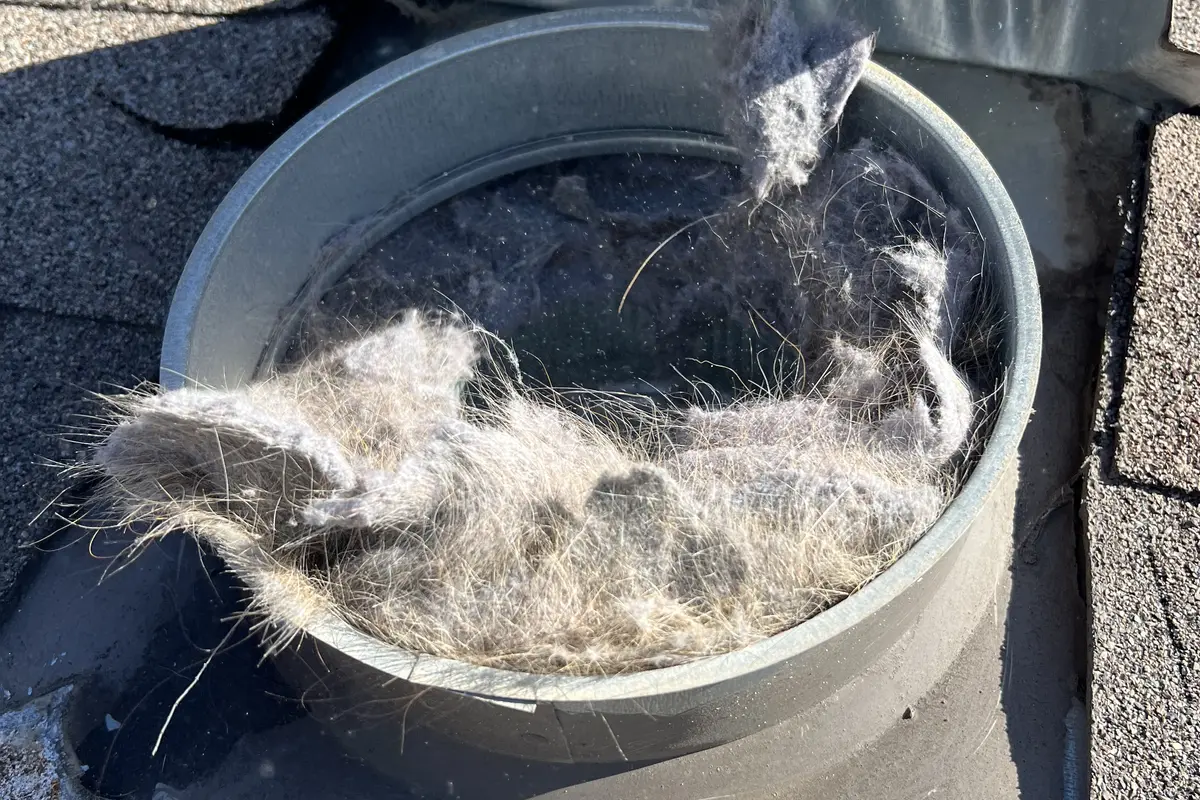
Lint consists of tiny fibers from clothing, towels, and bedding. These fibers have an enormous surface-area-to-mass ratio, which means they ignite easily and burn rapidly. A handful of dryer lint is commonly used as a fire starter for camping because it catches flame from a single spark.
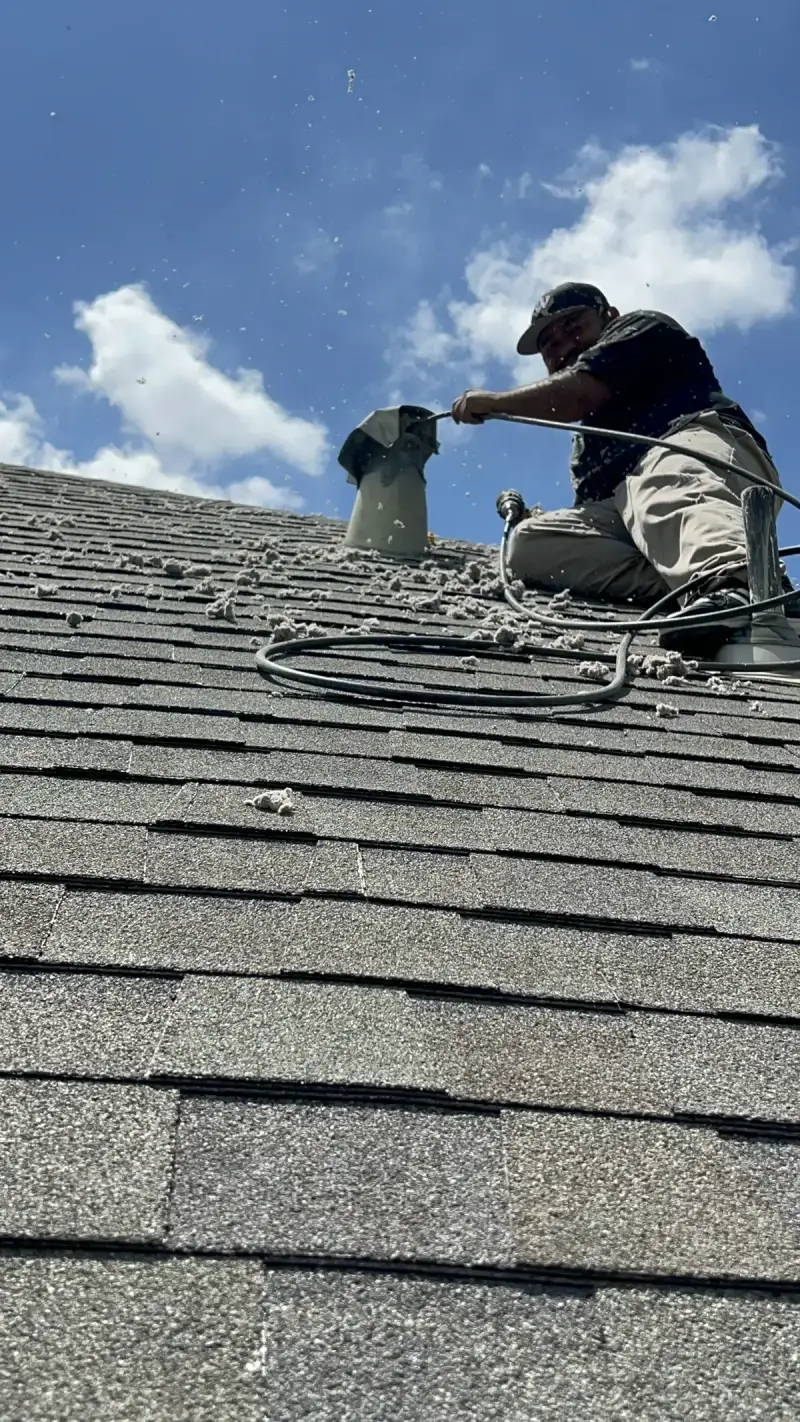
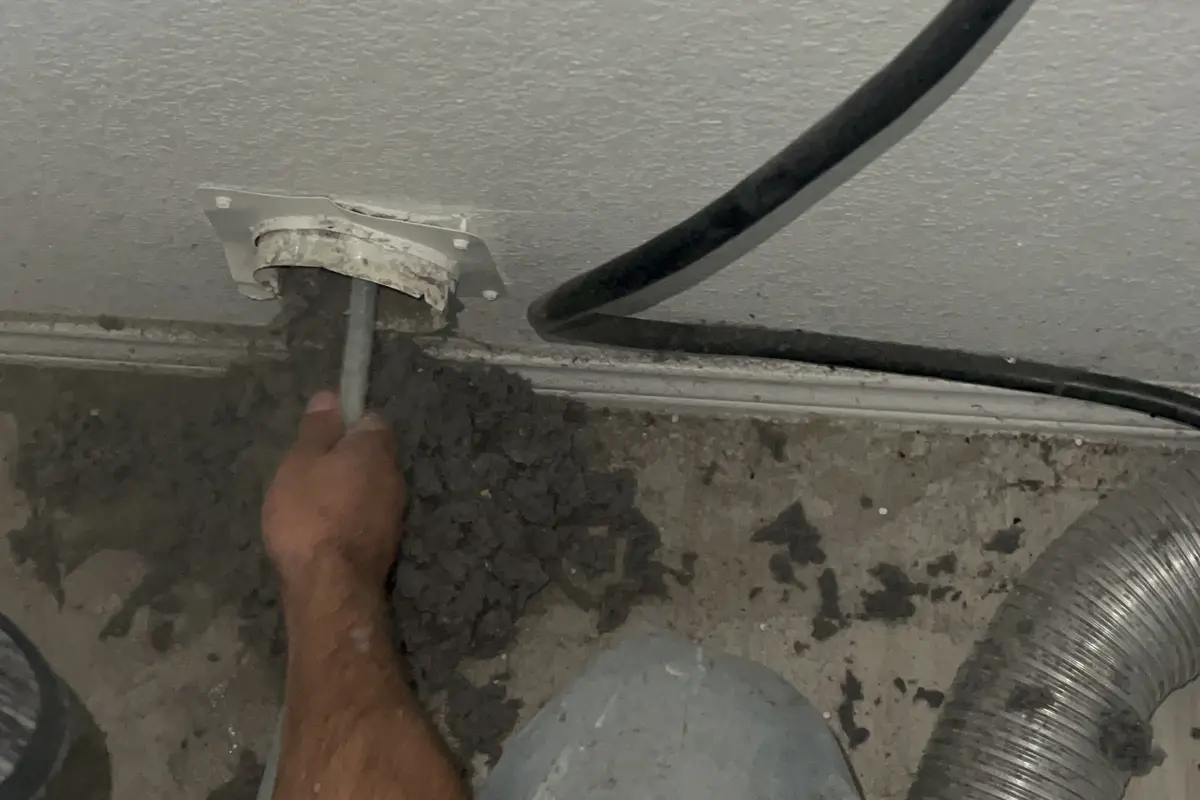
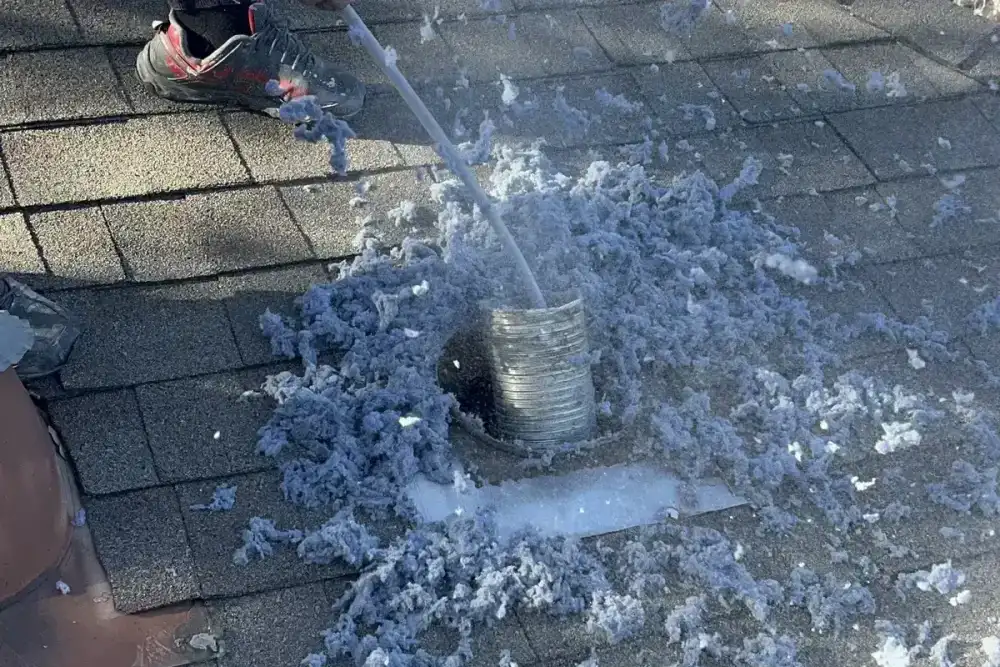
Inside your dryer vent line, lint accumulates in layers over months and years. It compresses at bends in the vent line, at the connection to the dryer, and at the exterior vent flap. A fully clogged vent can contain enough lint to sustain a fire for several minutes - long enough to ignite surrounding materials like wall framing, insulation, or siding.
Austin homes present additional lint accumulation risks. Many homes built in the 1990s through 2010s have long vent runs (15-25 feet) with multiple elbows because the laundry room is in the center of the house rather than against an exterior wall. Longer runs with more bends trap more lint and are harder to clean without professional equipment.

When Was Your Dryer Vent Last Cleaned?
Most Austin homeowners go too long between cleanings. A quick inspection takes minutes and could prevent a fire.
Call (512) 601-4451Rate your home's indoor air quality in 2 minutes
Prevention: What Austin Homeowners Should Do
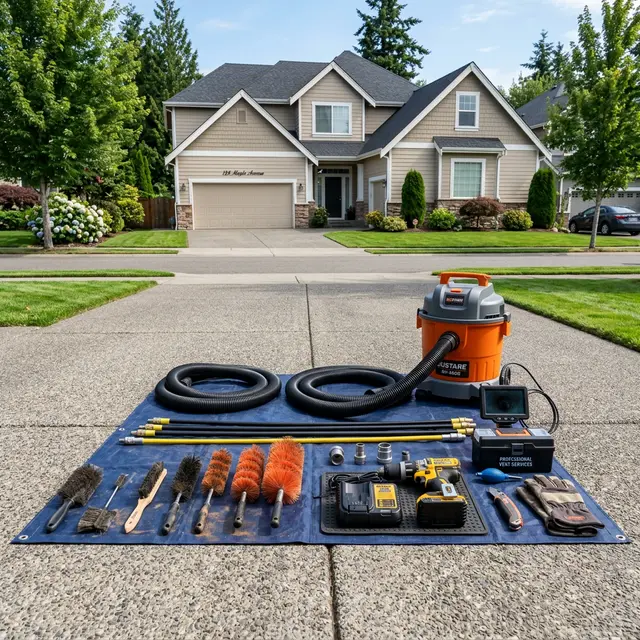
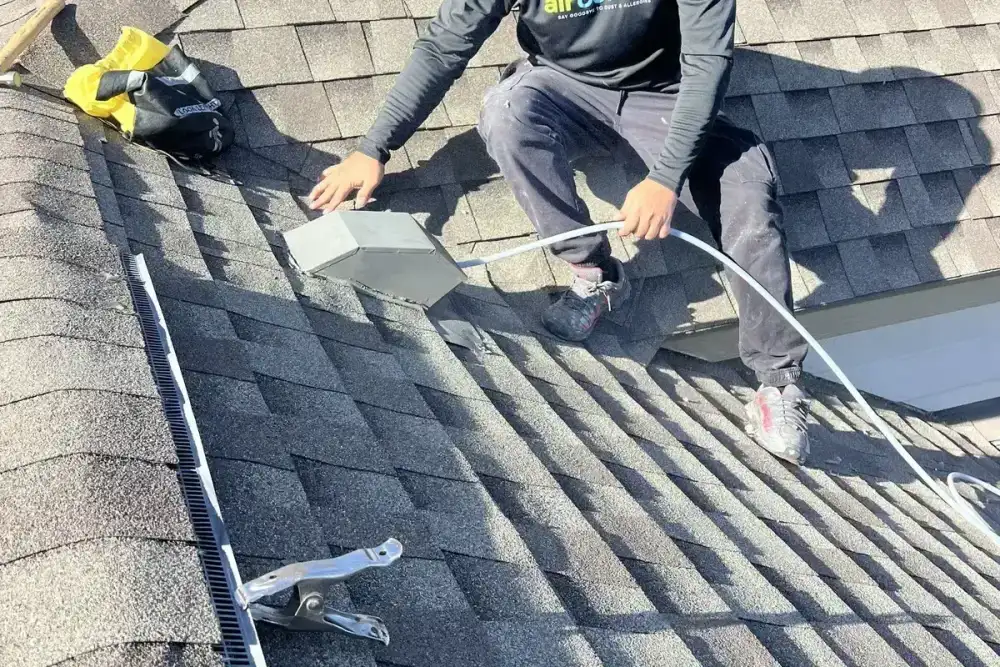
Annual professional dryer vent cleaning is the single most effective prevention measure. A professional cleaning removes all lint from the entire vent line - from the dryer connection to the exterior terminal - using specialized brushes and commercial-grade vacuum equipment. This eliminates the fuel source that makes dryer fires possible.
Clean the lint trap before every load. This is basic maintenance that most people do, but it only captures about 75% of the lint your dryer produces. The remaining 25% enters the vent line and accumulates over time. The lint trap is a first line of defense, not a complete solution.
Unplug your dryer when you leave for extended periods. If you are going on vacation or leaving your Austin home unoccupied for more than a few days, unplugging the dryer eliminates the electrical fault risk entirely. No power means no arcing, no standby current, and no potential for electrically-caused ignition.
Inspect the exterior vent flap regularly. It should open freely when the dryer runs and close completely when it stops. A vent flap stuck open allows pests and outdoor debris into the vent line. A vent flap that does not open indicates a clogged vent line. If the flap barely moves when the dryer is running on high heat, the vent is severely restricted and should be cleaned immediately.
Do not run the dryer when you leave the house or before going to sleep. While annual vent cleaning dramatically reduces fire risk, avoiding unattended operation adds an important layer of safety. If a problem does occur, you want to be present to respond.
Signs Your Dryer Is a Fire Risk Right Now
Your clothes take longer than one cycle to dry. A standard load of towels or jeans should dry in 45-60 minutes. If it takes 90 minutes or two cycles, the vent is restricted and heat is not exhausting properly.
The dryer is hot to the touch on the outside. The top and sides of the dryer should be warm during operation but not hot. If you cannot comfortably rest your hand on the dryer while it runs, heat is building up inside because it cannot escape through the clogged vent.
You smell a burning odor during or after operation. This may be lint inside the dryer cabinet or vent line reaching temperatures high enough to scorch but not yet ignite. This is an urgent warning sign.
The laundry room feels hot and humid when the dryer runs. Properly vented dryers exhaust heat and moisture outside. If the room heats up, the vent is not doing its job.
If you notice any of these signs, schedule dryer vent cleaning before running the dryer again. Call (512) 601-4451 to schedule professional dryer vent cleaning for your Austin home. Our technicians clean the entire vent line from dryer to exterior terminal and verify proper airflow before they leave.
Related Services
Learn more about our professional services related to this topic:
- Dryer Vent Cleaning - Clear lint buildup to prevent fires and cut drying time in half.
Want the full picture?
Read our complete guide: Dryer Vent Cleaning Austin: Complete Safety Guide (2026) →Have questions about dryer vent safety? Our team is available 7 days a week. Call us at (512) 601-4451 or visit our contact page.