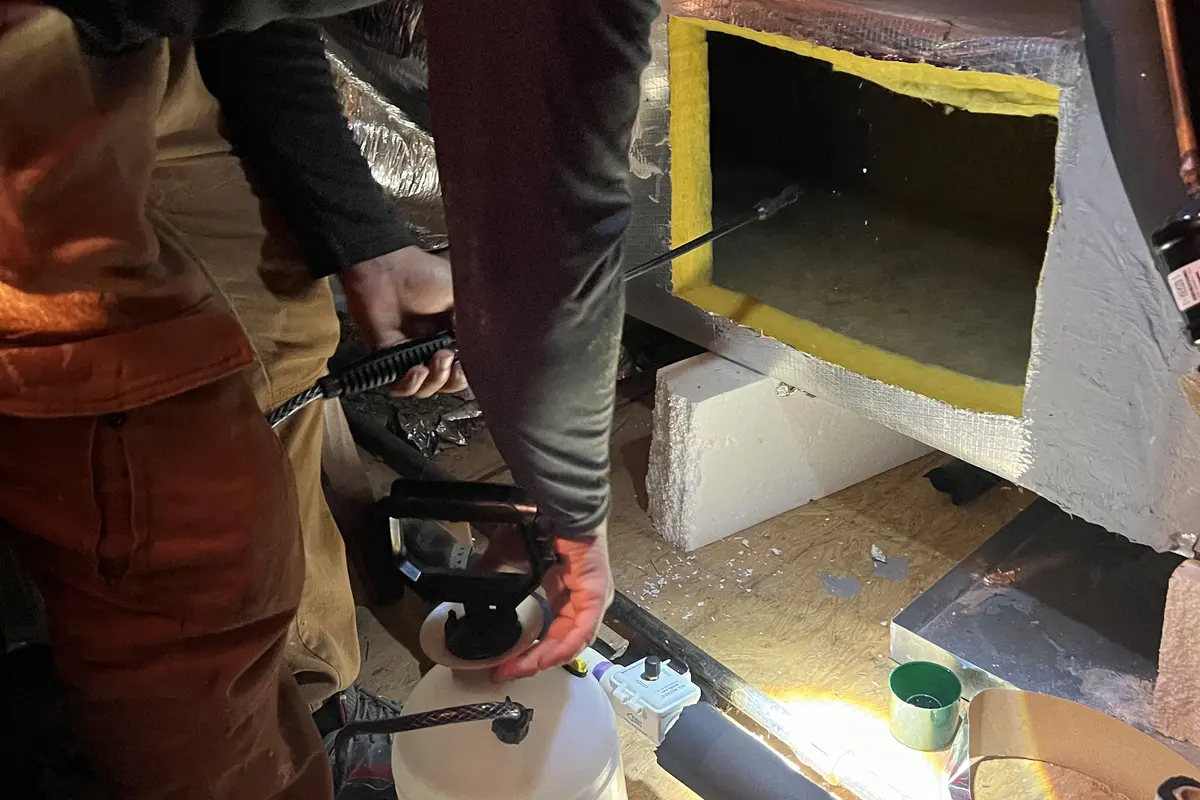
Not all dark-colored mold is toxic black mold (Stachybotrys chartarum). Most dark mold found in ductwork is Cladosporium or Aspergillus, which cause allergic reactions but are not typically dangerous to healthy adults. Stachybotrys requires sustained water saturation and is less common in ductwork. Regardless of species, any visible mold in ducts should be professionally addressed.
What Black Mold Actually Is
Stachybotrys chartarum, commonly called toxic black mold, produces mycotoxins (specifically satratoxins) that can cause more serious health effects than common molds. However, Stachybotrys is often misidentified. Many common molds appear dark green, dark brown, or black but are not Stachybotrys. Without laboratory culture testing, visual identification alone cannot determine the species.
Stachybotrys requires specific conditions: sustained water saturation (not just humidity), cellulose-rich material (paper, cardboard, drywall), and at least 7-12 days of continuous wet conditions. These conditions are less common inside ductwork (where surfaces are metal or fiberglass, not cellulose) than on drywall or behind walls. Most mold found in ducts is Cladosporium, Aspergillus, or Penicillium - allergenic but not toxigenic.
When to Be Concerned
Be concerned about any mold in ductwork regardless of color or species, because: all mold types can trigger allergic reactions and respiratory irritation. Mold indicates a moisture problem that will worsen without intervention. Any mold in ducts gets distributed throughout the home. And visual identification is unreliable - the only way to confirm species is laboratory testing.
Be especially concerned if: household members are experiencing health symptoms (especially respiratory), the mold covers a large area (more than a few square inches), the mold is associated with water damage, or anyone in the household is immunocompromised. In these situations, testing may be warranted before cleaning to determine appropriate safety protocols.
What to Do If You Find Mold in Your Ducts
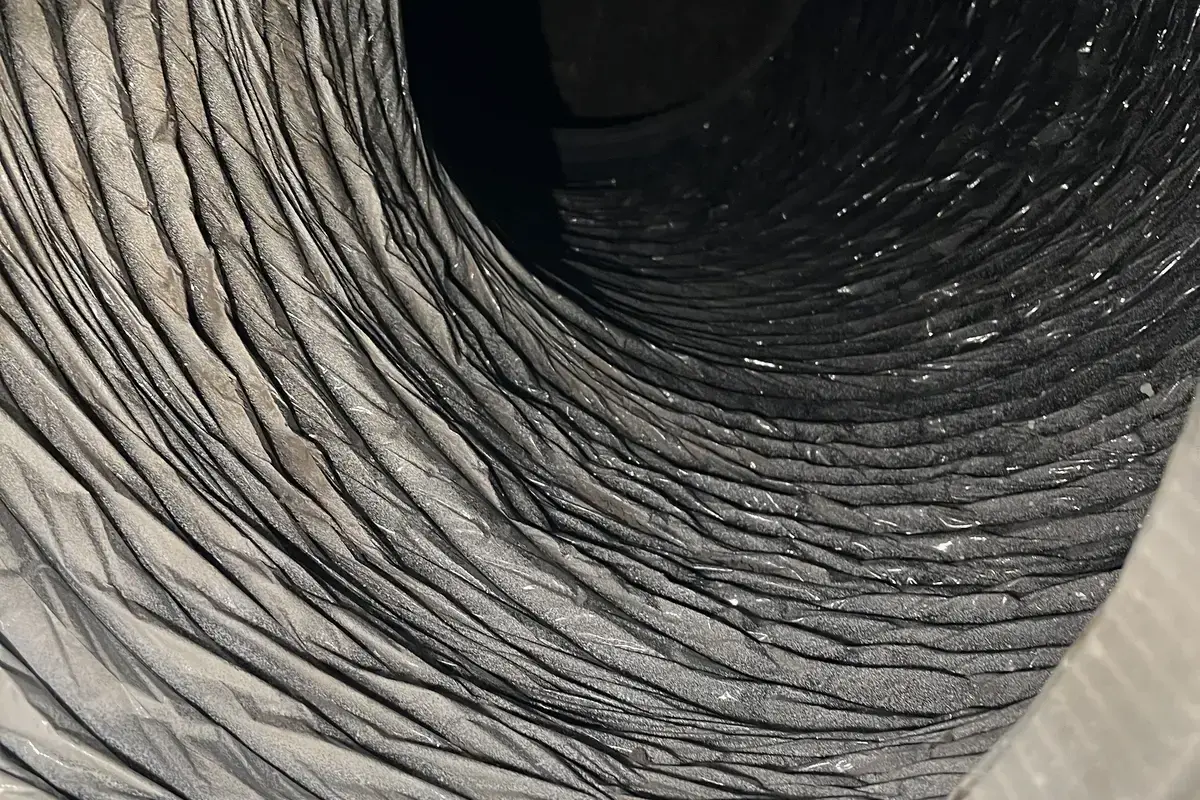
Do not panic, but do not ignore it. Step 1: Do not touch or disturb the mold - disturbing it releases spores into the air. Step 2: Reduce HVAC runtime if possible to minimize spore distribution while you arrange inspection. Step 3: Schedule professional inspection with HD camera documentation.
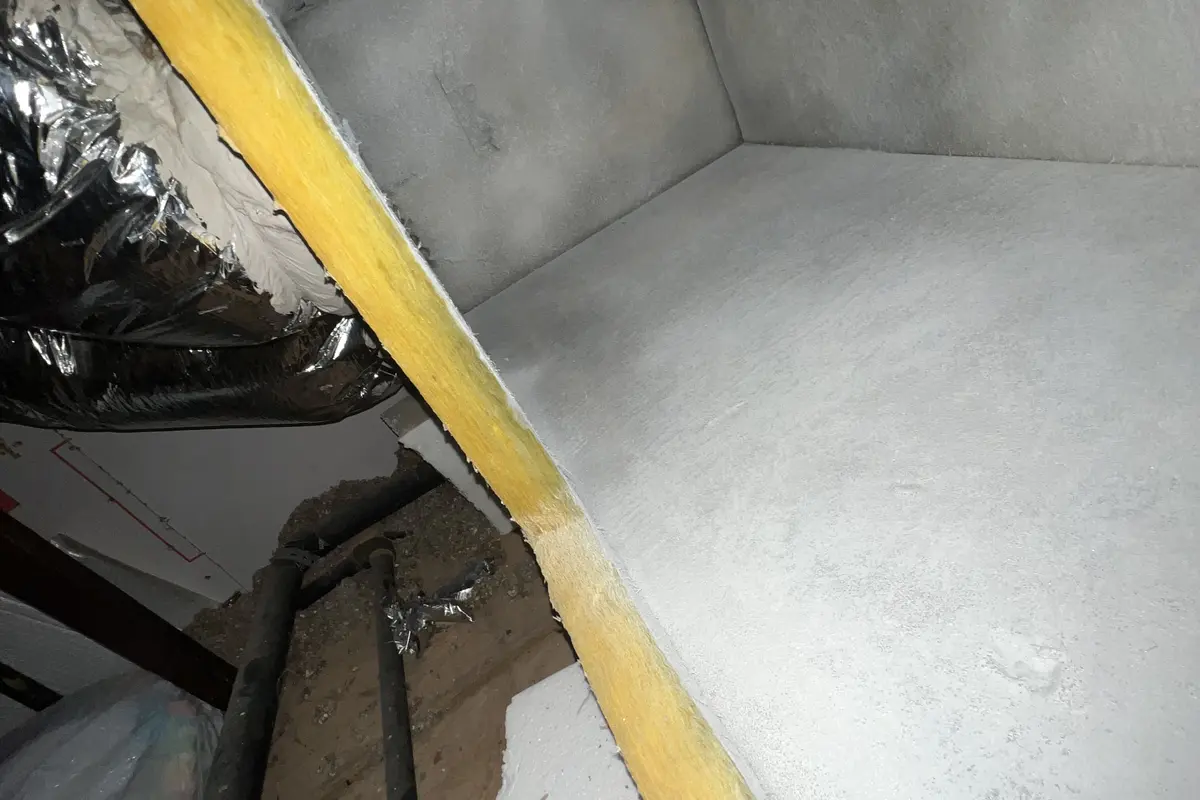
For minor surface mold on hard duct surfaces (metal ductwork), professional cleaning with HEPA-filtered equipment effectively removes the contamination. For mold on porous duct materials (fiberglass duct board or insulation), the affected material typically needs replacement because mold penetrates porous surfaces and cannot be fully removed by cleaning.
For extensive mold growth (covering large areas, associated with water damage, or causing health symptoms), start with professional inspection and consider mold testing to identify species. Air Central provides honest assessment - we tell you what we can handle with duct cleaning and when you need a certified mold remediation company. Many situations that look alarming are common mold that responds well to professional cleaning. Call (512) 601-4451 for inspection.
Concerned About Your Home's Air?
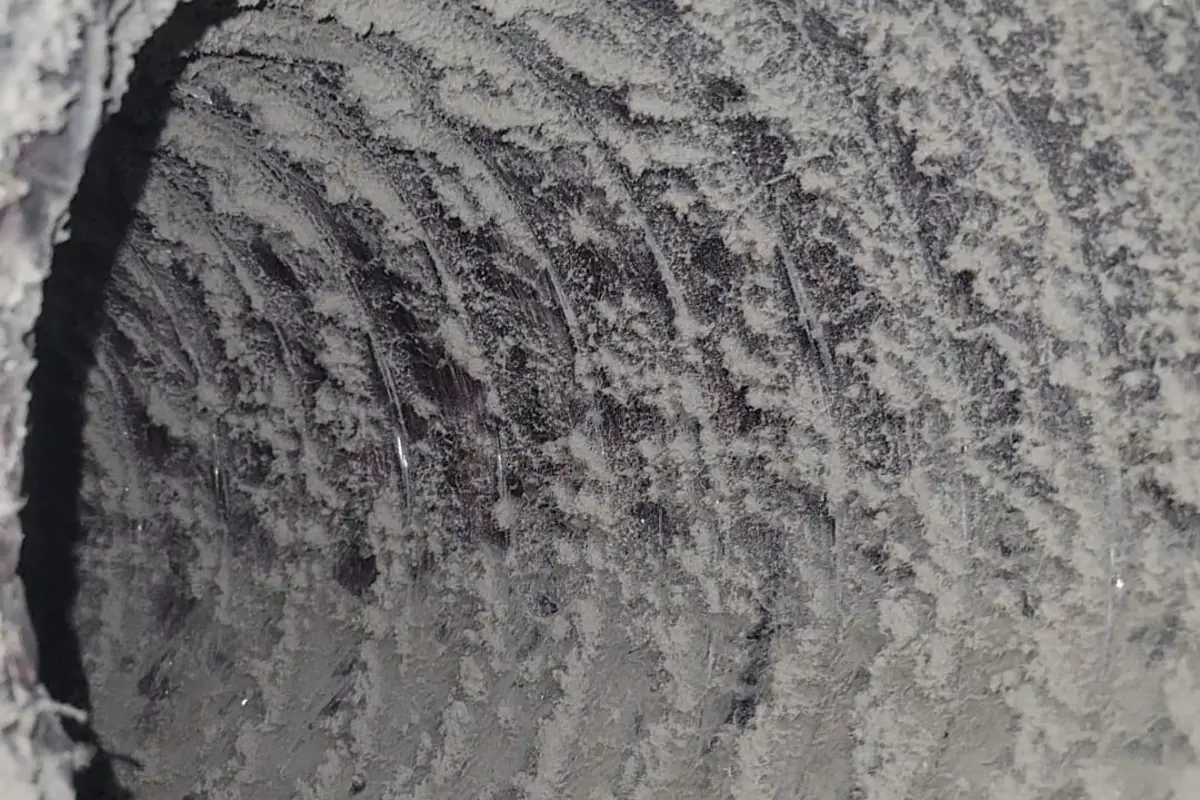
We provide professional air quality assessments for Austin homes. See what is in your ducts before deciding.
Call (512) 601-4451Rate your home's indoor air quality in 2 minutes
How to Get Mold Tested
Mold testing ranges from inexpensive DIY options to comprehensive professional laboratory analysis. Understanding the options helps you choose the right approach based on your situation and budget.
DIY mold test kits are available at most hardware stores in Austin for $10-$50. These typically involve either a settle plate (you expose a petri dish to the air for a set time) or a surface swab that you mail to a lab. The advantages: they are cheap and give you a basic yes/no answer about whether mold is present. The disadvantages: settle plates detect whatever is floating in the air at that moment, which may not represent the mold in your ductwork. They cannot quantify the concentration, and many labs that process these kits provide only genus-level identification. Since mold spores are present everywhere (including in perfectly clean homes), a positive result from a settle plate does not necessarily indicate a problem.
Professional air sampling provides more useful data. A certified mold inspector uses a calibrated air pump to draw a specific volume of air through a collection cassette, which is then analyzed by an accredited lab. This method provides spore counts per cubic meter - an actual measurement of concentration rather than just presence. The inspector typically takes both indoor and outdoor samples for comparison, because indoor mold levels significantly exceeding outdoor levels indicate an active indoor source. Professional air testing in the Austin area typically costs $300-$600 for a standard residential assessment.
Surface sampling (tape lift or swab) identifies the specific species growing on a particular surface. This is useful when you can see mold in the ductwork and want to know whether it is common Cladosporium or something more concerning like Aspergillus or Stachybotrys. Surface sampling is often included in a professional mold inspection or can be ordered separately for $100-$200 per sample through a certified inspector.
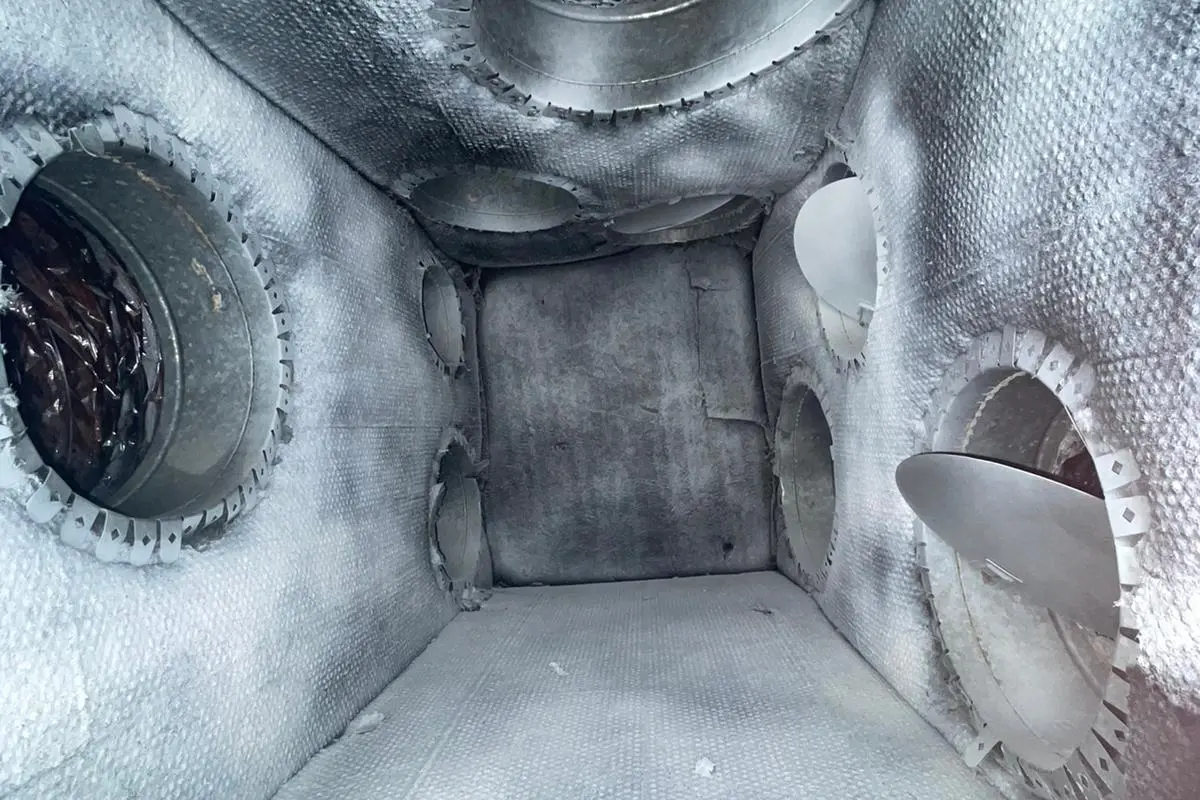
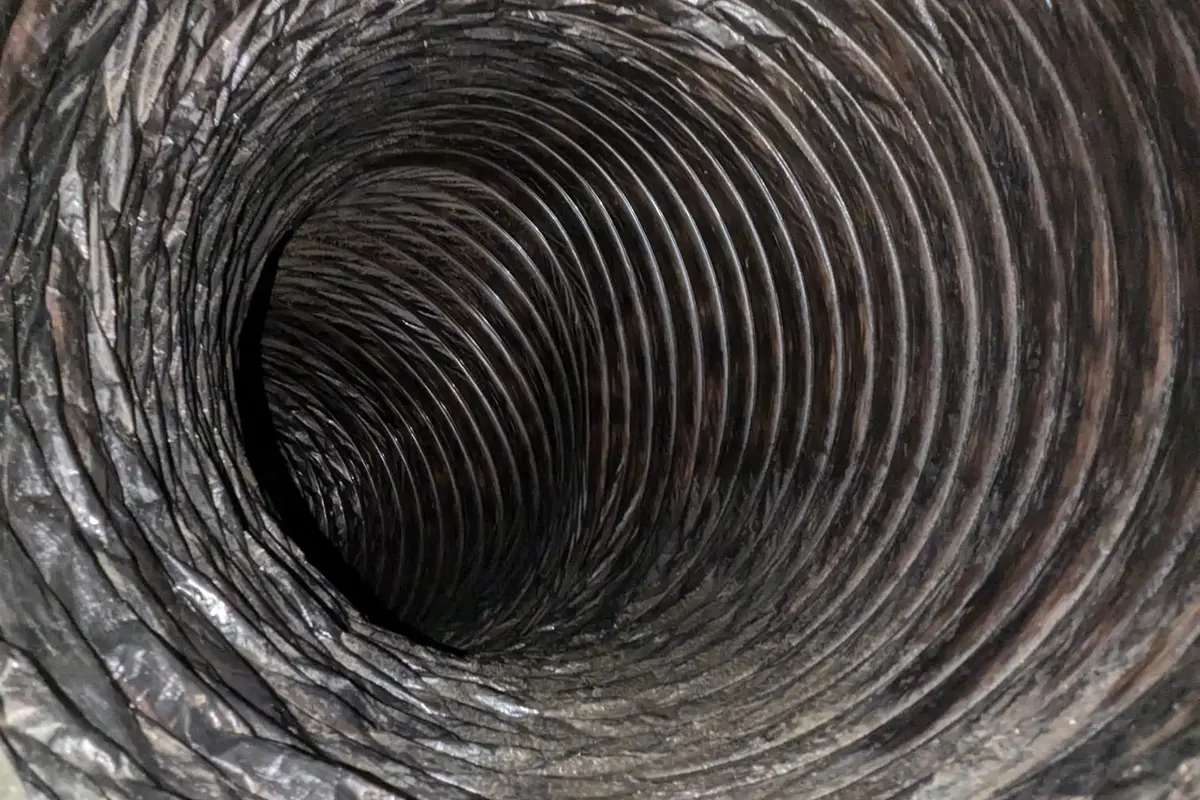
For most situations where you see mold in ductwork, professional inspection with an HD camera is the most practical first step. A trained technician can assess the extent and type of growth visually and recommend whether laboratory testing is warranted before cleaning proceeds. Testing is most valuable when health symptoms are present, the mold covers a large area, or the growth is associated with water damage.
Insurance and Mold: What Austin Homeowners Need to Know
Mold coverage under homeowner's insurance is one of the most misunderstood aspects of property insurance in Texas. The short answer: most standard Texas homeowner's policies provide limited mold coverage, and the specifics depend on the cause of the mold and your policy endorsements.
Texas law (HB 1774 and related legislation) allows insurers to cap mold coverage. Most standard HO-A and HO-B policies in Texas include mold coverage only when the mold results from a covered peril - such as a sudden burst pipe or storm damage. If a pipe bursts and water enters your ductwork, causing mold growth, the resulting mold cleanup is typically covered under the water damage claim. However, mold that develops from long-term humidity, poor maintenance, or gradual condensate leaks is generally excluded because it falls under the homeowner's maintenance responsibility.
Many Texas policies cap mold coverage at $25,000 unless you purchase a separate mold endorsement. Some policies cap it lower. Review your declarations page or call your agent to verify your specific limits. If you are in an older Austin home with aging ductwork and HVAC equipment, a mold endorsement may be worth the additional premium - the cost of full-scale mold remediation can exceed $10,000 for severe cases.
Documentation is critical for insurance claims involving mold. If you discover mold in your ductwork, photograph everything before disturbing it. Note the date of discovery and any events that may have caused it (water leak, storm damage, AC malfunction). Report the claim promptly - most policies require timely reporting, and delay can jeopardize coverage. Have a professional inspection with HD camera documentation as soon as possible, as this provides the evidence your insurance adjuster will need.
The best insurance against mold is prevention. Regular duct cleaning, annual coil maintenance, quarterly condensate drain checks, and humidity monitoring cost a fraction of what mold remediation costs and prevent the conditions that lead to mold growth in the first place. Call (512) 601-4451 to schedule preventive duct inspection and cleaning.
Related Services
Learn more about our professional services related to this topic:
- Air Duct Cleaning - Remove dust, allergens, and debris from your entire HVAC system for cleaner indoor air.
- Air Duct Inspection - Diagnose leaks, blockages, and efficiency issues with HD camera inspection.
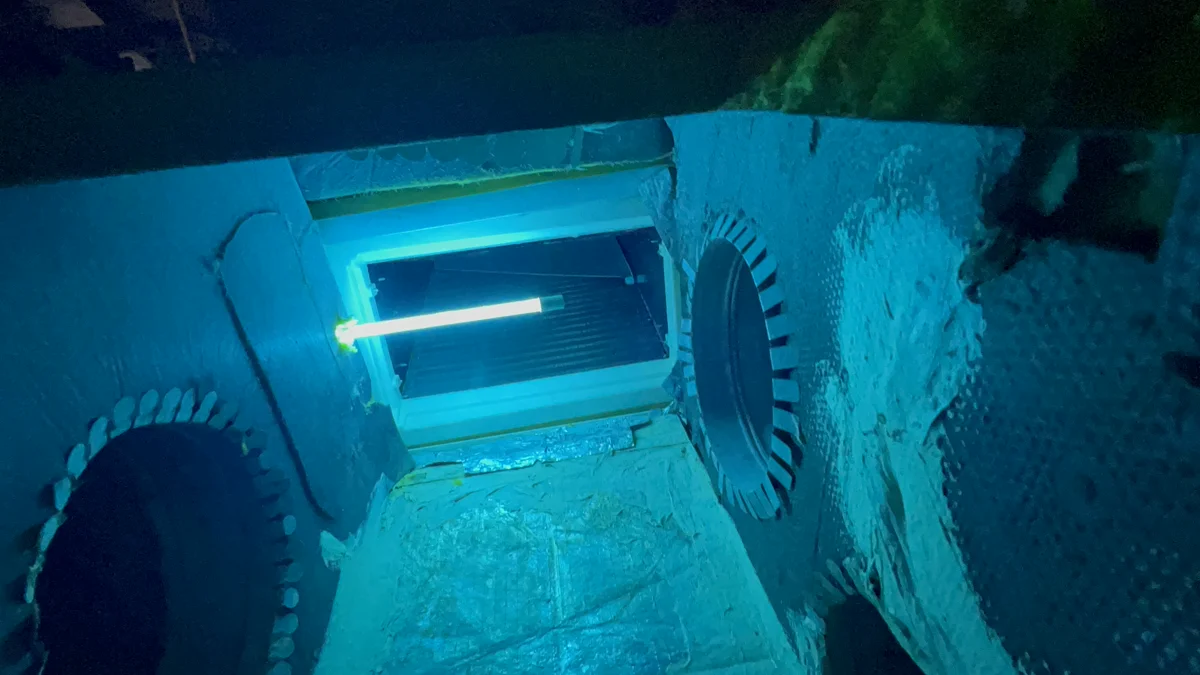
- UV Lighting System - Eliminate bacteria and allergens inside your HVAC with UV-C light technology.
Want the full picture?
Read our complete guide: Indoor Air Quality in Austin: The Complete Guide (2026) →Have questions about indoor air quality? Our team is available 7 days a week. Call us at (512) 601-4451 or visit our contact page.