Austin has year-round pollen: cedar dominates December-February, oak peaks March-April, grass covers May-June, ragweed hits September-October, and elm returns October-November. There is no true pollen-free season in Central Texas.
Season-by-Season Breakdown
December-February (SEVERE): Mountain cedar (Ashe juniper) pollen dominates Central Texas winter. Austin is the cedar fever capital of the world - no other U.S. city experiences cedar pollen at this intensity. Counts regularly exceed 20,000 grains per cubic meter on peak days, with anything above 500 considered high. Cedar trees are native to the Hill Country west of Austin, and prevailing winds carry pollen across the entire metro area. Symptoms include severe sinus congestion, fatigue, sore throat, and headaches that many newcomers mistake for a cold or flu. Keep all windows sealed, change HVAC filters monthly, and schedule duct cleaning for early March after the season ends.
March-April (HIGH): Oak, ash, elm, and pecan tree pollen take over as cedar fades. Multiple species release pollen simultaneously, keeping counts between 1,000-5,000 grains per cubic meter for weeks at a time. Live oak pollen is particularly heavy in Austin - the city's famous oak tree canopy means pollen is inescapable outdoors. This is the second-worst period for Austin allergy sufferers. Continue monthly HVAC filter changes through April. If you had ducts cleaned after cedar season, your system is well-positioned to handle spring pollens with a fresh filter.
May-June (MODERATE): Grass pollen peaks with Bermuda grass, Johnson grass, and ryegrass as the primary culprits. Counts typically run 500-2,000 grains per cubic meter. Mowing season makes exposure worse because cutting grass releases concentrated bursts of pollen. Austin's warm nights mean grass pollen counts can remain elevated after sunset, unlike in cooler climates. Keep car windows up, shower after outdoor activity, and brush off pets before they come inside. HVAC filters can stretch to 60-day changes during this period if you do not have pets.
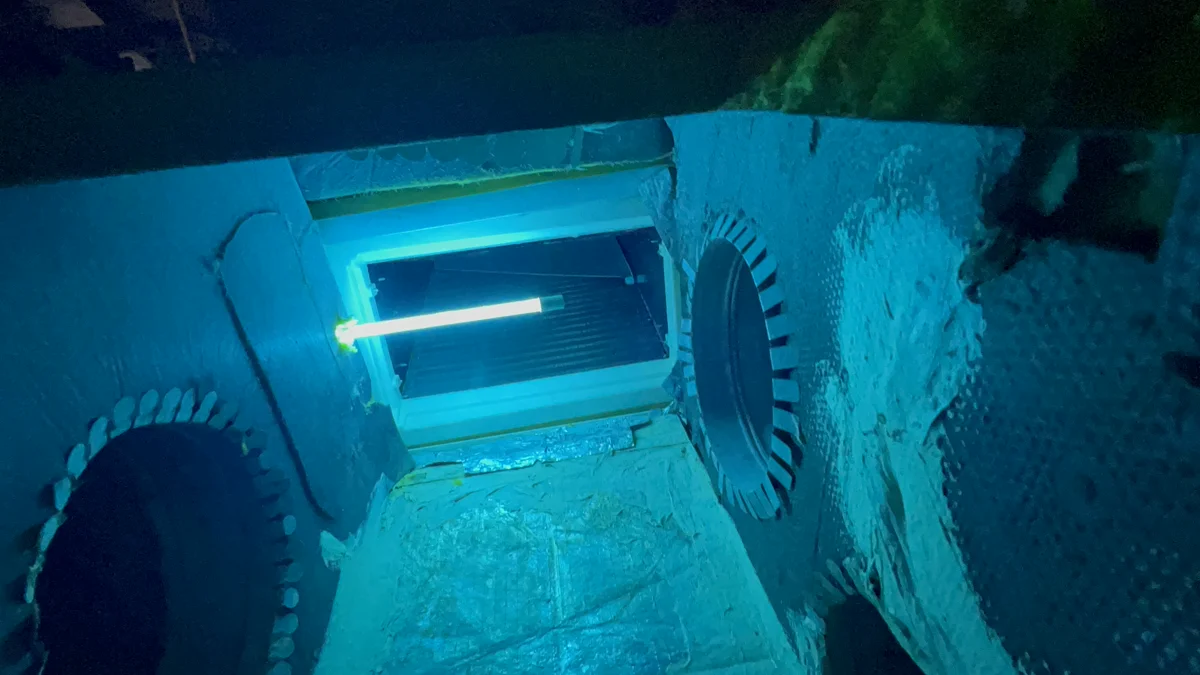
July-August (LOW-MODERATE): This is Austin's lowest pollen period, with counts often below 500 grains per cubic meter. However, high humidity (65-75% average) promotes indoor biological allergen growth. Your evaporator coil stays wet nearly continuously during these months, creating ideal conditions for growth that produces musty odors and respiratory irritation. Run AC consistently to control indoor humidity below 50%. This is the best time of year for UV light installation in the air handler - it will kill biological growth on the coil before fall allergens arrive.
September-October (HIGH): Ragweed season peaks with counts that rival cedar for severity, often reaching 2,000-8,000 grains per cubic meter. Austin sits in the heart of Texas ragweed country, and the plants thrive in the warm fall weather. Ragweed pollen is smaller than cedar pollen (about 20 microns vs 25-30 for cedar), so it penetrates deeper into the lungs and is harder for low-MERV filters to catch. Switch back to monthly filter changes in September. This is also a good time for a second annual duct cleaning if you are a severe allergy sufferer.
October-November (MODERATE): Elm pollen returns for a fall season with counts of 500-1,500 grains per cubic meter. Cedar begins ramping up in late November as the first cool fronts arrive. This overlap period means there is no true break between ragweed and cedar seasons. Use this window to prepare your HVAC system - replace the filter, schedule duct cleaning if it has been more than a year, and verify your UV light bulb is still functional if you have one installed.
HVAC Strategy for Year-Round Protection
Minimum: MERV 11 filter changed every 60 days (monthly during peak cedar from December-March and ragweed from September-October). This single step captures 85%+ of pollen particles in the 1-3 micron range and keeps your system running efficiently. Budget $60-$100 per year for filters at 6-8 changes annually.
Better: add a UV-C germicidal light to kill biological allergens during the humid summer months when pollen is low but biological growth on the evaporator coil peaks. The UV light runs 24/7 with minimal electricity cost and prevents the musty smell that many Austin homeowners notice when the AC kicks on after sitting idle. Contact us for current UV light installation pricing.
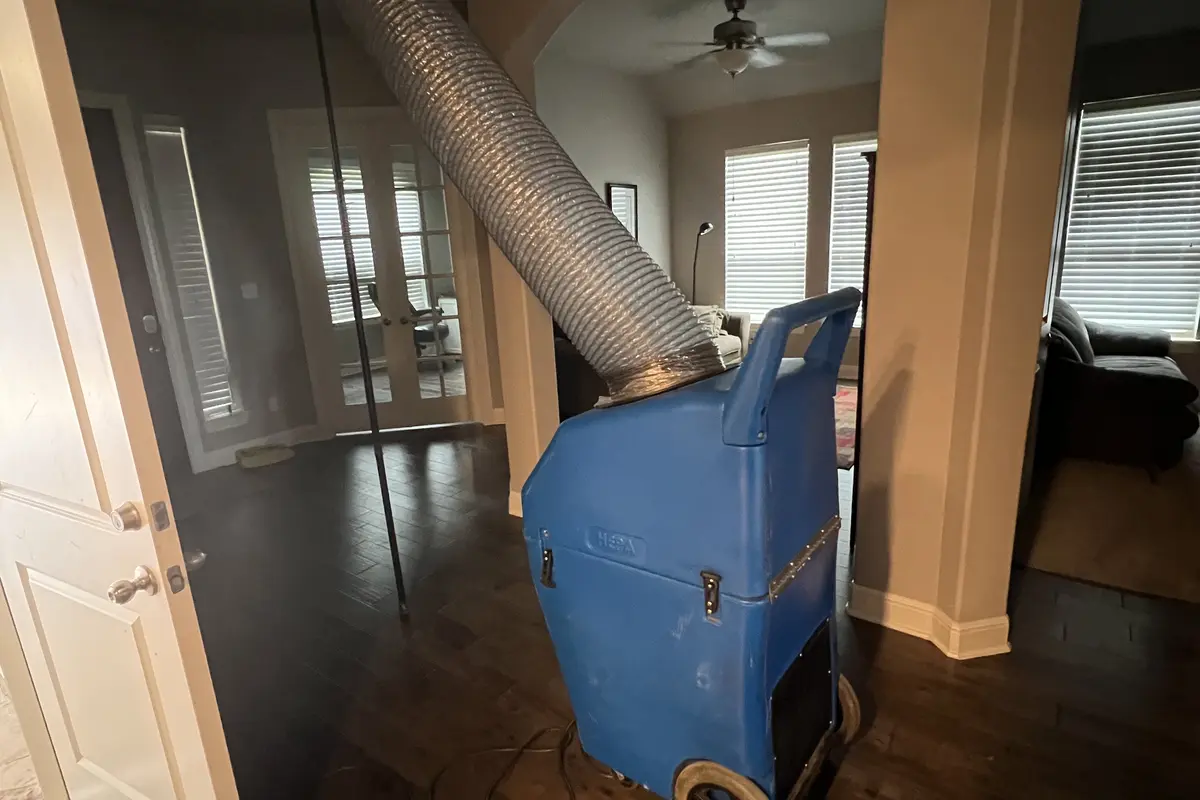
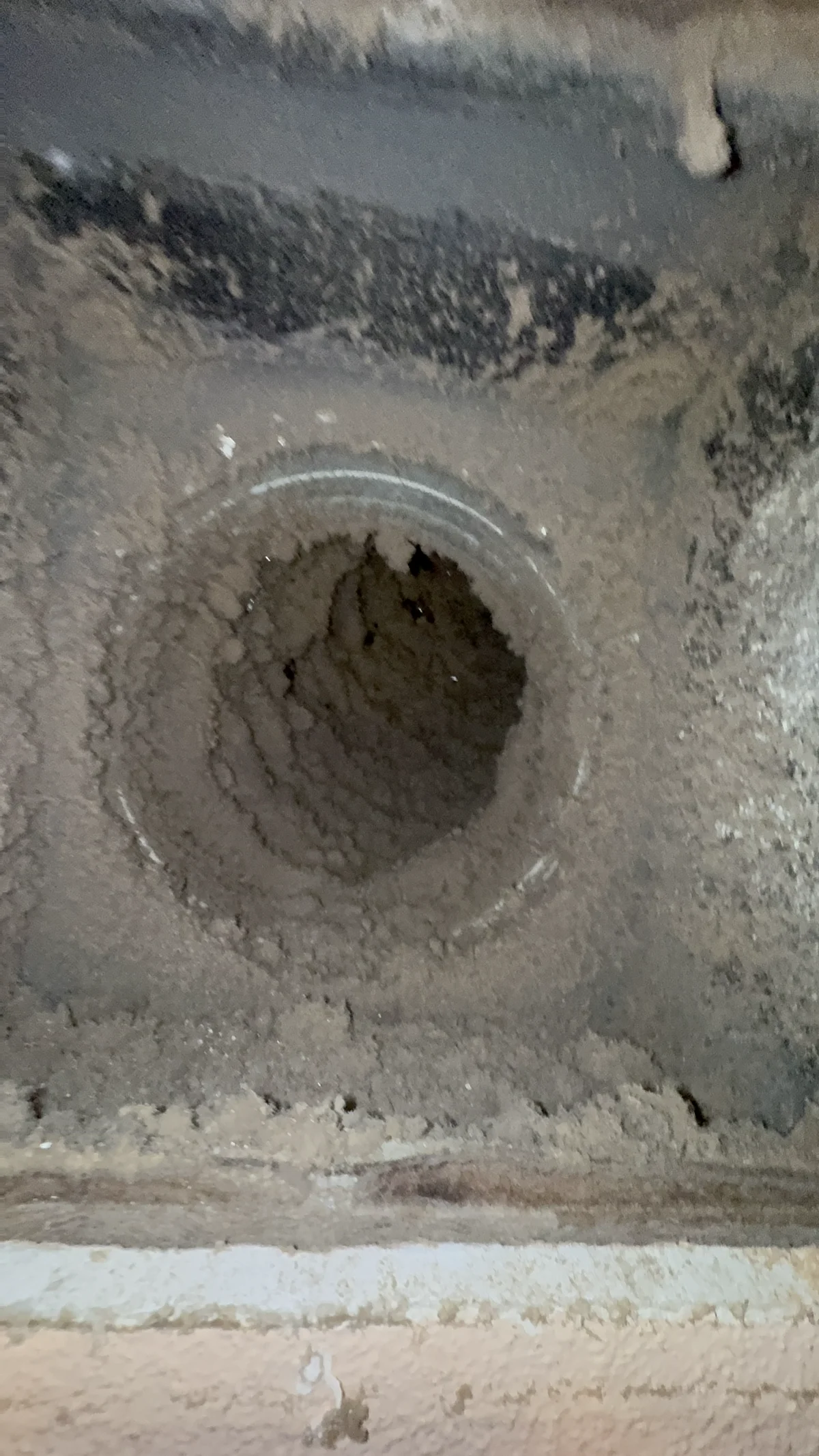
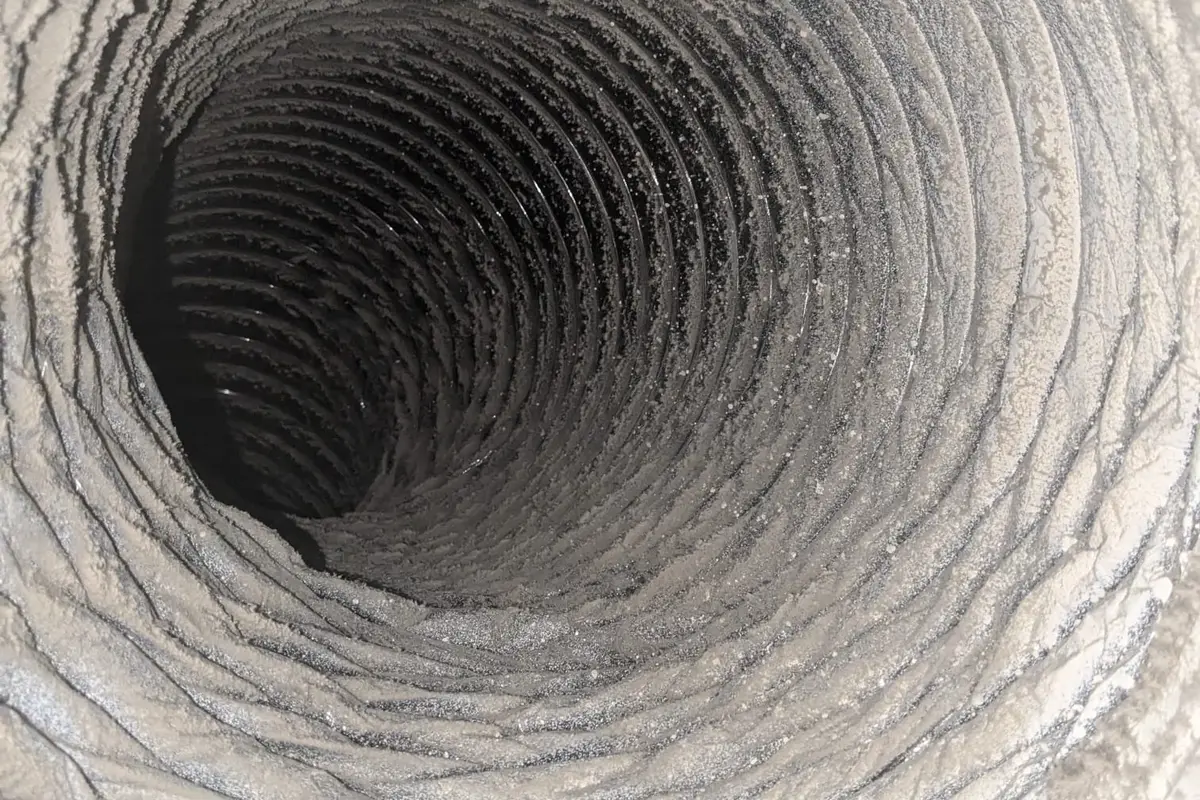
Best: professional duct cleaning once per year (after cedar season in March is the ideal timing) combined with MERV 11-13 filtration and UV sterilization. This three-layer approach addresses accumulated allergens in the ductwork, airborne particles passing through the filter, and biological contaminants that grow on wet HVAC components. Check daily pollen forecasts at kvue.com/allergy before deciding to open windows - even five minutes of ventilation on a high-pollen day can introduce thousands of pollen grains that settle in your ductwork.
Concerned About Your Home's Air?
We provide professional air quality assessments for Austin homes. See what is in your ducts before deciding.
Call (512) 601-4451Rate your home's indoor air quality in 2 minutes
Pollen Tracking Resources for Austin
KVUE maintains the most reliable local pollen count data at kvue.com/allergy, updated daily during allergy season. The Austin-Bergstrom pollen monitoring station provides counts for cedar, oak, grass, ragweed, and other species. KXAN and the Asthma and Allergy Foundation of America (AAFA) also publish Austin-specific forecasts. Bookmark one of these sources and check it every morning during peak seasons before opening windows or planning outdoor activities.
Austin regularly ranks in the top 10 most challenging cities for allergies in the AAFA's annual report. In recent years, the city has ranked as high as number 1 for spring allergies. This is not marketing hype - it is a measurable reality driven by our unique combination of cedar, oak, grass, ragweed, and elm pollens with almost no gap between seasons. Your HVAC system is the primary defense between your family and year-round allergen exposure.
Related Services
Learn more about our professional services related to this topic:
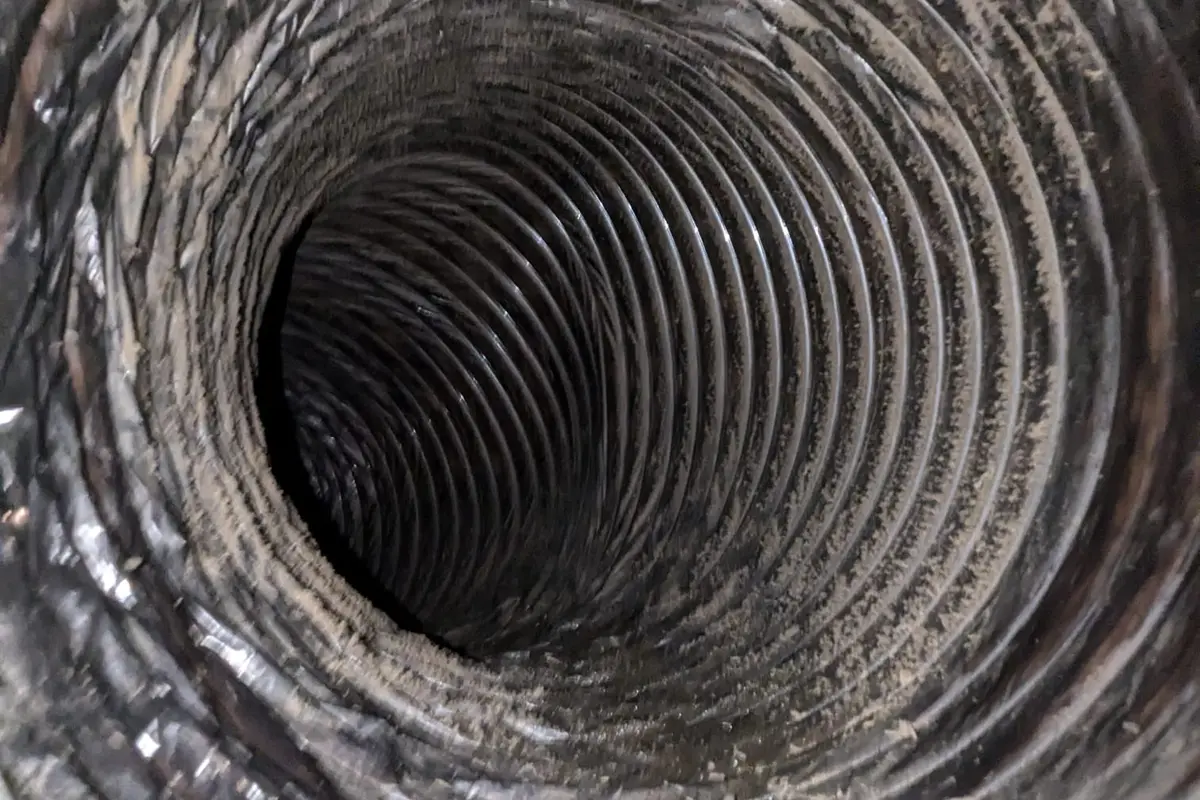
- Air Duct Cleaning - Remove dust, allergens, and debris from your entire HVAC system for cleaner indoor air.
- Air Duct Inspection - Diagnose leaks, blockages, and efficiency issues with HD camera inspection.
- UV Lighting System - Eliminate bacteria and allergens inside your HVAC with UV-C light technology.
Want the full picture?
Read our complete guide: Indoor Air Quality in Austin: The Complete Guide (2026) →Have questions about indoor air quality? Our team is available 7 days a week. Call us at (512) 601-4451 or visit our contact page.