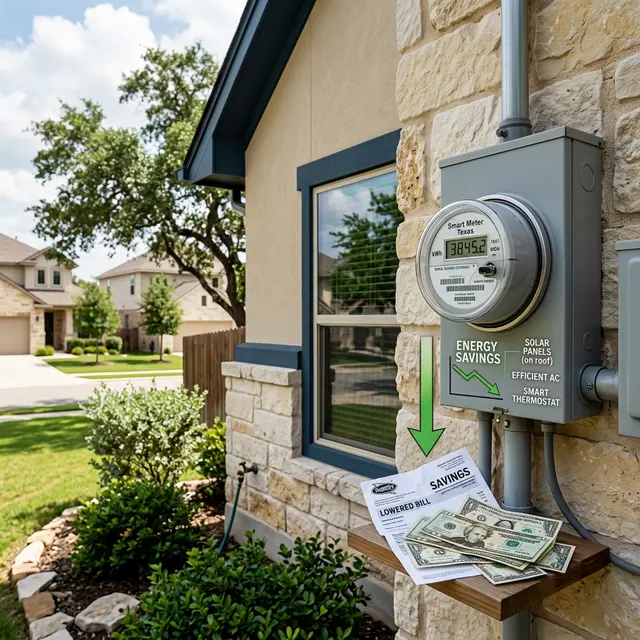
Austin Energy rebates can cover $400-$1,200 of insulation, duct sealing, and HVAC upgrades through the Power Saver program, and stacking those with the federal 25C tax credit (up to $3,200/year) means Austin homeowners can realistically offset 40-60% of total project costs on qualifying energy improvements.
How Much Can Austin Homeowners Save on HVAC and Insulation Upgrades
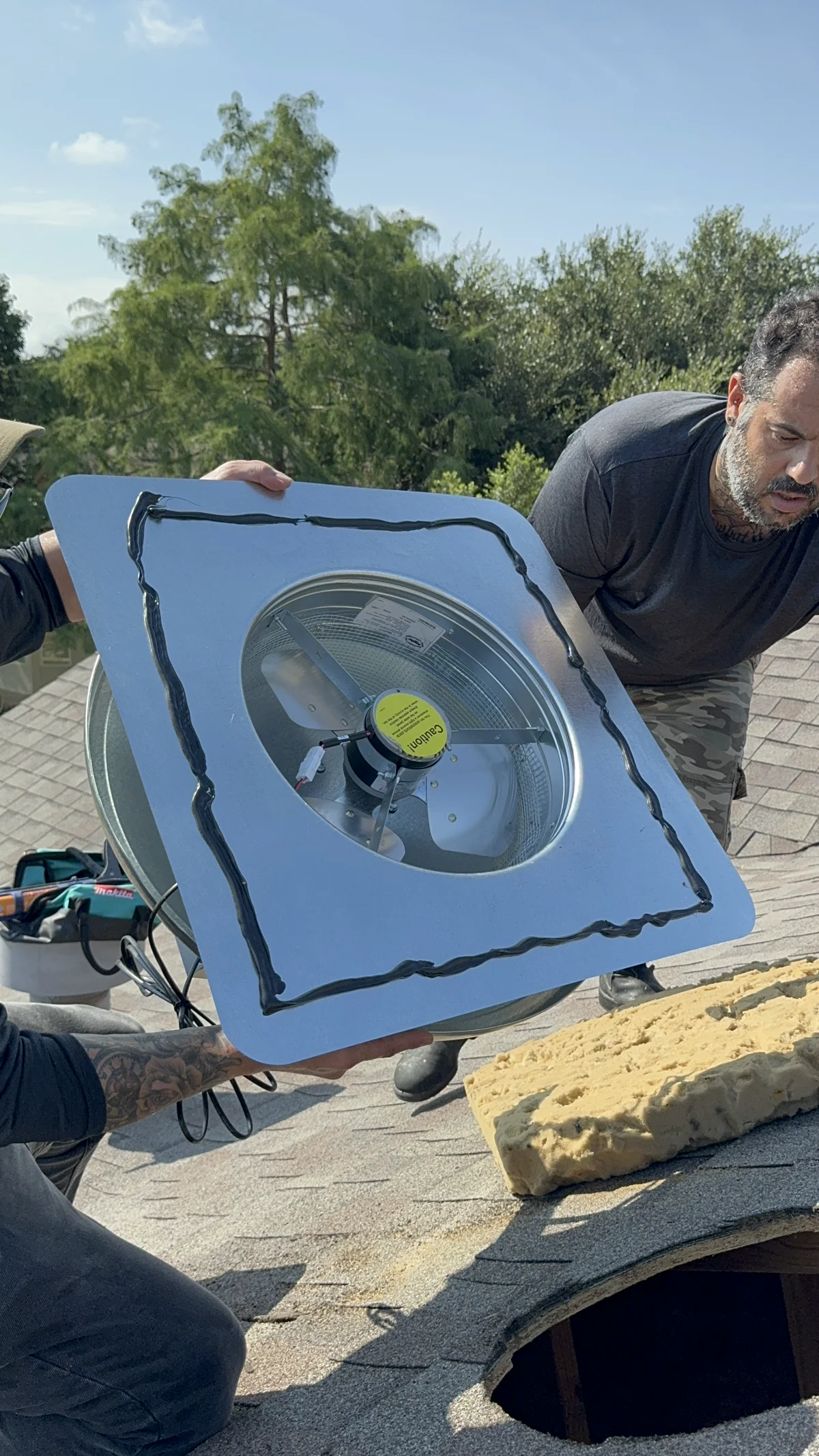
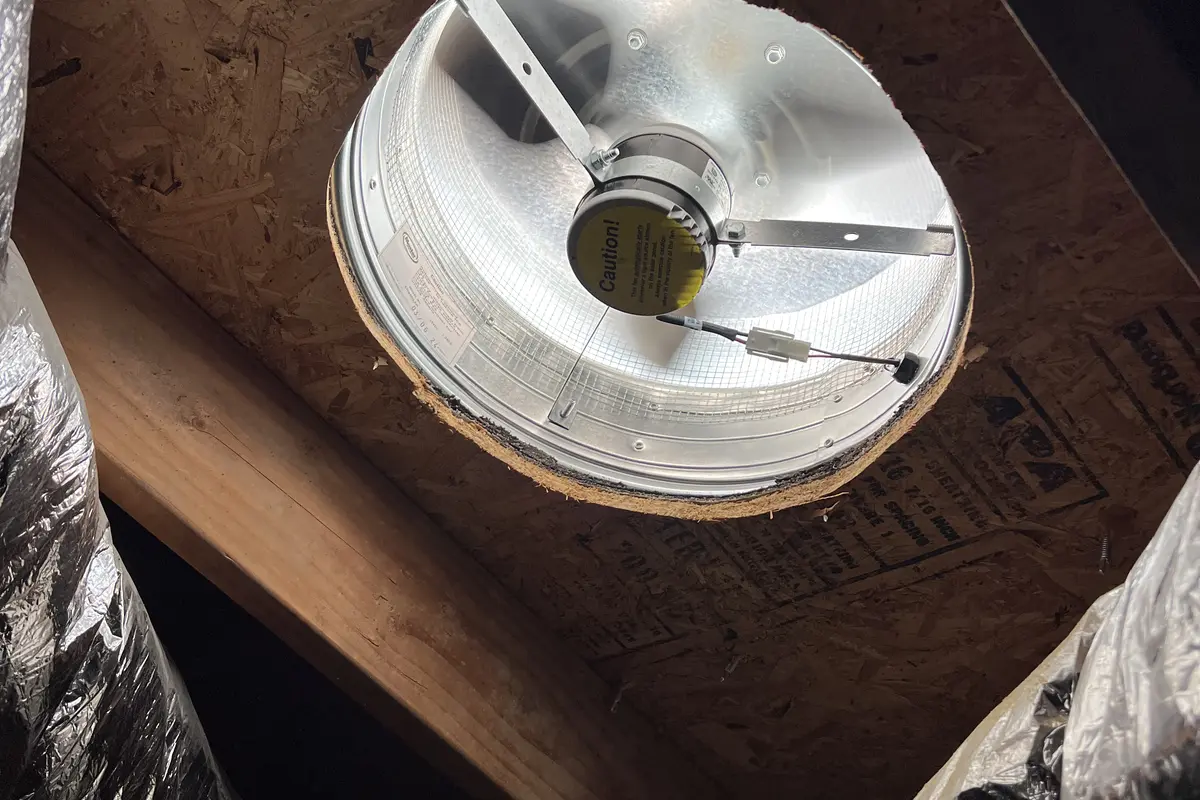
Austin homeowners who combine local rebates with federal tax credits can save $1,500-$4,000 or more on qualifying energy improvements. That is not a theoretical number - it is the math when you stack Austin Energy Power Saver rebates, the federal 25C Energy Efficient Home Improvement Credit, and in some cases income-based weatherization assistance. The savings apply to the upgrades that matter most in Central Texas: attic insulation, duct sealing, HVAC system replacements, and ventilation improvements like <a href="/solar-fans/">solar attic fans</a>.
Here is why this matters right now. Austin Energy's Power Saver program has been running for years, but the federal 25C tax credit was expanded significantly under the Inflation Reduction Act and remains available through at least 2032. That means 2026 is a strong year to make these upgrades - the rebate programs are funded, the tax credits are generous, and Austin's energy costs continue to climb with the city's tiered rate structure. Homeowners who used 2,000+ kWh per month last summer paid some of the highest per-kilowatt rates Austin Energy charges. Every efficiency improvement pulls you down into a cheaper tier.
The key is understanding which programs apply to which upgrades, how to qualify, and how to avoid the paperwork mistakes that leave money on the table. This guide walks through every program available to Austin homeowners in 2026, with real numbers and step-by-step application instructions.
Austin Energy Power Saver Program: Rebates for Insulation and HVAC
The Austin Energy Power Saver program offers rebates to residential customers who make qualifying energy efficiency improvements. This is a utility rebate - it comes directly from Austin Energy, not the federal government - and it is available to any Austin Energy customer who owns or leases a single-family home, townhome, or qualifying multi-family unit. You do not need to meet income requirements for the standard Power Saver rebates.
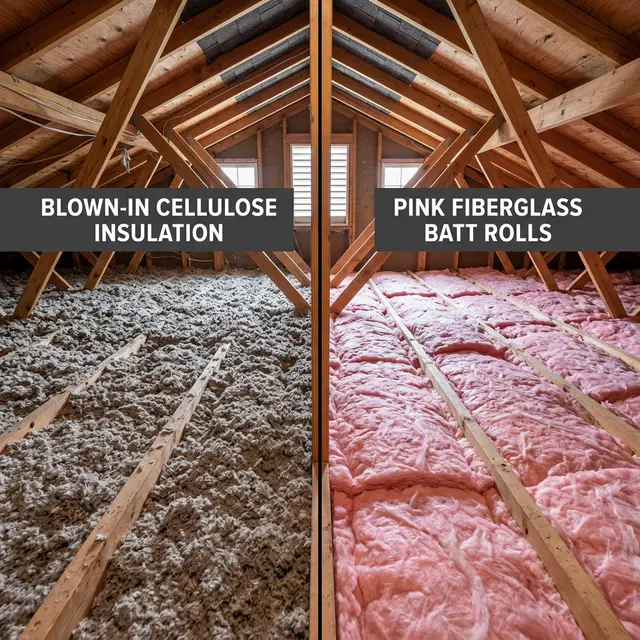
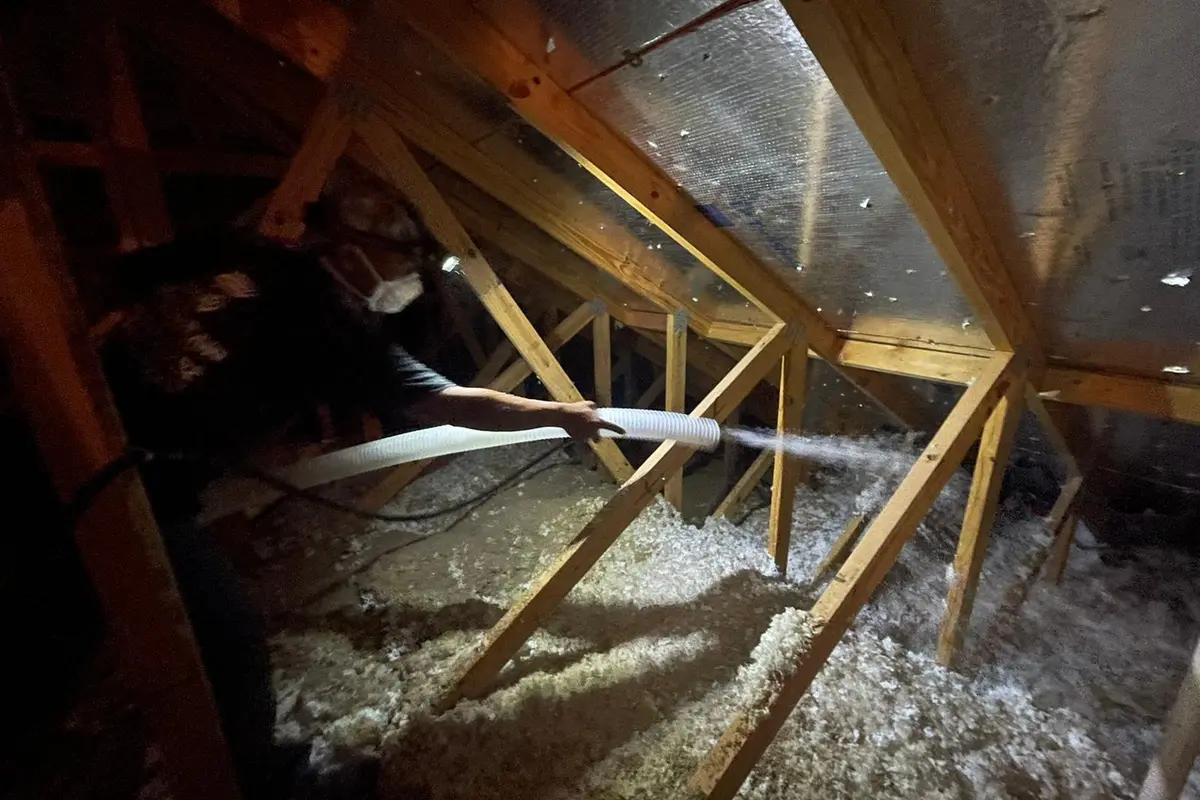
For <a href="/attic-insulation/">attic insulation</a> upgrades, Austin Energy offers rebates based on the square footage insulated and the R-value improvement. Bringing your attic from R-19 or less up to R-38 or higher qualifies for the largest rebate tier. The rebate can cover a meaningful portion of the project cost, especially for homes that are severely under-insulated. Most Austin homes built before 2000 fall well below the current R-38 code requirement, which means most older homes qualify. For a detailed breakdown of what insulation costs in this market, see our <a href="/blog/attic-insulation-cost-austin/">attic insulation cost guide for Austin</a>.
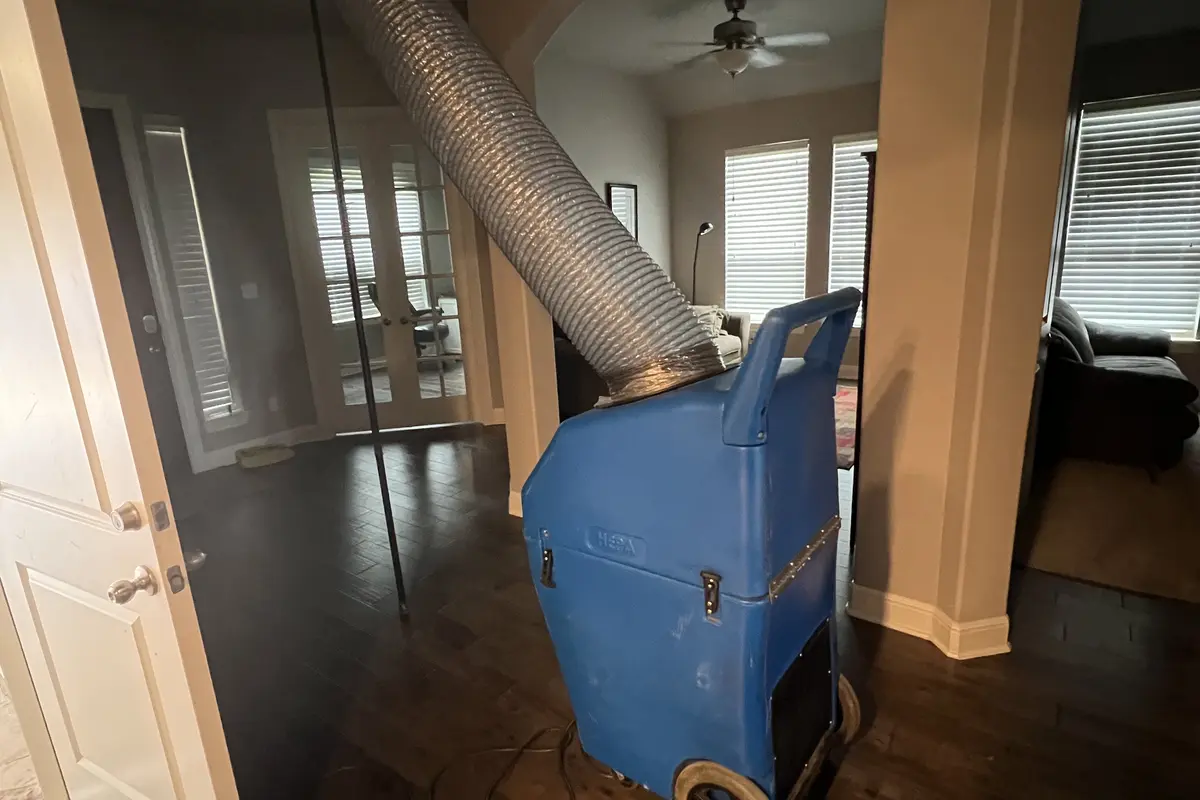
Duct sealing rebates reward homeowners for reducing the conditioned air lost through leaky ductwork. The average Austin home loses 20-30% of conditioned air through gaps, disconnected joints, and deteriorated duct connections in the attic. Austin Energy's rebate for professional duct sealing helps offset the cost of having a contractor seal those leaks with mastic or approved sealant. This is one of the highest-ROI improvements you can make because it reduces waste from your existing system without replacing any equipment.
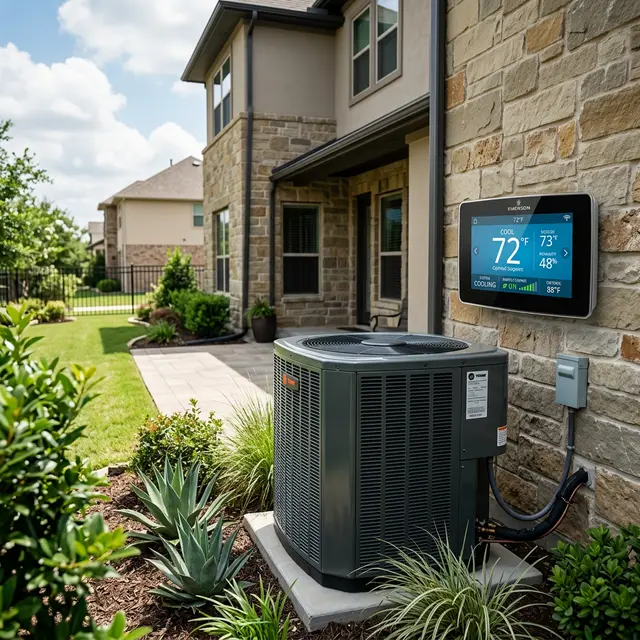
HVAC system replacement rebates apply when you upgrade to a high-efficiency air conditioner or heat pump. The rebate amount depends on the SEER2 rating of the new equipment - higher efficiency earns a larger rebate. Heat pumps typically qualify for the highest rebates because they provide both heating and cooling with excellent efficiency ratings. Austin Energy updates specific rebate amounts periodically, so check their Power Saver page or call 512-482-5346 for current figures before committing to a project.
Additional Power Saver rebates are available for smart thermostats, ENERGY STAR windows, and other qualifying measures. Smart thermostat rebates are straightforward - purchase a qualifying model, submit proof of purchase and installation, and receive the rebate. This stacks nicely with the energy savings a smart thermostat delivers on its own, which we cover in more detail in our <a href="/blog/lower-energy-bills-austin/">guide to lowering energy bills in Austin</a>.
Federal Tax Credits for Home Energy Improvements in 2026
The federal 25C Energy Efficient Home Improvement Credit lets homeowners claim up to $3,200 per year in tax credits for qualifying energy upgrades. This is a tax credit, not a deduction - it reduces your tax bill dollar for dollar. The credit was expanded under the Inflation Reduction Act and applies through at least 2032, giving homeowners a multi-year window to make improvements and claim credits each year.
The credit breaks down into two categories. The first covers insulation, air sealing, and HVAC equipment at 30% of cost up to $1,200 per year. Attic insulation, duct sealing, and qualifying HVAC systems all fall into this bucket. The second category is specifically for heat pumps and heat pump water heaters, which qualify for up to $2,000 per year in addition to the $1,200 cap. That means if you install insulation and a heat pump in the same year, you could claim up to $3,200 total.
Specific annual limits within the $1,200 cap include up to $600 for windows, up to $500 for doors, up to $150 for a home energy audit, and up to $1,200 for insulation and air sealing materials. The $2,000 heat pump credit is separate and does not count against the $1,200 limit. Labor costs for insulation and air sealing are included in the credit calculation - a major benefit since labor is typically half the project cost.
To claim the 25C credit, you need IRS Form 5695 filed with your annual tax return. Keep all receipts, contractor invoices, and manufacturer certification statements (which confirm the product meets efficiency requirements). Your contractor should be able to provide a certification statement for the equipment they install. A <a href="/blog/home-energy-audit-guide/">home energy audit</a> is also eligible for the credit at up to $150, and getting one first helps you prioritize which upgrades will deliver the most savings for your specific home.
How to Stack Austin Energy Rebates With Federal Tax Credits
Here is the good news: Austin Energy rebates and federal tax credits are not mutually exclusive. You can claim both on the same project. The utility rebate comes from Austin Energy and does not affect your federal tax credit eligibility. However, the IRS requires that you subtract any subsidies or rebates from the cost basis before calculating your 25C credit. In practice, this slightly reduces the federal credit, but you still come out significantly ahead compared to claiming just one or the other.
Example: You spend $3,500 on an attic insulation upgrade. Austin Energy gives you a $400 rebate. Your adjusted cost basis for the federal credit is $3,100. At 30%, your federal tax credit is $930. Your total savings: $400 (rebate) + $930 (tax credit) = $1,330 on a $3,500 project. That effectively brings your out-of-pocket cost down to $2,170 - a 38% reduction. And you have not even counted the $300-$600 per year in energy savings that proper insulation delivers in Austin's climate. For more on those ongoing savings, see our <a href="/blog/attic-insulation-energy-savings/">breakdown of insulation energy savings</a>.
To maximize the stack, plan your projects across tax years if the total exceeds annual credit caps. The 25C credit resets every calendar year, so doing insulation in December and an HVAC upgrade in January lets you claim the full $1,200 in each tax year. This strategy works especially well for comprehensive home energy overhauls where total costs exceed $5,000-$10,000.
Keep meticulous records. You need the Austin Energy rebate confirmation (showing the amount received), contractor invoices with itemized costs, manufacturer certification statements for any equipment, and your home energy audit report if you had one done. Store digital copies - you may need them if the IRS questions your credit claim, and your tax preparer will need them at filing time.
Qualifying for Weatherization Assistance in Austin
Income-qualifying Austin households can receive energy improvements at no cost through weatherization assistance programs. These programs are separate from Austin Energy's standard rebates and are specifically designed for low-to-moderate income families, seniors, and people with disabilities. If you qualify, the savings are substantial because the programs cover both materials and labor entirely.
Austin Energy's Customer Assistance Program (CAP) provides bill discounts and connects qualifying customers with weatherization services. Eligibility is based on household income relative to the federal poverty level - generally, households at or below 200% of the federal poverty guidelines qualify. For a family of four in 2026, that means a household income at or below approximately $62,400. You can apply through Austin Energy's customer service or at community intake centers throughout the city.
The Texas Department of Housing and Community Affairs (TDHCA) runs the federal Weatherization Assistance Program (WAP) in Texas. This program funds comprehensive home energy improvements including insulation, air sealing, duct repair, and in some cases HVAC repair or replacement. WAP serves households at or below 200% of federal poverty guidelines, with priority given to elderly residents, families with young children, and people with disabilities. Wait lists can be long - sometimes 6-12 months - so applying early is important.
Travis County also participates in LIHEAP (Low Income Home Energy Assistance Program) which provides direct energy bill assistance and can connect you with weatherization services. If you are struggling with Austin Energy bills during summer, LIHEAP can provide immediate relief while you wait for longer-term weatherization improvements. Apply through the Travis County Health and Human Services department or call 211 for intake referrals.
These income-based programs can be combined with federal tax credits in some cases. If a weatherization program covers insulation but not an HVAC upgrade, you can still claim the 25C credit on the HVAC portion you pay for out of pocket. A home energy audit - also covered under some assistance programs - identifies which improvements will reduce your bills the most.
Want to Know Where Your Energy Goes?
We identify the biggest efficiency gaps in your home and give you a clear plan to fix them.
Call (512) 601-4451Estimate how much you could save on energy bills
Which HVAC and Insulation Upgrades Give the Best Return on Investment
Not every energy upgrade delivers the same return in Austin's climate. The best investments target the biggest sources of energy waste first, and in Central Texas, that means your attic and your ductwork. Our <a href="/blog/home-energy-efficiency-guide-austin/">complete energy efficiency guide</a> covers the full picture, but here is how the major upgrades rank by ROI when factoring in rebates and tax credits.
Duct sealing delivers the fastest payback - often under two years. If your home loses 20-30% of conditioned air through leaky ducts (and most Austin homes do), sealing those leaks immediately reduces the workload on your AC. At Austin Energy rates, a home spending $250/month on summer electricity can save $50-$75/month just by keeping conditioned air inside the ducts where it belongs. The project cost is modest, the rebate covers a chunk of it, and the 25C credit covers 30% of the remainder.
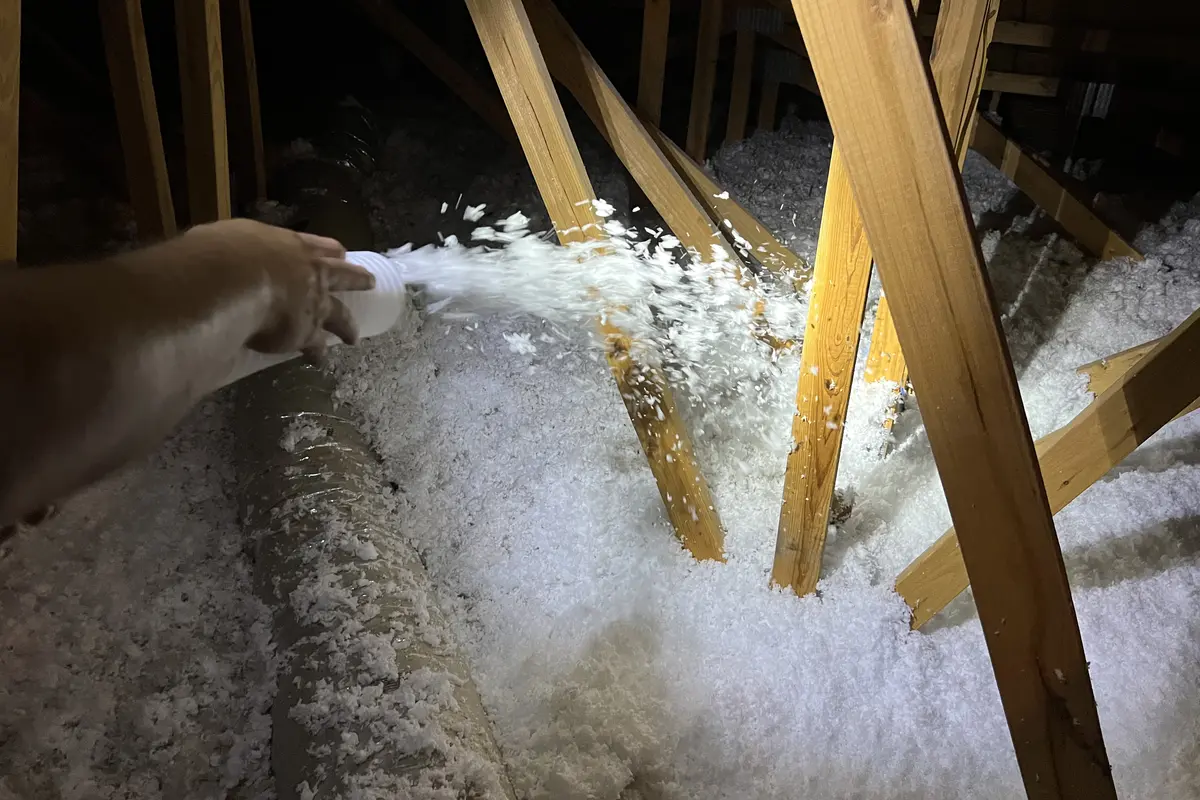
Attic insulation from R-19 or less to R-38+ is the second-best investment. In Austin's summers, your attic hits 140-160 degrees, and that heat radiates straight through thin insulation into your living space. Upgrading from R-19 to R-38 cuts heat transfer roughly in half, which means your AC runs significantly less. Most Austin homeowners see $300-$600 per year in energy savings from a proper insulation upgrade. With the Austin Energy rebate and 25C credit combined, payback drops to 2-4 years. After that, every dollar saved is pure return. For the full ROI analysis, check our <a href="/blog/attic-insulation-energy-savings/">attic insulation energy savings breakdown</a>.
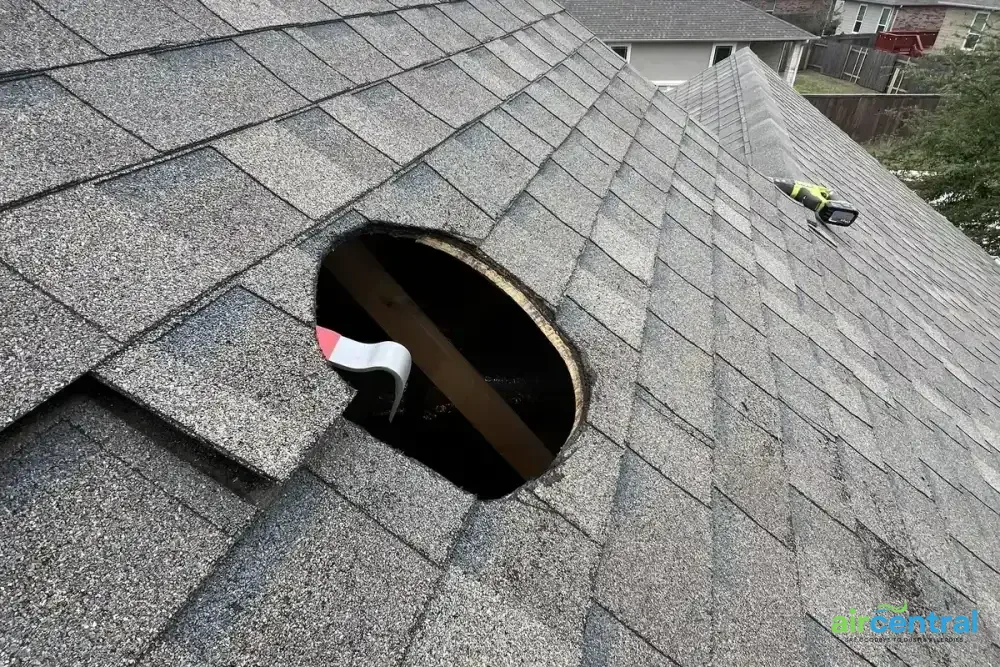
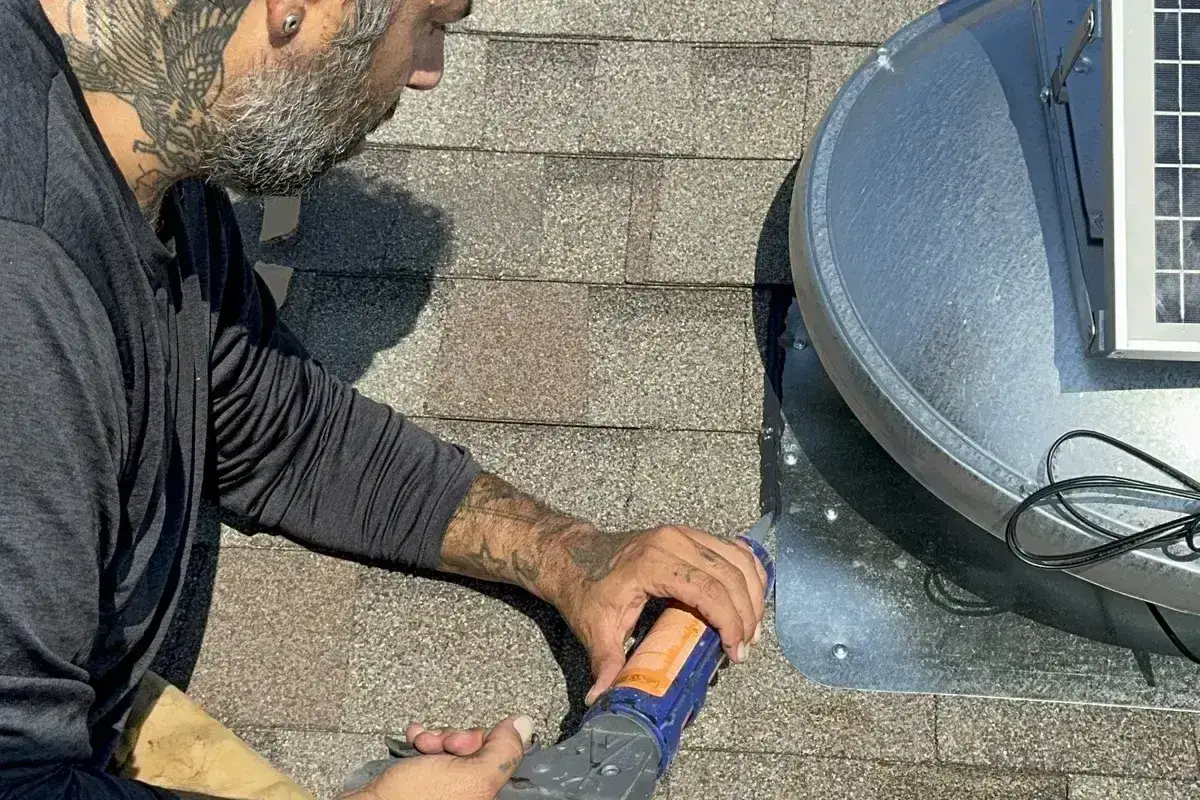
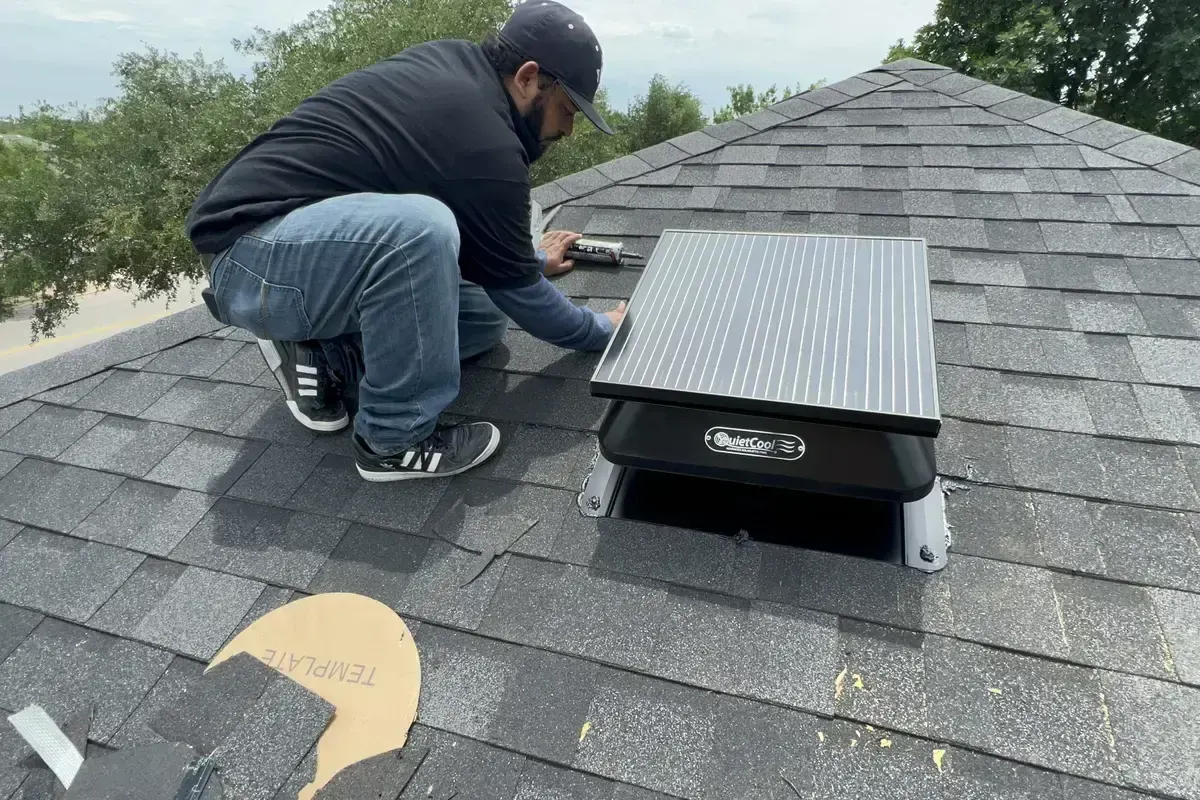
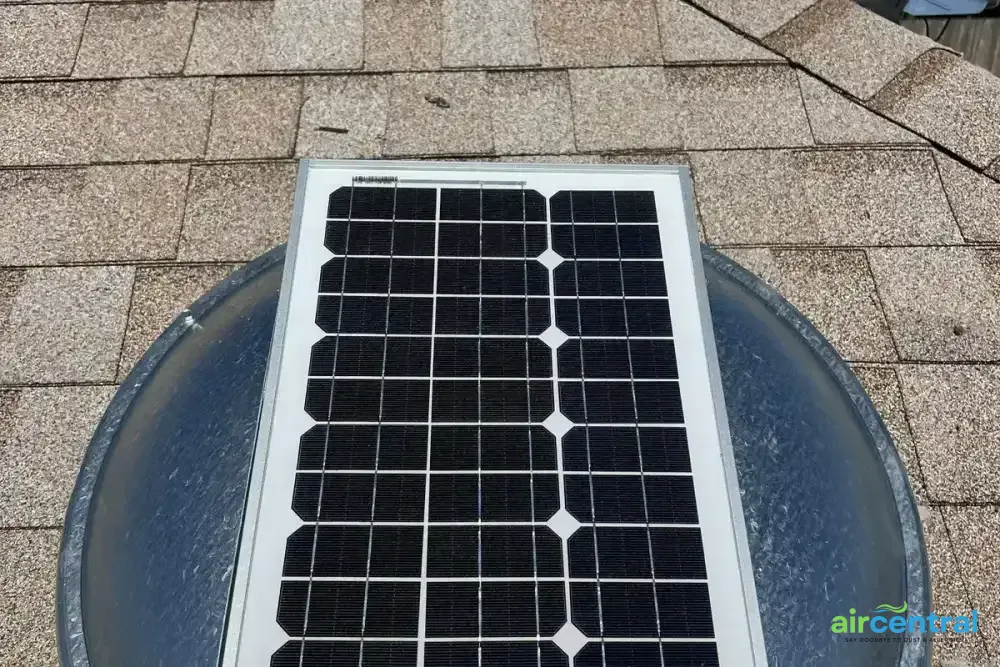
<a href="/solar-fans/">Solar attic fans</a> are an excellent complement to insulation because they actively reduce attic temperature rather than just slowing heat transfer. A solar fan running at zero operating cost can drop your attic from 150 degrees to 90-100 degrees, which reduces the thermal load on your insulation and extends its effective life. The <a href="/blog/solar-attic-fan-roi/">solar attic fan ROI</a> is strong in Austin specifically because of our extreme summer heat and 260+ days of sunshine per year.
High-efficiency HVAC replacement makes sense when your current system is 12+ years old and operating below 14 SEER. Modern systems rated at 16-20+ SEER2 use 20-40% less electricity for the same cooling output. The upfront cost is significant, but the combination of Austin Energy rebates (largest for heat pumps), the $2,000 federal heat pump credit, and lower monthly bills can bring the effective payback to 5-8 years. If your existing system needs a major repair costing 50% or more of replacement cost, the math tilts heavily toward upgrading. More on maximizing your existing system in our <a href="/blog/hvac-efficiency-tips/">HVAC efficiency tips guide</a>.
How to Apply for Austin Energy Rebates: Step by Step
Step 1: Verify your eligibility. You must be an Austin Energy residential customer with an active account. Check your Austin Energy bill or log into your account at austinenergy.com to confirm. Renters may qualify if they pay the electric bill directly, but landlord approval is typically needed for physical improvements to the property.
Step 2: Get a home energy audit. While not always required for every rebate, an audit identifies which improvements will save you the most and ensures you target the right upgrades. Austin Energy offers discounted audits through their program, and the cost may be covered by the federal 25C credit (up to $150). An auditor will assess your insulation levels, duct condition, HVAC efficiency, air leakage, and window performance. The audit report becomes your roadmap for which rebates to pursue. We walk through the full audit process in our <a href="/blog/home-energy-audit-guide/">home energy audit guide</a>.
Step 3: Choose a qualifying contractor. Austin Energy maintains a list of participating contractors for certain rebate categories, particularly HVAC replacements and insulation. Using a participating contractor simplifies the rebate process because they handle much of the paperwork and know the program requirements. For insulation and duct work, make sure the contractor documents the before-and-after condition and provides itemized invoices that separate materials from labor.
Step 4: Complete the work and submit your rebate application. Most Austin Energy rebates require submission within 60-90 days of project completion. You will need your Austin Energy account number, copies of paid invoices, contractor documentation, and in some cases before-and-after photos or test results (such as a blower door test for air sealing). Submit through the Austin Energy Power Saver portal online or by mail.
Step 5: Receive your rebate. Processing typically takes 6-8 weeks after submission. Austin Energy issues rebates as a bill credit or check, depending on the program. Keep copies of everything you submit - if there is a processing delay or question, having your documentation readily available speeds resolution. While you wait for the rebate, file your federal tax return with Form 5695 to claim your 25C credit on the same project.
Common Mistakes That Disqualify You From Rebates
The most common mistake is starting work before checking rebate requirements. Some Austin Energy rebates require pre-approval or a pre-inspection before work begins. If you install insulation first and apply for the rebate afterward, you may find that the program required a pre-installation inspection that you skipped. Always check the specific rebate requirements before signing a contract with your installer.
Using a non-qualifying contractor is another frequent issue. Austin Energy's HVAC rebates often require installation by a participating contractor from their approved list. A great HVAC company that is not on Austin Energy's list may do excellent work, but the rebate application will be denied if the program requires a participating contractor. Ask the contractor directly whether they participate in Austin Energy's rebate programs before hiring them.
Incomplete documentation kills more rebate applications than anything else. Missing invoices, invoices that do not itemize materials and labor separately, missing model numbers for equipment, and unsigned contractor certifications are all common reasons for denial. Before your contractor leaves the job site, verify that you have a detailed invoice with model numbers, serial numbers, R-values (for insulation), SEER2 ratings (for HVAC), and a clear breakdown of costs.
Filing too late is an easy mistake to avoid but happens regularly. Most Austin Energy rebates have a 60-90 day submission window from the date of project completion. Mark the deadline on your calendar the day the work finishes. For the federal 25C credit, you must claim it in the tax year the improvement was placed in service - if insulation was installed in December 2026, you claim it on your 2026 return, not 2027.
Exceeding federal credit caps without realizing it catches some homeowners. If you already claimed $1,200 in 25C credits earlier in the same tax year (for example, on new windows in the spring), additional insulation work later that year will not generate more credit in the insulation and air sealing category. Plan your projects across calendar years if your total improvements exceed the annual caps. The $2,000 heat pump credit is separate from the $1,200 general cap, which is why heat pump installations are often best paired with insulation in the same year.
Example Savings Calculations for Austin Homes
Example 1 - Insulation and duct sealing for a 1980s home in North Austin. The home has R-13 insulation (well below the R-38 standard) and leaky ductwork. Project cost: $4,200 for blown-in insulation to R-38 plus $1,200 for professional duct sealing. Total: $5,400. Austin Energy rebates: approximately $500 combined for insulation and duct sealing. Federal 25C credit: 30% of ($5,400 - $500) = $1,470. Total savings from rebates and credits: $1,970. Out-of-pocket cost: $3,430. Estimated annual energy savings: $500-$700. Payback period: 5-7 years, then $500-$700 per year in your pocket for the life of the home.
Example 2 - Heat pump replacement for a 2000s home in Round Rock. The existing 13 SEER AC is 15 years old and needs a $2,800 compressor repair. New 17 SEER2 heat pump installed: $9,500. Austin Energy rebate: approximately $800 for the high-efficiency heat pump. Federal 25C heat pump credit: 30% of ($9,500 - $800) = $2,610, capped at $2,000. Total savings: $2,800. Out-of-pocket cost: $6,700. But compared to sinking $2,800 into repairing a 15-year-old system, the effective upgrade cost is only $3,900 more. Energy savings of $600-$900 per year from the efficiency jump means payback in 4-6 years on the incremental cost.
Example 3 - Comprehensive upgrade for a 1970s home in South Austin. Attic insulation from R-11 to R-49: $5,000. Duct sealing: $1,200. Solar attic fan installation: $800. Home energy audit: $350. Total: $7,350. Austin Energy rebates: approximately $600 combined. Federal 25C credit: 30% of ($7,350 - $600) = $2,025, capped at $1,200 for insulation, air sealing, and audit in one year, plus up to $150 audit credit. Claim the full $1,200 this year and carry remaining eligible items to next year's return if applicable. Total first-year savings from programs: approximately $1,800. Annual energy savings: $700-$1,000. This 1970s home goes from one of the most expensive to heat and cool in the neighborhood to one of the most efficient.
The common thread across all three examples: rebates and credits do not cover the full cost, but they bring the payback period down to where the upgrades are a clear financial win. After payback, the energy savings continue for 15-30 years (the lifespan of insulation and modern HVAC equipment). In a city where summer electricity bills routinely hit $250-$400, reducing that by 30-50% adds up to tens of thousands of dollars over the life of your home.
Related Services
Learn more about our professional services related to this topic:
- Air Duct Cleaning - Remove dust, allergens, and debris from your entire HVAC system for cleaner indoor air.
- Solar Fan Installation - Solar-powered attic ventilation that cuts cooling costs naturally.
- Attic Insulation - Premium blown-in insulation to cut energy costs and improve year-round comfort.
- UV Lighting System - Eliminate bacteria and allergens inside your HVAC with UV-C light technology.
Want the full picture?
Read our complete guide: Home Energy Efficiency: The Cost-Saving Guide for Austin →Have questions about energy efficiency? Our team is available 7 days a week. Call us at (512) 601-4451 or visit our contact page.