Austin attics reach 150-160 degrees in summer, degrading flex duct tape and connections while wasting 20-30% of your cooled air through leaks. The DOE estimates this costs the average Texas household $200-$400 in excess cooling bills per summer. Proper attic insulation, duct sealing, and radiant barriers address the problem at the source.
Your Attic Hit 158 Degrees Last July
Dark asphalt shingles absorb solar radiation and transfer that heat directly into the attic space. On a 100-degree Austin day - and Austin averaged 29 days at 100 degrees or above in recent summers - the temperature inside your attic can exceed 150 degrees Fahrenheit. Infrared thermal surveys of Central Texas attics consistently record readings between 145 and 165 degrees during peak afternoon hours from June through September.
That heat does not stay in the attic. It radiates downward through the ceiling into your living space, making your AC work harder to maintain comfortable temperatures. And the ductwork running through that superheated attic carries your cooled air through what amounts to an oven - with predictable results for your energy bills and your comfort.
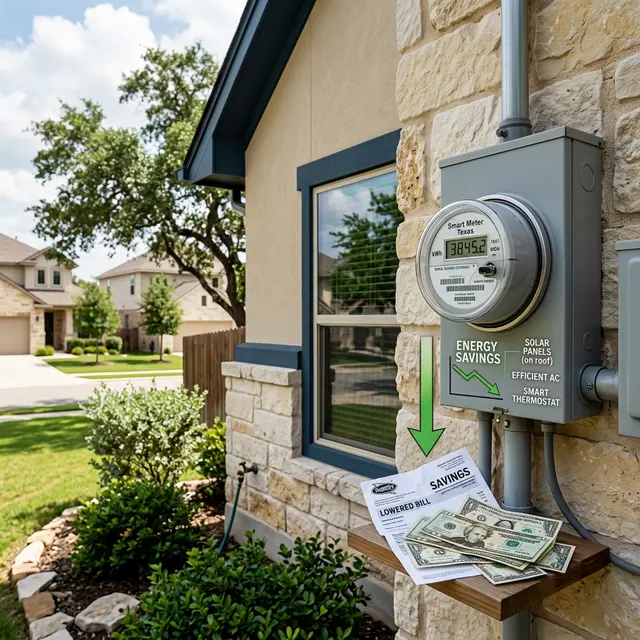
Austin Energy's tiered pricing structure makes this worse. The more electricity you use, the higher the per-kilowatt-hour rate. A home losing 20-30% of its cooling through attic duct losses pushes into higher rate tiers faster, creating a compounding cost penalty that shows up as $200-$400 in excess charges per summer.
What 150-Degree Heat Does to Flex Duct
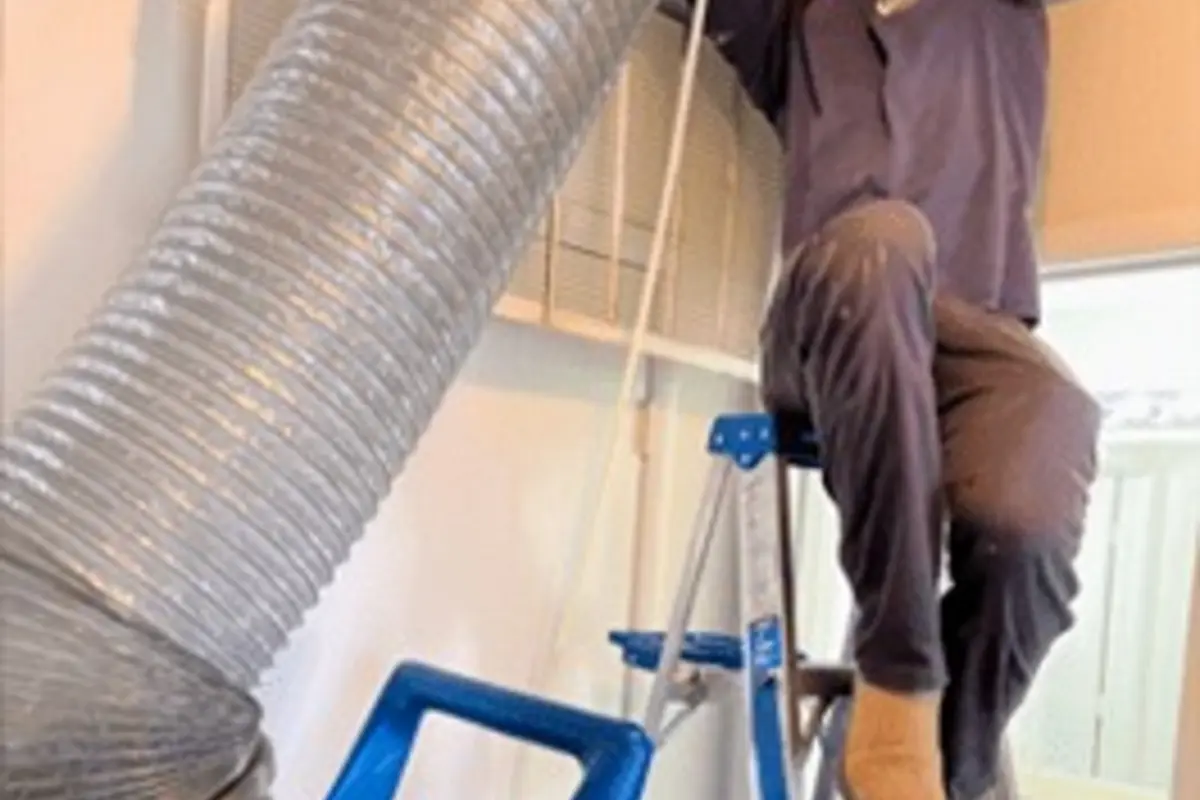
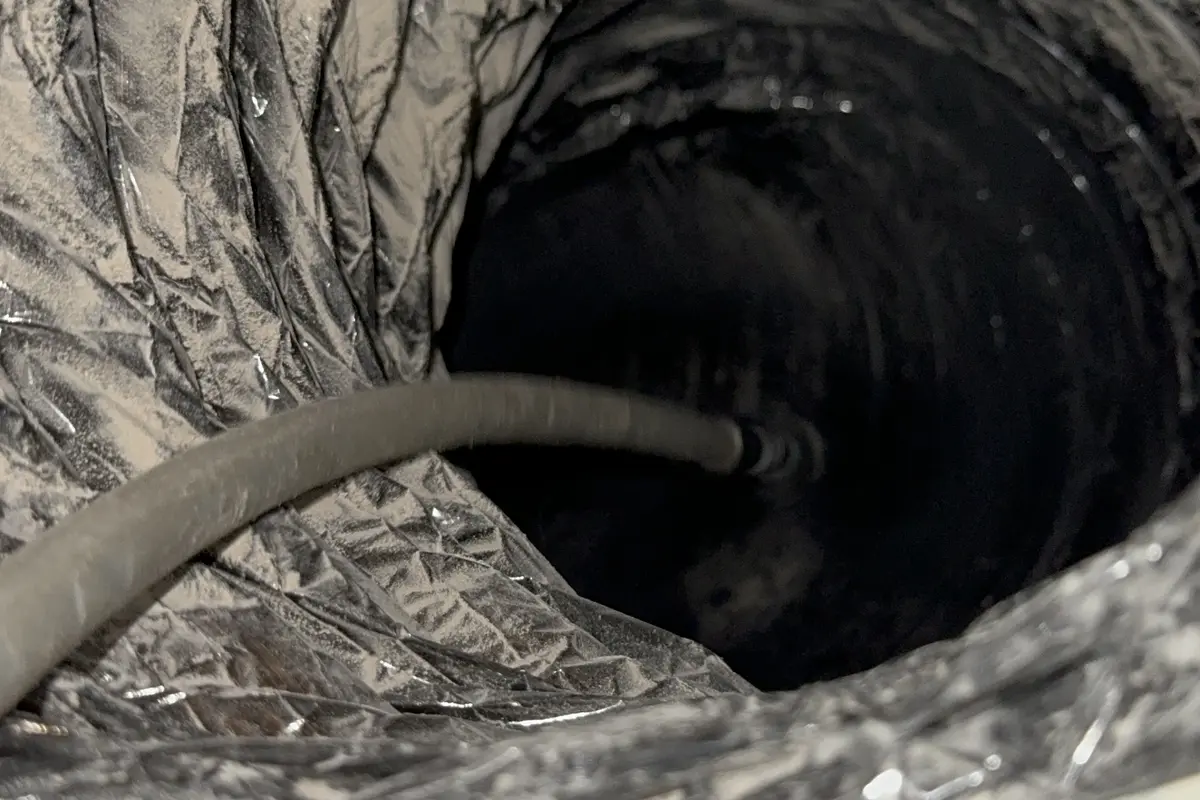
The vast majority of Austin homes built after 1990 use flexible ductwork in the attic. Flex duct consists of a wire coil wrapped in a plastic vapor barrier, surrounded by fiberglass insulation, and covered with an outer jacket. It is lightweight, inexpensive, and easy to install - and it degrades in extreme heat.
Flex duct tape and mastic connections weaken at sustained temperatures above 140 degrees. The adhesive on standard foil tape softens, loses grip, and allows joints to separate. We see disconnected flex duct runs in Austin attics regularly - the duct pulled free from the register boot or trunk line connection, dumping cooled air directly into the attic.
The plastic inner liner of flex duct also becomes brittle over time when exposed to extreme heat cycles. After 10-15 years of Austin summers, the liner cracks and develops holes that leak conditioned air. The fiberglass insulation surrounding the duct compresses and loses R-value, further reducing the duct's ability to keep cooled air cool during its trip through the attic.
"I have pulled back insulation in Pflugerville and Round Rock attics and found flex duct that looked like it melted," says Nessi Ziv, owner of Air Central. "The connections were completely separated. The homeowner was cooling the attic more than the house. Their July electric bill was over $400 and they could not figure out why."
The DOE Says You Are Losing 20-30% of Cooled Air
The U.S. Department of Energy estimates that the average home loses 20-30% of conditioned air through duct leaks, holes, and poorly connected joints. In Austin, where most ductwork runs through unconditioned attic space at extreme temperatures, the actual losses often exceed those national averages.
Here is the math. If your AC produces 3 tons of cooling (36,000 BTU/hour) and 25% leaks into the attic, you are losing 9,000 BTU/hour - equivalent to running a large window unit that cools nothing. Your compressor runs longer to compensate, consuming more electricity and accelerating wear on the entire system.
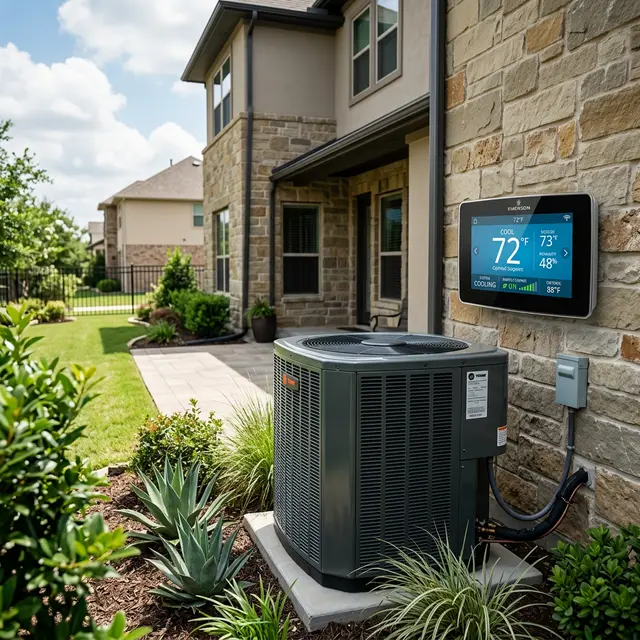
ENERGY STAR research shows that sealing and insulating ducts in unconditioned spaces can reduce heating and cooling costs by up to 20%. For an Austin home spending $300 per month on summer electricity, that is $60 per month or $240 over a four-month summer - just from addressing duct losses.
R-Value vs Actual Attic Temperature: The Numbers
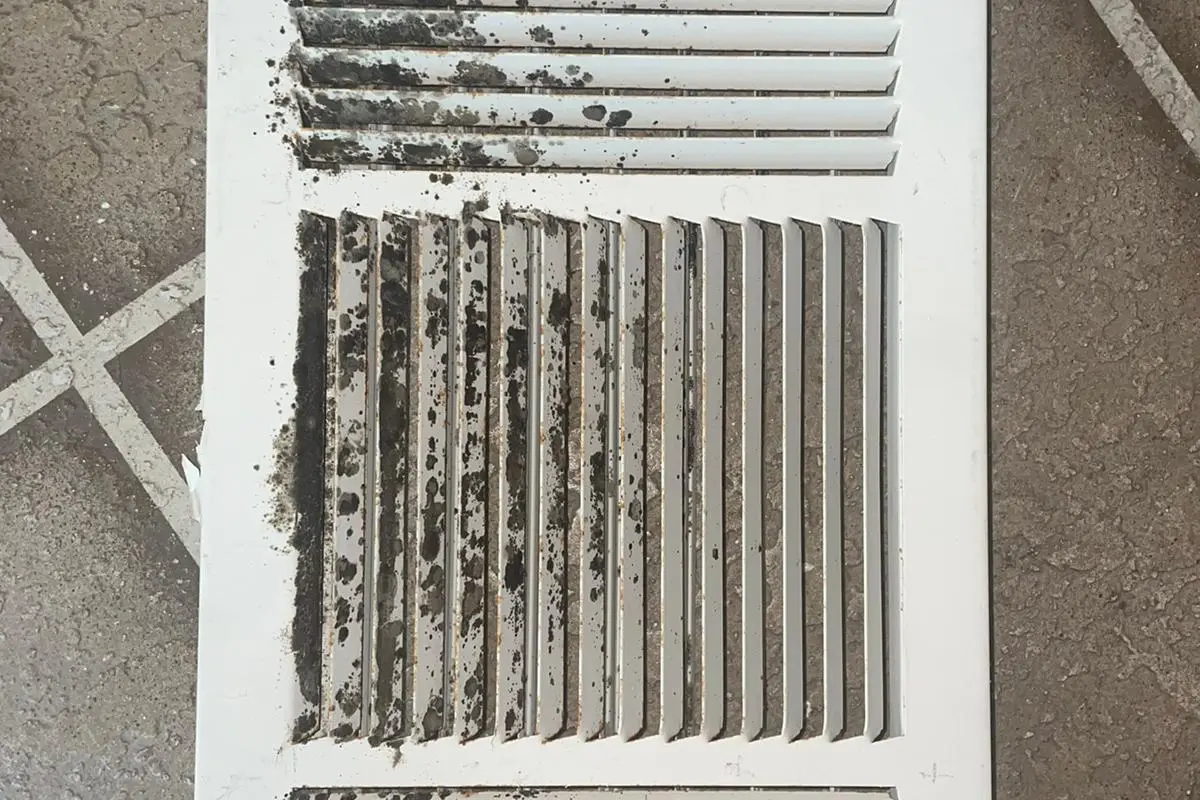
The International Energy Conservation Code (IECC) requires R-38 attic insulation for Climate Zone 2, which includes Austin. The DOE recommends R-49 to R-60 for maximum efficiency. Many Austin homes - particularly those built before 2010 - have R-19 to R-30, well below current standards.
R-value measures thermal resistance under lab conditions. In a 155-degree attic, the real-world performance of insulation is lower than its rated R-value because the temperature differential is so extreme. Fiberglass batt insulation rated R-30 in a 155-degree attic performs closer to R-24 because the heat transfer rate increases with temperature difference.
This matters because homeowners who check their insulation depth and see the correct number of inches assume they are adequately insulated. An 8-inch layer of fiberglass batts delivers R-30 on paper, but in an Austin attic at peak summer, the effective thermal performance falls short. Adding blown-in insulation on top of existing batts to reach R-49 or higher closes that gap significantly.
Duct Sealing: The Highest-ROI Fix
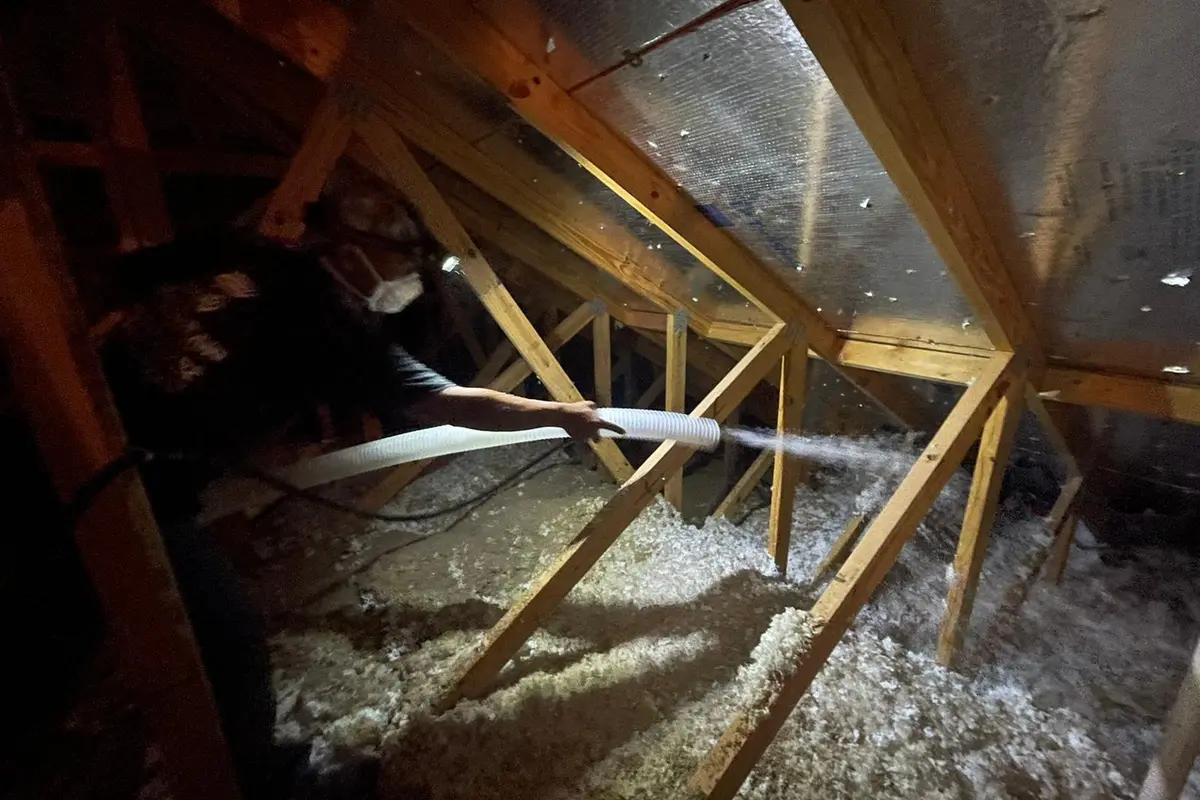
Before adding insulation, address duct leaks. Sealing duct connections with mastic sealant (not tape) is the single most cost-effective improvement for homes with attic ductwork. Mastic is a thick adhesive compound that bonds permanently to metal and flex duct surfaces and does not degrade in high heat.
The priority targets are the supply plenum connection, return air connections, register boot connections, and any joints where flex duct meets rigid duct or fittings. A professional duct sealing job for a standard Austin home typically costs $300-$1,000 and pays back in 2-4 years through reduced energy consumption.
After sealing, wrapping exposed duct runs with additional R-8 insulation sleeves adds another layer of protection. The combination of sealed joints and properly insulated ducts can recover most of that 20-30% loss the DOE identifies. For homes in Georgetown, Cedar Park, and Leander where summer temperatures regularly push attics past 155 degrees, this combination is essential.
Want to Know Where Your Energy Goes?
We identify the biggest efficiency gaps in your home and give you a clear plan to fix them.
Call (512) 601-4451Estimate how much you could save on energy bills
Insulation Upgrades: What the ROI Actually Looks Like
Adding attic insulation from R-30 to R-49 costs $1,500-$5,000 for a standard Austin home (1,500-2,500 square feet). The payback period depends on current insulation levels, home size, and energy rates, but most Austin homeowners see a 3-5 year payback through reduced cooling and heating costs.
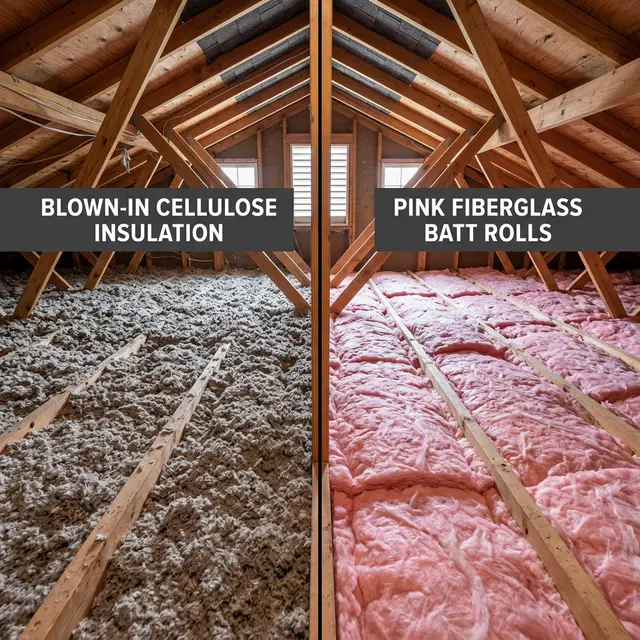
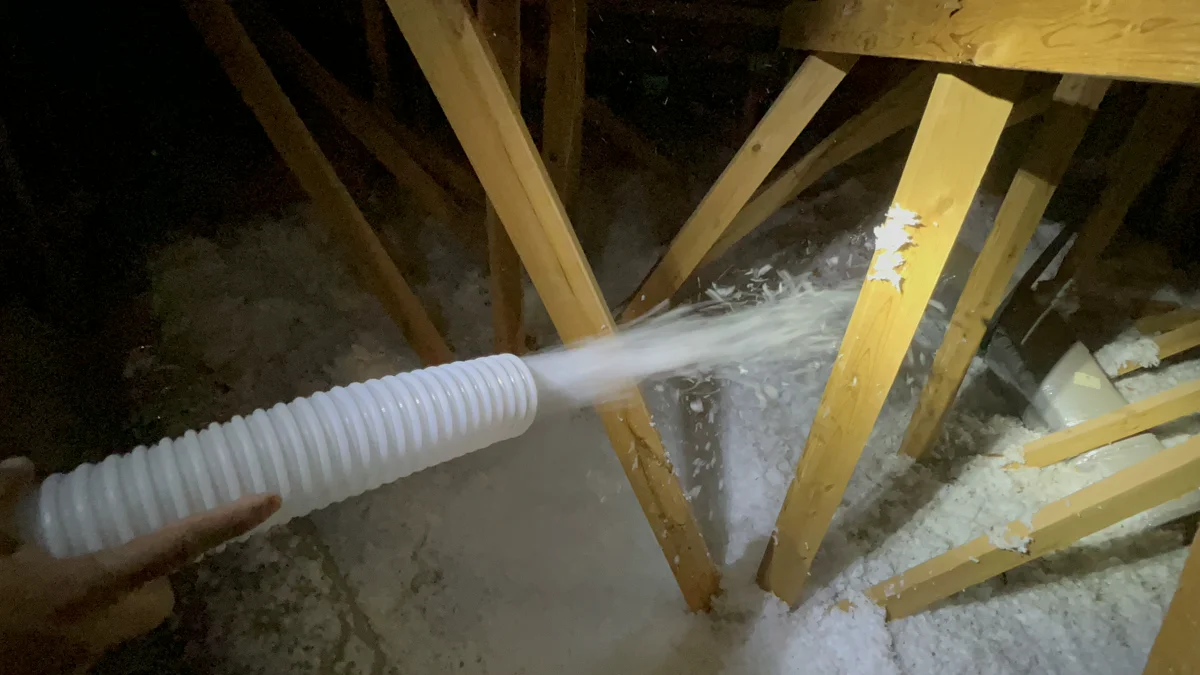
Blown-in cellulose or fiberglass is the most practical upgrade for existing homes because it fills around obstructions, covers irregular joist spacing, and adds a uniform layer on top of whatever insulation already exists. No need to remove old insulation unless it is damaged or contaminated.
Radiant barriers offer an additional layer of defense. A reflective radiant barrier stapled to the underside of the roof rafters can reduce attic temperatures by 15-30 degrees by reflecting radiant heat before it enters the attic space. In Austin's climate, the DOE's research at Oak Ridge National Laboratory shows radiant barriers reduce cooling costs by 5-10% in hot climates with duct systems in the attic.
Solar Attic Fans: Active Heat Removal
Passive attic ventilation (ridge vents, soffit vents) relies on natural convection, which slows dramatically when outdoor air temperatures approach attic temperatures. On a 105-degree Austin day, the outdoor air is too warm to effectively cool a 155-degree attic through passive means alone.
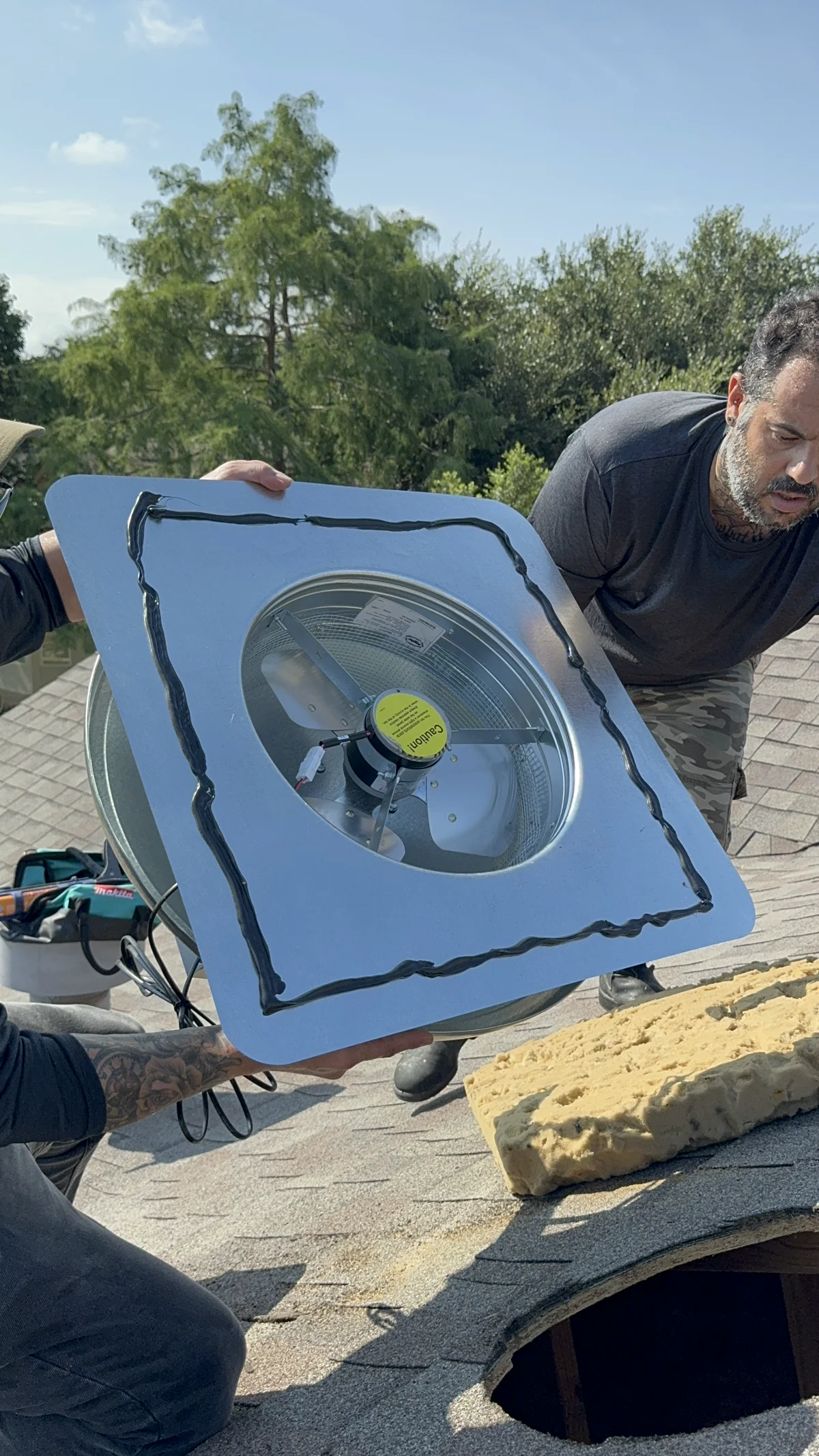
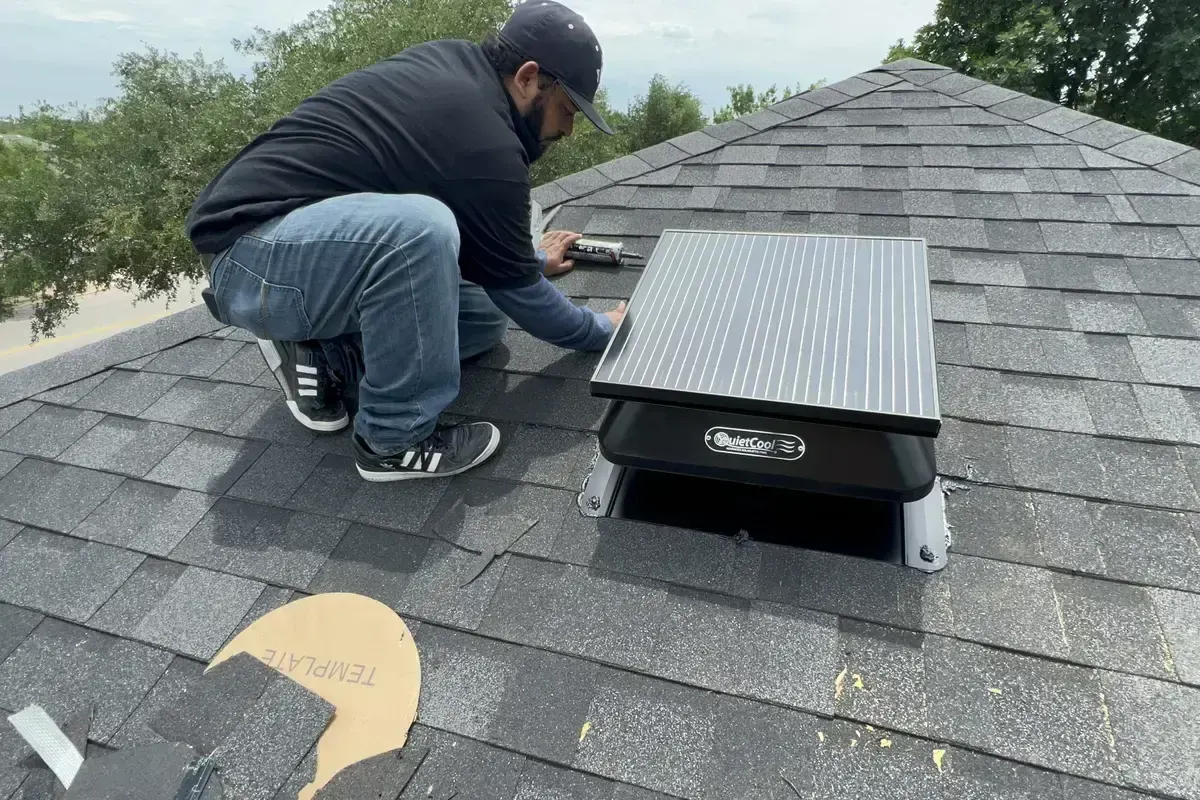
Solar attic fans actively exhaust hot air from the attic and pull cooler replacement air in through soffit vents. A properly sized solar fan can reduce attic temperatures by 20-40 degrees during peak hours. At $400-$1,200 installed, solar fans cost a fraction of full insulation upgrades and work immediately.
The best approach combines all three strategies: seal duct leaks first (highest ROI), add insulation to R-49+ (biggest long-term savings), and install a solar attic fan for active heat management (fastest temperature reduction). Homes in Kyle, Buda, and San Marcos - where flat terrain and full sun exposure create some of the hottest attics in the metro area - benefit the most from this combination.
Stop Cooling Your Attic Instead of Your Home
If your upstairs rooms are always warmer than downstairs, if your AC runs constantly during summer afternoons, or if your electricity bill jumps $100+ between May and July, your attic ductwork is likely the reason.
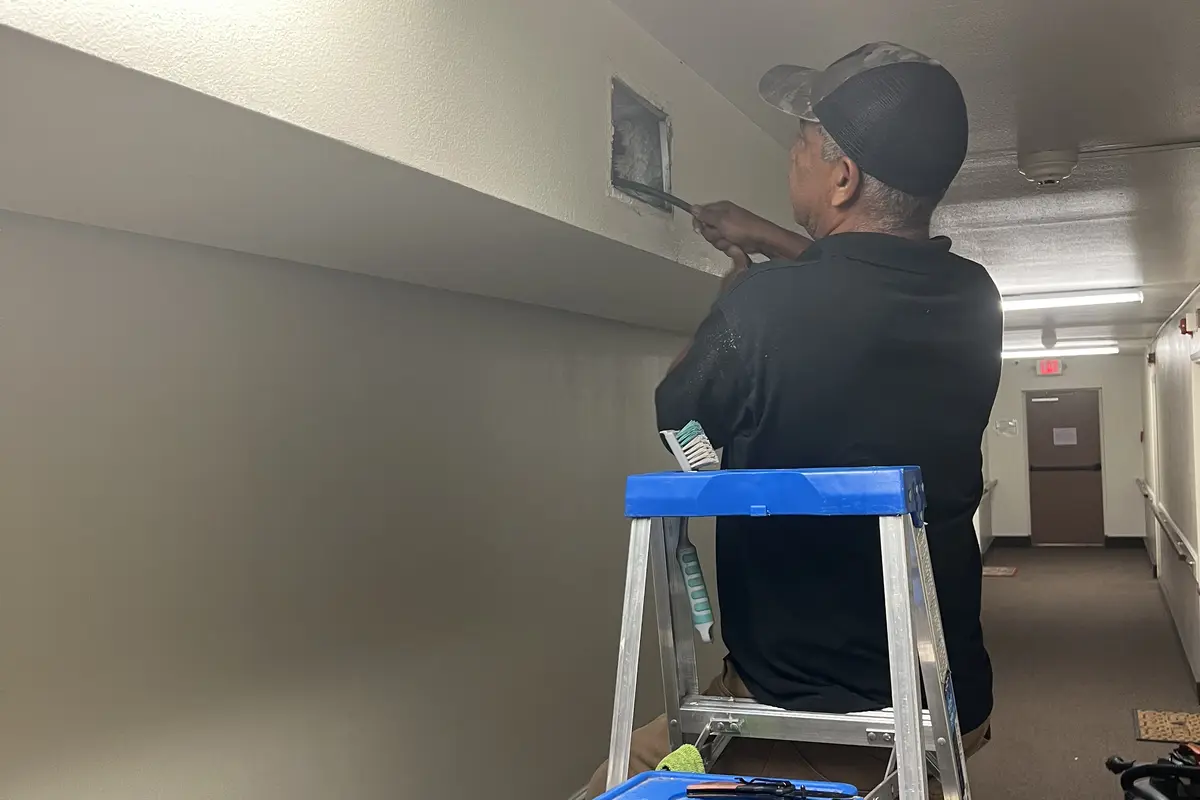
Air Central inspects attic ductwork with HD cameras to identify disconnected joints, crushed runs, and insulation failures. We have documented the damage Austin heat does to ductwork in over 10,000 homes across the metro area. Call (512) 601-4451 to find out exactly what your attic is costing you - and what it takes to fix it.
Related Services
Learn more about our professional services related to this topic:
- Air Duct Cleaning - Remove dust, allergens, and debris from your entire HVAC system for cleaner indoor air.
- Solar Fan Installation - Solar-powered attic ventilation that cuts cooling costs naturally.
- Attic Insulation - Premium blown-in insulation to cut energy costs and improve year-round comfort.
- UV Lighting System - Eliminate bacteria and allergens inside your HVAC with UV-C light technology.
Want the full picture?
Read our complete guide: Home Energy Efficiency: The Cost-Saving Guide for Austin →Have questions about energy efficiency? Our team is available 7 days a week. Call us at (512) 601-4451 or visit our contact page.