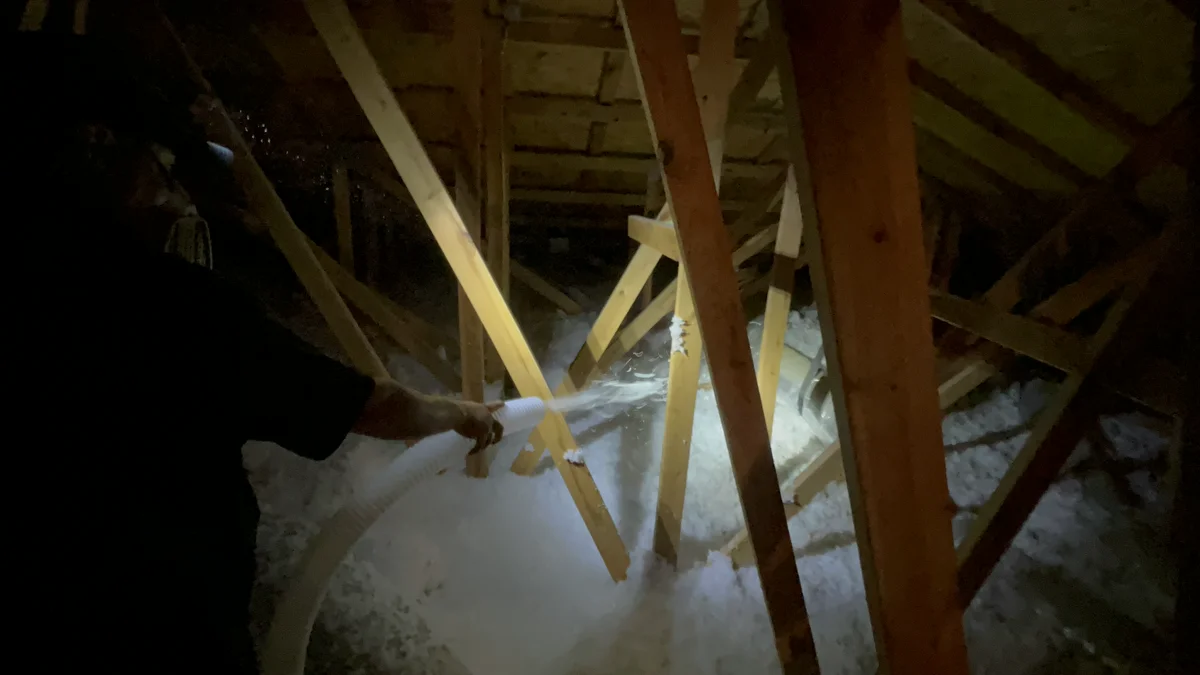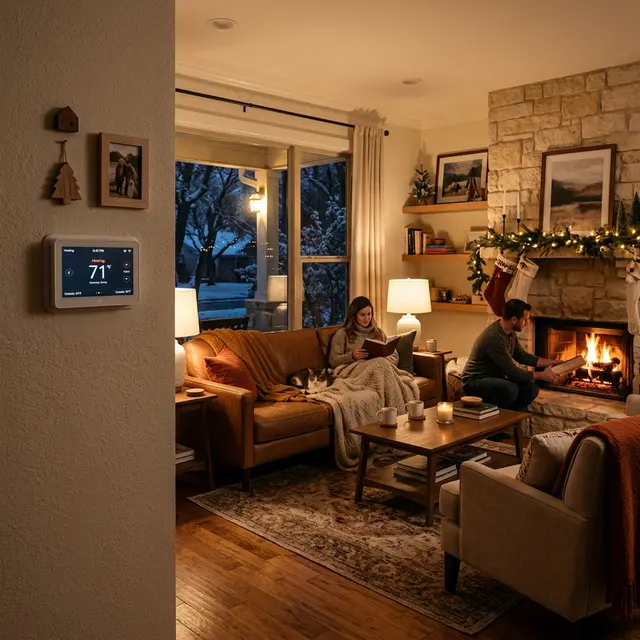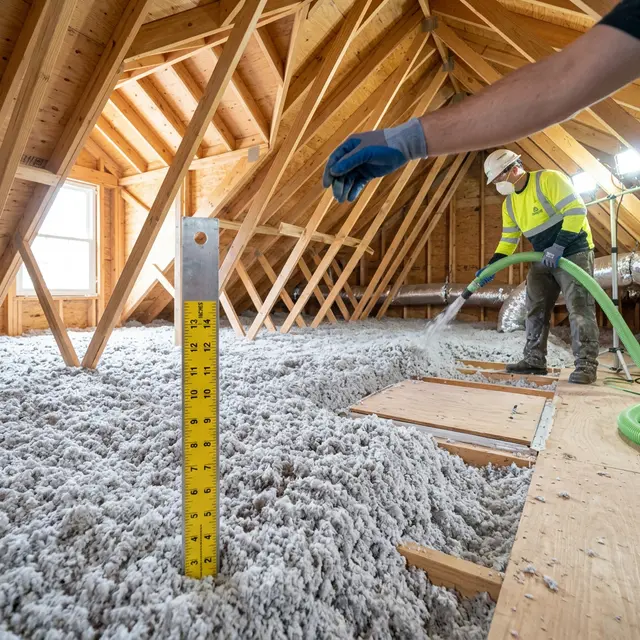
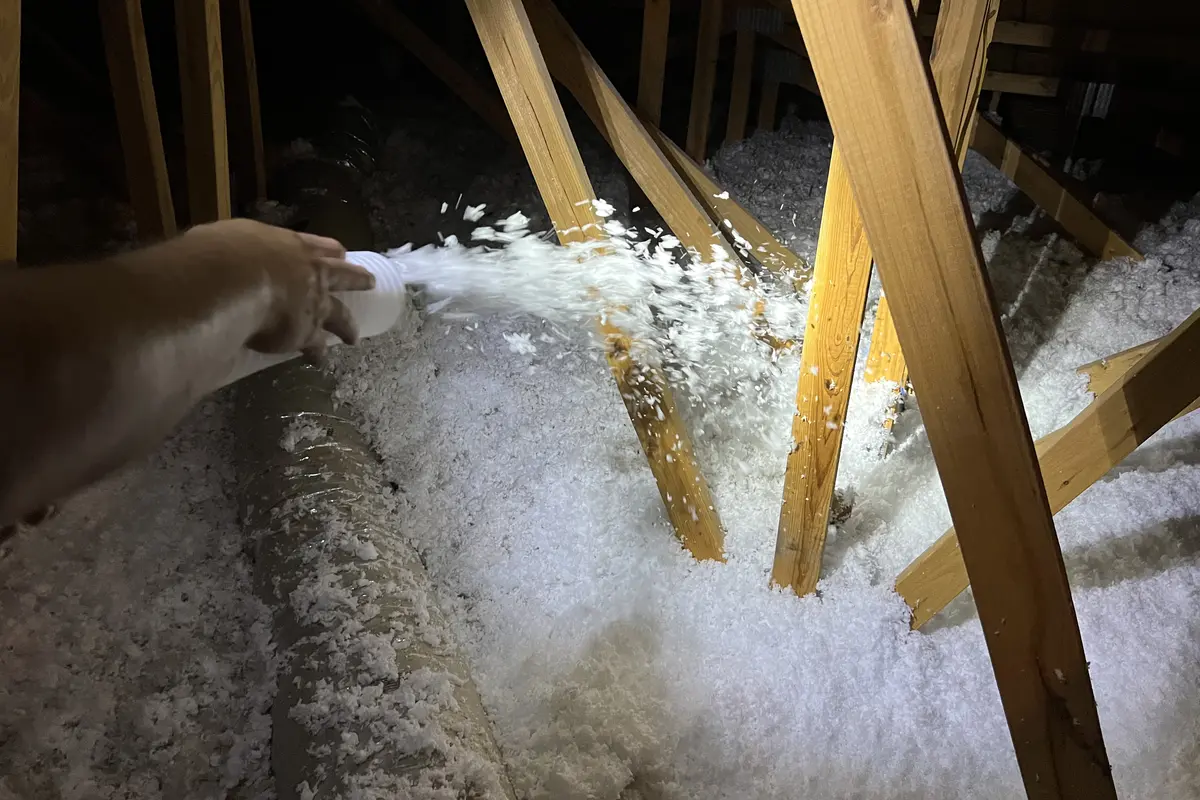
Attic insulation in Austin is one of the most cost-effective home improvements available. Blown-in cellulose or fiberglass to R-38 is the most popular option with a 3-5 year payback through energy savings.
2026 Pricing Breakdown
The cost of attic insulation varies by material type: blown-in fiberglass is the most affordable, followed by blown-in cellulose, then batt fiberglass, with spray foam (both open-cell and closed-cell) at the higher end. For a standard attic going from R-19 to R-38 with blown-in fiberglass, the investment is typically a few thousand dollars depending on attic size.
Costs scale with home size, as you would expect. Smaller homes with 800 sq ft attics are the most affordable, mid-size homes with 1,200 sq ft attics fall in the middle range, and larger homes in neighborhoods like Circle C, Avery Ranch, or Steiner Ranch with 1,500-2,000 sq ft attics require a larger investment depending on material choice. Contact us for a specific quote based on your home's attic size and current insulation level.
What Affects Your Price
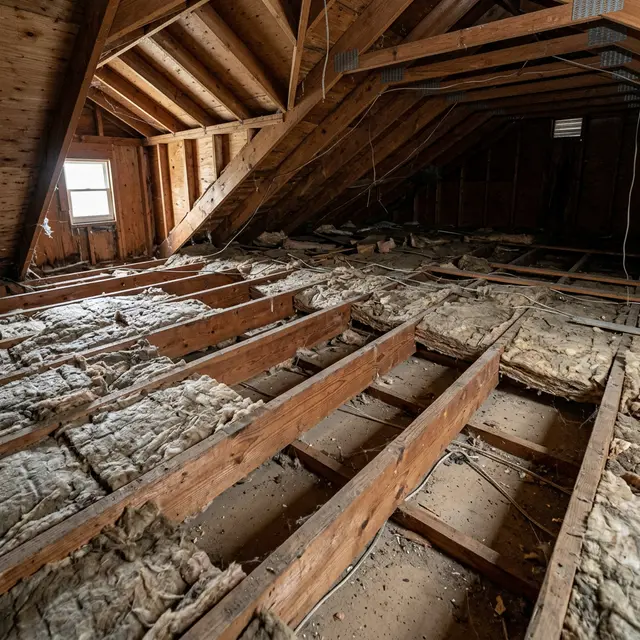
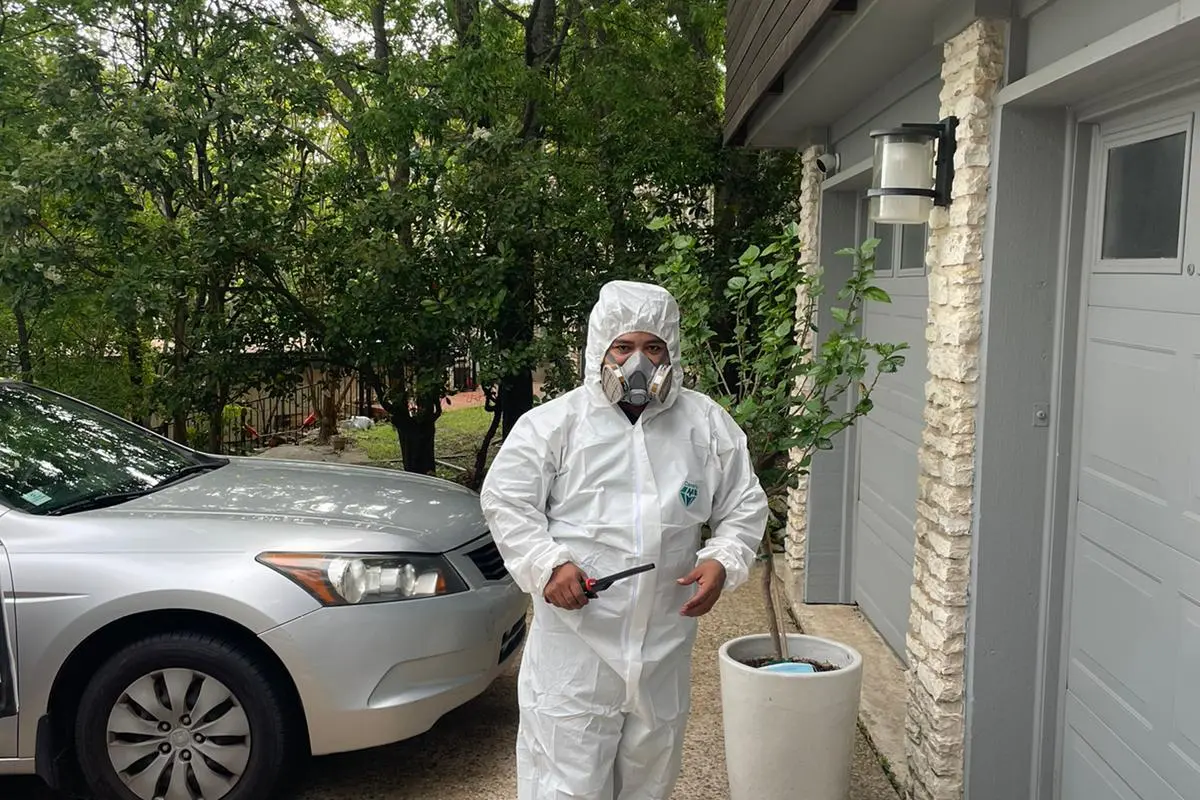
Current insulation level - adding to existing is cheaper than starting from scratch. Attic accessibility - tight spaces, multiple levels, or limited access points increase labor time. Old insulation removal (if needed) adds to the total cost. Air sealing (recommended with any insulation job) - sealing gaps around pipes, wires, and fixtures is an additional investment but dramatically improves performance.
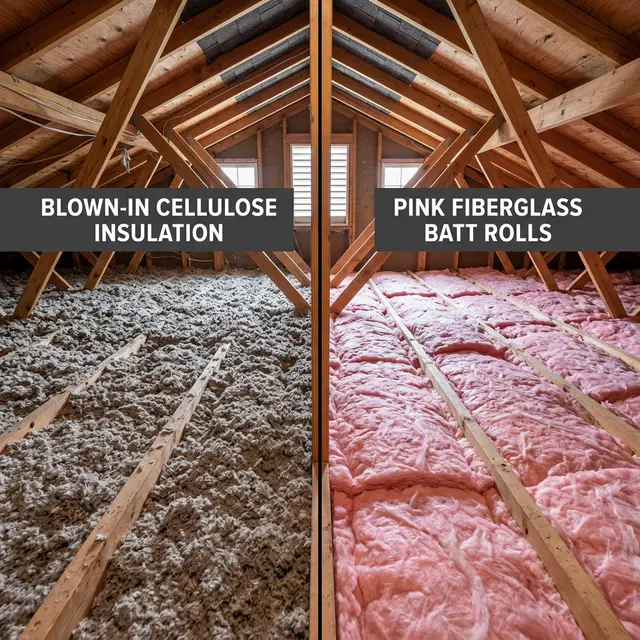
Material choice is the biggest variable. Blown-in fiberglass is the most popular option in Austin because it handles our extreme heat well, resists moisture, and does not settle as much as cellulose over time. Cellulose is denser and provides a higher R-value per inch, but it can absorb moisture if your attic has ventilation issues. Spray foam costs significantly more upfront but creates an air barrier and insulation in one step - ideal for attics where air sealing is especially difficult due to complex framing or many penetrations.
The shape and layout of your attic matters more than most homeowners expect. A single open attic space over a one-story ranch home is the easiest and cheapest to insulate. Multi-level attics in two-story homes, attics with limited headroom, or attics with knee walls and dormers require more labor time. Homes built in the 1970s and 1980s in South Austin often have shallow-pitched roofs that make access difficult, which adds 15-25% to labor costs.
ROI and Payback Period
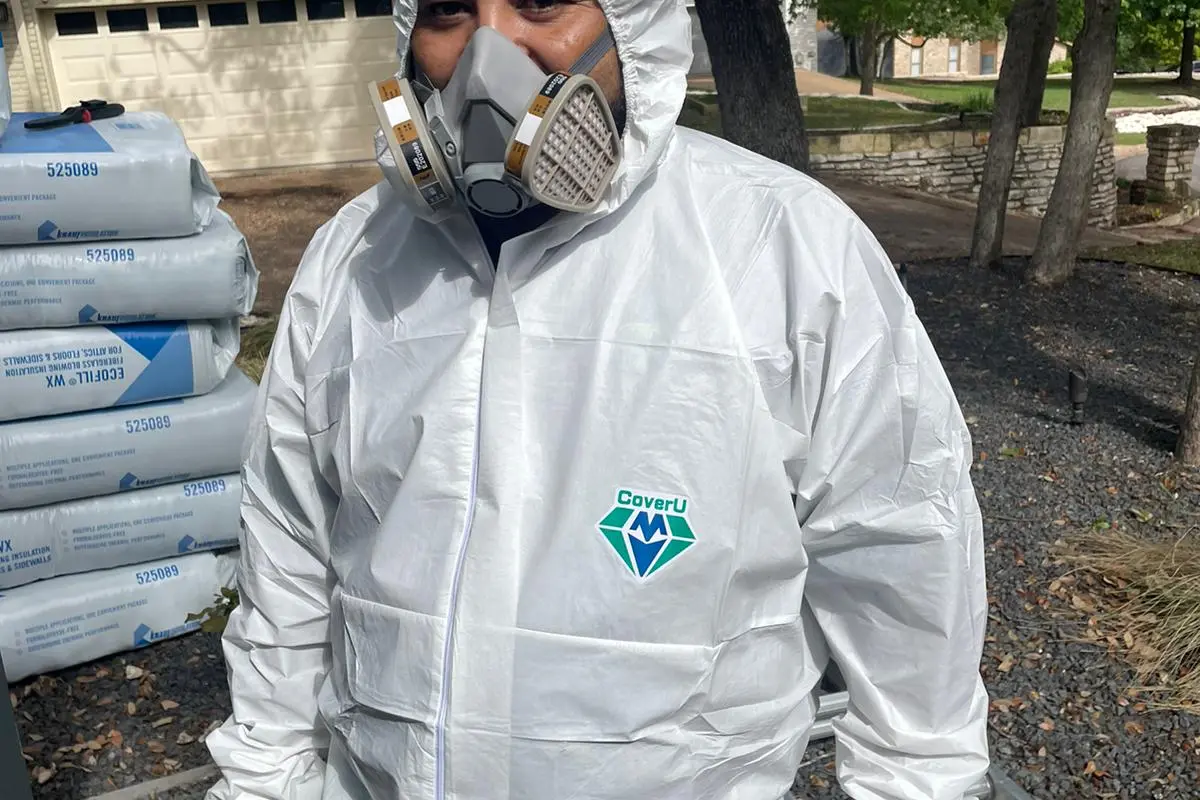
The Department of Energy estimates that upgrading attic insulation saves 10-20% on heating and cooling costs. For the average Austin home spending $200/month on energy, that is $240-$480/year in savings. Payback period: 3-5 years depending on current insulation level and energy rates. Insulation lasts 20-30+ years, so the total return is significant.
The payback math gets even better when you factor in rising Austin Energy rates. Electricity costs in Austin have climbed roughly 3-5% per year over the past decade, which means your savings grow each year while your insulation cost stays fixed. A homeowner who invests in blown-in insulation today and saves $400 in year one might save $420 in year two, $440 in year three, and so on. Over a 20-year span, total savings can exceed $10,000.
Additional benefits beyond energy savings: more consistent room temperatures (no hot or cold spots), reduced AC runtime (extending system life), quieter home (insulation absorbs sound), and improved resale value.
Wondering About Your Insulation Level?
We measure your current R-value and show you exactly where you stand. Professional attic assessments available.
Call (512) 601-4451Estimate how much you could save on energy bills
Rebates and Tax Credits for Austin Homeowners
The federal Inflation Reduction Act provides a tax credit of up to 30% of insulation costs (capped at $1,200 per year) for qualifying energy efficiency upgrades, including attic insulation. This applies to the material and installation costs for insulation that meets IECC standards for your climate zone. This can mean significant savings back on your federal tax return.
Austin Energy has also offered rebates for home weatherization improvements in the past, including insulation upgrades. Between federal tax credits and local utility incentives, many Austin homeowners recover 30-40% of their insulation investment through rebates and credits alone. With incentives this strong, there is no better time to upgrade. Call (512) 601-4451 for a personalized estimate - we will measure your current insulation, calculate the R-value gap, and show you exactly what the upgrade costs after rebates.
How Much Does It Cost to Insulate a 2000 Sq Ft Attic?
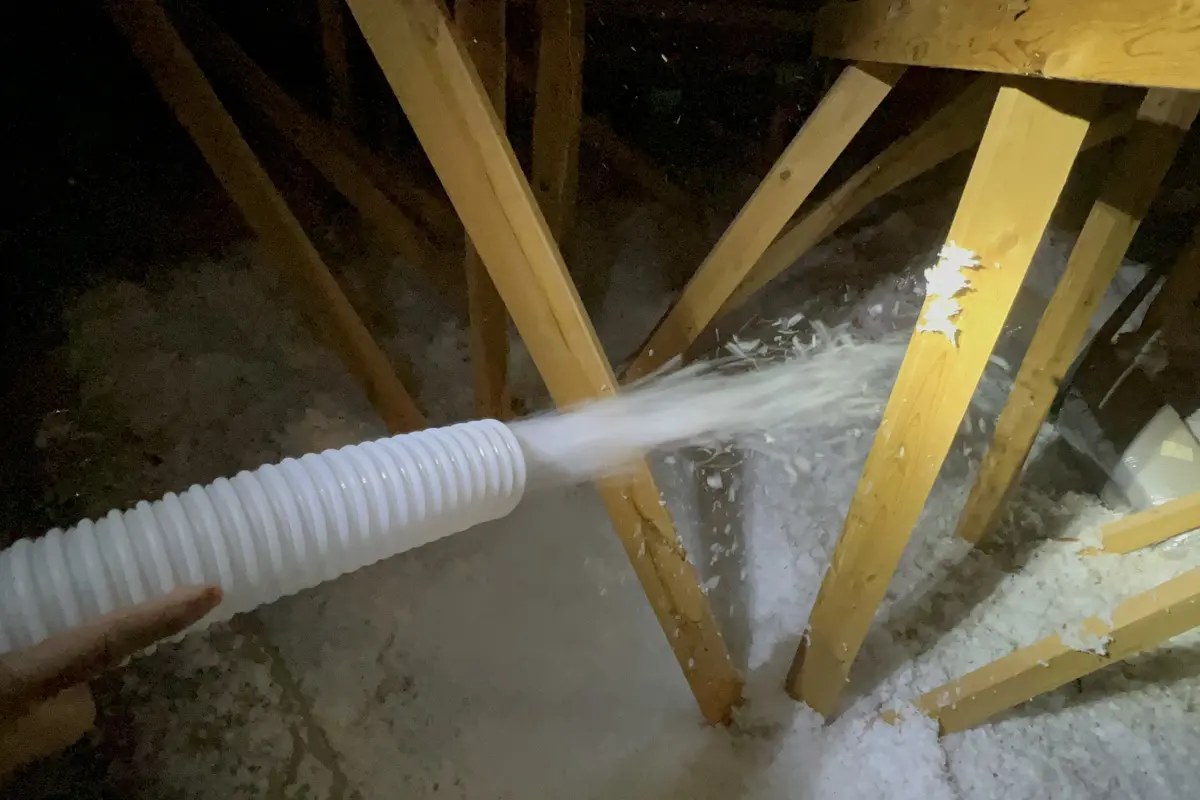
Insulating a 2,000 square foot attic in Austin typically costs $1,500 to $10,000 depending on the material and current insulation level. Blown-in fiberglass (the most popular choice for Austin attics) runs $1,500-$3,500 for a 2,000 sq ft space going from R-19 to R-38. Blown-in cellulose falls in a similar range at $1,800-$4,000. Open-cell spray foam costs $3,000-$6,000, and closed-cell spray foam - which provides the highest R-value per inch plus an air barrier - runs $5,000-$10,000. These ranges cover material plus professional installation.
The <a href="https://www.energy.gov/energysaver/insulation" target="_blank" rel="noopener">U.S. Department of Energy</a> estimates that proper attic insulation saves 10-20% on heating and cooling costs. For an Austin home spending $250/month on energy, that translates to $300-$600 per year in savings. At the midpoint of blown-in fiberglass pricing ($2,500), the payback period is 4-5 years. After that, every dollar saved is pure return on a product that lasts 20-30+ years with no maintenance.
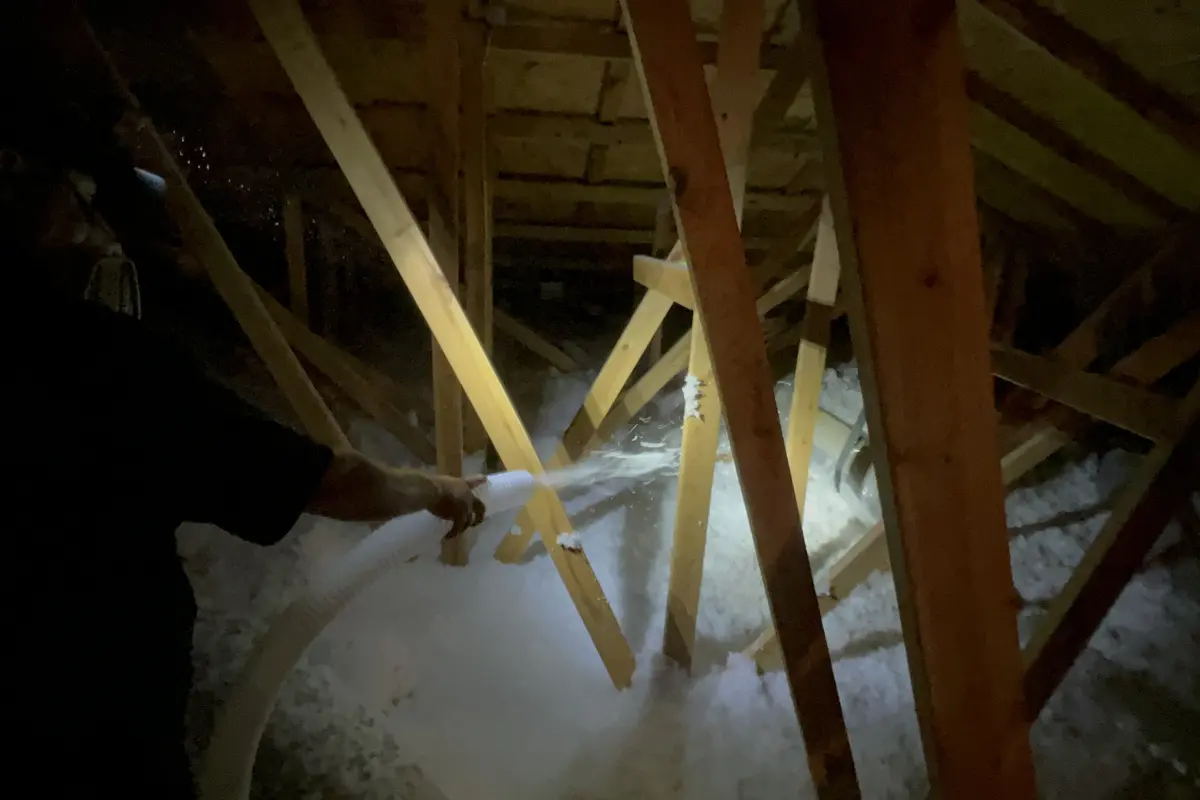
A 2,000 sq ft attic is one of the most common sizes across Austin neighborhoods from Round Rock to Kyle. Homes in this range typically have 12-18 supply vents and a single HVAC system. The insulation job takes one day for blown-in materials (4-6 hours of active work) and two days for spray foam applications. Air sealing - closing gaps around pipes, wires, recessed lights, and HVAC penetrations before adding insulation - adds 10-15% to the project cost but dramatically improves performance. The DOE reports that air sealing combined with insulation provides 15-25% greater energy savings than insulation alone.
Related Services
Learn more about our professional services related to this topic:
- Attic Insulation - Premium blown-in insulation to cut energy costs and improve year-round comfort.
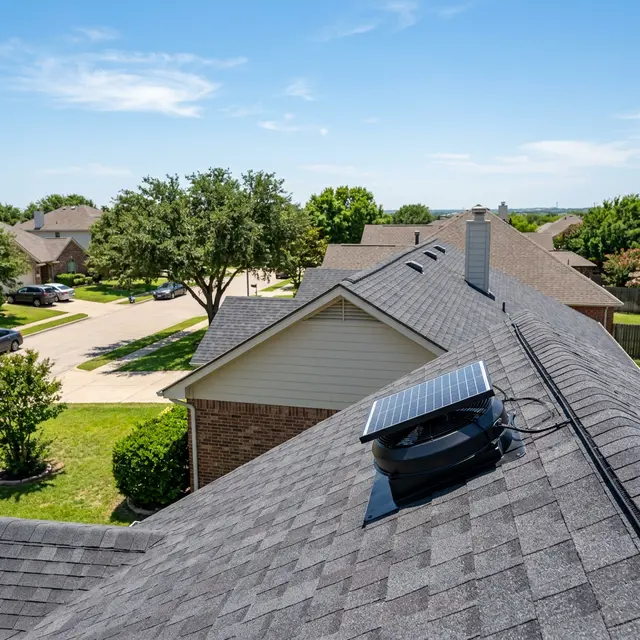
- Solar Fan Installation - Solar-powered attic ventilation that cuts cooling costs naturally.
Want the full picture?
Read our complete guide: Attic Insulation for Austin Homes: The Complete Guide (2026) →Have questions about attic & insulation? Our team is available 7 days a week. Call us at (512) 601-4451 or visit our contact page.