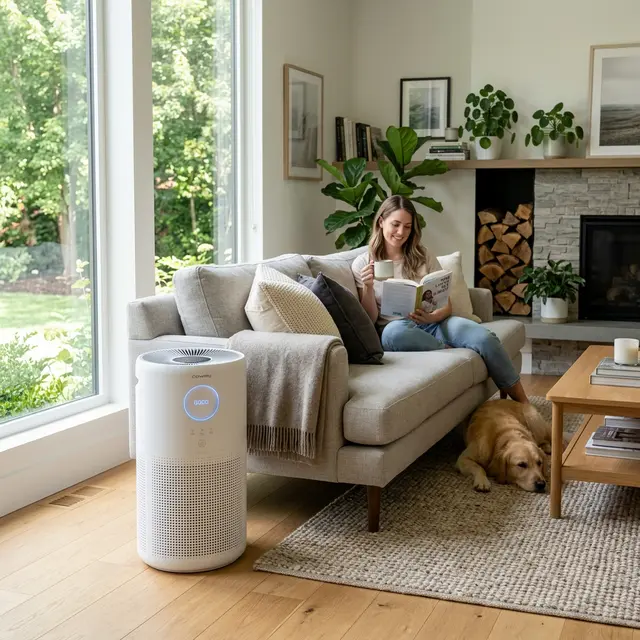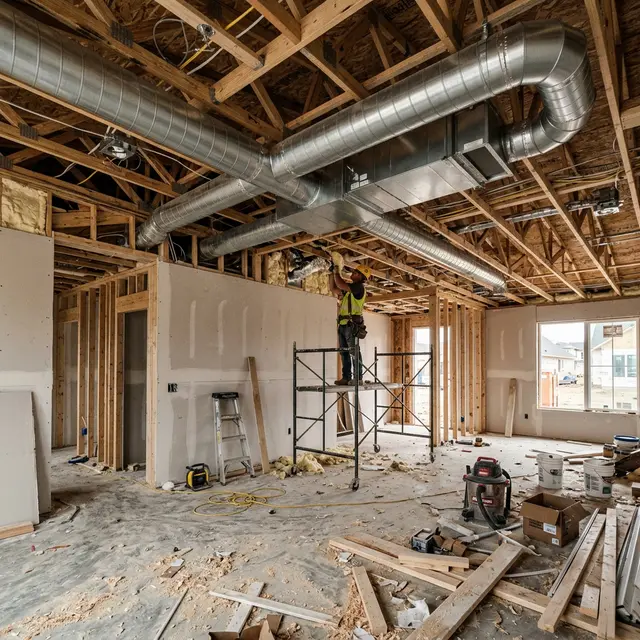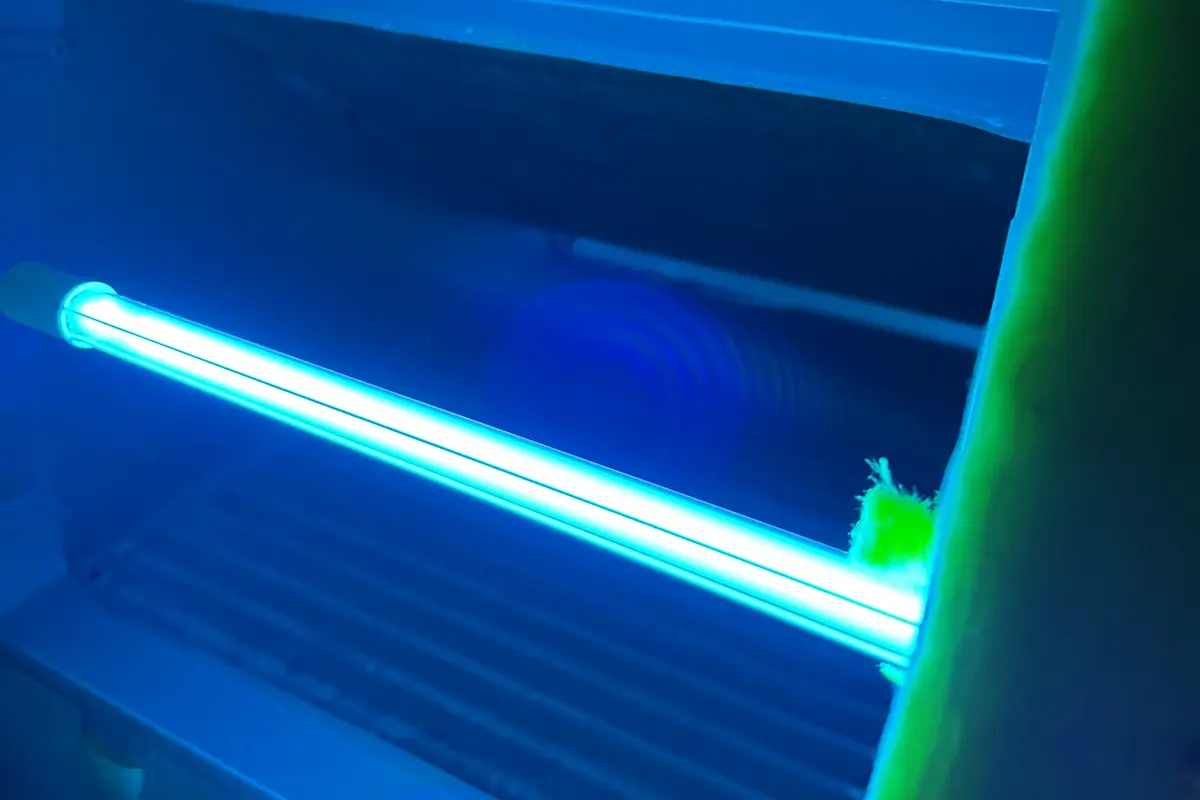
For Austin families managing asthma, clean air ducts remove the continuous exposure to dust mites, mold spores, pet dander, and pollen that trigger attacks. The AAFA recommends maintaining clean HVAC systems as part of an asthma management plan. Combined with MERV 11+ filters, humidity control, and UV-C light, duct cleaning reduces the allergen load your respiratory system must fight. Call (512) 601-4451 to schedule.
How Contaminated Ducts Trigger Asthma Attacks
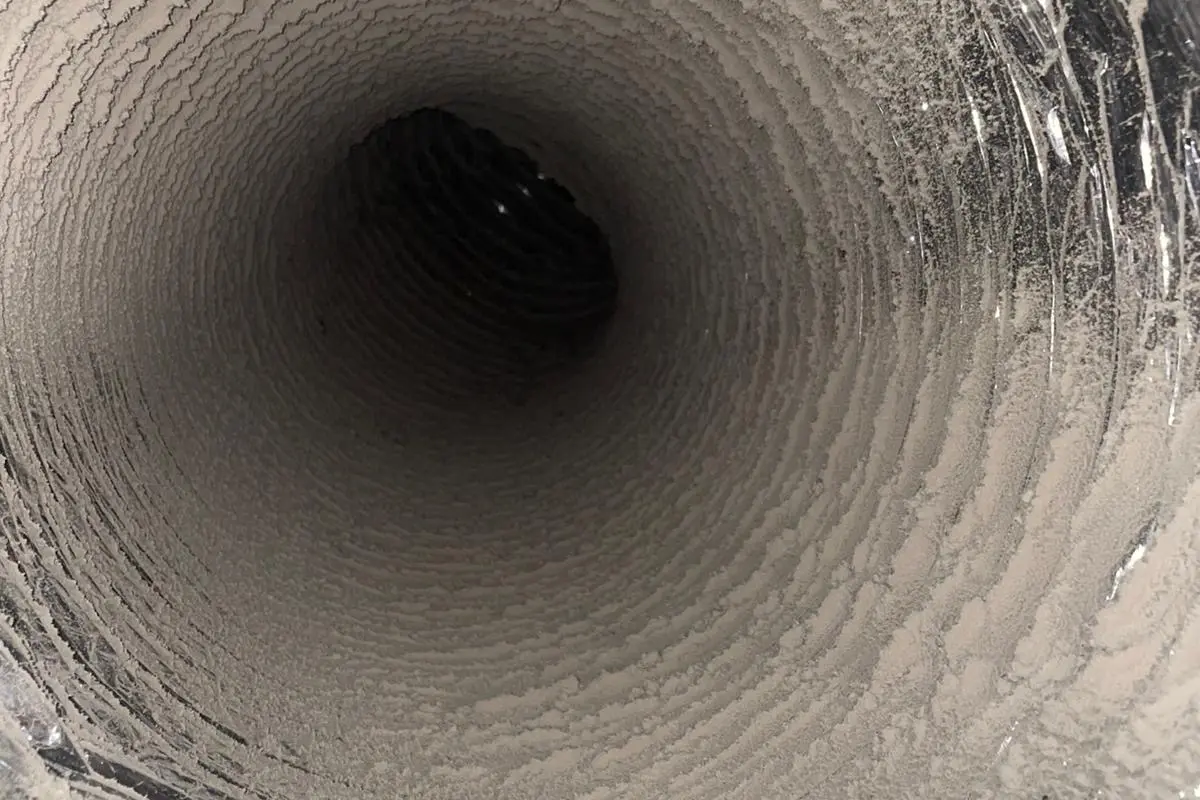
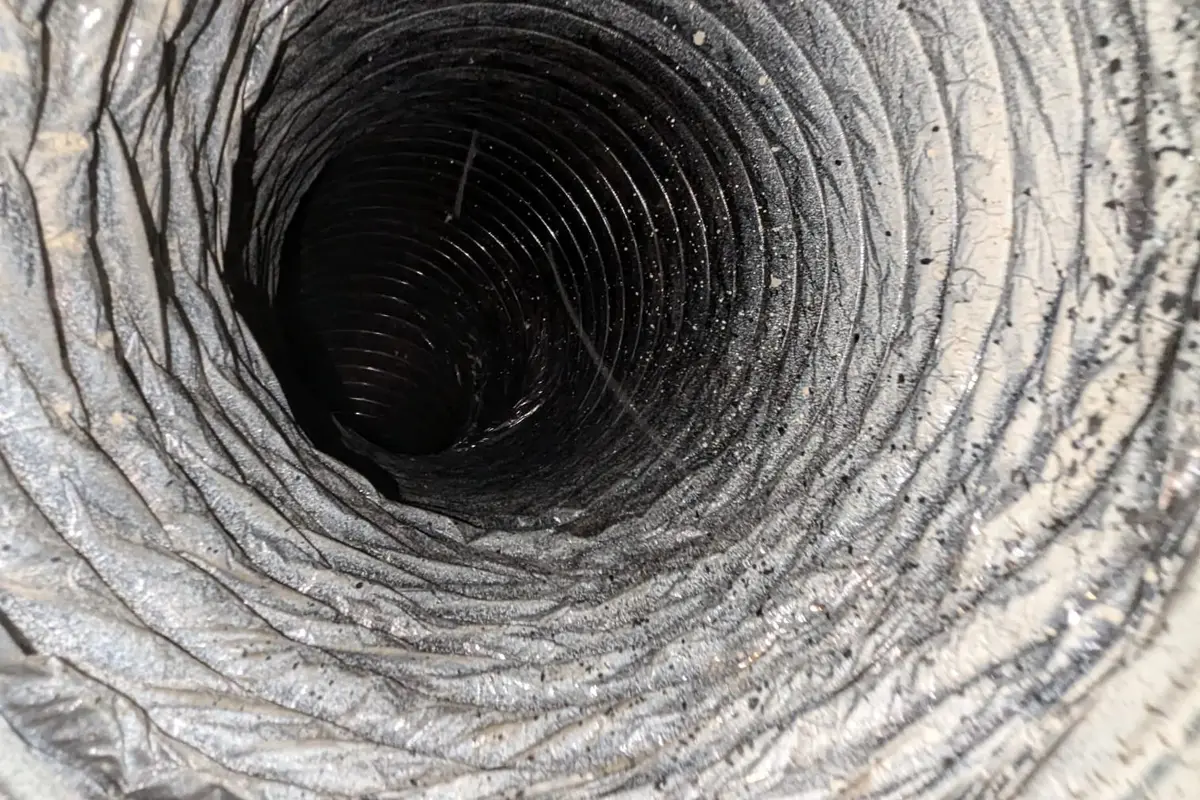
Asthma attacks are triggered when the airways encounter irritants or allergens that cause inflammation and bronchospasm. The most common indoor triggers - dust mite waste, mold spores, pet dander, and pollen - all accumulate in ductwork and are redistributed throughout the home with every HVAC cycle. For asthma sufferers, this creates continuous low-level exposure punctuated by higher-dose exposures when the system kicks on.
The airway inflammation from continuous exposure makes the lungs hyper-responsive. Even small additional triggers (exercise, cold air, stress) can then push an already-inflamed airway into a full attack. By reducing the baseline allergen load from contaminated ducts, you raise the threshold at which attacks occur.
What the Research Says About Duct Cleaning and Asthma
The AAFA lists HVAC system maintenance, including duct cleaning, as part of their recommended indoor allergen reduction strategy. Their guidance specifically mentions keeping air ducts clean to reduce allergen circulation. The National Institutes of Health Inner-City Asthma Study found that comprehensive environmental interventions (including HVAC improvements) reduced asthma symptom days by 21% in children.
A meta-analysis in the Journal of Allergy and Clinical Immunology found that reducing indoor allergen exposure through combined interventions (including HVAC cleaning) produced statistically significant improvements in asthma outcomes. The key finding: single interventions (like only using allergen-proof bedding) produced modest results, but combined approaches that addressed multiple exposure pathways (including the HVAC system) produced meaningful clinical improvement.
Recommended HVAC Strategy for Asthma Households
Use MERV 11-13 filters and change every 30 days during heavy HVAC use. Higher MERV ratings capture smaller particles including mold spores and fine allergens. MERV 13 captures 85%+ of particles in the 1-3 micron range where most allergens fall. Do not exceed MERV 13 without verifying your system can handle the increased airflow restriction.
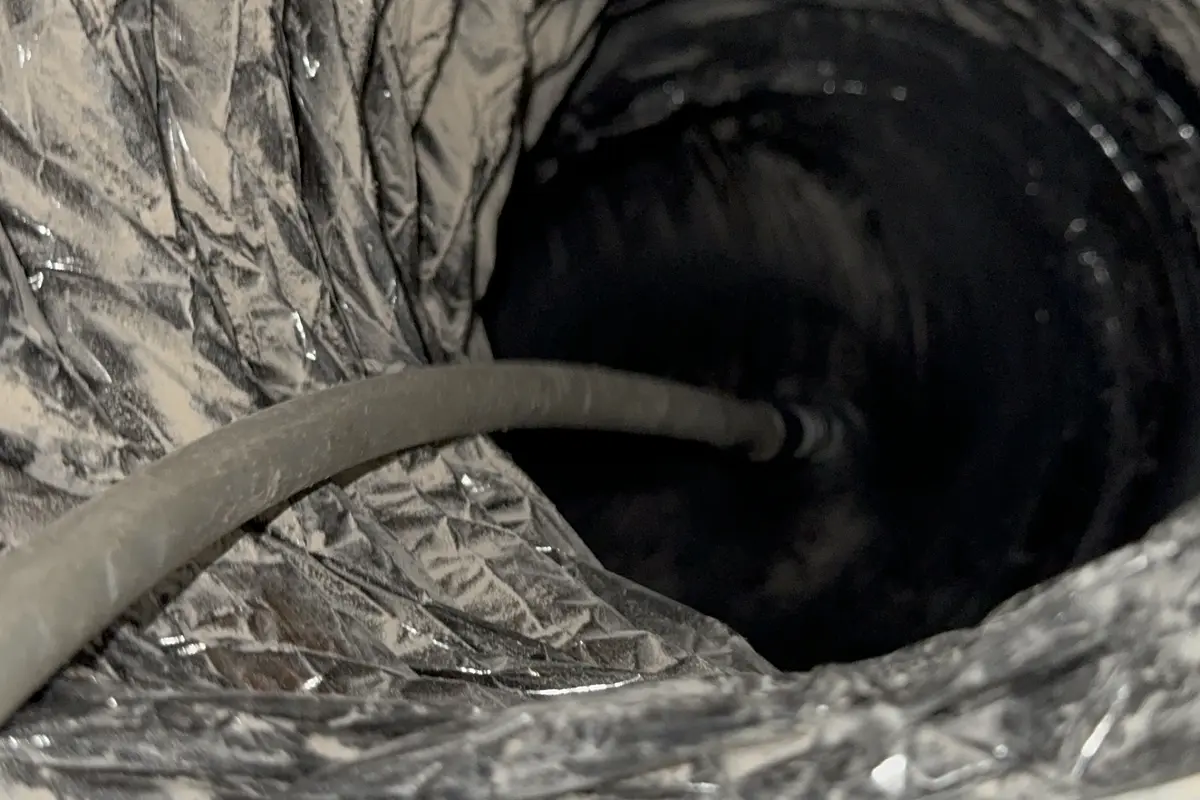
Clean ducts every 2-3 years (more frequently than the standard 3-5 year recommendation for non-asthma households). Austin's heavy pollen seasons mean faster allergen accumulation. Homes with pets and asthma sufferers should consider annual inspection and cleaning as needed.
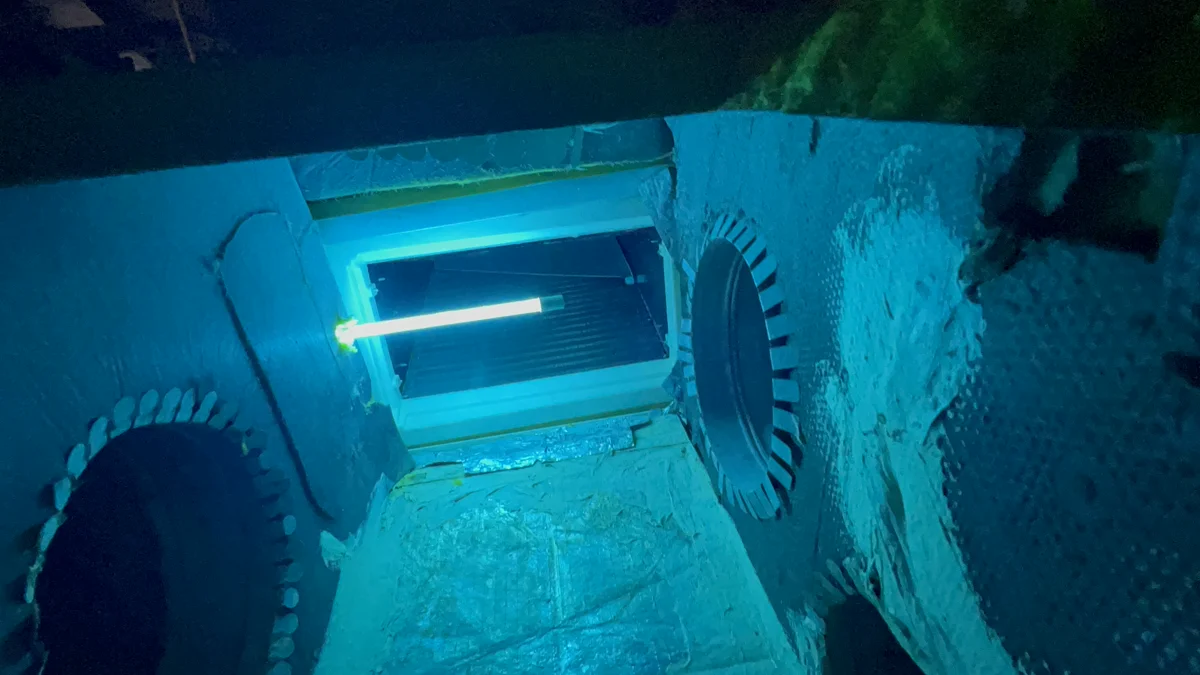
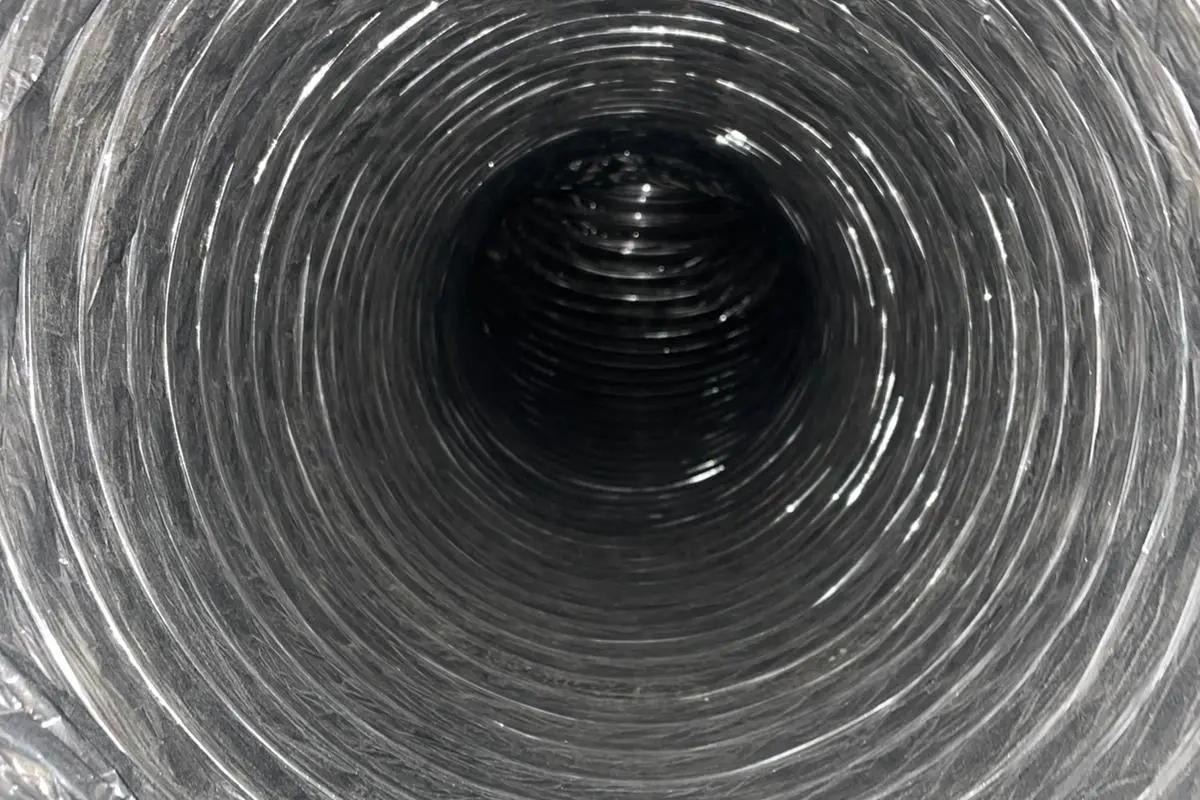
Install UV-C germicidal light in the air handler to continuously neutralize mold spores and bacteria. Keep indoor humidity between 30-50% to discourage dust mite reproduction and mold growth. Fix any duct leaks that allow unfiltered attic air (containing insulation fibers and additional allergens) to enter the system.
Air Central provides comprehensive indoor air quality assessments for asthma households. We inspect ductwork, measure contamination levels, and recommend a tailored approach based on your specific situation. Call (512) 601-4451 for a same-day consultation.
Concerned About Your Home's Air?
We provide professional air quality assessments for Austin homes. See what is in your ducts before deciding.
Call (512) 601-4451Rate your home's indoor air quality in 2 minutes
Austin's Asthma Problem by the Numbers
Austin consistently ranks among the most challenging U.S. cities for asthma sufferers. The Asthma and Allergy Foundation of America (AAFA) has repeatedly placed Austin in its top allergy capitals list, and allergy and asthma are closely linked - the AAFA reports that allergic asthma is the most common form of the condition, affecting roughly 60% of asthma patients.
Central Texas adds a unique complication: cedar fever. From December through March, Ashe juniper pollen counts in the Austin area routinely exceed 20,000 grains per cubic meter, with spikes above 30,000 on warm days following cold fronts. While cedar fever is technically an allergic rhinitis response, it inflames the same airways that asthma affects. For asthmatic individuals, cedar season means months of elevated baseline inflammation, making them more susceptible to attacks from secondary triggers like dust, pet dander, and indoor mold spores circulating through dirty ductwork.
The Texas Department of State Health Services reports that Travis County has higher pediatric asthma hospitalization rates than many comparable metro areas. Austin's combination of year-round pollen (cedar, oak, elm, grass, ragweed), high humidity that supports dust mite and mold populations indoors, and extensive construction activity generating fine particulate creates a multi-source allergen environment that is especially hard on developing lungs.
For Austin families managing asthma, reducing controllable indoor triggers is critical precisely because the outdoor environment is so difficult. You cannot control cedar pollen counts, but you can control what circulates through your ductwork.
Beyond Duct Cleaning: Complete Asthma Home Strategy
Clean ductwork is one component of a comprehensive asthma management environment. The National Institutes of Health Inner-City Asthma Study demonstrated that multi-component environmental interventions produce significantly better outcomes than single interventions alone. Here is the complete strategy for Austin asthma households.
Filtration is your first line of defense. Use MERV 13 filters if your system can handle the airflow restriction (check with your HVAC technician). MERV 13 captures 85% or more of particles in the 1-3 micron range, which includes most mold spores, dust mite waste, and pollen fragments. Change the filter every 30 days during peak pollen months (January through April and September through November) and every 45 days during lower-pollen periods.
Humidity control directly impacts two major asthma triggers. Dust mites cannot survive below 50% relative humidity, and mold growth stalls below 60%. In Austin's humid climate, your AC must run efficiently to maintain indoor humidity between 30-50%. Set the fan to AUTO, not ON. Have the evaporator coil cleaned annually so it dehumidifies at full capacity. If your home consistently exceeds 55% indoor humidity while the AC is running, a whole-home dehumidifier may be necessary.
Seal your duct system. Leaky ducts in the attic pull in unfiltered air containing insulation fibers, dust, and outdoor allergens - bypassing your filter entirely. The EPA estimates that the average duct system loses 20-30% of airflow through leaks. For asthma households, sealing duct joints with mastic eliminates this unfiltered contamination pathway.
UV-C germicidal light installed near the evaporator coil provides continuous biological control. UV-C at 254nm wavelength destroys the DNA of mold spores, bacteria, and some viruses as air passes through the air handler. This adds a layer of protection that runs 24/7 without chemicals or filter changes. Combined with clean ducts, high-efficiency filtration, and humidity control, UV-C creates a four-layer defense system that addresses asthma triggers at every stage of the air circulation path.
Related Services
Learn more about our professional services related to this topic:
- Air Duct Cleaning - Remove dust, allergens, and debris from your entire HVAC system for cleaner indoor air.
- Air Duct Inspection - Diagnose leaks, blockages, and efficiency issues with HD camera inspection.
- UV Lighting System - Eliminate bacteria and allergens inside your HVAC with UV-C light technology.
Want the full picture?
Read our complete guide: Indoor Air Quality in Austin: The Complete Guide (2026) →Have questions about indoor air quality? Our team is available 7 days a week. Call us at (512) 601-4451 or visit our contact page.