Home air quality tests measure pollutants like PM2.5, VOCs, CO2, humidity, and radon. DIY monitors ($30-200) work well for ongoing tracking of particulates and humidity. Professional testing ($300-600) is needed when you suspect specific contaminants, have unexplained health symptoms, or need documentation for a real estate transaction. In Austin, humidity control and particulate monitoring are the two most actionable measurements for most homes. Call (512) 601-4451 for a professional indoor air quality assessment.
What Home Air Quality Tests Actually Measure
PM2.5 (fine particulate matter) measures particles 2.5 microns or smaller - small enough to penetrate deep into your lungs. Sources include cooking, candles, pet dander, dust, and outdoor pollution that enters through your HVAC system. Austin's cedar pollen season (December-March), periodic wildfire smoke events, and construction dust from ongoing development all contribute to elevated PM2.5 inside homes. A healthy indoor PM2.5 level is below 12 micrograms per cubic meter (matching the EPA's outdoor standard). During cedar season, Austin homes without proper filtration frequently measure 25-50+ micrograms per cubic meter indoors.
VOCs (volatile organic compounds) are gases emitted by household products - paint, cleaning supplies, air fresheners, new furniture, building materials, and cooking. Short-term exposure causes headaches, eye irritation, and nausea. Long-term exposure to certain VOCs is linked to more serious health effects. Austin's new construction and home renovation boom means many area homes have elevated VOC levels from fresh building materials and finishes.
CO2 (carbon dioxide) indicates ventilation quality. Outdoor air contains about 420 ppm CO2. Indoor levels above 1,000 ppm suggest inadequate fresh air exchange, which causes drowsiness, poor concentration, and headaches. Tight, energy-efficient Austin homes - especially newer construction built to current energy code - can have ventilation issues because they are sealed so well that stale air does not escape naturally.
Humidity is one of the most critical measurements for Austin homes. The target range is 30-50% relative humidity. Below 30%, you get dry skin, static electricity, and irritated airways. Above 50%, you risk microbial growth, dust mite proliferation, and condensation problems. Austin's outdoor humidity averages 67%, which means your AC system is your primary dehumidification tool. When the AC cycles off, indoor humidity climbs quickly.
Radon is a radioactive gas that seeps from the ground through foundation cracks. It is the second leading cause of lung cancer after smoking. Travis County is in EPA Zone 3 (low potential), but isolated areas can have elevated levels. A radon test is inexpensive ($15-30 for a DIY kit) and is especially important if you have a slab foundation with cracks or a pier-and-beam house.
DIY Air Quality Test Kits and Monitors
Continuous monitors like the Airthings View Plus ($250-300) measure PM2.5, CO2, VOCs, humidity, temperature, radon, and air pressure simultaneously. They display real-time readings and track trends over time via a smartphone app. For Austin homeowners who want ongoing awareness of their indoor air quality, a continuous monitor is the best investment. You can see exactly how cedar season, cooking, or running the HVAC system affects your air.
PurpleAir sensors ($200-250) are excellent for PM2.5 measurement and connect to a community network of outdoor sensors, giving you both indoor and outdoor particulate data. Several Austin neighborhoods have PurpleAir outdoor sensors already, so you can compare your indoor readings to what is happening outside.
Budget monitors ($30-80) from brands like Temtop, AirGradient, and INKBIRD measure one or two parameters (usually PM2.5 and CO2). They lack the accuracy and multi-parameter coverage of premium monitors, but they provide a basic picture at a low cost. For a first foray into air quality monitoring, they are a reasonable starting point.
DIY radon test kits ($15-30) are available at most hardware stores and online. Short-term kits (2-7 day exposure) provide a snapshot. Long-term kits (90+ days) give a more accurate annual average. If your short-term test reads above 4 pCi/L (EPA action level), follow up with a long-term test or professional measurement to confirm.
When DIY Monitoring Is Enough
Ongoing air quality awareness: if you simply want to know what you are breathing and track changes over time, a DIY continuous monitor is all you need. It tells you when to change your filter, when to open windows (on low-pollen days), and whether your HVAC system is controlling humidity adequately.
Post-improvement verification: after duct cleaning, a new air filter installation, or an air purifier purchase, a DIY monitor shows whether the improvement actually changed your air quality numbers. This is surprisingly useful - you can see in real data whether a MERV 13 filter made a measurable difference versus your old MERV 8.
Seasonal tracking: Austin's air quality changes dramatically by season. Cedar pollen in winter, oak pollen in spring, wildfire smoke in summer, ragweed in fall. A DIY monitor lets you see these patterns inside your home and adjust your HVAC strategy accordingly (filter changes, running the fan continuously during high-pollen days, etc.).
General peace of mind: if no one in your household has specific health symptoms and you just want to confirm your home's air is healthy, a DIY monitor provides that reassurance without the cost of professional testing.
When You Need Professional Air Quality Testing
Unexplained health symptoms that improve when you leave the house are the strongest reason for professional testing. Persistent headaches, respiratory irritation, congestion, fatigue, or worsening allergy symptoms that correlate with being at home suggest an indoor air quality problem that needs professional identification. A pro can test for specific contaminants that DIY monitors miss.
Real estate transactions increasingly involve air quality concerns. If you are buying or selling an Austin home and there are questions about duct condition, contamination, or previous water damage, a professional IAQ assessment provides documented evidence. This is different from a standard home inspection - IAQ testing is specialized and goes deeper.
After water damage, flooding, or known contamination events, professional testing determines what is in the air and whether remediation was successful. DIY monitors cannot identify specific biological contaminants or differentiate between types of particulate matter.
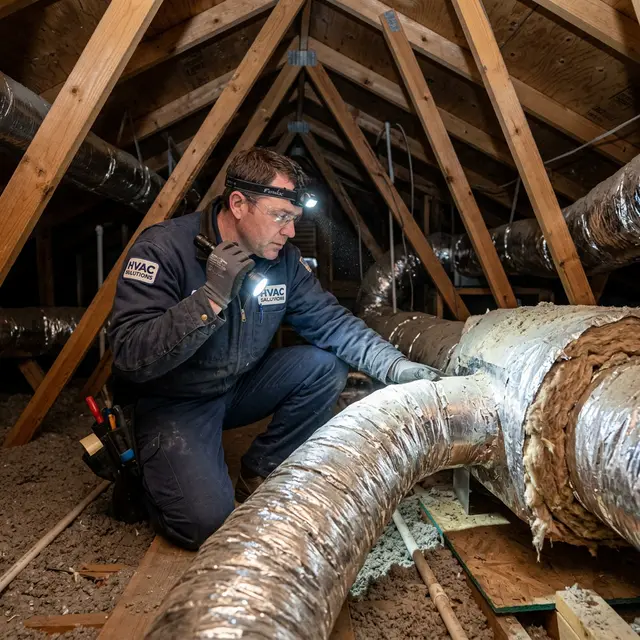
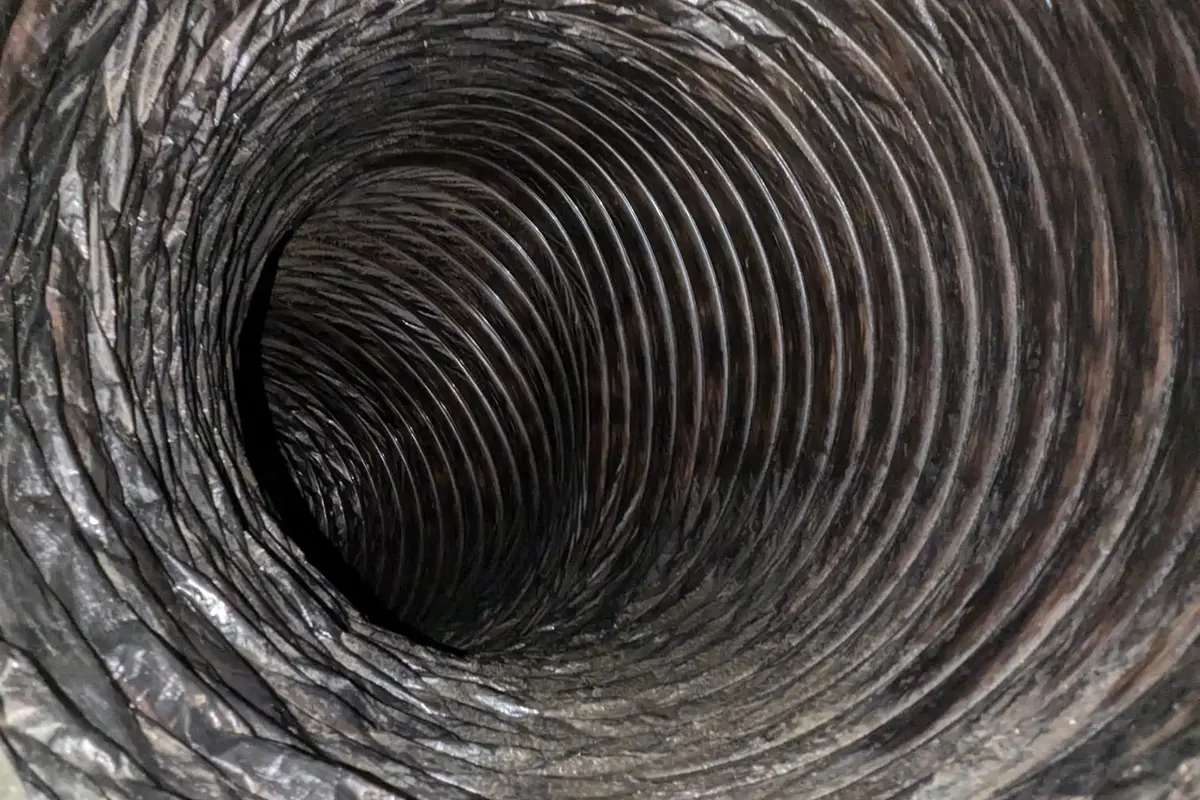
Professional air quality testing in Austin typically costs $300-600 for a comprehensive assessment. This includes particulate measurement, humidity and temperature mapping throughout the home, HD duct camera inspection, HVAC system evaluation, and a written report with specific recommendations. The cost is higher than a DIY monitor, but you get expert interpretation and actionable next steps rather than just numbers on a screen.
Concerned About Your Home's Air?
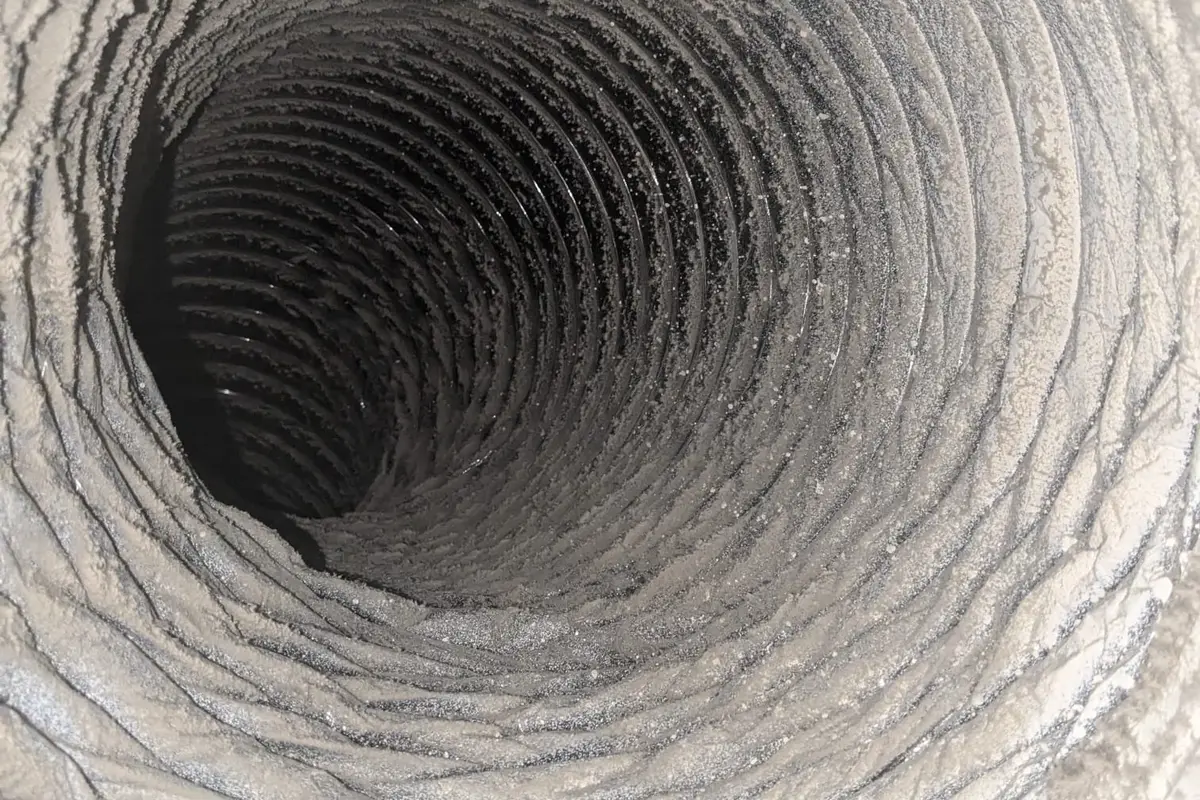
We provide professional air quality assessments for Austin homes. See what is in your ducts before deciding.
Call (512) 601-4451Rate your home's indoor air quality in 2 minutes
What to Do with Your Test Results
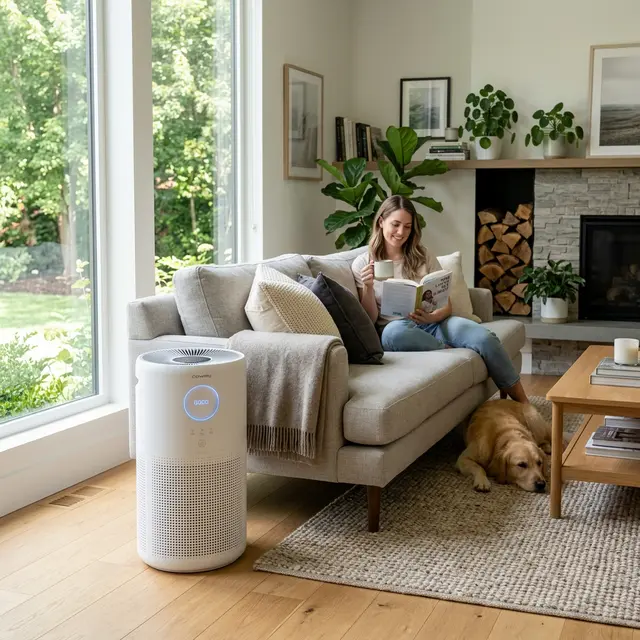
High PM2.5: upgrade your HVAC filter to MERV 13 (the highest rating most residential systems can handle without airflow restriction), run the fan continuously during high-pollen periods, consider a portable HEPA air purifier in bedrooms, and schedule duct cleaning to remove accumulated particulate from the duct system.
High humidity (above 50%): check that your AC is sized correctly and cycling properly (an oversized AC cools too quickly without dehumidifying), inspect the condensate drain for clogs, consider a whole-home dehumidifier if humidity consistently exceeds 55% despite AC operation, and check for air leaks that bring humid outdoor air inside.
High CO2 (above 1,000 ppm): increase ventilation. Open windows when outdoor conditions allow, run kitchen and bathroom exhaust fans, and consider an energy recovery ventilator (ERV) that brings in fresh outdoor air while recovering energy from the exhaust. Tight, modern Austin homes often need mechanical ventilation to maintain healthy CO2 levels.
Elevated radon (above 4 pCi/L): install a radon mitigation system. These use a fan and piping to draw radon from beneath the foundation and vent it above the roofline. Professional installation costs $800-$1,500 and reduces radon levels by 80-99%.
For Austin homeowners who want professional guidance on their air quality, Air Central provides comprehensive indoor air quality assessments that include HD duct inspection, humidity evaluation, and specific recommendations for your home. Call (512) 601-4451 to schedule.
Austin-Specific Air Quality Factors
Cedar pollen dominates Austin's winter air quality picture. The Ashe juniper trees covering the Hill Country west of Austin release massive quantities of ultra-fine pollen from December through March. Austin consistently ranks among the worst allergy cities in the country during cedar season. If your air quality monitor shows PM2.5 spikes in January and February with windows closed, cedar pollen is entering through your HVAC system's outdoor intake and your filter is not catching it all.
Summer ozone levels in Austin occasionally exceed EPA healthy standards. Austin's combination of vehicle emissions, industrial activity, and intense solar radiation creates ground-level ozone that can enter homes through ventilation. On high-ozone days (typically announced by CAPCOG air quality alerts), keep windows closed and run your HVAC on recirculation mode.
Austin sits in EPA Radon Zone 3 (lowest risk), but radon does not follow zones perfectly. Individual homes can have elevated levels regardless of zone classification. Homes in certain geological areas of Travis, Williamson, and Hays counties - particularly areas with limestone bedrock common in the Hill Country - can have higher radon concentrations. A $15-30 DIY test eliminates the uncertainty.
Construction dust from Austin's ongoing development affects indoor air quality even in homes far from building sites. Fine particulate from land clearing, concrete work, and demolition can travel miles. Homes near the I-35 corridor, Highway 183 expansion zones, and rapidly developing areas like Manor, Hutto, and Kyle are particularly exposed. Regular filter changes and periodic duct cleaning are the best defenses.
Related Services
Learn more about our professional services related to this topic:
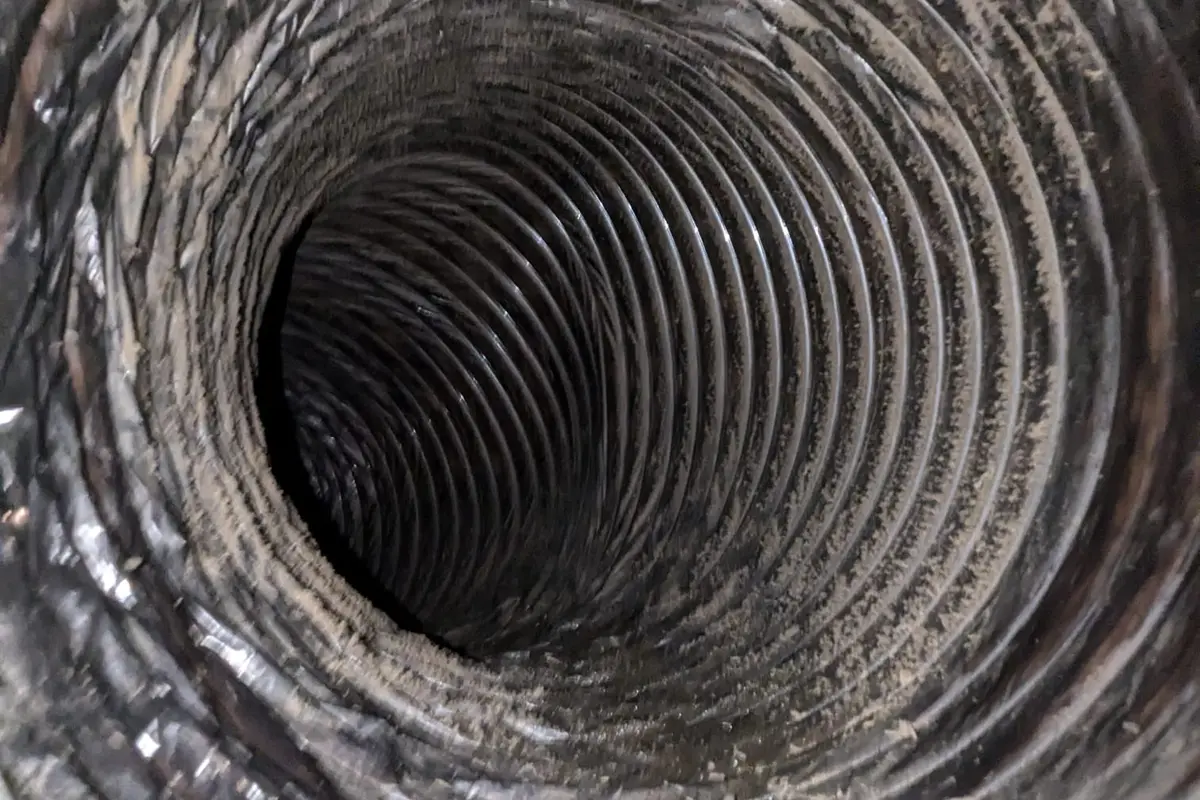
- Air Duct Cleaning - Remove dust, allergens, and debris from your entire HVAC system for cleaner indoor air.
- Air Duct Inspection - Diagnose leaks, blockages, and efficiency issues with HD camera inspection.
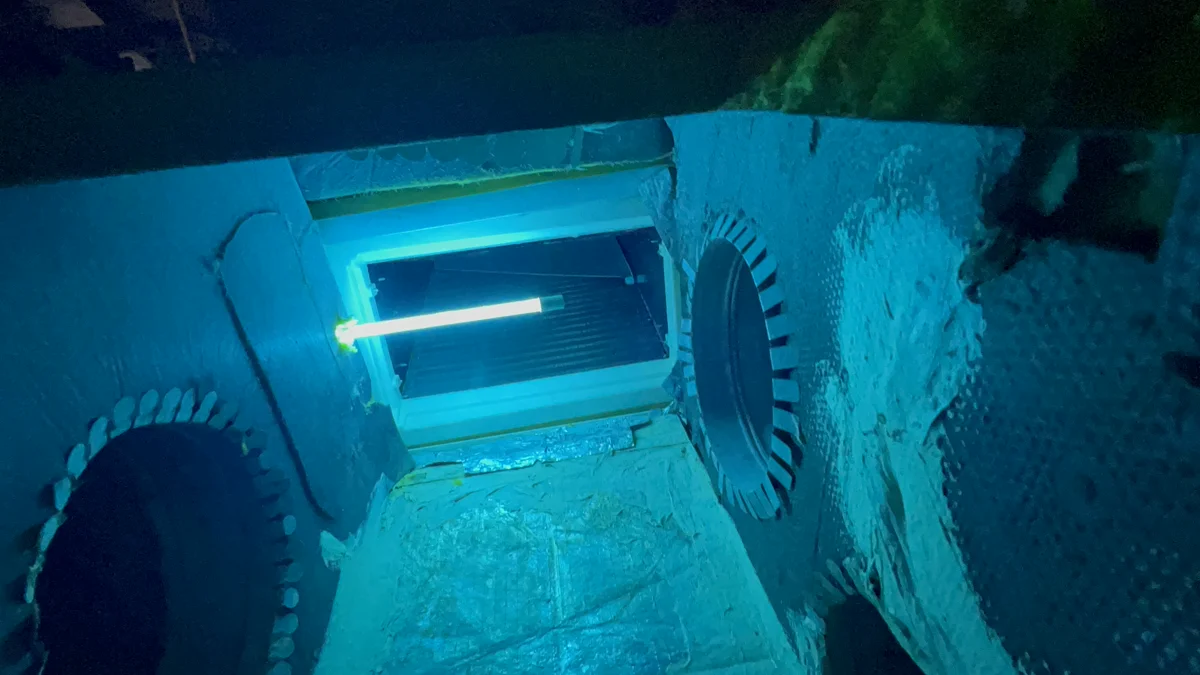
- UV Lighting System - Eliminate bacteria and allergens inside your HVAC with UV-C light technology.
Want the full picture?
Read our complete guide: Indoor Air Quality in Austin: The Complete Guide (2026) →Have questions about indoor air quality? Our team is available 7 days a week. Call us at (512) 601-4451 or visit our contact page.