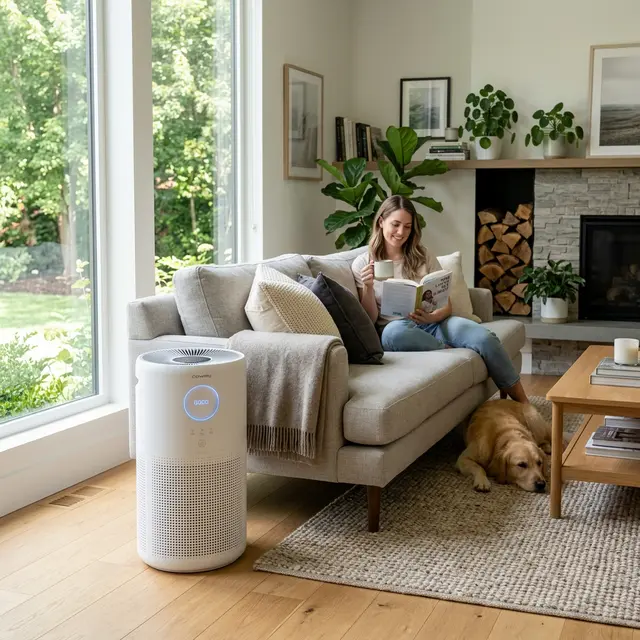
Air purifiers remove particles (dust, pollen, pet dander, smoke) from the air. Humidifiers add moisture to dry air. They solve completely different problems and are not interchangeable. In Austin, most homes need dehumidification rather than a humidifier due to high average humidity, and a well-maintained HVAC system with clean ducts handles both air filtration and moisture control more effectively than standalone devices.
What Air Purifiers Do (and Do Not Do)
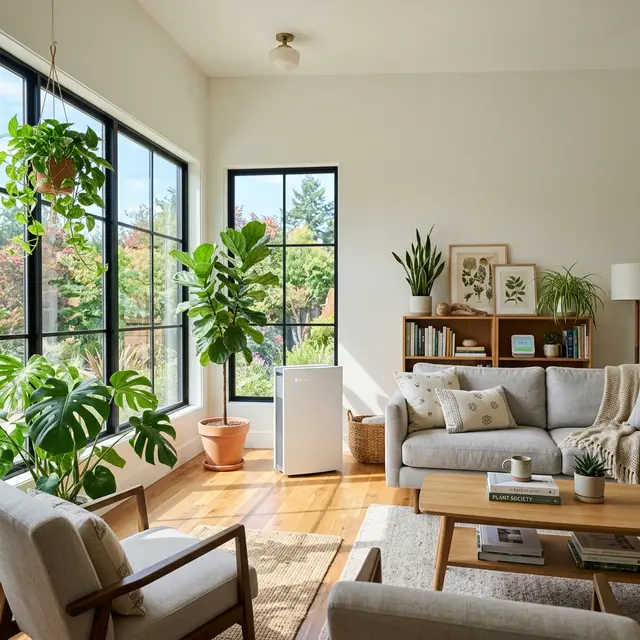
Air purifiers pull air through a filtration system that captures airborne particles. HEPA-grade purifiers capture 99.97% of particles down to 0.3 microns - that includes dust, pollen, pet dander, dust mite waste, and some bacteria. Activated carbon filters add the ability to capture gases and odors like cooking smells, VOCs from paint and furniture, and chemical fumes.
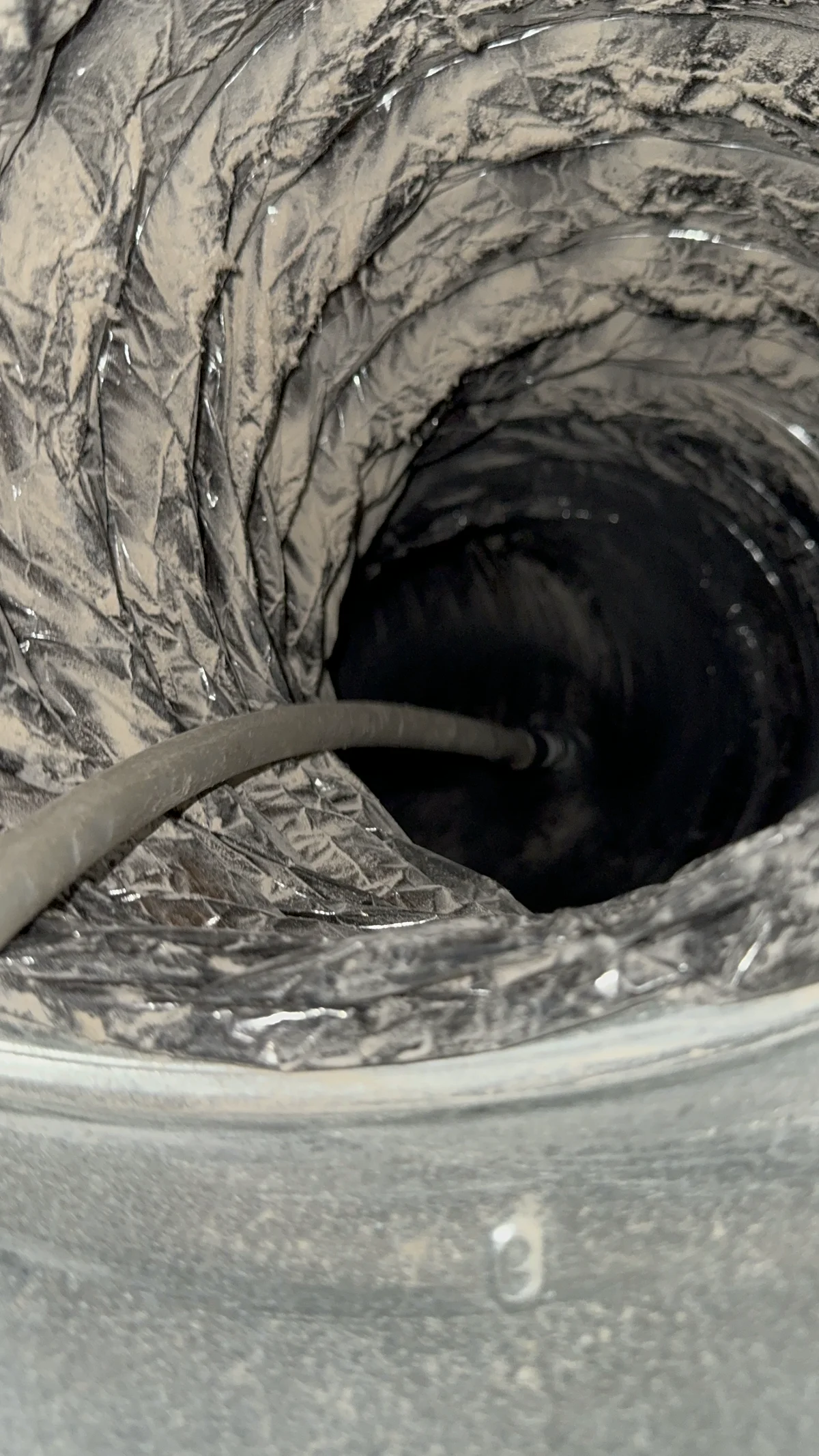
What air purifiers do not do: they do not add or remove moisture from the air, they do not cool or heat the air, and they do not address contaminants trapped inside your ductwork. A room air purifier only filters the air in the room where it is placed. It has no effect on the air in other rooms or inside your HVAC system. If your ducts are full of dust and pollen, the purifier fights a losing battle - every time the HVAC cycles, it pushes more contaminants into the room faster than the purifier can remove them.
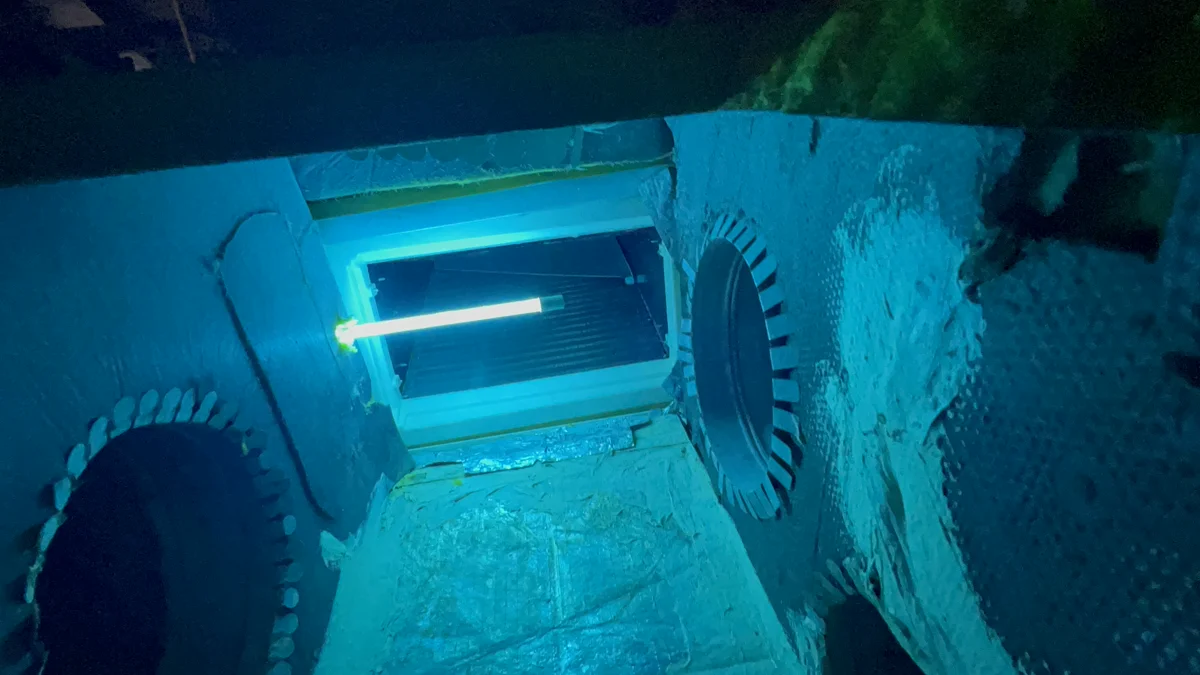
Whole-house air purification systems integrate into your HVAC system and filter all the air that passes through the ductwork. These are more effective than room units because they treat the entire air volume of your home with every HVAC cycle. Options include high-efficiency media filters (MERV 13-16), electronic air cleaners, and UV-C germicidal systems that target microorganisms on the evaporator coil.
For Austin homes with heavy allergen loads - cedar pollen, pet dander, construction dust - an air purifier is most effective when paired with clean ductwork and a quality HVAC filter. The purifier catches what the HVAC filter misses, but it cannot compensate for a dirty duct system that is actively introducing contaminants with every cycle.
What Humidifiers Do (and Why Austin Homes Rarely Need One)
Humidifiers add moisture to the air by evaporating or atomizing water. They are designed for dry climates where indoor relative humidity drops below 30% - the threshold where dry skin, cracked lips, static electricity, and respiratory irritation become common. Humidifiers are essential in northern states where winter heating dries indoor air to 15-25% relative humidity.
Austin is not a dry climate. Average outdoor relative humidity in Austin ranges from 60-80% throughout most of the year. Even during the driest months (January-March), average humidity rarely drops below 50%. While running your heater in winter does reduce indoor humidity somewhat, Austin's baseline humidity is high enough that most homes stay above 30% without supplemental humidification.
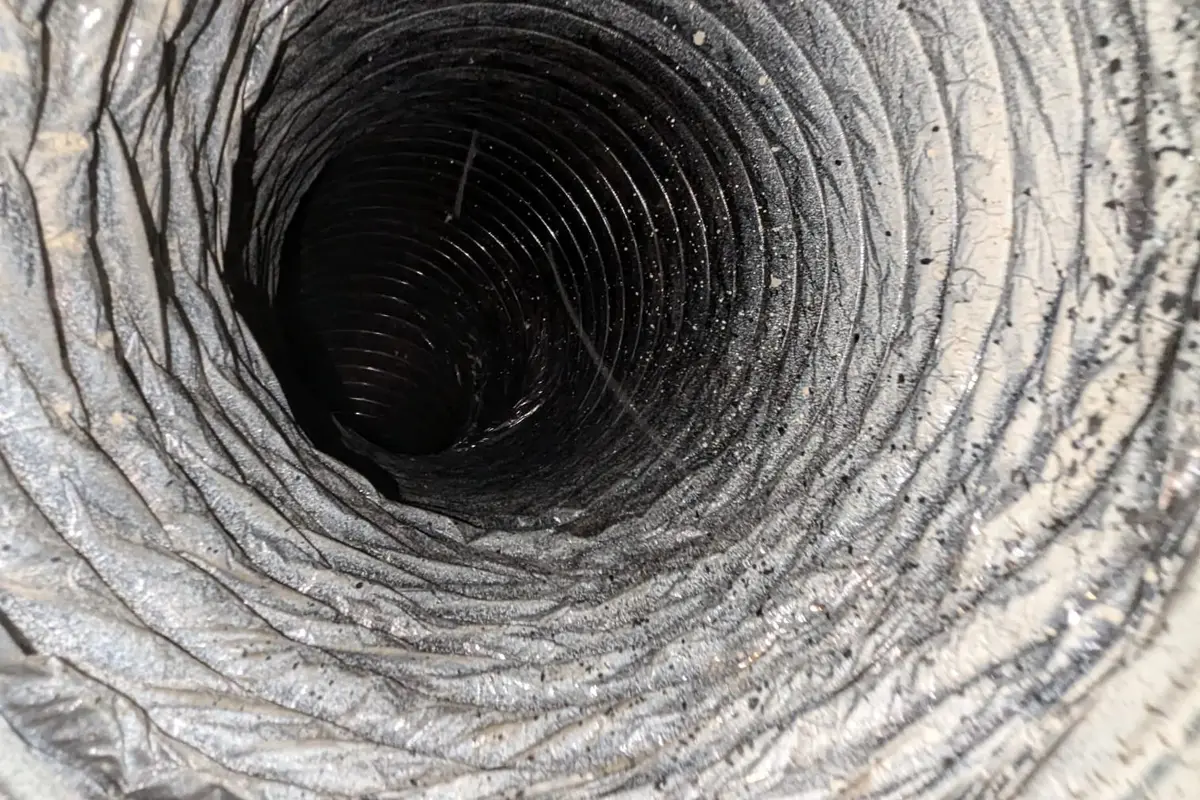
In fact, most Austin homes have the opposite problem - too much humidity. Indoor humidity above 50% encourages dust mite reproduction, promotes biological growth on HVAC components, and makes the home feel warmer than the thermostat setting (forcing you to set the AC lower and spend more on electricity). If your home feels clammy, if condensation forms on windows, or if you notice musty odors, you have a humidity problem that a humidifier would make worse.
The exception: some Austin homes with newer, tightly sealed construction and high-efficiency HVAC systems may experience low humidity during winter heating season. If a hygrometer (available for $10-$20 at hardware stores) consistently reads below 30% in winter, a portable humidifier in bedrooms may improve comfort. But this is the exception in Austin, not the rule.
When You Need an Air Purifier
Allergy and asthma sufferers in Austin benefit the most from air purifiers. Cedar season (December-March) pushes pollen counts above 20,000 grains per cubic meter on peak days. Even with windows closed and a clean HVAC filter, some pollen enters the home through door openings, clothing, and pets. A HEPA air purifier in the bedroom provides an additional layer of filtration where you spend 6-8 hours breathing.
Homes with multiple pets generate significant airborne dander. Pet dander particles (about 2.5 microns) are small enough to stay airborne for hours and pass through low-rated HVAC filters. If anyone in the household has pet allergies but you are not willing to part with your furry family members, an air purifier in main living areas reduces dander concentration.
Homes near construction sites, major roads (I-35, Mopac, 183), or industrial areas may benefit from air purifiers to capture fine particulate matter (PM2.5) that enters the home. Austin's rapid development means many residential neighborhoods are adjacent to active construction that generates dust for months or years.
After renovation or remodeling projects, a HEPA air purifier helps clear residual fine dust and VOCs from new materials. Even with thorough cleanup, microscopic particles from drywall sanding, paint, and adhesives linger in the air for days to weeks after the work is complete.
How Your HVAC System Handles Both Filtration and Humidity
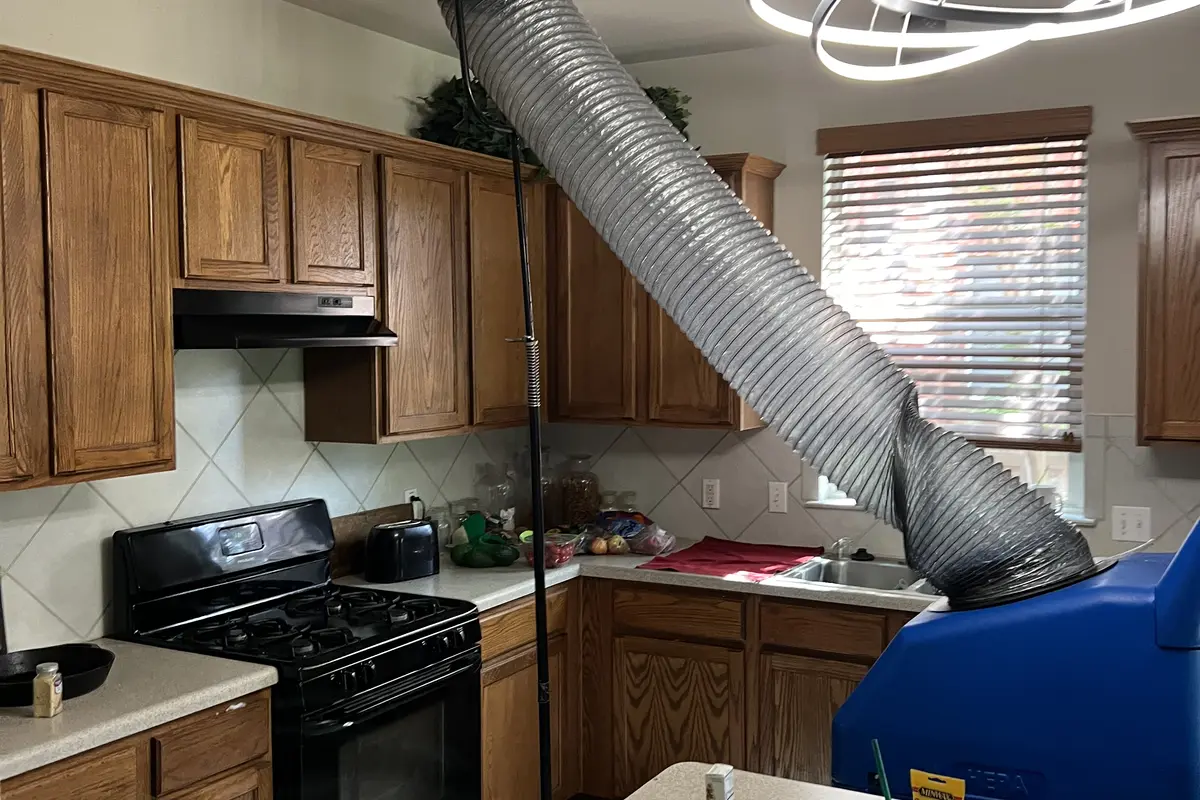
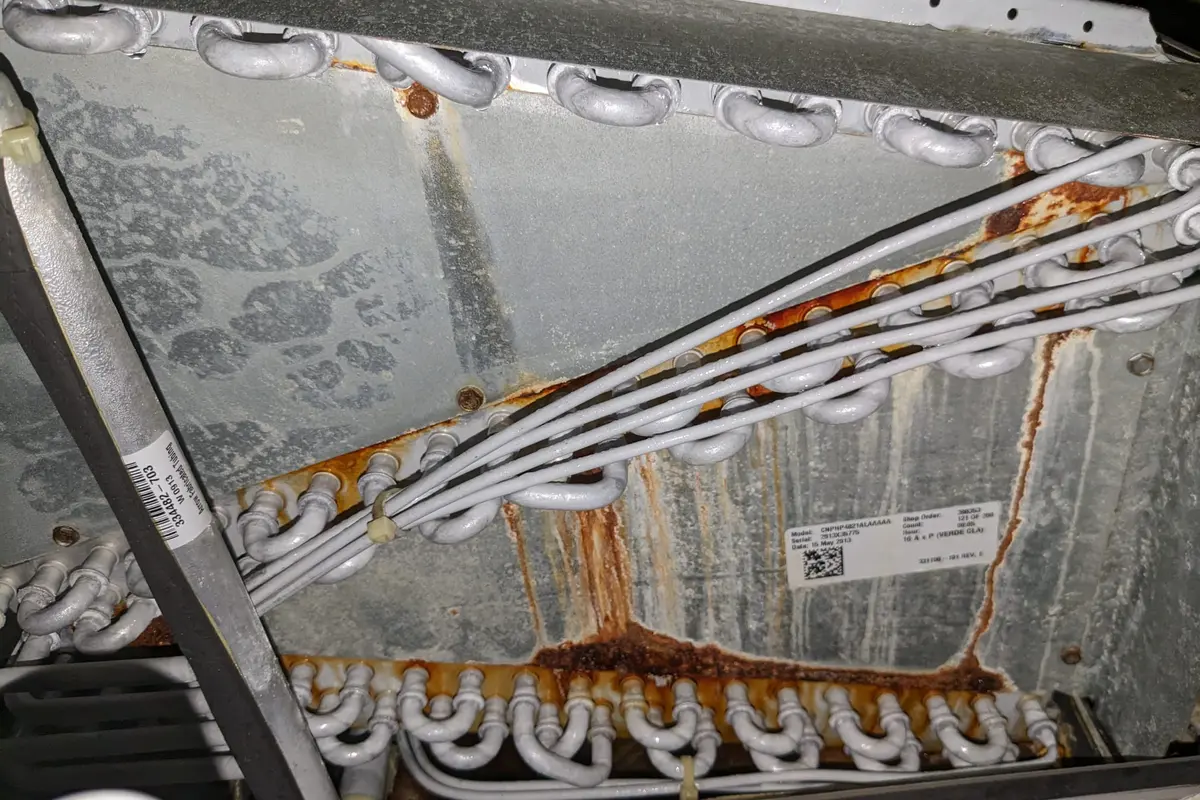
Your central HVAC system is already doing the work of both an air purifier and a dehumidifier, though most homeowners do not think of it that way. The air filter captures particles with every cycle (effectiveness depends on MERV rating), and the evaporator coil removes moisture from the air during cooling (this is why your condensate drain produces water all summer).
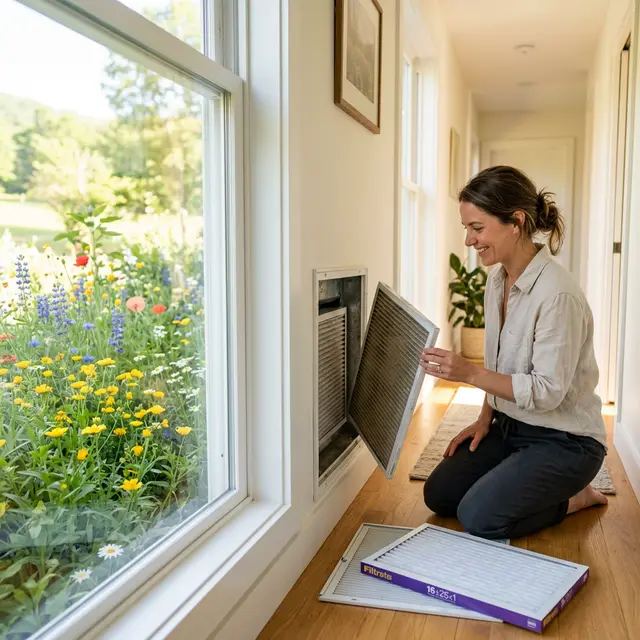
Upgrading your HVAC filter from a basic MERV 4 to a MERV 11 or MERV 13 dramatically improves the system's air purification capability. A MERV 13 filter captures 90%+ of particles down to 0.3 microns - comparable to a standalone HEPA air purifier but treating all the air in your home, not just one room. Verify your system can handle the higher-rated filter (check the owner's manual or ask during your next tune-up).
For humidity control, your AC system's dehumidification capacity depends on proper sizing and operation. An oversized AC cools the air quickly and shuts off before the evaporator coil has time to remove sufficient moisture - a problem called short cycling. A properly sized system runs longer cycles that both cool and dehumidify effectively. If your home feels cool but clammy, the system may be oversized for the space.
Adding a whole-house dehumidifier to your HVAC system is the most effective solution for Austin homes with persistent humidity problems. These units integrate into the return air duct and remove moisture independently of the cooling cycle, maintaining your target humidity (ideally 40-50%) even when the AC is not running. This is far more effective than portable dehumidifiers that only treat one room.
Concerned About Your Home's Air?
We provide professional air quality assessments for Austin homes. See what is in your ducts before deciding.
Call (512) 601-4451Rate your home's indoor air quality in 2 minutes
Air Purifier vs Duct Cleaning: Complementary, Not Redundant
A common question is whether duct cleaning eliminates the need for an air purifier, or vice versa. The answer is that they address different parts of the same problem and work best together.
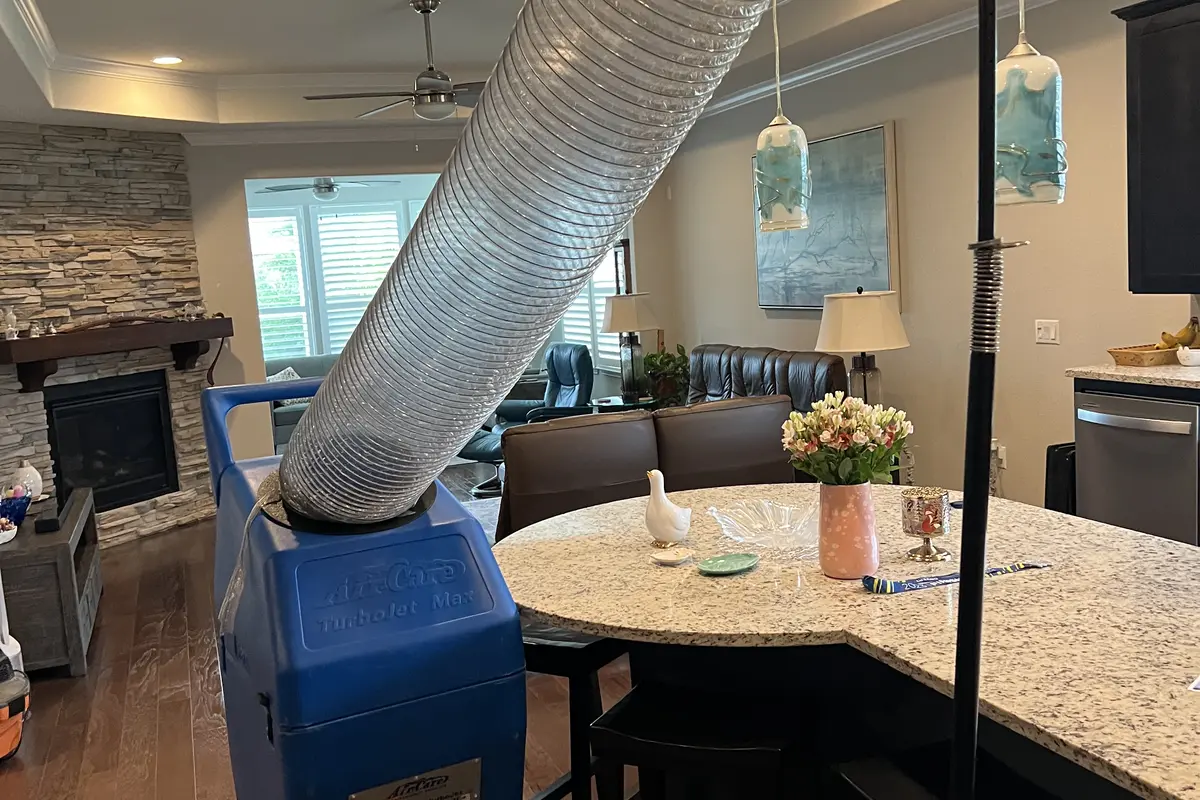
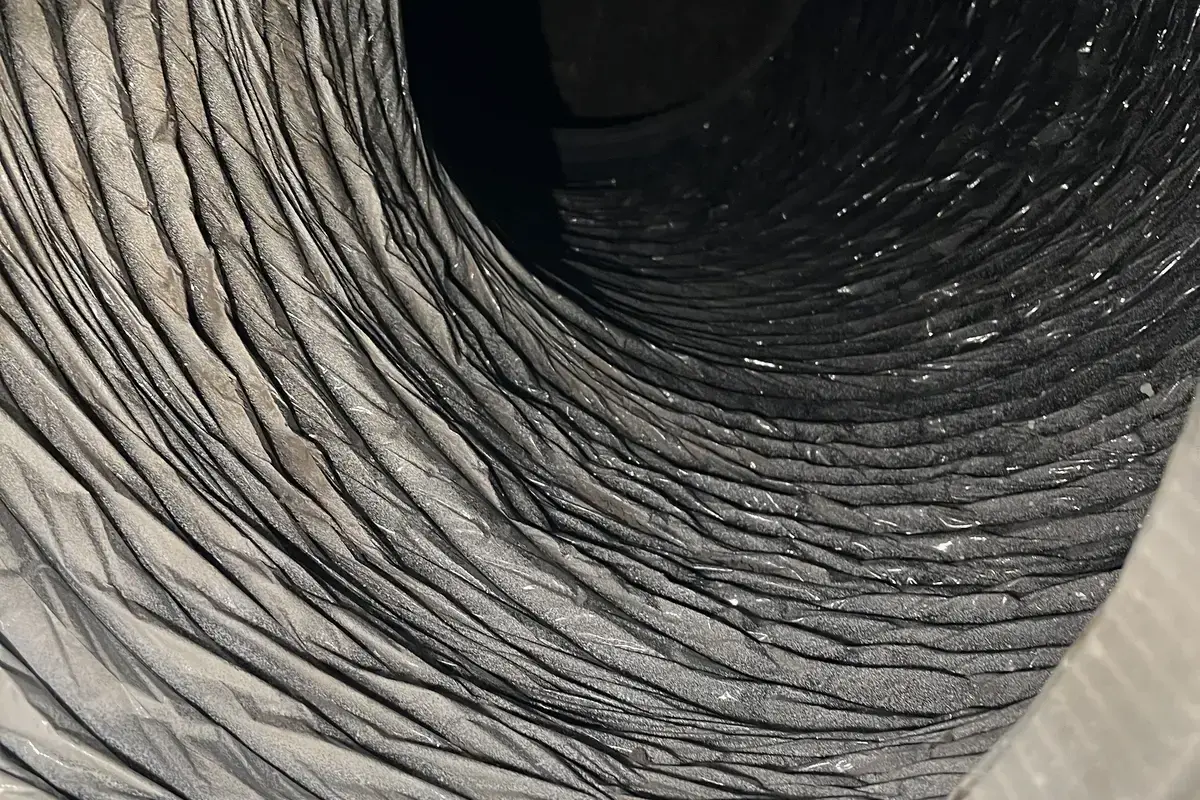
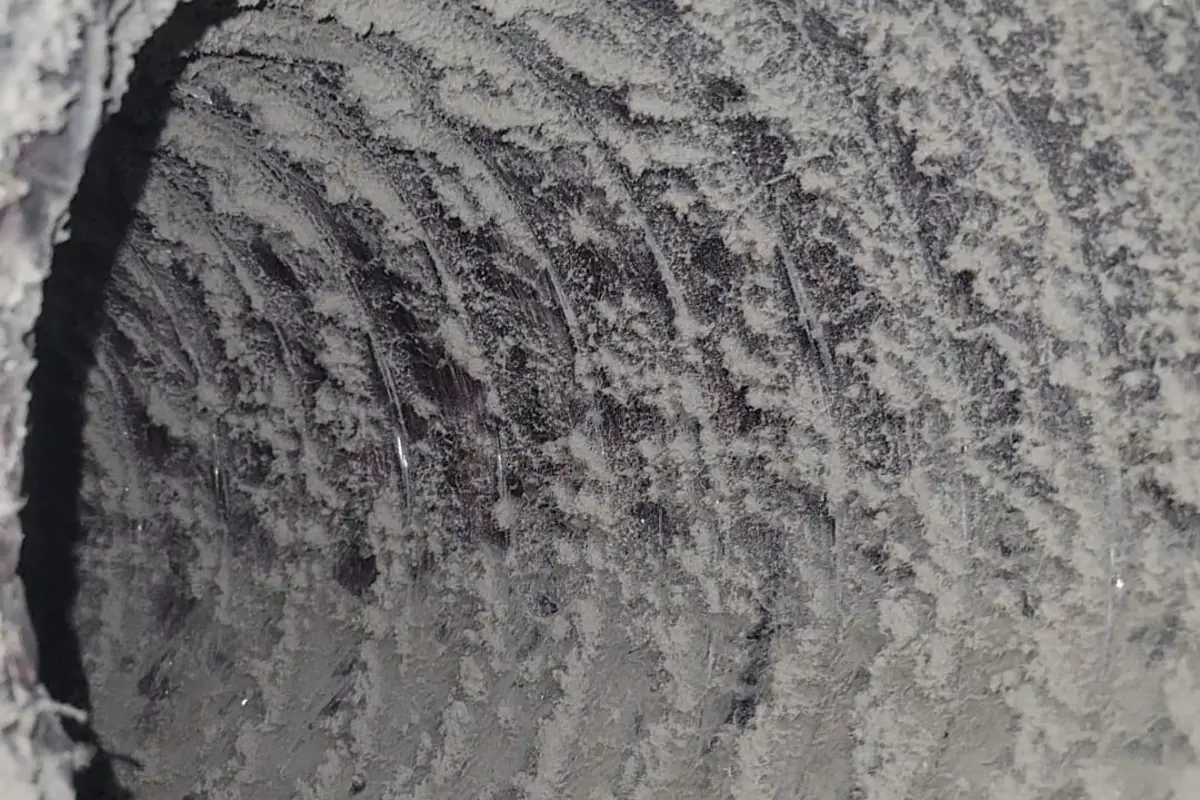
Duct cleaning removes the accumulated reservoir of contaminants inside your air distribution system. Once the ducts are clean, your HVAC system stops recirculating years of built-up dust, pollen, and debris with every cycle. This is a foundational improvement - no amount of air purification can keep up with a system that is actively introducing contaminants from dirty ductwork.
Air purifiers catch what enters the home daily - pollen from opening doors, pet dander generated throughout the day, cooking particles, and dust from normal activity. After duct cleaning removes the historical buildup, an air purifier helps manage the ongoing daily load of new contaminants entering the indoor environment.
The practical priority for Austin homeowners: start with clean ducts and a quality HVAC filter (MERV 11 minimum). This addresses the largest source of indoor air contamination - your duct system. Add a room air purifier in bedrooms or living areas if allergy symptoms persist or if specific conditions (pets, construction, highway proximity) create ongoing particle loads that filtration alone does not control.
To find out what is inside your ductwork and whether cleaning would improve your indoor air quality, schedule an HD camera duct inspection with Air Central. We show you exactly what is in your ducts and provide honest recommendations. Call (512) 601-4451 to book your inspection.
Bottom Line: What Most Austin Homes Actually Need
Most Austin homes do not need a humidifier. The climate provides more than enough humidity for most of the year, and excessive humidity is a far more common problem than dry air. If you experience dry air symptoms during winter heating season, check with a hygrometer before buying a humidifier - you may be above 30% and the symptoms are caused by something else.
Most Austin homes benefit from improved air filtration. Whether that means upgrading your HVAC filter to MERV 11-13, adding a room HEPA purifier for allergy relief, or installing a whole-house air cleaning system depends on your specific situation, sensitivity, and budget. The cheapest and most impactful first step is almost always upgrading your HVAC filter.
Every Austin home benefits from clean ductwork. Regardless of what filtration devices you use, if your ducts contain years of cedar pollen, pet dander, construction dust, and general debris, your HVAC system pushes those contaminants into your breathing air with every cycle. Clean ducts are the foundation that makes every other air quality improvement more effective.
For humidity control, your AC system's built-in dehumidification is usually sufficient. If persistent humidity problems exist (condensation on windows, musty odors, clammy feeling), a whole-house dehumidifier integrated into the HVAC system is more effective than any portable solution.
Related Services
Learn more about our professional services related to this topic:
- Air Duct Cleaning - Remove dust, allergens, and debris from your entire HVAC system for cleaner indoor air.
- Air Duct Inspection - Diagnose leaks, blockages, and efficiency issues with HD camera inspection.
- UV Lighting System - Eliminate bacteria and allergens inside your HVAC with UV-C light technology.
Want the full picture?
Read our complete guide: Indoor Air Quality in Austin: The Complete Guide (2026) →Have questions about indoor air quality? Our team is available 7 days a week. Call us at (512) 601-4451 or visit our contact page.