Duct cleaning physically removes dust, debris, and allergens from your ductwork, while duct sanitizing applies an antimicrobial treatment to kill bacteria and prevent biological growth on duct surfaces. Most Austin homes only need cleaning - sanitizing is warranted after specific events like water intrusion, vermin contamination, or persistent odor issues that cleaning alone does not resolve.
The Real Difference Between Duct Cleaning and Duct Sanitizing
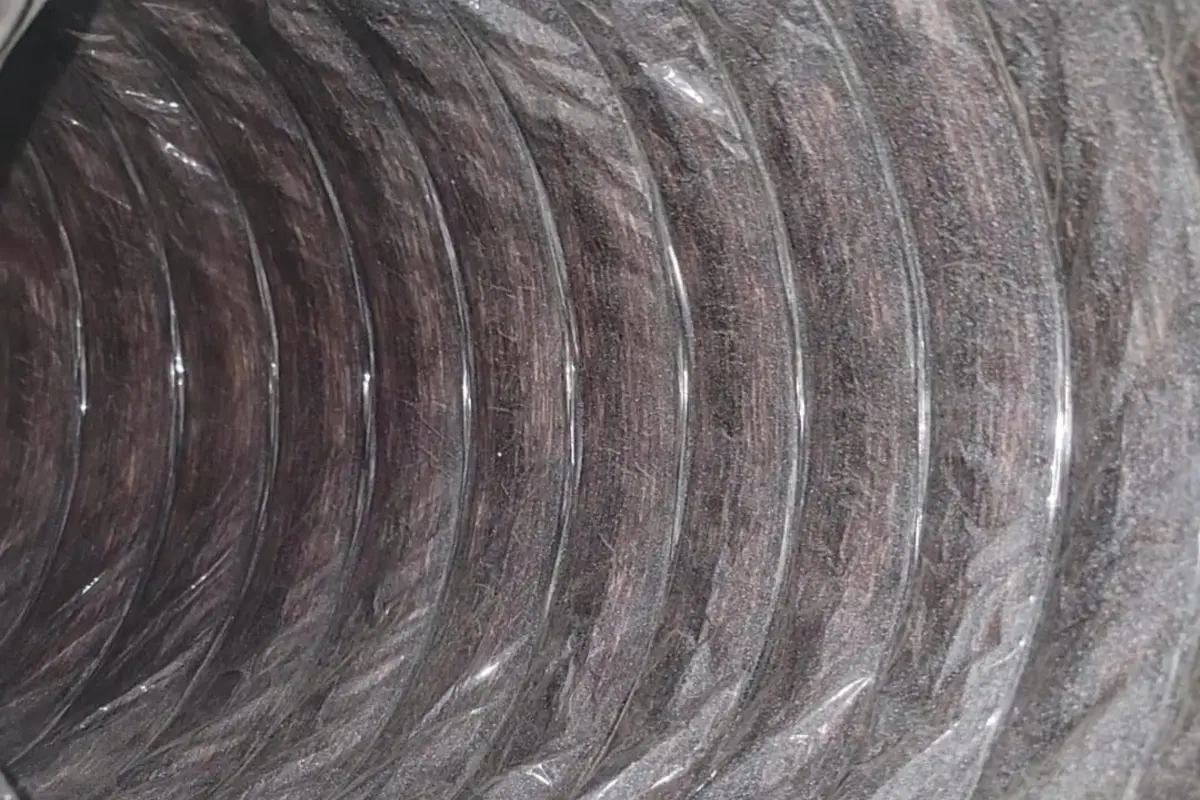
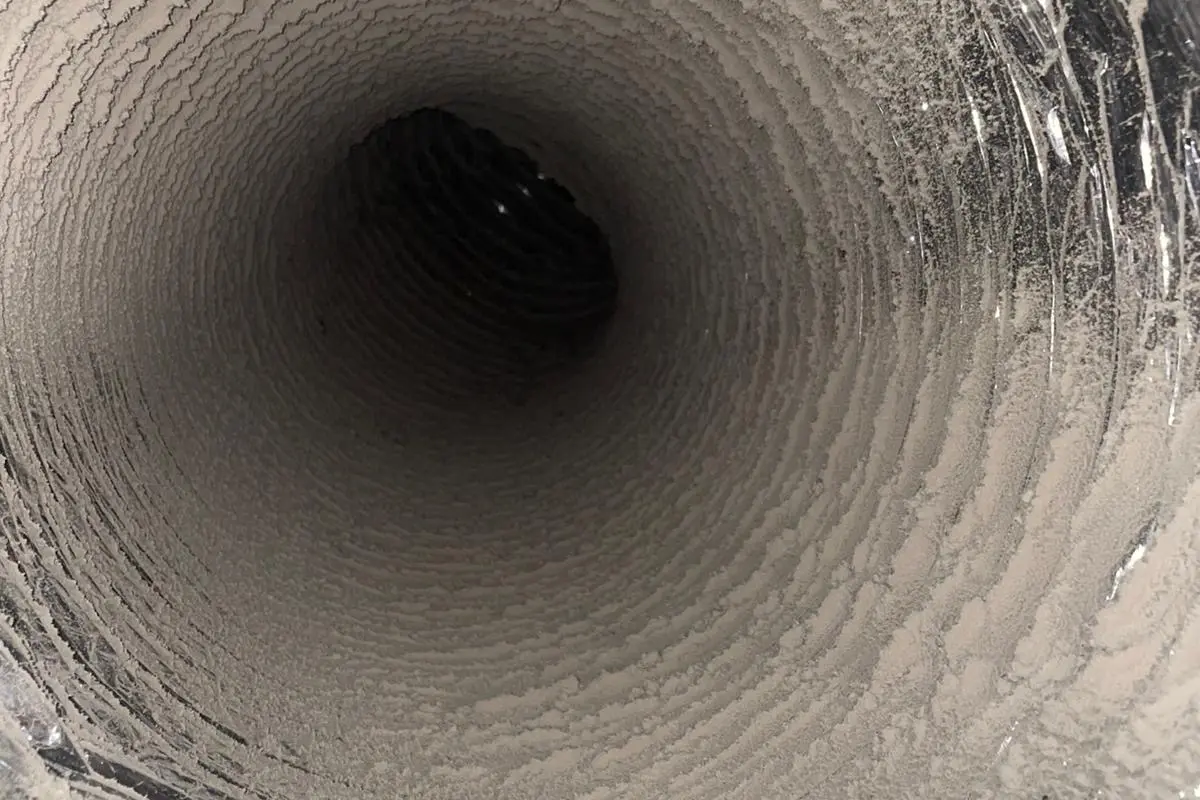
Duct cleaning and duct sanitizing are two separate services that address different problems, and understanding the distinction will save you money and help you make better decisions about your indoor air quality. Duct cleaning is a mechanical process. Technicians use commercial-grade HEPA vacuums, rotary brushes, and compressed air tools to physically remove accumulated dust, pollen, pet dander, and debris from the inside of your ductwork. It is the foundational service that every home needs periodically. Think of it as deep-cleaning the pipes that deliver air to every room in your house.
Duct sanitizing is a chemical or antimicrobial treatment applied to the interior surfaces of ductwork after cleaning. The purpose is to kill bacteria, neutralize odor-causing organisms, and inhibit future biological growth on duct walls. Sanitizing does not remove physical debris - it treats the surfaces that remain after the debris has been extracted. This is why sanitizing should never be offered as a standalone service. Applying antimicrobial products over layers of dust and buildup accomplishes almost nothing because the treatment cannot reach the duct surface underneath.
A useful analogy: cleaning your ducts is like scrubbing the tile in your shower. Sanitizing is like applying a disinfectant after you have scrubbed. The disinfectant works because it contacts the clean surface. Spraying disinfectant on a dirty shower does nothing meaningful. The same principle applies to your ductwork - sanitizing only works on ducts that have already been thoroughly cleaned.
What Happens During Professional Duct Sanitizing
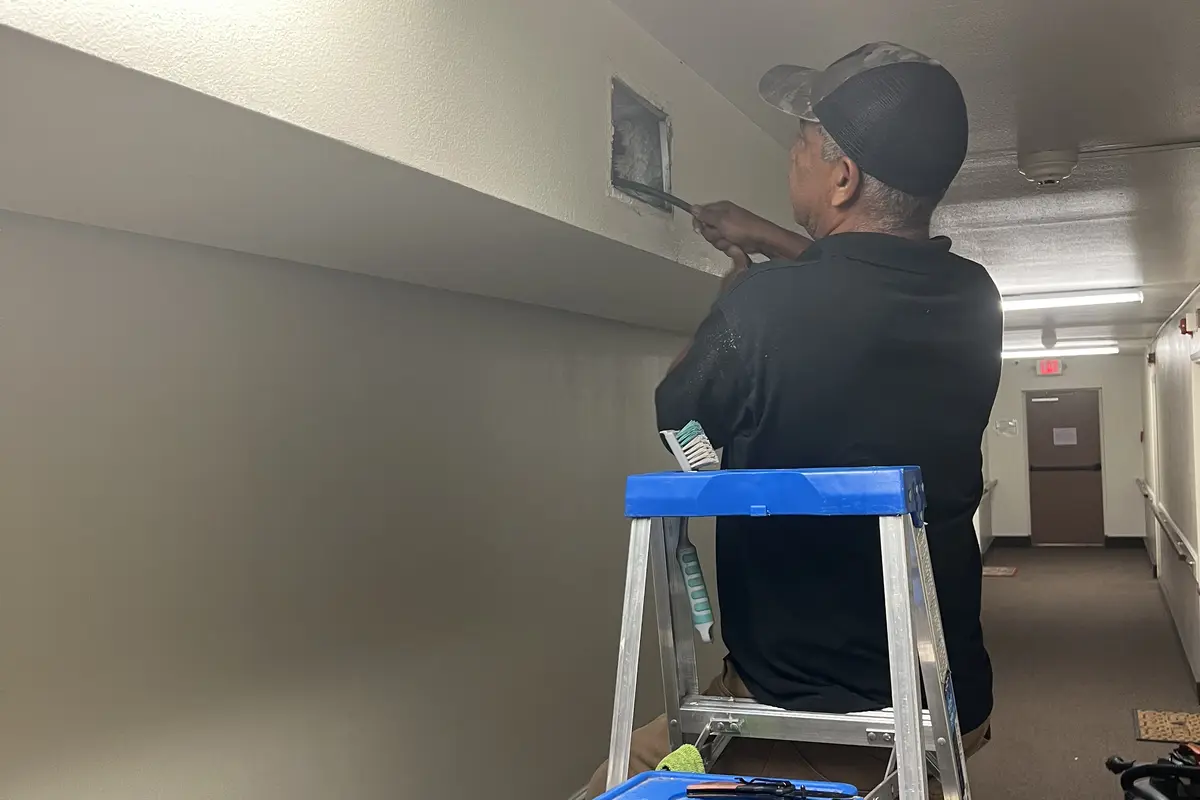
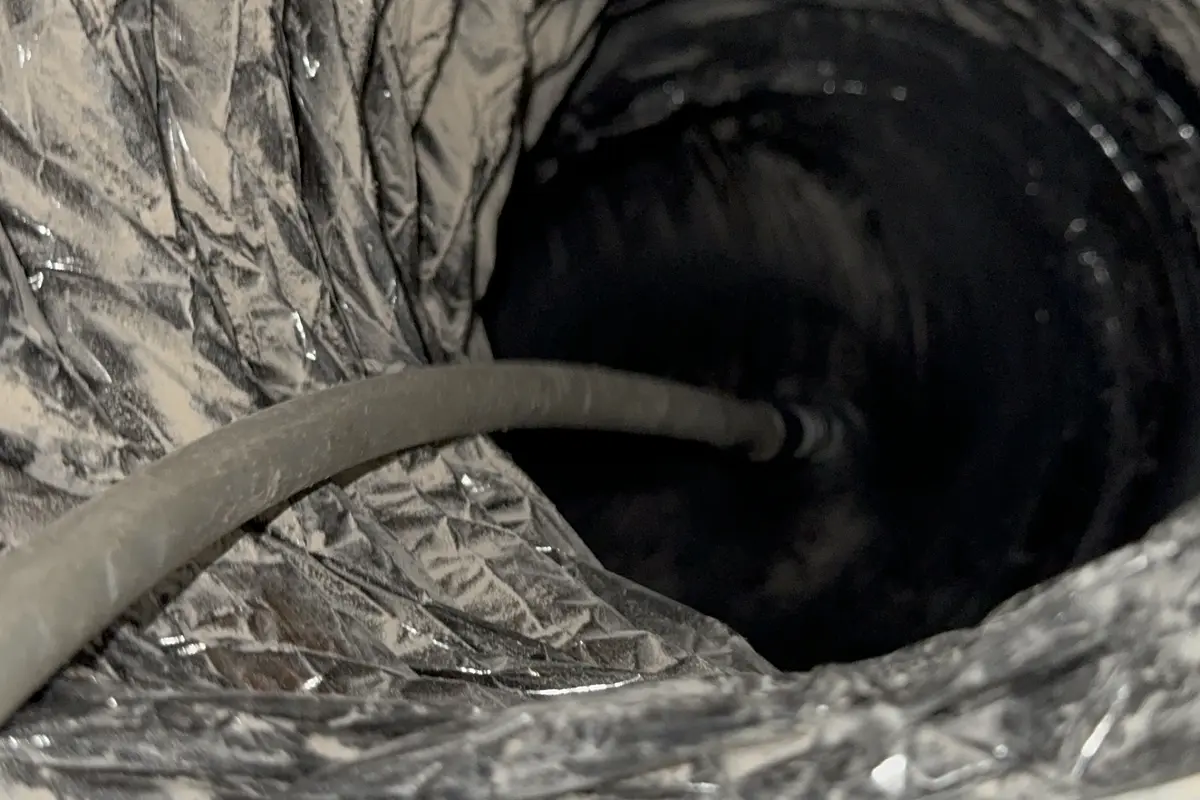
Professional duct sanitizing follows a specific sequence, and the order matters. The entire duct system is cleaned first using negative-pressure HEPA vacuums and mechanical agitation tools. Every supply vent, return vent, trunk line, and accessible air handler component is cleaned to remove physical contamination. An HD camera inspection verifies that the ductwork is clean before any sanitizing product is applied. No legitimate company should apply sanitizing treatment to dirty ducts.
Once the system is verified clean, the technician introduces an EPA-registered antimicrobial product into the duct system. The most common application method is fogging - a device atomizes the sanitizing solution into a fine mist that coats the interior surfaces of the ductwork as the HVAC blower circulates it through the system. Some technicians use direct spray application for targeted areas, particularly near the evaporator coil, drain pan, and any sections where moisture tends to accumulate.
The treatment typically takes 30-60 minutes on top of the 3-4 hours required for the cleaning itself. The product needs dwell time to be effective, and the technician will advise you on how long to keep the system running after application. Most EPA-registered duct sanitizers are designed to be safe for occupied spaces once they have dried, but the specifics depend on the product used. You should always ask the technician for the product name, EPA registration number, and the Safety Data Sheet before any application.
When Do You Actually Need Duct Sanitizing
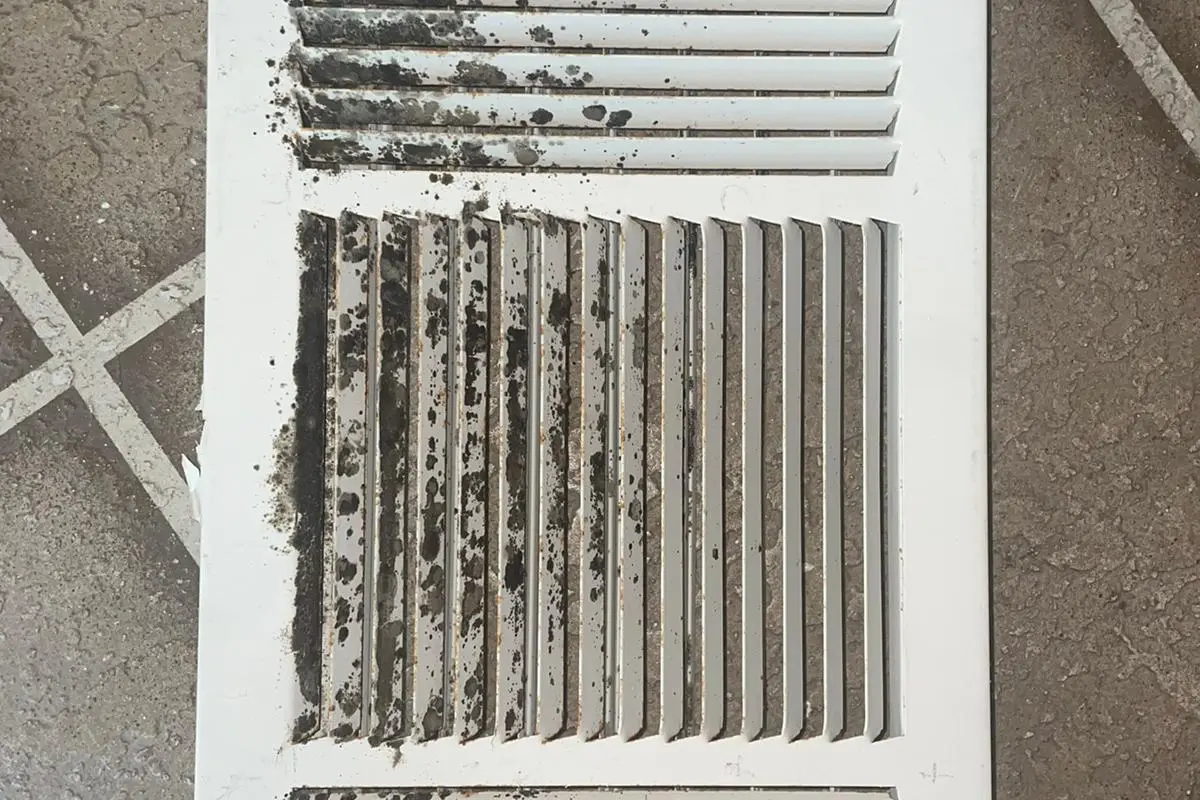
Duct sanitizing is warranted in specific situations, and they are less common than the industry sometimes suggests. The first legitimate scenario is after water damage or flooding that affected your ductwork. When water enters duct systems - whether from a roof leak, condensation overflow, or flooding - it creates conditions for rapid bacterial growth on interior surfaces. Cleaning removes the physical contamination, but sanitizing addresses the biological residue that water leaves behind. Austin's flash flood events and occasional severe storms make this more relevant here than in drier climates.
The second legitimate scenario is vermin contamination. If rodents, insects, or other pests have been living in or traveling through your ductwork, they leave behind droppings, urine, and biological material that cleaning alone may not fully neutralize. Even after thorough physical cleaning, an antimicrobial treatment provides an additional layer of decontamination. This is particularly common in older Austin homes and homes near greenbelt areas where wildlife access is more likely.
The third scenario is persistent odors that survive a thorough professional cleaning. If your ducts still smell musty or produce off-odors after a complete cleaning with camera-verified results, the odor source may be biological growth that has penetrated porous duct materials. Sanitizing can neutralize these embedded odor sources. This is different from the musty smell that goes away after cleaning - that smell was caused by the debris itself, and no sanitizing was needed.
The fourth scenario is for immunocompromised household members. If someone in the home has a weakened immune system due to chemotherapy, organ transplant, autoimmune conditions, or similar health situations, sanitizing after cleaning provides an extra margin of protection. In these cases, the added cost is justified as a health precaution even if the ductwork does not show obvious signs of biological contamination.
When Cleaning Alone Is Enough
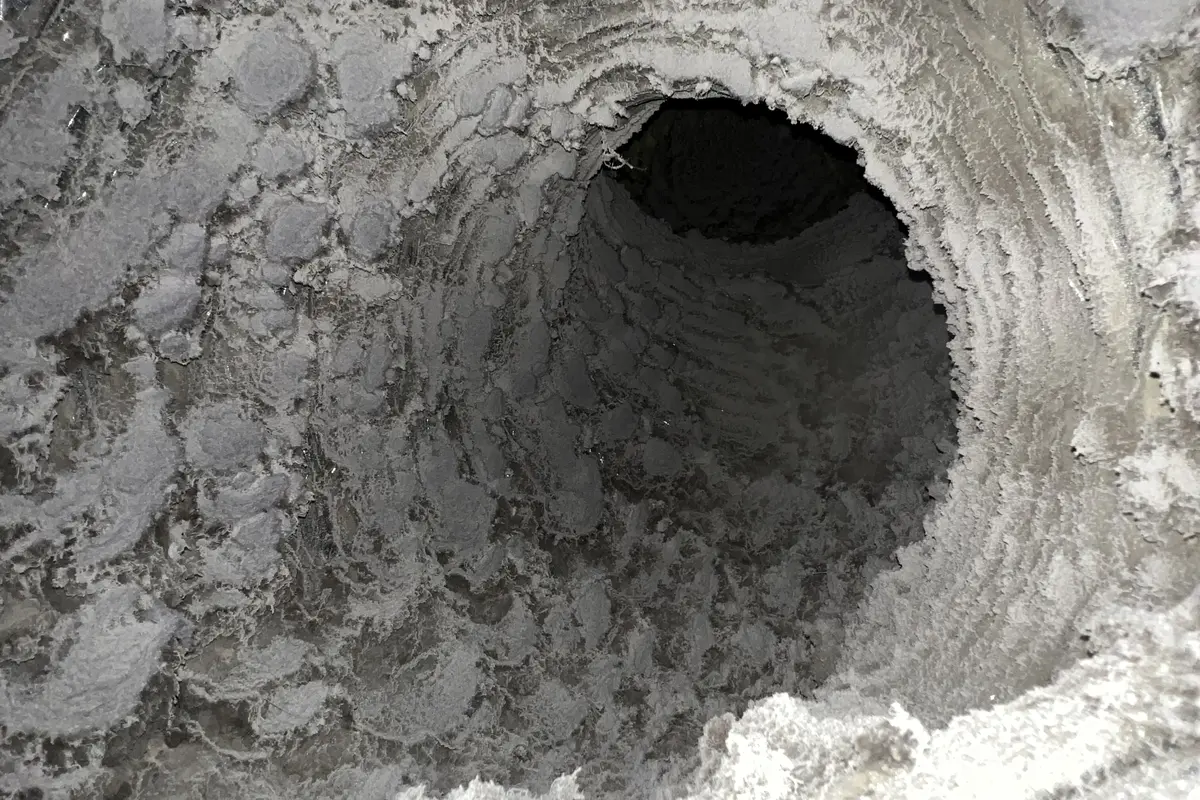
For the majority of Austin homes, professional duct cleaning without sanitizing is all you need. If your ducts have accumulated dust, pollen, pet dander, and general debris from years of normal use, cleaning removes those contaminants completely. The HEPA vacuum and mechanical agitation tools extract the material from your duct system - there is nothing left behind that requires chemical treatment. Standard dust and allergen accumulation does not require sanitizing.
If your primary concern is allergy relief during cedar season, cleaning is the answer. Cedar pollen, oak pollen, ragweed, and other Austin allergens are physical particles that are removed by mechanical cleaning. Antimicrobial treatments do not address pollen - pollen is not a biological organism growing on your duct walls. It is a particle sitting in accumulated dust, and the vacuum removes it along with everything else. The same applies to pet dander, dust mite debris, and construction dust.
Routine maintenance cleanings every 3-5 years do not need sanitizing. If you are staying on a regular cleaning schedule and your home has not experienced water damage, pest issues, or persistent odors, there is no reason to add sanitizing to the service. A thorough cleaning with before-and-after camera documentation is sufficient to restore your ductwork to clean condition. Save the sanitizing expense for situations where it is genuinely needed.
Post-renovation duct cleaning is another case where sanitizing is typically unnecessary. Construction dust - drywall compound, sawdust, paint particles - is not biological material. It is inert debris that the vacuum removes effectively. Unless your renovation involved water damage to the duct system, cleaning alone handles construction contamination.
EPA and NADCA Guidelines on Duct Sanitizing Treatments
The EPA's position on duct sanitizing is measured and worth understanding. The agency states that chemical biocides and treatments should not be routinely applied inside ductwork as standard practice. The EPA advises that if you choose to have sanitizers applied, the products must be EPA-registered for use in HVAC systems specifically, and the application should only occur after thorough cleaning. The EPA explicitly warns against any company that suggests sanitizing as a substitute for cleaning or recommends it as a routine add-on to every service.
The National Air Duct Cleaners Association (NADCA) takes a similar stance. NADCA's standards allow for the use of EPA-registered antimicrobial products in ductwork when conditions warrant it, but the organization emphasizes that mechanical cleaning is the primary service. Sanitizing is considered a supplementary treatment, not a replacement for or required addition to standard duct cleaning. NADCA also stresses that only products registered with the EPA for use in HVAC systems should be applied - not general-purpose disinfectants, household cleaners, or unregistered products.
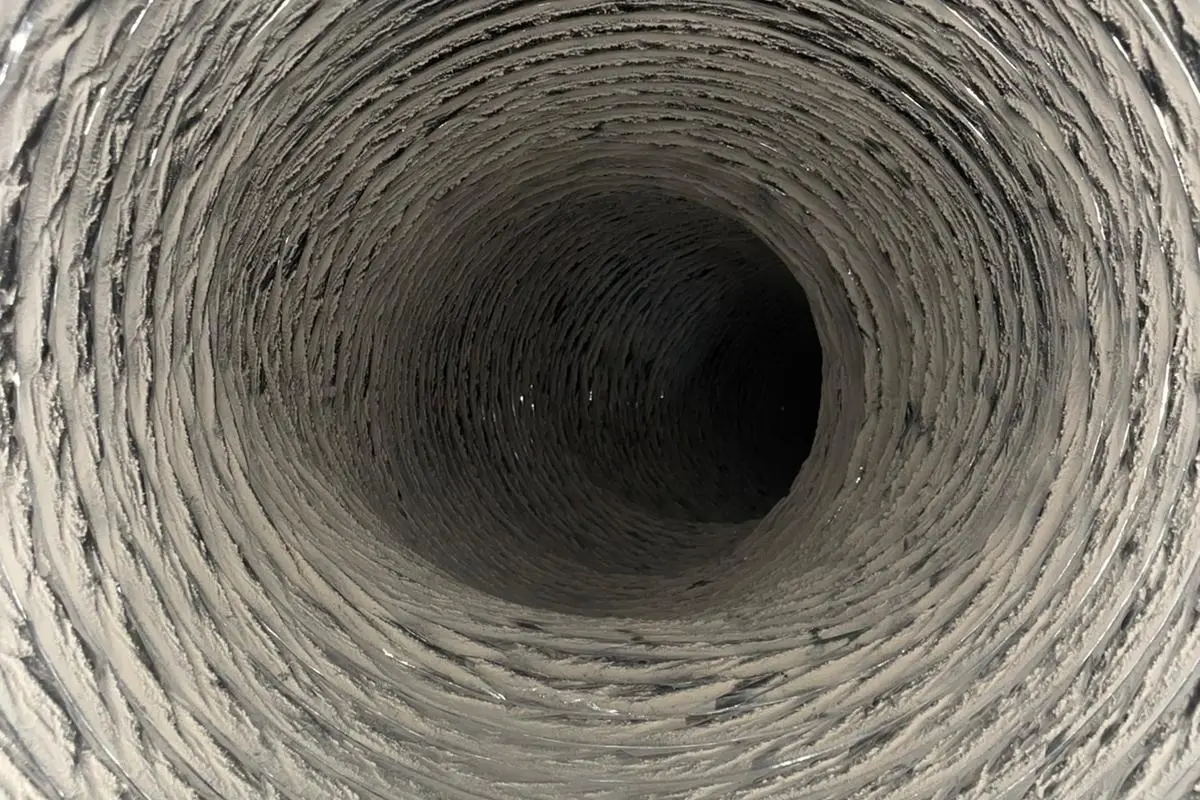
One important EPA note that homeowners should be aware of: no chemical biocide has been registered by the EPA specifically for use on fiberglass duct board or fiberglass-lined ducts. If your home has fiberglass ductwork or fiberglass-insulated duct interiors, chemical sanitizing treatments are not recommended. These products can damage fiberglass materials and release fibers into the airstream. Many Austin homes built in the 1980s and 1990s have fiberglass duct components, so this is relevant for a significant portion of local homeowners.
The bottom line from both the EPA and NADCA: sanitizing has a place, but that place is limited to specific situations with specific products. Any company that presents sanitizing as a standard, required part of every duct cleaning is going beyond what these regulatory and industry bodies recommend.
Concerned About Your Home's Air?
We provide professional air quality assessments for Austin homes. See what is in your ducts before deciding.
Call (512) 601-4451Rate your home's indoor air quality in 2 minutes
How Austin's Climate Creates Conditions That May Warrant Sanitizing
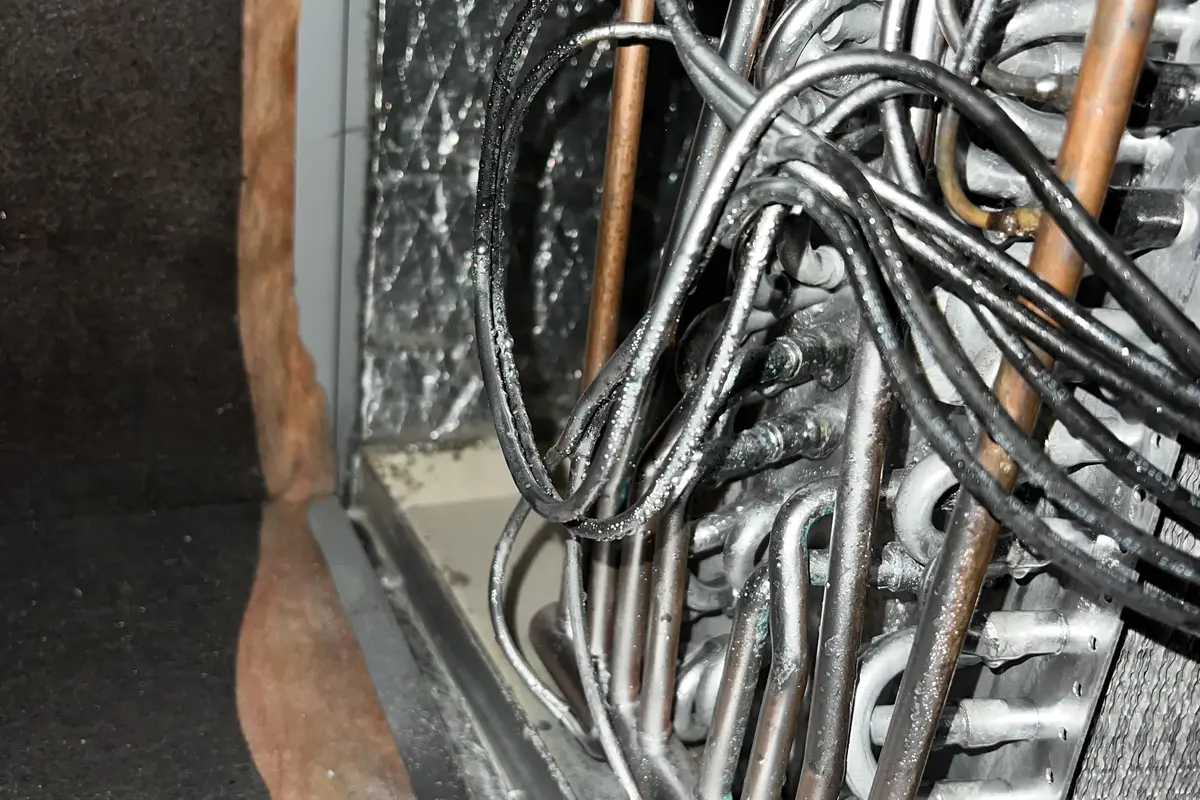
Austin's subtropical climate introduces factors that make sanitizing more relevant here than in drier parts of the country, even if it still is not needed for every home. The primary factor is humidity. Austin's average relative humidity ranges from 60-80% during the warmer months, and that moisture affects the interior of your duct system. The evaporator coil in your HVAC system generates condensation every time your AC runs, and that moisture can migrate into nearby ductwork. In particularly humid conditions, condensation can form on the interior surfaces of supply ducts closest to the air handler, creating an environment where bacteria can establish and grow between cleanings.
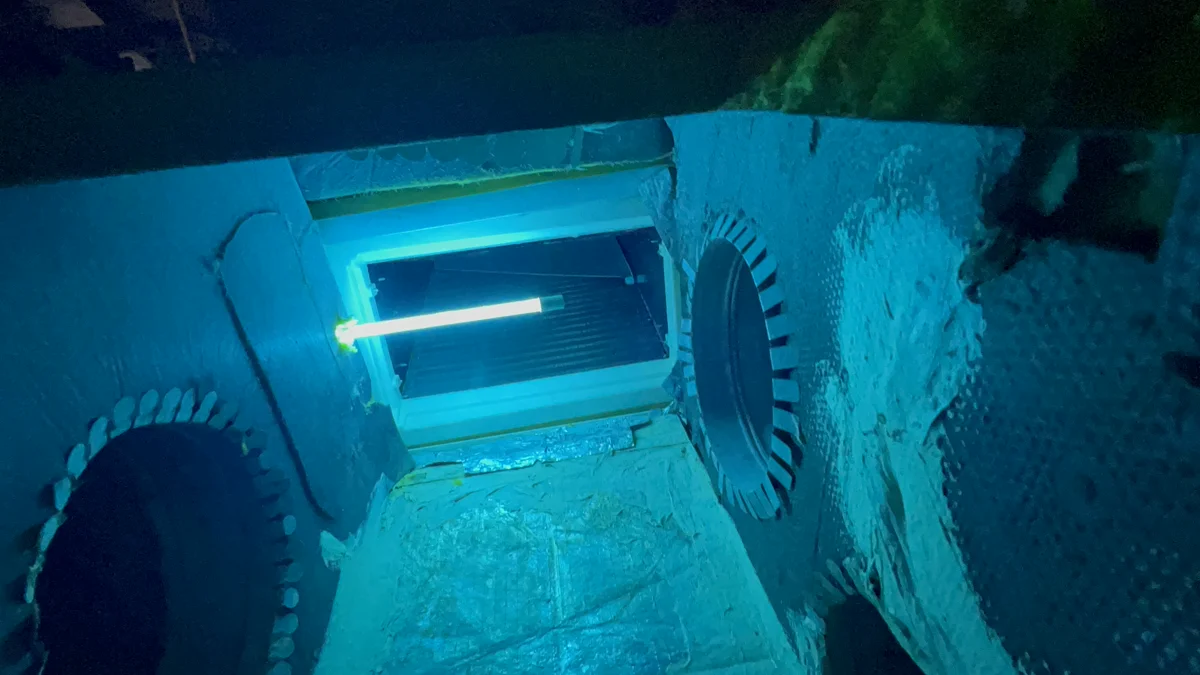
Austin's long cooling season exacerbates this. Your AC runs 8-10 months per year in Central Texas, which means your evaporator coil is producing condensation almost continuously. If the drain pan does not empty properly, or if humidity levels in the home are not controlled, that persistent moisture creates ongoing conditions for biological activity near the coil and in the first several feet of supply ductwork. A UV light system installed near the evaporator coil addresses this problem continuously and is often a better long-term investment than repeated sanitizing treatments.
Seasonal transitions also play a role. When Austin swings from a 90-degree afternoon to a 55-degree morning in October or March, temperature differentials can cause condensation inside ductwork that was not designed for such rapid changes. Homes with ductwork in unconditioned attic spaces - which includes most Austin homes - experience this more acutely because attic temperatures amplify these swings. This condensation is usually minor and evaporates quickly, but in homes with poor attic ventilation or sagging duct runs where water can pool, it can become a legitimate reason for sanitizing after cleaning.
If you are dealing with humidity-related concerns in your ductwork, addressing the root cause is always better than treating the symptom. Proper HVAC sizing, a functioning condensate drain, adequate attic ventilation, and humidity control between 30-50% will do more for your long-term air quality than repeated sanitizing treatments. Consider these upstream solutions before adding sanitizing to your cleaning service.
Types of Sanitizing Products Used in Ductwork
EPA-registered antimicrobial products are the only appropriate treatments for use inside ductwork. These products have undergone testing to verify their efficacy and safety for use in HVAC systems. Common active ingredients include quaternary ammonium compounds, hydrogen peroxide-based solutions, and thymol-based botanical formulations. Each has different strengths, application methods, and safety profiles.
Quaternary ammonium compounds (quats) are the most widely used antimicrobial agents in duct sanitizing. They are effective against a broad spectrum of bacteria and are relatively safe once dried. Most commercially available duct sanitizers use quats as their active ingredient. They work by disrupting the cell membranes of bacteria and other microorganisms on contact. The key consideration with quats is ensuring they are applied at the correct concentration - too dilute and they are ineffective, too concentrated and they can leave residue that off-gasses into your living space.
Hydrogen peroxide-based treatments have gained popularity because they break down into water and oxygen, leaving minimal residue. Stabilized hydrogen peroxide solutions at specific concentrations are effective antimicrobials that dissipate relatively quickly. Some Austin homeowners prefer these products because of the lower chemical footprint. They are particularly effective against odor-causing bacteria and are a good choice for homes where chemical sensitivity is a concern.
Botanical antimicrobial products use plant-derived active ingredients, most commonly thymol (from thyme oil). These products are EPA-registered and effective against many common bacteria. They appeal to homeowners who prefer naturally derived products, though it is worth noting that botanical does not automatically mean safer or more effective than synthetic alternatives. The EPA registration process evaluates all products by the same standards regardless of their source ingredients.
Products to avoid: general-purpose household disinfectants like bleach should never be applied inside ductwork. These products are not formulated for HVAC use, can damage duct materials, and may release harmful fumes when circulated through the system. Ozone generators are another product to be cautious about - while ozone is a powerful oxidizer, the EPA has raised concerns about ozone exposure in occupied spaces, and the concentrations needed to be effective in ductwork can exceed safe levels for humans and pets. If any company proposes using ozone in your duct system, ask detailed questions about their process for ensuring safe levels before reoccupying the space.
Red Flags: When a Company Is Pushing Unnecessary Sanitizing
The biggest red flag is a company that presents sanitizing as a mandatory part of every duct cleaning. It is not. As the EPA and NADCA both make clear, sanitizing is a supplementary treatment for specific conditions. If a company includes sanitizing in their base price without assessing whether your home actually needs it, they are padding the bill. A reputable company assesses conditions during the cleaning, shows you HD camera footage of your ductwork, and recommends sanitizing only if specific indicators are present.
Watch out for scare tactics. Statements like your ducts are breeding dangerous bacteria or without sanitizing the cleaning is incomplete are designed to create urgency and fear. While bacteria can be present in ductwork under certain conditions, the vast majority of homes do not have dangerous bacterial levels in their ducts. A company that leads with fear rather than evidence is more interested in your wallet than your wellbeing.
Be skeptical of proprietary or unnamed sanitizing products. Any legitimate product should have an EPA registration number that you can verify. If the company cannot or will not tell you exactly what product they are applying, what the active ingredient is, and what the EPA registration number is, do not allow the application. You have every right to this information, and any company that resists providing it is a company you should not trust inside your ductwork.
Another red flag is quoting sanitizing before inspecting your ducts. A company that adds sanitizing to your estimate before they have even looked at your system is selling a service, not solving a problem. The decision to sanitize should come after cleaning and inspection, based on what the technician actually observes - not before they step foot in your house.
Finally, be cautious of companies that push sanitizing but skip the HD camera inspection. If they cannot show you the condition of your ducts before and after cleaning, how can they credibly assess whether sanitizing is needed? Camera inspection is the foundation of honest duct work. Without it, recommendations for additional treatments are based on nothing more than guesswork or sales targets.
Making the Right Choice for Your Austin Home
Start with professional duct cleaning as your baseline. Every Austin home benefits from having accumulated dust, pollen, pet dander, and debris removed from the ductwork every 3-5 years. This is the service that makes the biggest difference for your indoor air quality, your HVAC efficiency, and your family's comfort. Schedule cleaning after cedar season ends in late March or early April to remove the winter's pollen accumulation before the long summer cooling season begins.
Evaluate whether sanitizing is needed based on your specific circumstances, not based on a sales pitch. If you have experienced water damage, pest contamination, persistent post-cleaning odors, or have immunocompromised household members, sanitizing is a legitimate and worthwhile addition. For routine cleanings in homes without these specific conditions, save your money. Clean ducts are healthy ducts - you do not need to chemically treat them every time.
For ongoing protection against biological growth, consider a UV light system installed near your evaporator coil. This addresses the humidity-driven bacterial concerns that are most relevant in Austin's climate and works continuously rather than providing a one-time treatment that diminishes over months. A UV light system is a one-time installation that provides persistent protection, making it a smarter long-term investment than repeated sanitizing treatments for humidity-related issues.
Upgrading your HVAC filter to MERV 11 or higher, maintaining humidity between 30-50%, and scheduling regular duct cleaning are the three most impactful steps you can take for indoor air quality in an Austin home. These fundamentals do more for your air quality than any add-on treatment. When you get these basics right, the question of whether to sanitize becomes much less frequent - because the conditions that warrant sanitizing are far less likely to develop in a well-maintained system.
Air Central has been helping Austin homeowners make informed decisions about their indoor air quality since 2014. We provide HD camera inspection before and after every duct cleaning so you can see exactly what is in your system and make decisions based on evidence, not pressure. If sanitizing is warranted, we will explain why and show you the documentation. If it is not, we will tell you that too. With 500+ Google reviews at 5.0 stars, our reputation is built on honesty, not upsells.
Related Services
Learn more about our professional services related to this topic:
- Air Duct Cleaning - Remove dust, allergens, and debris from your entire HVAC system for cleaner indoor air.
- Air Duct Inspection - Diagnose leaks, blockages, and efficiency issues with HD camera inspection.
- UV Lighting System - Eliminate bacteria and allergens inside your HVAC with UV-C light technology.
Want the full picture?
Read our complete guide: Indoor Air Quality in Austin: The Complete Guide (2026) →Have questions about indoor air quality? Our team is available 7 days a week. Call us at (512) 601-4451 or visit our contact page.