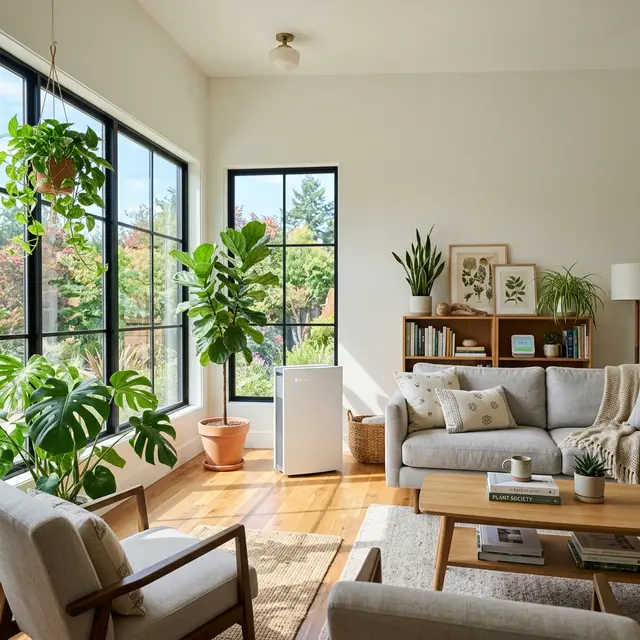
The fastest way to improve indoor air quality is to replace your HVAC filter with a MERV 11 or higher, clean your air ducts every 3-5 years, and control humidity below 50% - these three steps eliminate most airborne pollutants.
Why Indoor Air Quality Matters More Than You Think
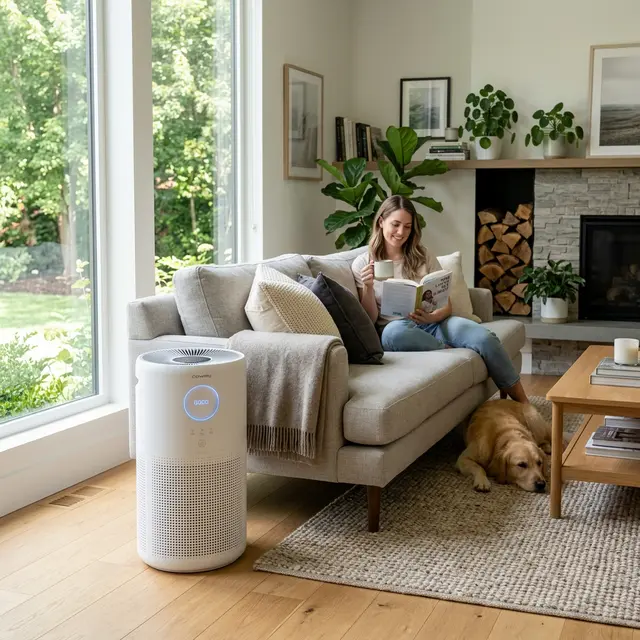
The EPA estimates indoor air can be 2-5 times more polluted than outdoor air. In Austin, where homes stay sealed for 6+ months of AC season, pollutants accumulate rapidly. Dust mites, pet dander, cedar pollen, and volatile organic compounds from cleaning products and furniture all concentrate in your indoor environment.
We test air quality in Austin homes every week, and the results consistently surprise homeowners. A family in Lakeway with two dogs and cedar trees in the yard had particulate levels three times higher indoors than outdoors - even with a relatively new HVAC system. The difference after duct cleaning and a filter upgrade was dramatic.
Austin compounds this problem because we run HVAC systems 10-11 months per year. That constant air circulation means contaminants pass through your ductwork thousands of times before they get trapped by a filter or settle on a surface. In neighborhoods like South Austin, East Riverside, and Round Rock, where construction activity sends fine particulate into the air daily, indoor pollution builds faster than most homeowners realize.
10 Actionable Tips
1. Upgrade to a MERV 11 filter - captures 85%+ of particles including pollen and dust mites without restricting airflow. This single change makes the biggest immediate difference in most Austin homes. MERV 8 filters, which come standard in most systems, miss fine pollen and pet dander entirely. A MERV 11 pleated filter costs $12-$20 at any hardware store. During cedar season (December through March), check it monthly - you will see a thick yellow-green coating that shows how much pollen your system catches.
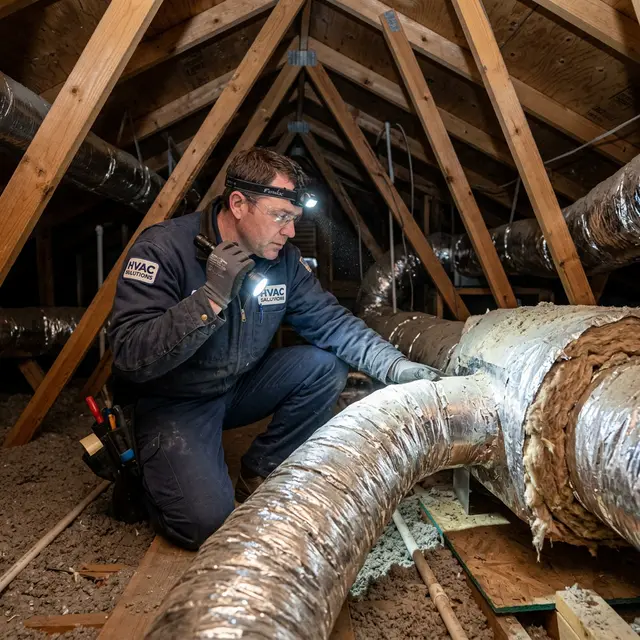
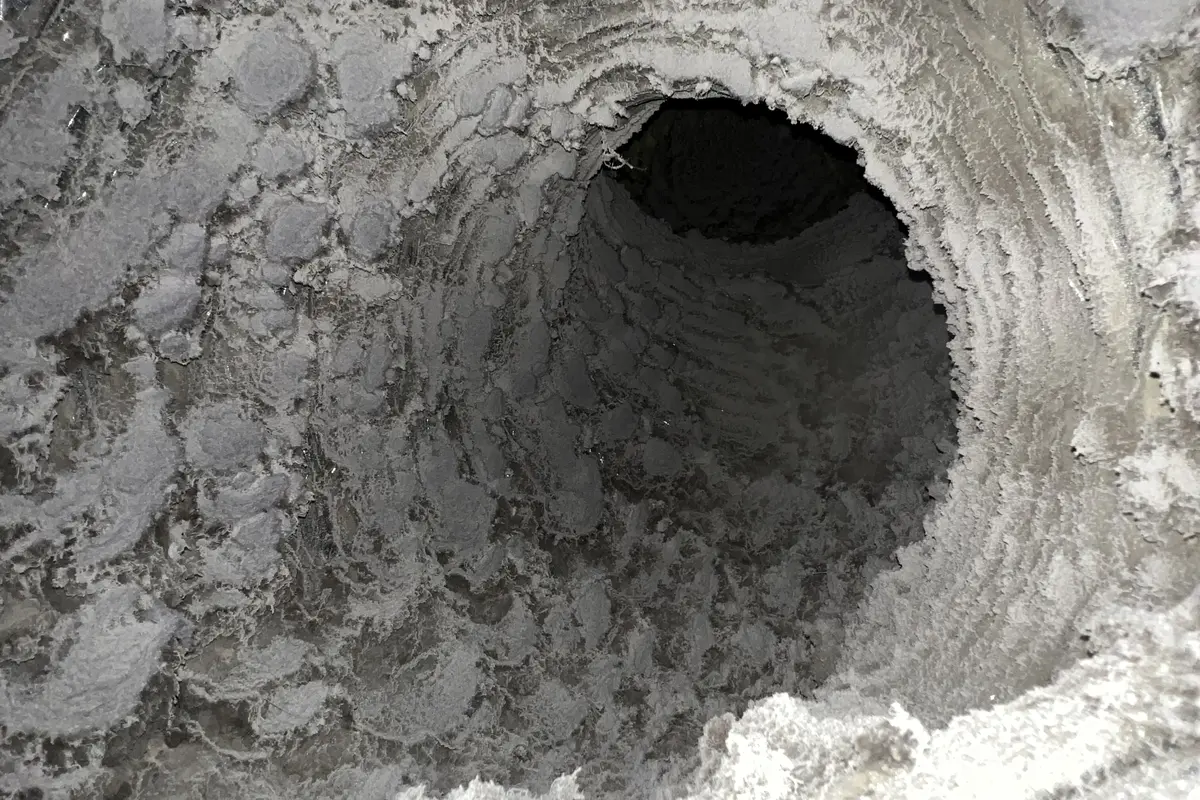
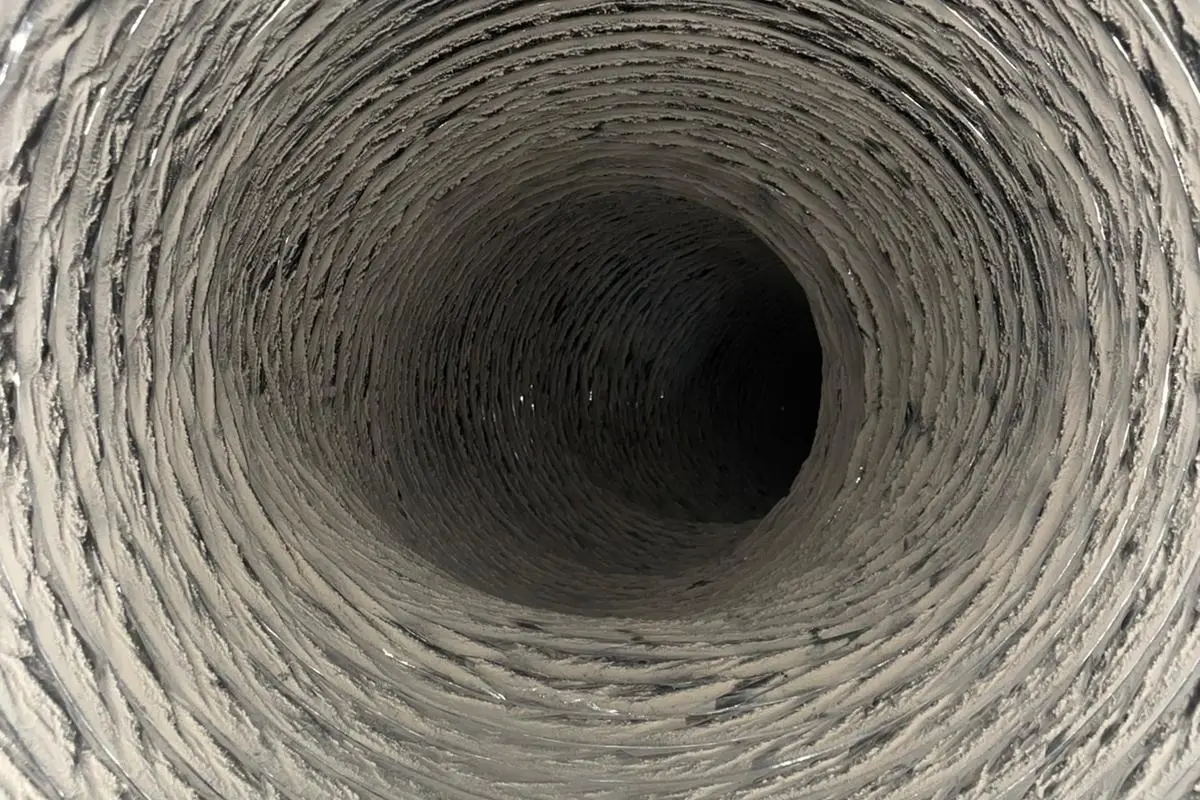
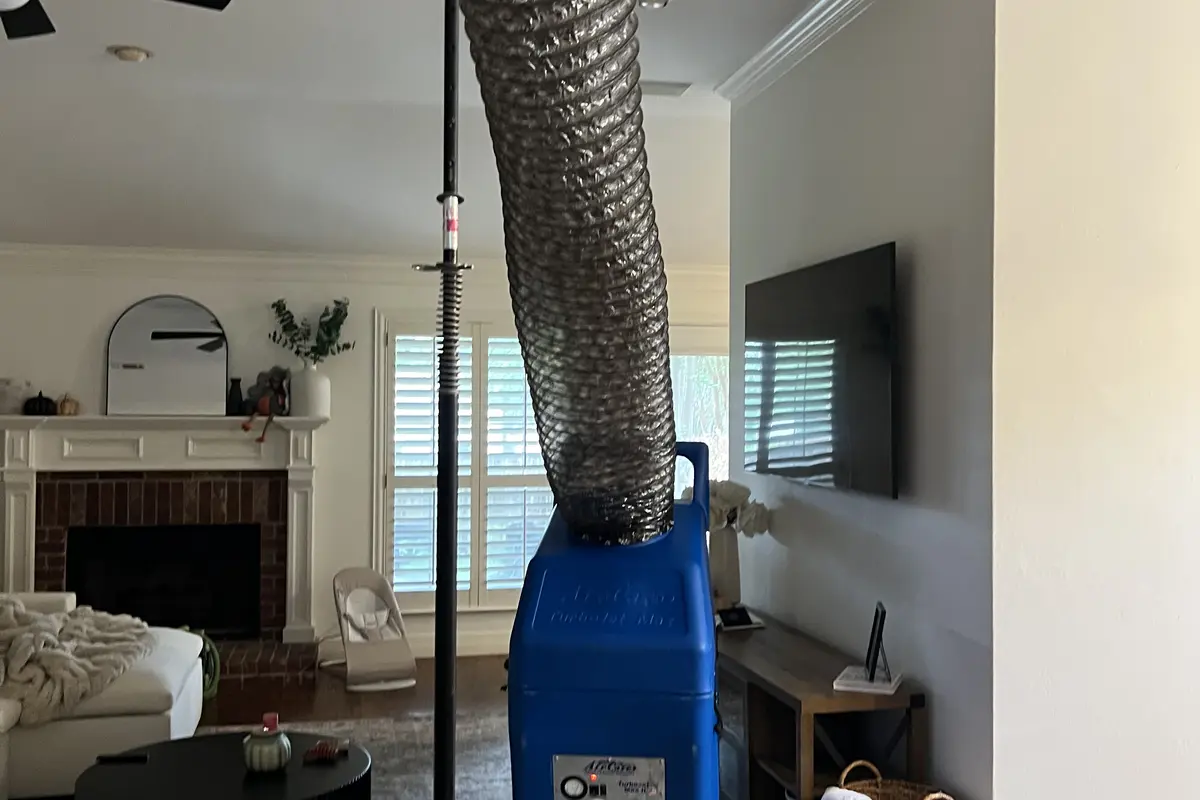
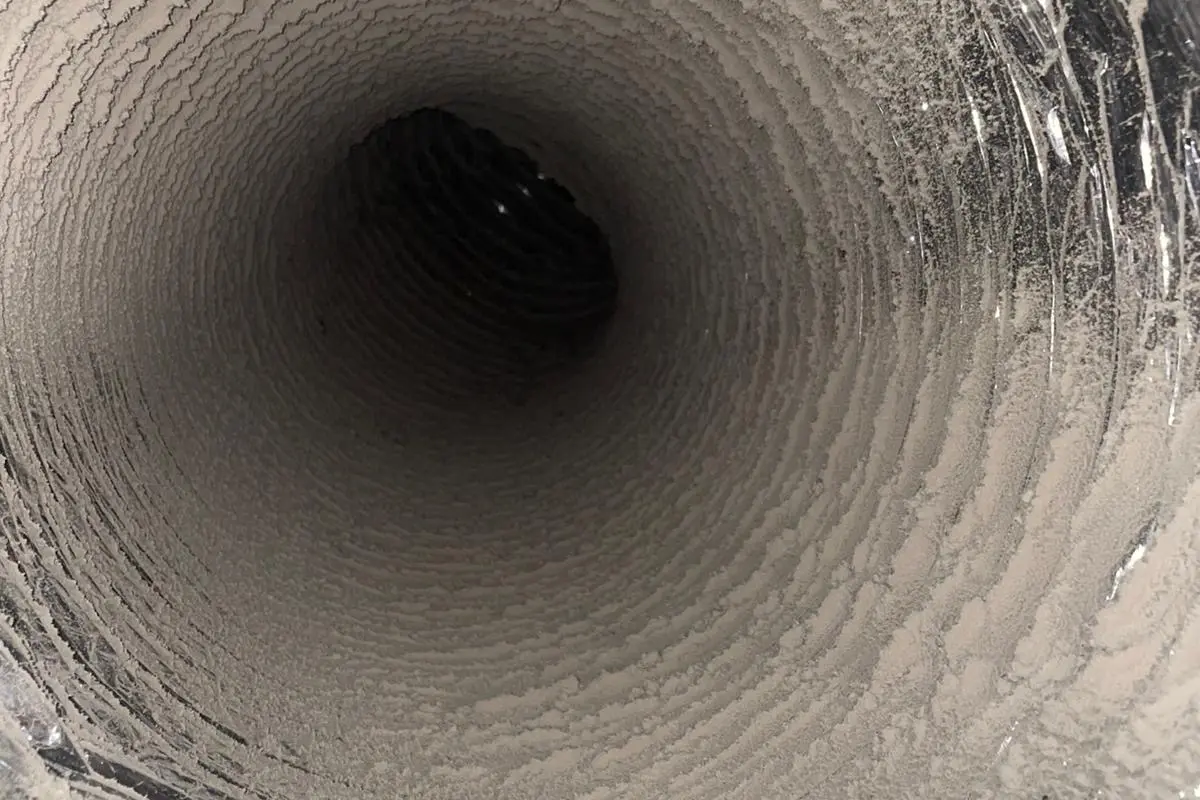
2. Clean air ducts every 3-5 years - removes accumulated debris that your filter cannot catch. Even with a good filter, particles settle on duct walls, at joints, and in trunk lines over time. Professional cleaning with a commercial-grade HEPA vacuum pulls out pounds of accumulated dust, pollen, and pet hair. Homes near heavy construction along the I-35 corridor or in areas like Leander and Manor may need cleaning closer to every 2-3 years.
3. Control humidity with a dehumidifier or your AC - keep it between 30-50% to prevent dust mite and biological growth. Austin humidity runs 65-75% from April through October. A simple $15 hygrometer from a hardware store lets you monitor indoor levels. If your AC runs frequently but indoor humidity stays above 55%, your system may be oversized - a common problem in Texas new construction where builders install larger units than the home actually needs.
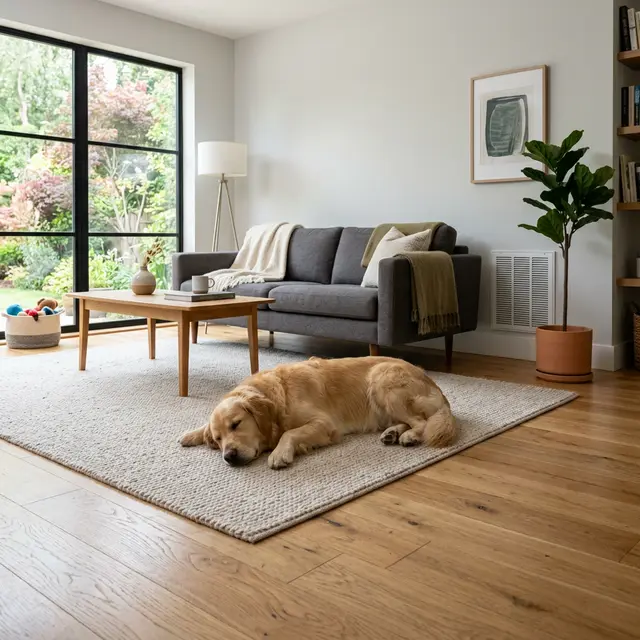
4. Vacuum weekly with a HEPA-filter vacuum - standard vacuums blow fine particles back into the air. A standard vacuum exhausts particles smaller than 10 microns right back into your room. HEPA-filter vacuums trap 99.97% of particles down to 0.3 microns. Focus on high-traffic areas, pet zones, and near HVAC return vents where dust accumulates fastest.
5. Use exhaust fans when cooking and showering - moisture is the enemy of air quality. Run bathroom fans for 15-20 minutes after every shower. Use the kitchen range hood every time you cook. These two activities generate most of the excess moisture in your home, and that humidity spreads through your ductwork to every room if not vented outside.
6. Keep indoor plants to a minimum - overwatered plants promote biological growth in soil. Two or three plants are fine, but filling rooms with plants often raises humidity and biological allergen levels around the pots. If you love plants, use pots with good drainage and avoid overwatering.
7. Open windows when outdoor pollen counts are low (check Austin forecasts at kvue.com/allergy) to flush stale air. Early morning hours on low-pollen days are best. Even 20 minutes of cross-ventilation displaces a significant volume of stale indoor air. Avoid this during cedar season or high-ragweed days when counts spike above 500 grains per cubic meter.
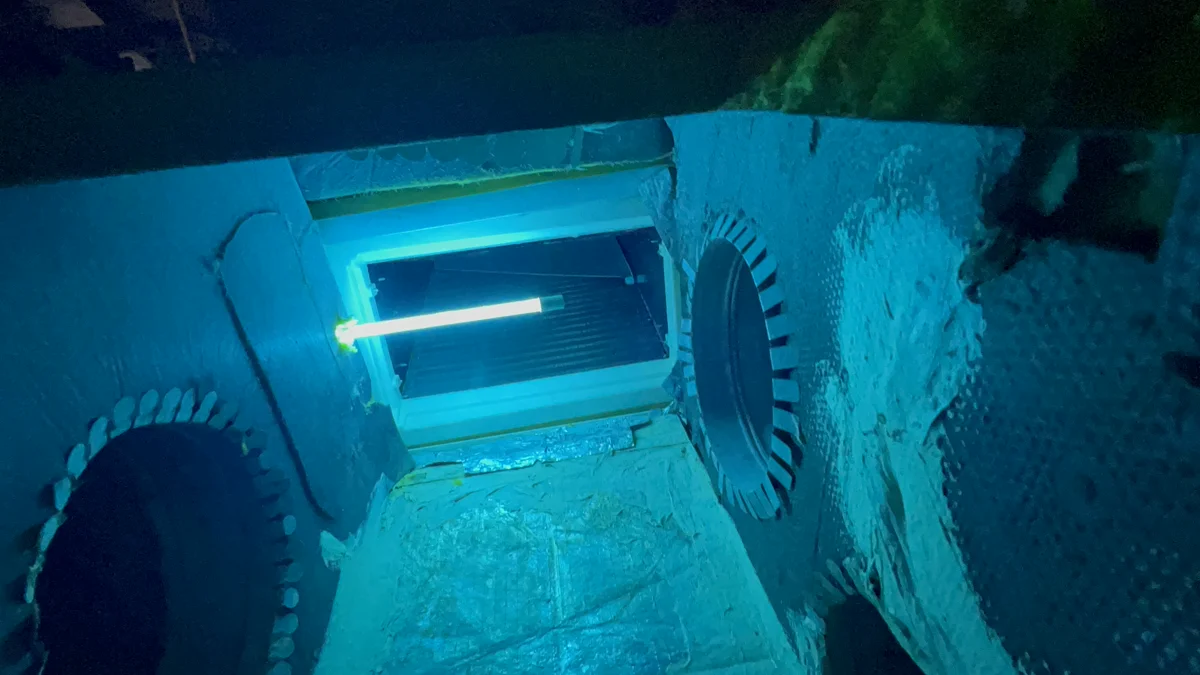
8. Install a UV light in your HVAC air handler - kills airborne bacteria and prevents biological growth on the evaporator coil. UV-C germicidal lights run 24/7 with minimal electricity use. In Austin's humid climate, the evaporator coil stays wet for long periods during cooling season, making it a prime spot for biological growth. UV-C light eliminates this problem entirely.
9. Remove shoes at the door - shoes track in pesticides, lead dust, and allergens. Studies show shoes carry hundreds of thousands of bacteria plus lawn chemicals, pollen, and road dust. A simple shoe rack by the front door keeps those contaminants off your floors and out of the HVAC system.
10. Get your dryer vent cleaned annually - lint in the vent circulates fine particles through your laundry room. Most homeowners do not realize the dryer vent affects indoor air quality, not just fire safety. A partially clogged vent pushes lint particles and moisture back into the laundry room, which the HVAC return vent then distributes through the house.
Quick Wins vs Long-Term Investments
Quick wins (under $50): new MERV 11 filter, humidity monitor, shoe-free policy, exhaust fan use. These cost almost nothing and show results within days. A filter swap takes 30 seconds and immediately captures more airborne particles.
Medium investment: HEPA vacuum, professional duct cleaning, dryer vent cleaning. Duct cleaning every 3-5 years removes accumulated contamination that filters miss. A HEPA vacuum captures fine particles during regular cleaning instead of blowing them back into the air.
Long-term investment: UV light system, whole-home dehumidifier, attic insulation upgrade. These transform your home's air quality permanently. A UV-C system runs continuously with almost no maintenance beyond an annual bulb change. Proper attic insulation (R-38 minimum for Austin) keeps your HVAC from working overtime, which means better temperature control and more consistent air quality throughout the house.
How to Improve Indoor Air Quality Naturally (Without Equipment)
Not every air quality improvement requires buying equipment. Several methods cost nothing and make a measurable difference when practiced consistently. Open windows during low-pollen hours - in Austin, early morning before 8 AM is typically the safest window (check pollen.com for daily counts before opening up). Even 20 minutes of cross-ventilation displaces a significant volume of stale indoor air and reduces CO2 levels that cause afternoon drowsiness. Use exhaust fans every time you cook, not just when something burns - cooking on a gas stove generates PM2.5 particulate and nitrogen dioxide even during normal use, and frying on any stove sends fine oil particles into the air that your HVAC system then distributes to every room.
Remove shoes at the door. This single habit eliminates a surprising volume of contaminants. Shoes track in construction dust from Austin's constant development along the I-35 corridor, lawn pesticides, pollen, and road grime from parking lots. Homes near major construction zones in areas like East Riverside, the Domain, and South Congress see especially high particulate tracked in on footwear. Vacuum with a HEPA-equipped vacuum at least twice per week, focusing on high-traffic areas and near HVAC return vents. Control humidity using bathroom exhaust fans run for 15-20 minutes after every shower - Austin's 67% average humidity feeds biological growth in walls, ducts, and anywhere moisture lingers.
Add a few targeted houseplants. NASA research identified spider plants, pothos, and snake plants as effective filters for common indoor VOCs like formaldehyde and benzene. Two or three plants per room provide modest air-cleaning benefit without raising humidity the way a room full of overwatered plants would. These natural methods complement professional duct cleaning rather than replacing it - you are reducing the rate of new contaminants entering your indoor air while cleaning removes what has already accumulated in the system over years of use.
Concerned About Your Home's Air?
We provide professional air quality assessments for Austin homes. See what is in your ducts before deciding.
Call (512) 601-4451Rate your home's indoor air quality in 2 minutes
Best Indoor Plants for Air Quality
The NASA Clean Air Study identified several common houseplants that actively filter indoor pollutants including formaldehyde, benzene, and trichloroethylene. Spider plants, pothos, snake plants, peace lilies, and rubber plants ranked among the most effective. In Austin, snake plants are a particularly smart choice because they thrive in heat and tolerate the low indoor humidity that comes with running AC for 10 months straight. Peace lilies handle the low light conditions of interior rooms and hallways where windows are limited.
The general recommendation is one plant per 100 square feet of living space. A 2,000-square-foot home would benefit from roughly 20 plants spread across rooms. That said, plants alone cannot replace professional air filtration or duct cleaning - they supplement it. The volume of air a plant processes is modest compared to the thousands of cubic feet per minute your HVAC system moves. Think of plants as a passive background filter that chips away at VOC levels between professional cleanings.
One important caveat for Austin homeowners: overwatered plants increase indoor humidity, and in a city that already averages 67% ambient humidity, that excess moisture can promote mold growth in soil, on walls, and inside ductwork. Use pots with proper drainage, avoid standing water in saucers, and monitor your indoor humidity with a hygrometer. If humidity creeps above 55%, your plants may be contributing to a moisture problem that offsets their air-cleaning benefit. The balance is worth striking - just be intentional about watering habits and pot placement near HVAC return vents.
Austin-Specific Air Quality Challenges
Austin's geography and climate create air quality problems that other cities do not face. Year-round pollen, high humidity, rapid construction, and long HVAC running seasons mean Austin homes accumulate indoor pollutants faster than homes in most other U.S. cities.
Cedar pollen is unique to Central Texas and it is among the most allergenic pollens in North America. From December through March, pollen counts regularly exceed 10,000 grains per cubic meter, with peak days above 20,000. That pollen enters your home through every gap and settles in your ductwork. Cleaning ducts in late March after cedar season ends removes the accumulated load before spring allergens arrive.
The I-35 corridor construction, ongoing development in Leander, Liberty Hill, Manor, and Kyle, and urban infill projects across central Austin all contribute fine particulate that enters homes through HVAC intakes. If you have implemented the quick wins on this list and want to tackle the bigger improvements - duct cleaning, UV light, or insulation - call (512) 601-4451 and tell us which tips you have already checked off. We will help you figure out which investment makes the biggest difference for your specific home.
Related Services
Learn more about our professional services related to this topic:
- Air Duct Cleaning - Remove dust, allergens, and debris from your entire HVAC system for cleaner indoor air.
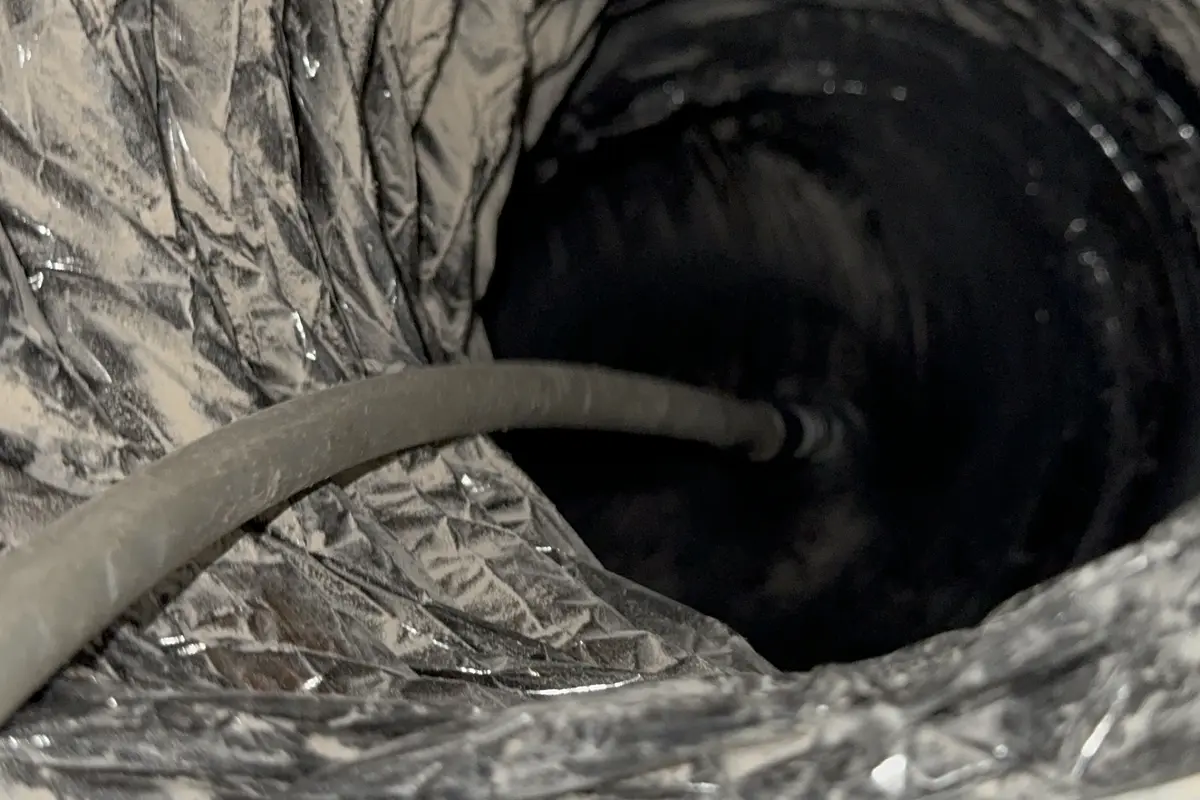
- Air Duct Inspection - Diagnose leaks, blockages, and efficiency issues with HD camera inspection.
- UV Lighting System - Eliminate bacteria and allergens inside your HVAC with UV-C light technology.
Want the full picture?
Read our complete guide: Indoor Air Quality in Austin: The Complete Guide (2026) →Have questions about indoor air quality? Our team is available 7 days a week. Call us at (512) 601-4451 or visit our contact page.