How old is your home?
Older homes accumulate more debris in ductwork over time.
Understanding Your Indoor Air Quality Score
The Indoor Air Quality Score Quiz evaluates your home's air quality on a 0-100 scale based on eight key factors that directly affect what you and your family breathe. Each question is weighted by its impact on indoor air quality, producing a score that reflects your home's current conditions and identifies specific areas for improvement.
Score Ranges and What They Mean
Your score falls into one of four categories, each with a distinct set of recommendations:
| Score Range | Rating | What It Means | Recommended Action |
|---|---|---|---|
| 80 - 100 | Excellent | Your home's indoor air quality is in great shape. Good maintenance habits are keeping contaminant levels low. | Maintain current routines. Schedule duct cleaning every 3-5 years and change filters regularly. |
| 60 - 79 | Fair | Air quality is decent but there is room for improvement. A few targeted actions can make a noticeable difference. | Address the highest-impact factor first, typically duct cleaning or filter upgrades. Consider a professional inspection. |
| 40 - 59 | Needs Attention | Several factors are working against the air your family breathes. You may notice symptoms like persistent dust, odors, or allergy flare-ups. | Schedule a professional duct inspection and cleaning. Upgrade to a higher-MERV filter. Address any moisture issues. |
| 0 - 39 | Action Needed | Multiple risk factors are affecting your home's air. Indoor air quality at this level can contribute to respiratory issues, poor sleep, and increased allergy symptoms. | Professional duct cleaning and inspection is strongly recommended. Consider UV lighting, duct sealing, and insulation upgrades for a comprehensive solution. |
Scoring Criteria: The Eight Factors
The quiz evaluates eight factors, each weighted by its relative impact on indoor air quality:
- Home age (weight: 1.0x) - Older homes accumulate more debris in ductwork over time. Homes over 30 years old receive the lowest score in this category.
- Last professional duct cleaning (weight: 1.5x - highest) - The most heavily weighted factor. The NADCA recommends cleaning every 3-5 years. Homes that have never had their ducts cleaned score lowest.
- Pets (weight: 1.0x) - Pet dander is one of the top indoor air pollutants. Multiple pets or large dogs produce substantially more dander and hair that accumulates in ductwork.
- Allergies or asthma in household (weight: 1.25x) - Existing respiratory sensitivities indicate a greater need for clean indoor air. Severe symptoms suggest the current environment may be actively contributing to health issues.
- Air filter change frequency (weight: 1.25x) - A clean filter is the HVAC system's first line of defense. Monthly changes score highest; rarely or never changing filters scores lowest.
- Dust buildup speed (weight: 1.0x) - Rapid dust accumulation on surfaces within days of cleaning is a clear indicator of contaminated ductwork distributing particles throughout the home.
- Musty odors when HVAC runs (weight: 1.25x) - Musty smells indicate biological growth or trapped moisture in ductwork. Frequent odors score significantly lower than occasional or never.
- Water damage history (weight: 1.25x) - Moisture intrusion can compromise indoor air quality for years after the visible damage is repaired. Significant flooding or prolonged leaks receive the lowest score.
Common Austin Air Quality Factors
Austin homeowners face several regional air quality challenges that make duct maintenance especially important:
- Cedar pollen (Mountain Cedar / Ashe Juniper) - Central Texas experiences heavy cedar pollen from December through February. These allergen particles enter HVAC return vents and accumulate in ductwork, recirculating through the home long after pollen season ends.
- Extreme summer heat - Austin averages 29 days per year at or above 100 degrees Fahrenheit. Extended HVAC run times mean air passes through dirty ducts more frequently, distributing more contaminants throughout the home.
- Pet ownership - Austin consistently ranks among the most pet-friendly cities in the United States. High rates of pet ownership mean more homes deal with dander and hair accumulation in ductwork.
- Construction and development dust - Ongoing construction across the Austin metro area generates fine particulates that enter homes through gaps in the building envelope and open windows, settling in duct systems.
- Humidity and moisture - Austin's humid subtropical climate can create moisture conditions in ductwork, especially in poorly insulated attic spaces where temperature differentials cause condensation.
- Oak and grass pollen - Beyond cedar, Austin has elevated oak pollen from February through May and grass pollen from April through October, creating nearly year-round pollen exposure.
Recommendations by Score Level
Based on your quiz answers, the tool generates personalized recommendations from these common improvement areas:
- Professional duct cleaning - Recommended for homes that have not been cleaned in 3+ years or have never been cleaned. Removes accumulated dust, allergens, pet dander, and debris from the entire duct system. Learn about air duct cleaning.
- Air filter upgrades - Higher-MERV rated filters capture smaller particles, including pollen and pet dander. Most Austin homes benefit from MERV 11-13 filters changed every 1-3 months. Read the MERV filter guide.
- Duct inspection - An HD camera inspection reveals exactly what is inside your ductwork and identifies any damage, leaks, or contamination sources. Learn about duct inspection.
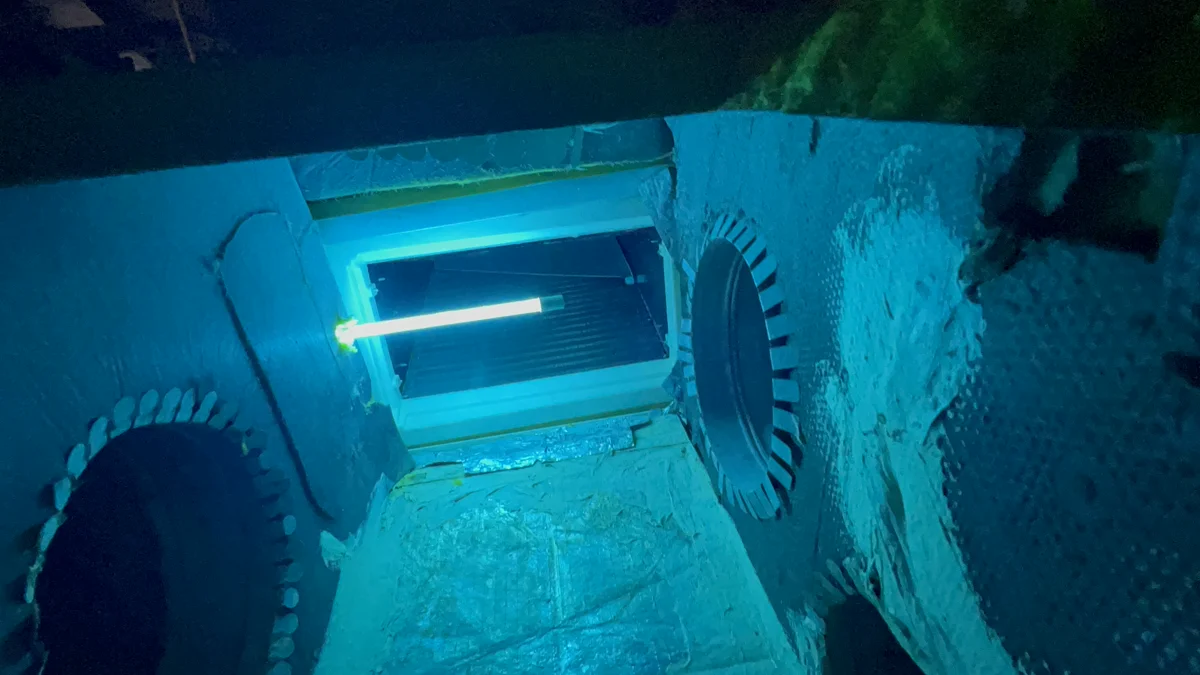
- UV lighting system - UV-C lights installed in the HVAC system continuously neutralize bacteria, viruses, and biological contaminants as air circulates. Recommended for homes with allergy sufferers and persistent odor issues. Learn about UV lighting.
- Attic insulation upgrade - Homes over 15 years old often have inadequate insulation, which increases HVAC strain and allows more contaminants to enter the duct system. Learn about attic insulation.
- Dryer vent cleaning - A clogged dryer vent does not directly affect duct air quality but can introduce lint and moisture into the home environment. Learn about dryer vent cleaning.
For a comprehensive assessment of your home's indoor air quality, contact Air Central at (512) 601-4451. Our technicians use HD cameras to inspect your ductwork and provide specific, actionable recommendations based on your home's conditions. Trusted by 500+ Austin homeowners with a 5.0-star Google rating.