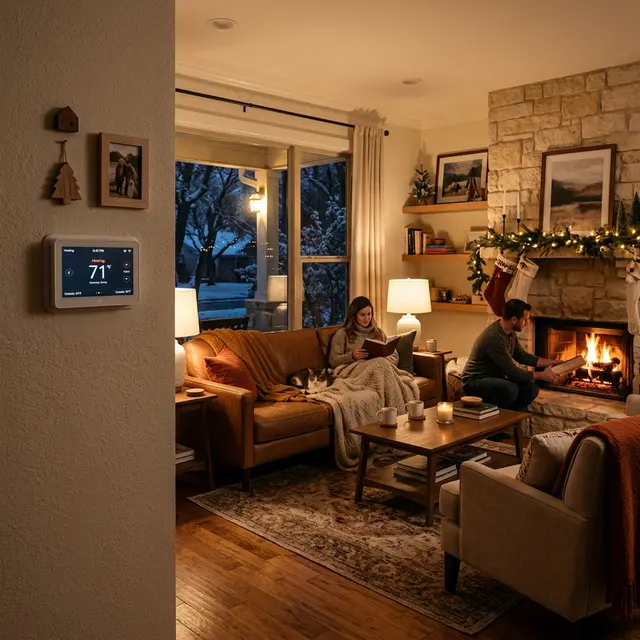
Austin winters are mild but unpredictable - test your heater before the first cold front, replace the filter, check for gas leaks if you have a furnace, and reverse ceiling fan direction to push warm air down.
Austin Winter Is Different
Austin rarely stays below freezing for more than a few days, but when it does, it hits hard (as Winter Storm Uri proved in 2021). Most Austin homes rely on heat pumps, which lose efficiency below 35F. Some older homes have gas furnaces. Either way, the system that sat idle since April needs attention before you rely on it.
The typical Austin winter bounces between 70F afternoons and 30F mornings, sometimes within the same week. Your HVAC system may switch between heating and cooling multiple times in a single day during November and March. This constant mode-switching stresses components that have been running cooling-only for six months. Testing your heat before you actually need it gives you time to fix problems without freezing in the process.
Heating System Specifics
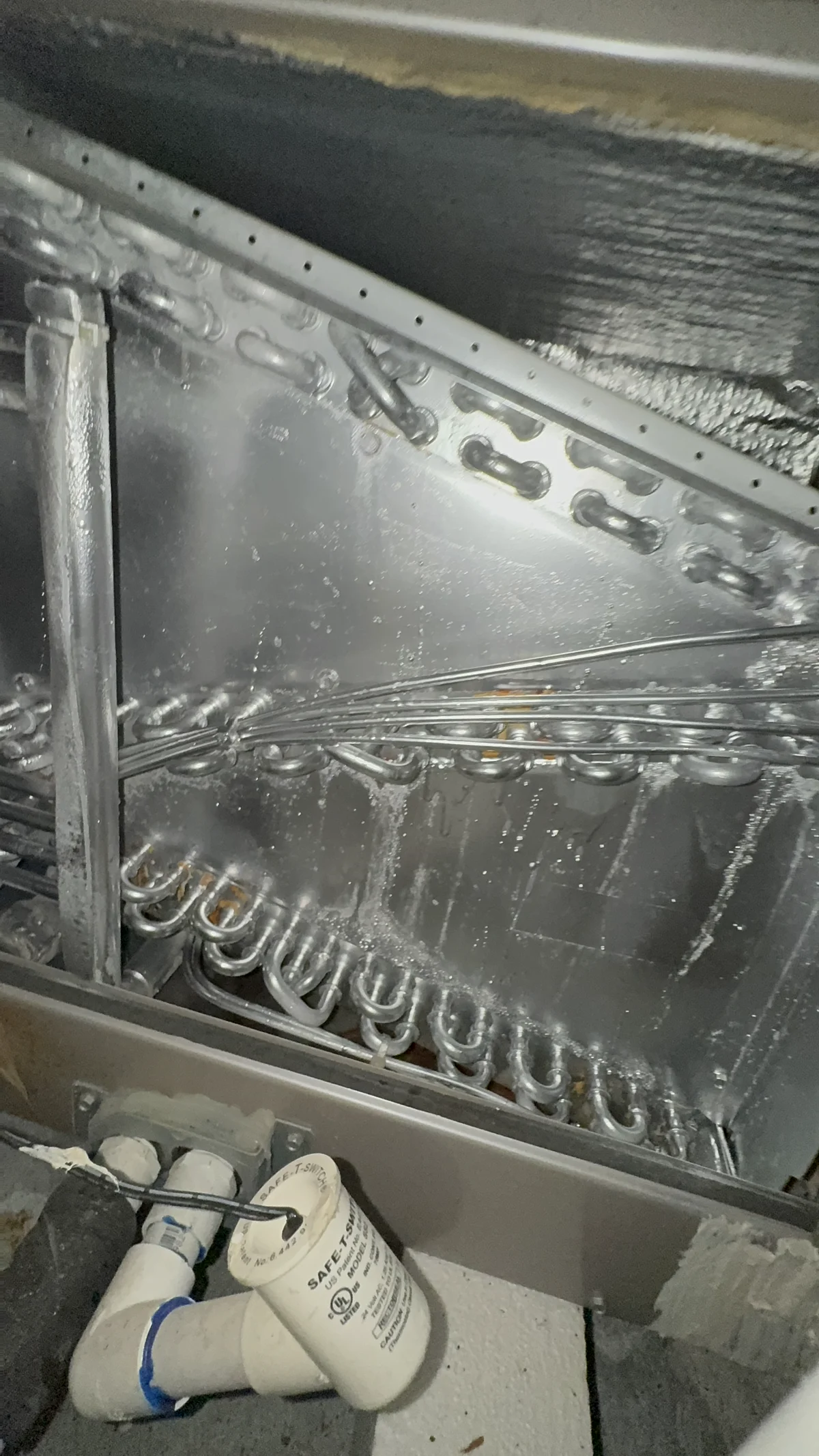
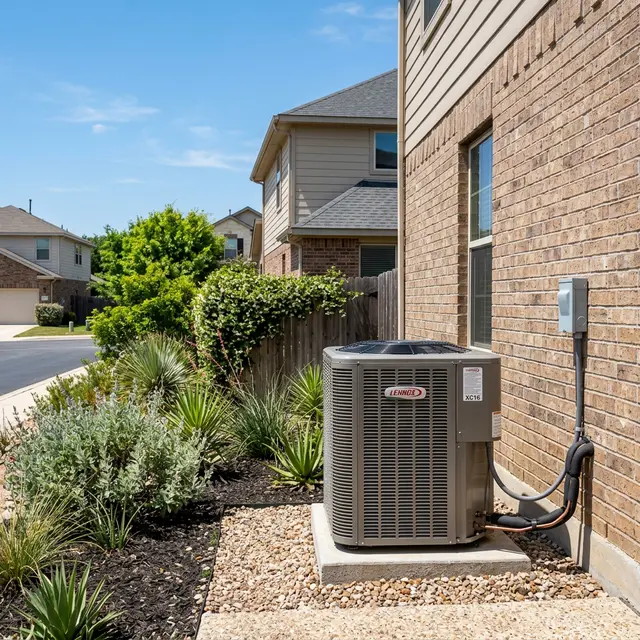
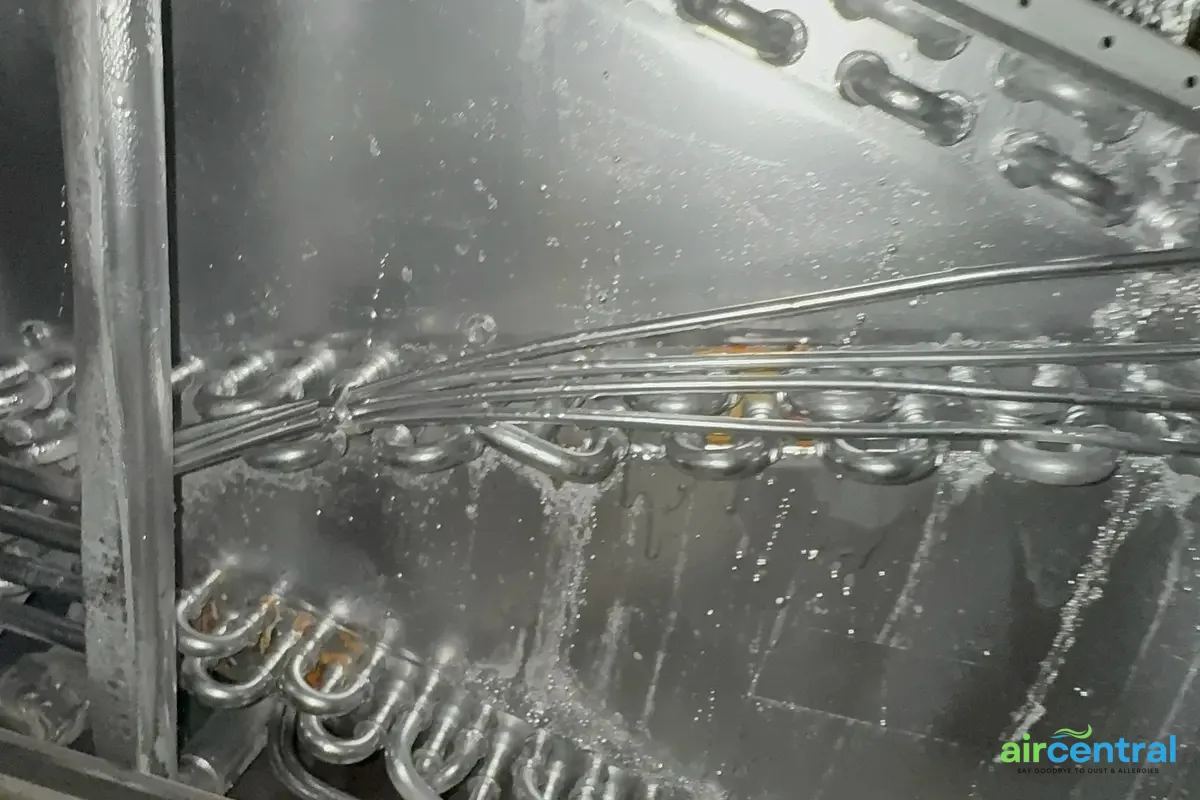
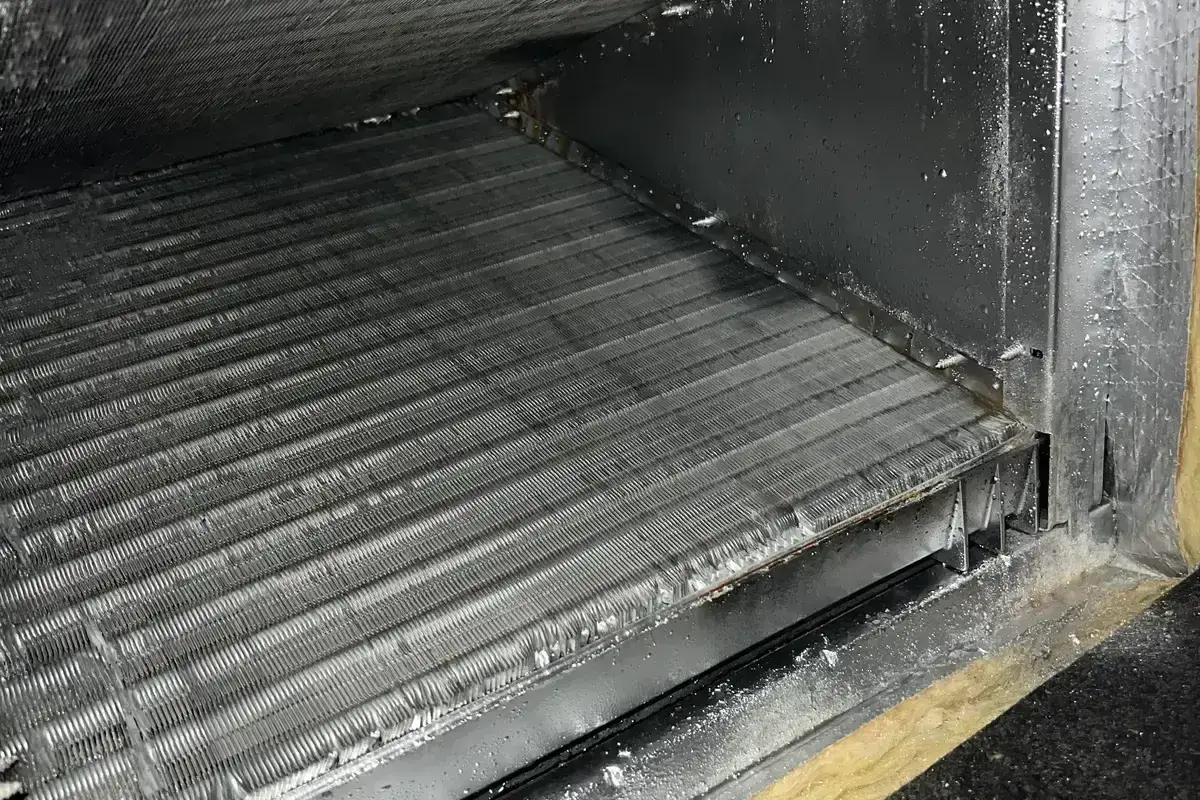
Heat pumps (most common in Austin): These work by reversing the AC cycle - instead of pulling heat out of your home, they pull heat from outdoor air and pump it inside. They are efficient down to about 35-40F. Below that, supplemental electric resistance heat strips kick in, which cost roughly three times more per hour to run. If your heat pump cannot maintain temperature during a cold snap, make sure the auxiliary heat setting is enabled on your thermostat. A technician should check the reversing valve (the component that switches between heating and cooling) during your fall tune-up.
Gas furnaces (older Austin homes): Check for gas odor near the furnace and at the gas meter. Verify the pilot light or electronic ignition is working before the first cold night. Have the heat exchanger inspected for cracks - a cracked heat exchanger can leak carbon monoxide into your home. Install a CO detector near the furnace if you do not already have one. Gas furnaces should be inspected annually by a licensed technician.
Winter Prep Checklist
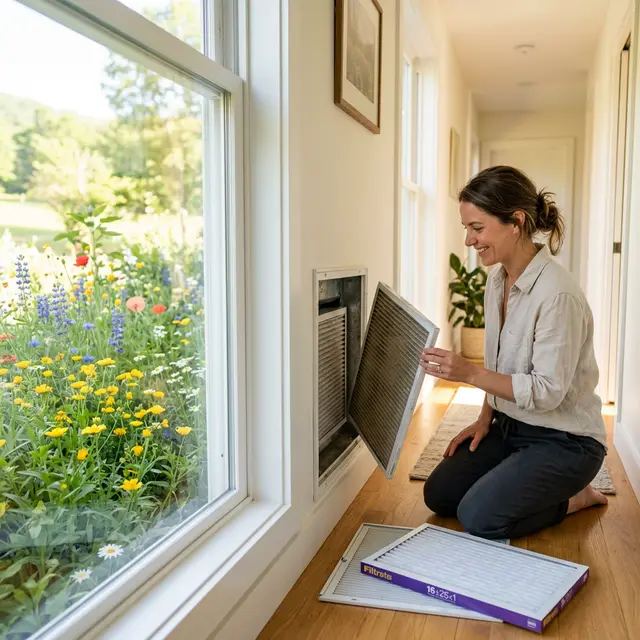
1. Test your heater early - turn it on in October and let it run for 30 minutes. A burning smell on first run is normal (dust burning off the heat strips or heat exchanger) but should dissipate within an hour. If the smell persists or smells like burning plastic or wiring, shut the system off and call a technician. 2. Replace the air filter - your filter has been working hard through summer and fall allergen seasons. 3. If you have a gas furnace, check for gas odor and verify the pilot light or electronic ignition is working. 4. Reverse ceiling fans to clockwise (updraft mode) at low speed to push warm air down from the ceiling without creating a draft.
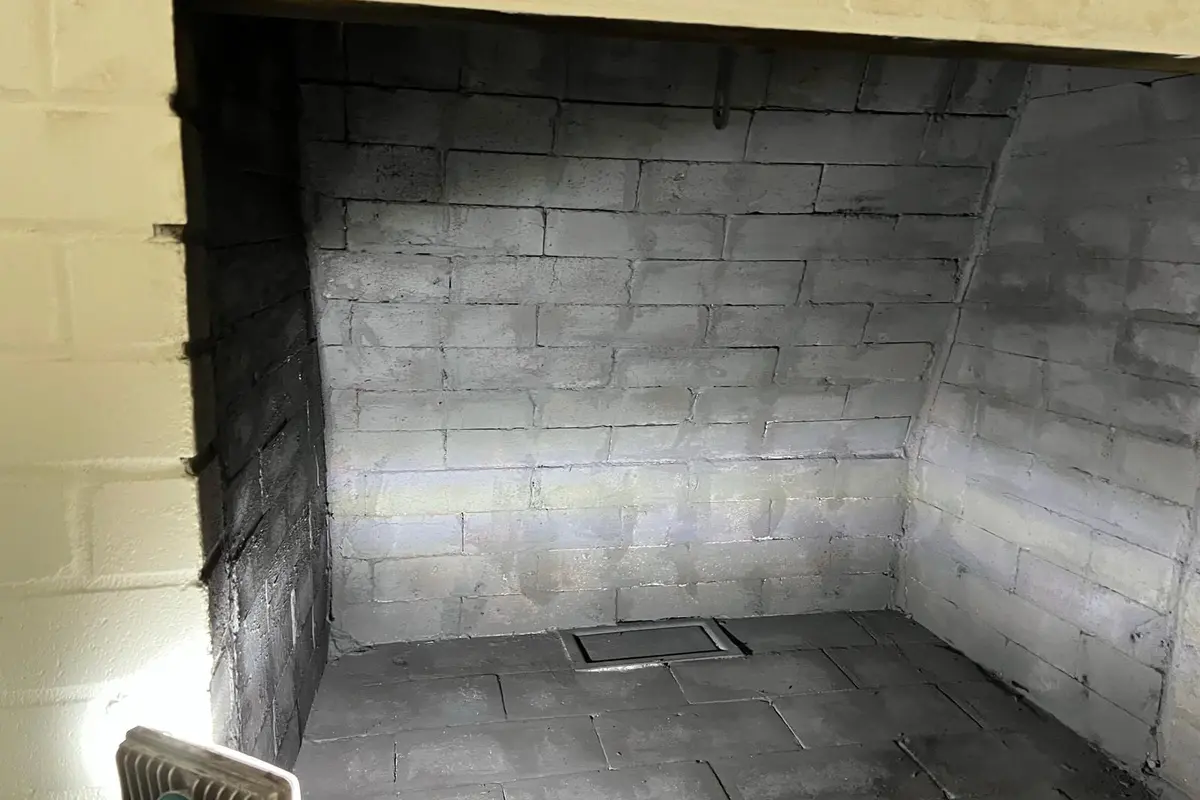
5. Check weatherstripping around doors and windows - cold air infiltration makes your heating system work harder and drives up bills. 6. Insulate exposed pipes in the attic and garage with foam pipe insulation ($3-$5 per 6-foot section). 7. Know where your water shutoff valve is in case of a freeze - practice turning it off so you can act fast in an emergency. 8. If you have a fireplace, schedule a chimney sweep before using it. 9. Consider adding attic insulation if your home is drafty - this helps retain heat and reduces heating costs by 10-20%. 10. Seal any gaps around plumbing and electrical penetrations in exterior walls with expanding foam.
Ready to Get Your System Checked?
Seasonal tune-ups catch small problems before they become expensive emergencies. Same-day service available.
Call (512) 601-4451Estimate how much you could save on energy bills
Fireplace Prep and Cedar Season HVAC Overlap
Austin's fireplace season overlaps directly with cedar pollen season. Cedar pollen typically peaks from mid-December through mid-February - the same months you want to use your fireplace. This creates a conflict: opening the damper and burning fires introduces some outside air (and pollen) into your home. To minimize the impact, make sure your HVAC filter is fresh MERV 11 before December, and change it monthly through March. Run your HVAC fan on the ON setting (not AUTO) when using the fireplace to keep air circulating through the filter.
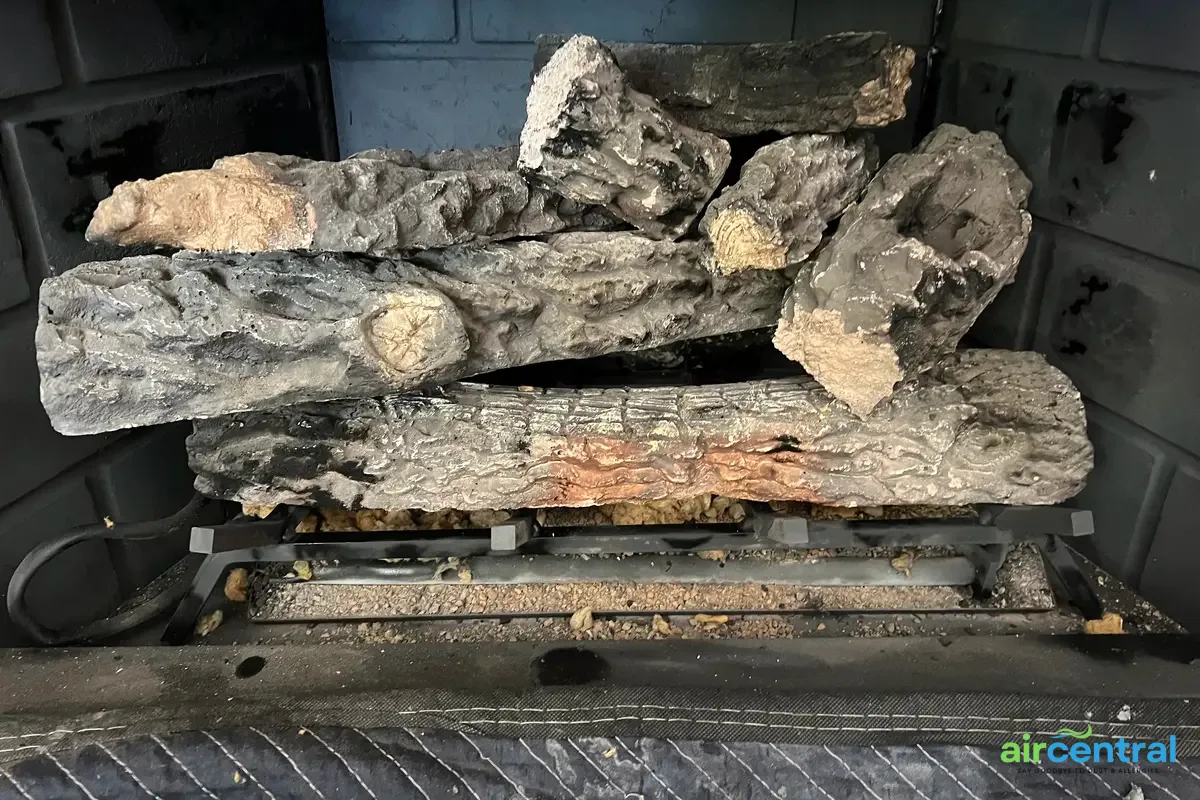
If you have a gas fireplace, now is the time for that annual inspection. Have the burner cleaned, ignition system tested, and gas connections checked before the first cold front. For wood-burning fireplaces, schedule a chimney sweep in September or October while availability is good. Stock up on seasoned hardwood - dry oak and pecan are the best options available locally. Avoid buying wood from big box stores unless you verify it has been dried at least 6 months; green wood produces excessive creosote and poor heat output.
Emergency Freeze Prep
When a hard freeze is forecast: open cabinet doors under sinks (both kitchen and bathrooms), let faucets drip at a slow steady stream (both hot and cold lines), set thermostat to at least 65F and do not lower it overnight, and consider opening the attic hatch slightly to let warm air reach pipes in the attic. If your heat pump cannot keep up below 25F, use space heaters safely (never leave unattended, keep 3 feet from combustibles, plug directly into wall outlets not extension cords).
For extended freezes lasting more than 24 hours, monitor your indoor temperature closely. If it drops below 55F despite the heater running, you likely have a system problem or the demand exceeds the system capacity. In that case, close off unused rooms, hang blankets over doorways to concentrate heat in living areas, and call your HVAC company as early as possible - during freeze events, wait times can stretch to 24-48 hours. After any freeze event, walk your property and check for burst pipes, especially in the attic, garage, and exterior walls. Water damage from a burst pipe compounds quickly and can cost $5,000-$20,000 if not caught early.
Related Services
Learn more about our professional services related to this topic:
- Air Duct Cleaning - Remove dust, allergens, and debris from your entire HVAC system for cleaner indoor air.
- Dryer Vent Cleaning - Clear lint buildup to prevent fires and cut drying time in half.
- Chimney Sweep & Repair - Professional cleaning and 21-point safety inspection for your fireplace.
- Attic Insulation - Premium blown-in insulation to cut energy costs and improve year-round comfort.
Want the full picture?
Read our complete guide: Austin HVAC Seasonal Maintenance: Month-by-Month Guide →Have questions about seasonal guides? Our team is available 7 days a week. Call us at (512) 601-4451 or visit our contact page.