A dusty Austin home is almost always caused by your HVAC system - leaky ductwork pulling in attic debris, the wrong air filter for our heavy pollen loads, or years of accumulated contamination inside your ducts that recirculates every time the system runs. Fixing the source (not just dusting more often) requires addressing ductwork, filtration, and home sealing together.
Why Austin Homes Are Dustier Than You Think
If you feel like you are dusting your furniture every other day and it still looks like nobody bothered, you are not imagining things. Austin homes are genuinely dustier than homes in most American cities, and it has nothing to do with how clean you keep your house. The combination of Central Texas soil, year-round pollen, constant HVAC operation, and a building boom that has been running for over a decade creates dust conditions that are measurably worse than the national average.
The Asthma and Allergy Foundation of America has repeatedly ranked Austin among the worst cities in the country for airborne allergens. Cedar pollen from December through March, oak pollen in spring, ragweed in fall, and grass pollen in between mean there are roughly two weeks of the year when significant pollen is not entering your home. Add in the caliche soil that covers much of Central Texas - a calcium carbonate-rich calcium deposit that becomes fine airborne particulate every time it dries out - and you have an environment where the outdoors is constantly feeding dust into your home through every possible opening.
But here is what most people miss: the biggest dust source in your home is not coming from outside. It is your HVAC system. Your ducts, your filter, your return vents, and the seals on your ductwork determine how much of that dust recirculates through your living space versus getting captured and removed. A home with clean ducts, the right filter, and sealed ductwork will have noticeably less surface dust than an identical home next door with neglected HVAC infrastructure. The difference is not subtle - it is the difference between dusting once a week and dusting every day.
"When homeowners tell me their house is always dusty no matter what they do, I already know the answer before we run the camera," says Nessi Ziv, owner of Air Central. "In over 10,000 Austin homes, the cause is the ductwork about 85% of the time. Your HVAC system circulates air 5-7 times per day - if the ducts are dirty, every cycle pushes more dust into your rooms."
Your HVAC Air Filter Is Wrong for Your Home
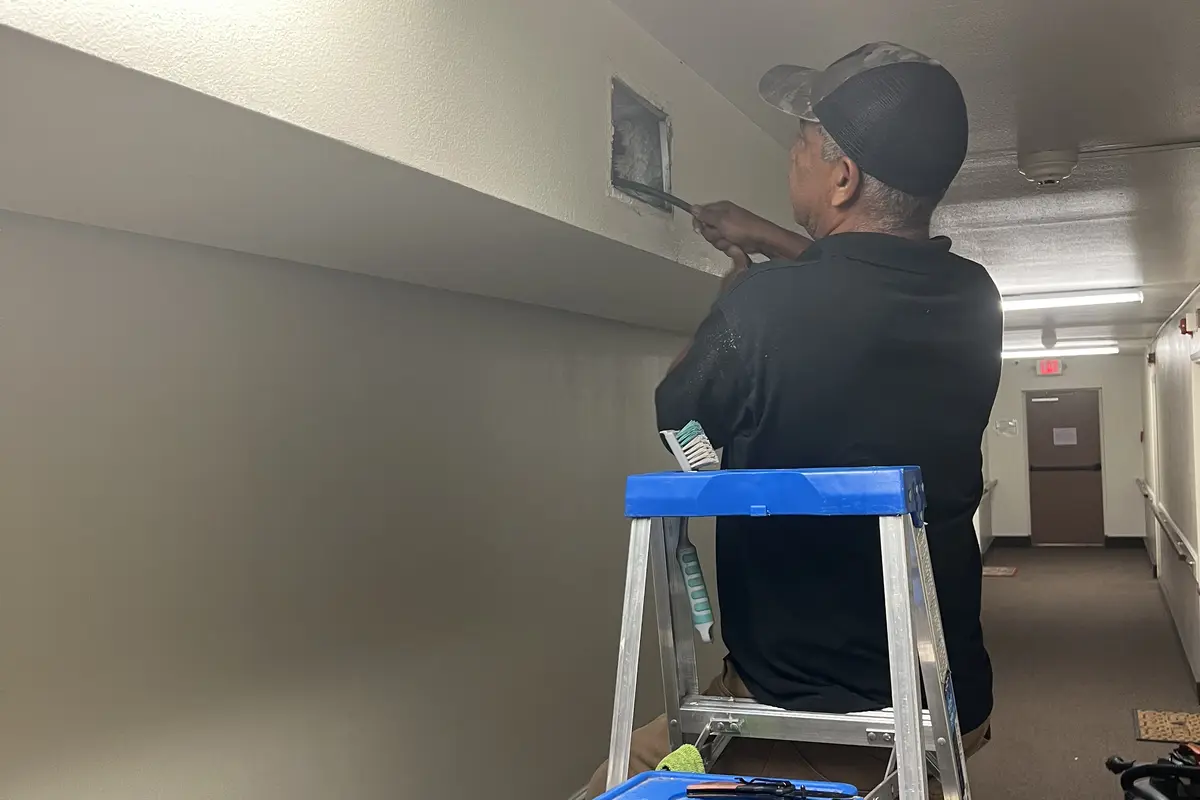
This is the single most common cause of excessive dust in Austin homes, and it is the easiest to fix. Most homeowners grab whatever filter is cheapest at the hardware store - a basic fiberglass panel rated MERV 1 to MERV 4. These filters exist to protect your HVAC equipment from large debris like lint and carpet fibers. They were never designed to capture the fine particles that make your home dusty. A MERV 4 filter captures less than 20 percent of particles in the 3-10 micron range, which includes most pollen, pet dander, and fine household dust. The other 80 percent passes straight through the filter and gets distributed to every room in your house.
In Austin specifically, the problem is worse because our dominant allergens are particularly fine. Cedar pollen grains are roughly 20-30 microns - small enough that a basic filter catches some but not most of them. Dust mite waste particles are 10-20 microns. Pet dander is even smaller at around 2.5 microns. If your filter cannot capture these, your HVAC system is essentially a dust distribution machine that runs 10-11 months per year.
The fix is straightforward: upgrade to a MERV 11 filter at minimum, or MERV 13 if your system can handle the airflow restriction. A MERV 11 filter captures 85 percent of particles between 1-3 microns, which covers the vast majority of what makes your home dusty. The cost difference is a few dollars per filter. Change it every 60-90 days, and during cedar season (December through March), check it monthly. A loaded filter does not filter - it just restricts airflow and forces your system to work harder.
One critical note: not every HVAC system can handle a high-MERV filter. Older systems or undersized blower motors may struggle with the increased airflow resistance of a MERV 13 filter, which can cause the evaporator coil to freeze or the system to short-cycle. If you are upgrading from a MERV 4 to a MERV 13, have an HVAC professional verify that your system can handle it. In most cases, MERV 11 is the sweet spot that delivers significantly better filtration without stressing the system.
Leaky Ductwork Is Pulling Dust From Your Attic and Walls
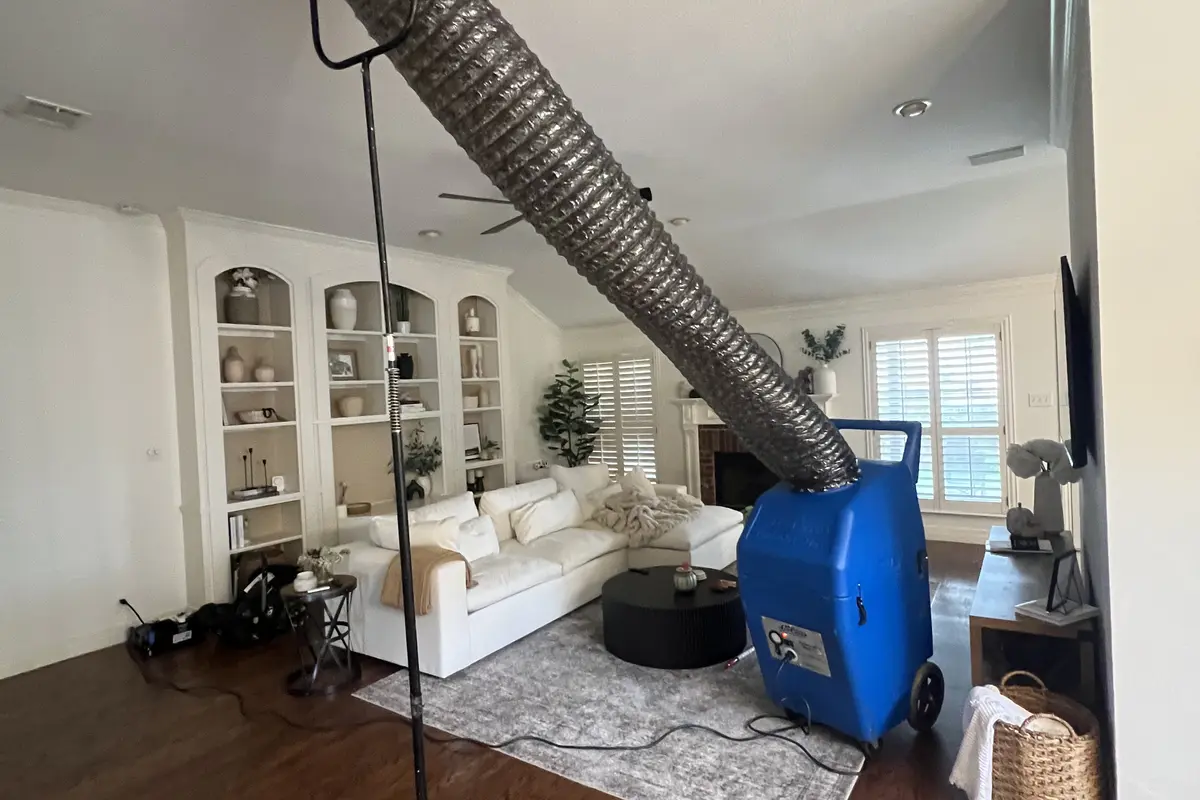
This is the cause that surprises most homeowners because you cannot see it happening. Your ductwork runs through unconditioned spaces - typically your attic, sometimes crawl spaces or wall cavities. When duct joints are loose, seams are unsealed, or connections have separated, the negative pressure created by your blower motor pulls air from those unconditioned spaces directly into your airstream. That means attic air loaded with insulation fibers, dust, pollen, and whatever else has accumulated up there gets sucked into your ducts and blown into your living space every time the system cycles.
According to ENERGY STAR, the average American home loses 20-30 percent of conditioned air through duct leaks. In Austin, where most homes use flex duct running through superheated attics, the problem is often worse. Flex duct connections rely on mastic sealant and metal clamps at every joint, and over time the combination of extreme heat cycling (150+ degrees in summer attics, near-freezing on winter nights) and physical shifting loosens those connections. A gap of just a quarter inch at a duct boot where the duct connects to the ceiling register is enough to pull significant volumes of attic air into your system.
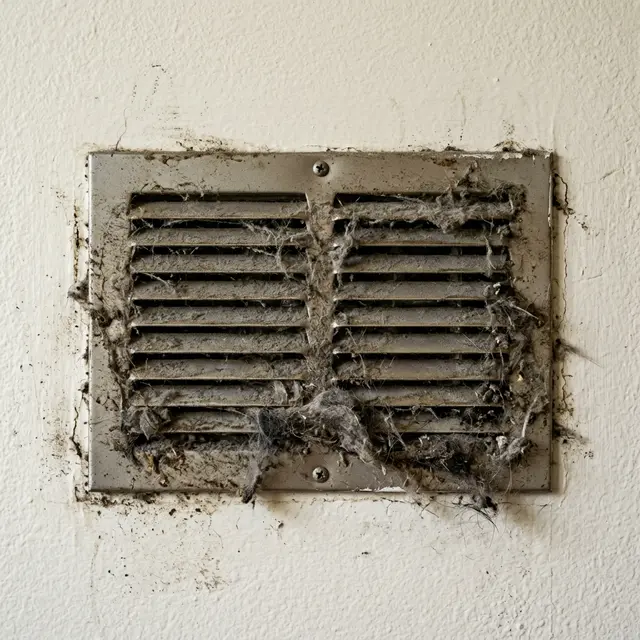
The telltale sign of duct leaks is dust that seems to appear from nowhere even with a good filter and regular cleaning. If you are changing your filter on schedule, using a MERV 11 or better, and still finding heavy dust on surfaces near supply vents, your ducts are almost certainly pulling contaminated air from somewhere other than your return vents. Another clue is insulation fibers on or near vent covers - if you see small white or pink fibers, attic insulation is entering the airstream through a duct leak.
Professional duct sealing addresses this by identifying leak points with a camera inspection and sealing them with mastic or UL-rated tape. This is not a DIY job in most cases because the worst leaks are typically at connections deep in the attic where ducts meet the trunk line or where branch runs connect to register boots above your ceilings. Sealing these leaks not only reduces dust but also improves your HVAC efficiency by 15-25 percent because conditioned air actually reaches the rooms it is supposed to reach.
Your Ducts Have Never Been Cleaned - or Not Recently Enough
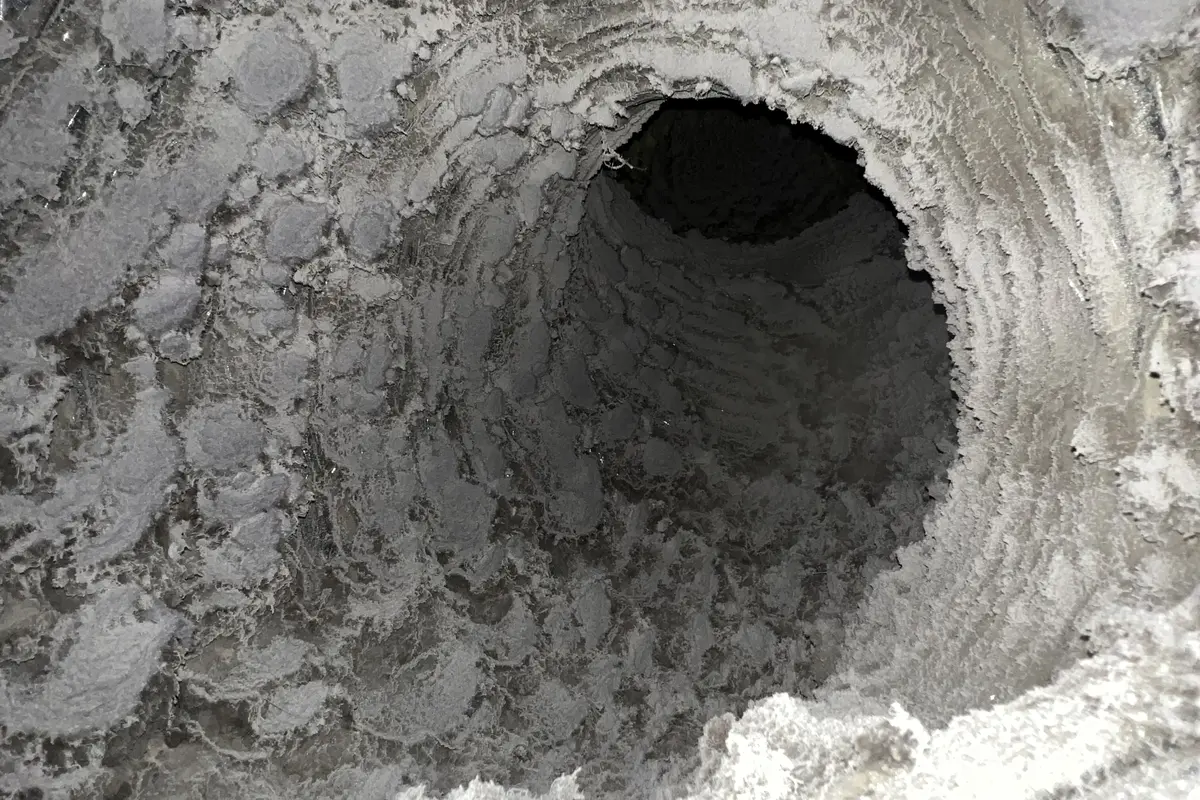
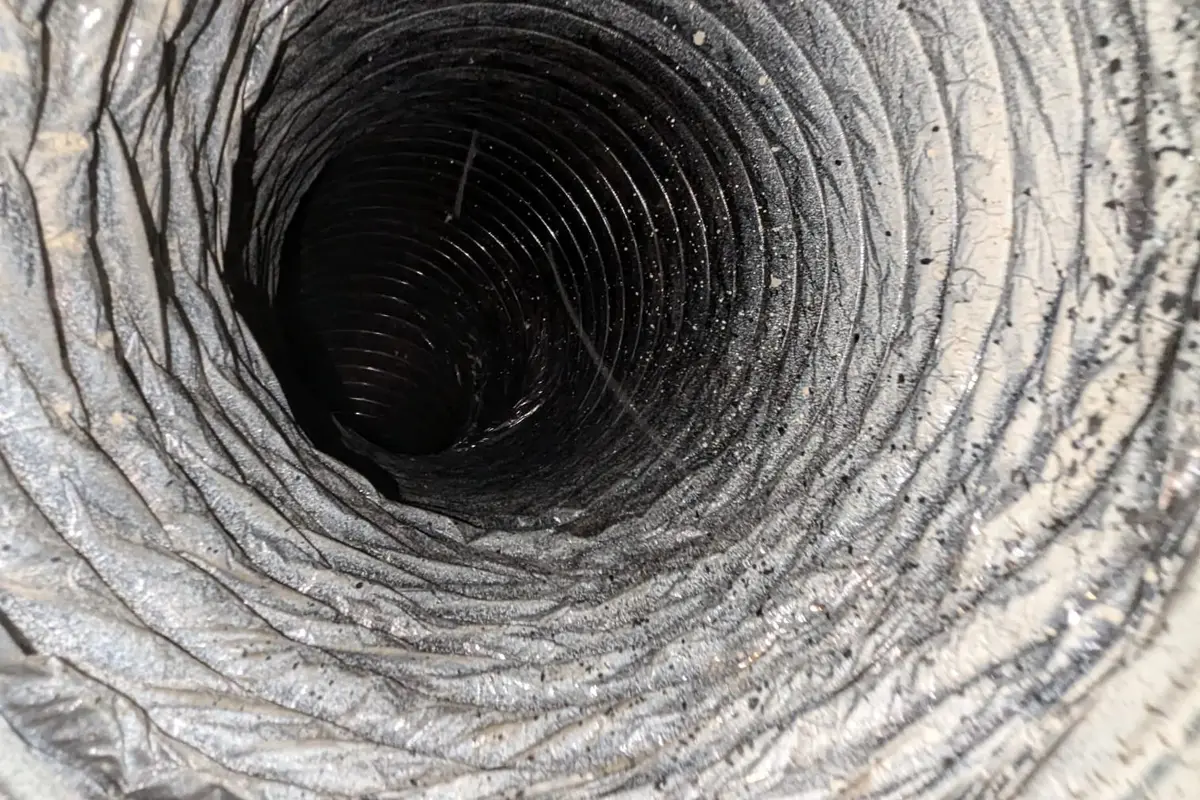
If your home is more than five years old and the ducts have never been professionally cleaned, there is a layer of accumulated dust, pollen, pet dander, and debris coating the inside of every duct run in your house. Every time your HVAC system cycles - which in Austin means nearly every hour for 10-11 months of the year - airflow disturbs that layer and sends particles back into your living space. No amount of dusting, vacuuming, or filter upgrades will solve the problem because the source is inside the ductwork itself.
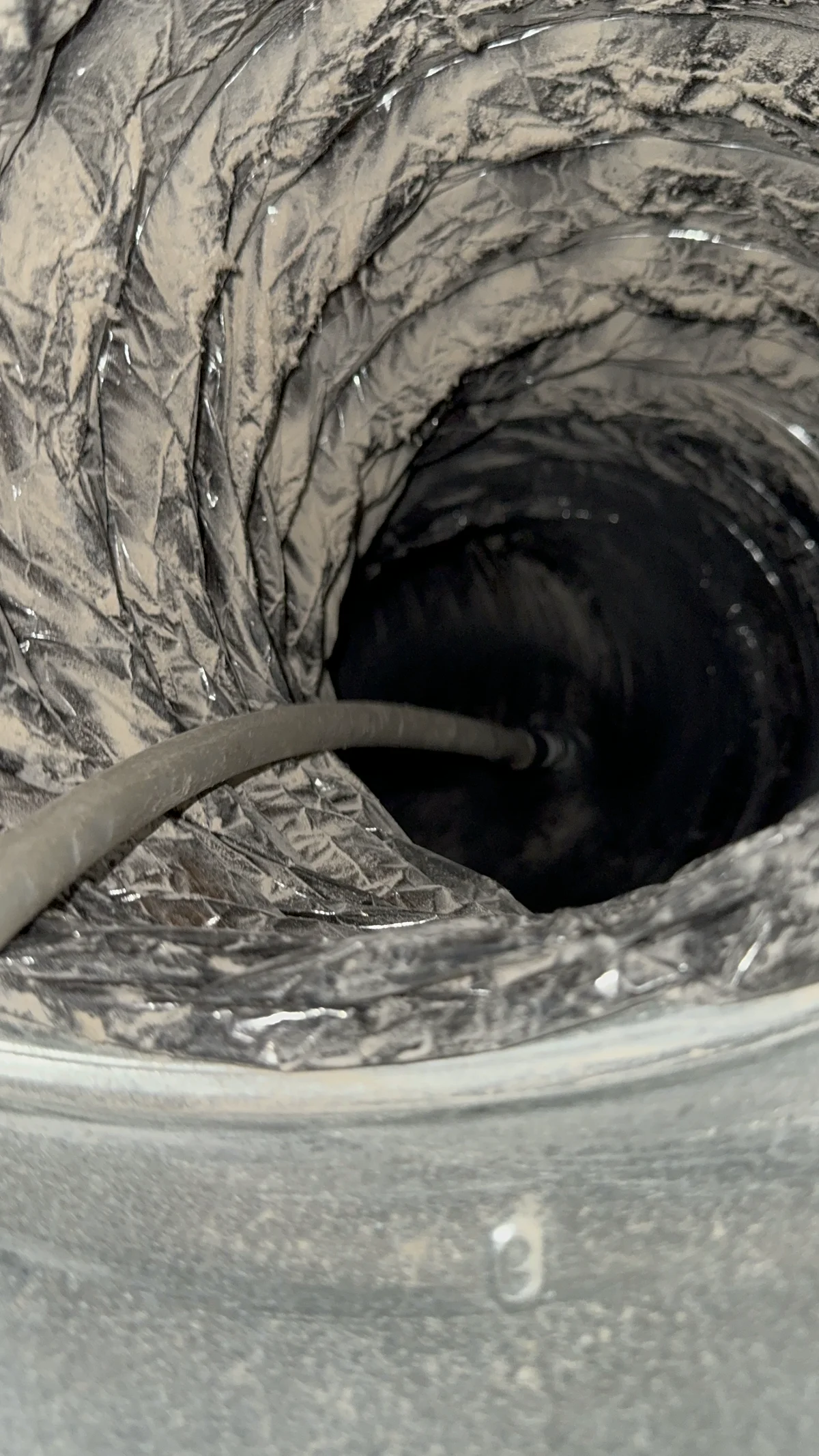
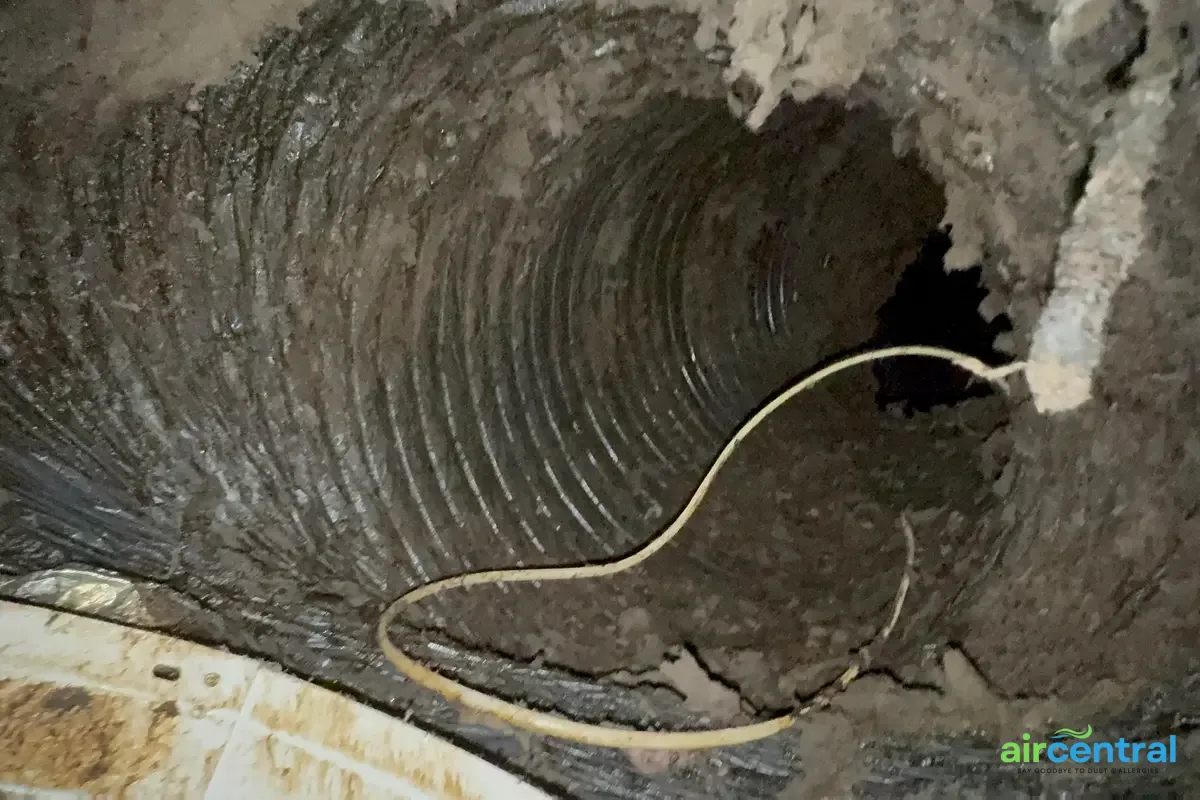
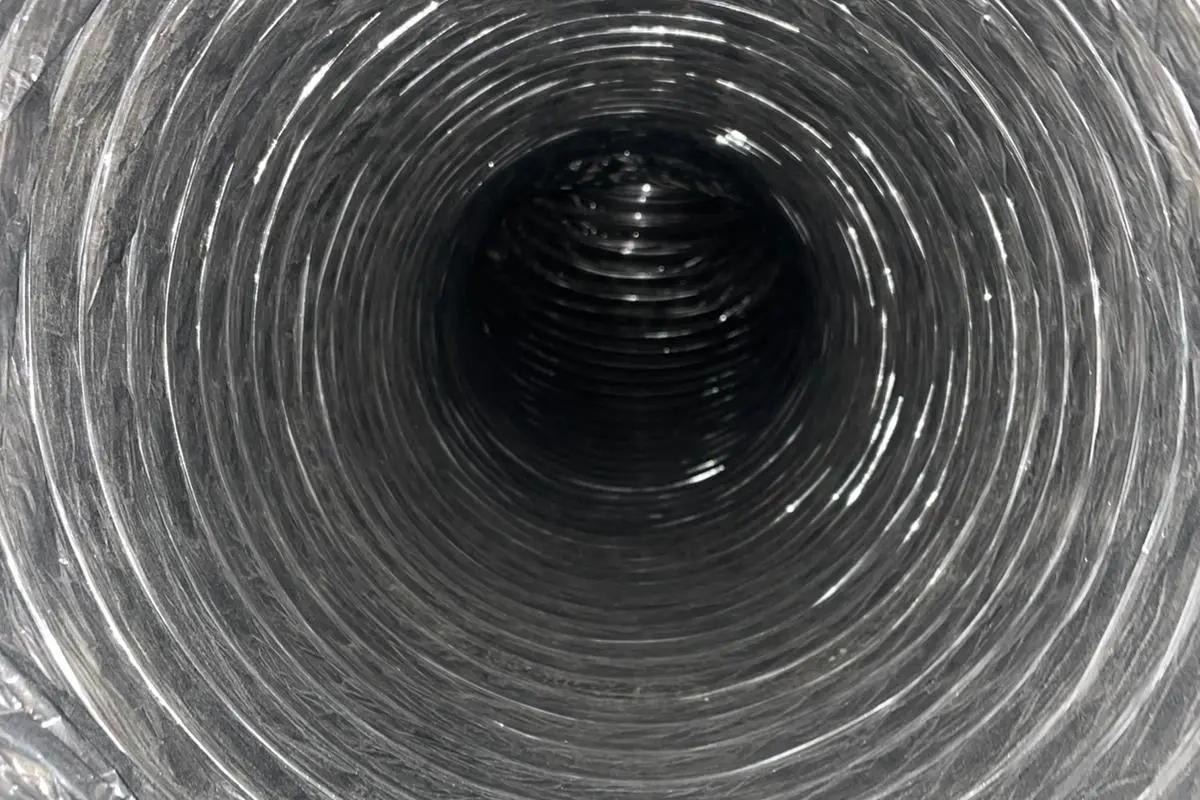
We routinely pull visible debris from Austin homes during professional duct cleaning - cedar pollen deposits, pet hair accumulation, construction dust from when the home was built, and years of compounded household dust. In homes with pets that have never had ducts cleaned, the buildup near return vents can be significant enough to partially restrict airflow in those duct runs. The before-and-after difference shown on the HD camera inspection is typically dramatic.
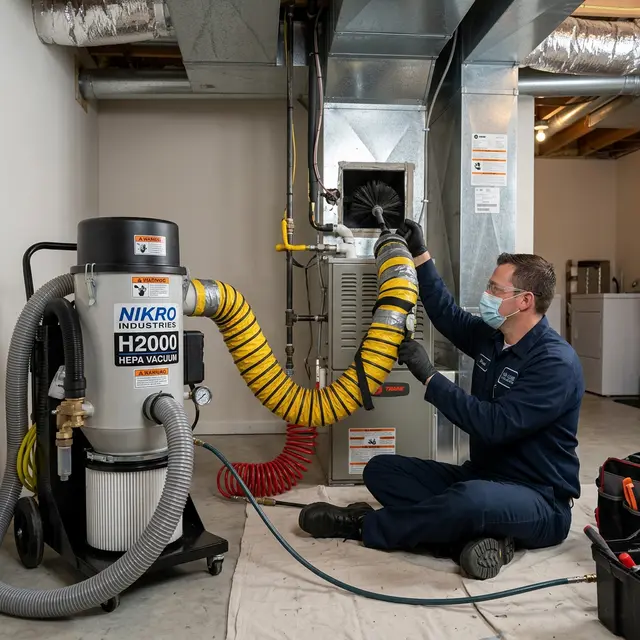
The NADCA recommends having ducts inspected every two years and cleaned as needed. For Austin specifically, the heavy allergen load and nearly year-round HVAC operation means most homes benefit from cleaning every 3-5 years. Homes with multiple pets, allergy sufferers, or proximity to construction should consider cleaning every 2-3 years. If you have never had your ducts cleaned, that initial cleaning will make the single biggest difference in your home's dust levels. After that, regular maintenance cleanings on a 3-5 year cycle keep the accumulation from reaching the point where it noticeably affects your indoor air.
There is a direct relationship between duct cleanliness and how fast surfaces get dusty. A home with clean ducts and a MERV 11 filter will accumulate surface dust dramatically slower than the same home with five-year-old duct buildup and a basic filter. If you have been fighting a losing battle against dust for years and nothing seems to help, your ductwork is almost certainly the reason.
Construction Dust From Austin's Building Boom
Austin has been one of the fastest-growing metros in the United States for over a decade. That growth means active construction sites in virtually every direction - residential subdivisions expanding through Pflugerville, Hutto, Leander, and Kyle, commercial development along the I-35 corridor, ongoing road construction on MoPac and 183, and infill projects throughout East Austin, the Domain area, and North Loop. Every one of those sites generates fine particulate that travels much farther than most people realize.
Construction dust is different from regular household dust. Drywall compound, concrete particulate, and silica from land clearing are finer and lighter than typical dust, which means they stay airborne longer and travel further on wind currents. Homes a quarter mile from an active construction site accumulate measurable construction dust even with windows and doors closed, because the particles are small enough to enter through HVAC intakes, gaps in weatherstripping, and tiny openings in the building envelope that you would never notice.
The I-35 corridor expansion alone has been generating construction dust across a wide swath of Central Austin, East Austin, and Round Rock for years. If your home is anywhere near I-35 between Buda and Georgetown, you have been breathing construction particulate. The same goes for the massive development projects in areas like East Riverside, the Mueller redevelopment, and the tech campus construction along Parmer Lane.
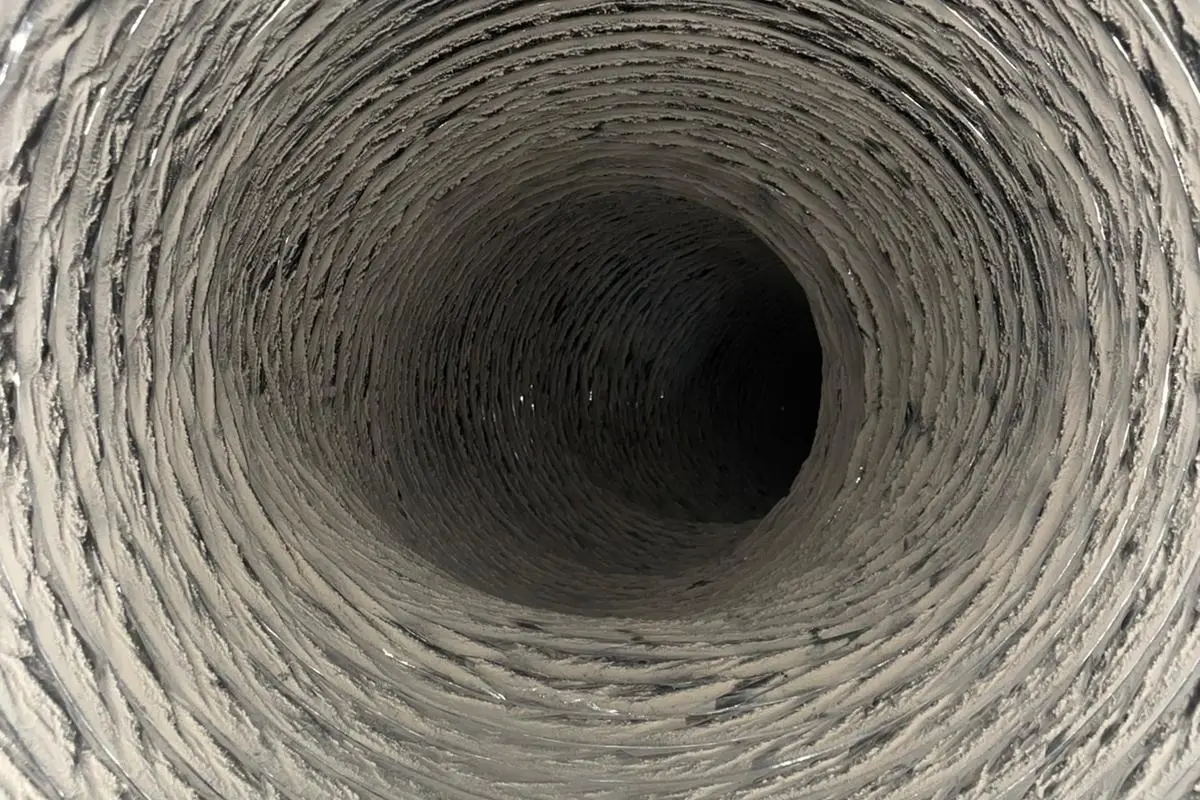
Once construction dust enters your HVAC system, it behaves like any other fine particulate - it coats duct walls, embeds in filter media, and recirculates with every system cycle. But because construction dust particles are so fine, they are harder for low-MERV filters to capture and they penetrate deeper into ductwork than heavier household dust. If your home has accumulated construction dust over several years of nearby development, a professional duct cleaning combined with a filter upgrade is the most effective way to clear the system and prevent ongoing recirculation.
Your Home Has Poor Sealing and Too Many Entry Points for Dust
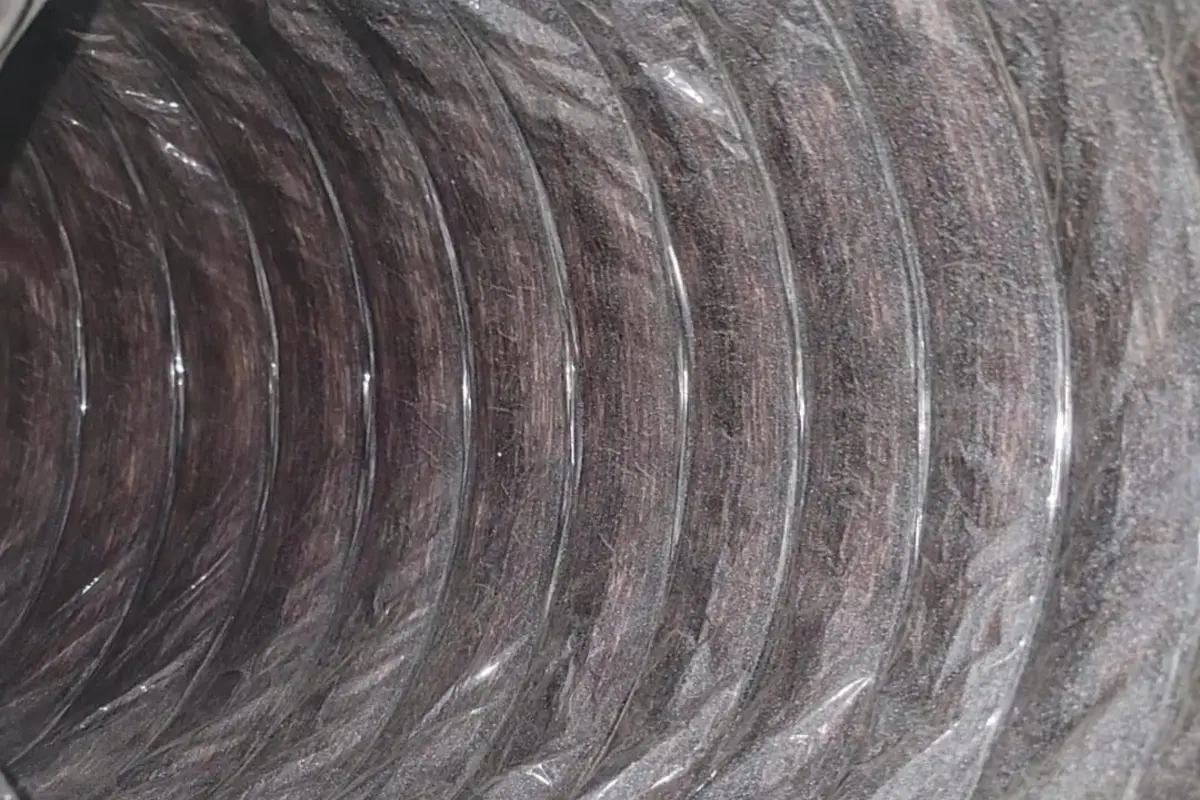
Every home has gaps. Around windows, under doors, where plumbing and electrical penetrations pass through walls, at the junction of different building materials, and through recessed light housings in the ceiling. In a tightly sealed home, these gaps are minimal and the HVAC system maintains slight positive pressure that actually pushes air out through any remaining gaps. In a poorly sealed home, the HVAC system's return side creates negative pressure that pulls outdoor air - and everything in it - through every crack and opening.
Austin homes from the 1960s through 1980s are particularly susceptible. Building standards for air sealing were minimal, and decades of Texas heat cycling has warped window frames, degraded caulking, and cracked weatherstripping. Homes in neighborhoods like Allandale, Crestview, Brentwood, and North Shoal Creek often have original single-pane windows with visible daylight gaps. Older ranch homes in South Austin and homes in the Travis Heights area frequently have settled foundations that create gaps at door thresholds and where walls meet floors.
Even newer homes are not immune. Austin's expansive clay soil causes foundation movement that opens gaps over time. The caliche and black clay soils common in areas like Cedar Park, Georgetown, and Round Rock expand and contract dramatically with moisture changes, shifting foundations and opening penetration points that did not exist when the home was built. If you have noticed doors sticking, cracks in drywall above door frames, or gaps appearing between baseboards and floors, your foundation has shifted - and those same forces have opened air pathways throughout your building envelope.
The fix involves systematic air sealing: caulking around windows and doors, replacing worn weatherstripping, sealing penetrations where plumbing and wiring enter the home, adding gaskets behind electrical outlet and switch plates on exterior walls, and ensuring attic penetrations (can lights, bathroom exhaust fans, plumbing stacks) are sealed. Air sealing is not glamorous work, but it directly reduces the volume of outdoor dust entering your home and makes your HVAC system more effective at controlling indoor air quality.
Time for a Duct Cleaning?
Find out what is inside your ducts with an HD camera inspection. Same-day appointments available.
Call (512) 601-4451Rate your home's indoor air quality in 2 minutes
You Are Recirculating the Same Contaminated Air
Your HVAC system moves between 1,000 and 2,000 cubic feet of air per minute. In a typical 2,000-square-foot Austin home with 8-foot ceilings, the entire volume of air in your house passes through the ductwork roughly 5-7 times per day. If the air going into the return vents is dusty, and the filter is only catching a fraction of those particles, and the ducts themselves are adding more particles to the mix, you are running a closed loop of increasingly contaminated air.
This recirculation effect is why Austin homes that stay sealed up feel dustier than you would expect. During summer, when it is 100+ degrees outside and the AC runs almost continuously, your windows are closed and the same air cycles through a dirty duct system dozens of times per day. During cedar season, you keep windows shut to avoid pollen, but the pollen that entered the system days or weeks ago is still being recirculated. The air is not getting cleaned with each pass through the system - it is picking up more contaminants.
The EPA estimates that indoor air can be 2 to 5 times more polluted than outdoor air. In Austin, that multiplier can be higher because of our extended periods of sealed-up operation combined with heavy allergen loads. A home running its HVAC system with dirty ducts and a basic filter for six months of sealed-up summer operation will have significantly more airborne particulate than the same home with clean ducts and proper filtration. The difference compounds over time because each cycle through dirty ducts adds to the particle load in the air.
Breaking the recirculation cycle requires attacking it from multiple angles. Clean ducts remove the reservoir of accumulated debris that sheds particles with every cycle. A proper filter captures a high percentage of airborne particles before they re-enter the supply side. Sealed ductwork prevents contaminated attic air from entering the loop. And periodic fresh air introduction - even running the HVAC fan for 30 minutes with a window cracked on a low-pollen day - helps dilute the indoor particle concentration.
Your Return Vents Are in the Wrong Spots or Blocked
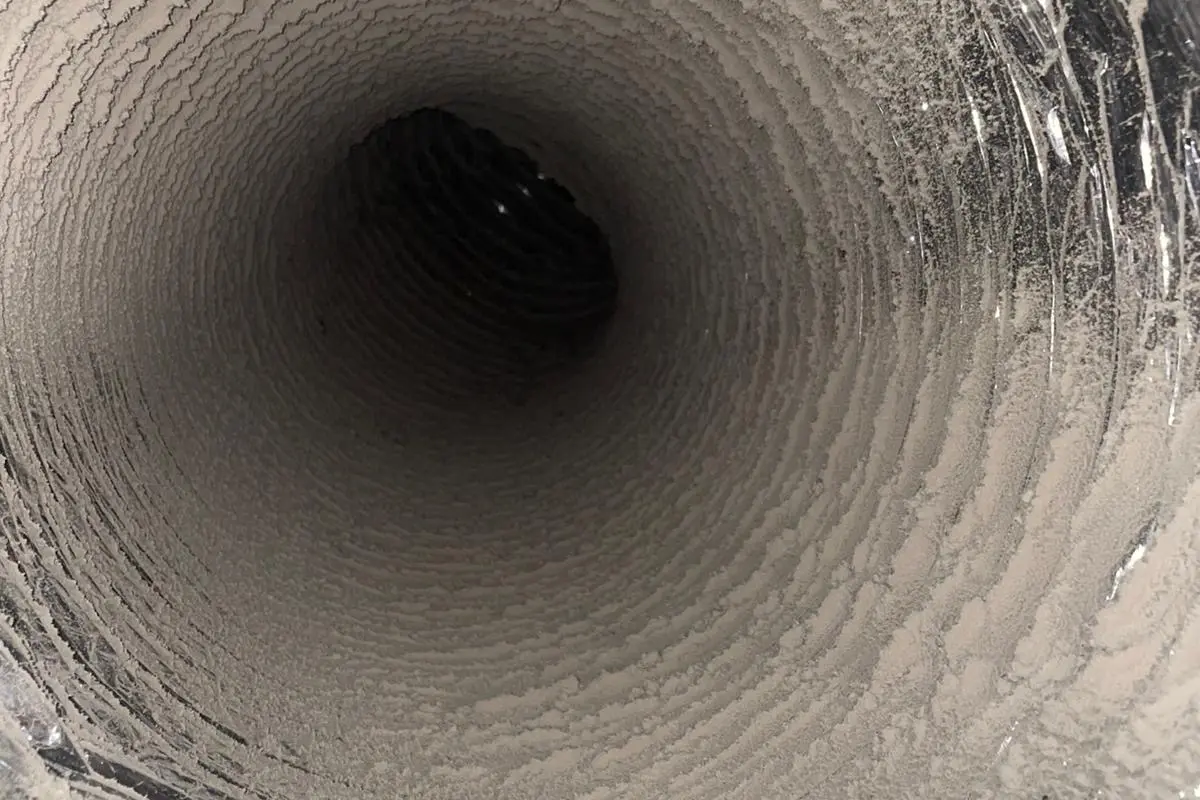
Return vents are the intake side of your HVAC system. They pull air from your living space, send it through the filter and over the evaporator coil, and push it back out through the supply vents. If your return vents are poorly positioned, blocked by furniture, or undersized for your system, two things happen that directly increase dust. First, the system cannot pull enough air through the filter, so it compensates by pulling air through duct leaks and gaps in the air handler cabinet - unfiltered air that bypasses your filter entirely. Second, poor return placement creates dead zones in rooms where air stagnates and dust settles faster.
A common issue in Austin homes built in the 1990s and 2000s is a single central return vent for the entire house, usually in a hallway. This design saves on construction cost but creates problems. Rooms with closed doors become pressurized by supply air with nowhere to go, while the hallway return starves for airflow. The system pulls harder, increasing negative pressure in the duct system, which pulls more unfiltered air through leaks. Meanwhile, bedrooms with closed doors get minimal air circulation, and dust accumulates on surfaces faster because there is no airflow to move particles toward the filter.
Check whether your return vents are blocked. It is extremely common for furniture, curtains, or rugs to partially or fully cover return vents. A couch pushed against a wall return, a bookshelf in front of a low return, or a rug covering a floor return all restrict the system's air intake. Even a partially blocked return forces the system to compensate by pulling air from elsewhere - and that elsewhere is usually unfiltered duct leaks.
If you have rooms that get dustier than others, look at the return vent situation in those rooms. A bedroom with no return vent and a closed door will always accumulate more dust than a bedroom with a dedicated return. Adding return ducts to individual rooms is a significant HVAC modification, but a simpler fix is to install transfer grilles or jumper ducts above door frames in rooms without returns. These allow air to flow back to the central return even when doors are closed, improving both comfort and dust filtration throughout the home.
Dust Coming from Vents: Why It Happens
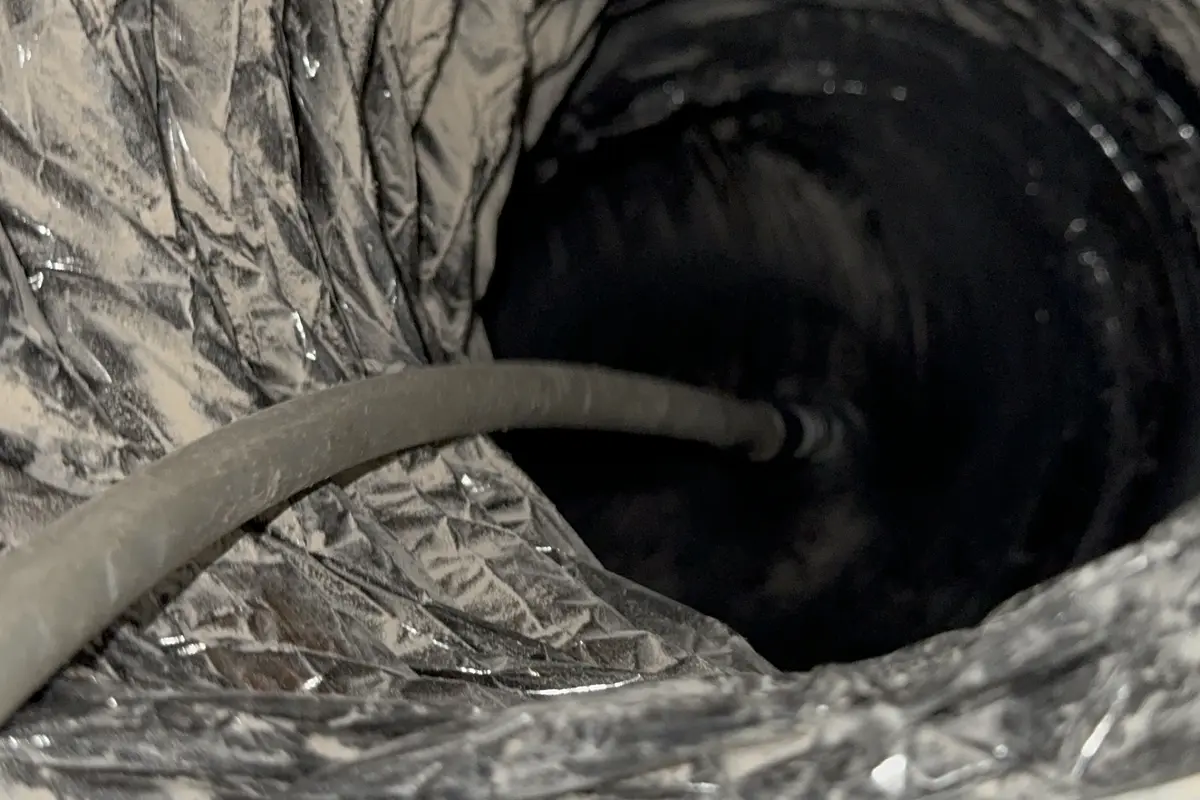
If you see visible dust puffs when the HVAC system kicks on, your ducts are the source. This happens when years of accumulated dust, pollen, and pet dander sit on the duct walls and get disturbed by the sudden airflow change when the blower motor engages. The first 10-15 seconds of each cycle are the worst because the initial burst of air pressure dislodges loose particles that settled during the off period. It is especially noticeable after the system sits idle overnight or during a mild stretch when the AC or heat does not run for several hours.
In Austin, cedar pollen from December through March coats duct interiors with a fine yellow-green layer that loosens as temperatures fluctuate in spring. The transition from heating to cooling mode creates pressure changes in the duct system that shake loose this accumulated pollen along with dust and pet dander. Homes in neighborhoods near the cedar belt - West Lake Hills, Bee Cave, Lakeway, and the western edges of Circle C and Barton Hills - accumulate heavier pollen deposits inside their ducts and see more visible dust discharge at the vents during and after cedar season.
The fix is straightforward: professional duct cleaning removes the accumulated layer so there is nothing left to blow out when the system cycles. Between cleanings, upgrading to a MERV 11 or higher filter catches more particles before they settle in the ducts. A MERV 11 filter captures 85% of particles in the 1-3 micron range, which covers most pollen, pet dander, and fine household dust. The combination of clean ducts and a proper filter eliminates visible dust puffs at the vents and dramatically reduces how fast surfaces get dusty throughout the house.
How to Actually Fix a Dusty Home for Good
If you have read this far, you probably recognize your home in at least two or three of the causes above. The good news is that solving a persistent dust problem does not require replacing your HVAC system or rebuilding your home. It requires addressing the root causes in order of impact and cost-effectiveness.
Start with your filter. If you are using anything below MERV 11, upgrade today. This is a five-minute change that costs a few extra dollars per filter and makes an immediate difference. Set a reminder to check the filter monthly and replace it every 60-90 days - more frequently during cedar season (December through March) and peak pollen months. A MERV 11 filter captures the vast majority of particles that cause visible dust on your surfaces.
Next, schedule a professional duct cleaning if it has been more than 3-5 years or if your ducts have never been cleaned. This removes the accumulated reservoir of dust, pollen, and debris that no filter can address because it is already inside the system. The cleaning should include an HD camera inspection that shows you the before-and-after condition of your ductwork. While the crew is there, ask them to check for duct leaks, disconnected joints, and any areas where the duct system needs repair or sealing.
Address your home's sealing. Walk through your house and check for visible gaps around windows, doors, and baseboards. Replace worn weatherstripping, caulk around window and door frames, and add gaskets behind electrical plates on exterior walls. Pay special attention to the attic - seal around can light housings, plumbing stacks, and wire penetrations that connect your attic space to your living space. These are the pathways that allow attic dust, insulation fibers, and outdoor particulate to bypass your filter entirely.
Check your return vents. Make sure none are blocked by furniture, curtains, or rugs. If you have rooms that are consistently dustier, check whether those rooms have their own return vents. For rooms without returns that you keep closed, consider installing a transfer grille above the door to allow air circulation back to the central return.
Finally, consider an air duct inspection to evaluate the overall condition of your duct system. A professional can identify problems you cannot see - disconnected joints in the attic, collapsed duct runs, missing insulation on ductwork, or duct material that has degraded to the point where it needs replacement. Addressing these structural issues prevents dust problems from returning after you have cleaned and sealed the system.
If you are dusting every other day and the house still looks like nobody cleaned it, the answer is not a better Swiffer - it is inside your ductwork. Every time the HVAC kicks on, it redistributes whatever has accumulated in those ducts across every surface in your home. Air Central has been tracking down the real source of dust problems in Austin homes since 2014. Call (512) 601-4451 and let us put a camera inside your system. Most homeowners are genuinely shocked at what they see - and the difference after cleaning is the kind of thing you notice the same afternoon.
Related Services
Learn more about our professional services related to this topic:
- Air Duct Cleaning - Remove dust, allergens, and debris from your entire HVAC system for cleaner indoor air.
- Air Duct Inspection - Diagnose leaks, blockages, and efficiency issues with HD camera inspection.
Want the full picture?
Read our complete guide: The Ultimate Guide to Air Duct Cleaning in Austin, TX (2026) →Have questions about air duct cleaning? Our team is available 7 days a week. Call us at (512) 601-4451 or visit our contact page.