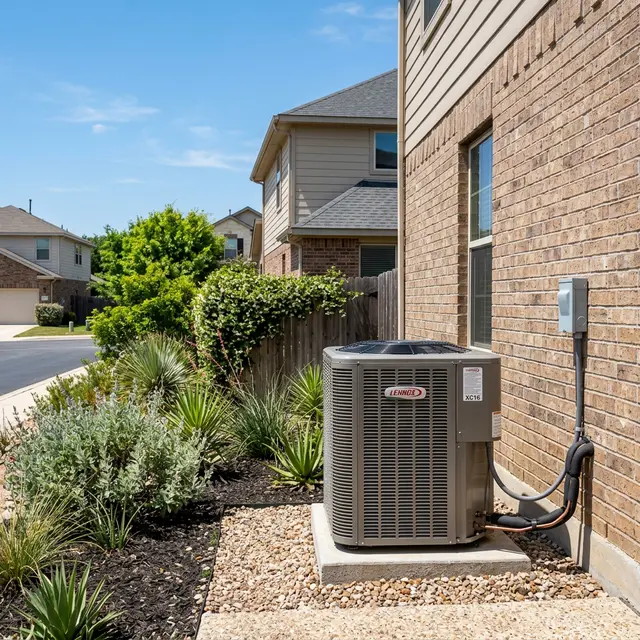
Get your AC serviced before May, replace the filter, clear the outdoor unit, flush the condensate drain, and test every room for airflow - Austin summers demand a system that works at peak capacity from day one.
Why Austin Summers Are Brutal on AC Systems
Austin averages 105+ days above 90F annually, with stretches of 100F+ lasting weeks. Your AC will run 12-16 hours per day from June through September. A system that is marginally OK in spring will fail under this sustained load. The difference between a routine tune-up in April and a $3,000 emergency repair in July is preparation.
Austin's heat is not just hot - it is relentless. From mid-June through mid-September, nighttime lows often stay in the upper 70s and low 80s, which means your AC never gets a real break. In cities with cooler nights, the system can recover and cycle off for extended periods. In Austin, your compressor may run 14-16 hours on a 105F day with an 82F overnight low. That sustained runtime is what separates a system that survives from one that breaks down. Every weak component - a degraded capacitor, a slow refrigerant leak, a dirty evaporator coil - gets exposed under that kind of continuous demand.
Pre-Summer Timeline
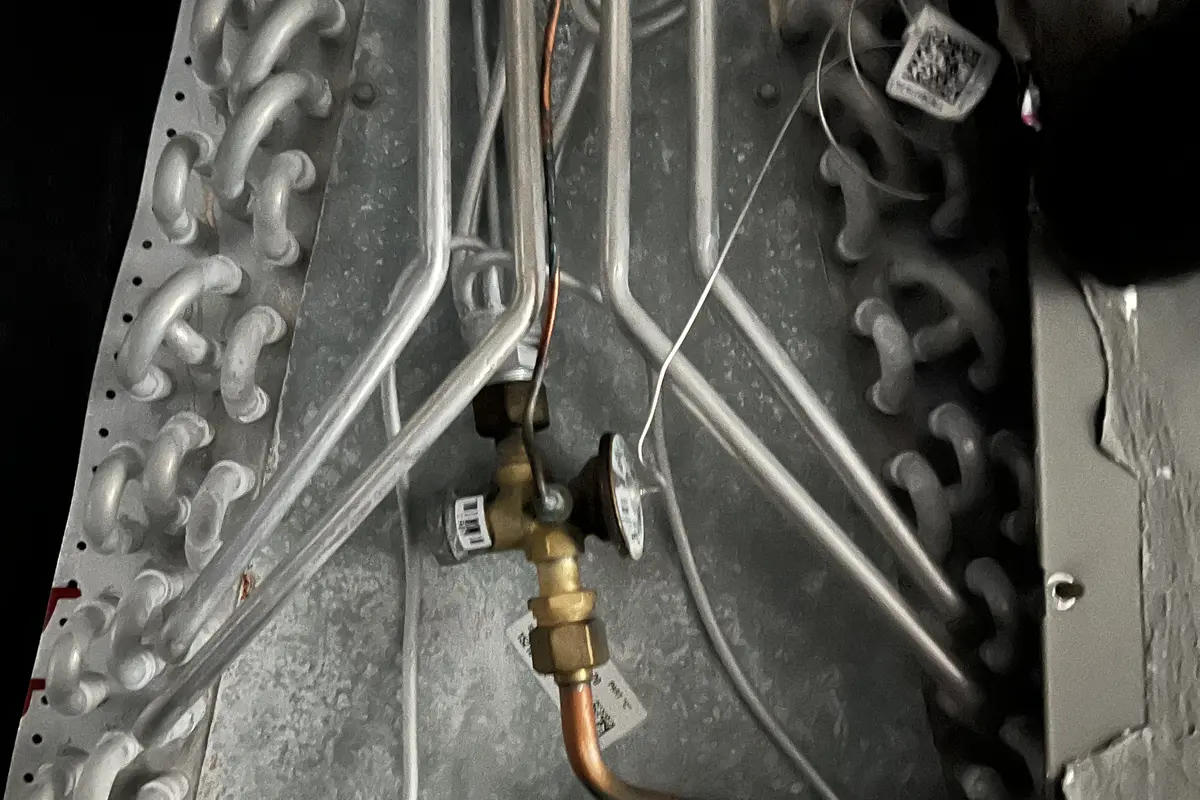
March: Replace the air filter after cedar season. Schedule your professional AC tune-up appointment for April. Check attic insulation while temperatures are still mild. April: Complete the professional tune-up. Clear and clean the outdoor condenser unit. Flush the condensate drain line. Test every room for adequate cooling. May: Verify the system holds temperature on the first 90F+ days. Address any issues found during April testing before the summer rush hits. By June 1, every HVAC company in Austin is booked solid - if you wait until summer to address problems, you will wait days for service in extreme heat.
Step-by-Step AC Prep
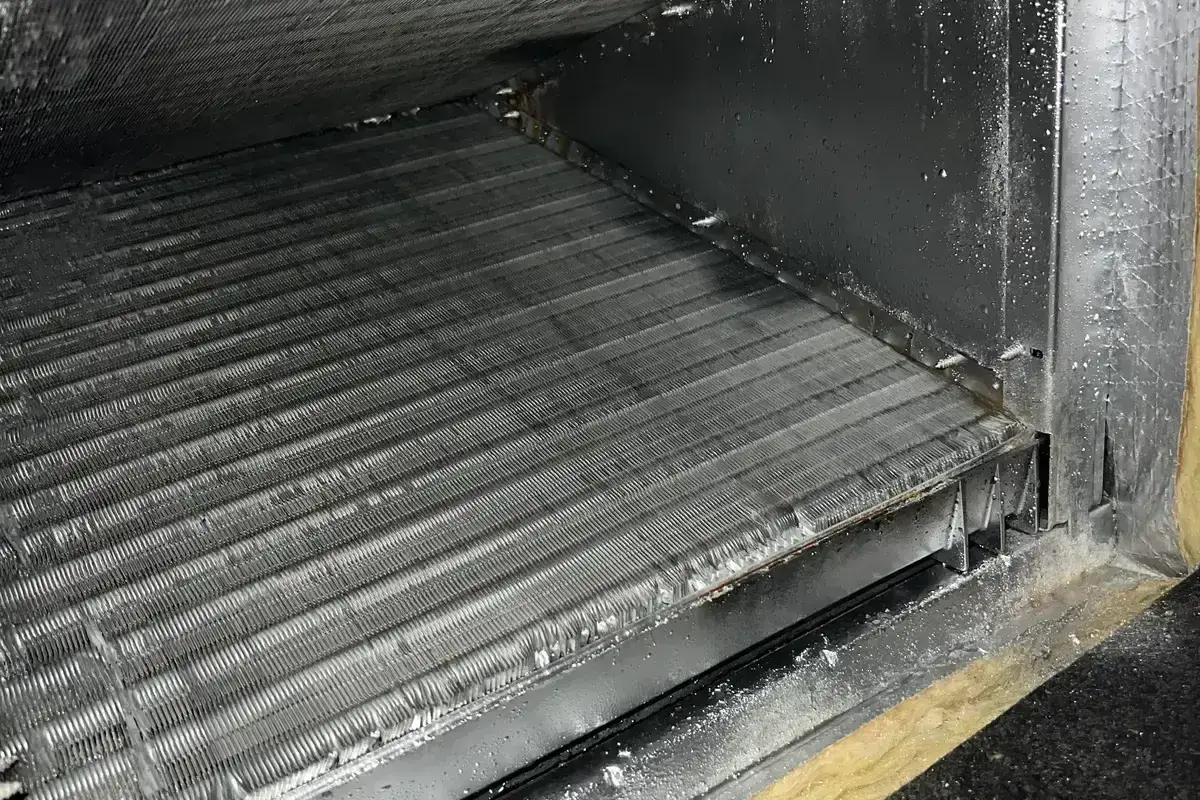
Step 1: Replace the air filter with a MERV 8-11 rated filter. After winter, the filter has been collecting cedar pollen, dust, and pet dander for months. A fresh filter immediately improves airflow and efficiency. Step 2: Go outside and clear all debris, plants, and mulch at least 24 inches from the condenser unit. Hose off the condenser fins gently from inside out (spray from inside the unit outward to push debris out of the fins rather than deeper in). Step 3: Pour a cup of white vinegar down the condensate drain line (usually a PVC pipe near the indoor unit). A clogged drain line causes water damage and system shutdowns. In Austin's humidity, algae and biofilm build up in the drain line quickly.
Step 4: Turn on the AC and let it run for 30 minutes. Check that cool air is reaching every room. If one room is significantly warmer, you may have a duct issue - a disconnected duct run in the attic is one of the most common problems we find. Step 5: Check your thermostat batteries and programming. Make sure the cooling schedule reflects your summer routine. Step 6: Schedule a professional tune-up - a technician checks refrigerant levels, electrical connections, capacitors, and coil condition. A low refrigerant charge found in April is a $200 fix. The same problem in July, after the compressor has been straining for weeks, can turn into a $1,500-$3,000 compressor failure.
Ready to Get Your System Checked?
Seasonal tune-ups catch small problems before they become expensive emergencies. Same-day service available.
Call (512) 601-4451Estimate how much you could save on energy bills
Common Summer Failures to Prevent
Capacitor failure is the number one emergency call we get during Austin summers. The capacitor is a small electrical component that helps start and run the compressor motor. Heat degrades capacitors over time, and they tend to fail on the hottest days when the system is working hardest. A capacitor test during a spring tune-up costs nothing extra and can catch a failing capacitor before it leaves you without AC on a 106F Saturday.
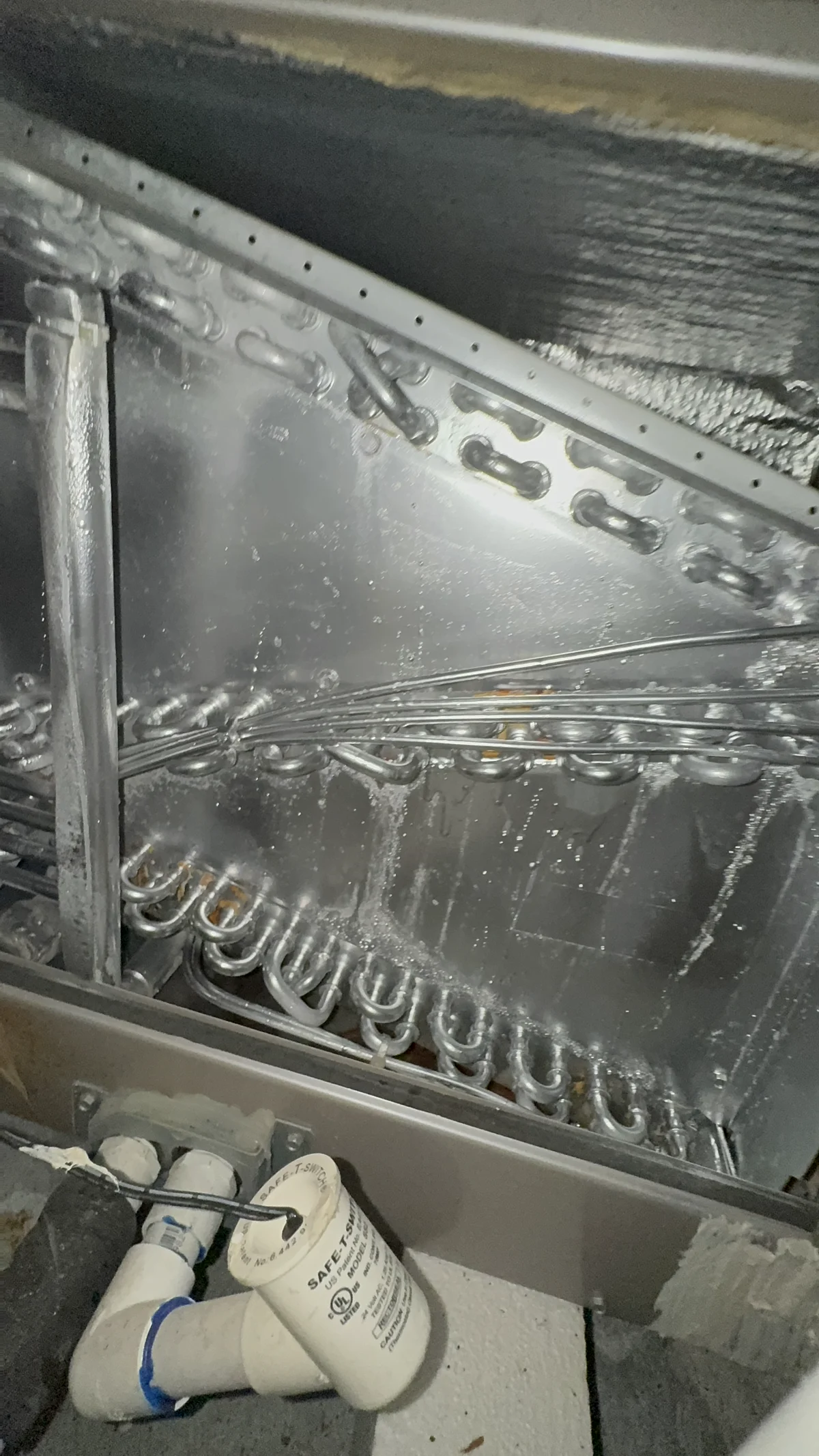
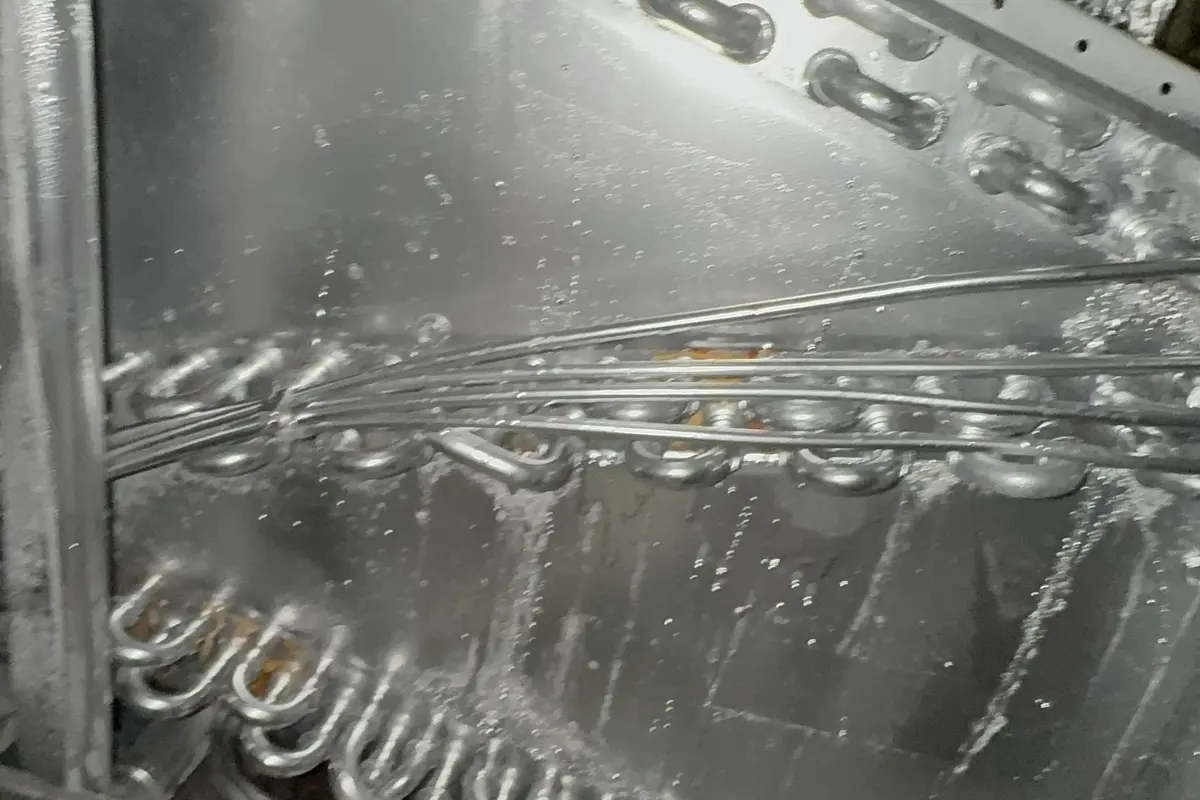
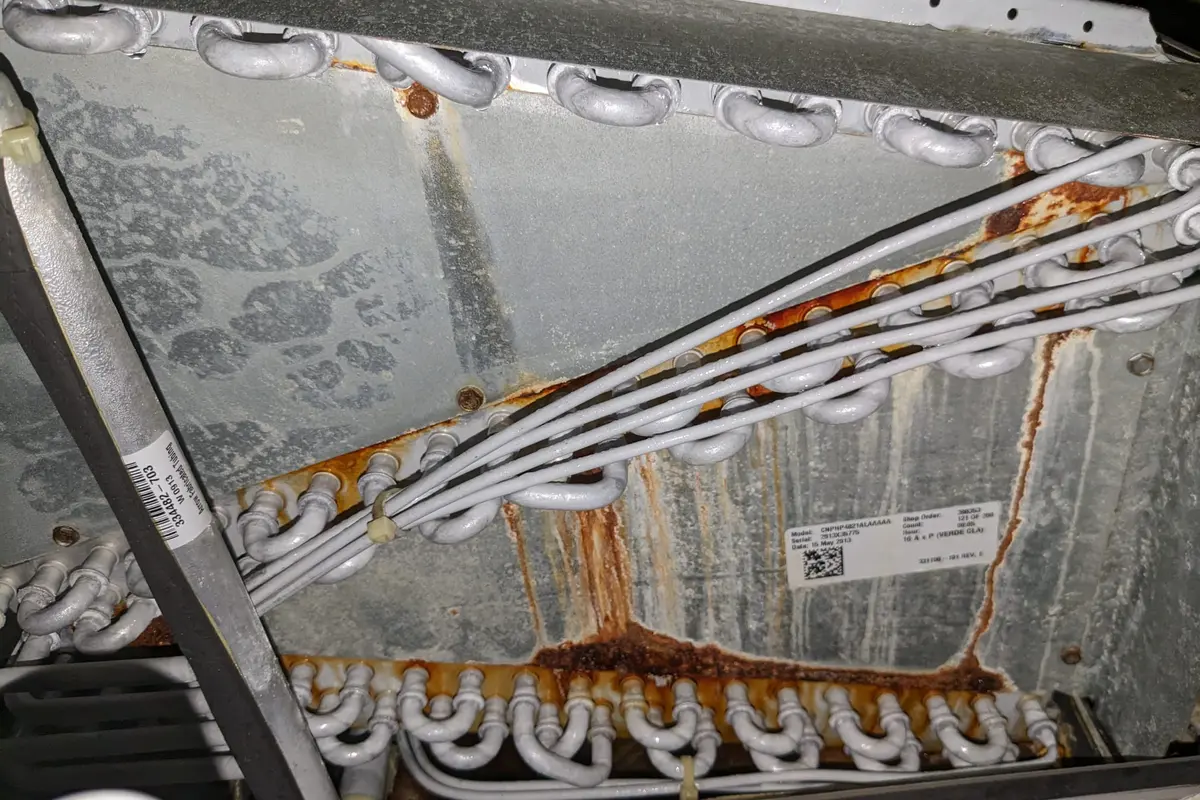
Frozen evaporator coils are the second most common summer failure. This happens when airflow is restricted (dirty filter, blocked return vents) or refrigerant is low. The coil drops below freezing, ice forms, and airflow stops completely. You will notice warm air from the vents and possibly water dripping around the indoor unit as the ice melts. Prevention is straightforward: clean filter, open vents, and verified refrigerant levels.
Condensate drain clogs cause water damage and system shutdowns. Austin's summer humidity means your AC removes 5-20 gallons of water from the air daily. That water drains through a small PVC line. When algae or biofilm clogs the line, water backs up into the drain pan and eventually overflows onto your ceiling, walls, or floor. Many newer systems have a float switch that shuts off the AC when the pan fills, which protects against water damage but leaves you without cooling until the clog is cleared.
Signs You Need More Than a Tune-Up
If your system is 12+ years old, struggles to maintain temperature on 100F days, makes unusual noises, or your energy bills jumped significantly last summer, have a technician assess whether repair or replacement makes financial sense. In Austin's heat, an undersized or failing AC is not just uncomfortable - it is a health risk for children and elderly family members.
A quick rule of thumb: if a single repair costs more than 50% of a new system, replacement usually makes more sense. A 15-year-old system needing a $2,500 compressor is a poor investment when a new, more efficient system costs $5,000-$8,000. The new system will also lower your monthly electricity bills by 20-40% due to improved SEER ratings. Austin Energy sometimes offers rebates on high-efficiency replacements, which further improves the math on upgrading.
Related Services
Learn more about our professional services related to this topic:
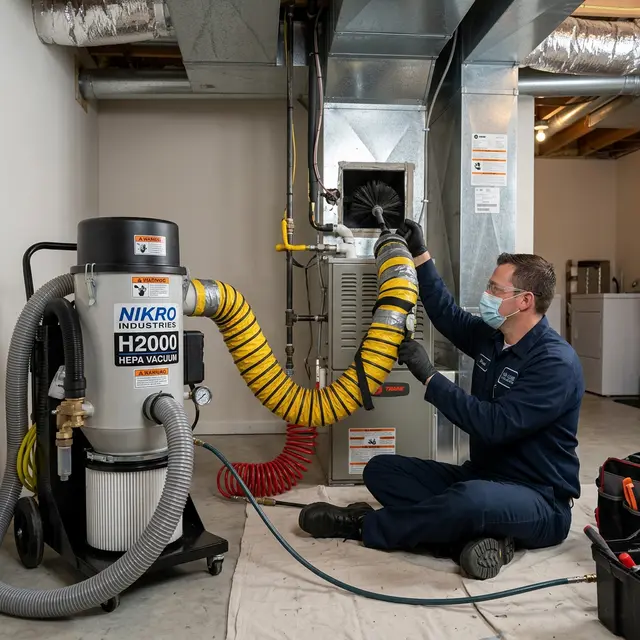
- Air Duct Cleaning - Remove dust, allergens, and debris from your entire HVAC system for cleaner indoor air.
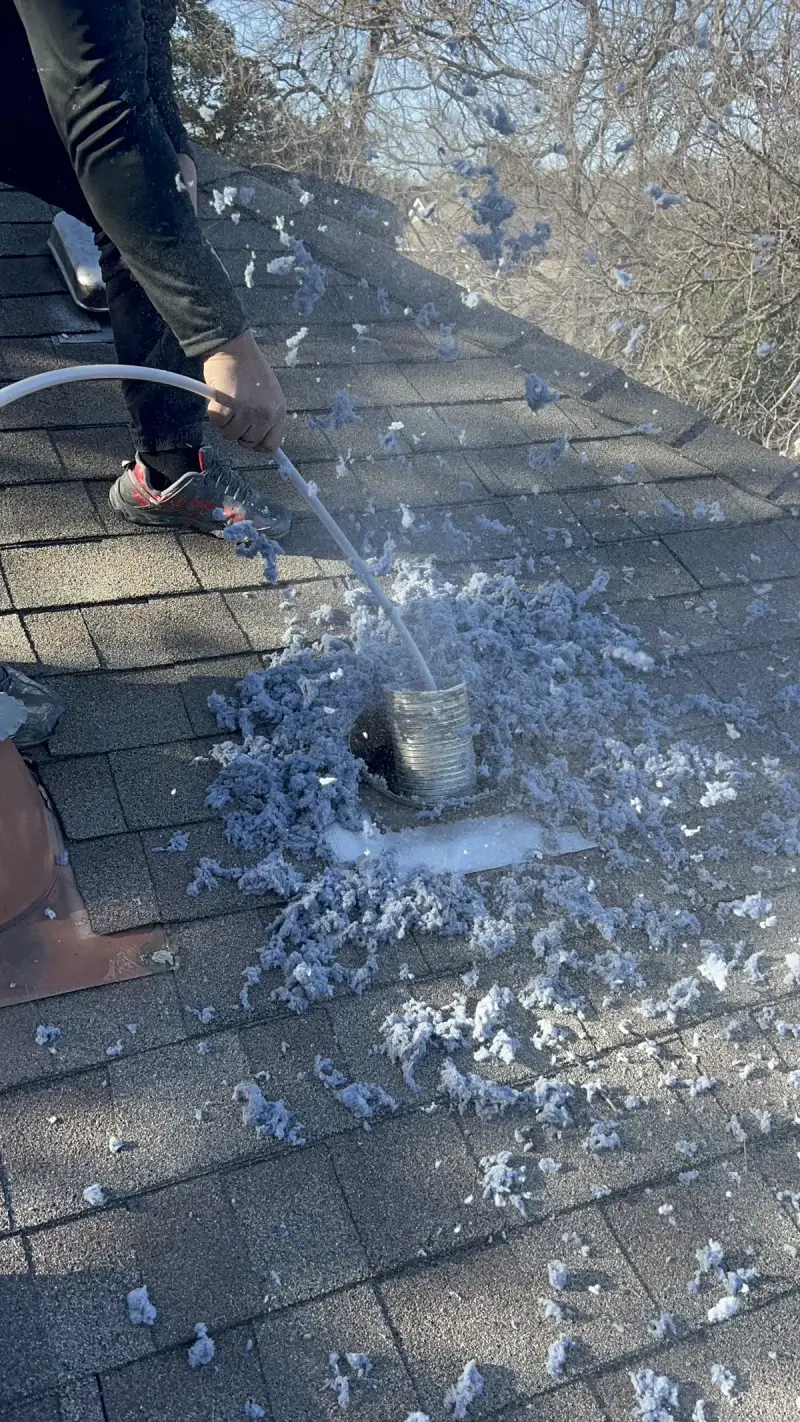
- Dryer Vent Cleaning - Clear lint buildup to prevent fires and cut drying time in half.
- Chimney Sweep & Repair - Professional cleaning and 21-point safety inspection for your fireplace.
- Attic Insulation - Premium blown-in insulation to cut energy costs and improve year-round comfort.
Want the full picture?
Read our complete guide: Austin HVAC Seasonal Maintenance: Month-by-Month Guide →Have questions about seasonal guides? Our team is available 7 days a week. Call us at (512) 601-4451 or visit our contact page.