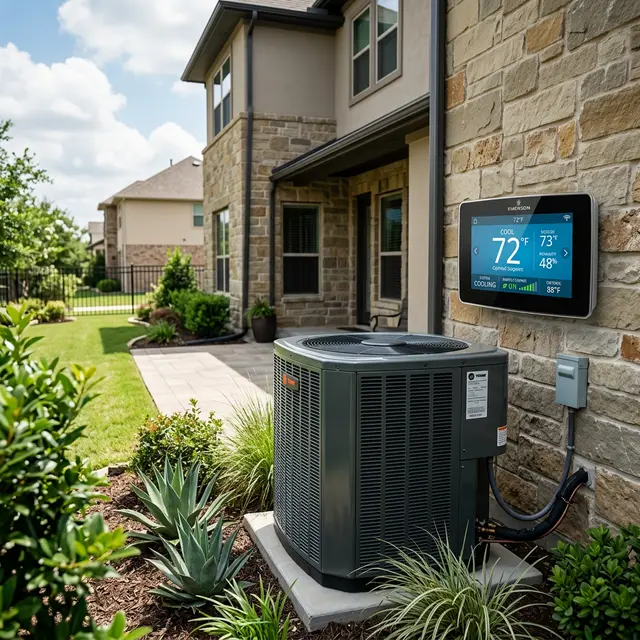
Most air duct noises are caused by thermal expansion (popping), loose connections (rattling), restricted airflow (whistling), or damper issues (banging). Popping and minor rattling are usually harmless. Persistent whistling, loud banging, or scraping sounds warrant professional inspection to prevent system damage or energy waste.
Why Are Your Air Ducts Making Noise?
You are lying in bed and the AC kicks on, followed by a series of pops, bangs, and rattles from somewhere inside your walls or ceiling. Every duct system makes some noise, but certain sounds signal real problems that cost you money or risk damage to your HVAC system.
Air ducts are essentially long metal or flexible tubes running through unconditioned spaces - your attic, walls, and crawl spaces. Temperature changes, airflow velocity, and mechanical connections all create noise. The type of sound tells you what is happening inside the system.
According to Air Central owner Nessi Ziv, 'I have inspected over 10,000 duct systems in Austin. Most noises are harmless thermal expansion, but about one in five turns out to be a loose connection or restriction that is wasting energy or headed toward failure. The sound itself is the best clue.'
What Does Popping and Clicking Mean?
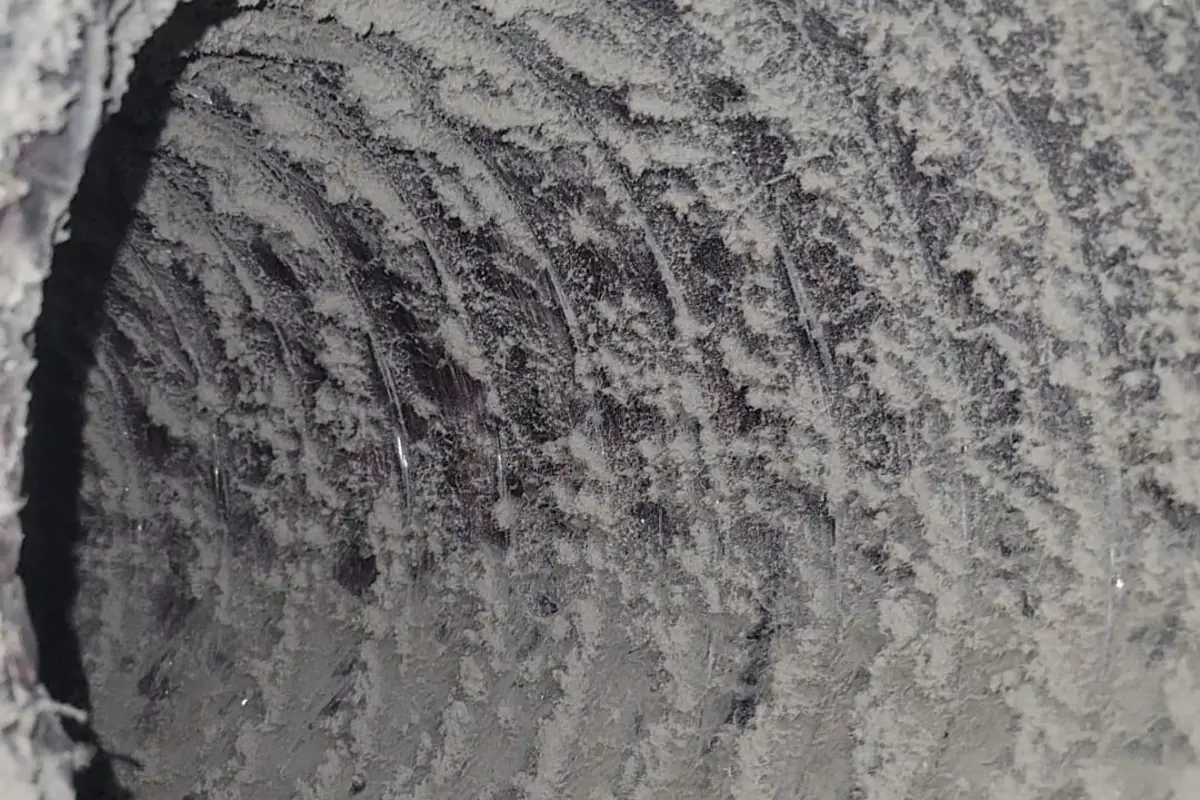
Popping and clicking sounds from ductwork are almost always thermal expansion and contraction. When your AC pushes cold air through ducts that have been sitting in a 150-degree attic, the metal contracts rapidly. When the system shuts off, the metal warms and expands back. Each expansion or contraction cycle produces a pop or click.
Austin's extreme heat makes thermal popping worse than most cities. With 105 days above 90 degrees Fahrenheit per year and attic temperatures reaching 140-160 degrees, the temperature differential between attic air and conditioned air can exceed 100 degrees. That differential creates significant metal movement.
Thermal popping is normal and not a sign of damage. However, if the popping is excessively loud or happens with every cycle, a technician can add duct stiffeners or insulation to dampen the noise. Rectangular ducts pop more than round ducts because flat surfaces flex more than curved ones.
What Causes Rattling Sounds in Ductwork?
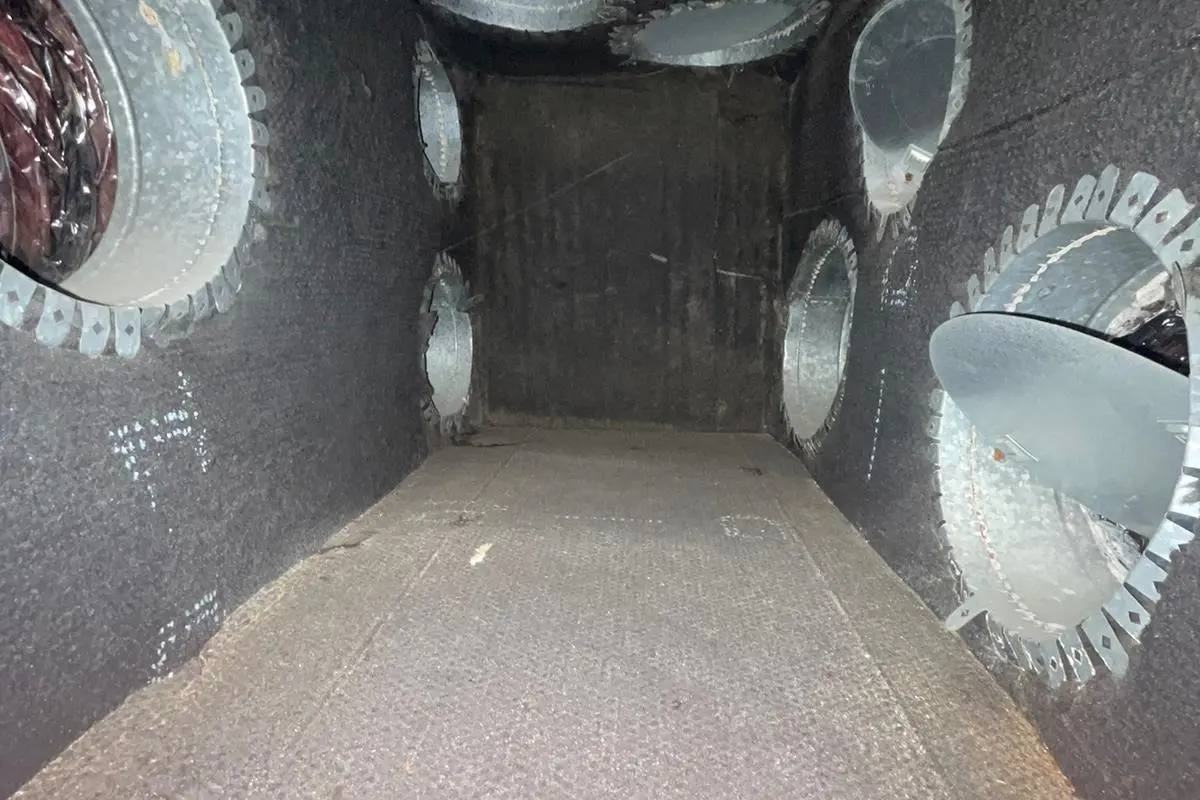
Rattling usually means something is loose. The most common culprits are loose duct joints, unsecured duct hangers, or debris inside the duct. In Austin homes, we frequently find that duct connections have loosened over time due to repeated thermal cycling in hot attics.
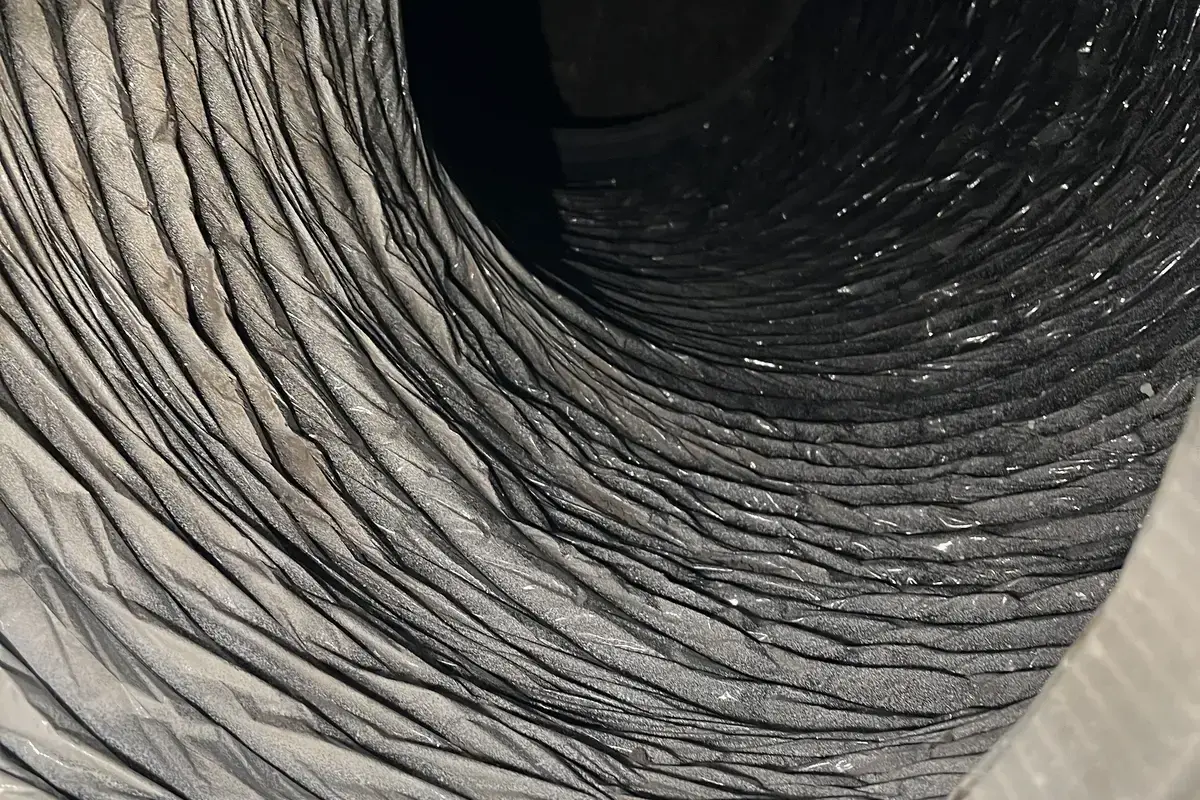
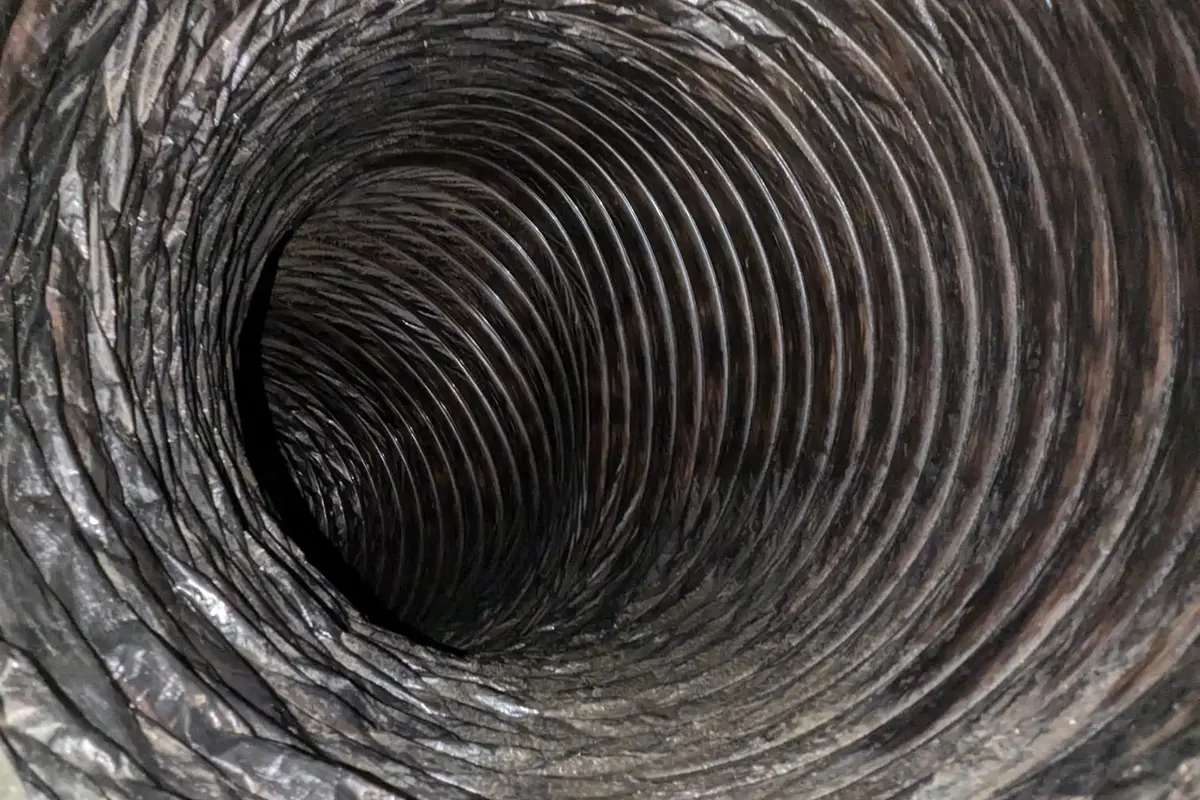
Flex duct - the flexible, insulated tubing used in most Austin homes built after 1990 - is particularly prone to rattling at connection points. The metal clamps and tape that secure flex duct to rigid takeoffs and boots loosen over years of thermal stress. A loose connection rattles with every airflow cycle and also leaks conditioned air into the attic.
The U.S. Department of Energy estimates that the average home loses 20-30% of conditioned air through duct leaks. A rattling connection is often a leaking connection. Fixing the rattle fixes the energy waste. In an Austin summer, that leak can add $30-$60 per month to your energy bill depending on severity.
Less commonly, rattling comes from debris inside the duct - a screw from installation, a piece of insulation that broke free, or even a child's toy that found its way into a floor register. An HD camera inspection identifies the source quickly.
Why Are Your Ducts Whistling?
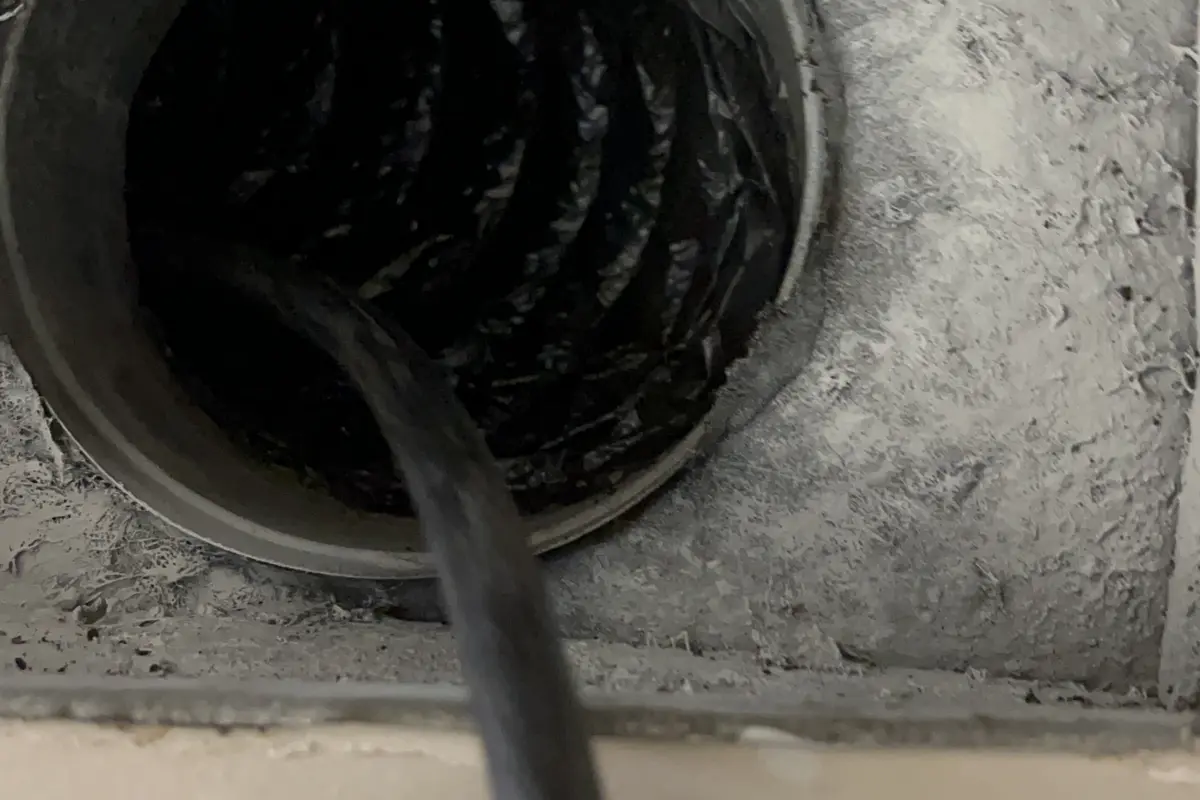
Whistling or high-pitched whining from ducts indicates restricted airflow. Air moving through a narrow gap or past a sharp obstruction creates turbulence that whistles. Common causes include a clogged filter, closed or partially blocked registers, crimped flex duct, or undersized ductwork.
The most frequent cause is a dirty filter. When a filter loads up with dust and debris, airflow resistance increases and the system pushes air through less open area at higher velocity. This creates a whistling sound, especially near the return air grille. Replacing the filter often stops the whistle immediately.
Crimped or kinked flex duct is another common Austin issue. Flex duct runs through attic spaces and can get compressed by stored items, stepped on during maintenance visits, or kinked around tight turns. Even a partial crimp reduces airflow and creates noise. A kinked flex duct can reduce airflow to a room by 50% or more.
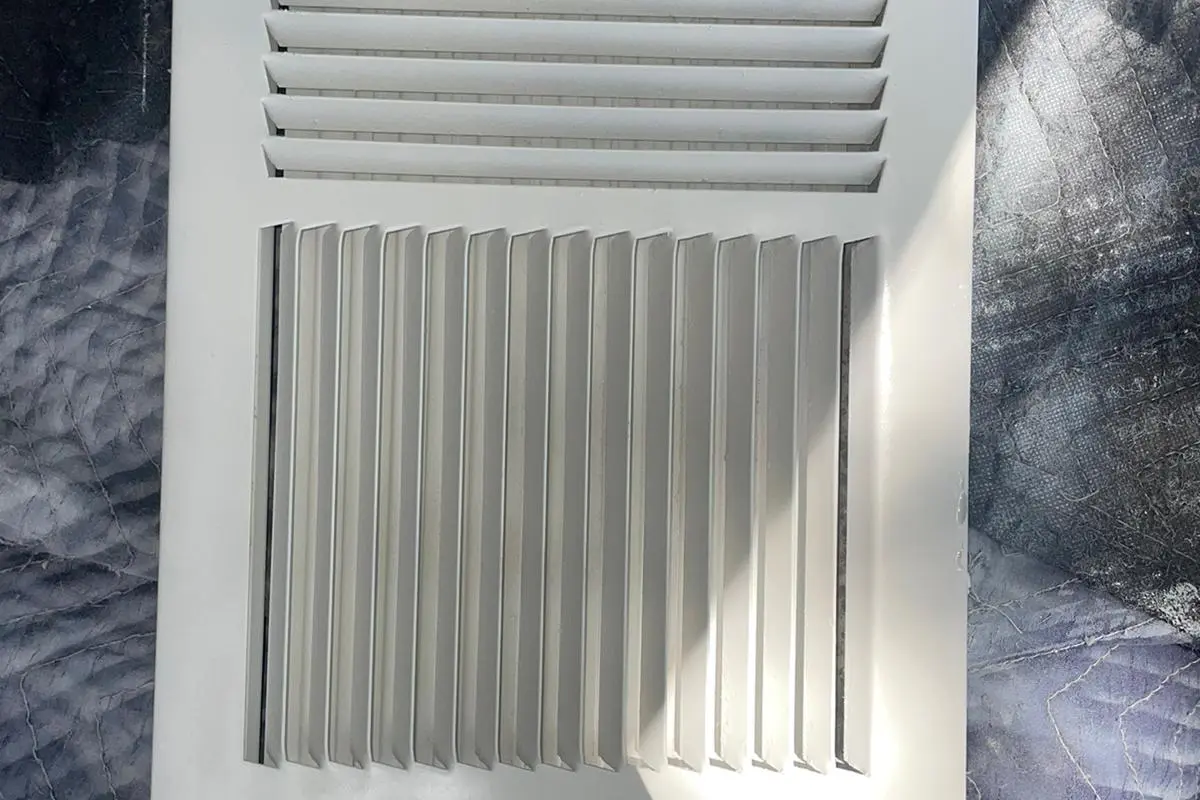
Whistling at specific registers usually means the damper inside is partially closed. Many supply boots have adjustable dampers. If a damper is set to a narrow opening, air velocity through that gap increases and creates a whistle. Opening the damper fully or adjusting it to a wider setting usually resolves the noise.
Should You Worry About Banging or Booming?
A single loud bang when the system starts or stops is typically the main trunk line or plenum box flexing under pressure change. This is called oil-canning - the flat sheet metal surface pops in or out as pressure changes inside the duct. It sounds alarming but is usually a structural noise, not a sign of mechanical failure.
Repeated banging during operation is more concerning. It can indicate a damper that is flapping in the airflow, a loose section of duct that is vibrating against framing, or a blower wheel that is out of balance. Any of these should be investigated because they can worsen over time.
In rare cases, a loud boom when the furnace ignites indicates delayed ignition - gas building up before the igniter fires. This is a safety concern that requires immediate professional attention. If you hear a boom followed by the smell of gas or the furnace flame appearing more forceful than usual, turn off the system and call a technician.
Time for a Duct Cleaning?
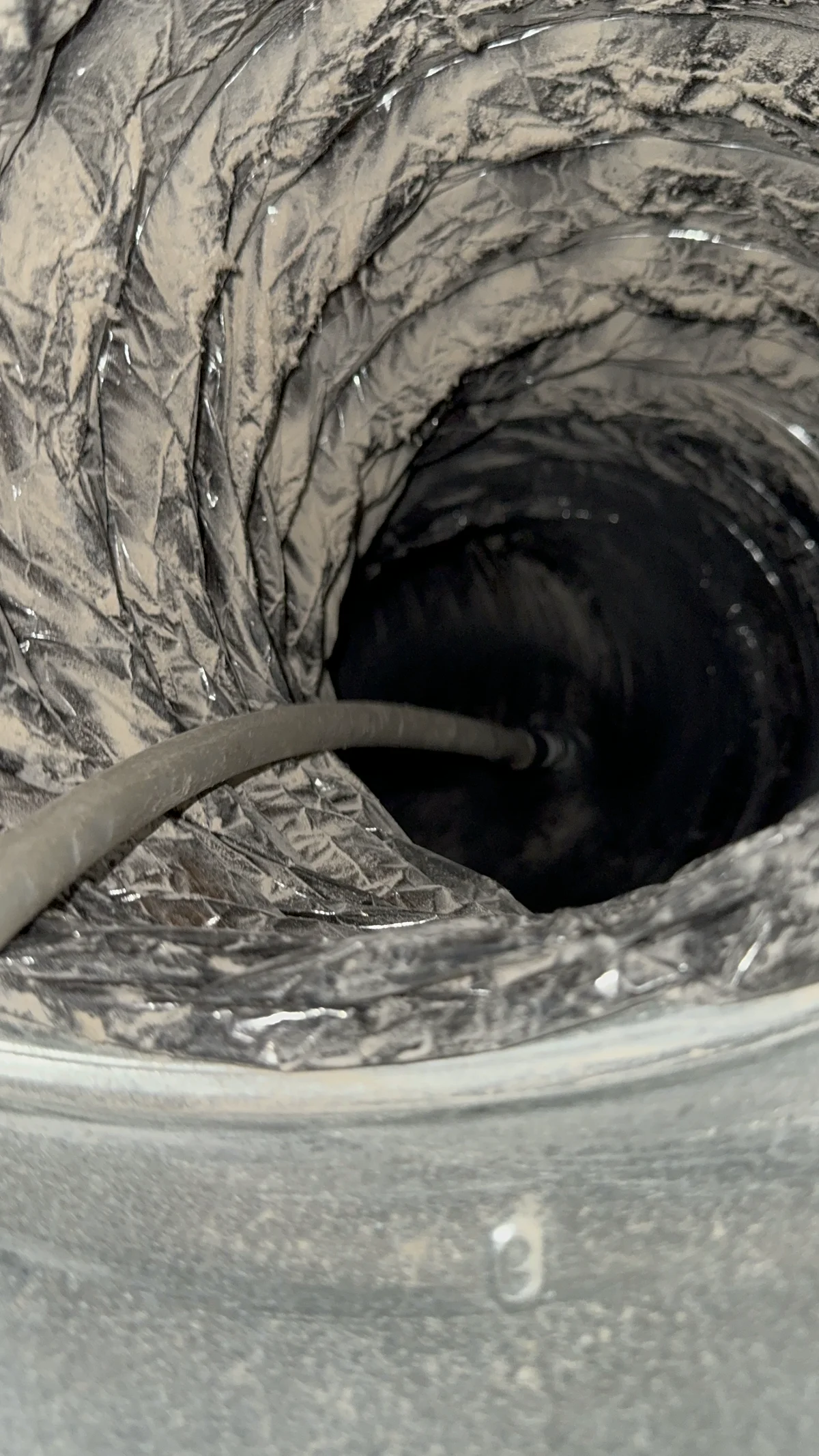
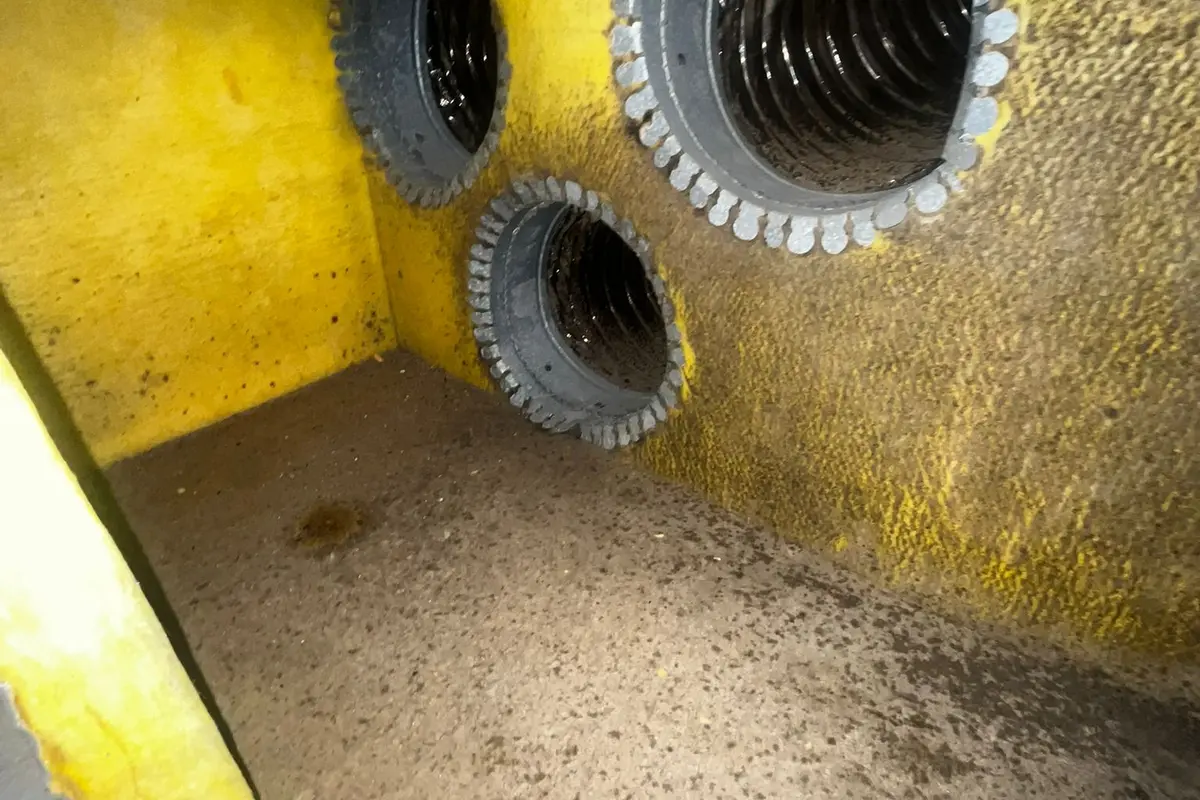
Find out what is inside your ducts with an HD camera inspection. Same-day appointments available.
Call (512) 601-4451Rate your home's indoor air quality in 2 minutes
What About Humming, Buzzing, and Scraping?
Steady humming from the duct system is usually the blower motor doing its job. A well-maintained blower produces a consistent low hum. If the humming suddenly gets louder, changes pitch, or develops a vibration quality, the motor bearings may be wearing out.
Buzzing can come from loose sheet metal at duct joints, electrical components near the air handler, or a failing transformer on the thermostat. If the buzzing is loudest near the air handler or furnace, it is likely an electrical or motor issue rather than a duct problem.
Scraping or grinding sounds are the most urgent. Metal-on-metal scraping from the blower area means the fan wheel may have come loose from the motor shaft, a mounting bracket may have broken, or debris may be caught in the blower. Turn off the system immediately to prevent further damage and call a professional.
100-Degree Temperature Swings Inside Your Attic Ducts
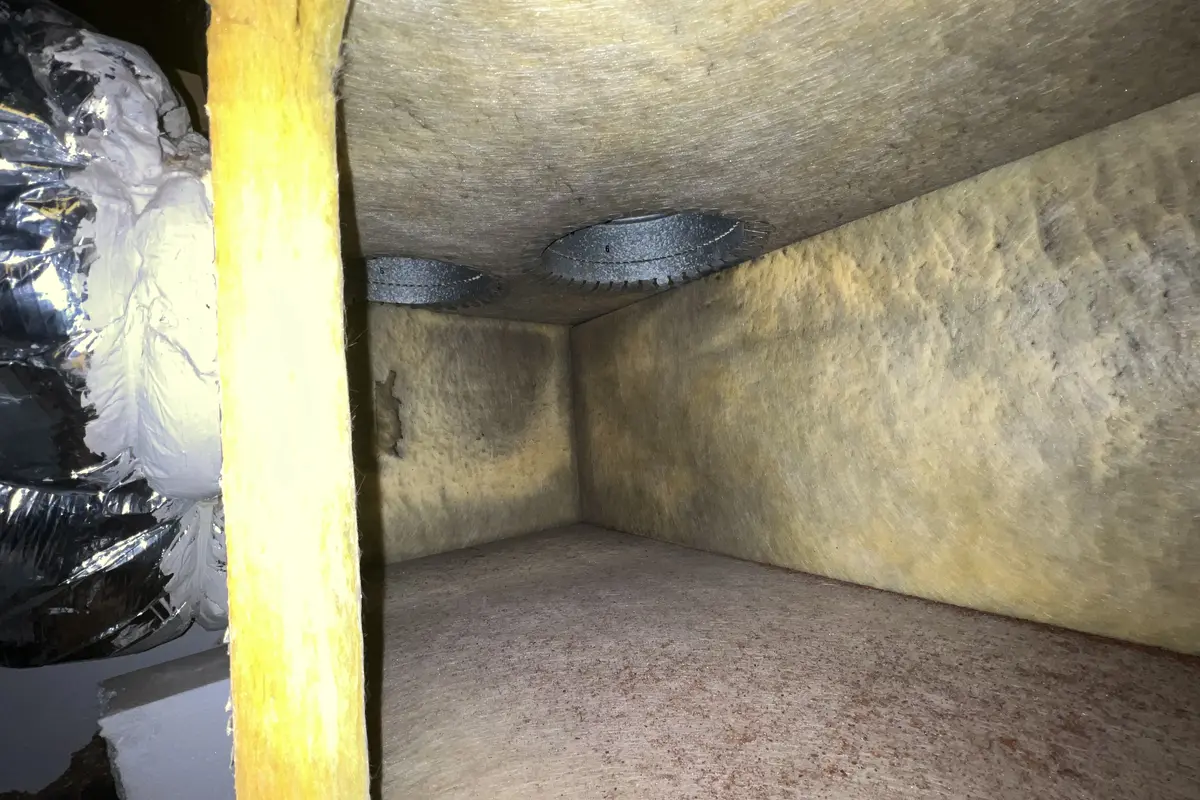
Austin homes experience more duct noise than homes in moderate climates for several specific reasons. The temperature differential between attic space and conditioned air is among the largest in the country. When your attic hits 155 degrees and your AC is pushing 55-degree air through those same ducts, the metal experiences temperature swings of 100 degrees within minutes.
Year-round HVAC operation means 10-11 months of continuous thermal cycling. Homes in seasonal climates get months of rest where ducts sit at ambient temperature. Austin ducts cycle thousands of additional times per year, which loosens connections faster and wears out components sooner.
The city recorded 29 consecutive days above 100 degrees Fahrenheit in recent years. Extended heat waves push attic temperatures to their extremes and increase the expansion-contraction stress on every duct connection, hanger, and joint in the system.
When to Call a Professional About Duct Noise
Call a professional if you hear scraping or grinding (potential blower damage), loud booming at furnace ignition (delayed ignition safety risk), or any noise accompanied by unusual odors. These warrant prompt attention.
Schedule an inspection if rattling has increased over time, whistling persists after replacing your filter, or you notice rooms that are not getting adequate airflow along with noise. These indicate duct problems that are wasting energy and may be worsening.
Occasional popping and minor clicking are normal, especially during Austin's extreme temperature swings. But if duct noise is new, getting louder, or keeping you awake, something has changed inside the system. Air Central's HD camera duct inspection identifies the exact source of the noise and shows you what is happening inside your ductwork. Call (512) 601-4451 to book your inspection.
Related Services
Learn more about our professional services related to this topic:
- Air Duct Cleaning - Remove dust, allergens, and debris from your entire HVAC system for cleaner indoor air.
- Air Duct Inspection - Diagnose leaks, blockages, and efficiency issues with HD camera inspection.
Want the full picture?
Read our complete guide: The Ultimate Guide to Air Duct Cleaning in Austin, TX (2026) →Have questions about air duct cleaning? Our team is available 7 days a week. Call us at (512) 601-4451 or visit our contact page.