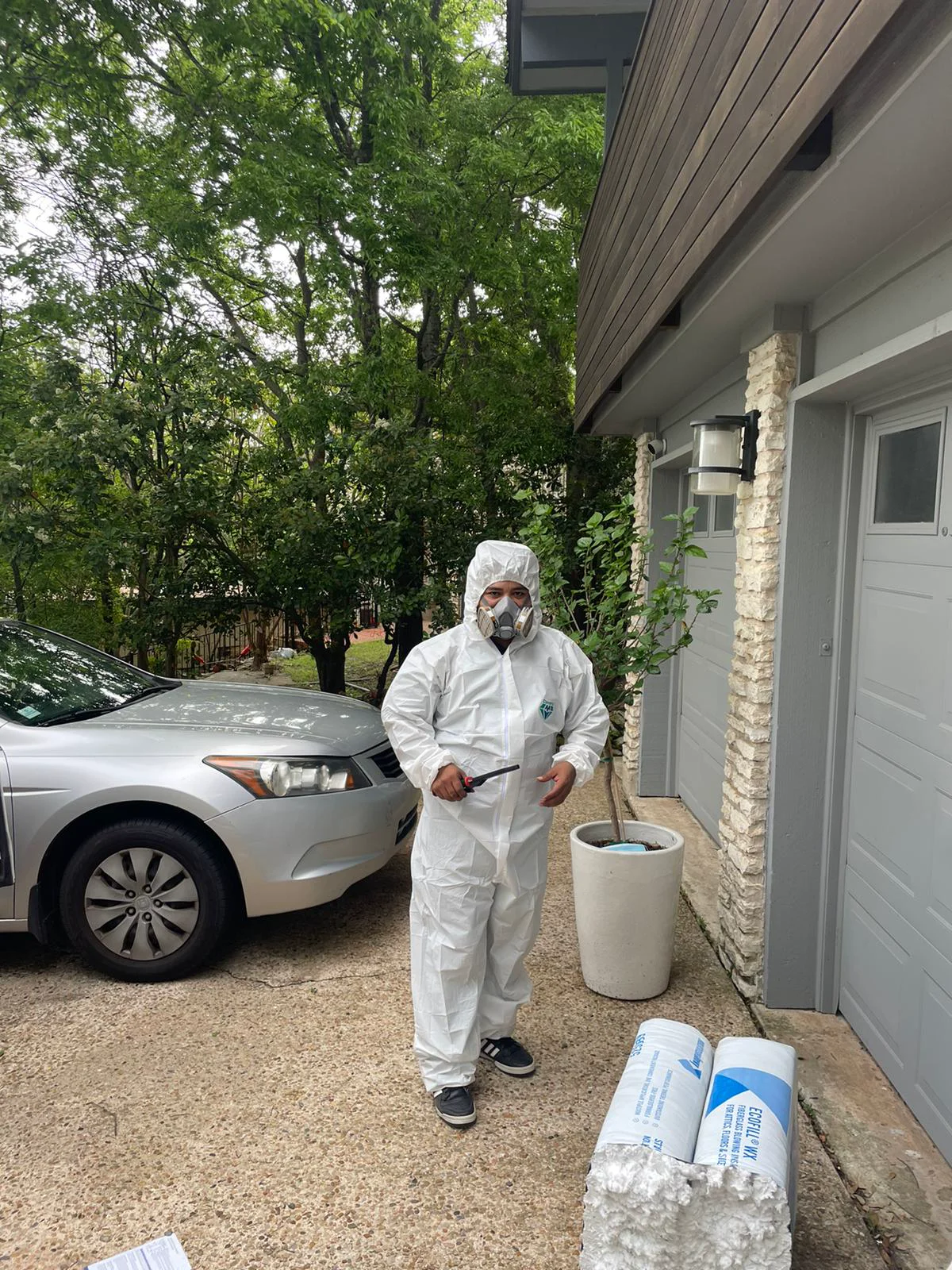
Blown-in insulation ($0.50-$1.50 per square foot) is the cost-effective choice for most Austin attics - it reaches R-49 easily and installs in a day. Spray foam ($1.50-$3.50 per square foot) adds an air seal and moisture barrier, making it ideal for crawl spaces, rim joists, and attics where you need maximum performance. DOE Climate Zone 2 requires R-38 minimum; R-49 to R-60 is recommended.
Two Insulation Types. One Austin Climate. Different Jobs.
Austin sits in DOE Climate Zone 2, where cooling dominates energy costs 8-9 months of the year and brief but intense cold snaps demand heating capacity the rest. The insulation you choose for your attic, crawl space, or walls needs to handle 150-degree summer attic temperatures and occasional single-digit winter freezes. Blown-in and spray foam both work - but they solve different problems at very different price points.
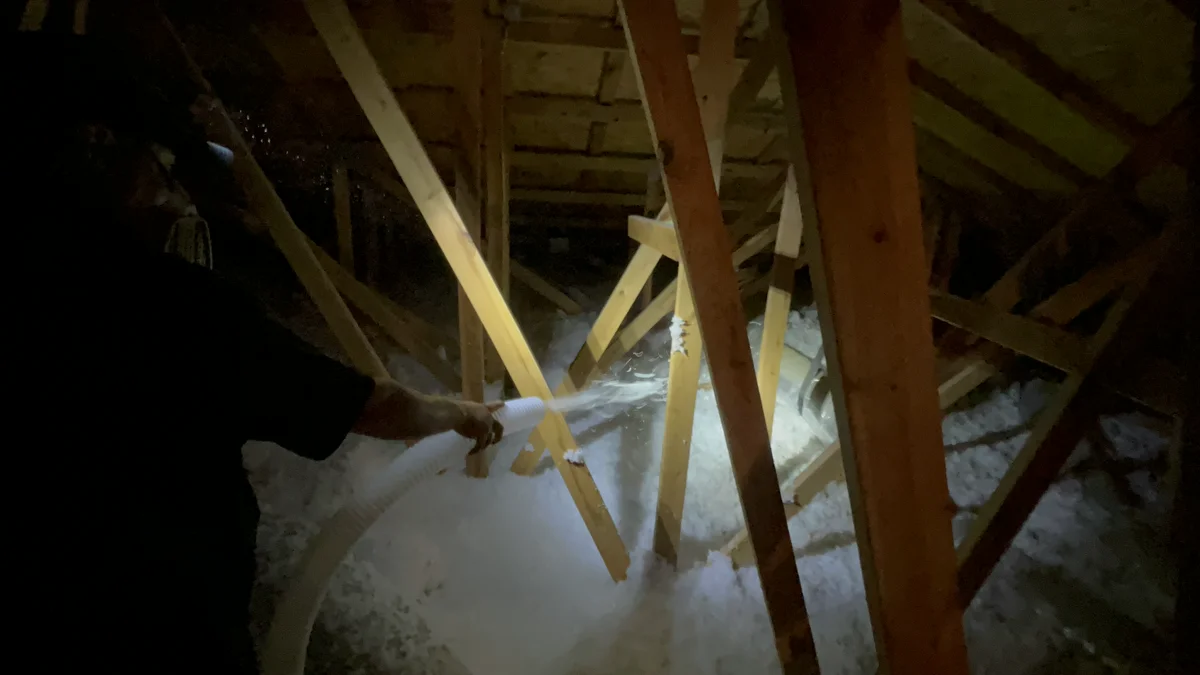
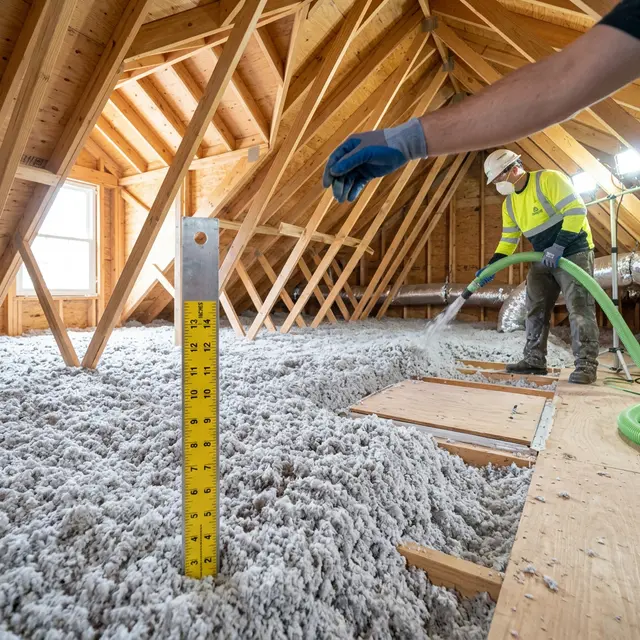
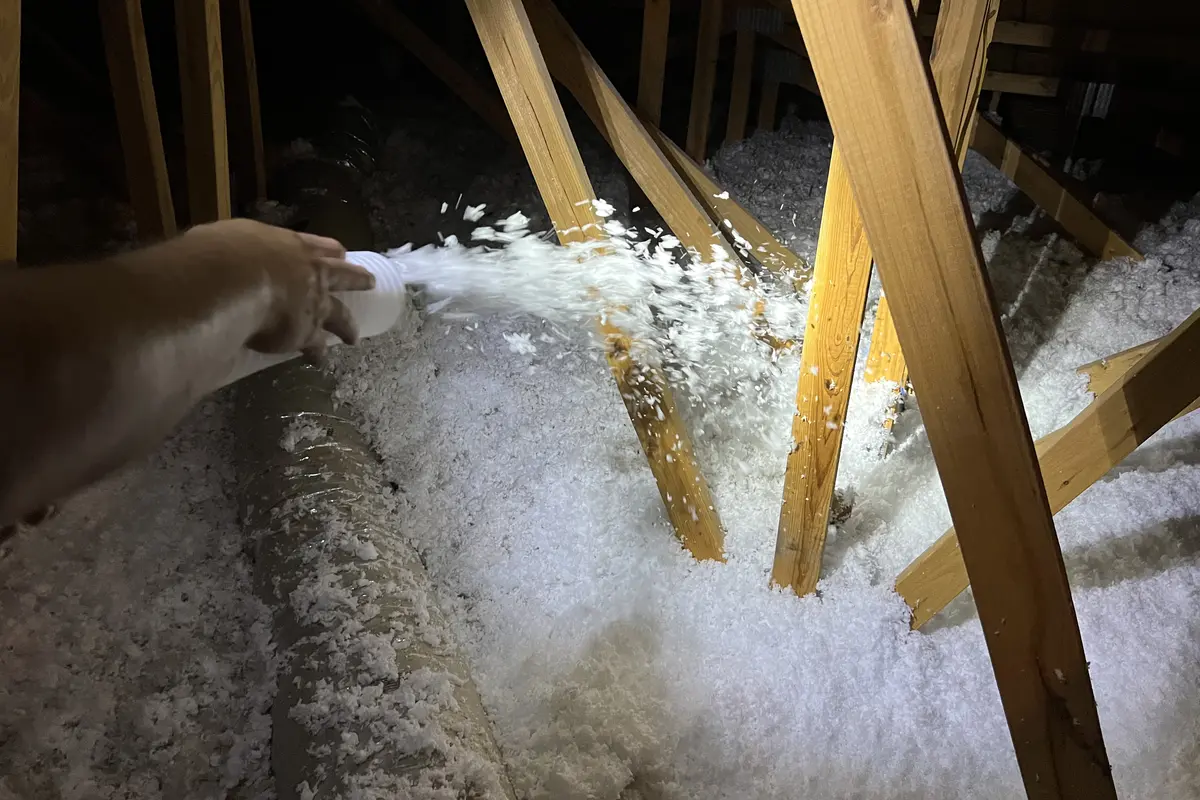
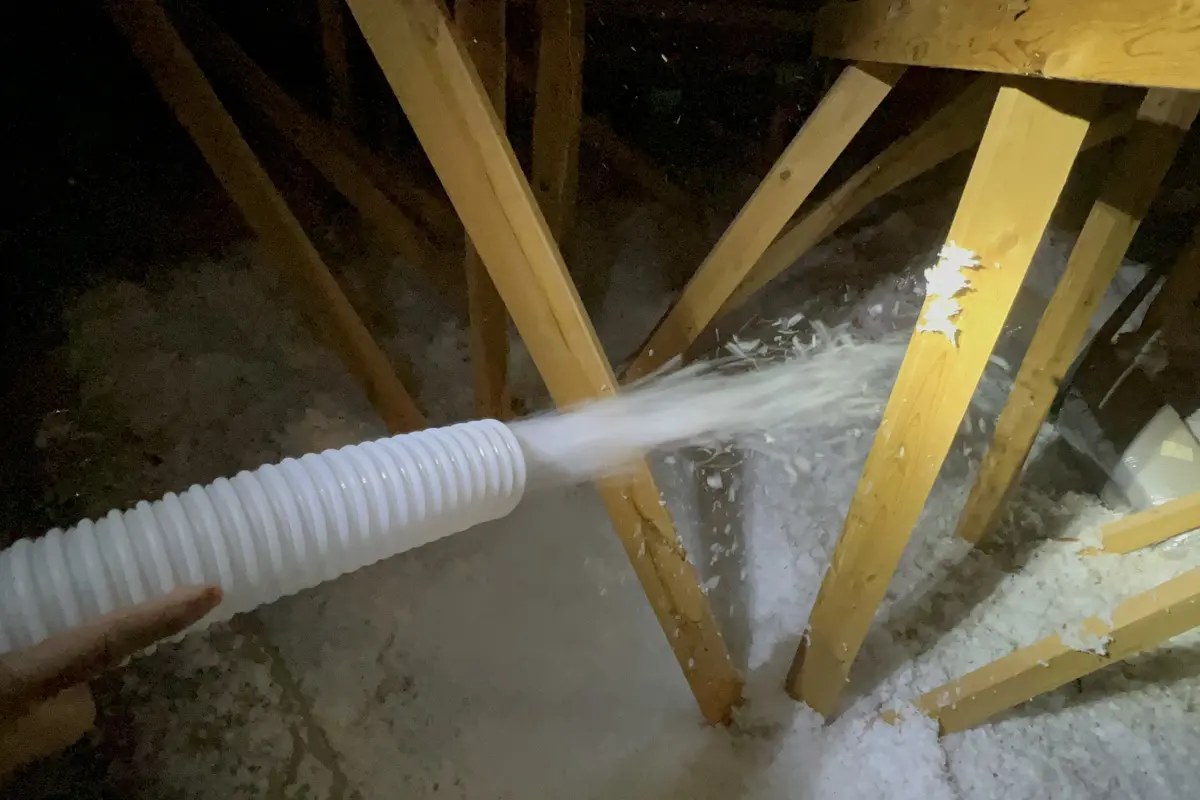
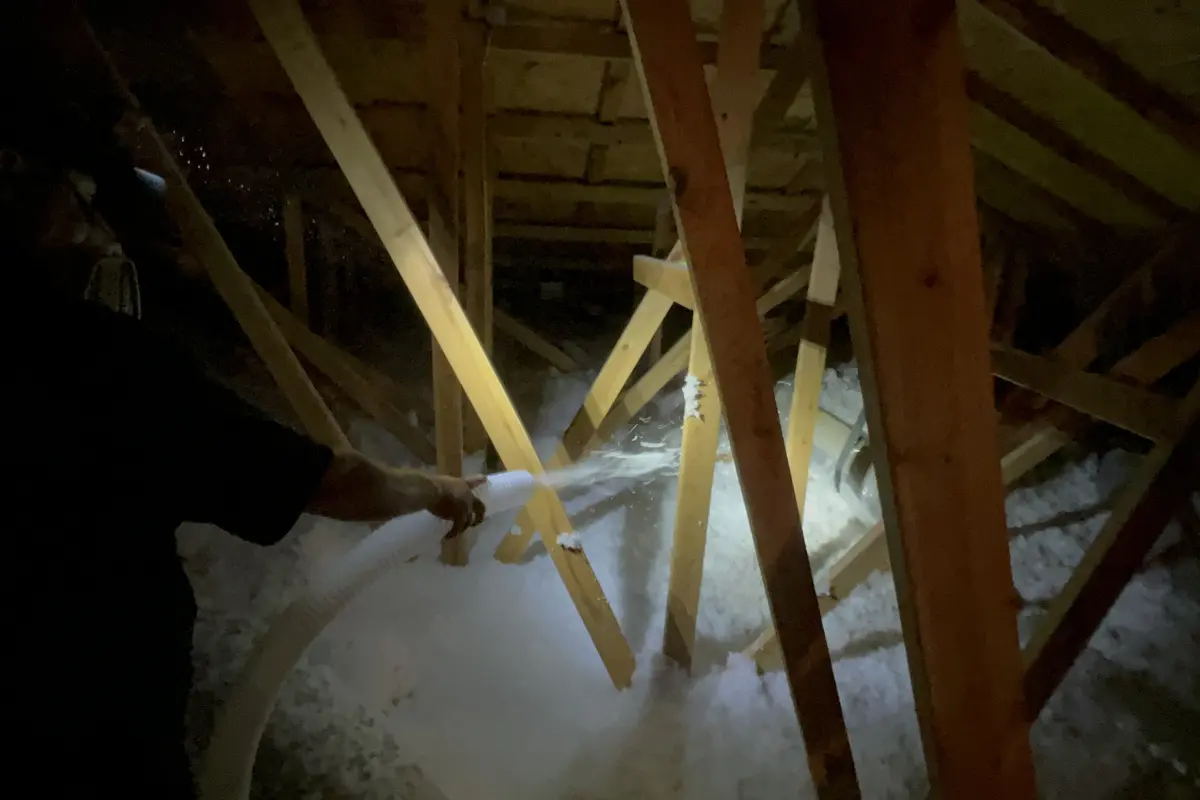
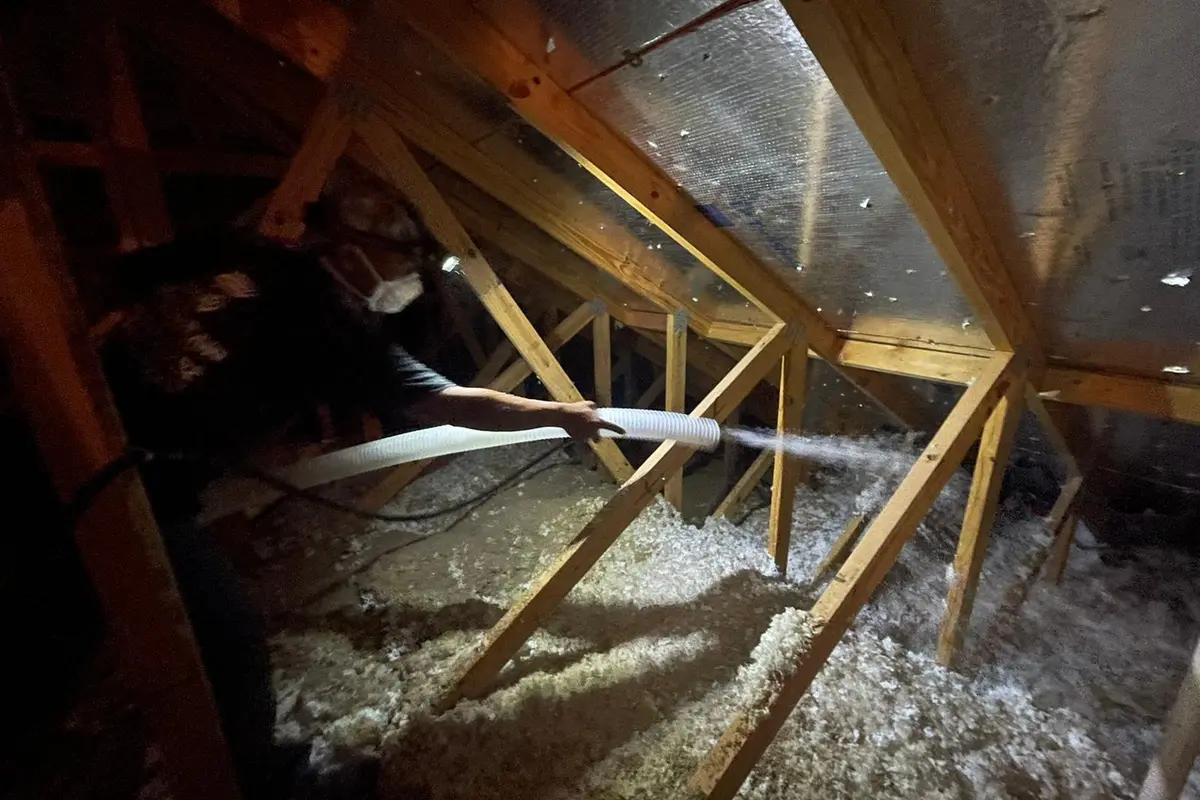
Blown-in insulation (cellulose or fiberglass) is loose-fill material blown into attic spaces with a machine. It settles between and over joists, filling gaps and creating a thermal blanket. Spray foam is a two-part chemical mixture sprayed as a liquid that expands into rigid or semi-rigid foam, bonding directly to whatever surface it contacts. Each has distinct strengths that matter in Austin's climate.
According to ENERGY STAR, upgrading attic insulation is one of the top five energy efficiency improvements for existing homes. The question is not whether to insulate - it is which type gives you the best return for your specific situation.
Cost Comparison: What You Will Actually Pay in Austin
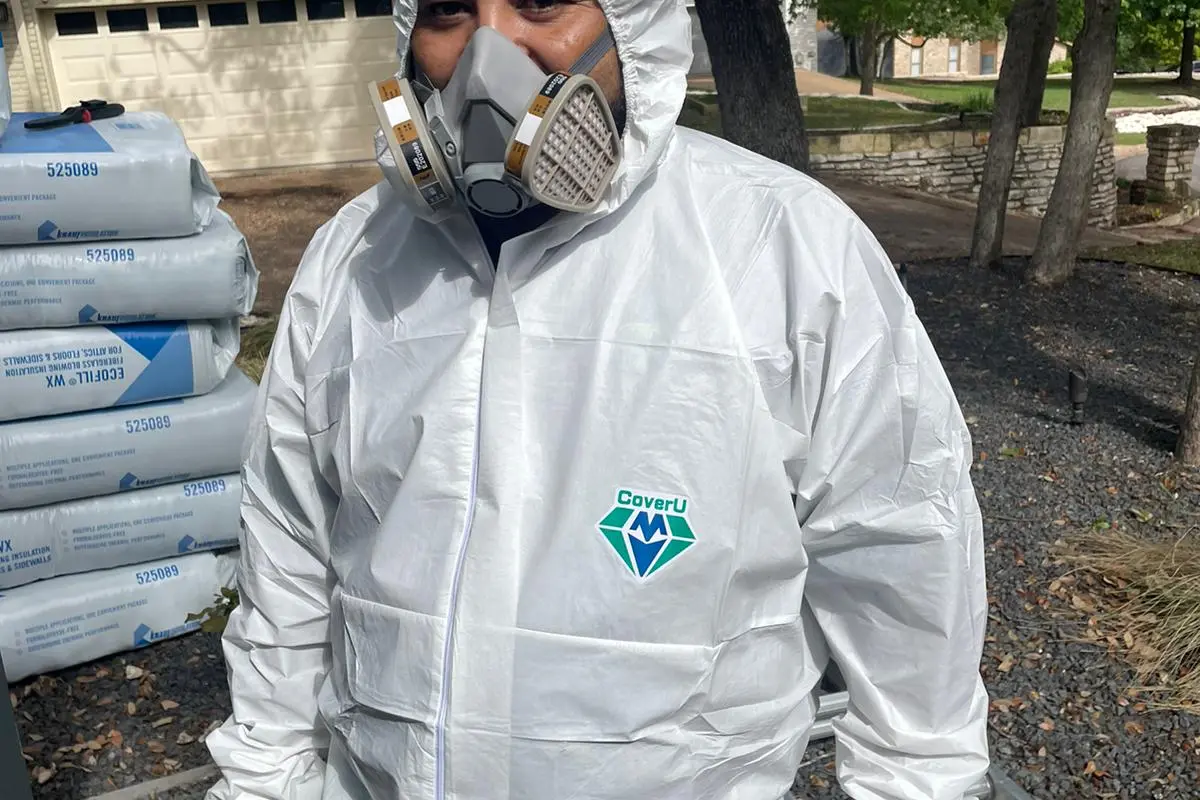
Blown-in cellulose insulation costs $0.80-$1.50 per square foot installed in Austin. Blown-in fiberglass runs $1.00-$2.00 per square foot. For a standard 1,500-square-foot attic insulated to R-49, expect to pay $1,500-$3,500 total for blown-in installation.
Open-cell spray foam costs $1.50-$2.50 per square foot at the thickness needed for equivalent R-value. Closed-cell spray foam runs $2.50-$3.50 per square foot. For the same 1,500-square-foot attic, spray foam installation ranges from $3,000-$7,000 depending on the type and thickness.
The price gap is significant: spray foam costs roughly 2-3 times more than blown-in for equivalent coverage. That premium buys you additional properties (air sealing, moisture control) that matter in specific situations - but for a straightforward attic floor insulation upgrade, blown-in delivers the same thermal resistance at a fraction of the cost.
R-Value Per Inch: How They Stack Up
Blown-in cellulose delivers R-3.2 to R-3.8 per inch of thickness. Blown-in fiberglass delivers R-2.2 to R-2.7 per inch. To reach the DOE-recommended R-49, you need approximately 13-15 inches of cellulose or 17-19 inches of fiberglass.
Open-cell spray foam provides R-3.5 to R-3.7 per inch - comparable to cellulose. Closed-cell spray foam delivers R-6.0 to R-7.0 per inch, the highest R-value per inch of any common insulation type. You need only 7-8 inches of closed-cell foam to reach R-49.
In Austin attics with limited headroom above the joists, closed-cell foam's higher R-value per inch can be a deciding factor. But most Austin attics have adequate depth for blown-in insulation, making the thinner profile of spray foam unnecessary in typical applications.
The Air Seal Advantage: Where Spray Foam Wins
The biggest functional difference between spray foam and blown-in insulation is air sealing. Spray foam adheres to surfaces and expands to fill every gap, crack, and penetration it contacts. Once cured, it creates both a thermal barrier and an air barrier in a single application.
Blown-in insulation provides thermal resistance but does not seal air leaks. Air moves through and around loose-fill insulation, carrying heat and moisture with it. In a leaky attic, blown-in insulation slows heat transfer but does not stop air infiltration - the stack effect still pulls conditioned air up through ceiling penetrations and into the attic.
The Building Science Corporation's research shows that air leakage accounts for 25-40% of heating and cooling costs in a typical home. In Austin, where your AC runs 8-9 months per year and the temperature difference between conditioned space and attic can exceed 80 degrees, air sealing delivers meaningful savings. However, you can achieve air sealing separately (with caulk and foam around penetrations) before adding blown-in insulation - getting most of the benefit without the full spray foam cost.
Moisture Control in Austin's Humid Climate
Austin averages 67% relative humidity, exceeding the mold growth threshold of 60% for 8-9 months of the year. How your insulation handles moisture matters for long-term performance and indoor air quality.
Closed-cell spray foam is a vapor barrier - moisture does not pass through it. This makes it ideal for crawl spaces, basement walls, and rim joists where ground moisture or exterior humidity would otherwise penetrate the building envelope. In Austin pier-and-beam homes (common in Mueller, Crestview, and Allandale), closed-cell foam on the crawl space walls and floor joists addresses both insulation and moisture in one step.
Open-cell spray foam is vapor-permeable - moisture passes through it, which can be an advantage or disadvantage depending on the application. In an attic, vapor permeability allows the roof assembly to dry in both directions, reducing the risk of trapped moisture. In a crawl space, vapor permeability is a disadvantage because ground moisture passes right through.
Blown-in cellulose is treated with borate compounds that resist mold and pests. It absorbs and releases moisture without losing R-value, making it well-suited for Austin attics where humidity levels fluctuate seasonally. Fiberglass does not absorb moisture but can trap it against surfaces if the insulation gets wet, potentially creating mold conditions on the material underneath.
Wondering About Your Insulation Level?
We measure your current R-value and show you exactly where you stand. Professional attic assessments available.
Call (512) 601-4451Estimate how much you could save on energy bills
When Blown-In Is the Right Choice for Austin Homes
Blown-in insulation is the better value for most Austin attic upgrades. If your attic has adequate ventilation (ridge vent plus soffit vents), standard ceiling height clearance, and no significant moisture issues, blown-in cellulose or fiberglass delivers the thermal performance you need at the lowest cost.
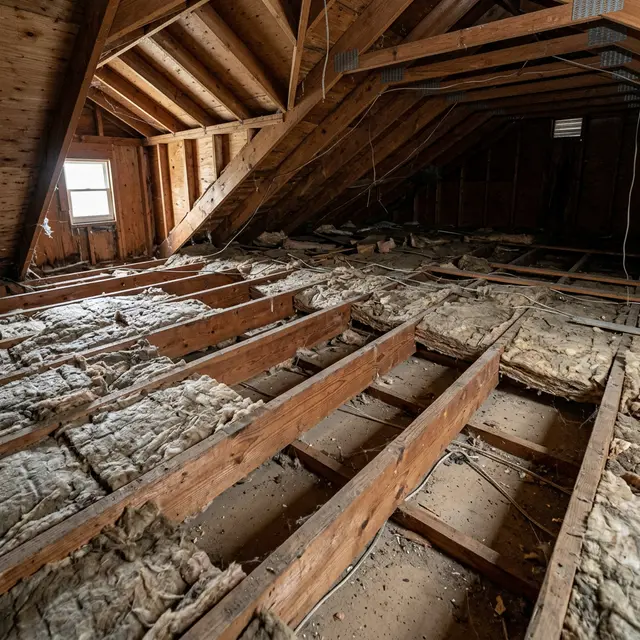
Blown-in is also the practical choice for adding insulation on top of existing batts - a common scenario in Austin homes built in the 1990s and 2000s that were originally insulated to R-19 or R-30. A crew can blow additional insulation over the existing layer in a single day, bringing the total to R-49 or higher without removing anything.
For homes in Kyle, Buda, Manor, and the newer developments east of I-35 where slab-on-grade construction with standard truss attics is the norm, blown-in insulation is almost always the most cost-effective upgrade. These homes have straightforward attic geometry that blown-in fills efficiently.
When Spray Foam Makes Sense in Austin
Spray foam is the right choice when you need air sealing and insulation in the same application, when space is limited, or when moisture control is the primary concern. Specific Austin applications where spray foam outperforms blown-in include crawl spaces in pier-and-beam homes (moisture barrier plus insulation), rim joists and band joists in two-story homes (air sealing at the most critical leakage point), and cathedral ceilings or low-slope roofs where you cannot ventilate the attic conventionally.
Spray foam also makes sense for conditioned attic conversions - where you insulate the underside of the roof deck rather than the attic floor, bringing the attic inside the building envelope. This approach eliminates the extreme attic temperatures that damage ductwork (see our guide on <a href="/blog/austin-attic-heat-ductwork-damage/">attic heat and ductwork damage</a>) but requires spray foam's air-sealing capability to work properly.
"In most Austin homes, we recommend blown-in for the attic and spray foam for the crawl space," says Nessi Ziv, owner of Air Central. "You get the best value in the attic where you just need thermal resistance, and the best performance in the crawl space where moisture control is the real issue. Spending spray foam money on a standard vented attic floor usually is not worth the premium."
Get an Insulation Assessment for Your Austin Home
The right insulation choice depends on your home's construction type, current insulation levels, attic configuration, and budget. A professional assessment measures existing R-value, identifies air leaks, checks moisture levels, and recommends the most cost-effective upgrade path for your specific situation.
Air Central evaluates attic and crawl space insulation as part of our home comfort assessments. We use thermal imaging and HD camera inspection to show you exactly where your home is losing energy and which improvements deliver the fastest payback. Homes across West Lake Hills, Cedar Park, Georgetown, and every corner of the Austin metro. Call (512) 601-4451 to schedule your insulation assessment.
Related Services
Learn more about our professional services related to this topic:
- Attic Insulation - Premium blown-in insulation to cut energy costs and improve year-round comfort.
- Solar Fan Installation - Solar-powered attic ventilation that cuts cooling costs naturally.
Want the full picture?
Read our complete guide: Attic Insulation for Austin Homes: The Complete Guide (2026) →Have questions about attic & insulation? Our team is available 7 days a week. Call us at (512) 601-4451 or visit our contact page.