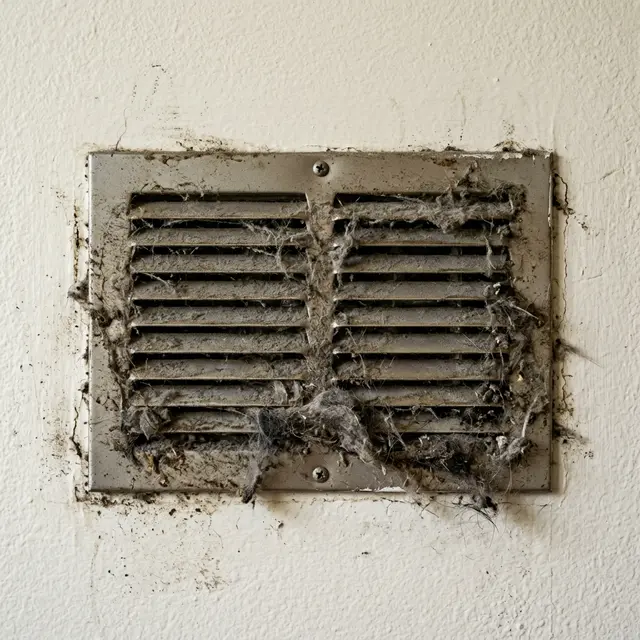
If you hear scratching in your walls or ceiling, see droppings near vent registers, find chewed flex duct in the attic, or smell something dead from a vent, you likely have rodents or pests in your ductwork. Austin's wildlife - mice, rats, squirrels, and raccoons - regularly invade attic duct systems, especially in homes near greenbelt areas and new construction zones. First call a pest control company to remove live animals, then call an HVAC professional to clean and repair the ductwork.
Common Austin Pests That Invade Air Ducts
Mice and rats are the most frequent duct invaders in Austin homes. Roof rats are especially common in Central Texas - they climb trees, access roof lines, and enter attics through gaps as small as a quarter. Once in the attic, they chew through flex duct to build nests inside the insulated ductwork, which provides shelter, warmth in winter, and cool air in summer.
Squirrels enter attics through eave gaps, damaged soffit vents, and roof penetrations. They are larger and cause more visible damage to ductwork than rats. Fox squirrels and eastern gray squirrels are both common throughout Austin's established neighborhoods. Raccoons are less frequent but cause the most damage when they do enter - their weight collapses flex duct, and their larger droppings create significant contamination.
Austin's expanding development pushes wildlife out of their natural habitat and into residential areas. Homes near Barton Creek Greenbelt, along the Lake Travis corridor, in areas adjacent to undeveloped Hill Country land, and in neighborhoods bordering new construction sites are at higher risk. When bulldozers clear land for new subdivisions in areas like Leander, Hutto, and eastern Pflugerville, displaced animals seek shelter in nearby homes.
Signs of Pests in Your Ductwork
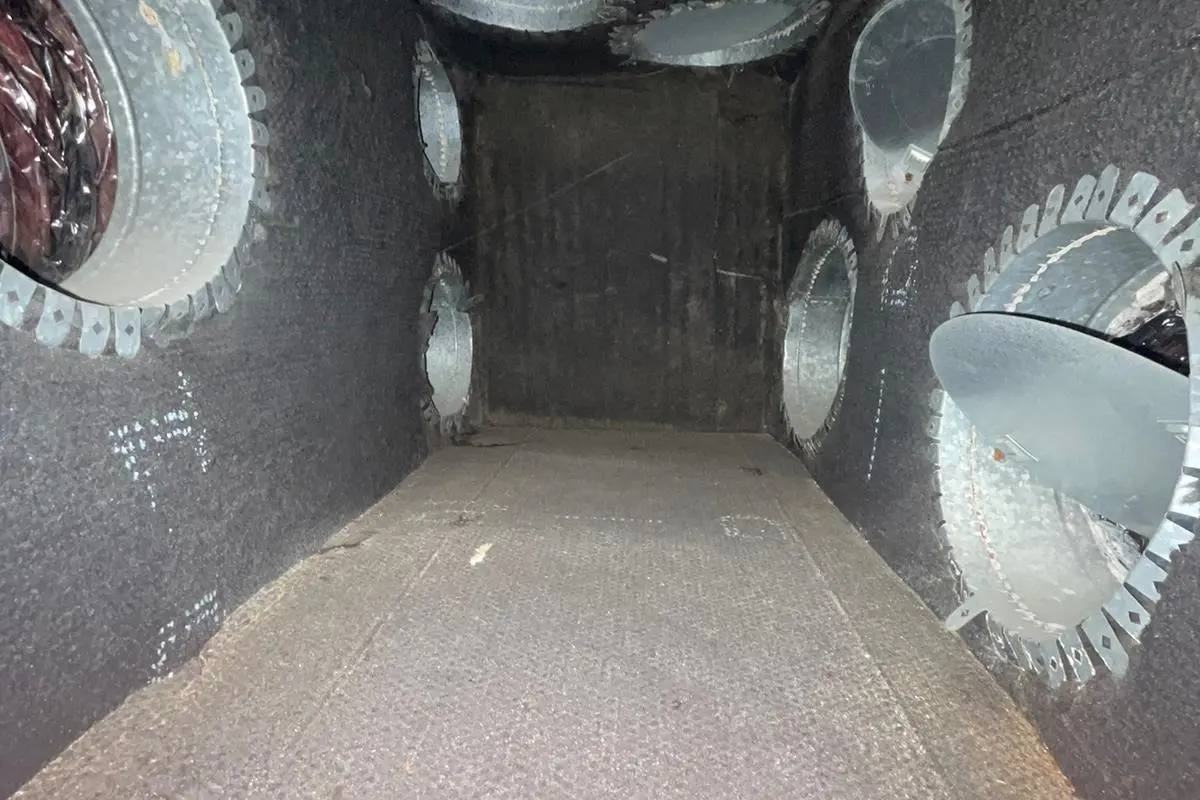
Scratching, scurrying, or thumping sounds in the ceiling or walls, especially at night, are the earliest indicator. Rodents are most active after dark, and the sound of claws on sheet metal or the rustling of flex duct material is distinctive. If the sounds seem to follow duct runs through the house, the animals are likely inside or on top of the ductwork.
Droppings near vent registers are a clear sign. Mouse droppings are small (1/4 inch), dark, and pointed at the ends. Rat droppings are larger (1/2 to 3/4 inch) and blunt. If you see droppings on the floor below a supply vent, animals are inside the duct and waste is falling through the register gaps. Check registers in less-used rooms first - these are often the entry points.
Chewed or torn flex duct visible in the attic is confirmation of an active or past infestation. Rodents gnaw through the outer jacket and inner liner of flex duct to create entry points. You may see loose fiberglass insulation scattered around the damage site. Disconnected duct sections - where a duct has been pulled from its collar by an animal's weight - are also common.
A dead animal smell from one or two specific vents means something died inside that duct run. The smell intensifies when the HVAC system runs because airflow passes over the carcass and distributes the odor. This is unmistakable - a sweet, decaying smell that is different from musty or stale odors. The smell typically peaks 3-5 days after death and can persist for 2-3 weeks without removal.
Health Risks of Pest-Contaminated Ductwork
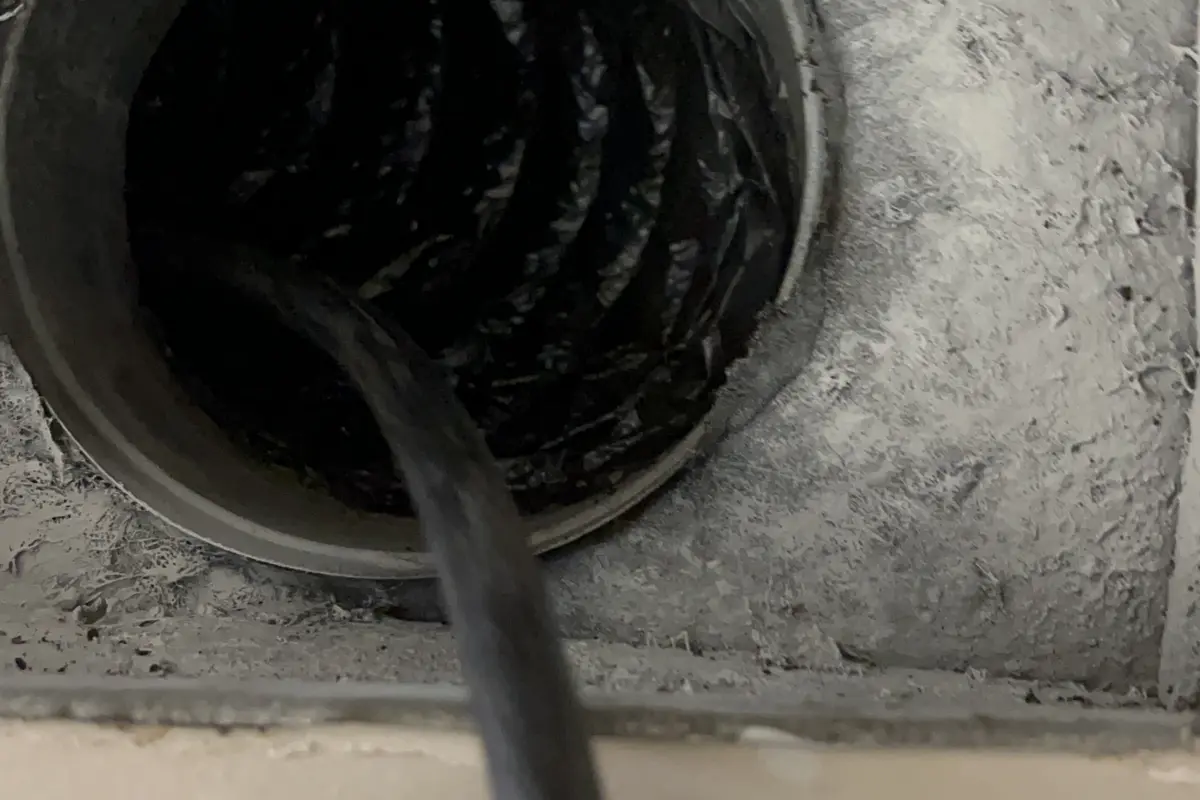
Rodent droppings and urine inside ductwork create serious health hazards that go beyond unpleasant odors. When the HVAC system runs, it aerosolizes dried rodent waste and distributes it throughout the living space. Hantavirus, carried by deer mice and cotton rats (both present in Central Texas), spreads through inhalation of aerosolized rodent droppings. While rare, hantavirus pulmonary syndrome is life-threatening.
Rodent urine residue on duct surfaces creates a persistent ammonia-like odor and can trigger allergic reactions in sensitive individuals. Accumulated droppings support bacterial growth that adds another layer of airborne contamination. Fleas, mites, and ticks that live on rodents can also enter the duct system and eventually find their way into living spaces.
Dead animals in ductwork produce bacteria from decomposition that the HVAC system circulates. Even after the smell fades (once the carcass fully desiccates), residual contamination remains on duct surfaces until professionally cleaned. Homes with children, elderly residents, or immunocompromised individuals should treat pest-contaminated ductwork as an urgent health issue.
Time for a Duct Cleaning?
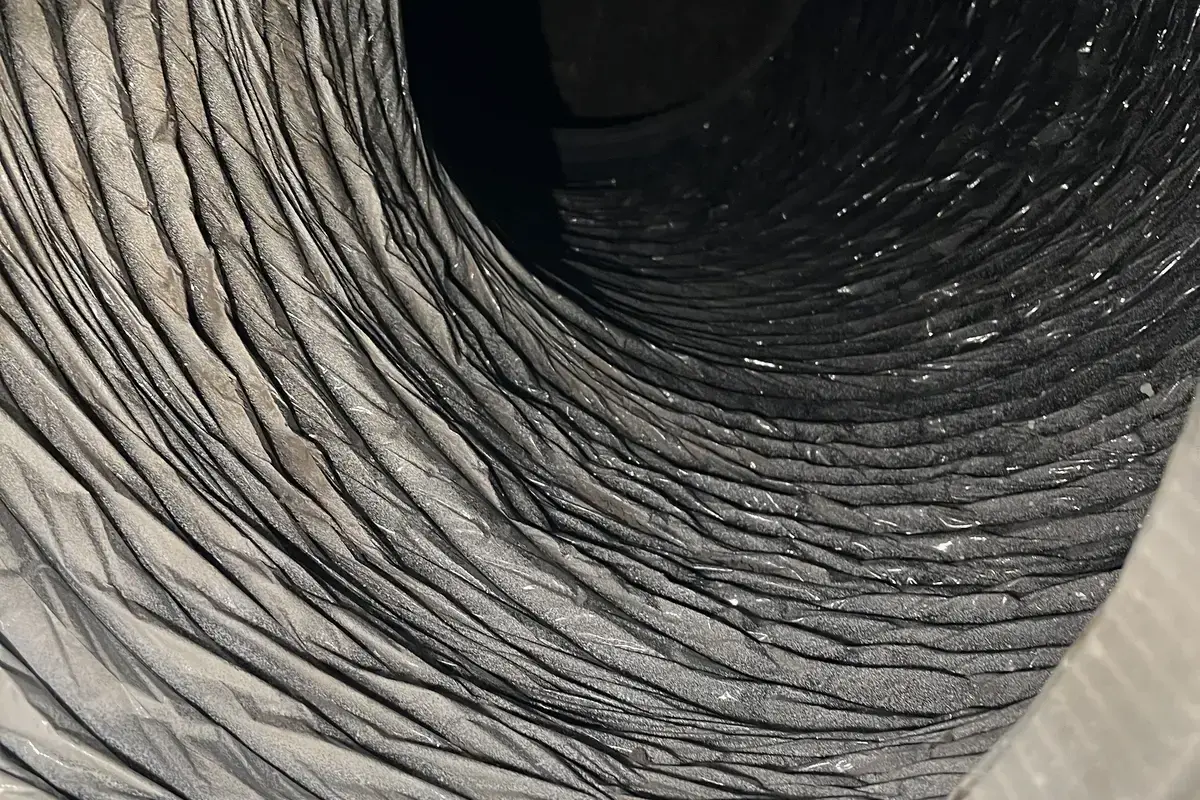
Find out what is inside your ducts with an HD camera inspection. Same-day appointments available.
Call (512) 601-4451Rate your home's indoor air quality in 2 minutes
Cleanup Process: Pest Control First, Then Duct Cleaning
The cleanup must happen in the right order. Step one is always pest control - call a licensed pest control company to remove live animals, seal entry points, and set traps or bait stations. There is no point cleaning ductwork if animals can re-enter immediately. Austin has dozens of reputable pest control companies; look for one experienced with attic wildlife, not just general insect treatment.
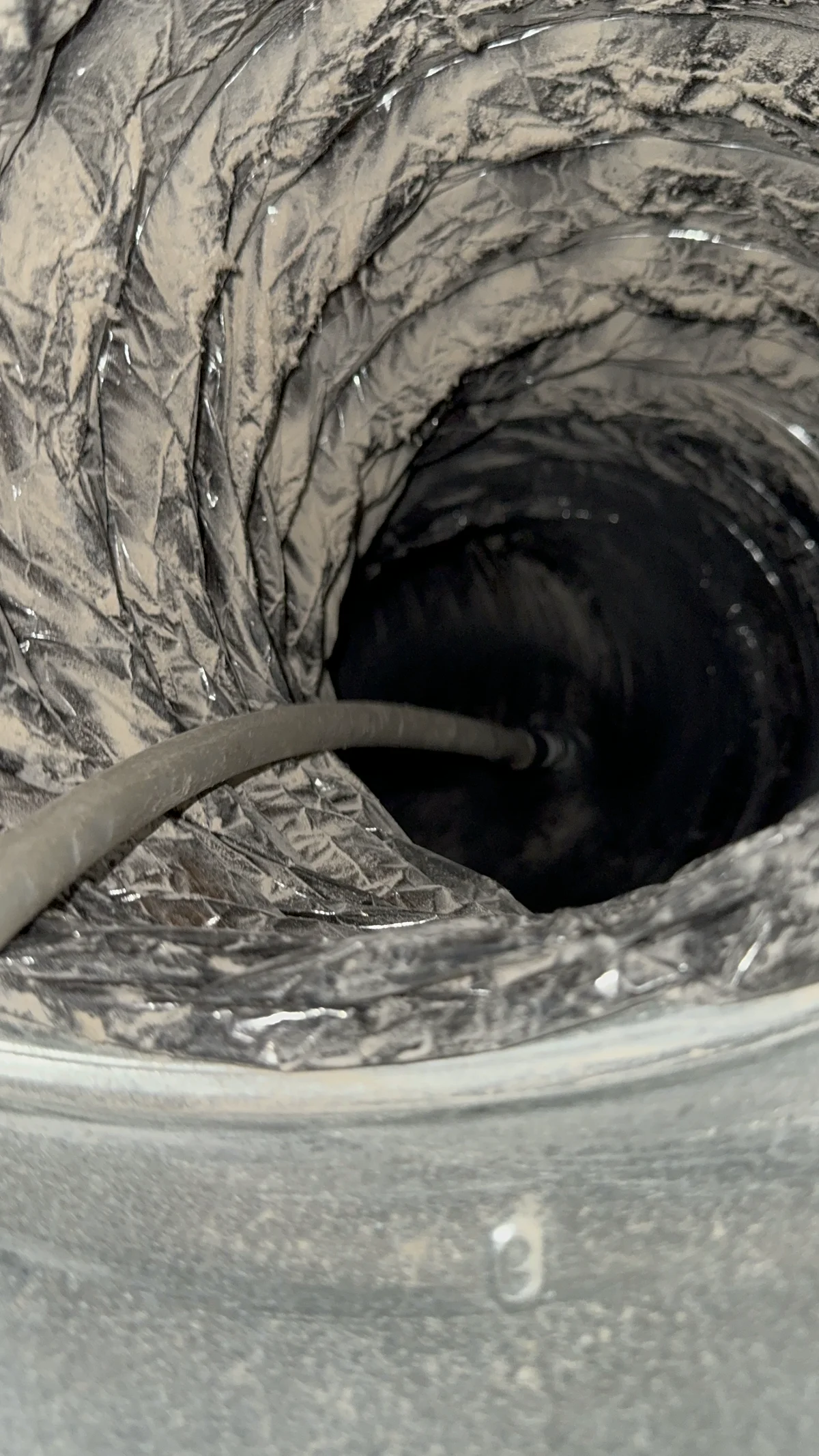
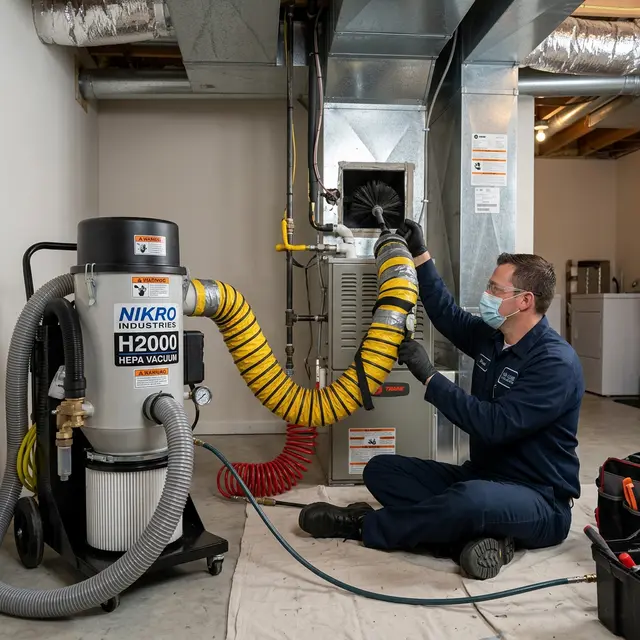
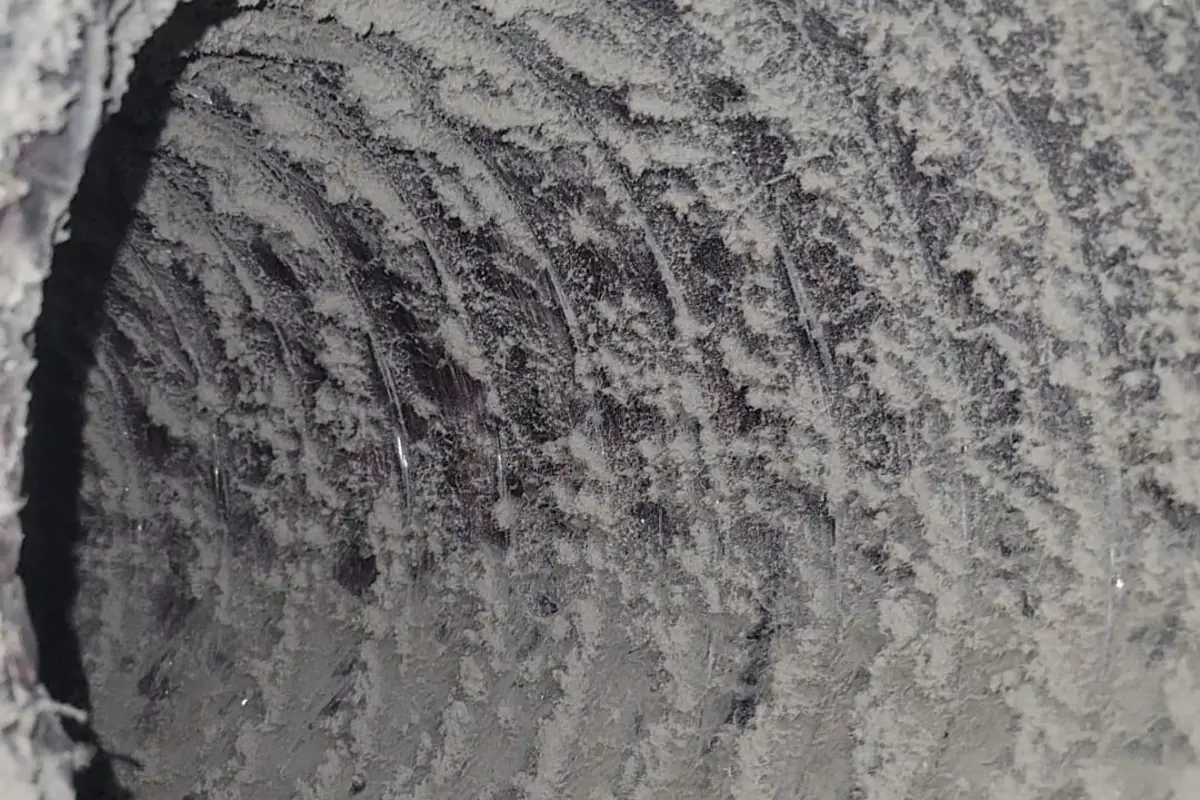
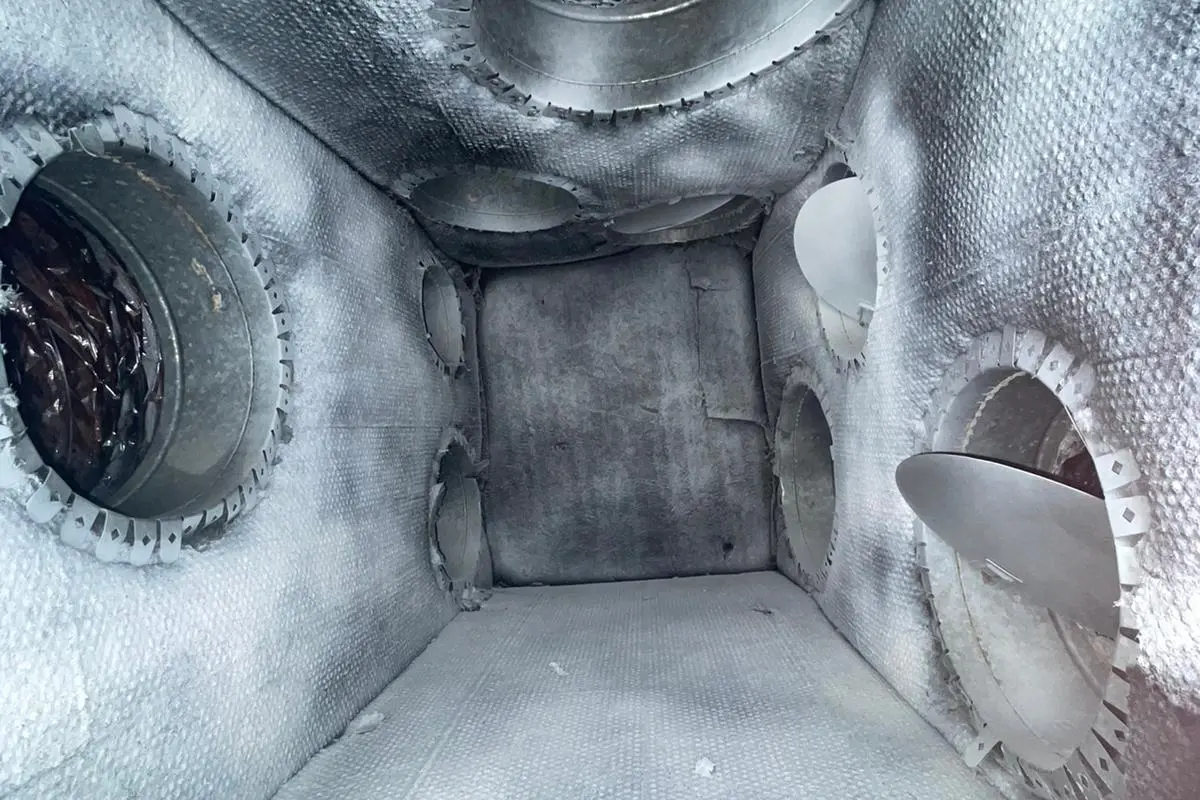
Once the pest control company confirms the infestation is resolved and entry points are sealed, step two is duct cleaning and repair. Professional duct cleaning removes droppings, nesting material, urine residue, and any dead animal remnants from the duct system. HEPA-filtered negative-pressure equipment captures contaminated debris without releasing it into the living space.
Step three is repairing any damaged ductwork. Chewed flex duct sections need to be cut out and replaced. Disconnected joints need to be reconnected and sealed with mastic. Collapsed sections need to be re-supported. In severe cases, entire duct runs may need replacement if rodent damage is too extensive to patch.
Air Central handles steps two and three - duct cleaning and repair. We work alongside your pest control company to coordinate timing. Our HD camera inspection documents the contamination before cleaning and verifies complete removal after. Call (512) 601-4451 after your pest control company gives the all-clear, and we will schedule the cleanup.
Preventing Pests from Entering Your Ductwork
Seal your attic. The most effective prevention is eliminating entry points. Inspect your roofline, soffit vents, gable vents, and plumbing/electrical penetrations for gaps larger than 1/4 inch. Hardware cloth (1/4 inch galvanized mesh) over vent openings keeps rodents and squirrels out while maintaining ventilation. Seal gaps around pipes and wires with steel wool and caulk - rodents cannot chew through steel wool.
Trim trees away from the roof. Roof rats and squirrels access attics via tree branches that touch or overhang the roofline. Keep branches trimmed at least 6 feet from the roof edge. In Austin neighborhoods like Tarrytown, Travis Heights, and Zilker where mature trees overhang homes, this is an ongoing maintenance task.
Inspect your ductwork annually. A quick visual check of attic ductwork in the fall (before rodents seek winter shelter) catches damage early. Look for torn or disconnected flex duct, droppings on duct surfaces, and nesting material. If your attic is not safely accessible, schedule a professional inspection.
Keep outdoor food sources controlled. Bird feeders near the house attract rodents. Fallen fruit from trees (common with Austin's fig and pecan trees) should be cleaned up promptly. Outdoor pet food bowls brought in at night. These measures reduce the rodent population near your home, decreasing the likelihood they will try to enter.
Related Services
Learn more about our professional services related to this topic:
- Air Duct Cleaning - Remove dust, allergens, and debris from your entire HVAC system for cleaner indoor air.
- Air Duct Inspection - Diagnose leaks, blockages, and efficiency issues with HD camera inspection.
Want the full picture?
Read our complete guide: The Ultimate Guide to Air Duct Cleaning in Austin, TX (2026) →Have questions about air duct cleaning? Our team is available 7 days a week. Call us at (512) 601-4451 or visit our contact page.