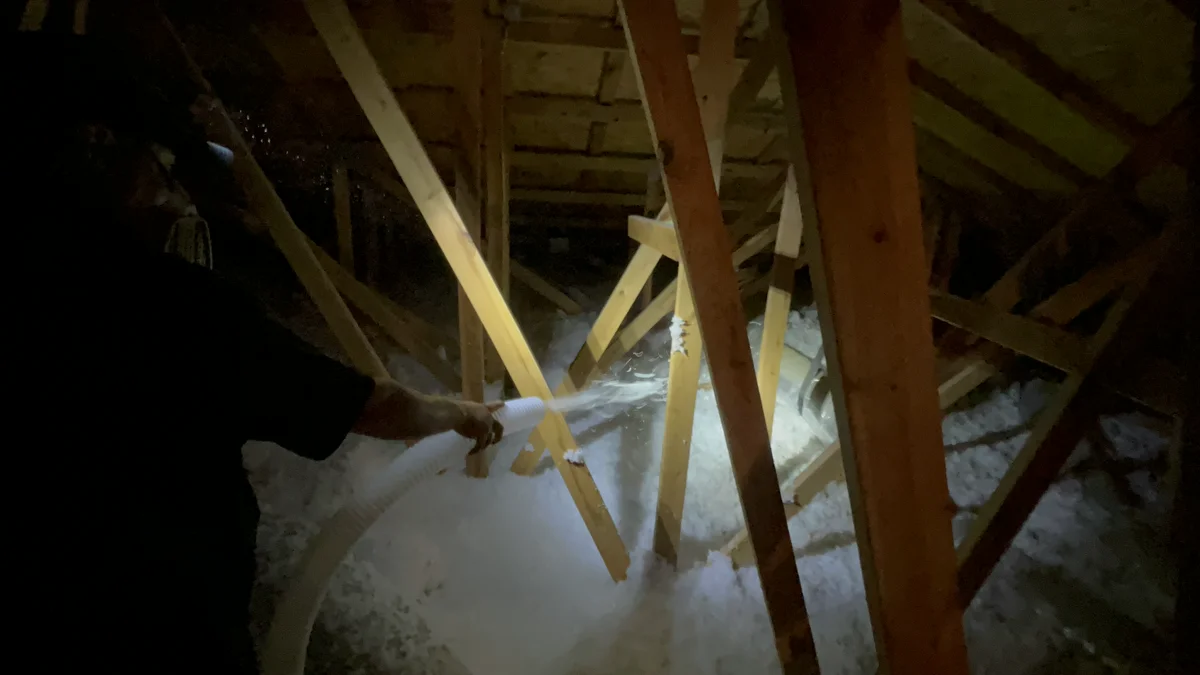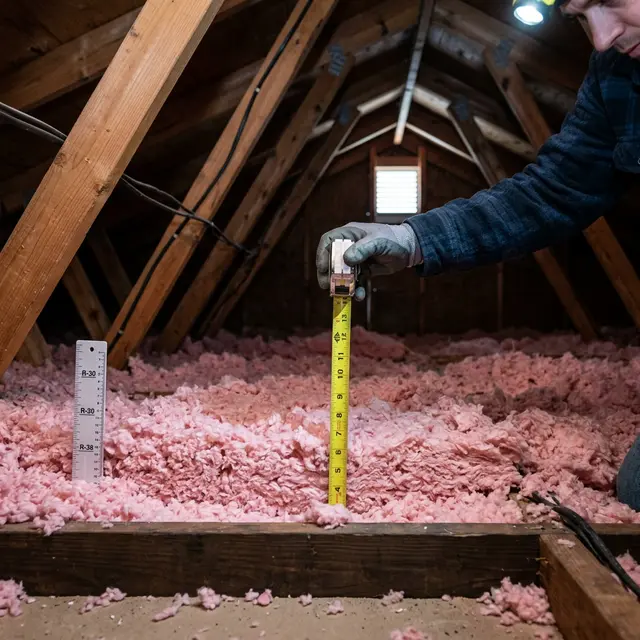
Texas building code requires R-38 for attic insulation in Austin's climate zone (IECC Zone 2). Older homes may have R-11 to R-19, which is significantly below current requirements and costs you hundreds in wasted energy annually.
Current Code Requirements
If your Austin home was built before 2010, your attic insulation is almost certainly below current code requirements - and that gap is costing you hundreds of dollars a year. Texas building code now requires R-38 minimum for attic insulation in Austin's climate zone (IECC Zone 2), with R-13 for walls and R-19 for floors over unconditioned spaces.
Texas falls under IECC Climate Zone 2, which covers the central part of the state including Austin, San Antonio, Houston, and Dallas. Zone 2 has hot summers and mild winters, so the code focuses heavily on keeping heat out during summer. The R-38 attic requirement reflects the reality that your attic is the single largest source of heat gain in a Texas home. Northern states in Zone 5 and 6 require R-49 to R-60 in attics because they need to keep heat in during brutal winters. Our R-38 standard is designed around the opposite problem - keeping 140-160 degree attic heat away from your living space for seven or eight months of the year.
These codes apply to new construction. There is no requirement to bring an existing home up to current code when you renovate, but if you are adding insulation, going to at least R-38 makes financial sense given the energy savings. Some homeowners in Austin go to R-49 for extra performance, especially in two-story homes where the upstairs bedrooms bear the full force of attic heat.
What R-Value Means in Practice
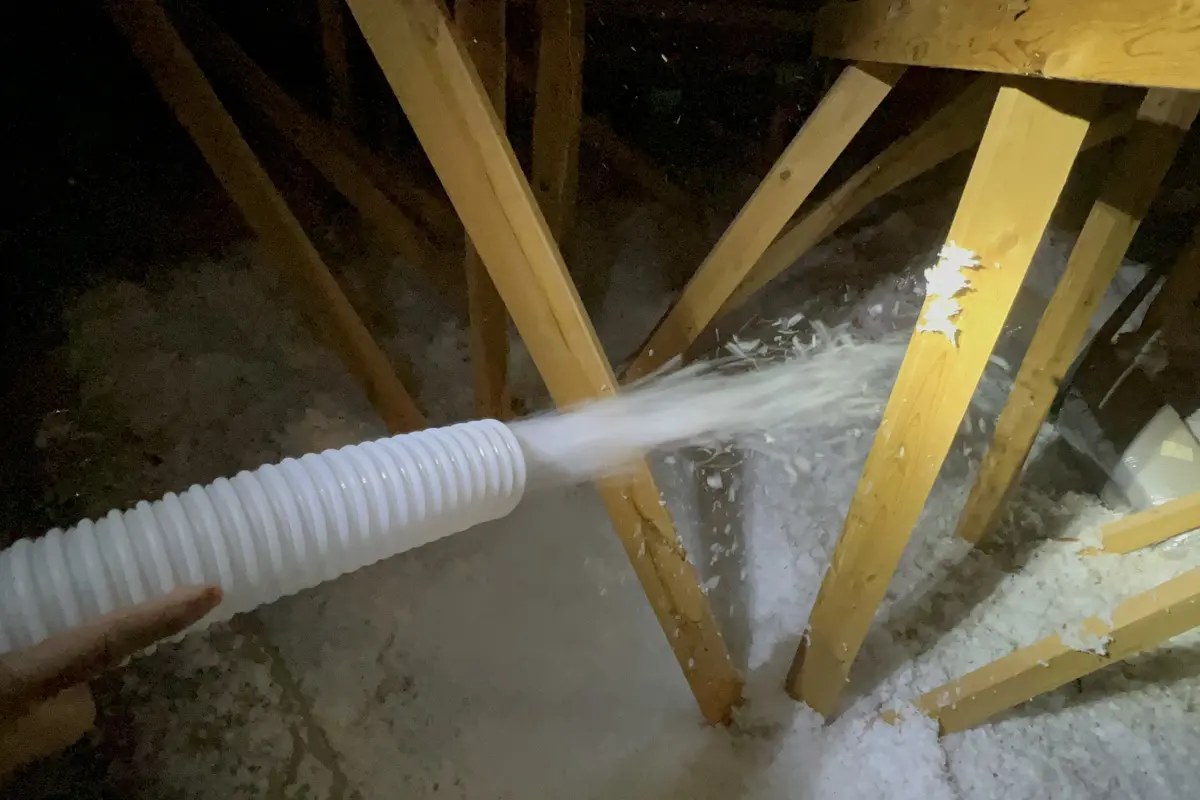
R-value measures thermal resistance - how well insulation resists heat flow. Higher R-value = better insulation. In Austin, the goal is keeping 140-160F attic heat from entering your living space in summer, and keeping conditioned air from escaping in winter. Every point of R-value reduces heat transfer, but the gains diminish at higher levels (going from R-19 to R-38 is a bigger improvement than R-38 to R-60).
Think of it this way: at R-19, roughly twice as much heat passes through your ceiling compared to R-38. That means your AC has to work roughly twice as hard to maintain the same temperature. At R-11, the situation is even worse - nearly 3.5 times the heat transfer compared to R-38. This is why older Austin homes with original R-11 insulation have summer energy bills that are dramatically higher than newer homes of the same size.
Common R-Values in Austin Homes by Era
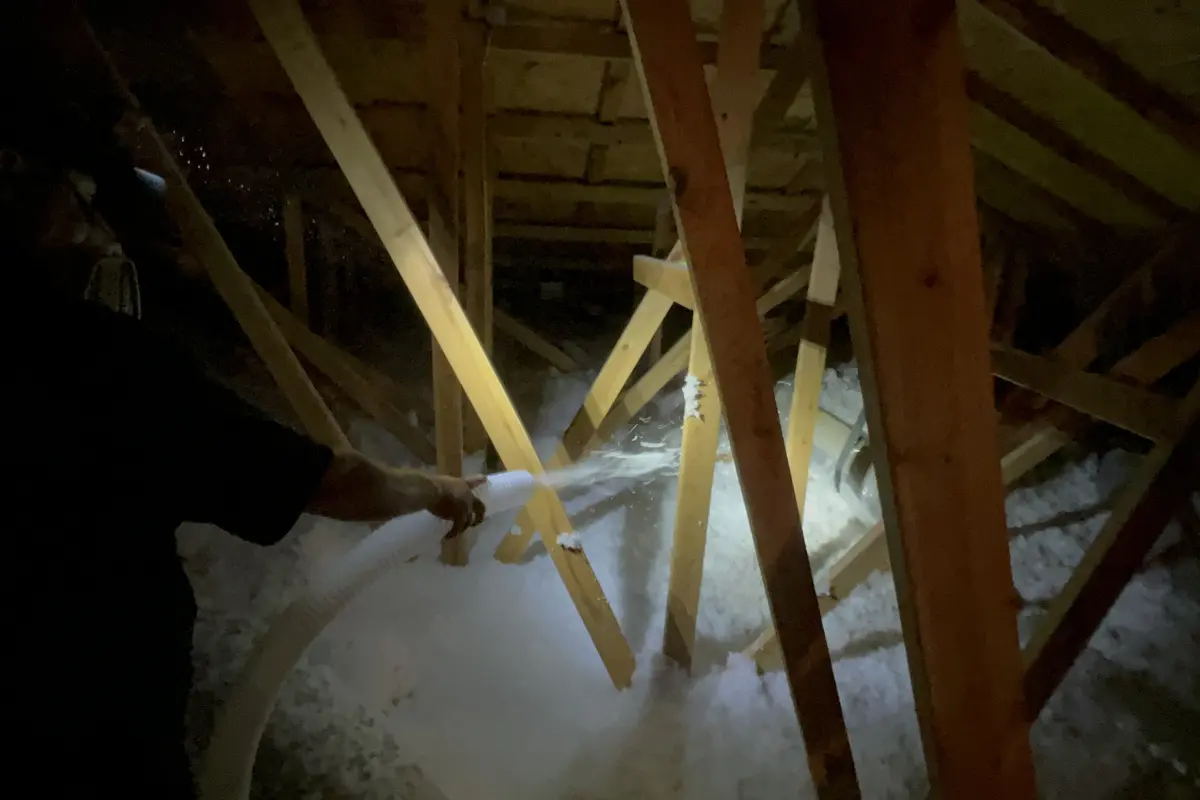
1960s-1970s: R-11 to R-13 (severely under-insulated). 1980s: R-19 (below current code). 1990s: R-19 to R-30 (closer but still not meeting today's standard). 2000s: R-30 to R-38 (approaching current code). 2010s-present: R-38+ (meets current code). If your home was built before 2000, you almost certainly need more insulation.
Many of Austin's most popular neighborhoods fall into the problem eras. Allandale, Crestview, and Brentwood homes from the 1950s-1960s often have R-11 or less. The ranch-style homes throughout South Austin built in the 1970s typically have R-13. Subdivisions in North Austin and Round Rock from the 1980s and 1990s usually have R-19 to R-25. Even homes in Circle C, Avery Ranch, and Steiner Ranch from the early 2000s may be slightly under today's R-38 standard.
Wondering About Your Insulation Level?
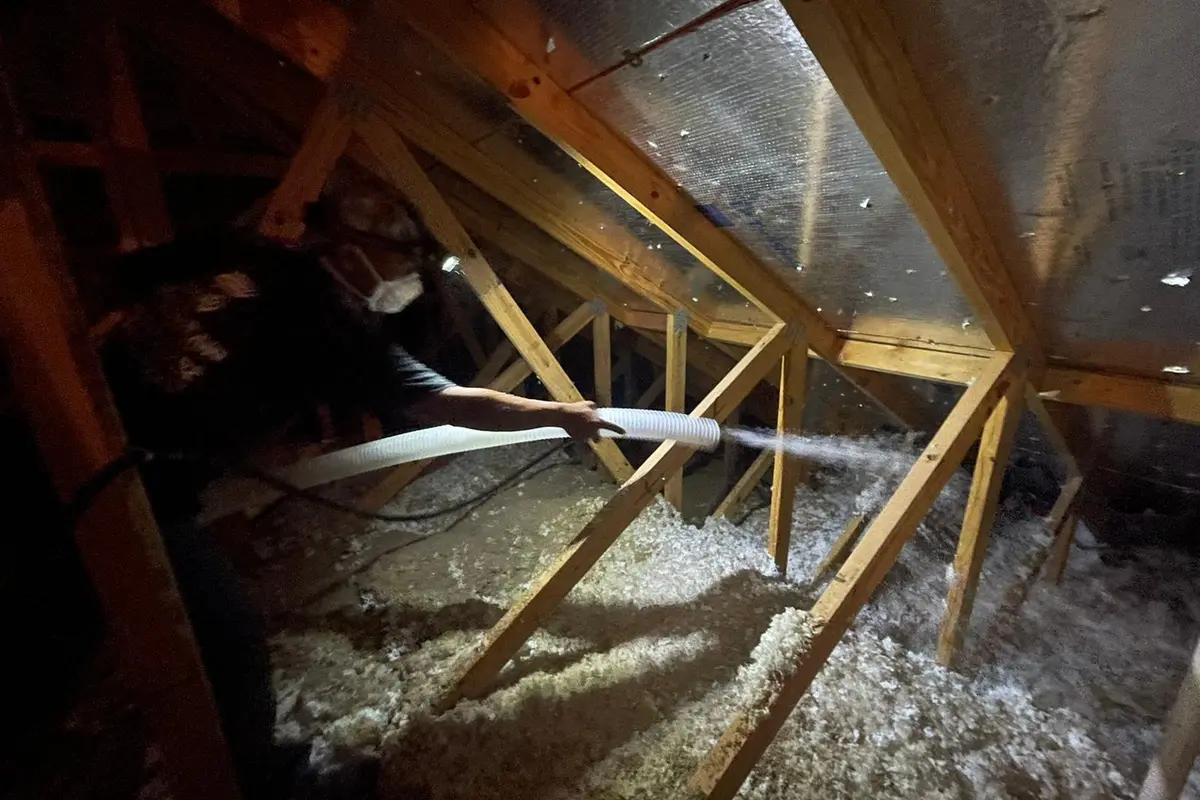
We measure your current R-value and show you exactly where you stand. Professional attic assessments available.
Call (512) 601-4451Estimate how much you could save on energy bills
Insulation Depth Guide
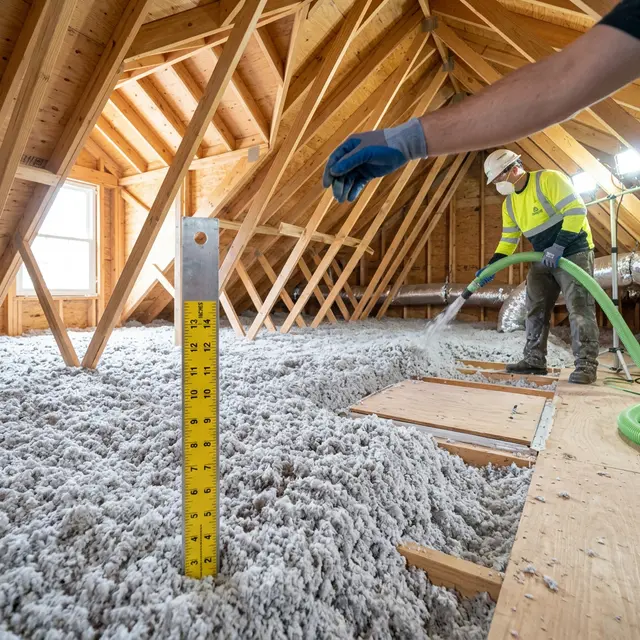
To achieve R-38: fiberglass batts need to be 12 inches deep, blown-in fiberglass needs 15 inches, blown-in cellulose needs 11 inches. Go to your attic with a ruler and measure. If your insulation is less than 10 inches of any type, upgrading to R-38 will noticeably reduce your energy bills.

Upgrade Recommendations by Home Age
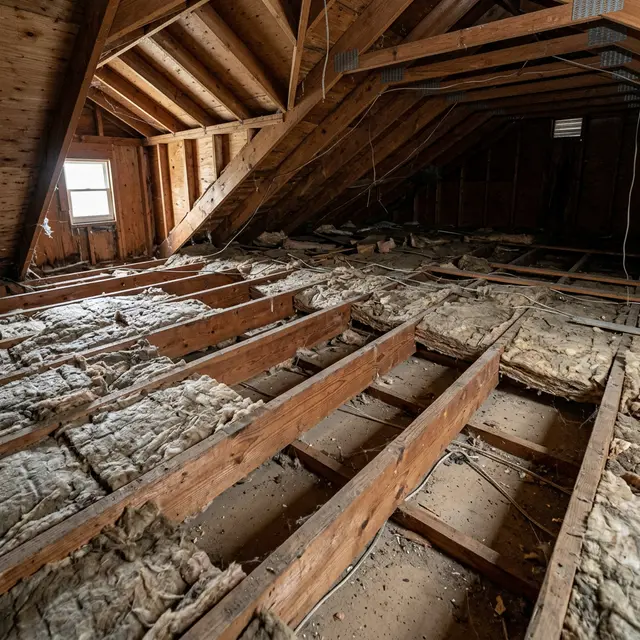
For pre-1980 homes (R-11 or less): full insulation upgrade to R-38 or higher is a top priority. The energy savings are dramatic and the payback period is typically 2-4 years. Consider having old insulation inspected for damage or contamination before adding new material on top.
For 1980s-1990s homes (R-19 to R-25): add blown-in insulation on top of existing material to reach R-38. This is a straightforward job that avoids the cost of removing old insulation. Make sure air sealing is done at the same time - gaps around can lights, plumbing stacks, and wire penetrations in homes from this era are common and undercut insulation performance.
For 2000s homes (R-30 to R-38): check the actual installed depth because builders sometimes specified R-38 but installed less. If you are close to R-38, the return on adding more insulation is smaller, so focus your budget on air sealing and duct repair instead. For homes built after 2010 that already meet R-38, additional insulation is rarely cost-effective unless you are experiencing specific comfort problems like extreme upstairs heat.
Related Services
Learn more about our professional services related to this topic:
- Attic Insulation - Premium blown-in insulation to cut energy costs and improve year-round comfort.
- Solar Fan Installation - Solar-powered attic ventilation that cuts cooling costs naturally.
Want the full picture?
Read our complete guide: Attic Insulation for Austin Homes: The Complete Guide (2026) →Have questions about attic & insulation? Our team is available 7 days a week. Call us at (512) 601-4451 or visit our contact page.