Winter Storm Uri proved Austin homes are not built for hard freezes. Insulate exposed ductwork in attics and crawl spaces, seal exterior penetrations around pipes and vents, check your chimney before the first cold snap, and know the difference between emergency heat and heat pump mode. Preparation costs hundreds - freeze damage costs thousands.
Uri Cost Texas $195 Billion. Your Home Does Not Have to Be Next.
In February 2021, Winter Storm Uri dropped Austin temperatures to 6 degrees Fahrenheit - the coldest reading in over 70 years. The storm knocked out power to 4.5 million Texas households, burst pipes in an estimated 600,000 homes statewide, and caused $195 billion in total economic damage according to Federal Reserve Bank of Dallas analysis.
Austin homes are built for heat, not cold. Pier-and-beam foundations in neighborhoods like Travis Heights, Bouldin Creek, and Hyde Park leave pipes exposed under the house. Attic ductwork in homes across Round Rock, Cedar Park, and Georgetown sits in uninsulated spaces where temperatures plummet when the power goes out. Water heaters in garages freeze when the garage door seal fails.
The National Weather Service has issued hard freeze warnings for Austin in four of the last six winters. Whether the next freeze matches Uri's severity or not, the vulnerability in your home is the same. The HVAC-related preparation that costs a few hundred dollars in October prevents the $5,000-$20,000 repair bills that follow a freeze event.
Insulate Ductwork in Unheated Spaces
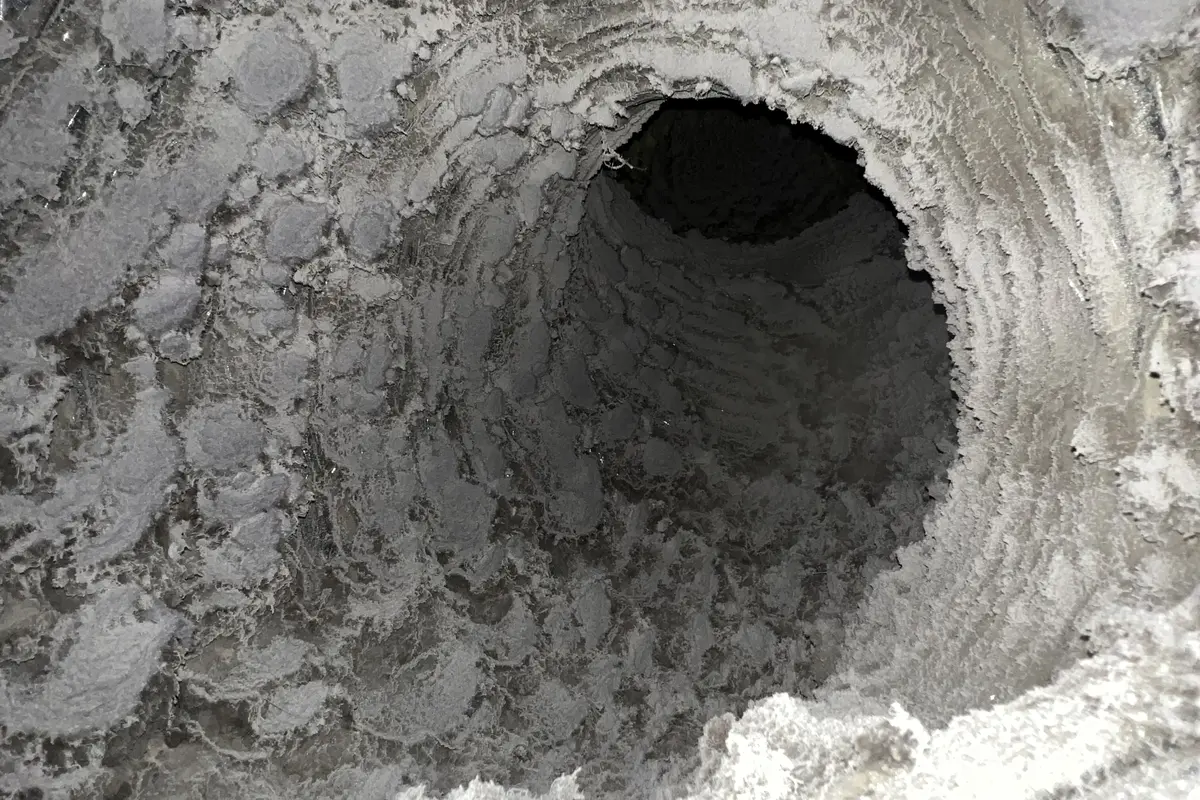
Ductwork in attics, garages, and crawl spaces is exposed to the same temperatures as the outdoors when power fails. During Uri, attic temperatures in homes without power dropped below 20 degrees within 12 hours. Flex duct connections contract in extreme cold, opening gaps at joints that leak conditioned air during normal operation and allow freezing air to enter the duct system during power outages.
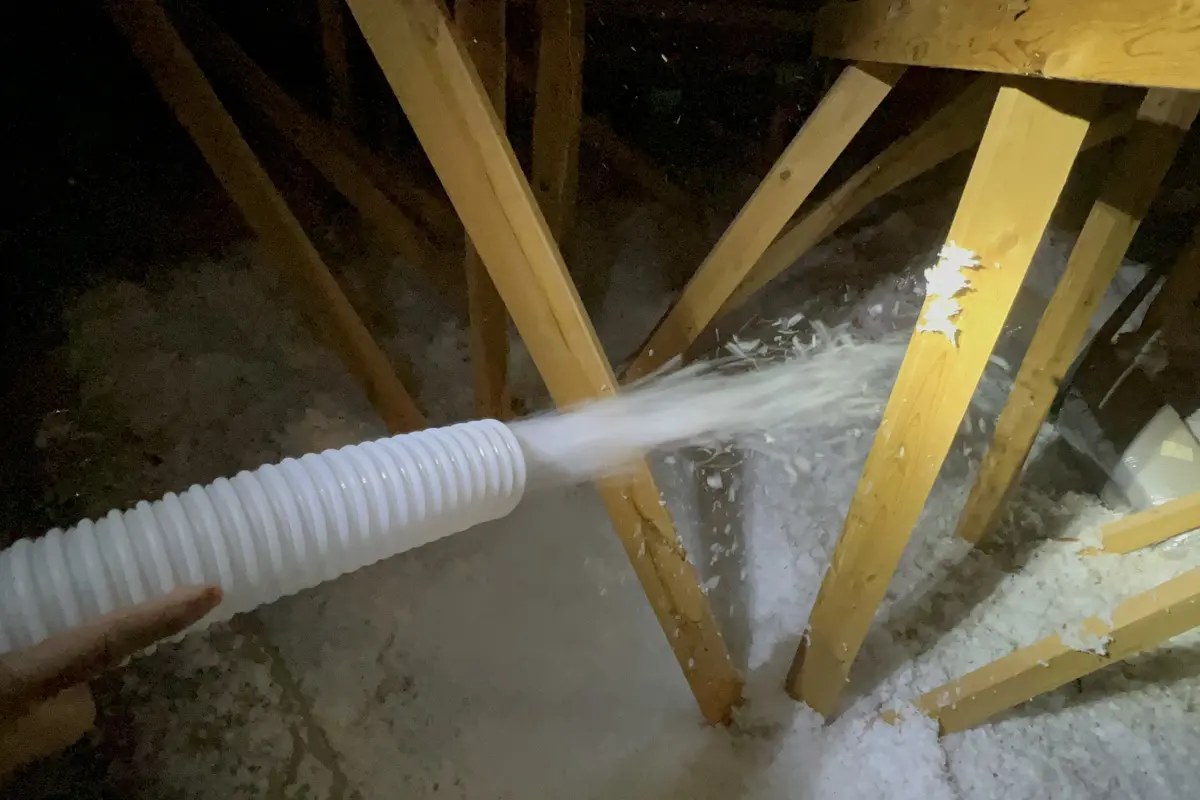
Adding R-8 insulation wrapping to exposed duct runs in unconditioned spaces provides thermal protection during brief cold snaps. For homes with extensive attic ductwork, increasing overall attic insulation to R-49 creates a thermal buffer that slows temperature drops during power outages. The cost for attic insulation upgrades runs $1,500-$5,000 depending on home size and current insulation levels.
Pay special attention to duct runs near exterior walls and in areas above garages. These sections cool fastest during a freeze. Sealing all duct joints with mastic sealant before insulating ensures the insulation does its job - wrapping insulation around leaky joints is like putting a coat on with the zipper open.
Seal Every Exterior Penetration Before November
Cold air enters your home through gaps you never notice in warm weather. Every pipe, wire, vent, and duct that passes through an exterior wall or roof creates a penetration point. During a freeze, these small gaps become highways for frigid air that can freeze interior pipes and overwhelm your heating system.
The critical areas to seal: where refrigerant lines enter the house from the outdoor AC unit, where dryer vents exit through exterior walls, around outdoor faucet (hose bib) penetrations, at the attic access hatch, and around recessed lighting in ceilings below the attic. Expanding foam sealant and weatherstripping handle most of these for under $50 in materials.
"After Uri, we inspected hundreds of homes in the Domain area, Pflugerville, and Hutto where pipes had burst," says Nessi Ziv, owner of Air Central. "In almost every case, the freeze damage started at an unsealed penetration point. Cold air followed the gap to an uninsulated pipe. A $5 can of spray foam would have prevented $10,000 in water damage."
Emergency Heat vs Heat Pump: Know the Difference
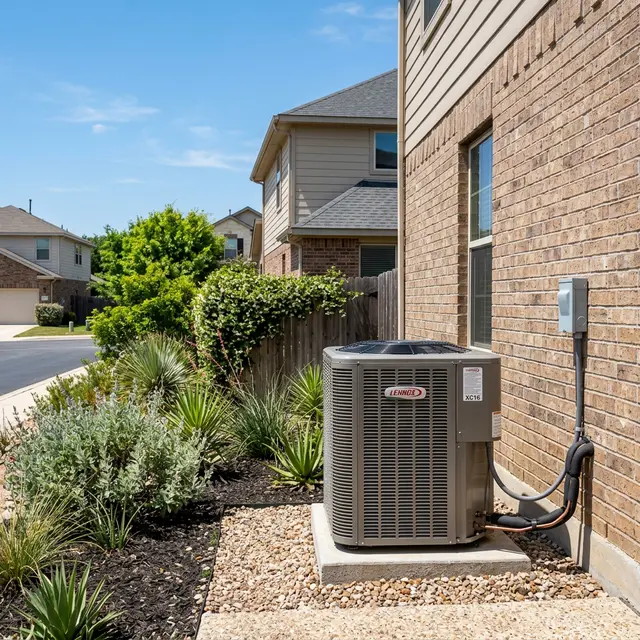
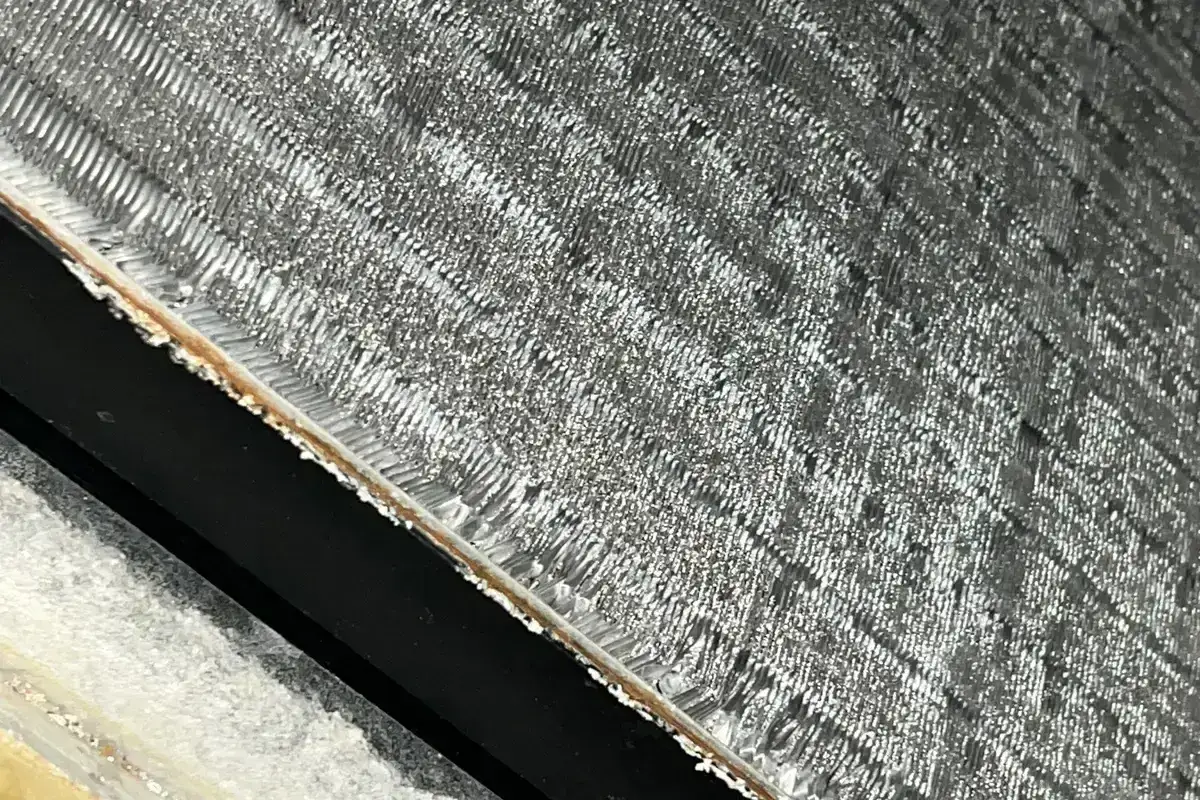
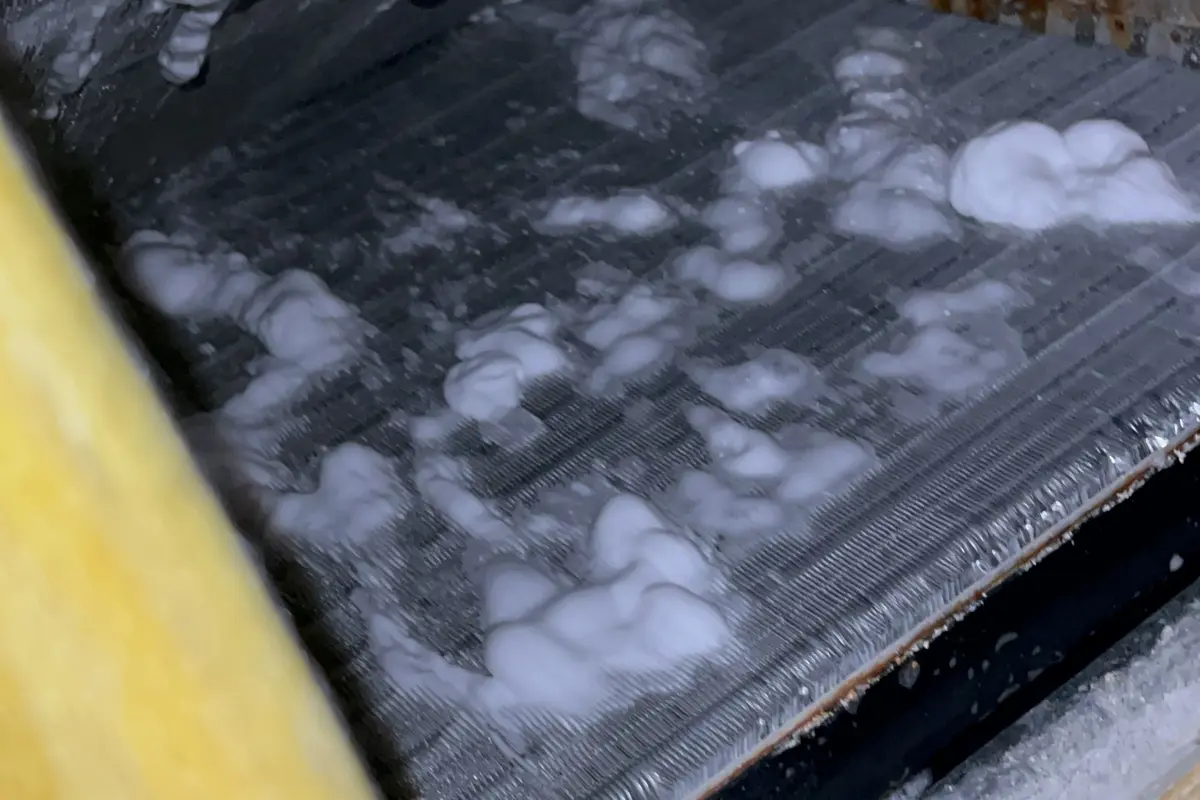
Most Austin homes built after 2000 use heat pump systems for heating and cooling. Heat pumps extract warmth from outdoor air - efficient down to about 35-40 degrees. Below that threshold, the heat pump struggles and the system switches to auxiliary electric resistance heat strips (often labeled "AUX" or "EM HEAT" on the thermostat).
Emergency heat mode forces the system to run only on electric resistance strips, bypassing the heat pump compressor entirely. This setting should only be used if the heat pump itself is damaged or frozen - it consumes 2-3 times more electricity than normal heat pump operation. During Uri, widespread emergency heat usage contributed to the grid overload.
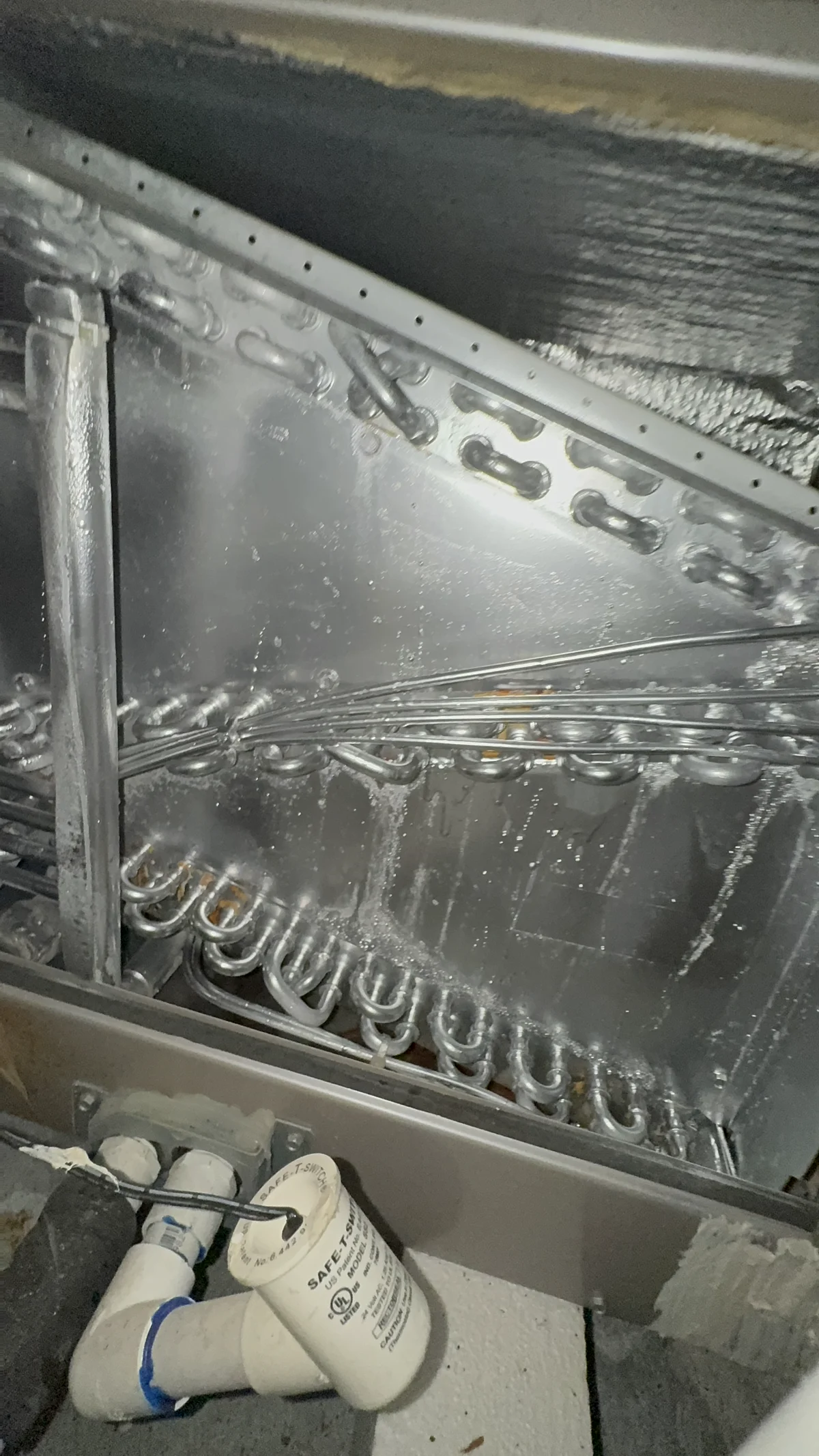
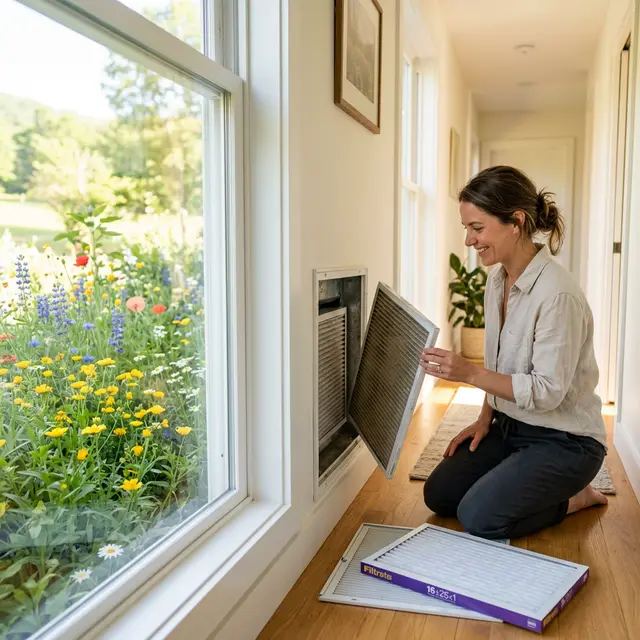
Before freeze season: verify your heat pump's defrost cycle functions properly (the system should automatically defrost the outdoor coil during cold operation). Replace your air filter so the system runs at maximum efficiency when it needs to work hardest. If your heat pump is 12+ years old, consider having a professional check the refrigerant charge and electrical connections - a system that struggles at 35 degrees will fail completely at 15 degrees.
Is Your Chimney Ready for the Next Cold Snap?
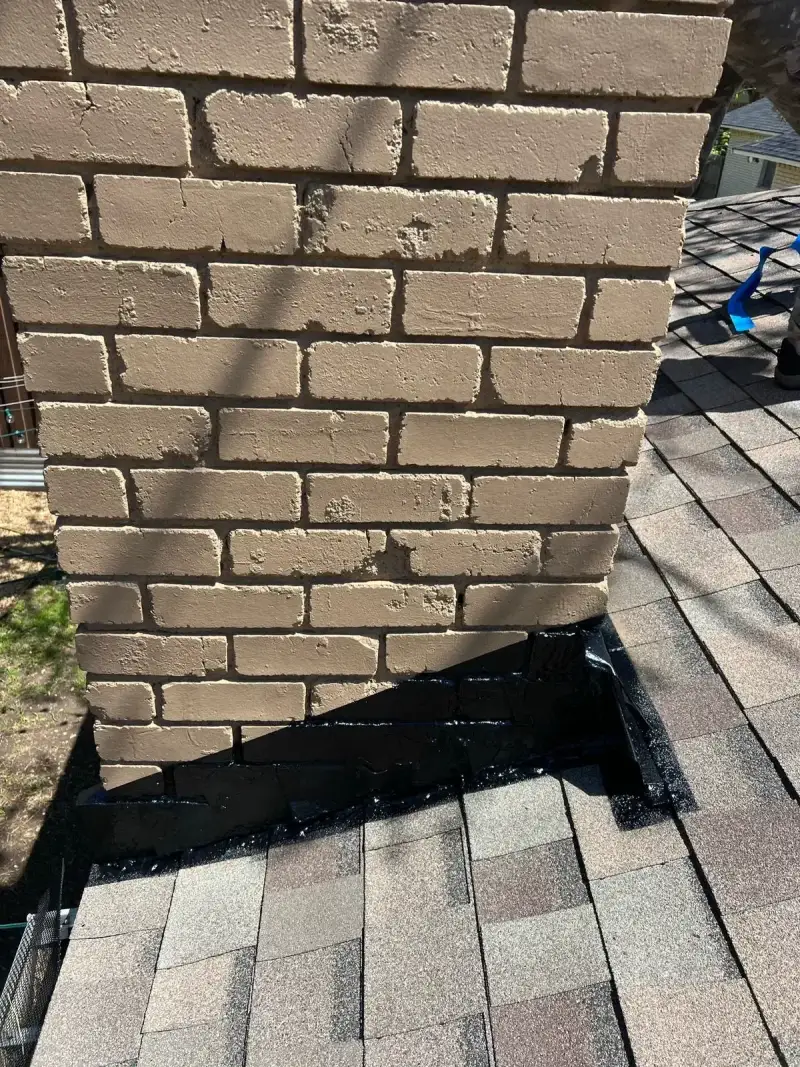
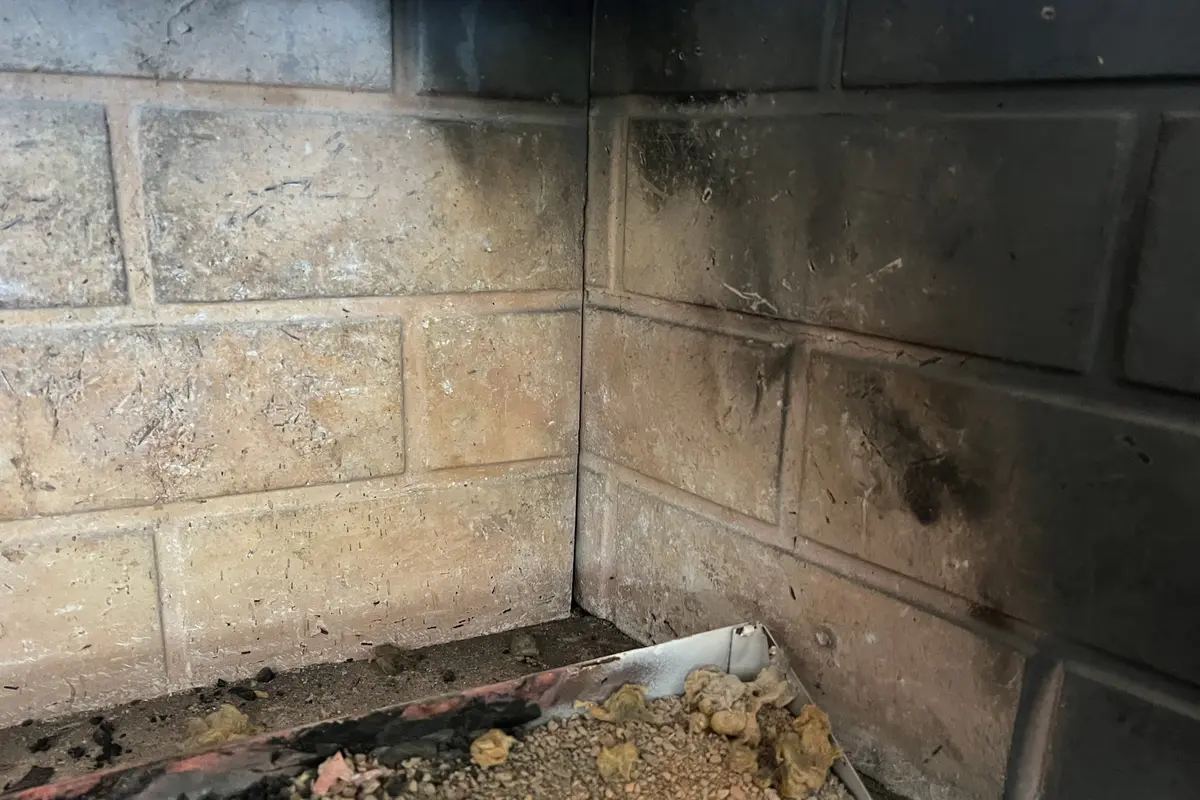
Austin fireplaces get minimal use most years - maybe 10-20 fires during December through February. That limited use creates a false sense of security. Chimney problems develop between uses: cracked flue liners, deteriorated mortar joints, animal nesting (see our guide on <a href="/blog/animals-in-chimney-austin/">animals in Austin chimneys</a>), and creosote accumulation.
NFPA 211 requires annual chimney inspection regardless of usage frequency. A Level 1 inspection costs $150-$300 and verifies the flue liner integrity, checks for obstructions, and confirms the damper operates correctly. For a fireplace that sat unused since last winter, this inspection is non-negotiable before the first fire of the season.
During a power outage in a freeze, your fireplace may be your only heat source. An uninspected chimney with a cracked flue liner or blocked flue can fill your home with carbon monoxide - an odorless, deadly gas. The 2021 freeze caused a surge in CO poisoning cases across Texas, many linked to improper indoor heating. Make sure your chimney is safe before you need it.
Ready to Get Your System Checked?
Seasonal tune-ups catch small problems before they become expensive emergencies. Same-day service available.
Call (512) 601-4451Estimate how much you could save on energy bills
Pipe Protection for Austin's Building Style
Austin's building stock was designed for a climate where hard freezes were rare. Pier-and-beam homes in central Austin have water supply lines running through unheated crawl spaces. Slab-on-grade homes in newer suburbs route pipes through exterior walls and attics - fine for 364 days a year, dangerous during a freeze.
The standard advice applies: insulate exposed pipes with foam pipe insulation (R-4 minimum), install freeze-proof outdoor faucets (or insulated faucet covers at minimum), and know where your main water shutoff valve is before you need it in an emergency. The American Red Cross recommends opening cabinet doors under sinks on exterior walls to allow interior heat to reach pipes during extreme cold.
For homes with attic-routed plumbing (common in Leander, Liberty Hill, and Georgetown construction from 2005-2020), adding pipe insulation in the attic is critical. These runs are the most vulnerable during a power outage because attic temperatures drop fastest. A plumber can add heat tape to the most exposed runs for under $200 - cheap insurance against a $10,000 repipe.
Generator Considerations for HVAC Protection
Uri's multi-day power outage proved that a portable generator can save your home's plumbing and HVAC system. Running your furnace blower on a generator circulates warm air through the duct system, preventing pipe freezes in interior walls and maintaining above-freezing temperatures in the attic.
A 7,500-watt portable generator ($800-$2,000) can power a furnace blower, refrigerator, and a few lights. It cannot run an electric heat pump or central AC. Whole-house generators ($5,000-$15,000 installed) can power everything, including heat pump systems, but represent a major investment.
If you use a portable generator, follow these non-negotiable safety rules: run it outdoors only (never in a garage, even with the door open), position it at least 20 feet from windows and doors, and install battery-operated CO detectors on every level of your home. Generator-related CO poisoning killed 11 Texans during Winter Storm Uri. The power is not worth the risk if the generator is not properly positioned.
Schedule Your Pre-Winter Inspection Now
The time to prepare for an Austin freeze is September through November - before demand for emergency repairs overwhelms every contractor in the metro area. During Uri, wait times for plumbers exceeded two weeks. HVAC technicians were booked solid for a month.
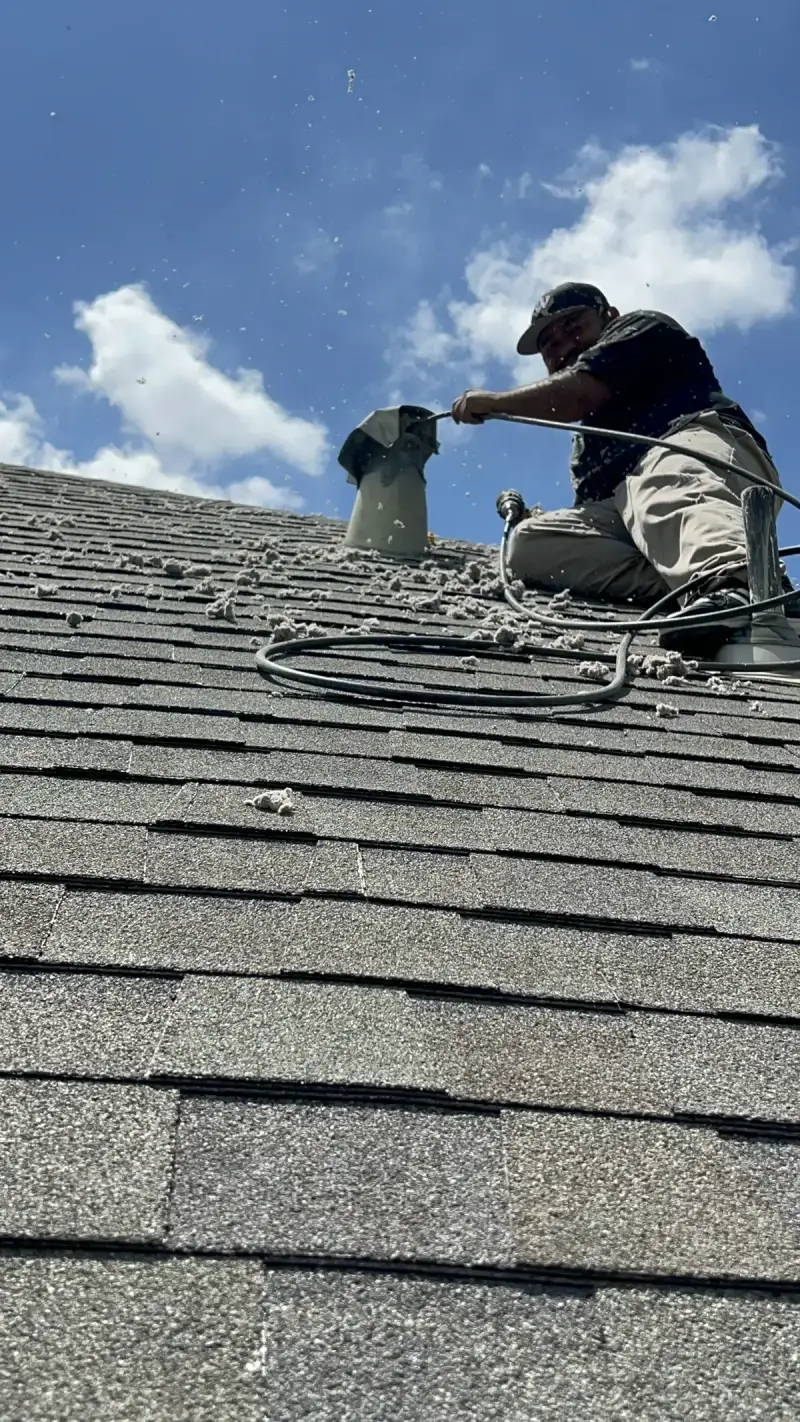
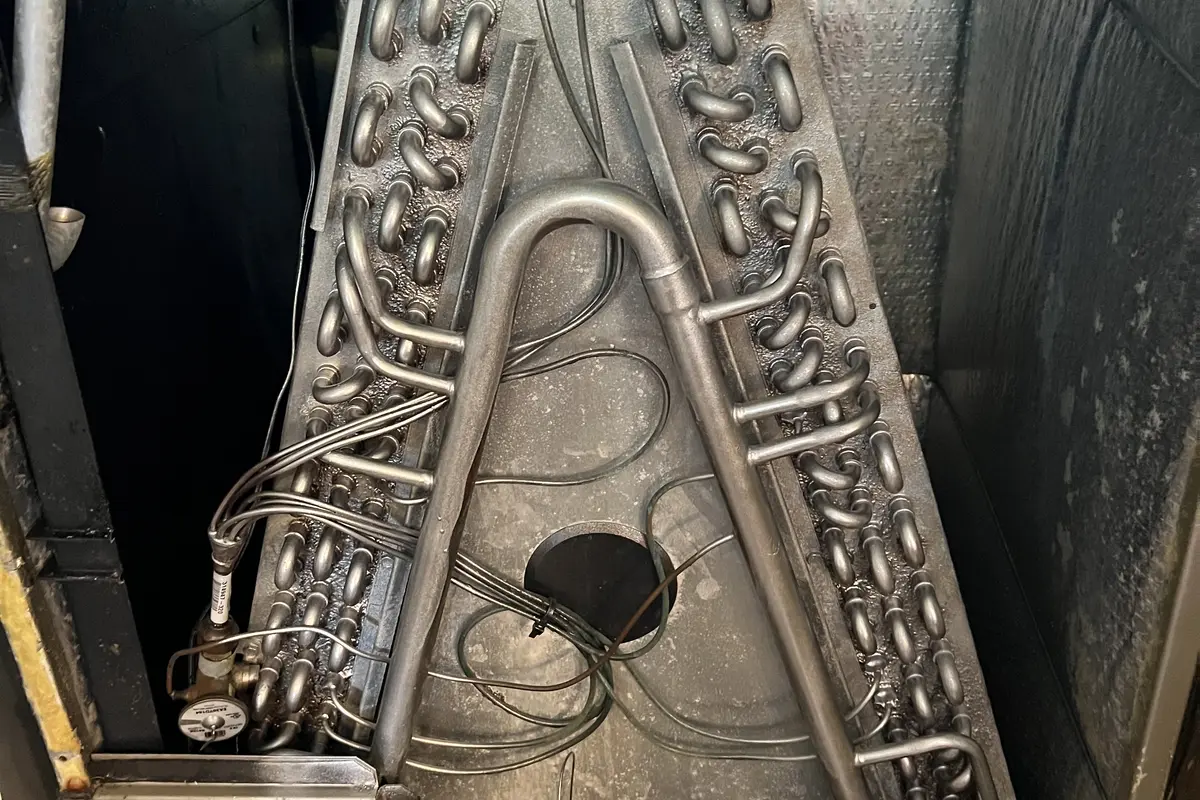
Air Central inspects ductwork, chimney systems, and attic insulation levels with HD camera technology. We identify the vulnerabilities in your home and prioritize the fixes that deliver the most protection per dollar. Ten thousand Austin homes and counting. Call (512) 601-4451 to get your home freeze-ready before the first cold front arrives.
Related Services
Learn more about our professional services related to this topic:
- Air Duct Cleaning - Remove dust, allergens, and debris from your entire HVAC system for cleaner indoor air.
- Dryer Vent Cleaning - Clear lint buildup to prevent fires and cut drying time in half.
- Chimney Sweep & Repair - Professional cleaning and 21-point safety inspection for your fireplace.
- Attic Insulation - Premium blown-in insulation to cut energy costs and improve year-round comfort.
Want the full picture?
Read our complete guide: Austin HVAC Seasonal Maintenance: Month-by-Month Guide →Have questions about seasonal guides? Our team is available 7 days a week. Call us at (512) 601-4451 or visit our contact page.