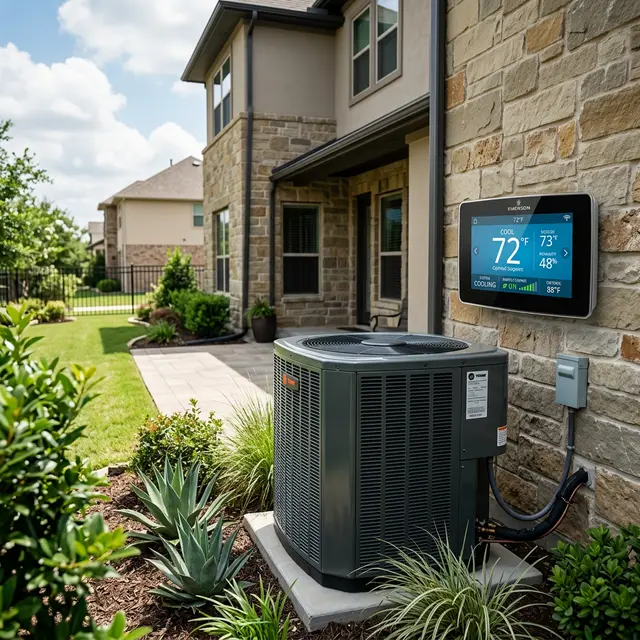
Mini split systems cost $3,000-$8,000 and cool individual zones without ductwork, while central air systems cost $4,000-$12,000 and distribute cooling through ducts to the entire home. In Austin's extreme heat, central air is the better choice for whole-home cooling because it handles the sustained 100-degree temperatures more efficiently across all rooms. Mini splits are ideal for room additions, garage conversions, older homes without ductwork, and supplemental cooling for hot spots. Call (512) 601-4451 to schedule ductwork maintenance for your central air system.
How Mini Split Systems Work
A mini split (also called a ductless mini split or ductless heat pump) has two main components: an outdoor compressor/condenser unit and one or more indoor air-handling units mounted on walls or ceilings. Refrigerant lines and a small conduit (carrying power, refrigerant tubing, and a condensate drain) connect the indoor and outdoor units through a 3-inch hole in the wall.
Each indoor unit cools (and heats) the room where it is installed independently. A single outdoor unit can support 1-5 indoor units (called a multi-zone system), with each zone having its own thermostat and temperature setting. You can cool the living room to 72 while keeping the bedroom at 68, or turn off zones that are not in use.
Mini splits are inverter-driven, meaning the compressor adjusts its speed continuously rather than cycling on and off like traditional AC systems. This variable-speed operation makes them extremely energy efficient - most mini splits carry SEER2 ratings of 20-30+, compared to 14-18 for standard central air systems.
Installation is minimally invasive. There is no ductwork to install or modify - just the small conduit hole, an outdoor unit placement, and electrical wiring. A single-zone mini split can be installed in one day. Multi-zone systems take 2-3 days.
How Central Air Conditioning Works
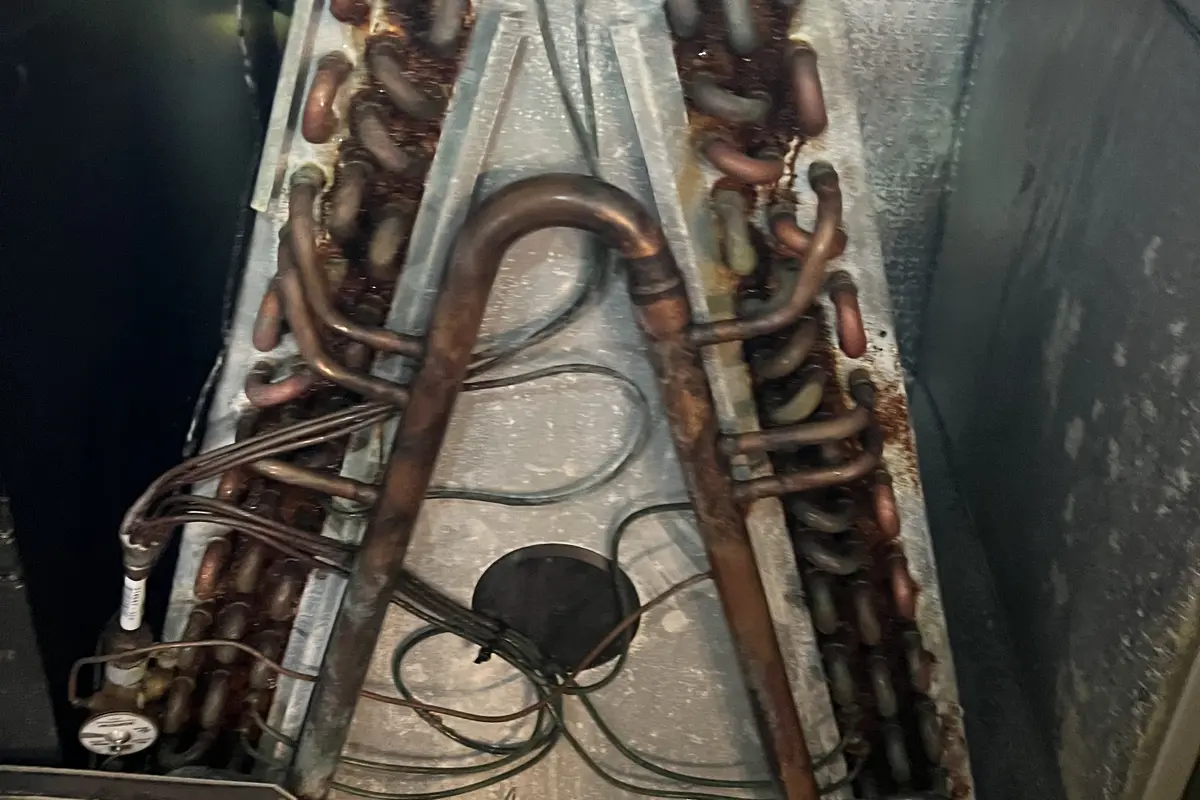
Central air conditioning uses a single outdoor condenser unit connected to an indoor air handler (or furnace with an evaporator coil) that distributes cooled air through a network of ducts to every room in the home. A thermostat controls the entire system from one location.
The air handler pulls warm air from the home through return ducts, passes it over the cold evaporator coil, and pushes the cooled air through supply ducts to registers in each room. The refrigerant cycle moves heat from inside to outside via the outdoor condenser, just like a mini split.
Central air systems cool the entire home to one temperature (or two, with a zoned damper system). They rely on properly sized and sealed ductwork to distribute air evenly. In Austin, most homes have ductwork running through the attic, which means the ducts are exposed to 150-degree attic heat in summer - a significant efficiency challenge that mini splits avoid entirely.
Modern central air systems achieve SEER2 ratings of 14-20. Higher-efficiency variable-speed systems can reach SEER2 20+, approaching mini split efficiency, but at a higher equipment cost. The majority of central systems installed in Austin are in the 14-16 SEER2 range.
Cost Comparison: Mini Split vs Central Air
A single-zone mini split (one outdoor unit, one indoor unit) costs $3,000-$5,000 installed. This covers one room up to approximately 600 square feet. For a single room addition, garage conversion, or bonus room, this is the most cost-effective option.
A multi-zone mini split system (one outdoor unit, 3-4 indoor units) costs $6,000-$12,000 installed. This can cover a 1,500-2,000 square foot home or section of a home. Per-room cost is lower than buying individual single-zone systems, but the outdoor unit is larger and more expensive.
A central air system replacement (condenser + air handler/coil, using existing ductwork) costs $4,000-$8,000 for a standard efficiency system and $8,000-$12,000 for a high-efficiency variable-speed system. This assumes ductwork already exists and is in serviceable condition.
A new central air installation with ductwork (for a home that has never had central air) costs $10,000-$20,000+ depending on home size and ductwork complexity. The ductwork itself is often the largest cost component.
Operating costs favor mini splits in most comparisons. A mini split operating at SEER2 22 costs approximately 20-30% less in electricity than a central system at SEER2 15 for the same cooling output. However, this advantage shrinks if you are running multiple mini split zones simultaneously versus one central system.
When Mini Splits Win
Room additions and garage conversions are the strongest use case for mini splits in Austin. Extending existing ductwork to a new room is expensive, may require upsizing the air handler, and often results in uneven cooling. A single-zone mini split provides dedicated cooling to the new space without touching the existing HVAC system.
Older Austin homes without ductwork (common in pre-1950s pier-and-beam homes in central Austin neighborhoods) face the choice between installing ductwork from scratch ($5,000-$15,000 for ductwork alone) or using mini splits. For these homes, mini splits avoid the cost and disruption of ductwork installation entirely.
Home offices, garage workshops, and ADUs (accessory dwelling units) benefit from independent temperature control. Austin's ADU ordinance has led to many garage and backyard conversions that need their own cooling. A mini split provides dedicated climate control without tying into the main home's HVAC system.
Hot spots - rooms that are consistently warmer than the rest of the house due to sun exposure, poor duct runs, or distance from the air handler - can be solved with a supplemental mini split rather than rebalancing the entire duct system. West-facing rooms and second-floor bonus rooms are the most common hot spots in Austin homes.
Zoned efficiency matters for households where different family members prefer different temperatures, or where parts of the home are unoccupied during the day. Cooling only the rooms you use, rather than the entire house, saves energy. This is where mini splits' individual zone control provides the biggest operating cost advantage.
Want to Know Where Your Energy Goes?
We identify the biggest efficiency gaps in your home and give you a clear plan to fix them.
Call (512) 601-4451Estimate how much you could save on energy bills
When Central Air Wins
Whole-home cooling in Austin's sustained heat favors central air. When outdoor temperatures stay above 95 degrees for weeks at a time (typical from June through September), every room in the house needs continuous cooling. Running 4-5 mini split zones simultaneously negates much of their efficiency advantage, and a central system distributes air more evenly through a properly designed duct network.
New construction almost always uses central air. Ductwork is inexpensive to install during construction (before walls are closed), and a central system provides consistent whole-home comfort with a single thermostat. There is no practical reason to install mini splits in new construction unless the home design specifically calls for independent zones.
Resale value in the Austin market slightly favors central air. Most homebuyers expect and prefer central air conditioning, and appraisers may value a home with central air higher than an equivalent home with mini splits. This is shifting as mini splits gain mainstream acceptance, but in 2026, central air remains the default expectation for most Austin buyers.
Homes with existing ductwork in good condition should maintain central air. If your ducts are properly sealed, insulated, and sized, the cost of replacing the central system ($4,000-$8,000) is significantly less than converting to multi-zone mini splits ($8,000-$15,000). The key qualifier is that the ductwork must be in good condition - leaky, poorly insulated attic ducts can lose 20-30% of cooling capacity before the air ever reaches the room.
Humidity control is better with central air in Austin's humid climate. Central systems with properly sized equipment and functioning drain lines remove more moisture from the air than mini splits, which can struggle with dehumidification in Austin's 60-80% humidity during shoulder seasons when the cooling load is light but humidity is high.
Austin Climate Considerations
Austin's climate creates specific challenges for both system types. Summer highs consistently exceed 100 degrees, winter lows occasionally dip below freezing, and humidity fluctuates dramatically between seasons. The right system depends on how these factors affect your specific home.
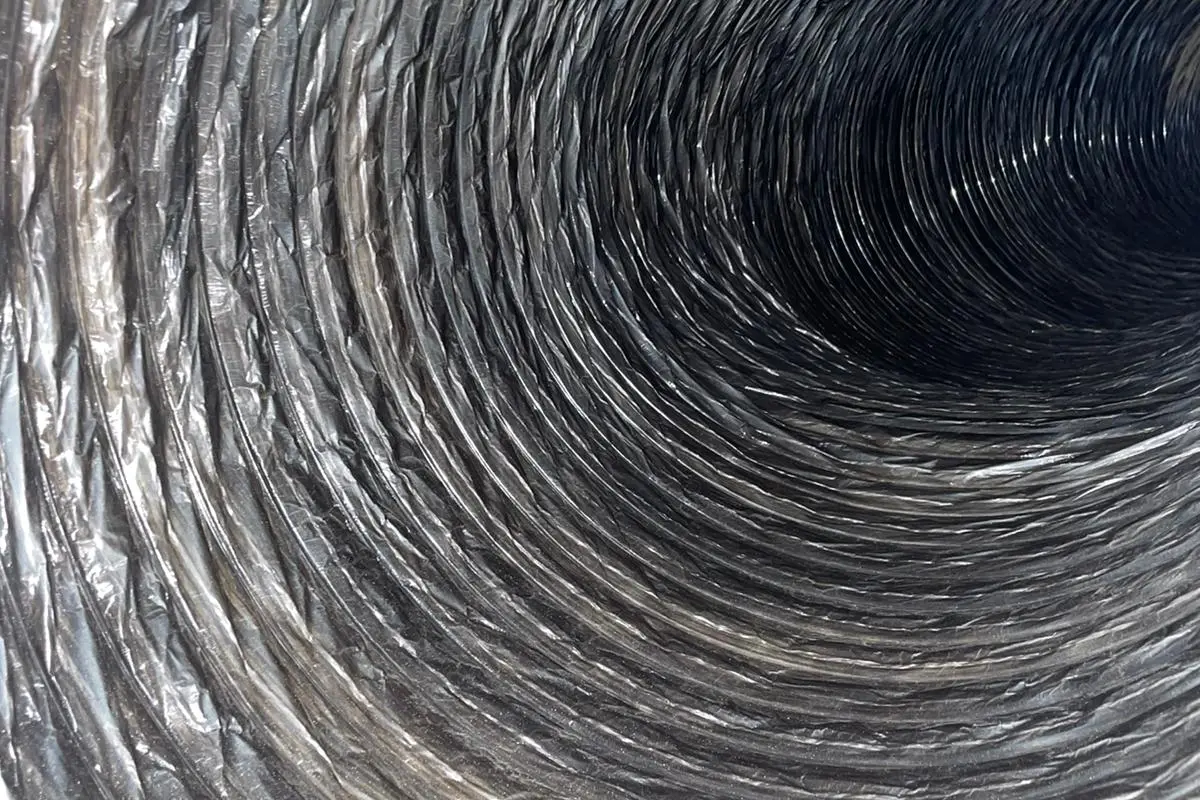
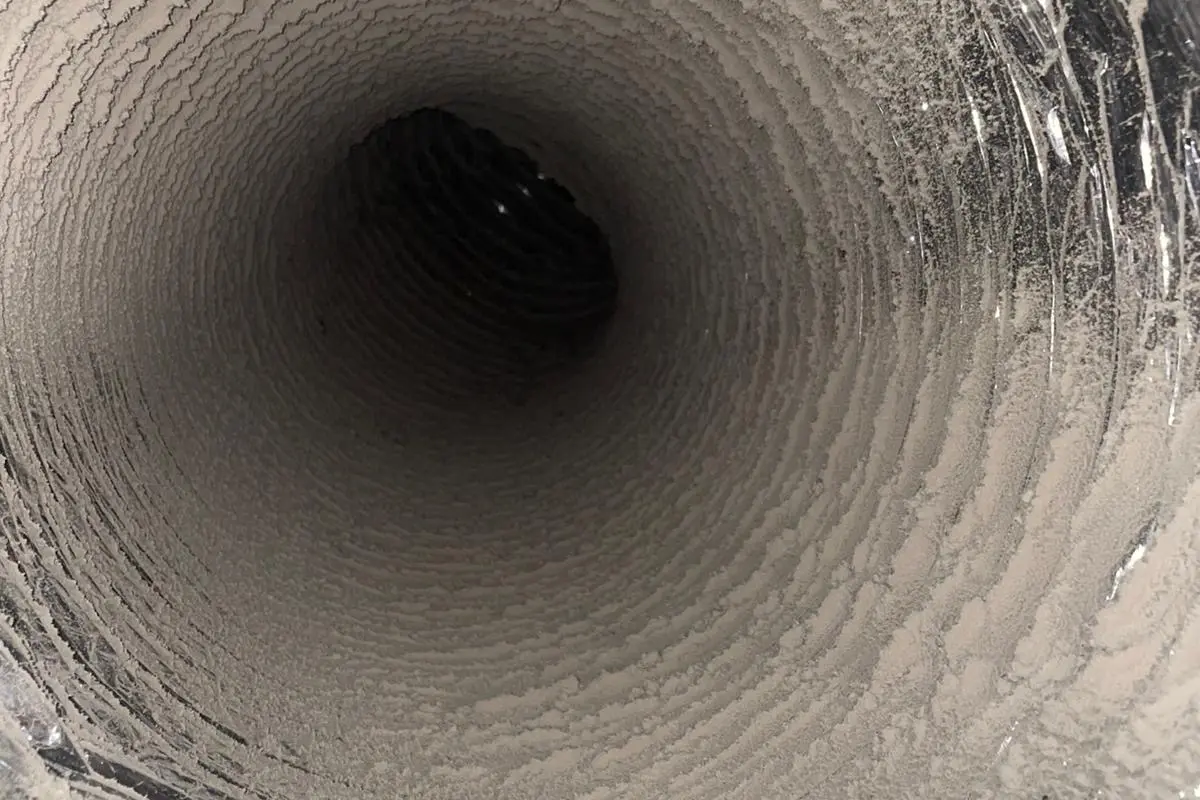
For central air homes, ductwork condition is the critical variable. Austin attics reach 150-160 degrees in summer. Ducts running through that environment lose significant cooling capacity if they are not properly insulated and sealed. Having your ductwork inspected, sealed, and insulated can improve central air performance by 20-30% without replacing the equipment itself.
For mini split homes, outdoor unit placement matters in Austin's heat. The outdoor condenser works harder when ambient temperatures are extreme. Placing the unit on the north or east side of the home, in shade, or with adequate clearance improves performance during peak summer heat. Avoid south-facing or west-facing locations where the unit bakes in direct afternoon sun.
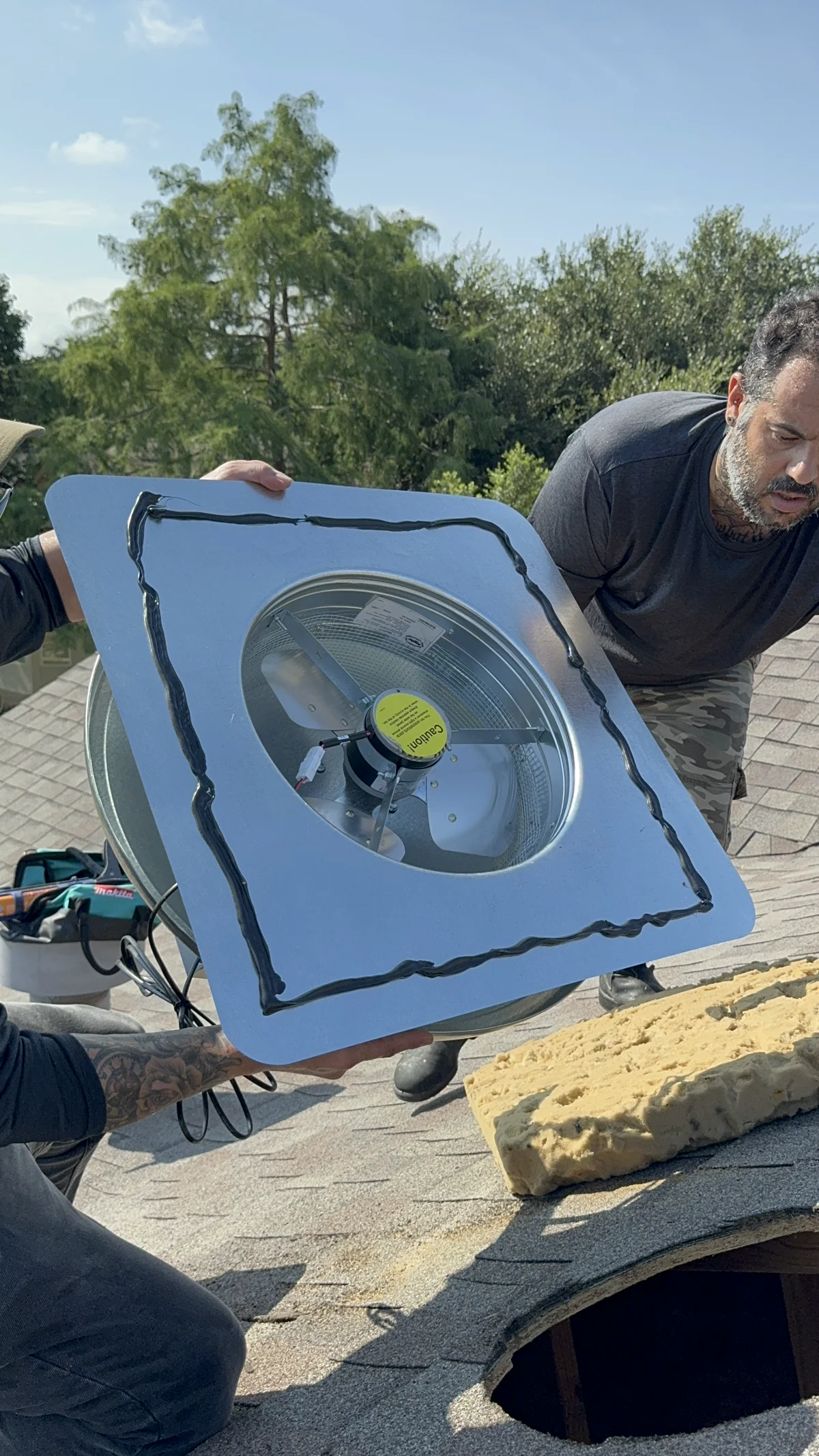
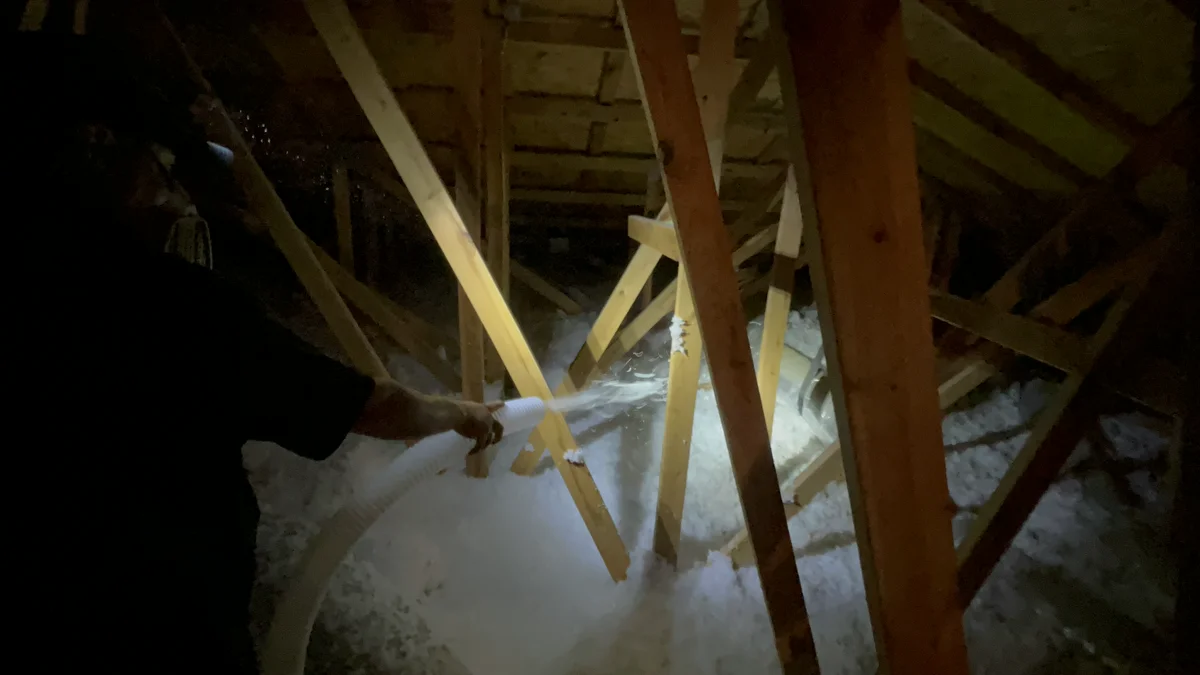
Both system types benefit from complementary measures: adequate attic insulation (R-38+), solar attic fans to reduce attic temperatures, UV-reflective window film on west-facing windows, and proper air sealing. These measures reduce the cooling load regardless of which system type you choose.
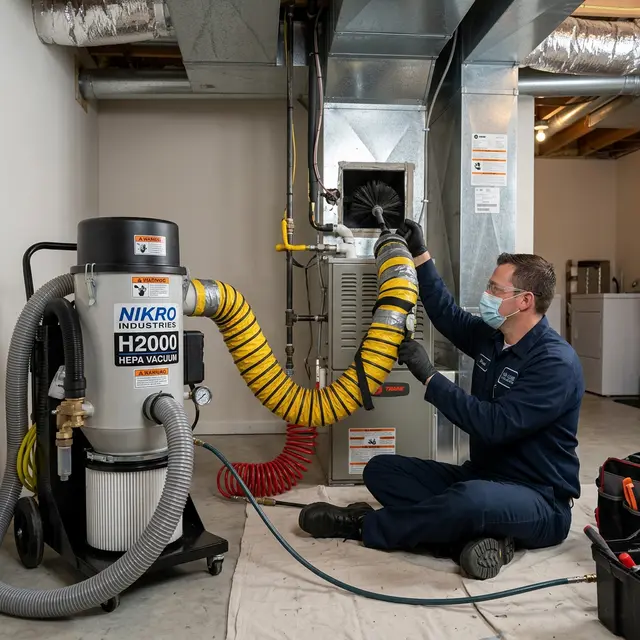
Air Central maintains ductwork for central air systems across the Austin metro area. Whether your ducts need cleaning, sealing, or insulation, our team keeps your central air system operating at peak efficiency. Through our partner network, we can also connect you with qualified HVAC installation professionals for system replacement or mini split installation. Call (512) 601-4451 to schedule ductwork maintenance or get a referral.
Related Services
Learn more about our professional services related to this topic:
- Air Duct Cleaning - Remove dust, allergens, and debris from your entire HVAC system for cleaner indoor air.
- Solar Fan Installation - Solar-powered attic ventilation that cuts cooling costs naturally.
- Attic Insulation - Premium blown-in insulation to cut energy costs and improve year-round comfort.
- UV Lighting System - Eliminate bacteria and allergens inside your HVAC with UV-C light technology.
Want the full picture?
Read our complete guide: Home Energy Efficiency: The Cost-Saving Guide for Austin →Have questions about energy efficiency? Our team is available 7 days a week. Call us at (512) 601-4451 or visit our contact page.