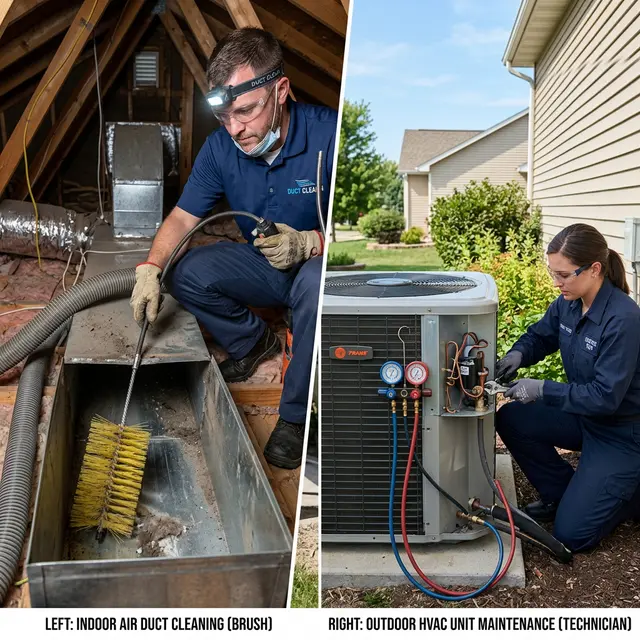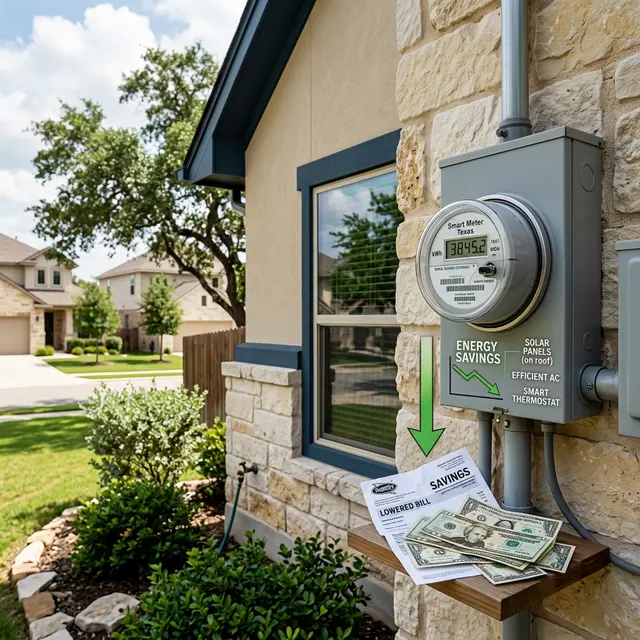
Austin homeowners can cut energy bills 20-40% by sealing duct leaks, upgrading attic insulation to R-38, using a programmable thermostat, and keeping the AC at 78F when home.
Where Your Energy Dollars Go
In Austin, heating and cooling account for 50-70% of your energy bill. The average Austin homeowner spends $150-$250/month on electricity during summer. Most of that waste comes from three things: leaky ductwork (losing 20-30% of conditioned air), poor attic insulation (heat pouring through the ceiling), and an overworked AC system running on dirty filters.
A Georgetown homeowner called us after seeing a $380 electric bill in July. Our inspection found three disconnected duct joints in the attic - they had been cooling the attic for who knows how long. After sealing and cleaning, their August bill dropped to $240. That is the kind of waste we find in about one out of every four homes we inspect.
"The average Austin home wastes $30-$80 per month on energy because of duct issues alone," says Nessi Ziv, owner of Air Central. "Across the 10,000+ homes we have serviced, the pattern is consistent: leaky ducts, dirty coils, and poor insulation account for 90% of the waste. These are fixable problems, not permanent conditions."
10 HVAC Tips That Actually Save Money
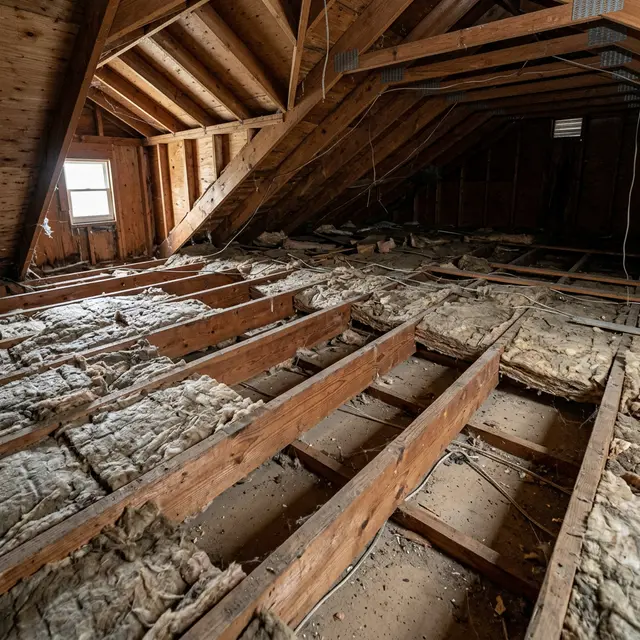
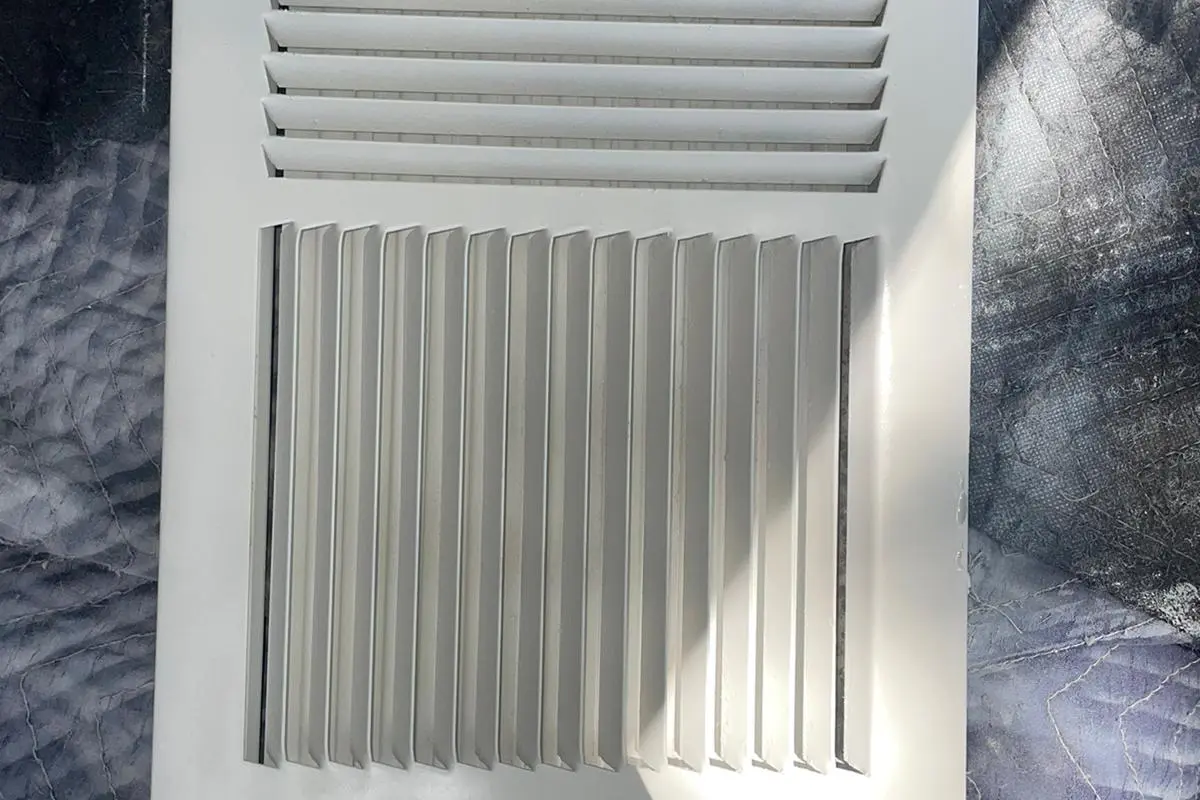
1. Set your thermostat to 78F when home and 85F when away - every degree below 78 adds 3-5% to your bill. On a $200/month summer bill, dropping from 78F to 74F could add $30-$40/month. Austin Energy recommends 78F as the baseline for managing peak demand. 2. Seal duct leaks - the average Austin home loses 20-30% of conditioned air through duct connections in the attic. A professional duct inspection can identify these leaks. Professional duct sealing pays for itself within one to two summers. 3. Upgrade attic insulation to R-38 - most Austin homes built before 2000 have R-19 or less, essentially half of what is needed. Austin Energy has offered rebates up to $600 for insulation upgrades in qualifying homes.
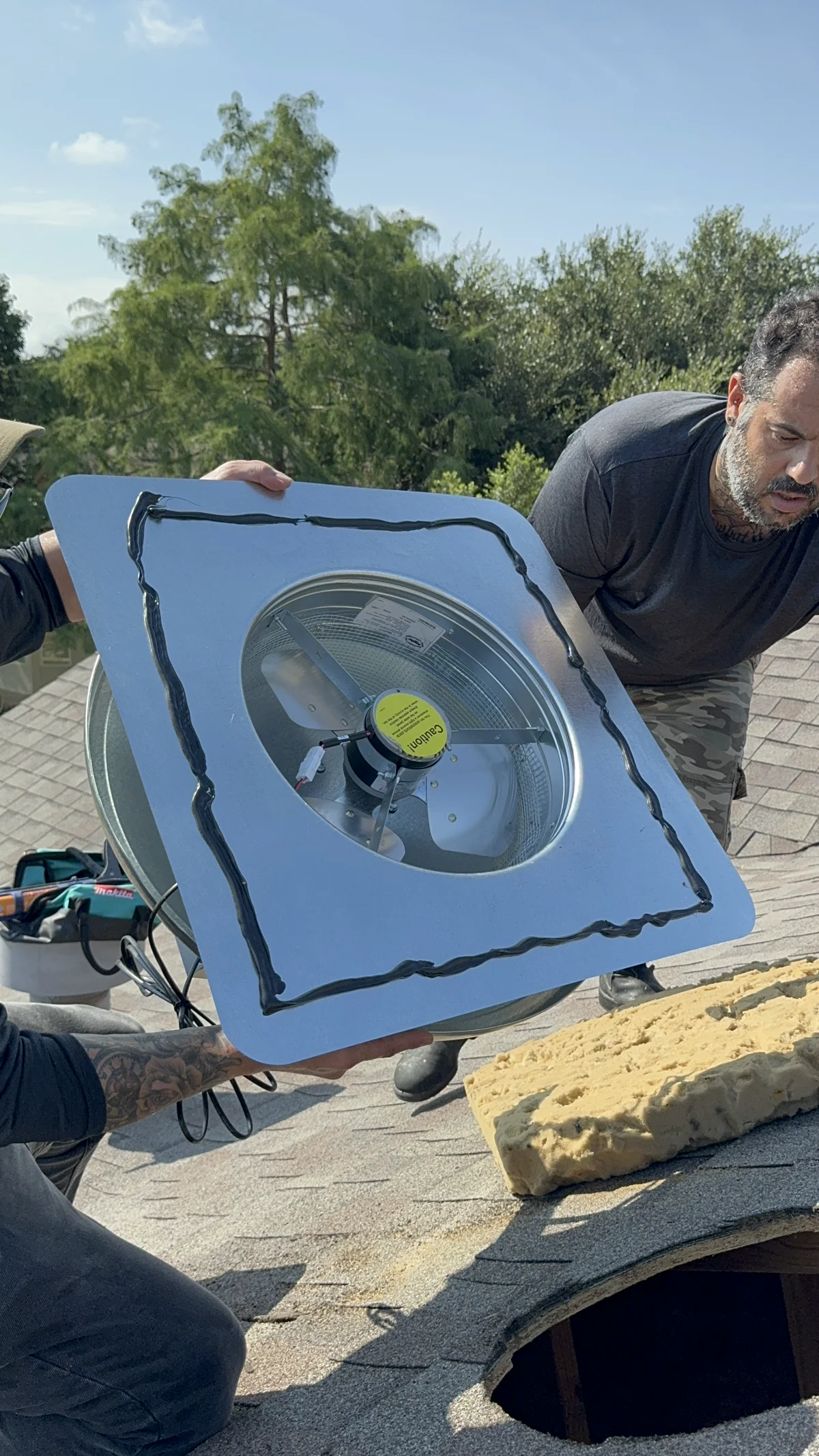
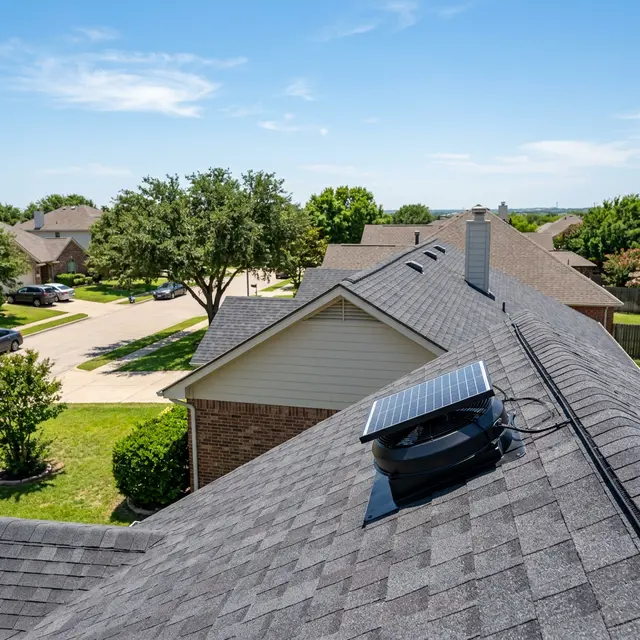
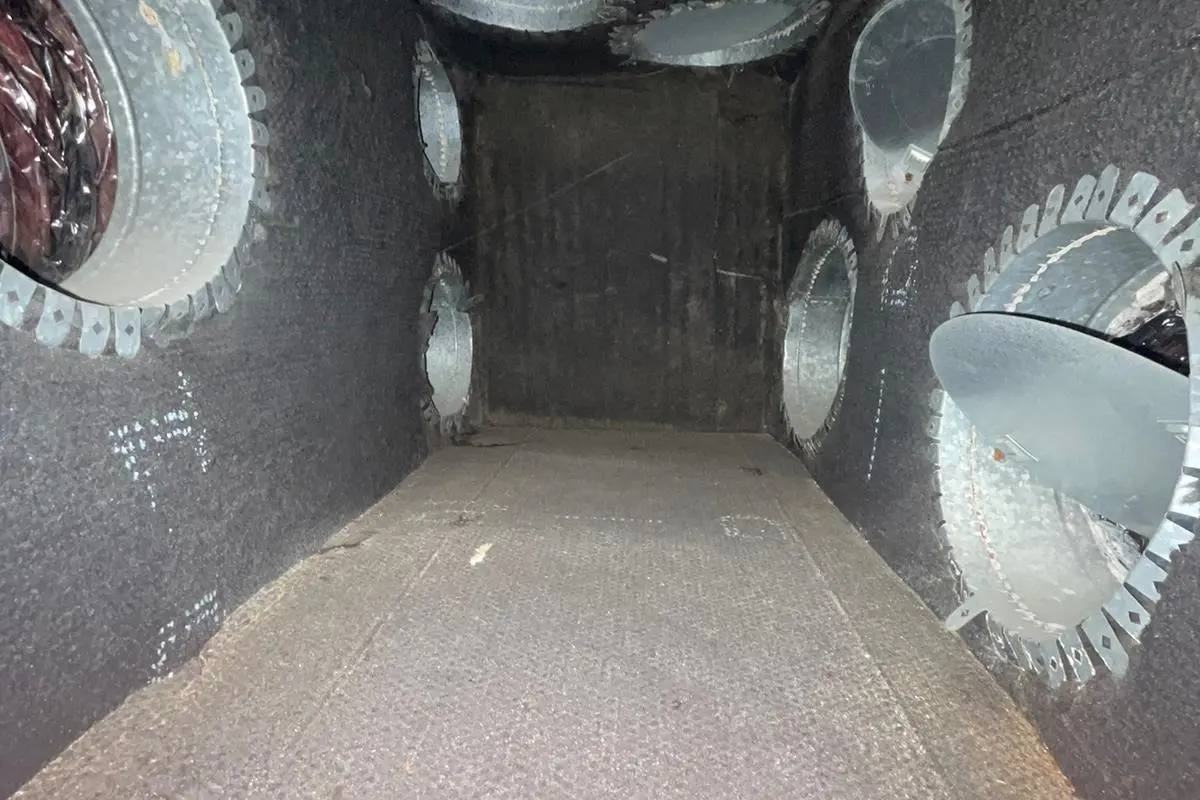
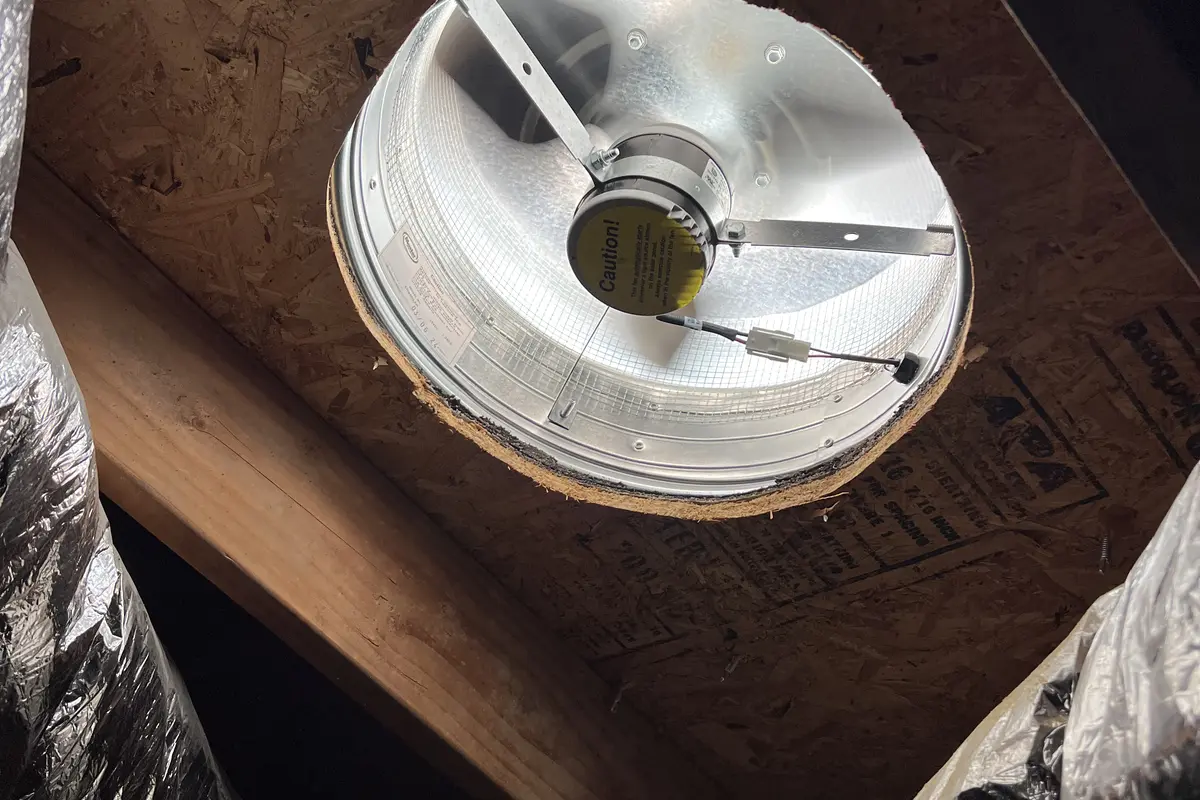
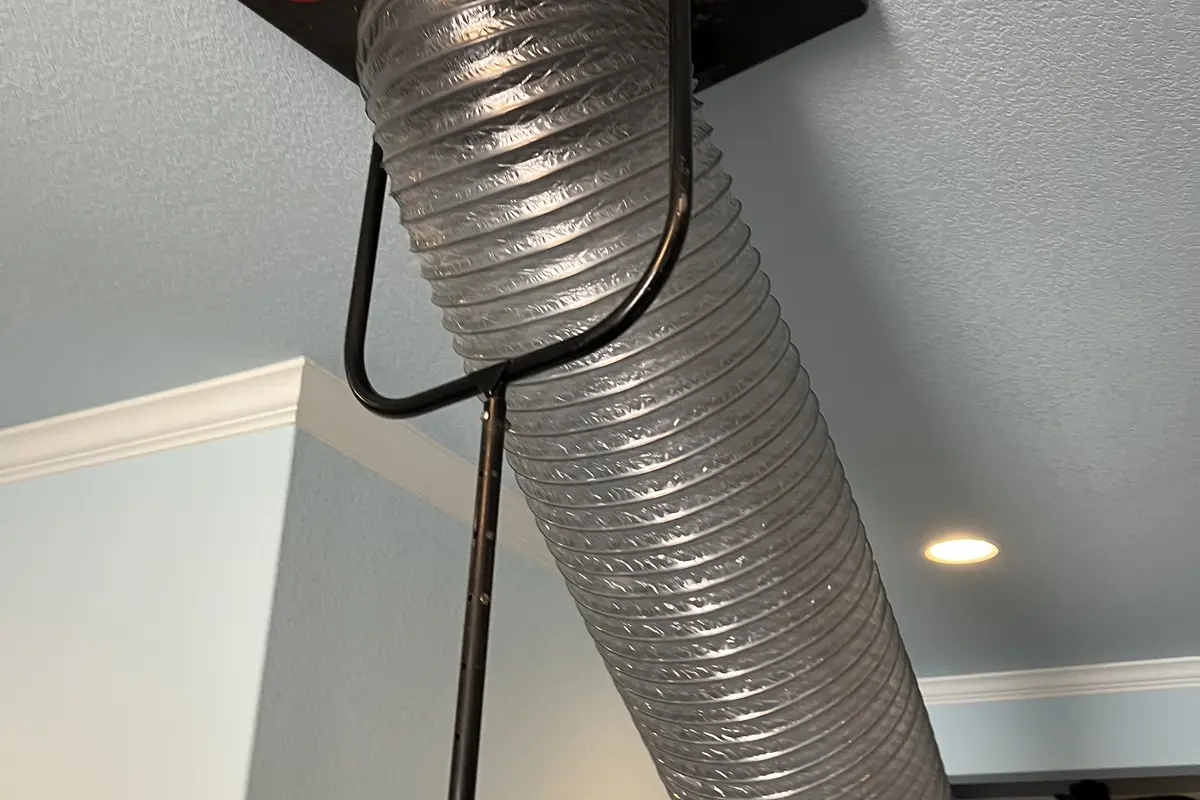
4. Change filters every 60-90 days - a clogged filter forces your AC to work harder and can increase energy consumption by 5-15%. A $15 filter swap every two months is the cheapest efficiency improvement you can make. 5. Install a programmable or smart thermostat - save 10-15% automatically. The Nest and Ecobee models learn your schedule and adjust accordingly, and some Austin Energy programs offer rebates on smart thermostats. 6. Install a solar attic fan - reduces attic temperature from 150F to 90F, cutting AC workload. Zero operating cost since it runs entirely on its own solar panel. 7. Clean your air ducts - buildup restricts airflow, making your system run longer. Most Austin homes benefit from cleaning every 3-5 years.
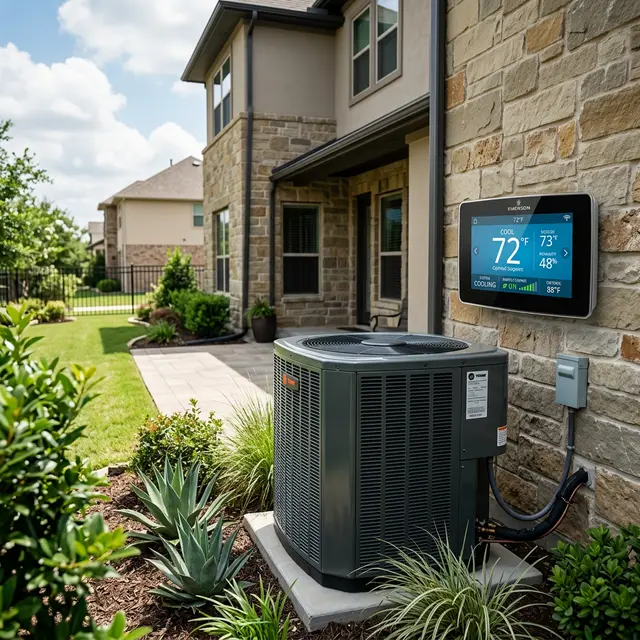
8. Shade your outdoor condenser unit (but keep 2 feet of clearance) - a shaded unit is up to 10% more efficient. Plant native shade trees like Texas mountain laurel or install a purpose-built shade structure. 9. Use ceiling fans and raise the thermostat 4 degrees - fans cost about $0.01 per hour to run compared to $0.30-$0.50 per hour for your AC compressor. A ceiling fan makes a room feel 4-6 degrees cooler through wind chill effect. 10. Schedule annual AC maintenance - a tuned system runs 15-20% more efficiently than a neglected one. A routine tune-up can prevent the $3,000-$5,000 emergency compressor replacement that hits during the hottest week of July.
Austin Energy Rates and Why They Matter
Austin Energy uses a tiered rate structure - the more electricity you use, the higher your per-kilowatt-hour rate. As of 2026, the first 500 kWh costs roughly $0.03-$0.06/kWh, but usage above 1,000 kWh jumps to $0.08-$0.11/kWh. Most Austin homes blow past 1,000 kWh every month from June through September, which means every watt you waste during peak summer costs you at the highest rate. This tiered system means efficiency improvements have an outsized impact - reducing your usage from 2,000 kWh to 1,500 kWh saves you money at the most expensive tier first.
Austin Energy also charges a peak demand fee during summer months. Running your AC less during the hottest afternoon hours (3-7 PM) reduces this fee. A programmable thermostat that pre-cools your home in the morning and lets the temperature rise slightly during peak hours can save $20-$40/month on demand charges alone.
Want to Know Where Your Energy Goes?
We identify the biggest efficiency gaps in your home and give you a clear plan to fix them.
Call (512) 601-4451Estimate how much you could save on energy bills
Expected Savings Breakdown
Duct sealing: saves $200-$400/year. Attic insulation upgrade: saves $300-$600/year. Programmable thermostat: saves $150-$300/year. Solar attic fan: saves $100-$200/year. Filter changes on schedule: saves $50-$100/year in reduced system strain. Annual AC tune-up: saves $100-$200/year in efficiency plus extends equipment life. Combined, these improvements can cut $750-$1,500 from your annual energy bill. For a home spending $3,000/year on electricity, that is a 25-50% reduction.
The best part is you do not have to do everything at once. Start with the thermostat adjustment and filter changes today - those are immediate wins that cost almost nothing. When you are ready for the bigger items, call (512) 601-4451 and ask about duct sealing and insulation. We will look at your current setup and tell you which upgrade shaves the most off your Austin Energy bill first. Every home is different, and a targeted approach beats a scattershot one every time.
Related Services
Learn more about our professional services related to this topic:
- Air Duct Cleaning - Remove dust, allergens, and debris from your entire HVAC system for cleaner indoor air.
- Solar Fan Installation - Solar-powered attic ventilation that cuts cooling costs naturally.
- Attic Insulation - Premium blown-in insulation to cut energy costs and improve year-round comfort.
- UV Lighting System - Eliminate bacteria and allergens inside your HVAC with UV-C light technology.
Want the full picture?
Read our complete guide: Home Energy Efficiency: The Cost-Saving Guide for Austin →Have questions about energy efficiency? Our team is available 7 days a week. Call us at (512) 601-4451 or visit our contact page.