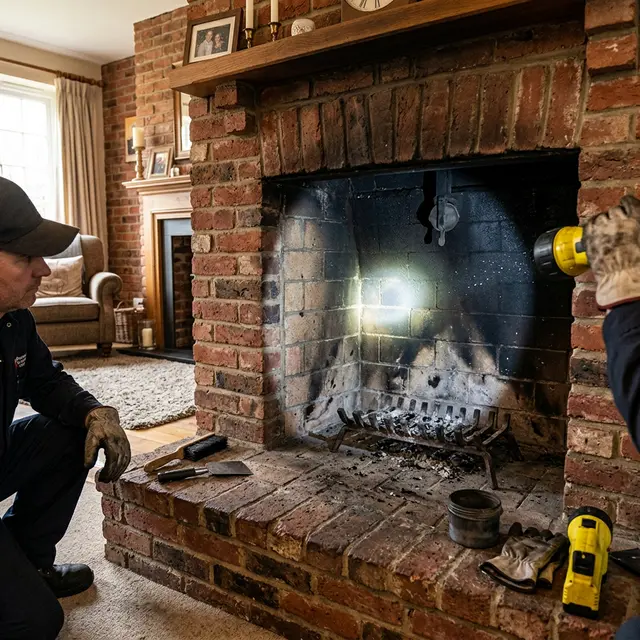
Get a chimney sweep once per year if you burn wood regularly, or every 2-3 years if you use your fireplace occasionally. Gas fireplaces need annual inspection but less frequent sweeping.
Frequency Guidelines by Usage
Weekly use (burning wood 2+ times per week during winter): annual sweep and inspection - no exceptions. Occasional use (fewer than 20 fires per season): every 2 years, with annual visual inspection. Gas fireplace/gas logs: annual inspection of the burner, venting, and connections, but sweeping is only needed if soot or debris accumulates.
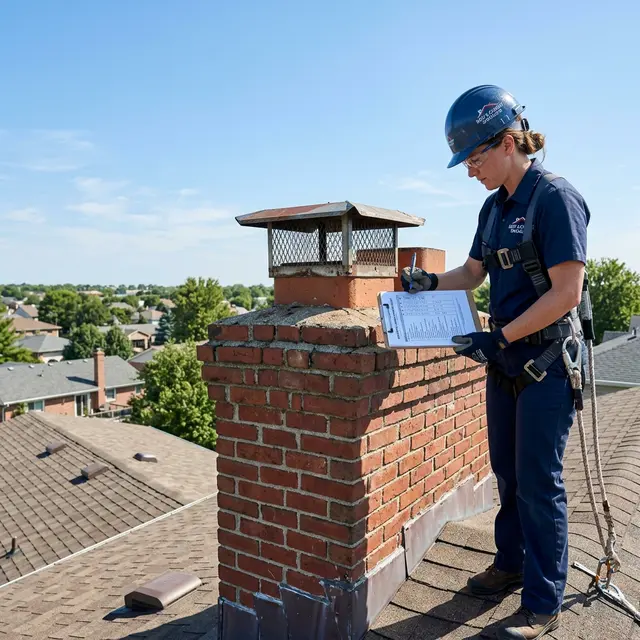
The Chimney Safety Institute of America and NFPA 211 recommend annual inspection regardless of usage. Even unused chimneys can develop problems: animal nests, water damage, deteriorating mortar, or a stuck damper. NFPA 211 specifically states that chimneys, fireplaces, and vents should be inspected at least once a year for soundness, freedom from deposits, and correct clearances. This applies whether you burned 50 fires last winter or zero.
Wood-Burning vs Gas Fireplace Frequency
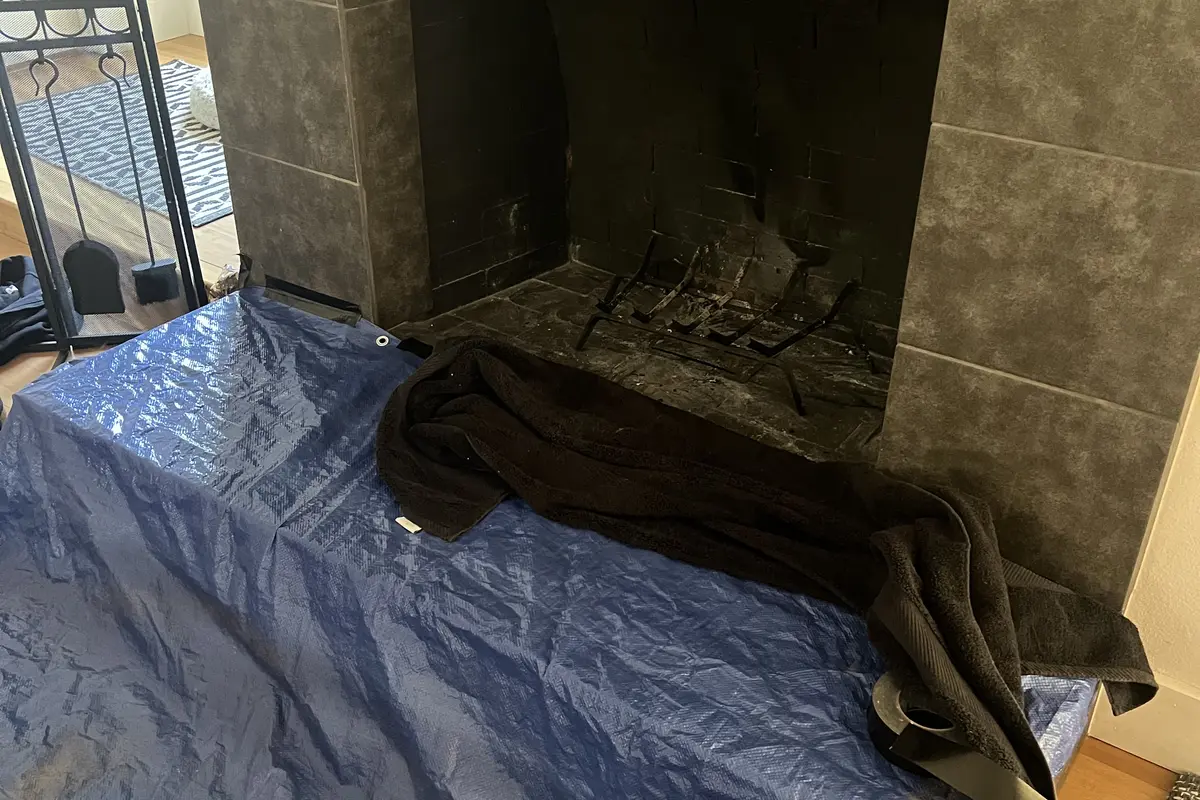
Wood-burning fireplaces are the highest-maintenance option. Every fire produces smoke that deposits creosote inside the flue. The rate of buildup depends on the type of wood, how hot the fire burns, and chimney draft. A family burning seasoned oak twice a week from November through February will accumulate enough creosote to warrant a full sweep every year. Burning softwoods like pine or cedar produces more creosote per fire because of higher resin content, so heavy softwood burners may need sweeping even more often.
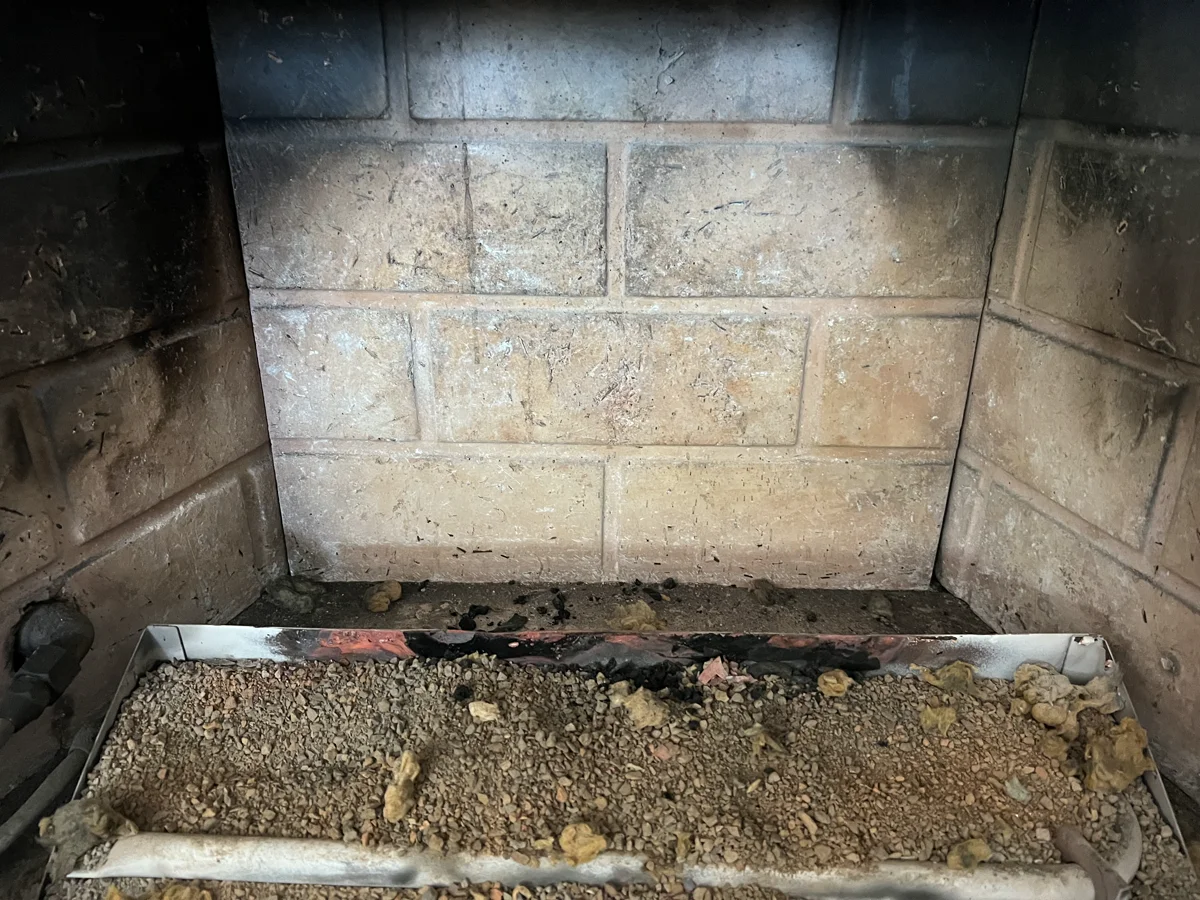
Gas fireplaces produce far less residue because combustion is cleaner and more complete. However, they are not maintenance-free. The burner ports can get clogged by dust, spider webs, or debris. The pilot assembly and thermocouple need annual inspection. Ventless gas logs require extra attention to ensure the oxygen depletion sensor is functioning properly. Even direct-vent gas fireplaces need their sealed glass panels, gaskets, and exhaust venting checked annually. The inspection frequency is the same as wood - once per year - but the scope of the sweep itself is less intensive.
Austin-Specific Usage Patterns
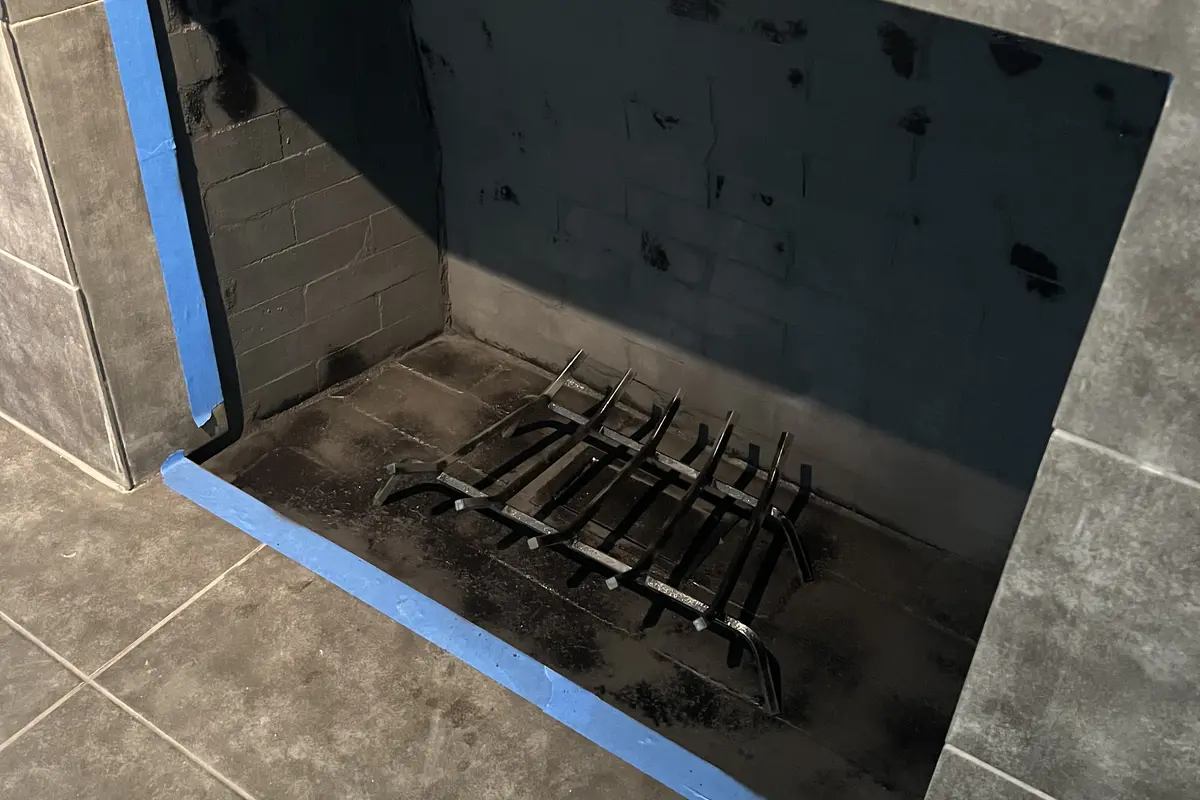
Austin's mild winters change the equation compared to northern states. Most Austin homeowners use their fireplace 15-30 times per season, concentrated in December through February when nighttime temperatures dip into the 30s and 40s. This puts most Austin homes in the occasional-use category, meaning a sweep every two years is often sufficient - provided you get a visual inspection in the off year.
That said, Austin's warm, humid climate creates its own chimney challenges. During the 8-9 months you are not using the fireplace, moisture can accelerate mortar deterioration, and animals see your chimney as prime real estate. We regularly find bird nests, wasp colonies, and even raccoon dens during late-summer inspections in the Barton Hills and Tarrytown neighborhoods. An annual inspection catches these problems before you light the first fire of the season and discover a blockage the hard way - with smoke filling your living room.
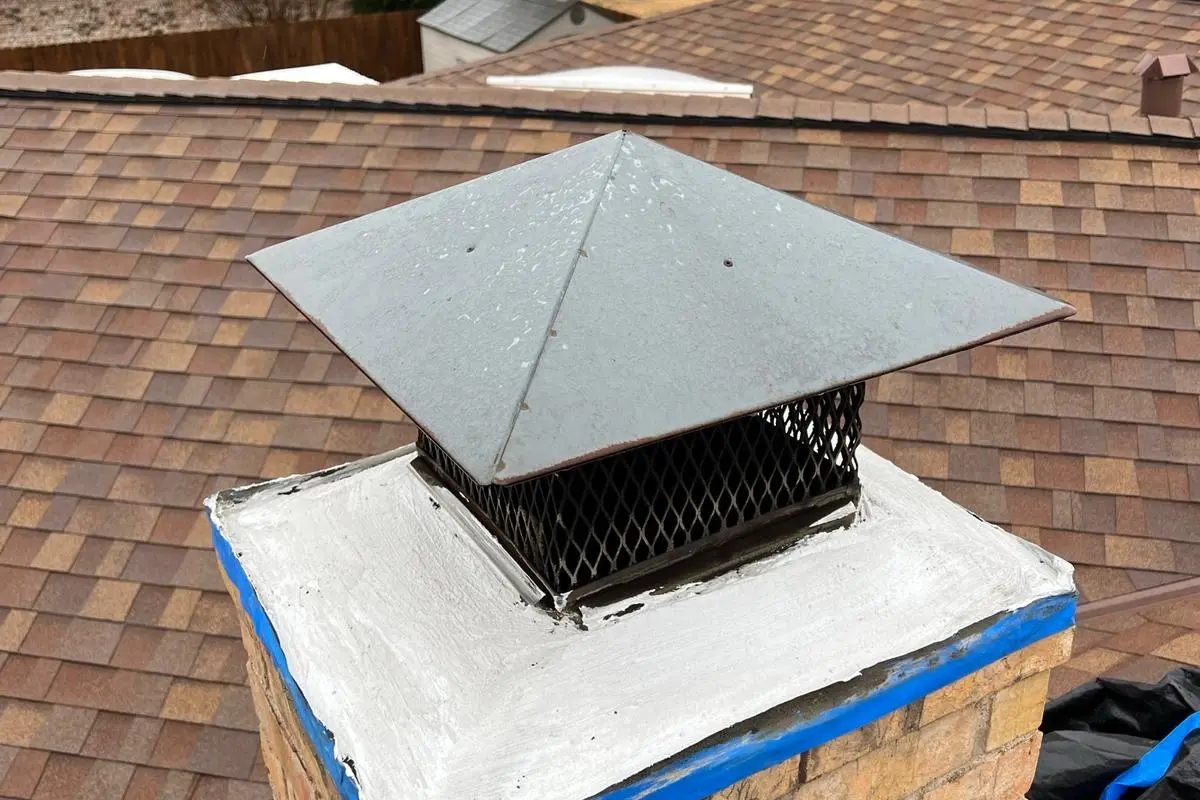
Is Your Chimney Safe for This Season?
A 21-point chimney inspection catches problems before they become dangerous. Book before the first fire.
Call (512) 601-4451Rate your home's indoor air quality in 2 minutes
The Creosote Factor
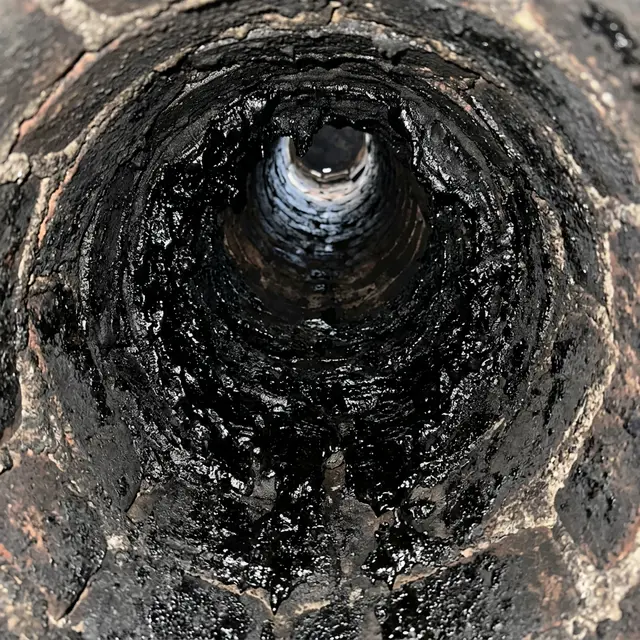
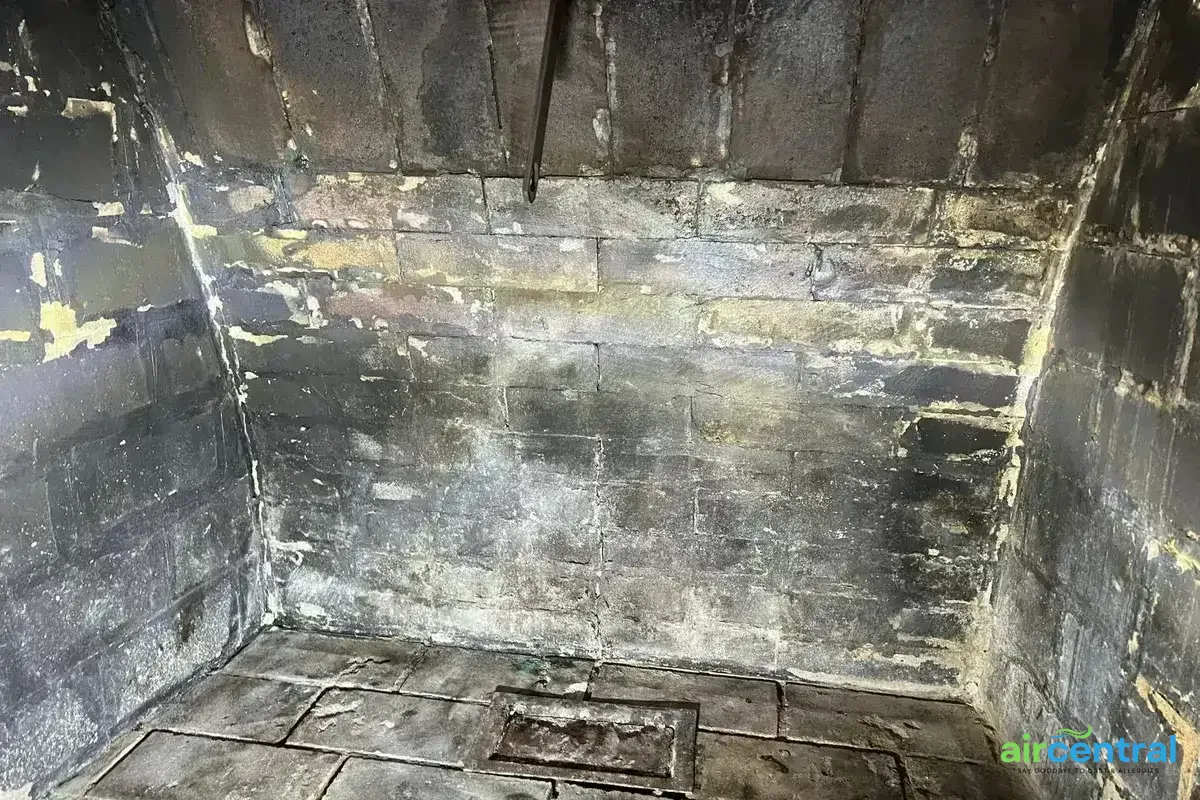
Creosote buildup is the primary fire risk. Stage 1 creosote (dusty, easy to brush away) is normal and handled in routine sweeping. Stage 2 (flaky, crunchy deposits) requires more aggressive cleaning. Stage 3 (glazed, tar-like coating) is a serious fire hazard that may require chemical treatment or professional remediation. If you burn unseasoned (wet) wood, creosote builds up dramatically faster.
The speed of creosote accumulation depends heavily on burning habits. Smoldering, low-temperature fires produce the most creosote because the smoke cools before it exits the flue, condensing more readily on flue walls. Hot, well-fed fires with fully open dampers produce less buildup because the smoke stays hot enough to exit before condensing. The bottom line: if you can see a 1/8-inch or thicker layer of buildup when you look up into the flue with a flashlight, it is time for a sweep regardless of how many fires you have burned.
Best Time to Schedule
Late summer or early fall is the sweet spot - technician schedules are wide open and any needed repairs can be completed well before the first cold front. If you wait until November, you will be competing with every other Austin homeowner who just remembered their chimney exists. Call (512) 601-4451 while it is still off-season and lock in your sweep before the calendar fills up. A little planning now means a worry-free first fire when the temperature finally drops.
Related Services
Learn more about our professional services related to this topic:
- Chimney Sweep & Repair - Professional cleaning and 21-point safety inspection for your fireplace.
Want the full picture?
Read our complete guide: Chimney Sweep and Fireplace Safety: Austin Guide (2026) →Have questions about chimney & fireplace? Our team is available 7 days a week. Call us at (512) 601-4451 or visit our contact page.