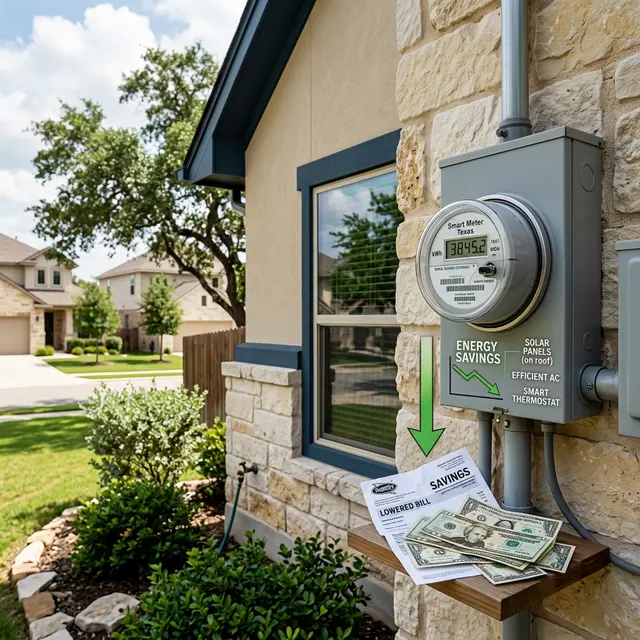
Austin homeowners can reduce energy bills by 20-40% through a combination of attic insulation upgrades, duct cleaning, duct sealing, solar attic fans, UV light systems, smart thermostats, and proper HVAC maintenance. The highest-ROI improvements are attic insulation (3-5 year payback) and duct sealing (2-4 year payback). Most improvements qualify for federal tax credits and local utility rebates.
Why Energy Efficiency Matters More in Austin Than Almost Anywhere
Austin has one of the most demanding climates for residential HVAC systems in the United States. Summer temperatures exceed 100 degrees for weeks at a time. Your AC runs 6-8 months per year, often 12-16 hours per day during peak summer. The average Austin household spends $2,400-$4,000 per year on electricity, with HVAC accounting for 50-70% of that total. Neighborhoods like Mueller, Circle C, Steiner Ranch, and the older homes in Hyde Park and Travis Heights all face the same fundamental challenge: keeping indoor temperatures comfortable while the Texas sun hammers your roof, walls, and windows for months on end.
That means your heating and cooling costs alone run $1,200-$2,800 per year. Even modest efficiency improvements - 15-20% reduction - translate to $180-$560 in annual savings. Over a 10-year period, that is $1,800-$5,600. The math on energy efficiency investments in Austin is more compelling than in almost any other US market because the baseline energy consumption is so high. And unlike some upgrades that only matter for resale, energy efficiency improvements pay you back every single month through lower utility bills while you are still living in the home.
I have worked on hundreds of Austin homes since 2014, and the consistent pattern I see is this: most homes waste 20-40% of their cooling energy through preventable issues. Inadequate insulation, dirty ducts, air leaks, and deferred maintenance combine to make HVAC systems work far harder than they should. The good news is that fixing these issues is straightforward and cost-effective.
"The three biggest energy wasters I see in Austin homes are under-insulated attics, leaking ductwork, and dirty evaporator coils," says Nessi Ziv, owner of Air Central. "Fix those three things and most homeowners save $40-$80 per month on electricity. That is based on real results from over 10,000 homes we have serviced across Central Texas."
Attic Insulation: The Single Biggest Energy Win
If you only make one energy efficiency improvement to your Austin home, make it attic insulation. The Department of Energy estimates that 25-30% of home energy loss occurs through the attic, and in Austin's extreme heat, that percentage can be even higher.
Most Austin homes built before 2010 have R-19 to R-26 attic insulation. The current recommendation for our climate zone (Zone 2) is R-38 to R-49. Upgrading to R-38 typically reduces cooling costs by 10-20%. For a home spending $3,000 per year on electricity, that is $300-$600 in annual savings - paying for the insulation upgrade in 3-5 years.
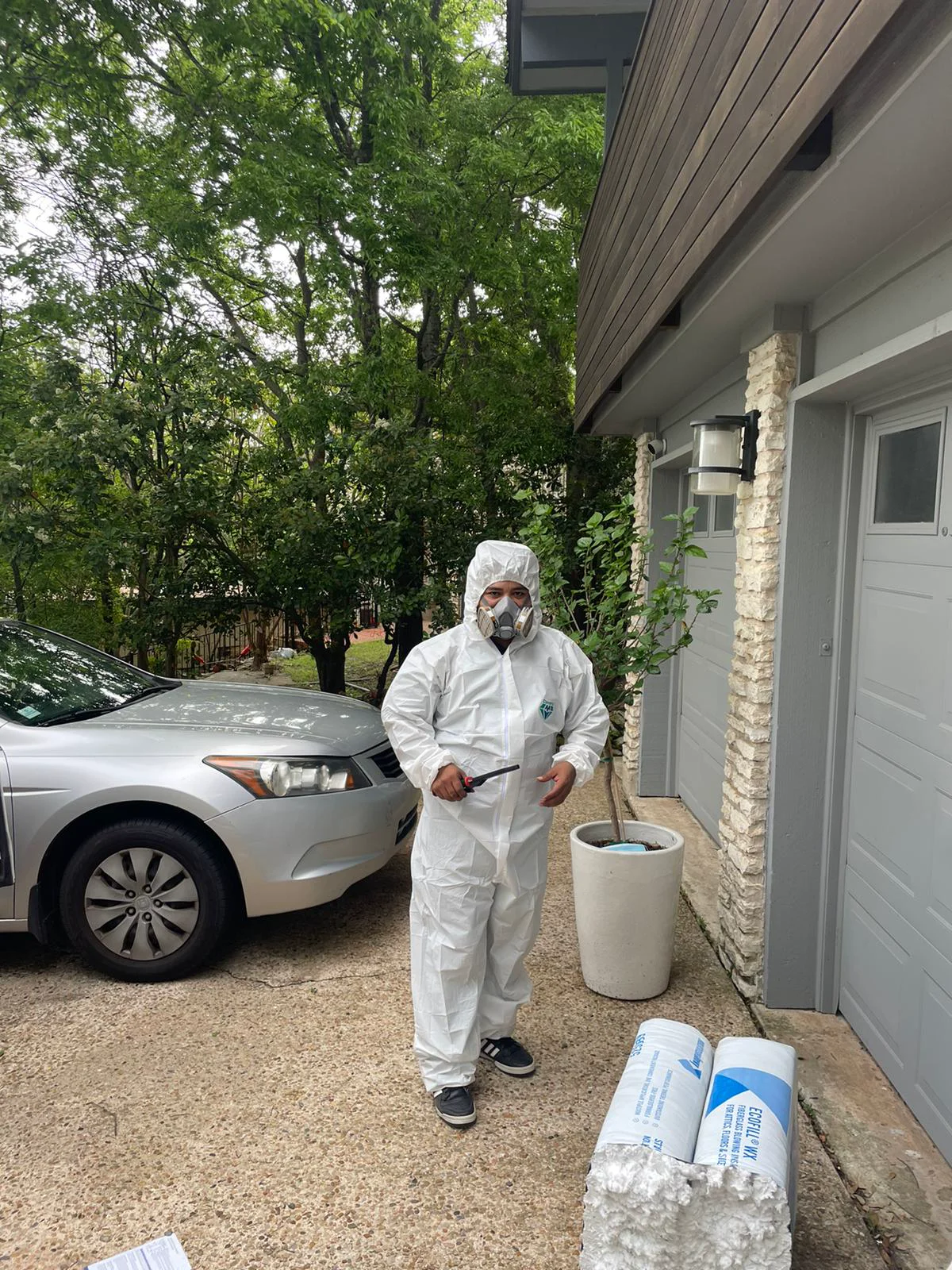
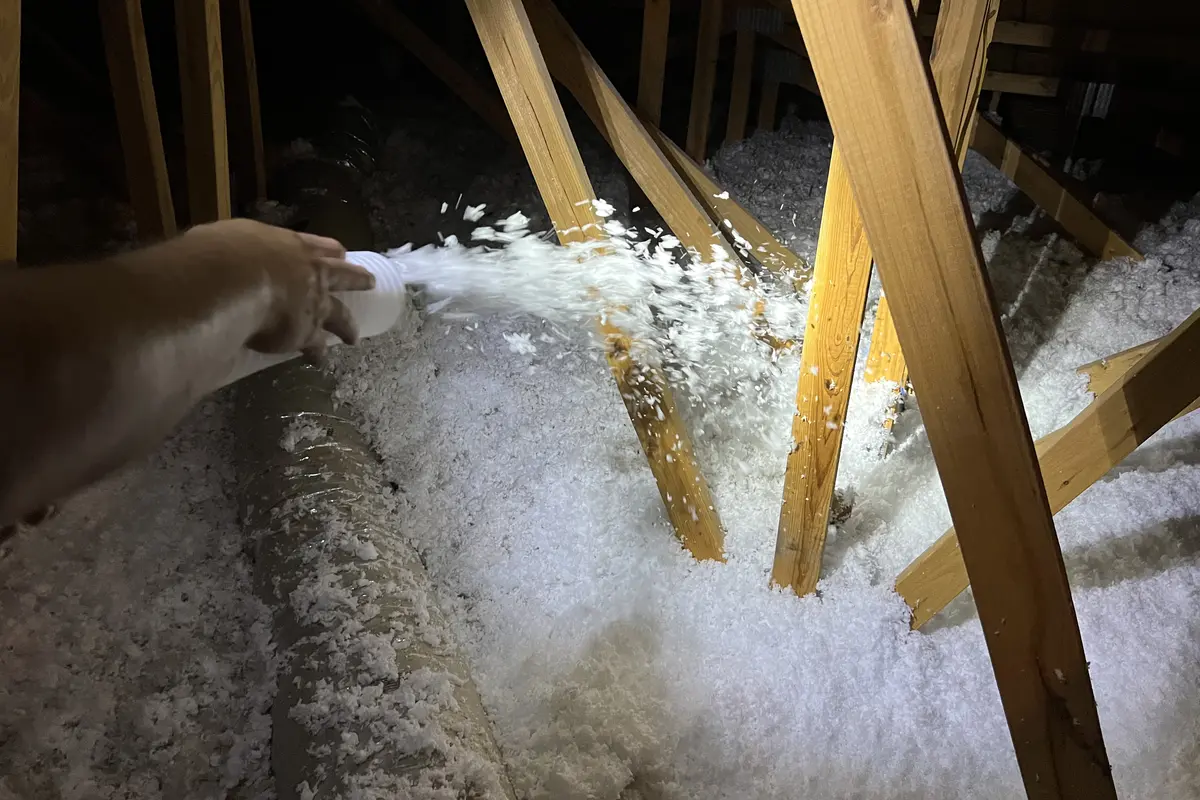
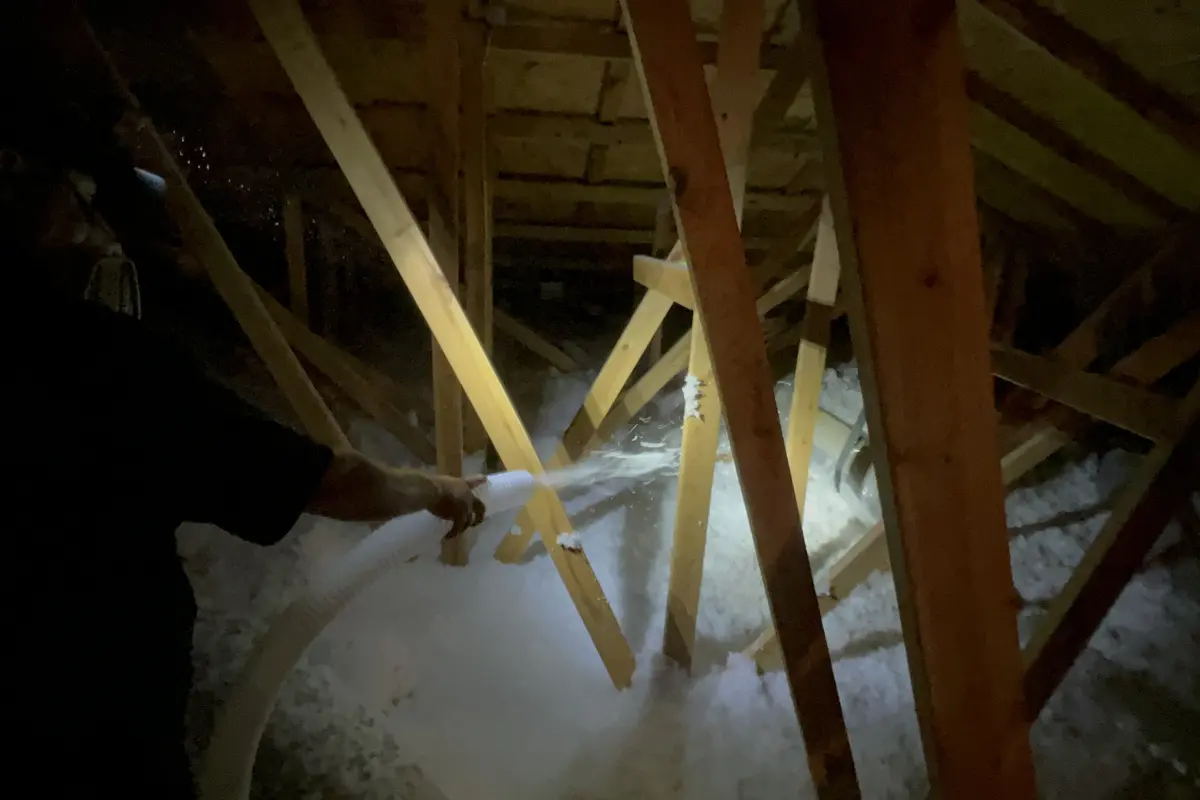
Blown-in insulation is the preferred method for Austin retrofits. It can be added on top of existing insulation, conforms to irregular spaces, and can be installed in a single day. Combined with air sealing around penetrations, the improvement is immediately noticeable - your AC runs less, maintains temperature better, and your upstairs rooms feel more comfortable.
Air Central installs both blown-in fiberglass and cellulose insulation. We evaluate your current insulation, identify air leaks, and recommend the most cost-effective upgrade path for your specific home.
Duct Cleaning and Sealing: The Hidden Efficiency Killers
Your ductwork distributes conditioned air throughout your home. When ducts are dirty, leaky, or poorly insulated, a significant portion of the cooling you pay for never reaches your living space.
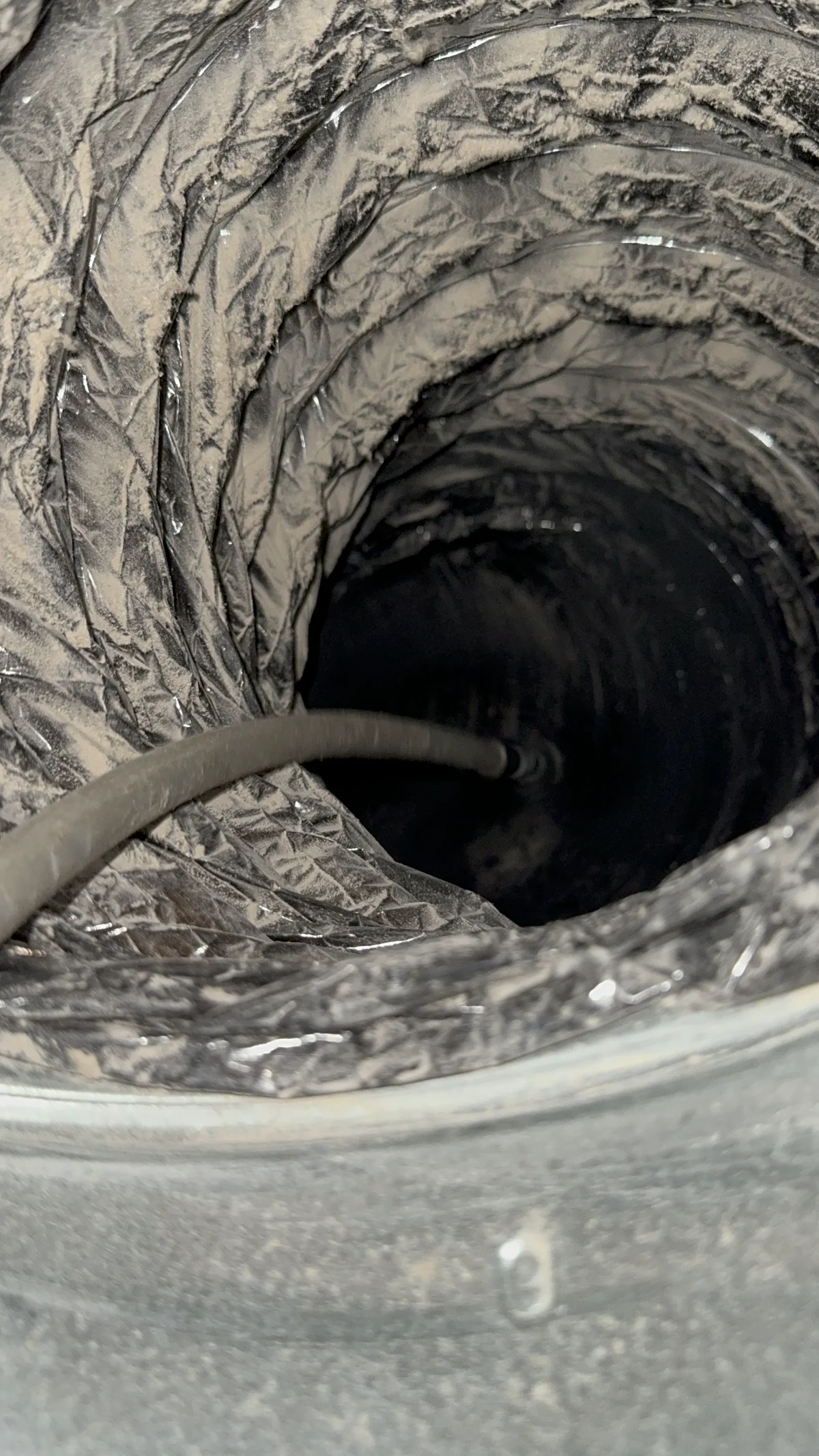
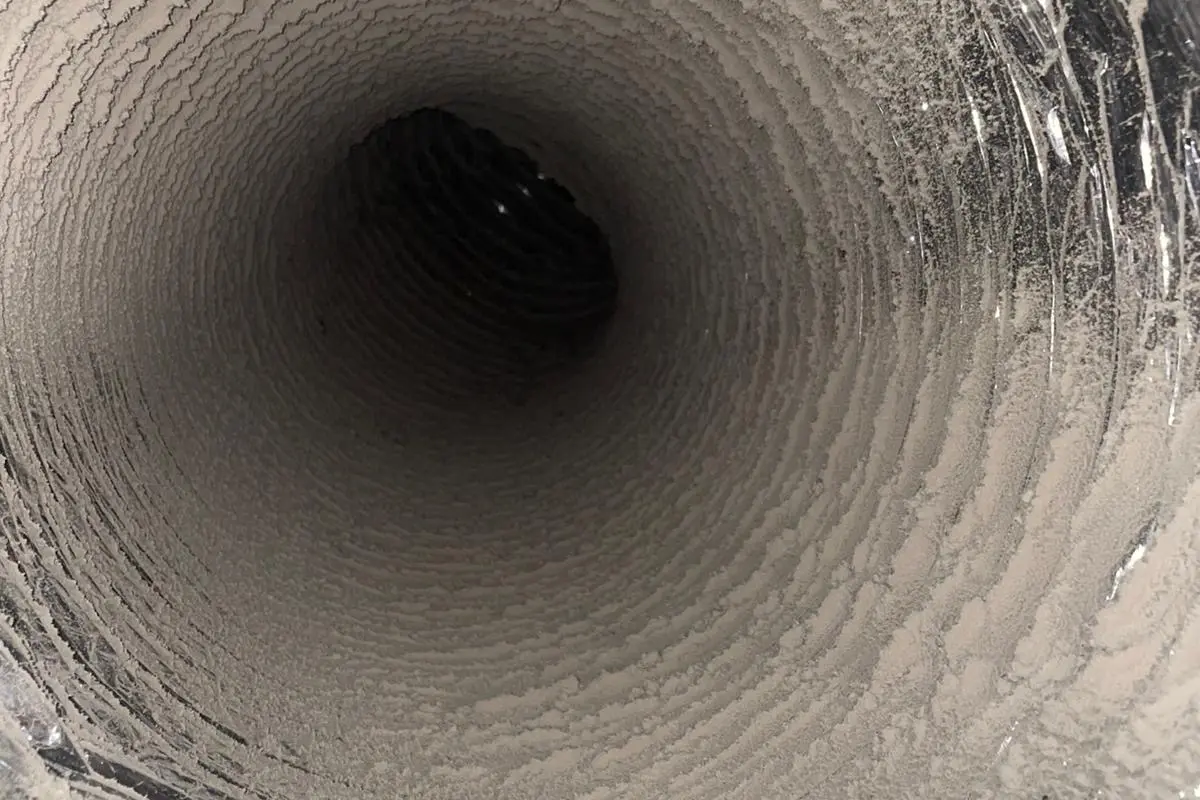
Dirty ducts restrict airflow. When dust, pollen, and debris accumulate in your ductwork, the cross-sectional area available for airflow decreases. Your blower motor works harder to push air through the restricted passages, using more electricity and delivering less air to each room. We routinely measure 15-30% airflow improvement after professional duct cleaning in homes that have not been cleaned in 5+ years.
Duct leaks are even more costly. The typical Austin home loses 20-30% of conditioned air through duct leaks, primarily at connections, seams, and where ducts meet registers. In a home with attic-mounted ductwork - which is most Austin homes - those leaks dump expensive cooled air directly into a 150-degree attic. You are literally air conditioning your attic.
Professional duct sealing uses mastic sealant and metal tape (not cloth duct tape, which degrades in attic heat) to close leaks at joints and connections. The cost varies depending on duct accessibility and the extent of leakage. The ROI is excellent: reducing duct leakage from 30% to 5% can cut cooling costs by 15-25%, often paying for the sealing work within 2-3 cooling seasons.
If your ducts run through the attic, insulating them is equally important. Uninsulated ducts in a 150-degree attic gain significant heat, delivering 65-degree air that has warmed to 75 degrees by the time it reaches the register. Duct insulation wraps prevent this heat gain.
Solar Attic Fans: Free Ventilation From the Sun
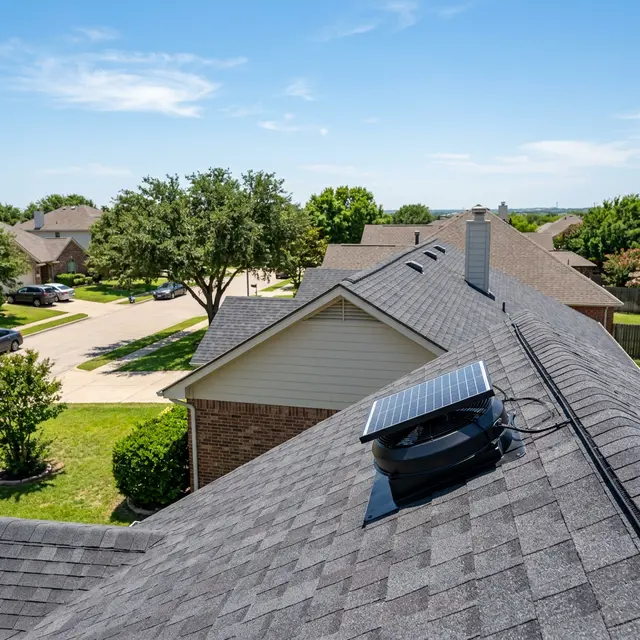
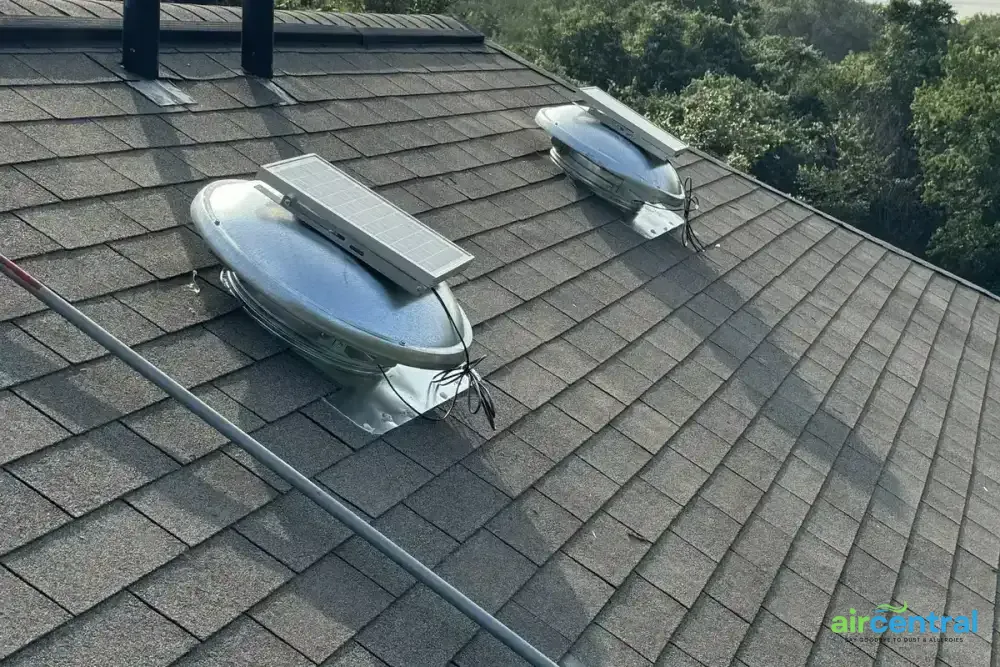
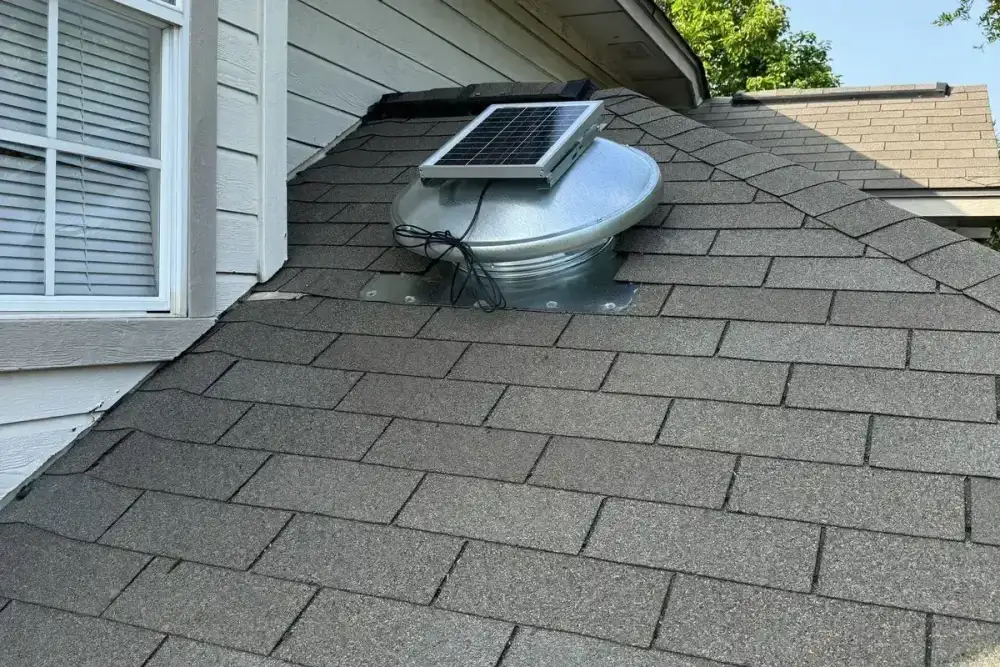
Solar-powered attic fans are one of the most elegant efficiency solutions for Austin homes. They use photovoltaic panels to power ventilation fans that pull hot air from your attic, reducing attic temperatures by 20-40 degrees Fahrenheit. Zero operating cost, zero electricity from the grid, powered entirely by the sun that is causing the heat problem in the first place.
By reducing attic temperature from 160 degrees to 120-130 degrees, solar fans reduce the heat load on your ceiling insulation. Your insulation works more effectively when the temperature differential it must resist is smaller. The result: your living space stays cooler, your AC runs less, and your energy bills drop.
Solar attic fans are most effective in homes with limited passive ventilation (inadequate soffit, ridge, or gable vents), dark-colored roofs that absorb more heat, and attic-mounted HVAC equipment and ductwork that suffer from extreme heat exposure.
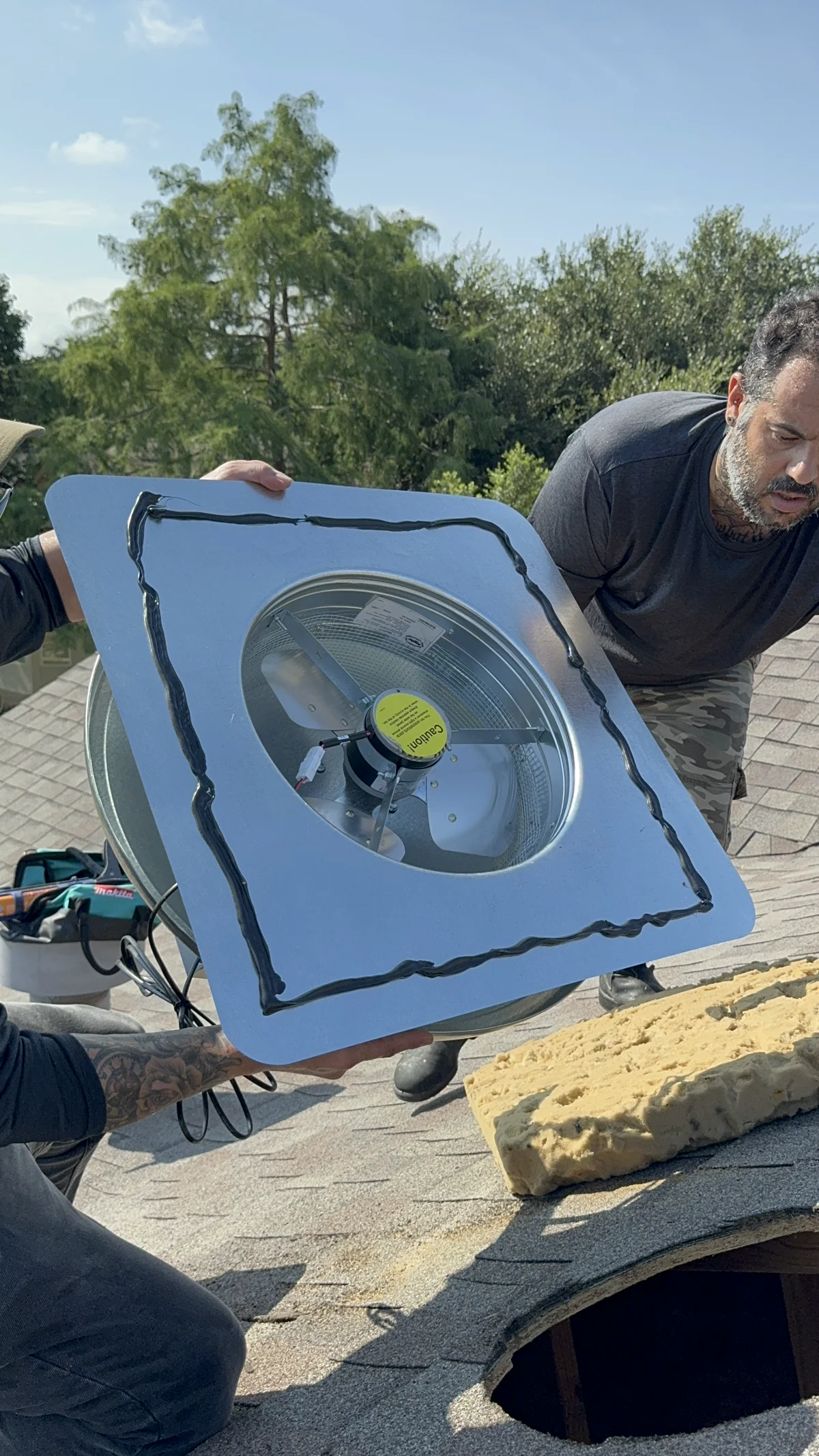
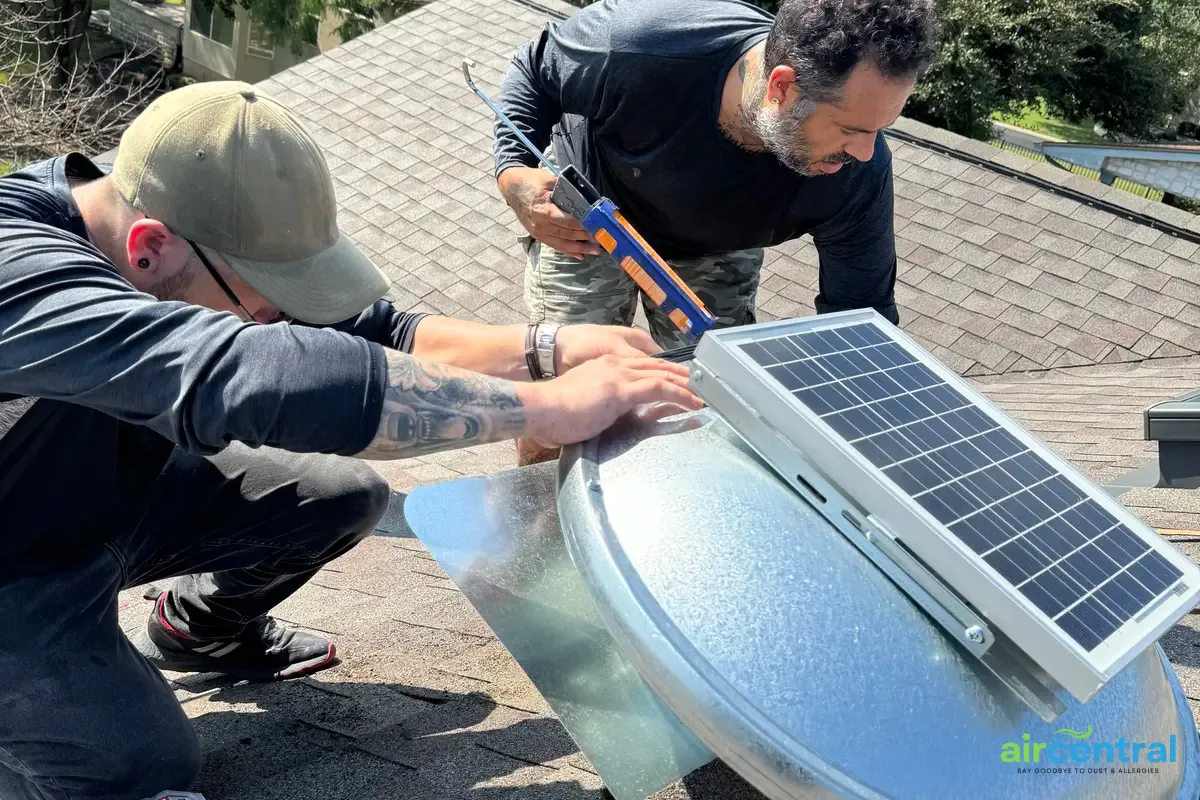
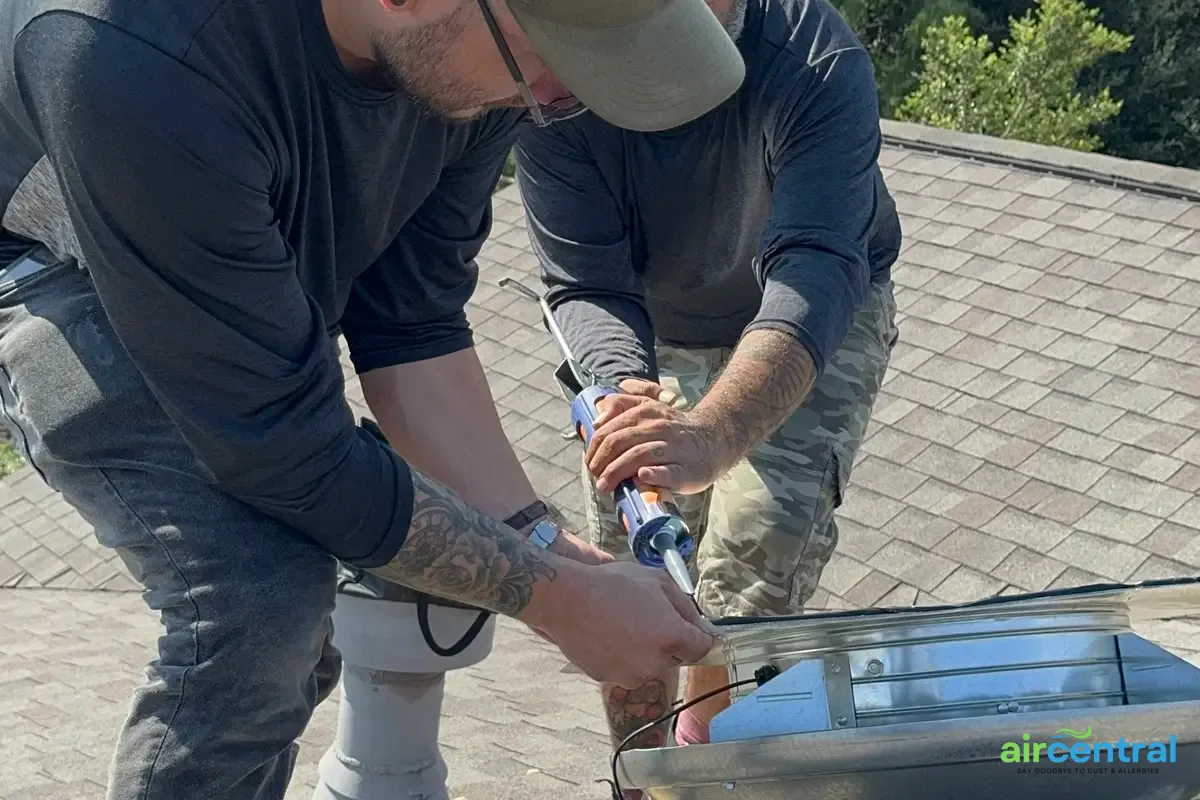
Installation is straightforward. The fan unit mounts on the roof with the solar panel integrated into the housing. No electrical wiring is needed since the panel directly powers the fan motor. Most installations take 2-3 hours. The fan operates automatically - it runs when the sun shines and the attic is hot, and stops when it is not needed.
The cost for a quality solar attic fan installed varies based on your home's needs. Expected energy savings are 5-15% of cooling costs, making the payback period 3-5 years. After payback, the savings continue for the 20-25 year lifespan of the fan with minimal maintenance (occasional cleaning of the solar panel).
Air Central installs solar attic fans throughout the Austin area. We evaluate your attic ventilation, recommend the right size and placement, and handle complete installation. Many homeowners pair solar fan installation with attic insulation upgrades for maximum combined impact.
UV Light Systems: Efficiency Through Cleaner Components
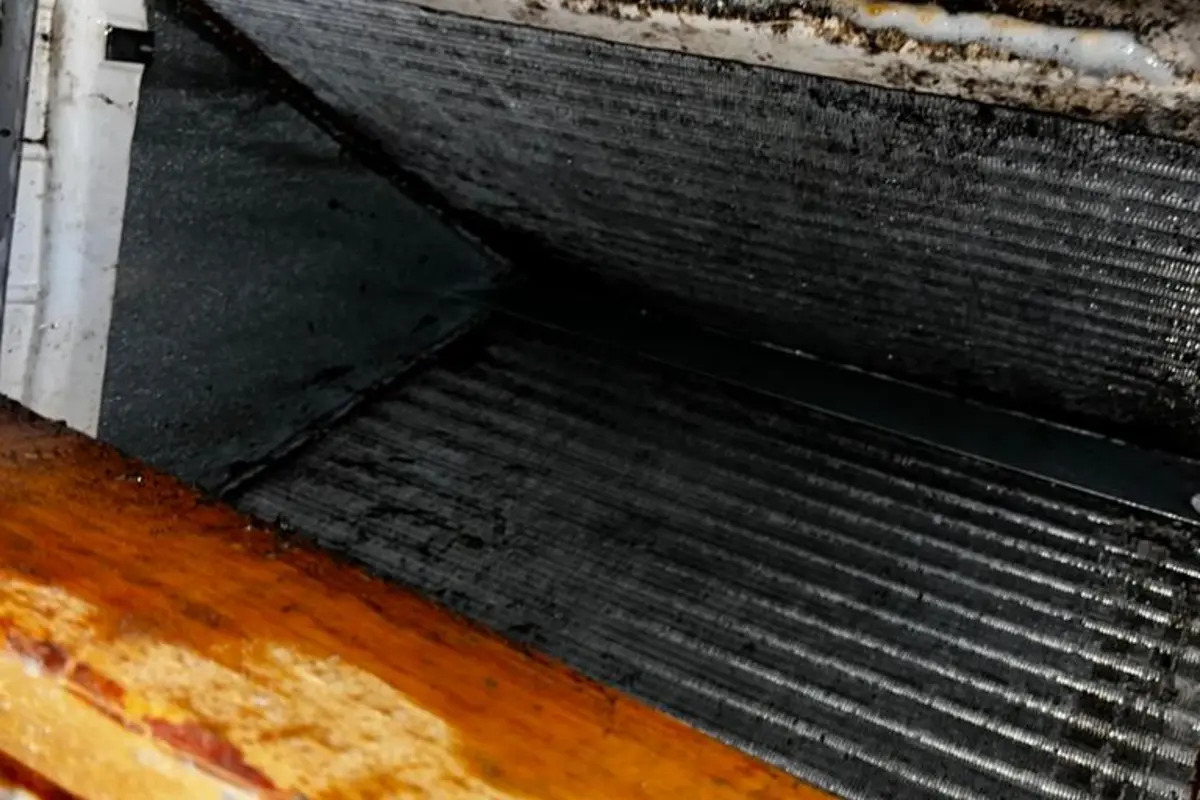
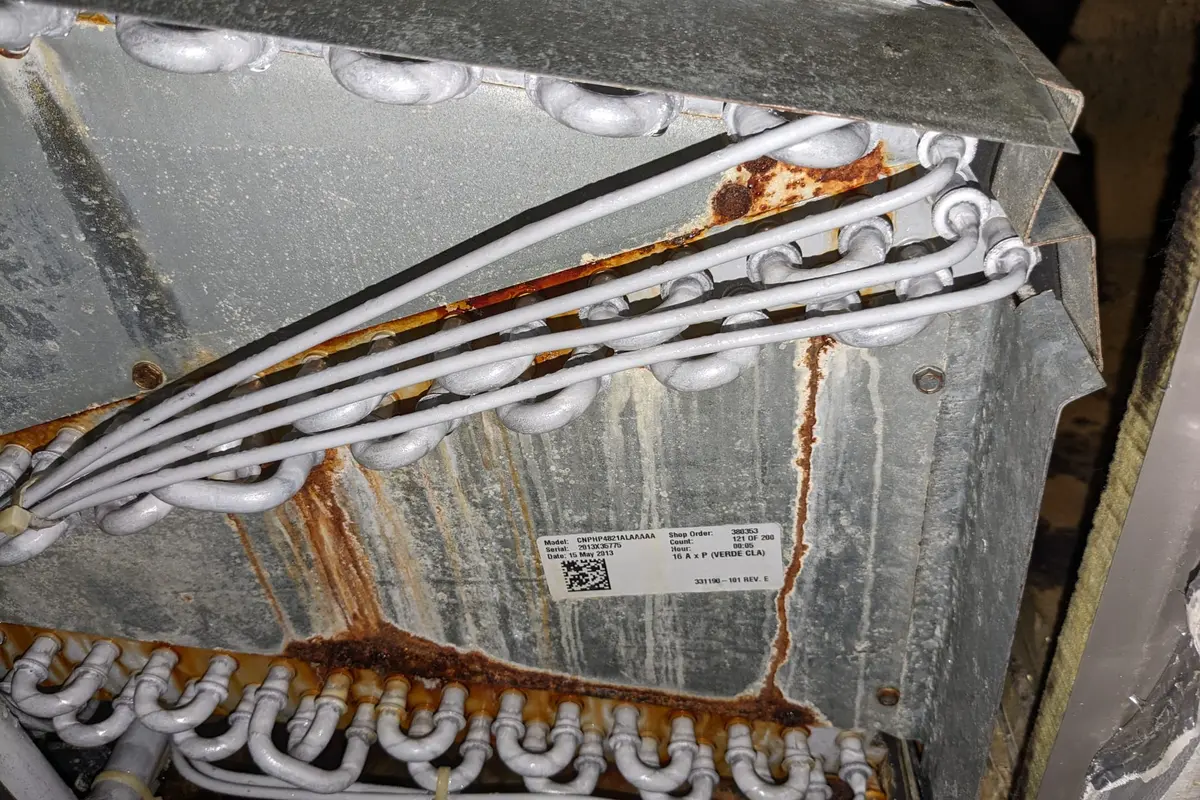
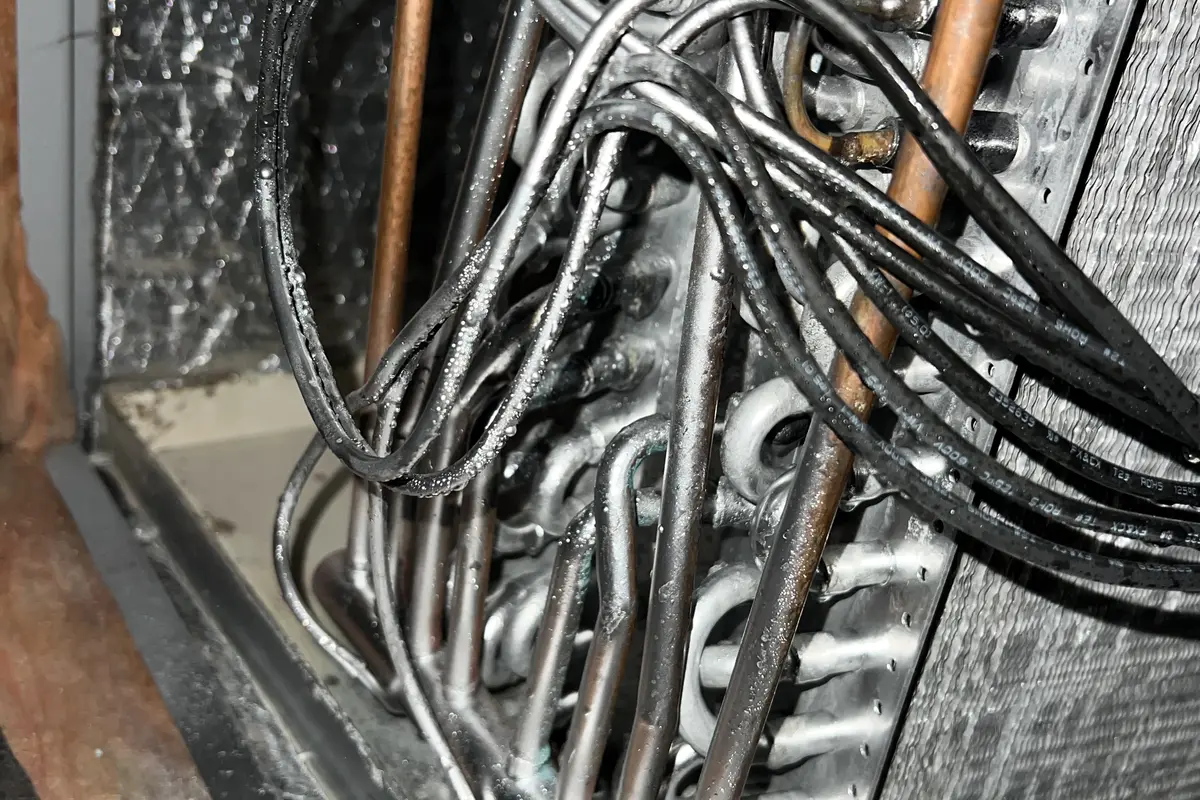
UV-C germicidal lights installed in your HVAC system improve efficiency by keeping the evaporator coil clean. In Austin's humid climate, biological growth on evaporator coils is a common problem that degrades performance. Even a thin biological film on the coil surface reduces heat transfer efficiency by 10-30%, making your AC work harder and use more energy.
A UV-C light installed near the evaporator coil prevents biological growth from forming. The coil stays clean, heat transfer operates at peak efficiency, and you avoid the efficiency decline that occurs between professional cleanings. Think of it as continuous preventive maintenance for one of the most performance-critical components in your HVAC system.
UV lights also reduce the frequency of professional coil cleanings needed, saving on maintenance costs over time. UV-C systems are a reasonable investment to install and use about as much electricity as a 60-watt light bulb running continuously. Bulb replacement is needed every 12-24 months.
The efficiency benefit alone may not justify UV-C installation, but combined with the air quality improvements (reduced biological contaminants, fewer allergens, elimination of musty HVAC odors), the total value proposition is strong for Austin homeowners.
Smart Thermostat Strategies for Austin's Climate
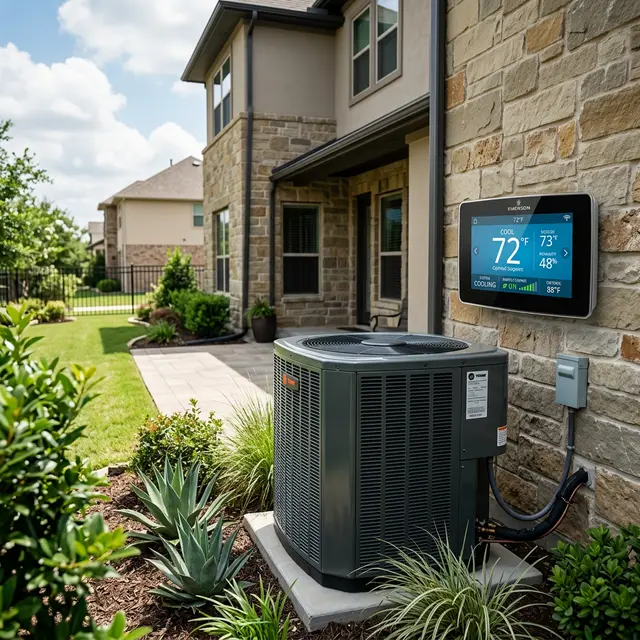
A smart thermostat is the lowest-cost, fastest-payback efficiency upgrade available. Models from Ecobee, Google Nest, and Honeywell range from $130-$250 and typically save 10-15% on heating and cooling costs through optimized scheduling, occupancy sensing, and learning algorithms.
For Austin specifically, program your thermostat to 78-80 degrees when you are home in summer and 82-85 degrees when away. Every degree you raise the setpoint above 72 reduces cooling costs by 3-5%. The difference between 72 and 78 degrees can be a 20-30% reduction in cooling cost alone.
Use the fan setting to your advantage. Running the fan in circulation mode for 15-20 minutes per hour (when the AC compressor is not running) distributes cooled air more evenly and makes the home feel 2-3 degrees cooler without additional compressor runtime. Some smart thermostats automate this circulation.
Pre-cooling is an underused strategy in Austin. If you have time-of-use electricity rates, run the AC aggressively during off-peak hours (before 2 PM and after 8 PM) to pre-cool the house, then let the temperature drift up during peak rate hours. The thermal mass of your home acts like a battery, holding the cool temperature for several hours.
Smart thermostats with room sensors are particularly valuable for two-story Austin homes where the upstairs runs 5-10 degrees warmer. Place the primary sensor in the room you use most, not in a hallway where nobody sits. Some systems let you prioritize different sensors at different times of day - bedroom at night, living room during the day.
One caution: do not set the thermostat to extreme lows when you return home, thinking it will cool the house faster. Your AC delivers cooling at a fixed rate regardless of the setpoint. Setting it to 65 degrees will not cool the house faster than setting it to 76 degrees - it will just run longer and potentially freeze the evaporator coil.
Want to Know Where Your Energy Goes?
We identify the biggest efficiency gaps in your home and give you a clear plan to fix them.
Call (512) 601-4451Estimate how much you could save on energy bills
HVAC Maintenance: The Free Efficiency Upgrade
Regular HVAC maintenance costs nothing extra in energy but prevents gradual efficiency decline that can add 10-20% to your energy bills over time.
Replace air filters every 60-90 days, or monthly during heavy-use seasons and high pollen periods. A clogged filter restricts airflow, forcing the blower motor to work harder and reducing system efficiency by 5-15%. This single maintenance step is the simplest way to prevent wasted energy.
Keep the outdoor condenser unit clean and unobstructed. Clear vegetation, debris, and mulch away from all sides, maintaining at least 2 feet of clearance. Rinse the condenser coils with a garden hose annually (or after heavy pollen events). A dirty condenser cannot reject heat efficiently, reducing system capacity and increasing runtime.
Clear the condensate drain line annually. A clogged drain can cause the system to shut down on safety switches, leaving your home without cooling during the hottest days. Flushing the line with a cup of vinegar every few months prevents buildup.
Schedule professional duct cleaning every 3-5 years. Beyond air quality benefits, clean ducts deliver air more efficiently. Professional maintenance also identifies emerging problems - small duct leaks, failing components, or refrigerant issues - before they become expensive repairs or cause efficiency to deteriorate.
Check door and window seals. Air infiltration around doors, windows, and other openings forces your HVAC system to condition outside air continuously. Weatherstripping and caulking cost a few dollars and can reduce the air exchange rate noticeably, especially in older Austin homes.
Pay attention to your attic access door or hatch. In many Austin homes, this is one of the largest uninsulated and unsealed openings in the ceiling plane. An uninsulated attic hatch lets hot attic air pour directly into your hallway or closet, and your AC has to compensate. Adding a foam board cover and weatherstripping around the hatch frame costs under $30 and takes 20 minutes. The temperature difference you will feel in the hallway below is immediate. Combine this with routine checks of your outdoor unit's electrical disconnect box for signs of corrosion or pest intrusion, especially after Austin's heavy spring rains.
Rebates, Tax Credits, and Incentives for Austin Homeowners
Several programs reduce the cost of energy efficiency upgrades for Austin homeowners. Taking advantage of these incentives improves the ROI of every improvement.
The federal Energy Efficient Home Improvement Credit (Section 25C) provides a tax credit of up to 30% of the cost for qualifying improvements, including insulation, air sealing, and HVAC equipment upgrades. The annual maximum is $1,200 for insulation and air sealing, with additional limits for equipment. This credit is available through 2032.
Austin Energy offers rebates for qualifying energy efficiency improvements for customers in their service territory. Rebate amounts and qualifying improvements change periodically, so check AustinEnergy.com or call them for current programs. Historically, insulation upgrades, HVAC replacements, and air sealing have qualified for rebates.
Pedernales Electric Cooperative (PEC) and other area cooperatives offer their own rebate programs for members outside Austin Energy's territory. Homeowners in Lakeway, Dripping Springs, and parts of Round Rock and Georgetown may qualify for cooperative-specific incentives.
Some insulation and HVAC contractors participate in energy efficiency financing programs that offer low-interest or zero-interest loans for qualifying improvements. These allow homeowners to make efficiency upgrades with monthly payments that are lower than the monthly energy savings, creating positive cash flow from day one.
Air Central helps Austin homeowners identify applicable rebates and incentives as part of our professional assessment process. While we cannot guarantee specific incentive availability, we provide documentation needed for tax credit and rebate applications. Call (512) 601-4451 to schedule a professional energy efficiency evaluation.
Austin Energy Rates and Peak Pricing
Understanding how Austin Energy bills you is essential for making smart efficiency decisions. Austin Energy uses a tiered rate structure where the per-kilowatt-hour price increases as your usage goes up. The first 500 kWh each month is billed at the lowest rate, roughly 3-5 cents per kWh. Once you cross that threshold, the rate jumps, and it increases again at 1,000 kWh. During a typical Austin summer, a 2,000 square foot home easily burns through 1,500-2,500 kWh per month, putting most of your usage in the highest pricing tiers. That means the last 500 kWh you use each month cost significantly more per unit than the first 500 kWh.
Seasonal pricing adds another layer. Austin Energy applies a fuel charge adjustment that varies by month, and summer months carry higher rates than winter months because of grid demand. June through September is when your per-kWh cost peaks, which is also exactly when your AC runs the hardest. This double hit - more usage at higher rates - is why summer electric bills in Austin can be two to three times higher than spring or fall bills. A home that pays $120 in March might see $350 or more in August, even with the same thermostat setting.
The practical takeaway is this: every efficiency improvement you make has an outsized impact during summer because you are shaving usage off the most expensive tier. Reducing your July consumption from 2,200 kWh to 1,800 kWh does not just save you 400 kWh at the average rate - it saves you 400 kWh at the highest tier rate. That is why insulation, duct sealing, and smart thermostat programming deliver better dollar-for-dollar returns in Austin than in cities with flat-rate electricity pricing. If you are on Pedernales Electric or another co-op, the rate structures differ, but the principle holds: peak summer usage is the most expensive usage.

The Energy Efficiency Upgrade Sequence
Homeowners frequently ask me which improvement to tackle first. The answer matters because doing things in the wrong order can reduce your return on investment. The correct sequence for most Austin homes is insulation first, then duct sealing, then smart thermostat, then solar attic fans. Here is why that order works. Insulation is the foundation - it reduces the total heat entering your living space. Without adequate insulation, every other improvement has to work against that excess heat load. Sealing ducts before fixing insulation means your sealed ducts are still delivering air to a poorly insulated space, reducing the net benefit.
Once insulation is at R-38 or above, duct sealing becomes the next priority because now your well-insulated home can actually retain the conditioned air your system produces. Sealing duct leaks at this stage means the cooling you pay for stays in the house instead of leaking into the attic. After insulation and duct sealing are handled, a smart thermostat can optimize operation of a system that is now running in a tight, well-insulated envelope. The thermostat's learning algorithms and scheduling work best when the home responds predictably to temperature changes, which only happens when insulation and ducts are in good shape.
Solar attic fans come last in the sequence because their primary job is reducing attic temperature, which matters most for protecting ductwork and insulation already in place. Installing a solar fan before upgrading insulation means you are ventilating a hot attic that is still dumping heat into your living space through thin insulation. With proper insulation already installed, the solar fan extends the life of that insulation and reduces heat gain on attic-mounted ducts. Following this sequence, most Austin homeowners see a 30-40% total reduction in cooling costs over 12-18 months, with each step building on the previous one for compounding returns.
Building Your Austin Home Energy Efficiency Plan
The most effective approach is to address efficiency improvements in order of impact and cost-effectiveness. Here is the sequence I recommend for most Austin homes.
Start with a professional assessment. Have your attic insulation measured, ductwork inspected, and HVAC system evaluated. This baseline tells you where the biggest opportunities are and prevents you from spending money on improvements that will not deliver meaningful returns.
Priority one: attic insulation to R-38 minimum, with air sealing. This addresses the largest single source of energy waste in most Austin homes. ROI is typically 3-5 years.
Priority two: duct cleaning and sealing. Address dirty and leaky ductwork to ensure conditioned air reaches your living space efficiently. ROI is typically 2-4 years.
Priority three: smart thermostat installation and proper programming. Lowest cost, fastest payback. ROI is typically 1-2 years.
Priority four: solar attic fan and HVAC maintenance. Reduce attic heat load and maintain system efficiency. ROI is 3-6 years for the fan; maintenance pays for itself immediately through prevented problems.
Priority five: UV-C light system. Maintains coil efficiency and air quality. Longer payback on energy savings alone, but combined with air quality benefits, it is worthwhile for most Austin homes.
You do not need to do everything at once. Start with the highest-impact improvements and add others over time. The combined effect of addressing all five priorities typically reduces total energy consumption by 25-40%. If your Austin Energy bill made you wince last July, call (512) 601-4451 and let us figure out where the money is actually going. We will inspect your ducts, measure your insulation, and tell you which upgrade pays for itself first - no guesswork, just numbers.
Related Services
Learn more about our professional services related to this topic:
- Air Duct Cleaning - Remove dust, allergens, and debris from your entire HVAC system for cleaner indoor air.
- Solar Fan Installation - Solar-powered attic ventilation that cuts cooling costs naturally.
- Attic Insulation - Premium blown-in insulation to cut energy costs and improve year-round comfort.
- UV Lighting System - Eliminate bacteria and allergens inside your HVAC with UV-C light technology.
All Articles in This Series
- How to Lower Your Energy Bills in Austin: 10 HVAC Tips
- HVAC Efficiency: 7 Ways to Maximize Performance
- Solar Attic Fan ROI: Is It Worth the Investment?
- UV Light for HVAC: Benefits, Cost & ROI
- Home Energy Audit Guide for Austin Homeowners
- Smart Thermostat Guide for Austin: Savings, Setup, and Tips
- Air Duct Sealing: Stop Losing 30% of Your Conditioned Air
- Austin Energy Rebates for HVAC and Insulation: Savings Guide
- When to Replace Your AC: Signs, Costs, and What to Expect
- Furnace vs Heat Pump: Which Is Best for Austin Homes?
- How Much Could You Save on Energy? Austin Savings Calculator
- Attic Ductwork: Why Your Ducts Lose 30% of Cool Air
- HVAC and Electricity Rates: How to Cut Summer Energy Costs
- HVAC Zoning Systems: Cost, Benefits, and Is It Worth It?
- Smart Thermostats and Air Quality Sensors: Buyer's Guide
- HVAC Service Cost Guide for Austin: What to Expect in 2026
- Whole House Fan vs Solar Attic Fan: Which Is Right for You?
- Mini Split vs Central Air: Which System Is Right for You?
- Why Austin Attics Hit 150 Degrees and What It Does to Ducts
Have questions about energy efficiency? Our team is available 7 days a week. Call us at (512) 601-4451 or visit our contact page.