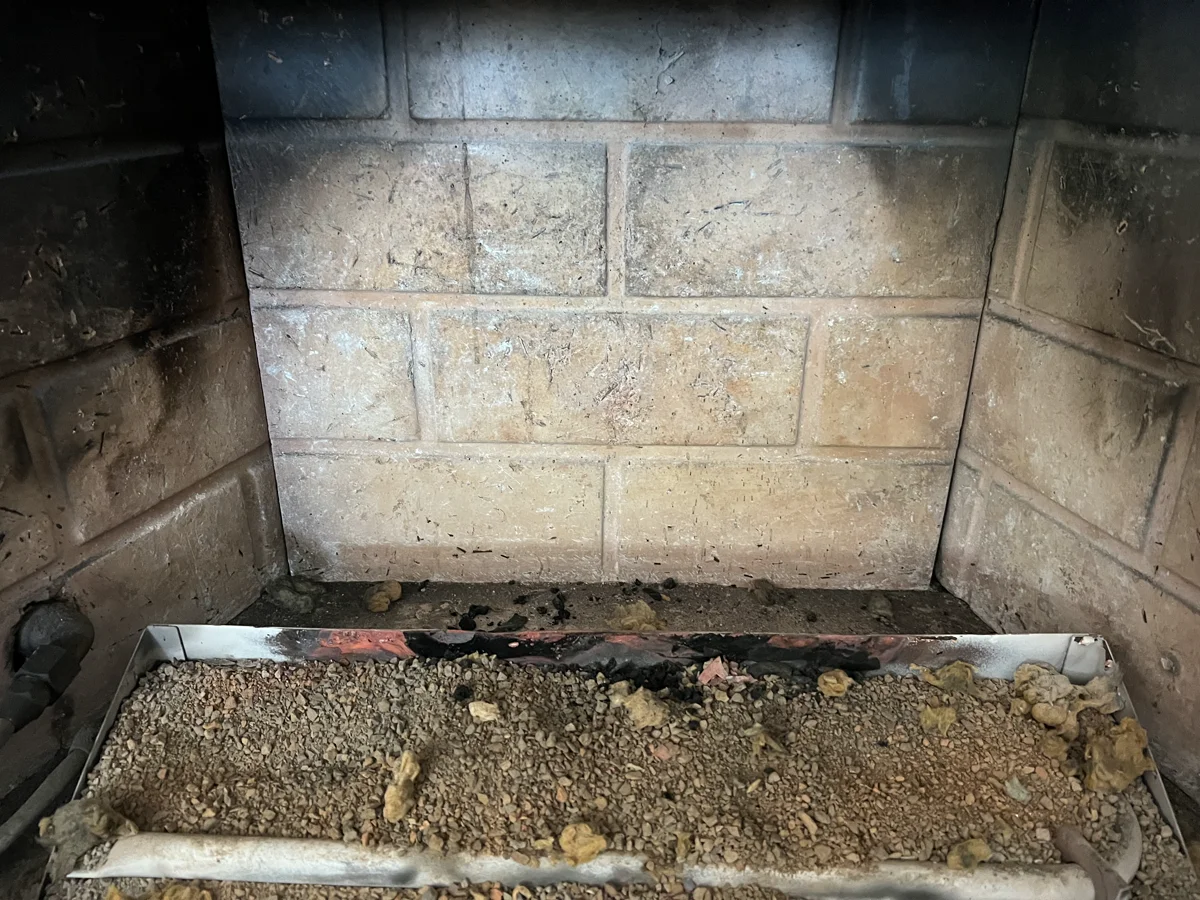
Wood fireplaces need annual creosote removal, ash cleanup, and firebox inspection costing $175-$350. Gas fireplaces need annual burner inspection, pilot light check, and glass cleaning costing $100-$200. Even in Austin's mild winters, annual cleaning prevents chimney fires, carbon monoxide hazards, and ensures safe operation when you do light up on cold nights.
Wood Fireplace Cleaning: What Is Involved
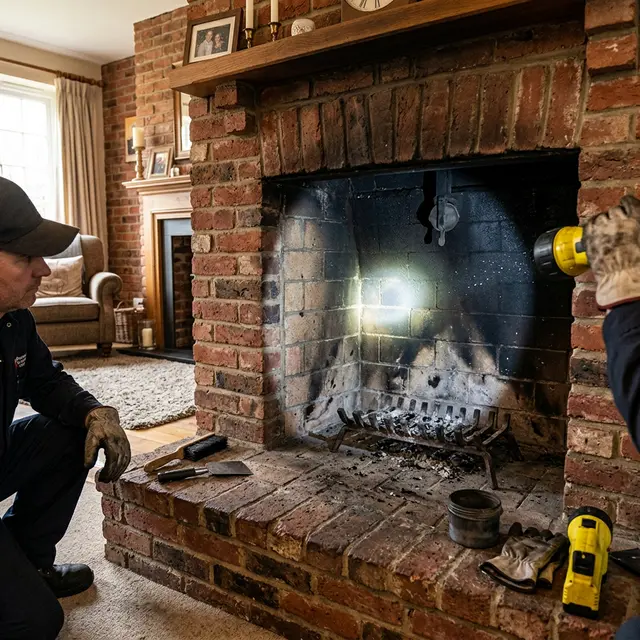
Wood fireplace cleaning starts with creosote removal from the flue lining. Creosote is a tar-like substance that forms when wood smoke condenses on the cooler surfaces inside the chimney. It builds up in three stages: Stage 1 is a flaky soot that brushes off easily, Stage 2 is a shiny, hard glaze that requires professional tools to remove, and Stage 3 is a thick, dripping tar that is extremely flammable and requires chemical treatment or replacement of the flue liner.
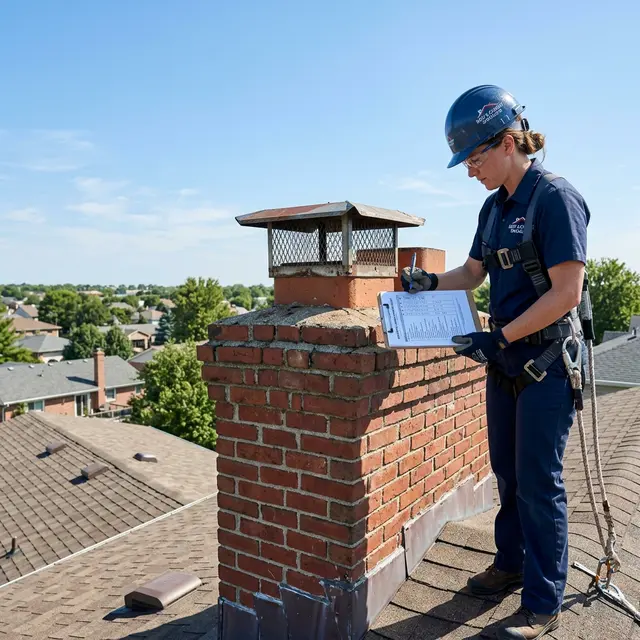
The sweep uses a series of brushes matched to your flue size and shape - round brushes for round flues, square brushes for square tiles - attached to flexible rods that reach the full height of the chimney. The brushes scrub creosote off the flue liner while the technician works from the roof or from inside, depending on access. Drop cloths and a vacuum system protect your home from soot and debris during the process.
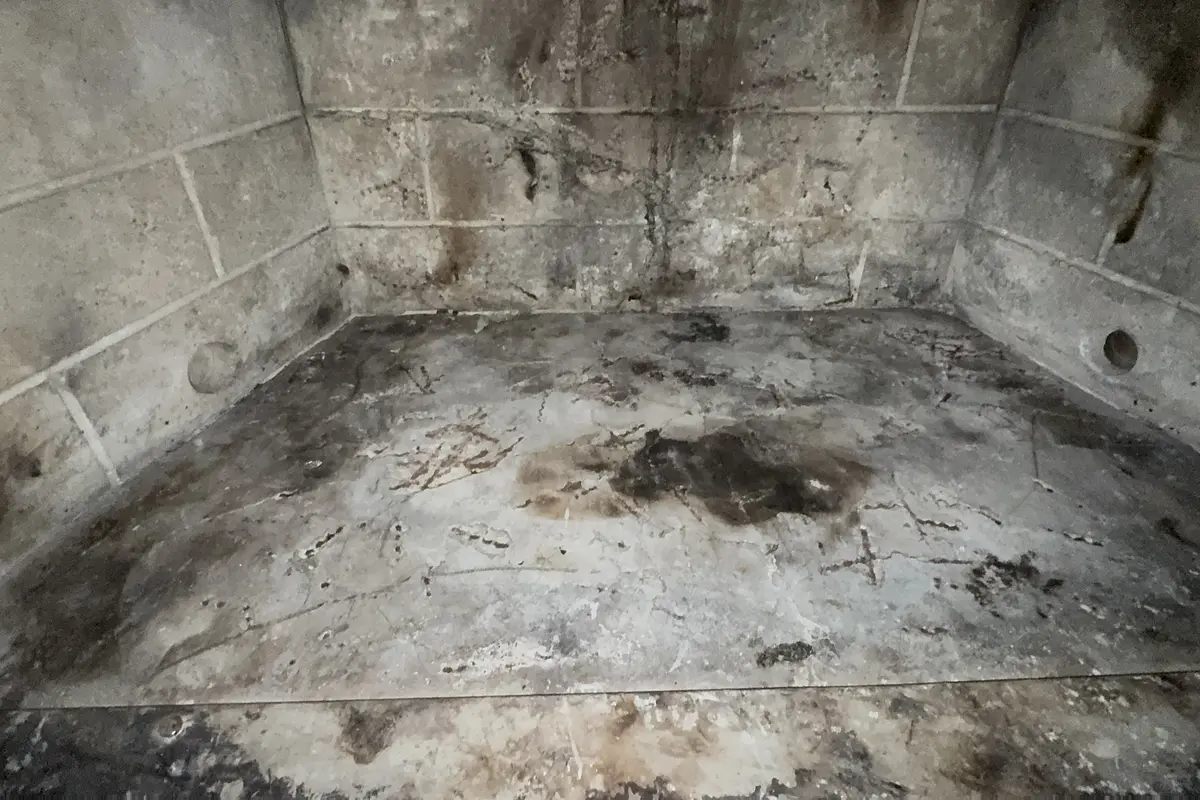
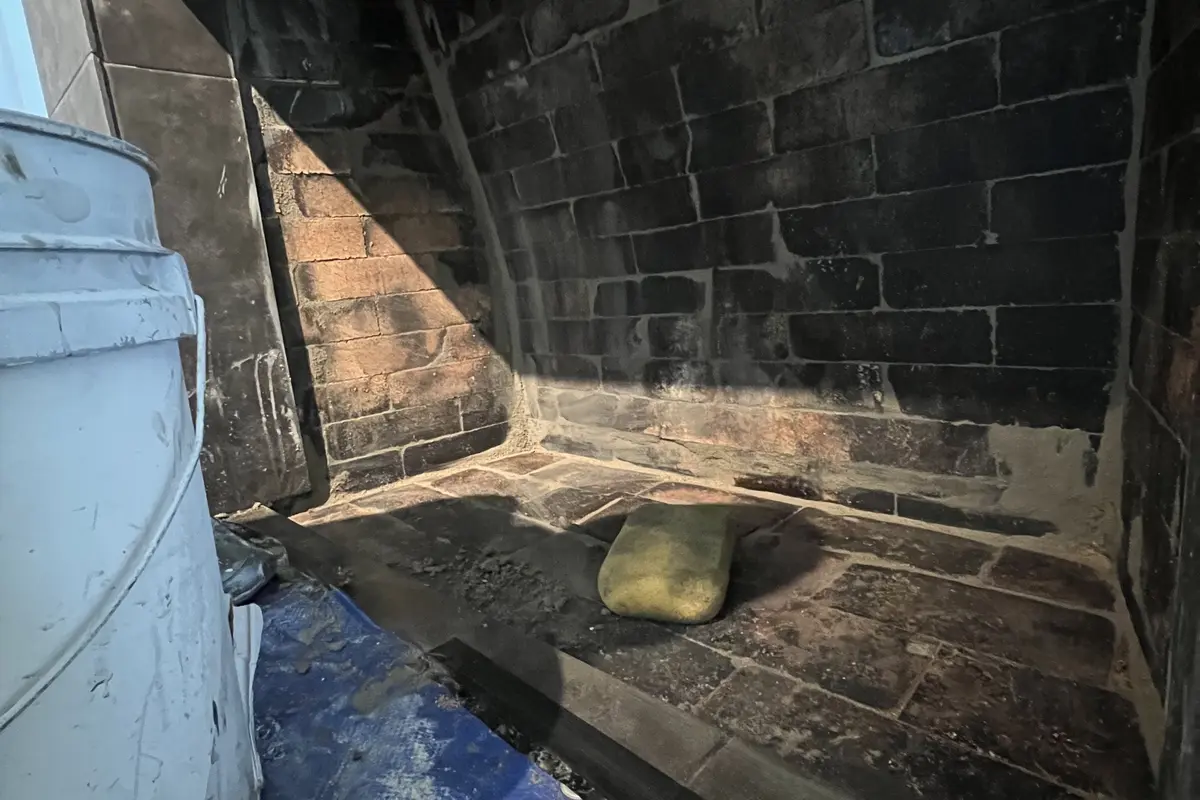
Ash cleanup from the firebox is included in a professional cleaning. While homeowners can (and should) remove loose ash after each use, a professional cleaning removes compacted ash from the firebox floor, cleans the smoke shelf above the damper (a common area for debris and animal nesting material to collect), and inspects the firebox for cracks, deteriorating mortar, and damaged firebrick.
The damper inspection checks that it opens and closes completely and seals properly when closed. A damper that does not seal lets conditioned air escape up the chimney year-round. In Austin, where you run AC 6-7 months per year, a leaky damper wastes energy every day whether you use the fireplace or not.
Gas Fireplace Cleaning: Different Process, Same Importance
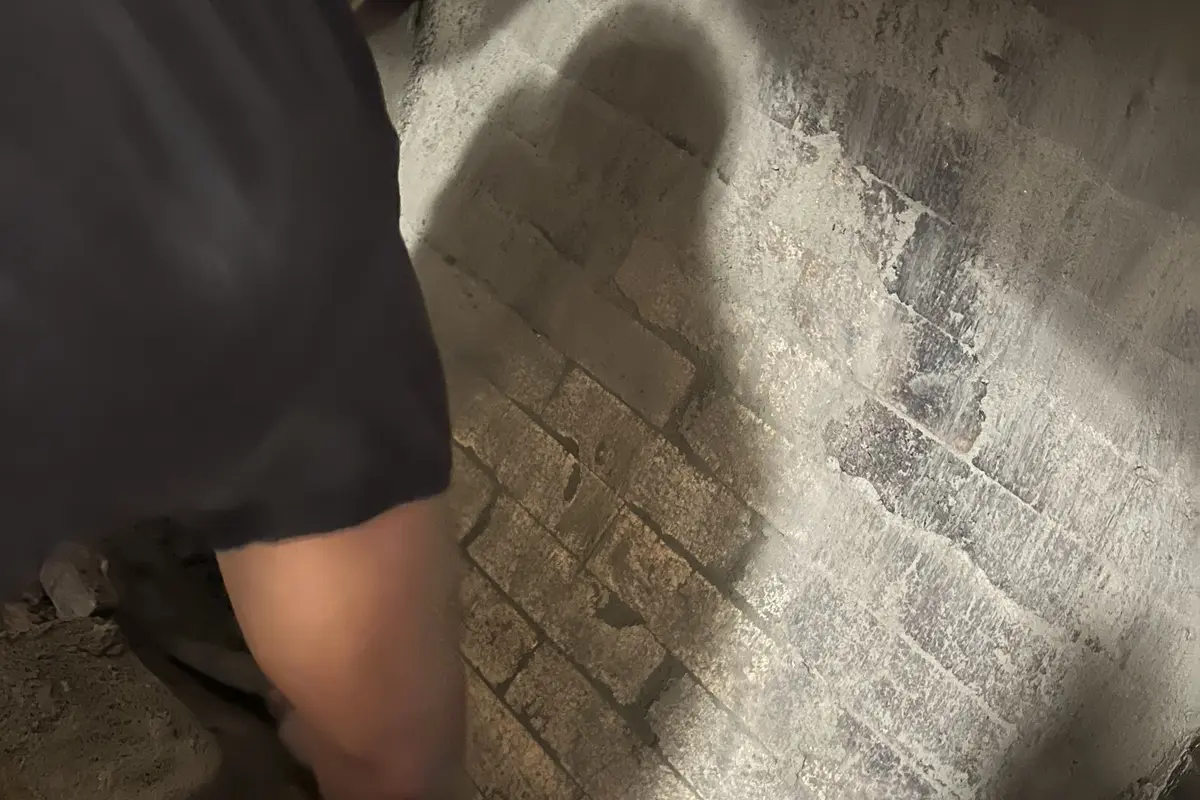
Gas fireplaces do not produce creosote, but they still need annual professional cleaning and inspection. The burner assembly collects dust, pet hair, and debris that falls past the glass front or enters through the vent system. Dirty burners produce uneven flames, generate soot on the glass and interior surfaces, and in severe cases can produce carbon monoxide. Spider webs in burner ports are a surprisingly frequent cause of gas fireplace malfunctions in Austin homes - insects seek shelter in the firebox during warm months, and their webs block gas flow and disrupt flame patterns.
The pilot light and thermocouple are critical safety components. The thermocouple detects whether the pilot is lit and shuts off the gas supply if it goes out. A failing thermocouple can cause intermittent pilot outages or, in rare cases, allow gas to flow without ignition. Annual inspection catches thermocouple degradation before it becomes a safety issue.
The venting system inspection is arguably the most critical part of gas fireplace service. Direct-vent gas fireplaces use a sealed combustion system that draws air from outside and exhausts combustion gases through a coaxial vent pipe - if this vent is blocked by bird nests, debris, or has developed gaps at connections, combustion byproducts including carbon monoxide can enter your living space. B-vent (natural draft) gas fireplaces are even more susceptible to venting problems because they rely on hot exhaust rising naturally through the flue. In Austin's newer subdivisions built from the 2000s onward, gas fireplaces are far more common than wood-burning units, making annual gas fireplace inspection a relevant safety step for a large number of area homeowners.
Ceramic log positioning matters more than most homeowners realize. Gas fireplace logs are arranged in a specific pattern designed by the manufacturer for proper flame distribution and venting. Over time, logs shift due to thermal expansion and contraction. Mispositioned logs can block burner ports, redirect flames toward glass or metal surfaces, and create hot spots that damage components. The technician repositions logs to manufacturer specifications during cleaning.
Glass cleaning on gas fireplaces removes the white haze (calcium or silica deposits) that builds up from combustion byproducts. Standard glass cleaner damages tempered fireplace glass - professional fireplace glass cleaner is formulated specifically for this application. The technician also inspects the glass gasket seal that keeps combustion gases from entering the room.
Fireplace Cleaning Cost in Austin
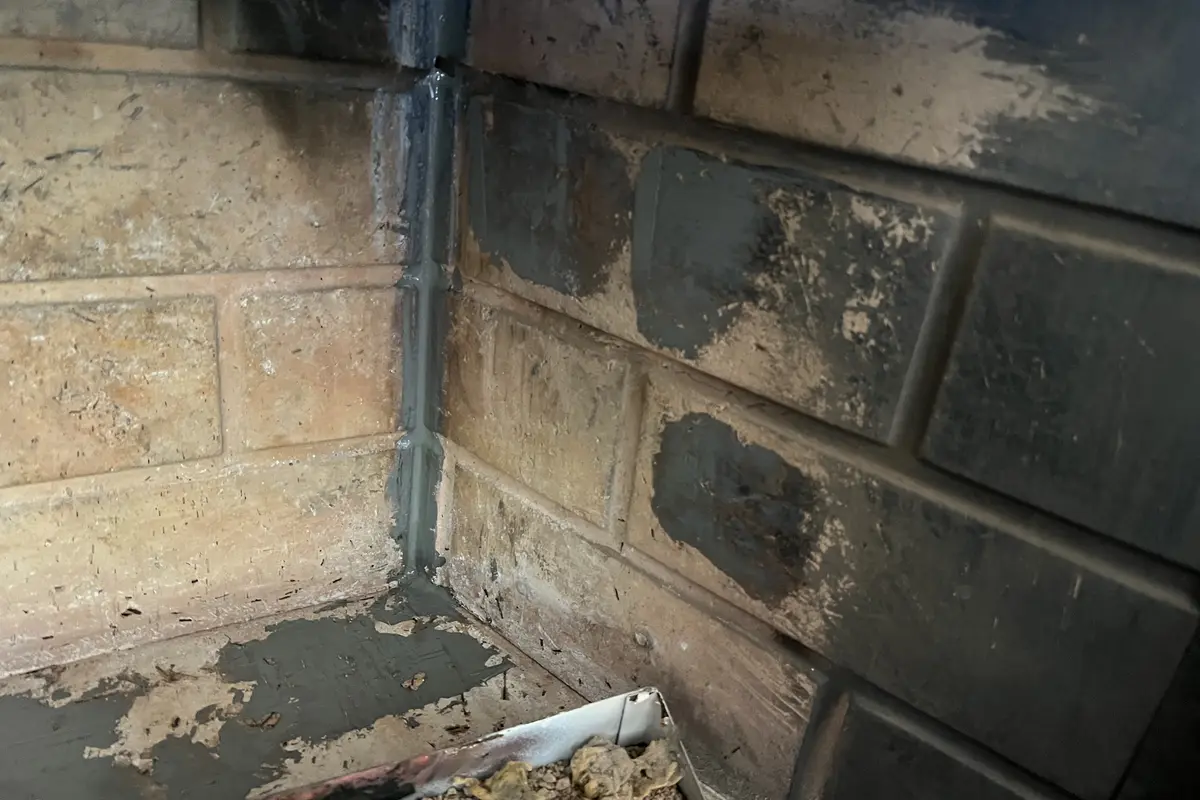
Wood fireplace cleaning in Austin typically costs $175-$350. The price depends on creosote buildup level, chimney height and accessibility, and whether the cleaning is part of a Level 1 or Level 2 inspection. A standard sweep with Level 1 visual inspection is at the lower end. If the technician identifies concerns that require Level 2 inspection (which may involve camera inspection of the flue interior), the cost increases accordingly.
Gas fireplace cleaning costs $100-$200 in most cases. The service takes 30-60 minutes and covers burner cleaning, pilot and thermocouple check, glass cleaning, log repositioning, and visual inspection of the venting system. Gas fireplace work is simpler than wood because there is no creosote to remove.
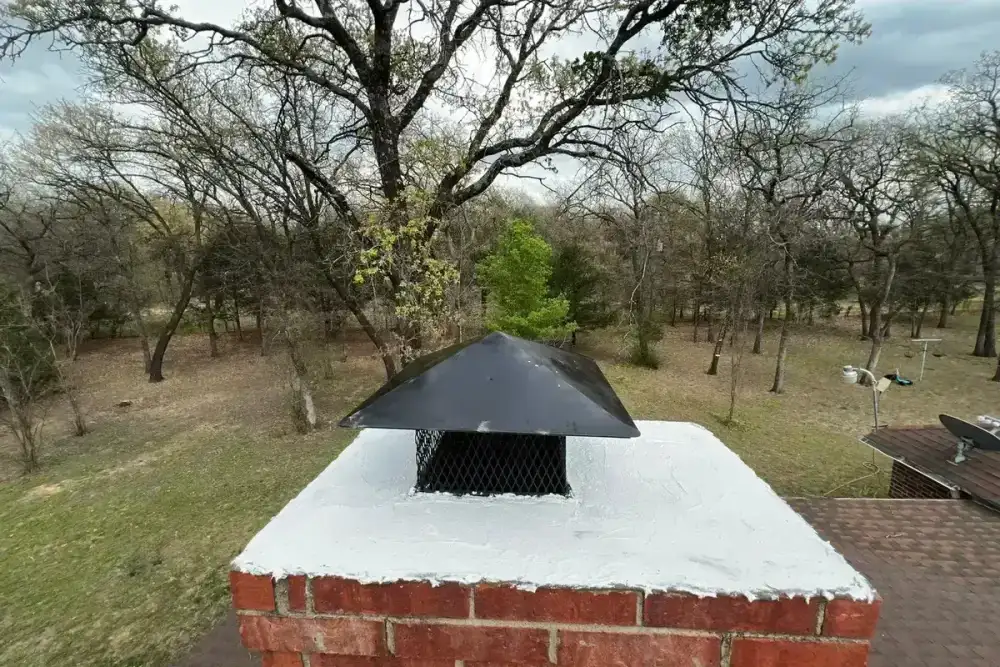
Repairs identified during cleaning are quoted separately. Common findings include cracked flue tiles ($500-$2,000 to repair or reline), damaged chimney caps ($150-$400 to replace), deteriorated mortar joints ($300-$800 for tuckpointing), and worn damper assemblies ($200-$500 to replace). Reputable companies provide a written estimate for any recommended repairs and do not pressure you to approve them on the spot.
Bundling chimney and fireplace cleaning with other Air Central services - like duct cleaning or dryer vent cleaning - is an efficient way to address multiple air quality and safety items in a single appointment. Multiple services scheduled together often save time and coordination effort.
How Often Austin Homeowners Need Fireplace Cleaning
The National Fire Protection Association (NFPA) recommends annual inspection and cleaning for all fireplaces and chimneys, regardless of how often you use them. This applies to both wood and gas fireplaces. Even if you only light your fireplace a handful of times during Austin's brief cold snaps, annual cleaning is the standard for safety.
Austin's mild winters mean most homeowners use their fireplaces 10-20 times per season, far less than homes in northern climates. This lower usage means less creosote buildup in wood fireplaces, but it does not eliminate the need for annual cleaning. Animals, debris, and moisture enter the chimney year-round regardless of usage. Birds, squirrels, and raccoons nest in Austin chimneys during spring and summer while the fireplace sits idle.
Gas fireplaces in Austin face a specific issue: extended off-seasons. Your gas fireplace likely sits unused from March through November. During those 8-9 months, dust settles on burners, spider webs form in gas orifices (spider webs are a surprisingly common cause of gas fireplace malfunctions), and the pilot light thermocouple can corrode in humid conditions. An annual cleaning before the first cold front ensures everything works safely when you need it.
If you burn wood frequently (more than once a week during winter), schedule a mid-season inspection in addition to your annual cleaning. Heavy use can produce enough creosote to create a hazard before the season ends, particularly if you burn softwood or unseasoned wood that produces more creosote than hardwood.
Is Your Chimney Safe for This Season?
A 21-point chimney inspection catches problems before they become dangerous. Book before the first fire.
Call (512) 601-4451Rate your home's indoor air quality in 2 minutes
DIY Fireplace Maintenance vs Professional Cleaning
Homeowners can safely handle several fireplace maintenance tasks between professional cleanings. Removing ash from a wood fireplace after it cools completely (leave a 1-inch ash bed for insulation during burning) keeps the firebox clean and reduces odors. Vacuuming the hearth area and checking the fireplace screen for damage are straightforward tasks that improve safety and appearance.
For gas fireplaces, you can vacuum around the exterior vents, wipe the glass with manufacturer-approved cleaner, and visually check that the pilot light burns a steady blue flame. If the pilot flame is yellow, orange, or flickering, that indicates a problem requiring professional attention.
What homeowners should not attempt: cleaning the flue or chimney interior. Chimney sweeping requires specialized brushes, safety equipment for roof access, knowledge of flue construction, and the ability to identify structural problems. Improper brushing can damage clay flue tiles, dislodge mortar, or push obstructions further into the chimney rather than removing them.
Gas fireplace burner disassembly, thermocouple replacement, and gas line inspection require training and tools that are beyond DIY scope. Gas appliance work involves safety risks that justify professional service. A gas leak from improper reassembly or a missed thermocouple issue creates carbon monoxide and fire hazards.
Austin Fireplace Safety and When to Call for Service
Schedule your annual fireplace cleaning in September or October, before the first cold front arrives. Austin's first significant cold snap can come as early as late October or as late as December, and HVAC and chimney companies book up quickly once temperatures drop. Getting ahead of the rush ensures you have a clean, inspected fireplace ready when you want to use it.
Call for immediate professional inspection if you notice any of these warning signs: a strong odor from the fireplace when it is not in use (may indicate animal entry or creosote buildup), white staining on the exterior chimney bricks (efflorescence indicating moisture penetration), smoke entering the room instead of going up the chimney (blocked flue or damper issue), or a cracked or missing chimney cap.
Carbon monoxide detectors near every fireplace are essential. Both wood and gas fireplaces can produce carbon monoxide if the flue is blocked, the damper malfunctions, or combustion is incomplete. Austin building code requires CO detectors in homes with gas appliances, and adding one near your wood fireplace is a smart safety measure.
Air Central provides professional chimney sweep and fireplace cleaning services across the Austin metro area. Our technicians inspect, clean, and document the condition of your chimney and fireplace system. Call (512) 601-4451 to schedule your annual fireplace cleaning before the busy season starts.
Related Services
Learn more about our professional services related to this topic:
- Chimney Sweep & Repair - Professional cleaning and 21-point safety inspection for your fireplace.
Want the full picture?
Read our complete guide: Chimney Sweep and Fireplace Safety: Austin Guide (2026) →Have questions about chimney & fireplace? Our team is available 7 days a week. Call us at (512) 601-4451 or visit our contact page.