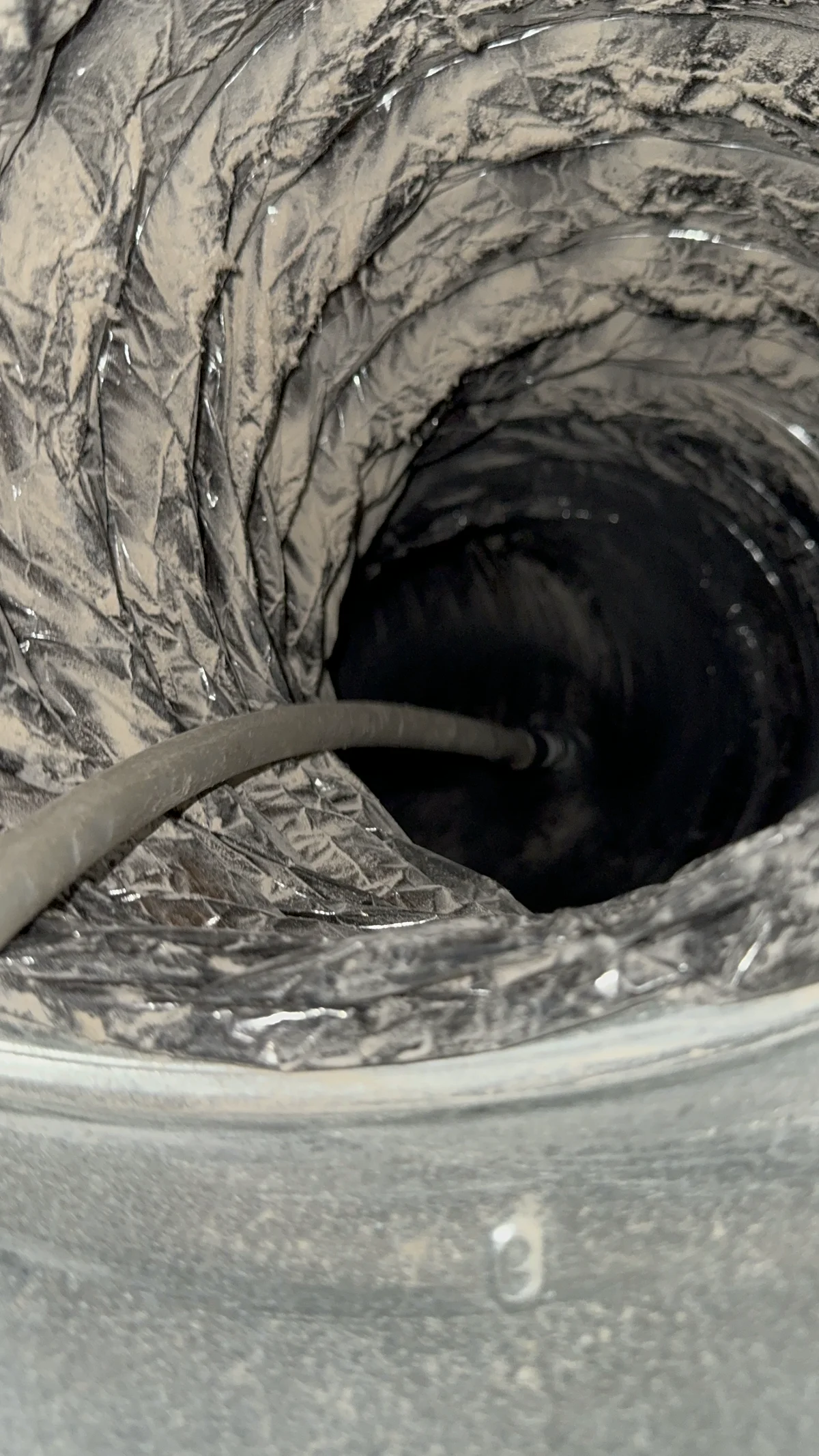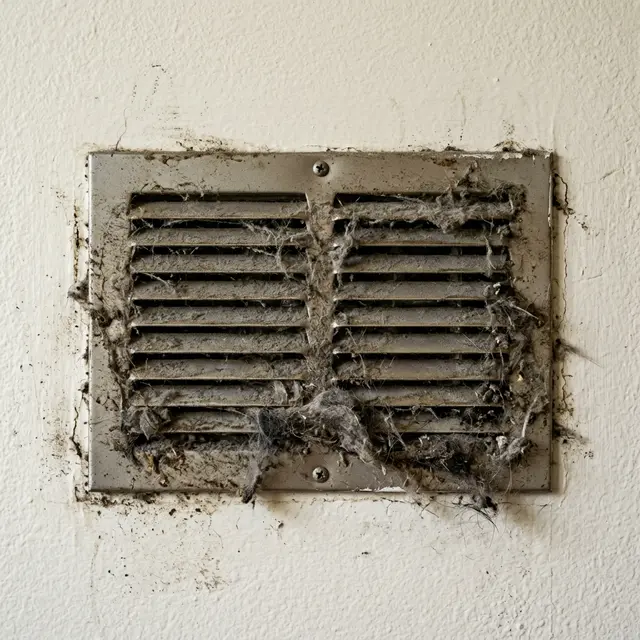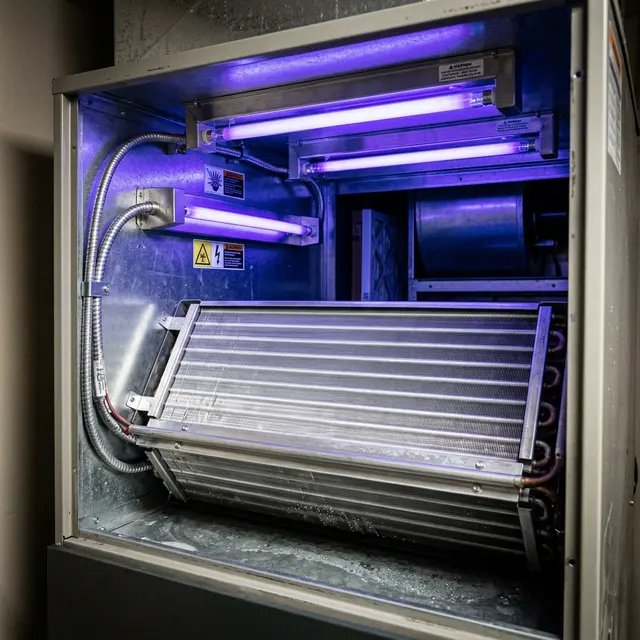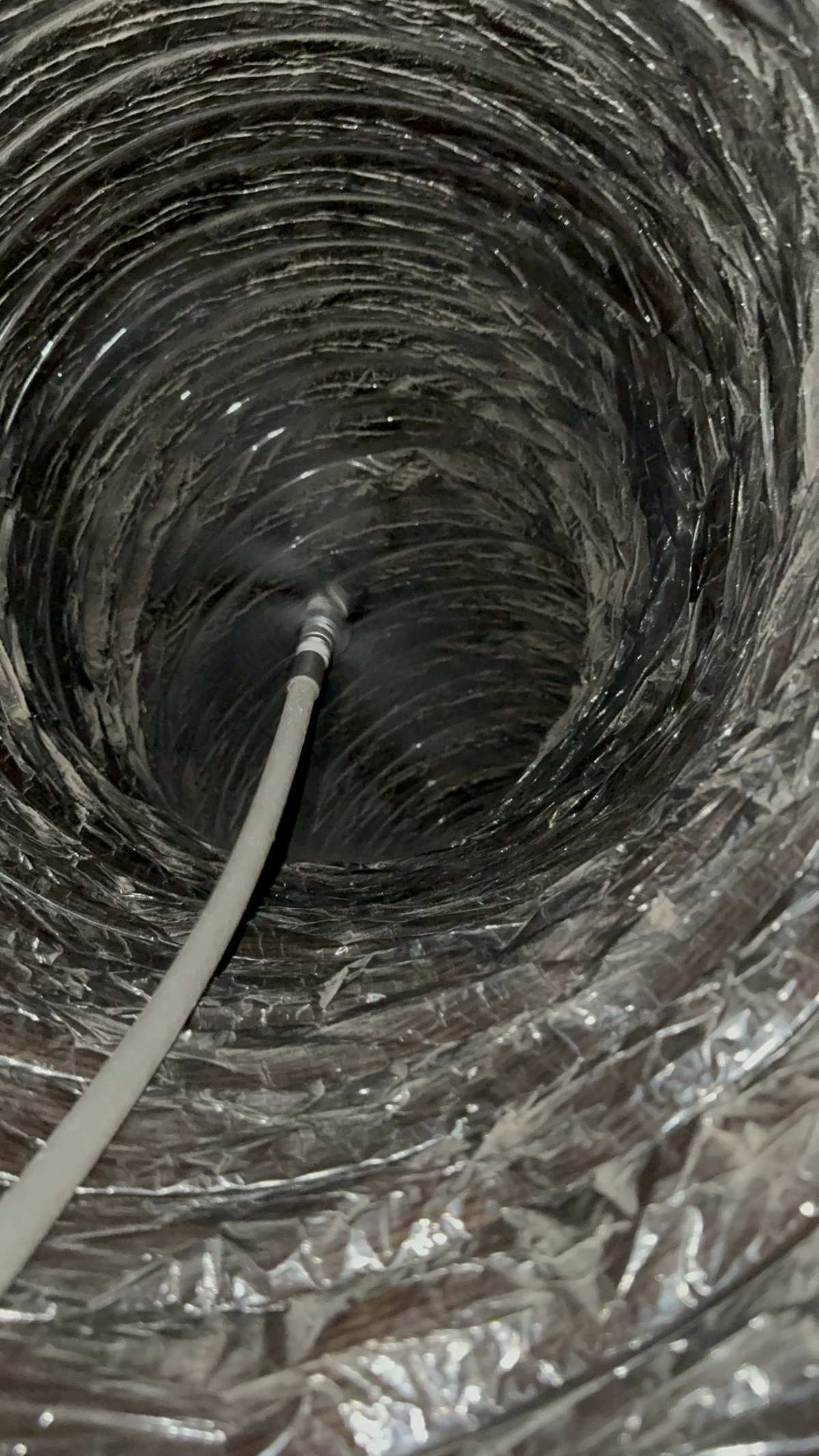
The EPA does not recommend routine air duct cleaning but does recommend it in three specific situations: visible mold growth, vermin infestation, or excessive dust and debris. Their position is that duct cleaning has not been proven to prevent health problems in all cases, but acknowledges it is necessary when ducts are visibly contaminated.
The EPA Quote Everyone Gets Wrong
Search "does the EPA recommend duct cleaning" and you will find two opposing camps misquoting the same document. Anti-cleaning sites cherry-pick the line about duct cleaning not being proven to prevent health problems. Pro-cleaning companies ignore the EPA's cautious language entirely and claim blanket endorsement. Both are wrong.
The EPA's actual publication - "Should You Have the Air Ducts in Your Home Cleaned?" - takes a measured position. It states: "Duct cleaning has never been shown to actually prevent health problems. Neither do studies conclusively demonstrate that particle (e.g., dust) levels in homes increase because of dirty air ducts." That is the skeptical part.
But the same document continues: "You should consider having the air ducts in your home cleaned if there is substantial visible mold growth inside hard surface ducts or on other components of your heating and cooling system, ducts are infested with vermin, or ducts are clogged with excessive amounts of dust and debris and/or particles are actually released into the home from your supply registers."
What Does "When Needed" Actually Mean?
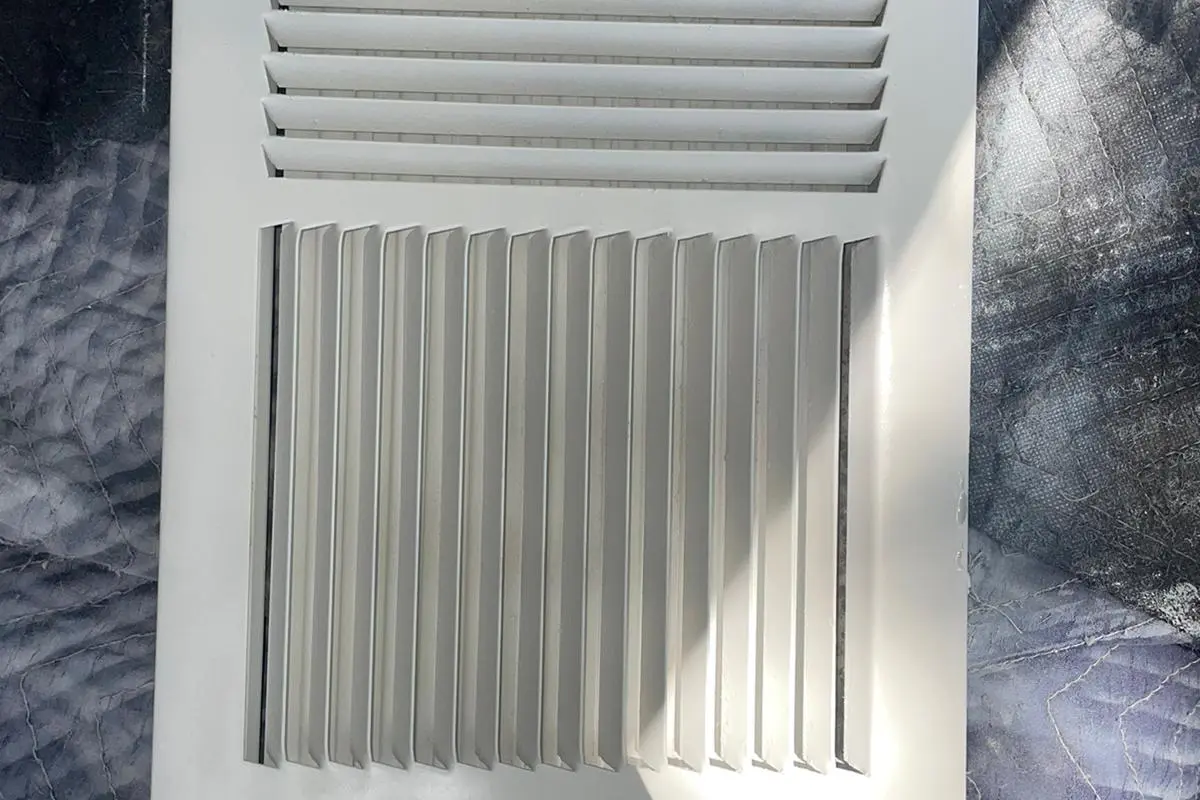
The EPA's three triggers are straightforward. Visible mold means you can see fungal growth on duct surfaces, not just suspect it. The EPA specifically notes that if insulated duct surfaces get wet or moldy, they cannot be effectively cleaned and should be replaced. For hard-surface ducts (sheet metal), professional cleaning can remove mold contamination.
Vermin infestation means evidence of rodents, insects, or other pests living in or traveling through your ductwork. In Austin, this is more common than homeowners realize. Roof rats, mice, and German cockroaches use duct systems as highways through the home. Their droppings, urine, and body fragments become airborne when the system runs.
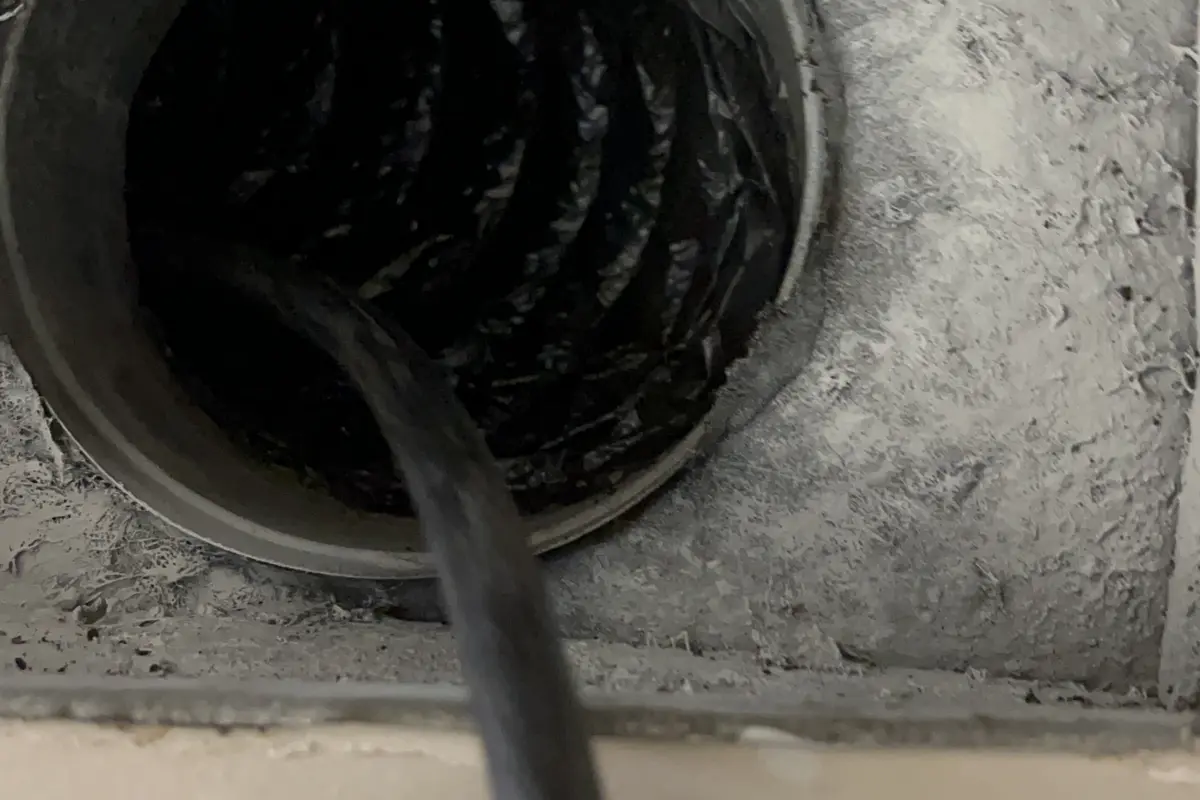
Excessive dust and debris is the broadest trigger and the one most relevant to Austin homes. If visible dust plumes release from supply vents when the system starts, or if cleaning supply registers does not stop dust accumulation, the ductwork itself is the source. Austin's cedar pollen, construction activity, and year-round HVAC usage create conditions the EPA document did not specifically account for - it was written for the average American home, not one running its system 10-11 months per year.
How NADCA's Position Differs from the EPA
The National Air Duct Cleaners Association (NADCA) takes a more proactive stance than the EPA. NADCA recommends duct inspection every two years and cleaning every 3-5 years, or sooner when specific triggers are present. They also recommend cleaning after any renovation that generates dust, after moving into a new home, and when household members have unexplained allergies or respiratory issues.
The difference in perspective makes sense when you consider the context. The EPA wrote its guidance in the late 1990s when duct cleaning was largely unregulated and scam operators dominated the market. Their cautious tone was partly a consumer protection measure against fly-by-night companies doing damage.
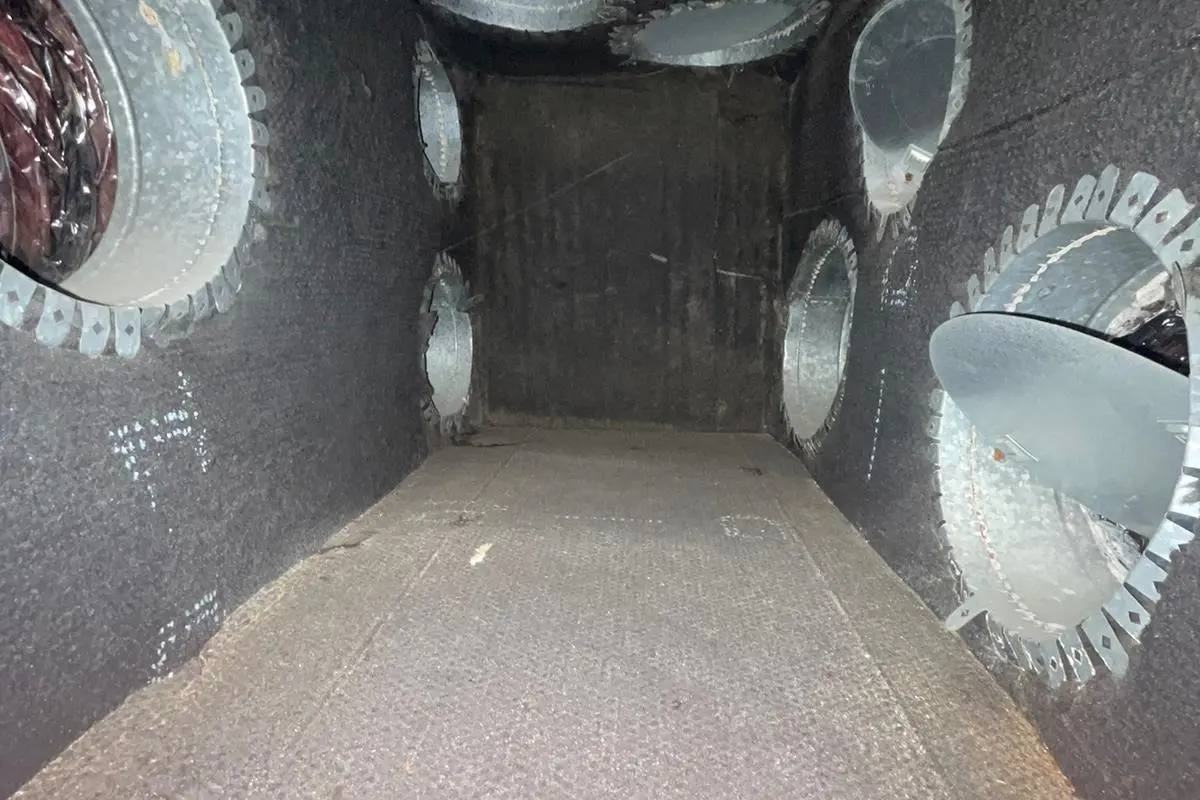
NADCA, established in 1989, has spent three decades developing industry standards (ACR 2013, the Assessment, Cleaning, and Restoration standard) and certifying technicians. Their recommendation of periodic cleaning reflects current equipment capabilities and documented outcomes that did not exist when the EPA published its original guidance.
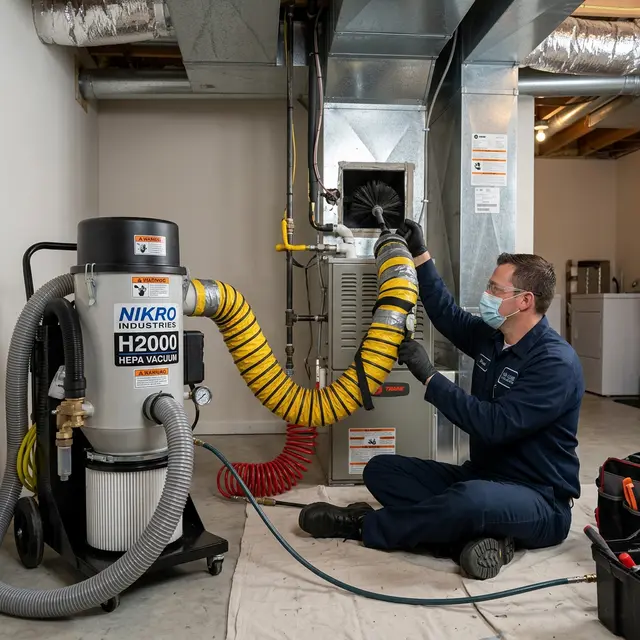
"The EPA's position was written when the industry was full of guys with a shop vac and a coupon," says Nessi Ziv, owner of Air Central. "Modern commercial-grade equipment with HEPA filtration and HD camera verification is a completely different service. The EPA has not updated that document to reflect how far the technology has come."
The Indoor Air Quality Data the EPA Does Endorse
While the EPA is cautious about duct cleaning specifically, they are emphatic about indoor air quality as a health concern. The EPA consistently states that indoor air can be 2-5 times more polluted than outdoor air, and in some cases up to 100 times worse. They rank indoor air pollution among the top five environmental risks to public health.
The EPA's own Indoor Environments Division promotes source control, ventilation, and air cleaning as the three strategies for improving indoor air quality. Duct cleaning falls under source control - removing contamination from the air distribution system itself rather than filtering it after it enters the living space.
For Austin specifically, the EPA's 2-5x indoor pollution figure likely understates the problem during cedar season. With windows sealed against pollen from December through March and HVAC systems recirculating indoor air continuously, contaminant concentrations build over time. The ducts are both a reservoir for accumulated particles and the delivery mechanism that distributes them room to room.
Time for a Duct Cleaning?
Find out what is inside your ducts with an HD camera inspection. Same-day appointments available.
Call (512) 601-4451Rate your home's indoor air quality in 2 minutes
When the EPA Says to Definitely Clean Your Ducts
If you can see mold, smell musty odors from your vents, find rodent droppings near registers, or see visible dust clouds when your system starts up, the EPA agrees that cleaning is warranted. No ambiguity in those cases.
The EPA also recommends cleaning after water damage to your HVAC system. Flooding events, condensation problems, and drain pan overflows introduce moisture into ductwork that promotes mold growth. In Austin, where humidity averages 67% and air conditioners run most of the year, condensation-related moisture is a routine concern.
After renovations or new construction, the EPA acknowledges that construction debris in ductwork should be removed. If registers were not sealed during remodeling - and they rarely are in residential projects - drywall dust, sawdust, and paint particles settle throughout the duct system.
Stop Guessing - Look Inside Your Ducts
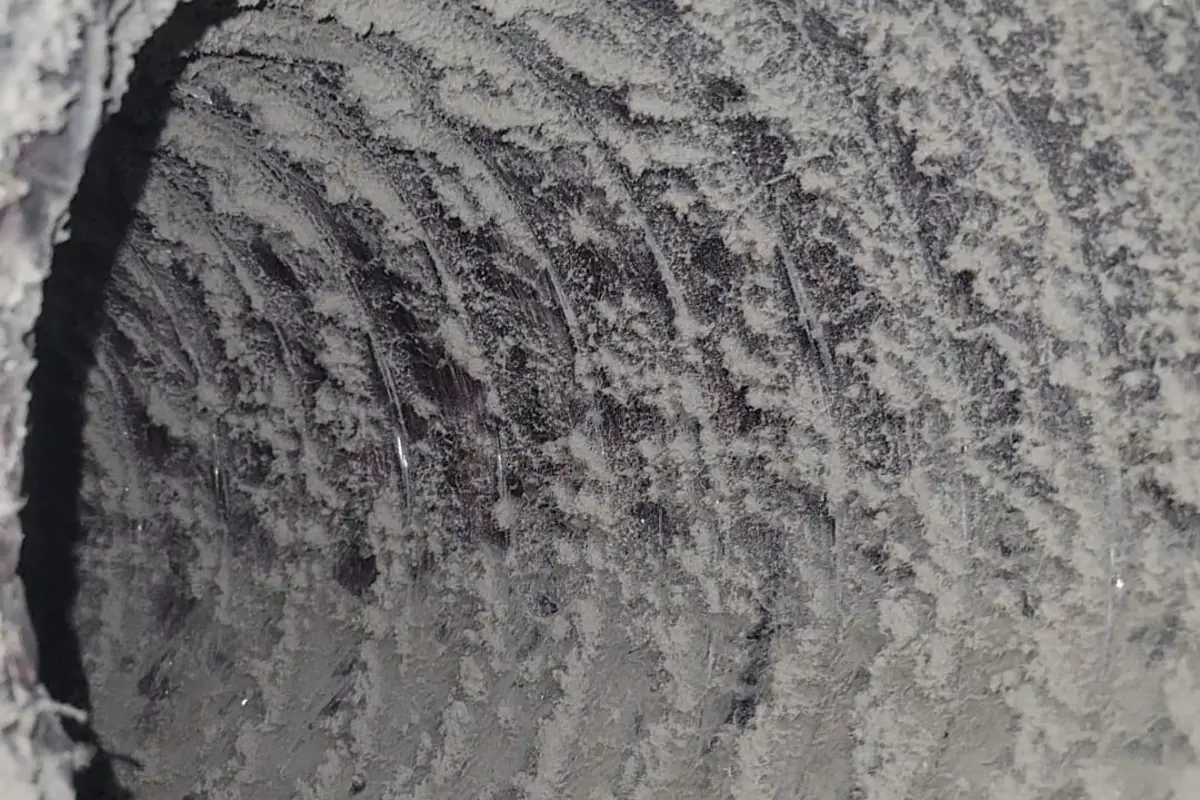
The debate about whether duct cleaning is necessary for your home can be settled in minutes with an HD camera inspection. You do not need to rely on generic EPA guidelines or marketing claims from duct cleaning companies. Look at what is actually inside your ductwork and decide based on evidence.
Air Central inspects your ductwork with HD cameras and shows you the footage on screen before recommending any service. If your ducts are clean, we will tell you to wait. If they need attention, you will see why. We have inspected over 10,000 duct systems across Pflugerville, Round Rock, Lakeway, Georgetown, and every Austin neighborhood. Call (512) 601-4451 to schedule your duct inspection.
Related Services
Learn more about our professional services related to this topic:
- Air Duct Cleaning - Remove dust, allergens, and debris from your entire HVAC system for cleaner indoor air.
- Air Duct Inspection - Diagnose leaks, blockages, and efficiency issues with HD camera inspection.
Want the full picture?
Read our complete guide: The Ultimate Guide to Air Duct Cleaning in Austin, TX (2026) →Have questions about air duct cleaning? Our team is available 7 days a week. Call us at (512) 601-4451 or visit our contact page.