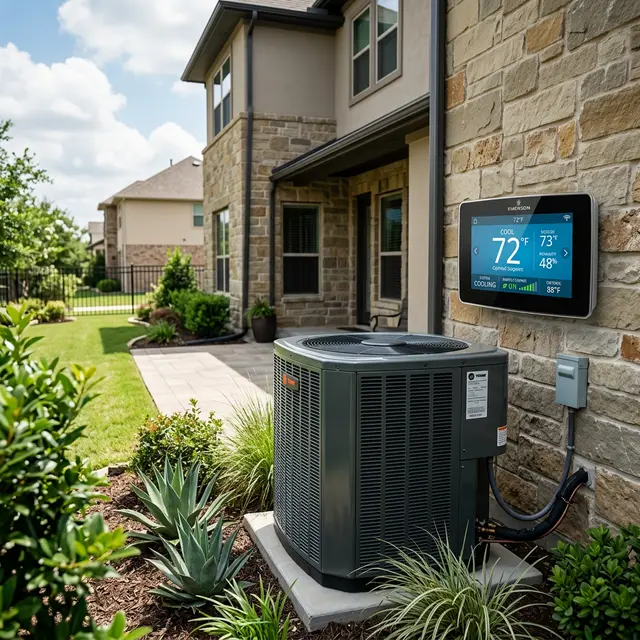
Common signs you need ductwork repair include hot and cold spots between rooms, rattling or whistling noises, visible duct damage in the attic, and energy bills rising without explanation. Austin homes are especially prone to flex duct sagging and disconnecting in superheated attics. Repair costs range from $200-$800 for targeted fixes, while full duct replacement runs $2,000-$7,000.
Signs Your Ductwork Needs Repair
Uneven temperatures between rooms are the most common sign of ductwork problems. If one bedroom stays 5-8 degrees warmer than the rest of the house even though the vent is open and unblocked, the duct run to that room likely has a problem - a disconnect, a kink, a collapsed section, or a leak at a joint. Your HVAC system may be producing plenty of cool air, but damaged ductwork prevents it from reaching that room.
Unusual noises from your duct system point to specific problems. Rattling usually means a loose section of duct or a disconnected joint where metal or flex duct is vibrating in the airflow. Whistling or hissing indicates air escaping through a gap or hole. Popping or banging when the system starts or stops suggests ductwork expanding and contracting against framing - often caused by undersized ducts or improper support.
Rising energy bills without a change in usage patterns are a strong indicator of duct leaks. The Department of Energy estimates that typical homes lose 20-30% of conditioned air through duct leaks, holes, and poorly connected joints. In Austin, where summer cooling costs are already high, a 20-30% loss translates to $40-$90 per month in wasted electricity during peak summer.
Visible damage in the attic is the most direct evidence. If you can safely access your attic, look for ductwork that has sagged, disconnected from register boots, developed tears in the outer jacket, or collapsed in sections. Austin attics reach 140-150 degrees in summer, and this extreme heat degrades duct materials over time - particularly the plastic inner liner and tape connections on flexible ductwork.
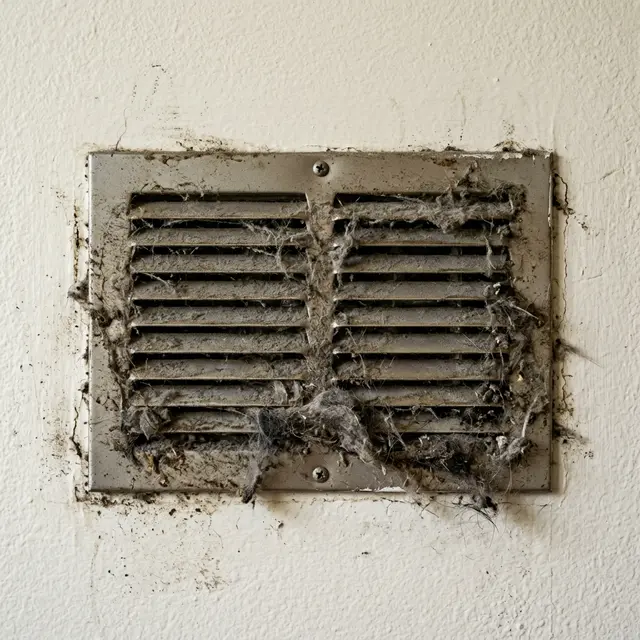
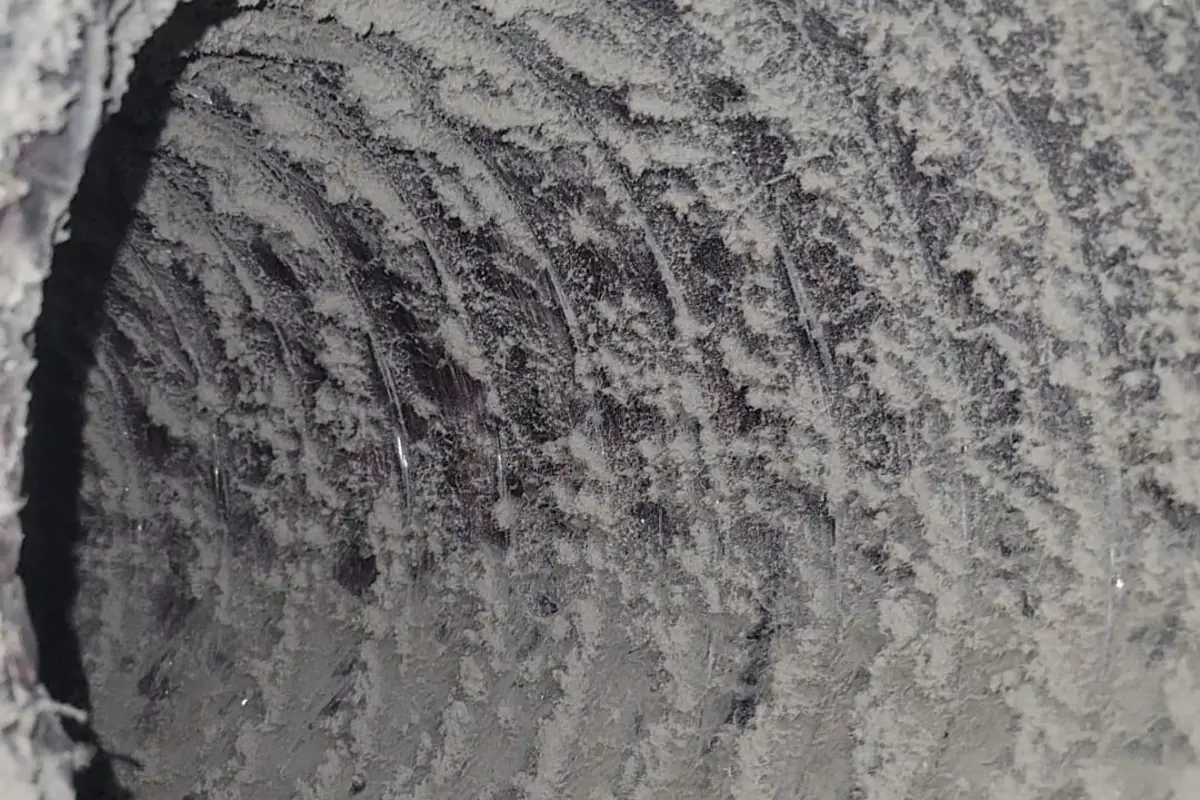
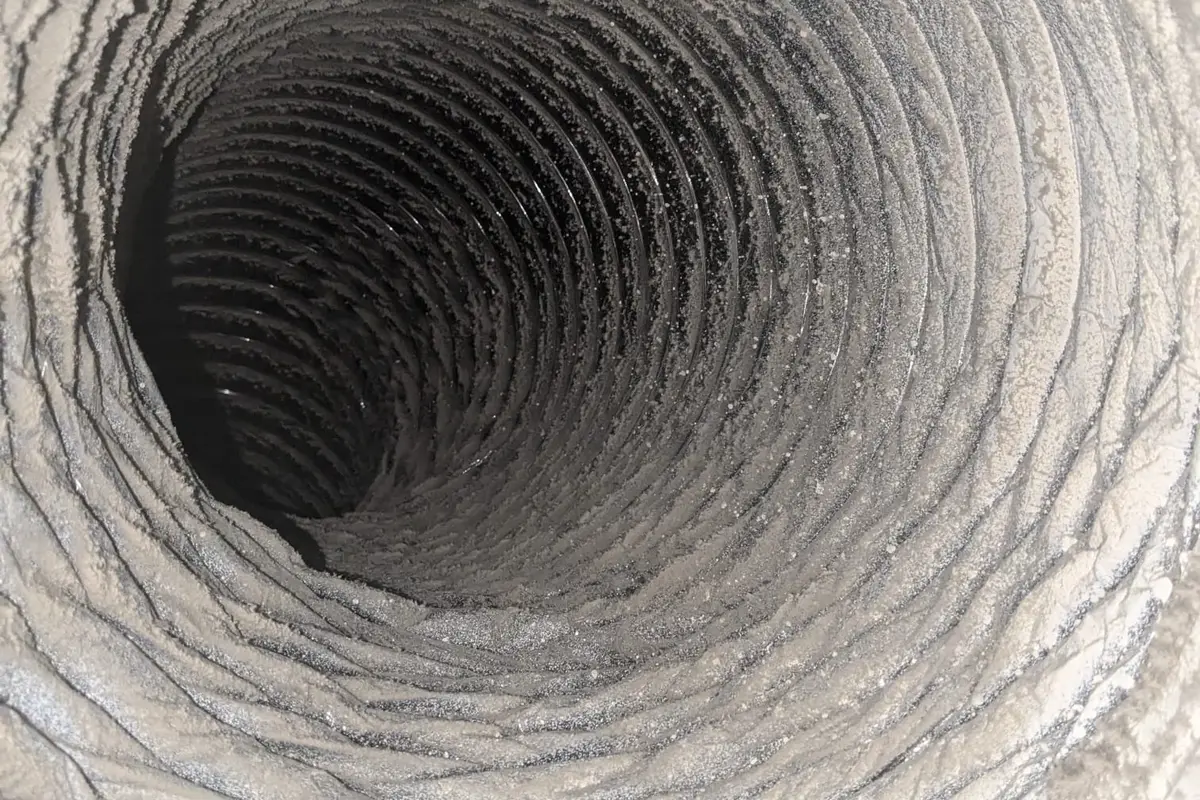
Excessive dust on furniture and surfaces, especially soon after cleaning, can indicate duct leaks pulling unfiltered attic air into the system. When ducts leak on the return side, they draw in dusty, hot attic air and mix it with your conditioned air. You end up cooling air you already paid to cool while adding insulation fibers, dust, and whatever else is floating in your attic.
Common Austin Ductwork Problems
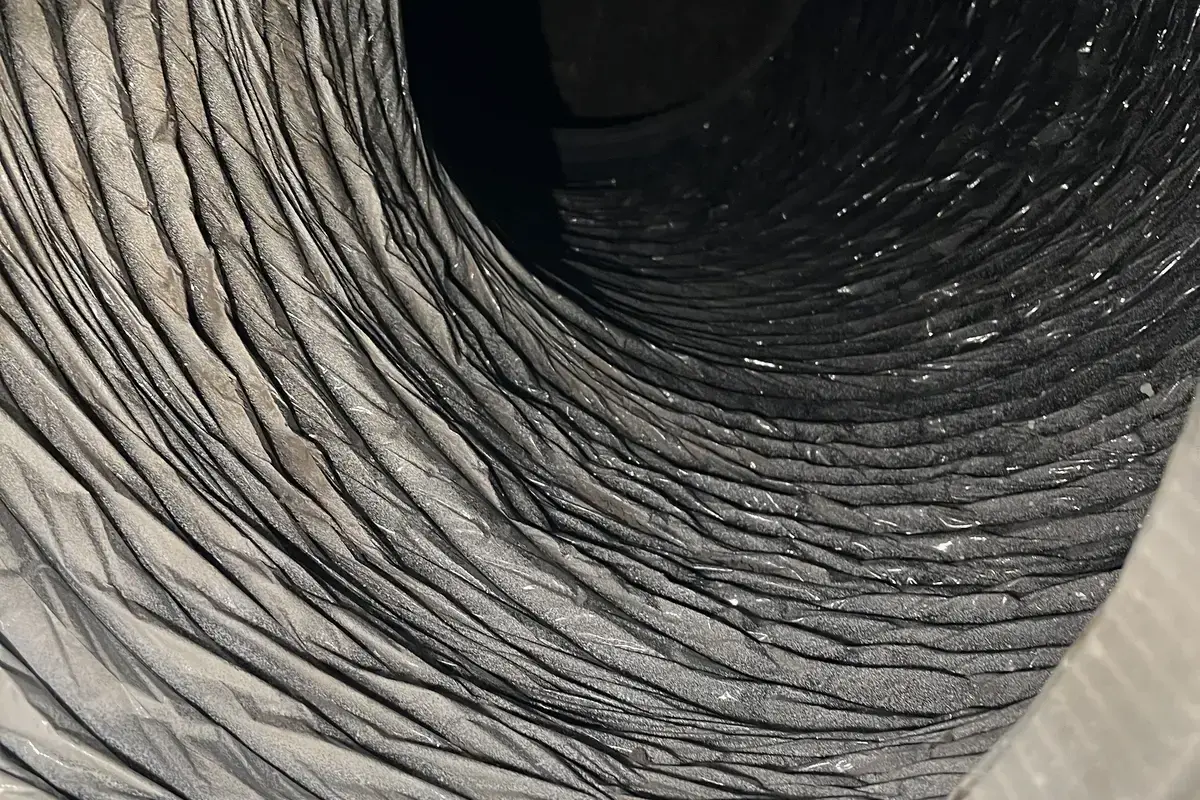
Flex duct sagging is the number one ductwork problem in Austin homes. Most homes built after the mid-1990s use flexible ductwork in the attic - lightweight corrugated tubes with an inner plastic liner, fiberglass insulation wrapping, and an outer vapor barrier jacket. When the support straps that hold flex duct to framing or trusses fail, the duct sags and creates low points where conditioned air pools instead of flowing freely. Sagging reduces airflow to the connected room and creates pockets where condensation can collect in humid months.
Disconnected duct joints are common in Austin attics because the extreme heat cycles cause materials to expand and contract repeatedly. The clamps and tape that connect flex duct to rigid takeoffs, register boots, and branch fittings loosen over time. A fully disconnected duct dumps conditioned air directly into the attic - you are paying to cool your attic instead of your room. Partially disconnected joints leak air and pull in hot attic air at the same time.
Rodent damage is more common than most Austin homeowners expect. Rats and mice chew through the outer jacket and insulation of flex duct to access the cooler air inside during summer or to use the insulation as nesting material. A single rodent entry point can compromise the entire duct run. Signs include visible holes or tears, droppings near or inside ductwork, and unusual odors from supply vents.
Crushed or kinked ducts happen when heavy items are stored on top of ductwork in the attic, or when installers route flex duct with sharp bends around obstacles. A 90-degree kink in flex duct can reduce airflow by 50% or more. Even a moderate bend reduces efficiency. Proper installation uses wide sweeping turns with support at transitions.
Deteriorating duct tape and mastic failures allow air to leak at every connection point. Standard cloth duct tape (ironically called 'duct tape') is the worst sealant for actual ductwork - it dries out and peels off within 2-5 years in a hot Austin attic. UL-listed foil tape or mastic sealant are the proper materials for duct connections, but many builders used cloth tape during original construction.
Ductwork Repair vs Replacement: How to Decide
Repair is the right choice when the damage is isolated to specific sections or connections. A disconnected joint can be reattached and properly sealed. A sagging run can be re-supported with new strapping. A rodent hole can be patched and sealed. These targeted repairs cost $200-$800 depending on accessibility and the extent of damage, and they restore the duct system to proper function without replacing the entire network.
Replacement makes more sense when the ductwork is systemically degraded. If your ducts are 20+ years old, the inner liner is cracking or delaminating, insulation is compressed and no longer effective, and multiple runs show damage, patching individual problems will not address the underlying deterioration. Full duct replacement for an Austin home typically costs $2,000-$7,000 depending on home size, number of runs, attic accessibility, and duct material.
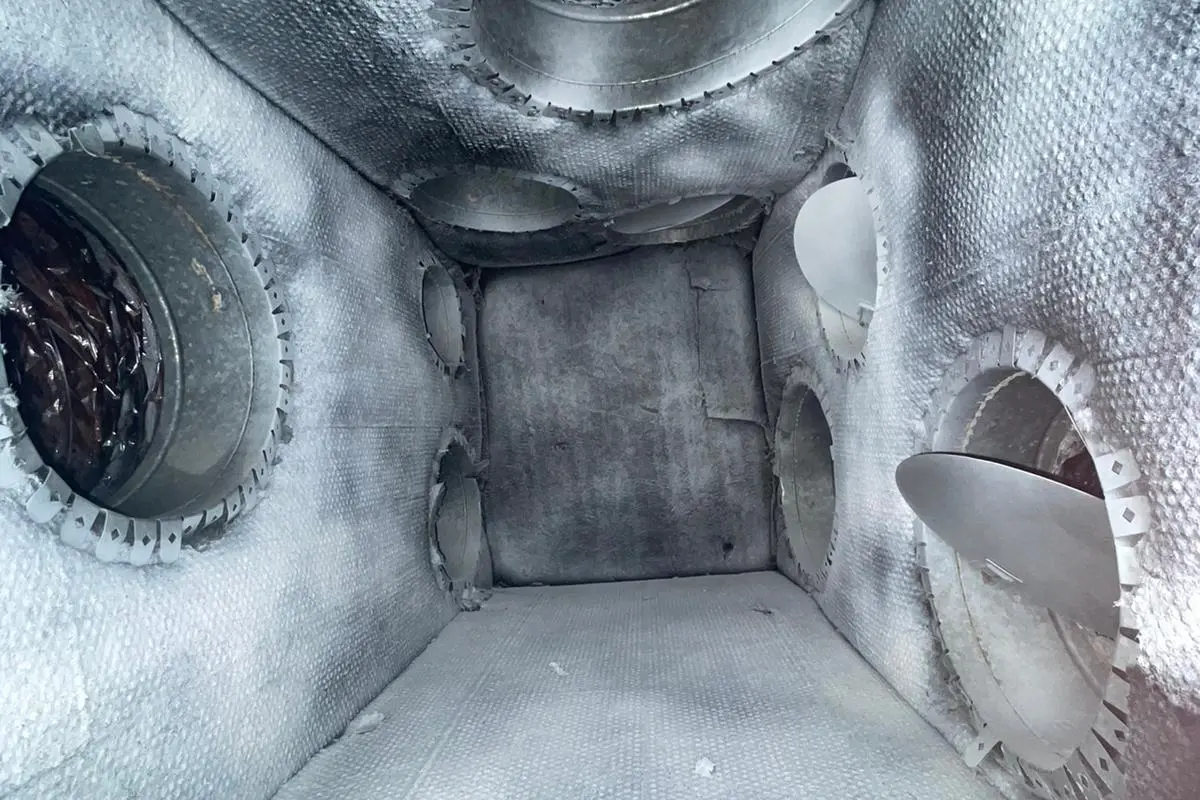
A professional duct inspection with HD camera reveals the system-wide condition and helps you make the repair vs replace decision with real information instead of guessing. The camera shows every connection, every sag, every leak, and every damaged section. With that documentation, you can see whether you have isolated problems or widespread deterioration.
Age is a major factor. Flex ductwork in Austin attics has a practical lifespan of 15-25 years depending on installation quality and attic conditions. If your ducts are approaching 20 years in a hot Austin attic, the materials are likely degraded even if no single failure point is obvious. A system nearing end of life will develop new problems faster than you can repair individual ones.
Ductwork Repair Cost in Austin
Minor duct repairs - reattaching a disconnected joint, re-supporting a sagging run, or sealing a small tear - typically cost $200-$400 per repair point. The cost reflects the technician's time accessing the repair location (often in a cramped, superheated attic), the materials used (mastic, foil tape, clamps, support strapping), and the skill required to make a durable repair in difficult conditions.
Moderate repairs - replacing a damaged section of flex duct, rerouting a kinked run, or repairing multiple connection points - run $400-$800. This level of work involves cutting out damaged sections, connecting new duct material, and ensuring proper support and sealing throughout the repaired area.
Major repairs or partial replacement - replacing duct runs to one zone, upgrading from deteriorated flex to new flex or rigid duct, or addressing rodent damage that spans multiple runs - cost $800-$2,500. This work may require a half-day or full-day appointment and involves significant material costs.
Full duct system replacement ranges from $2,000-$7,000 for most Austin homes. The price depends on home square footage, number of supply and return runs, attic accessibility, duct material choice (flex vs rigid), and whether the trunk line needs modification. This is a major project that takes 1-2 days and is typically warranted when the existing system is beyond economical repair.
Getting a professional inspection before committing to any repair scope is essential. An HD camera inspection documents every issue and lets you prioritize repairs based on severity and impact. Some duct problems cause significant energy waste and comfort issues, while others are cosmetic. Knowing the difference prevents overspending on minor issues and underspending on critical ones.
Time for a Duct Cleaning?
Find out what is inside your ducts with an HD camera inspection. Same-day appointments available.
Call (512) 601-4451Rate your home's indoor air quality in 2 minutes
How Duct Inspection Identifies Repair Needs
A professional duct inspection starts with a visual survey of accessible ductwork in the attic, crawlspace, or wherever your ducts run. The technician checks for obvious problems - disconnected joints, sagging, visible damage, improper support, and evidence of pest activity. In Austin, the attic inspection alone often reveals issues that explain comfort complaints and high energy bills.
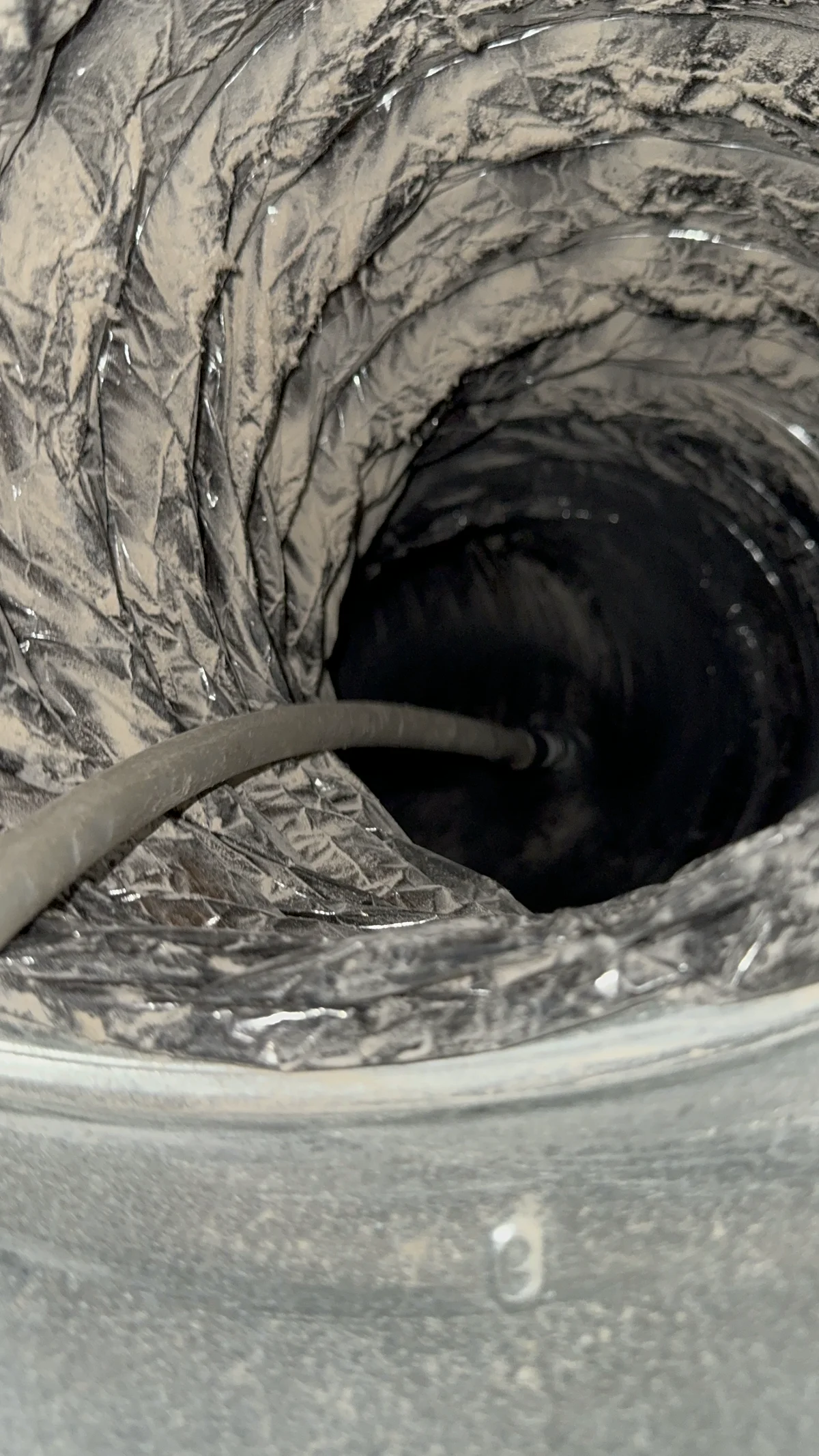
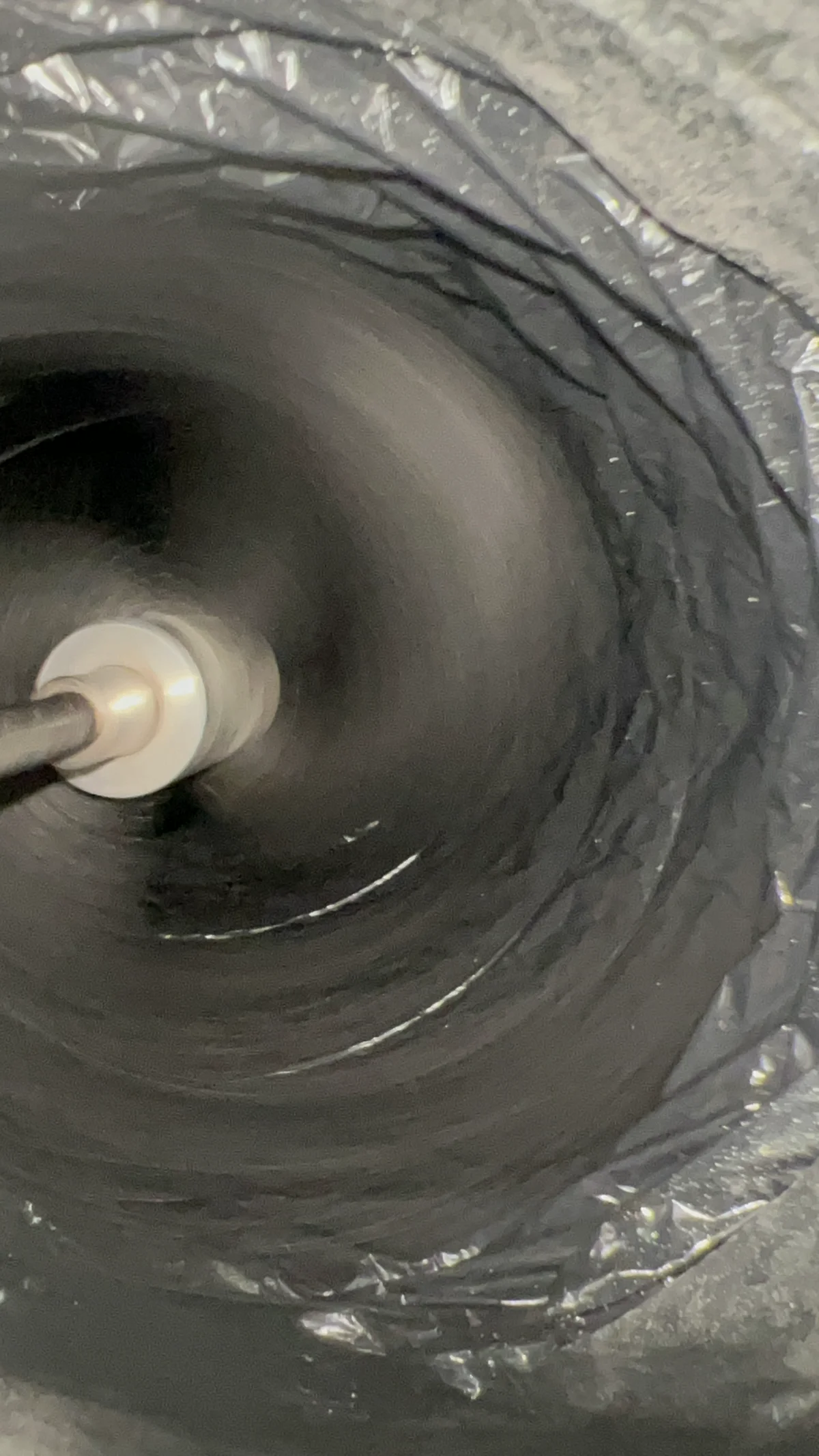
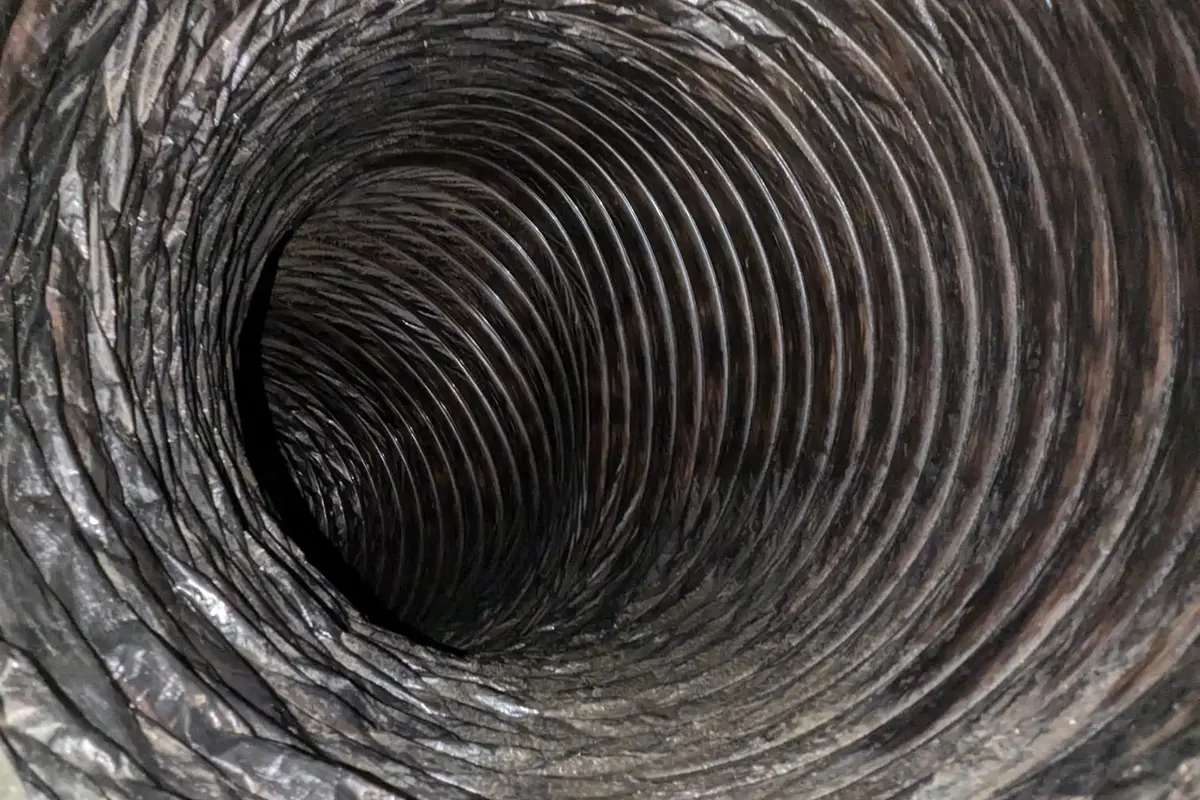
HD camera inspection goes deeper. A small camera on a flexible cable is inserted into the duct system through register openings. The camera feeds real-time video to a monitor, showing the interior condition of each duct run - buildup on the walls, obstructions, collapsed sections, gaps at connections, and damage to the inner liner that is not visible from outside the duct.
Checking airflow at each register helps identify runs with restricted flow. The technician notes which supply vents feel weak compared to others and compares output across the system. A vent producing significantly less airflow than expected indicates a problem in that duct run - a kink, sag, obstruction, or disconnect somewhere between the trunk line and the register.
The inspection report documents findings with photos and video, gives you a clear picture of your duct system's condition, and provides specific repair recommendations with estimated costs. This documentation lets you make informed decisions about repair priority and budget. Call (512) 601-4451 to schedule a duct inspection and find out exactly what is going on inside your ductwork.
Preventing Ductwork Problems in Austin Homes
Schedule a duct inspection every 2-3 years, even if you are not experiencing comfort problems. Many duct issues develop gradually - a connection loosens a little more each year, a sag deepens slowly, or rodent damage goes unnoticed in a rarely accessed part of the attic. Catching problems early means cheaper repairs and less wasted energy.
Keep your attic access clear and check visible ductwork when you go up for any reason. Look for sagging runs, disconnected joints, and damaged outer jackets. If you spot something, do not try to repair it yourself unless you are confident in the materials and technique - improper repairs often fail quickly in attic conditions and can make the problem worse.
Never store heavy items on or near ductwork in the attic. Boxes, holiday decorations, and equipment placed on flex duct crush it and restrict airflow. Over time, the compressed section may not recover its shape even after the weight is removed. Use the attic floor for storage only in areas away from duct runs.
If you hear new noises from your duct system - rattling, whistling, popping - investigate promptly. These sounds indicate something has changed in the ductwork, and early intervention prevents small problems from becoming expensive ones. A duct run that starts rattling today may disconnect completely next month.
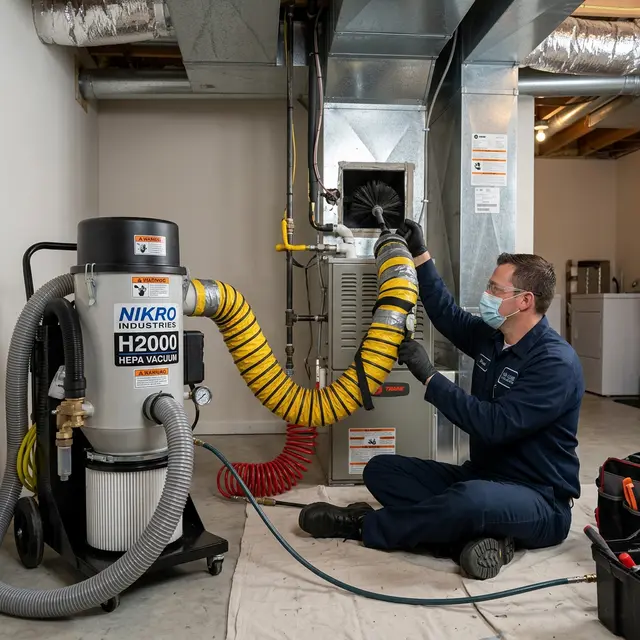
When you have duct cleaning performed, ask the technician about the condition of your ductwork. Duct cleaning technicians see the inside of hundreds of systems and can identify wear, damage, and potential problems during the cleaning process. Air Central documents duct condition with HD camera inspection during every cleaning, giving you a visual record of your ductwork's health over time.
Related Services
Learn more about our professional services related to this topic:
- Air Duct Cleaning - Remove dust, allergens, and debris from your entire HVAC system for cleaner indoor air.
- Air Duct Inspection - Diagnose leaks, blockages, and efficiency issues with HD camera inspection.
Want the full picture?
Read our complete guide: The Ultimate Guide to Air Duct Cleaning in Austin, TX (2026) →Have questions about air duct cleaning? Our team is available 7 days a week. Call us at (512) 601-4451 or visit our contact page.