Yes, dirty air ducts can make you sick. The 5 most common symptoms: persistent headaches that improve away from home, unexplained congestion and sinus pressure, chronic fatigue despite adequate sleep, worsening allergy symptoms indoors, and recurring respiratory infections. If 2+ symptoms improve when you leave home, contaminated ductwork is a likely contributor. Call (512) 601-4451 for an HD camera inspection.
Symptom 1: Persistent Headaches
If you experience recurring headaches that seem worse at home than at work or during travel, contaminated air ducts may be circulating particulate matter and volatile organic compounds that trigger sinus inflammation. The resulting sinus pressure produces headaches that can range from dull background pressure to sharp sinus pain. The tell-tale sign: the headaches diminish or disappear after 1-2 days away from home and return within hours of being back.
This is distinct from migraines or tension headaches. Duct-related headaches are typically bilateral sinus pressure headaches, worse in the morning (after breathing contaminated air all night), and worse in rooms with supply vents directly overhead.
"We hear this story constantly - someone goes on vacation and feels great, comes home and the headaches return within 24 hours," says Nessi Ziv, owner of Air Central. "In over 10,000 duct inspections across Austin, the homes where occupants report health symptoms almost always show heavy contamination on camera. The connection is hard to ignore when you see what has been circulating through the house."
Symptom 2: Unexplained Congestion and Sinus Pressure
Chronic nasal congestion that does not respond to typical cold or allergy medication may indicate continuous exposure to airborne irritants from your HVAC system. Mold spores, dust mite waste, and fine particulate matter trigger inflammatory responses in the nasal passages. Unlike seasonal allergies (which follow pollen patterns), duct-related congestion persists year-round because the exposure source runs every time the HVAC cycles.
Test this: run your HVAC system for several hours and note your congestion level. Then turn it off for 8-12 hours (open windows if weather permits) and compare. If congestion noticeably improves when the system is off, the ductwork is likely the source.
Symptom 3: Chronic Fatigue Despite Adequate Sleep
Poor indoor air quality disrupts sleep quality even when you sleep the right number of hours. Nasal congestion from airborne irritants forces mouth breathing, which reduces oxygen saturation and fragments sleep architecture. You may clock 7-8 hours in bed but get only 4-5 hours of restorative sleep. The result: persistent daytime fatigue, difficulty concentrating, and irritability that seems disproportionate to your sleep schedule.
Children are especially affected. A child breathing contaminated air all night may wake tired, be inattentive at school, and be diagnosed with behavioral issues when the actual root cause is sleep disrupted by poor air quality.
Symptom 4: Worsening Allergy Symptoms Indoors
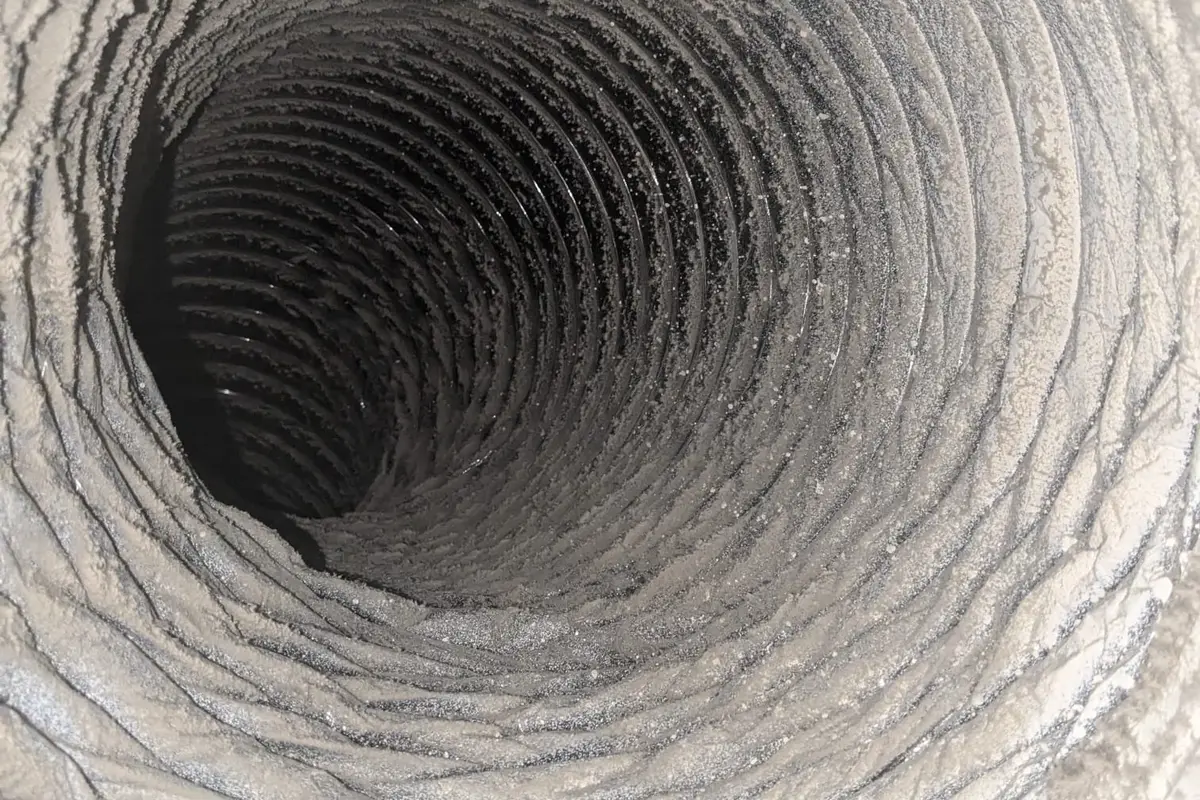
If your allergies are worse inside than outside - especially outside of your normal allergy season - your ductwork is likely circulating accumulated allergens. Ducts collect pollen from every season and redistribute it year-round. In Austin, this means cedar pollen from December through March deposits in ducts and can trigger cedar fever symptoms in July if the ducts have not been cleaned.
Pay attention to timing. If allergy symptoms spike when the HVAC kicks on and ease when it cycles off, or if symptoms are noticeably worse in rooms with more supply vents, contaminated ductwork is the most likely explanation. Standard allergy medications address the symptoms but cannot address the source when it is inside your HVAC system.
Symptom 5: Recurring Respiratory Infections
If household members experience more colds, sinus infections, bronchitis, or upper respiratory infections than seems normal, contaminated ductwork may be suppressing immune function through continuous low-grade exposure to mold spores, bacteria, and particulate matter. The respiratory system has finite capacity to defend against airborne pathogens. When that capacity is partially consumed fighting irritants from dirty ducts, less remains for defending against actual infectious agents.
This is especially noticeable in children, who have higher respiratory rates and less developed immune systems. A household where children are sick every 3-4 weeks despite good hygiene and nutrition should evaluate indoor air quality as a contributing factor.
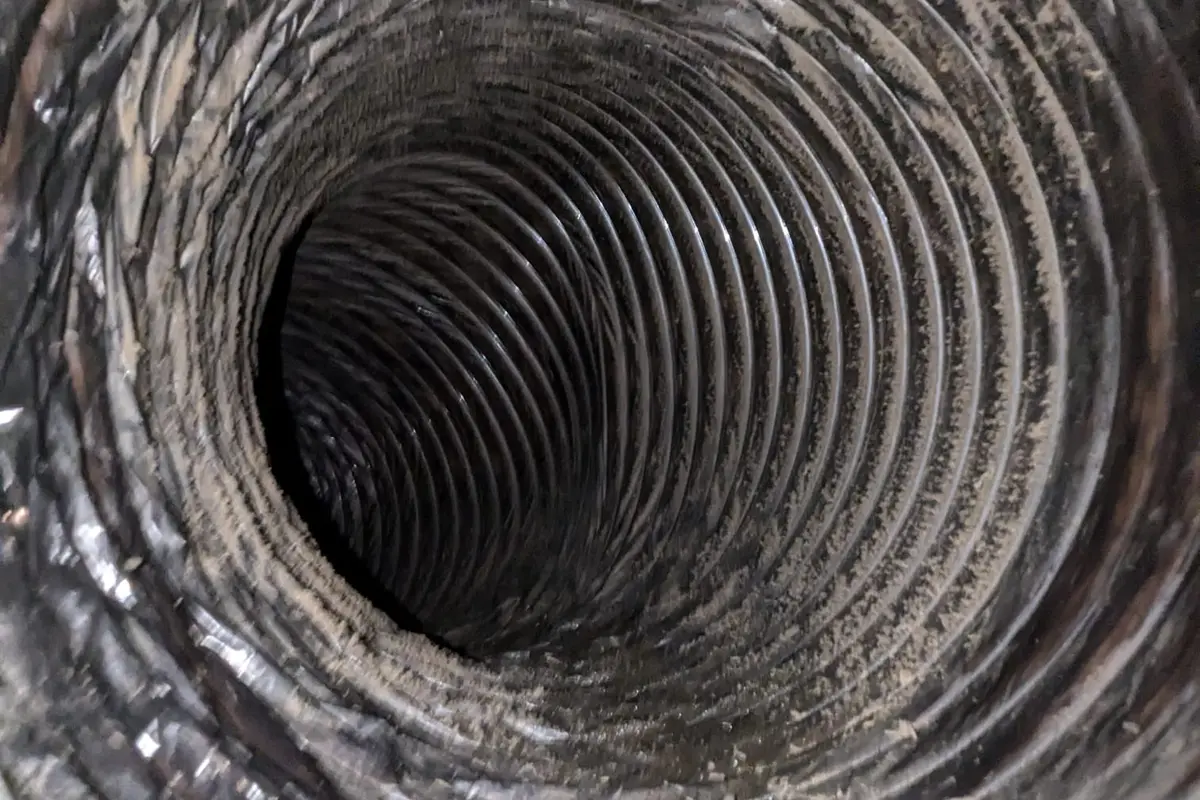
Time for a Duct Cleaning?
Find out what is inside your ducts with an HD camera inspection. Same-day appointments available.
Call (512) 601-4451Rate your home's indoor air quality in 2 minutes
What to Do If You Recognize These Symptoms
First, rule out other causes with your doctor. These symptoms overlap with many conditions, and duct contamination is one possible contributor, not the only explanation. However, if your doctor finds no specific cause and symptoms match the pattern of improvement away from home, indoor air quality becomes a prime suspect.
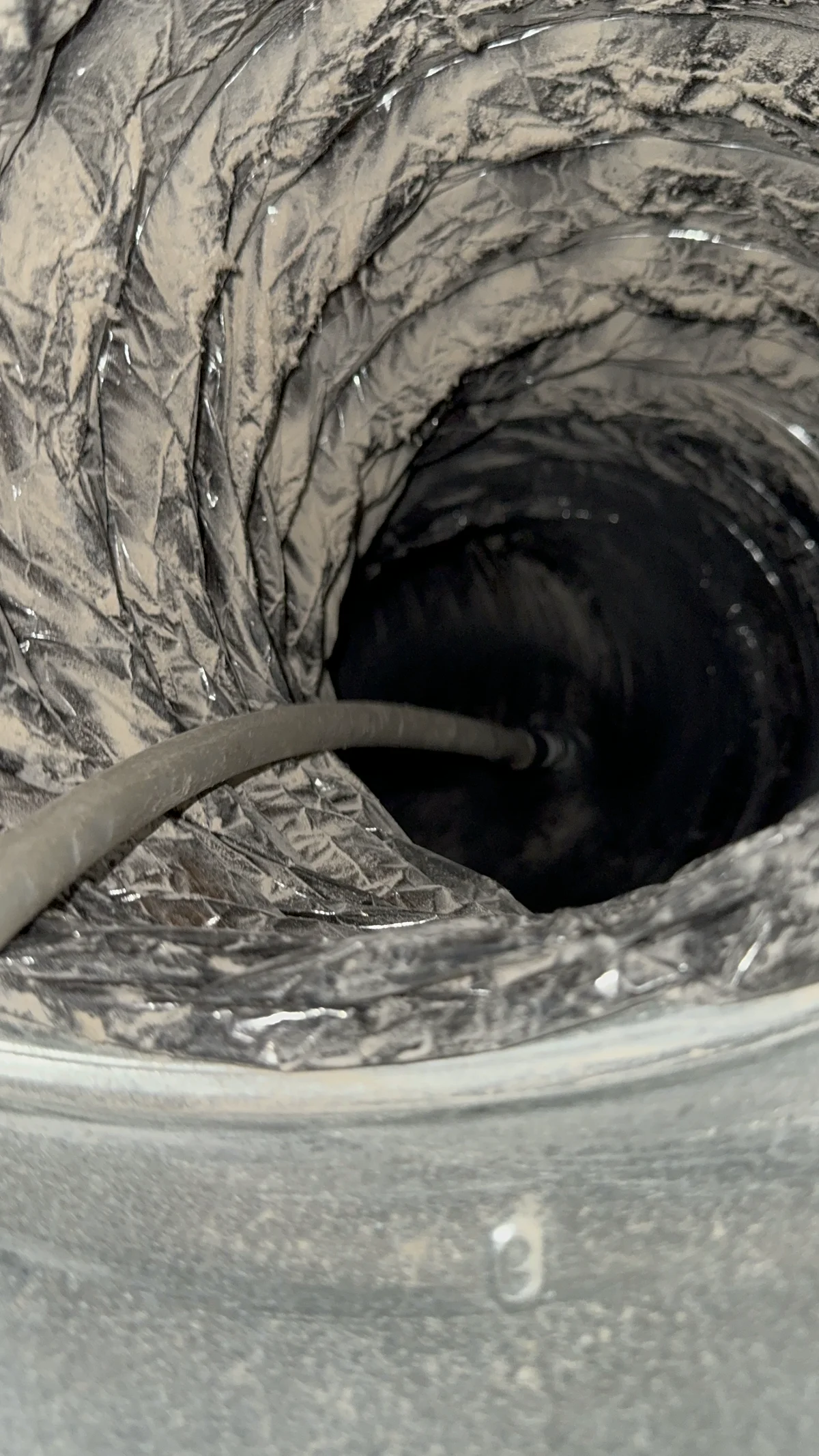
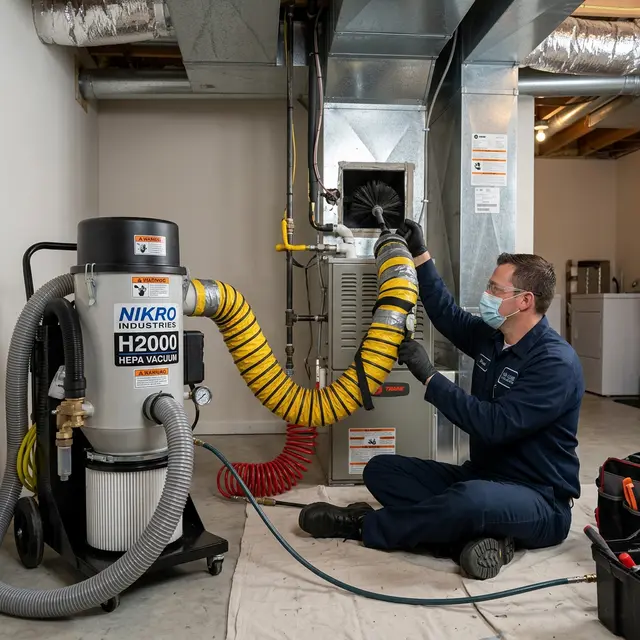
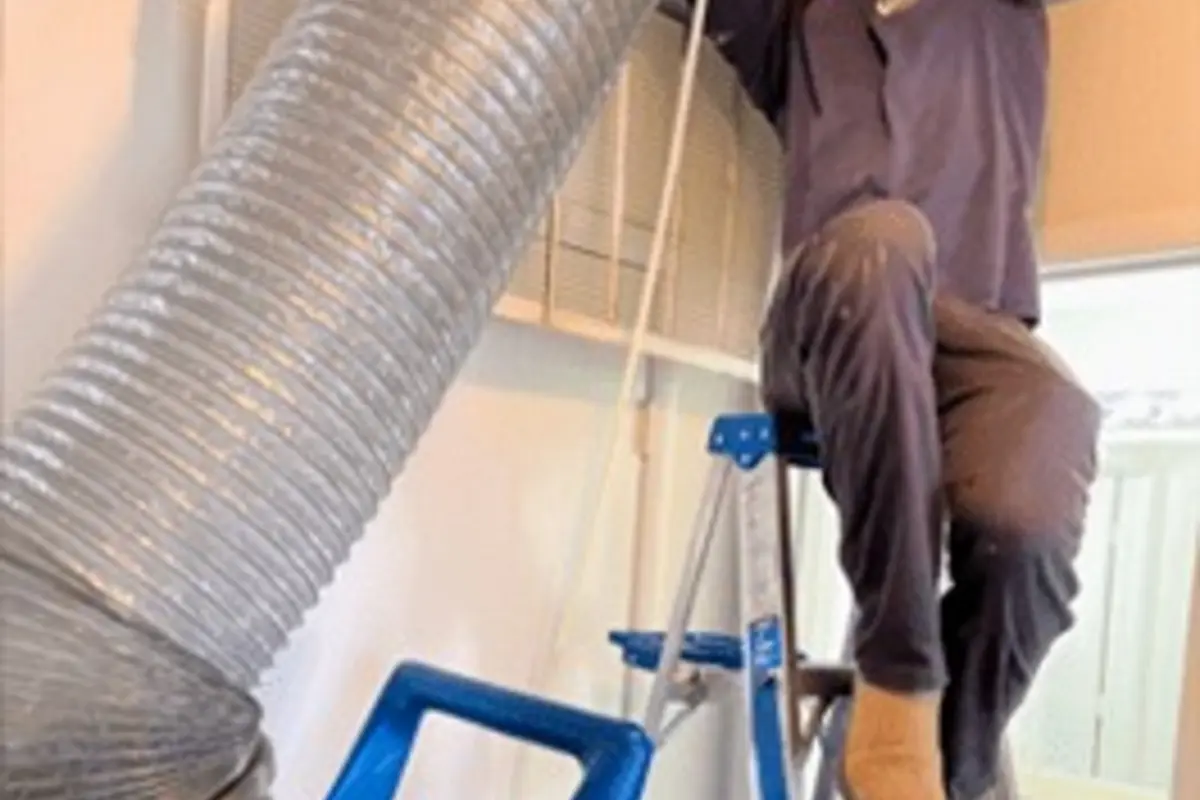
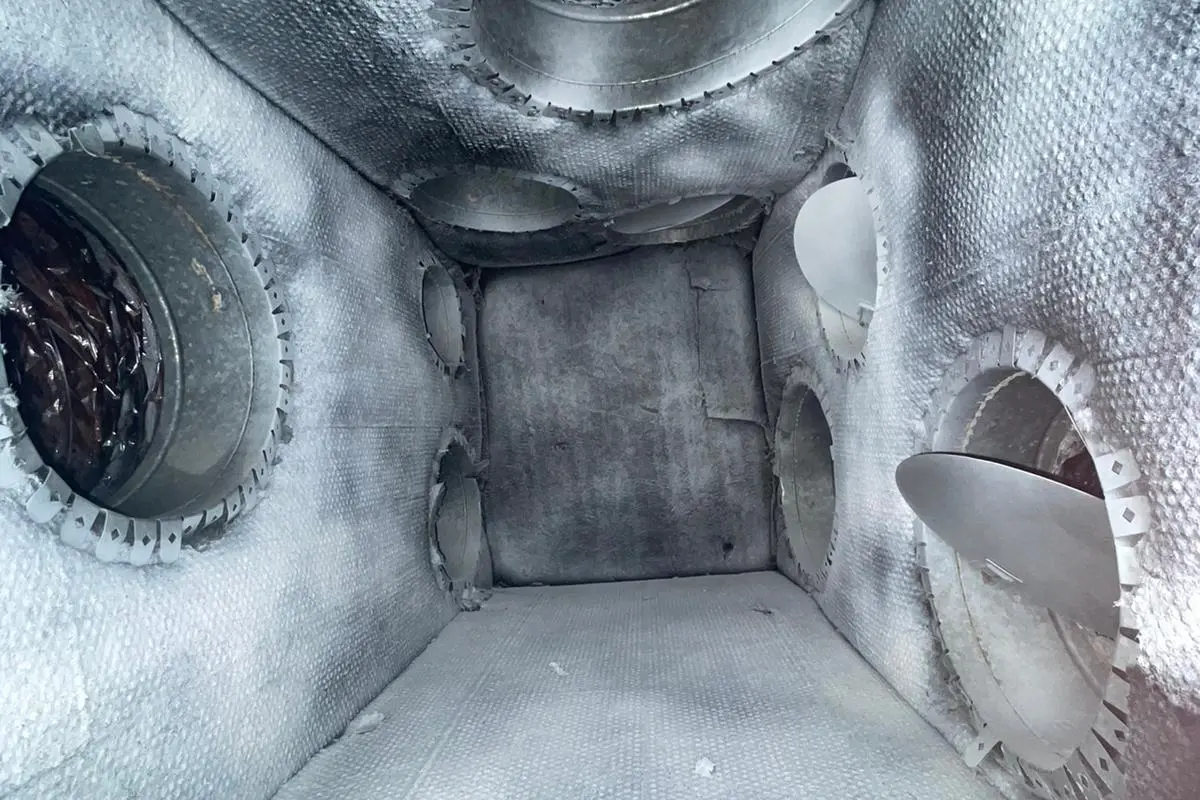
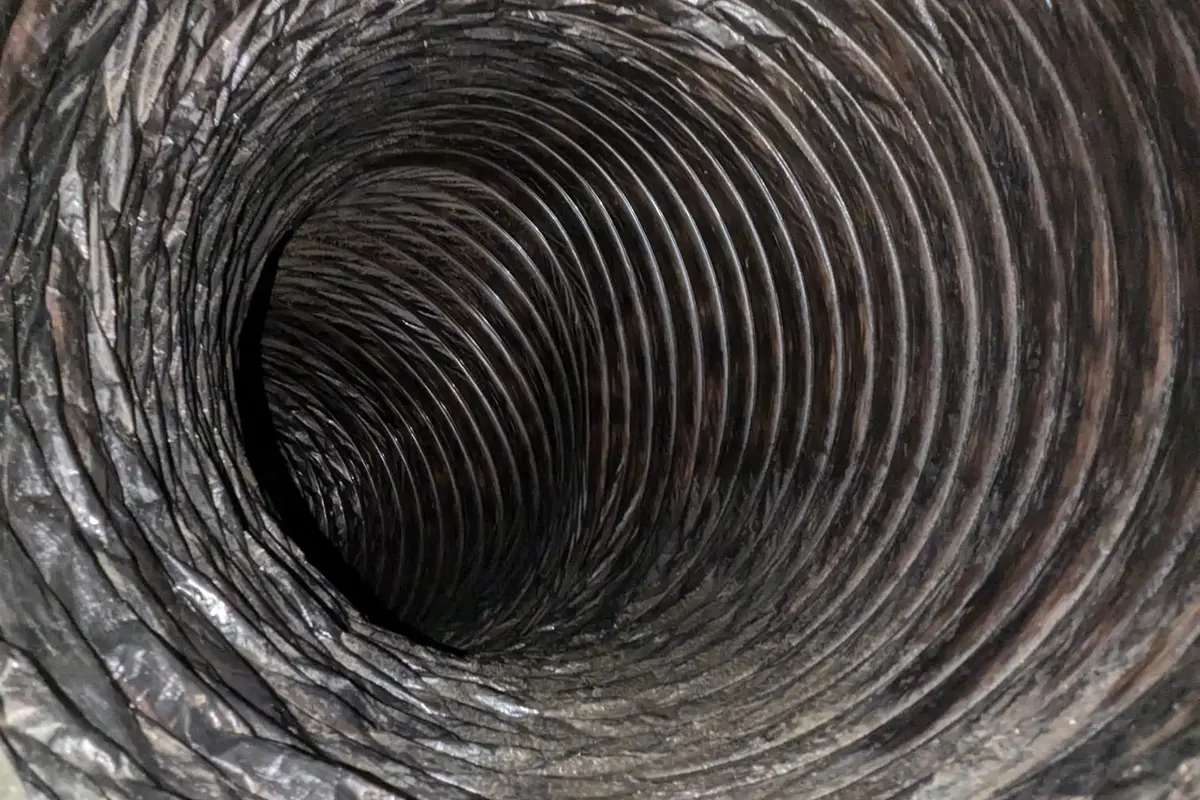
Schedule an HD camera duct inspection. Air Central will show you the inside of your ductwork on-screen so you can see exactly what has accumulated. If the inspection reveals significant contamination, professional cleaning with HEPA filtration removes the source. Most clients report noticeable symptom improvement within 1-2 weeks of cleaning. Call (512) 601-4451 to schedule.
Can Dirty Vents Cause a Sore Throat?
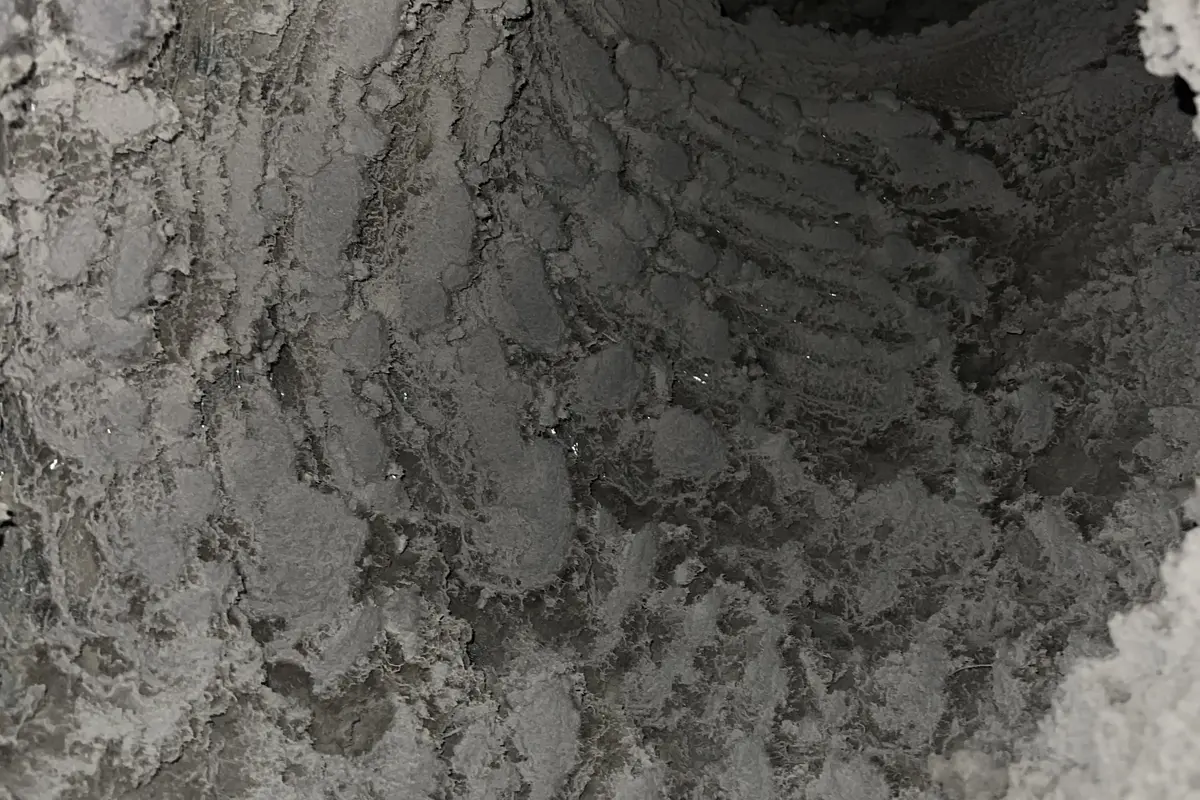
Yes, dirty air vents can cause a sore throat. When contaminated ductwork circulates dust, mold spores, and allergens, those particles irritate the mucous membranes in your throat and nasal passages. The result is a persistent scratchy or raw throat that does not match the pattern of a typical cold or infection. The tell-tale sign: the sore throat is worse in the morning (after 7-8 hours of breathing contaminated air while sleeping) and improves after leaving the house for several hours.
The mechanism is straightforward. Airborne irritants from dirty ducts trigger an inflammatory response in the throat lining. Your body produces excess mucus to protect the tissue, leading to post-nasal drip that further irritates the throat. In Austin, this cycle intensifies during cedar season (December through March) because cedar pollen trapped in ductwork recirculates continuously, even after the outdoor pollen count drops. Many Austin residents mistake this persistent sore throat for a lingering cold when the actual cause is inside their HVAC system.
Can Dirty Air Ducts Make You Sick? What the EPA and CDC Say
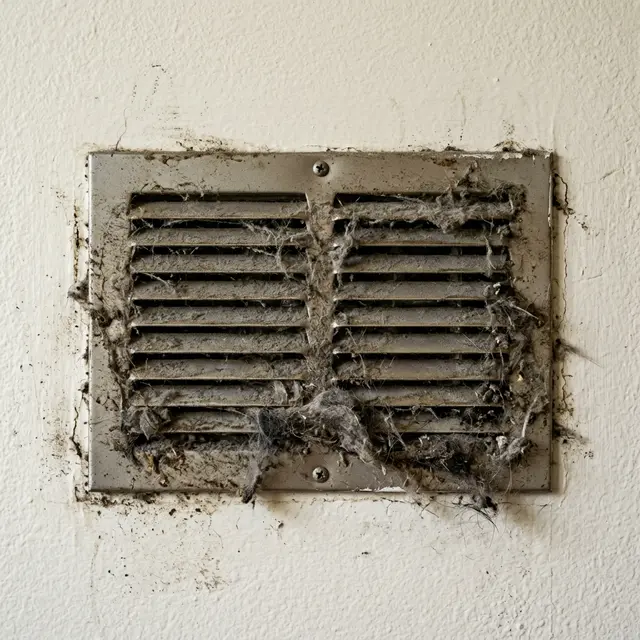
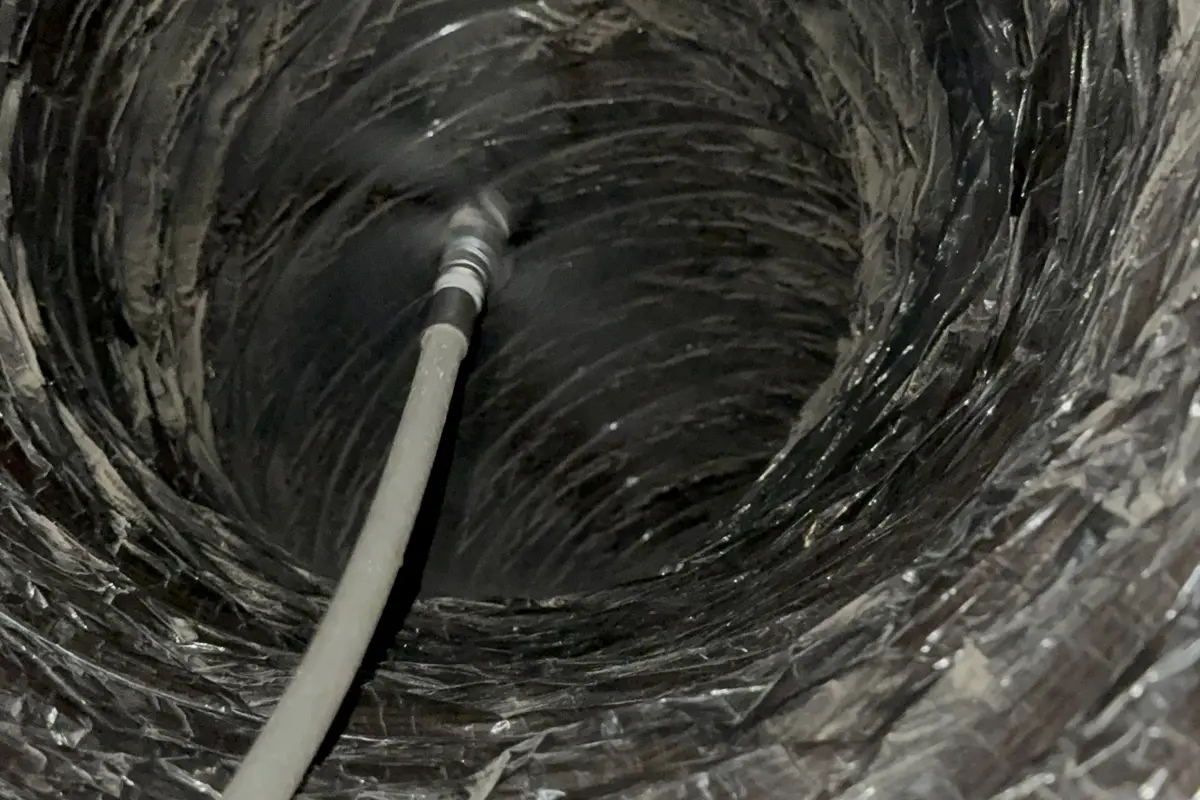
The <a href="https://www.epa.gov/indoor-air-quality-iaq/introduction-indoor-air-quality" target="_blank" rel="noopener">EPA reports</a> that indoor air pollutant levels can be 2 to 5 times higher than outdoor levels - and sometimes more than 100 times higher. Since the average person spends approximately 90% of their time indoors, the air circulating through your ductwork is the air you breathe most. When that ductwork contains years of accumulated dust, pollen, pet dander, and microbial growth, every HVAC cycle delivers a dose of those contaminants directly into your breathing space.
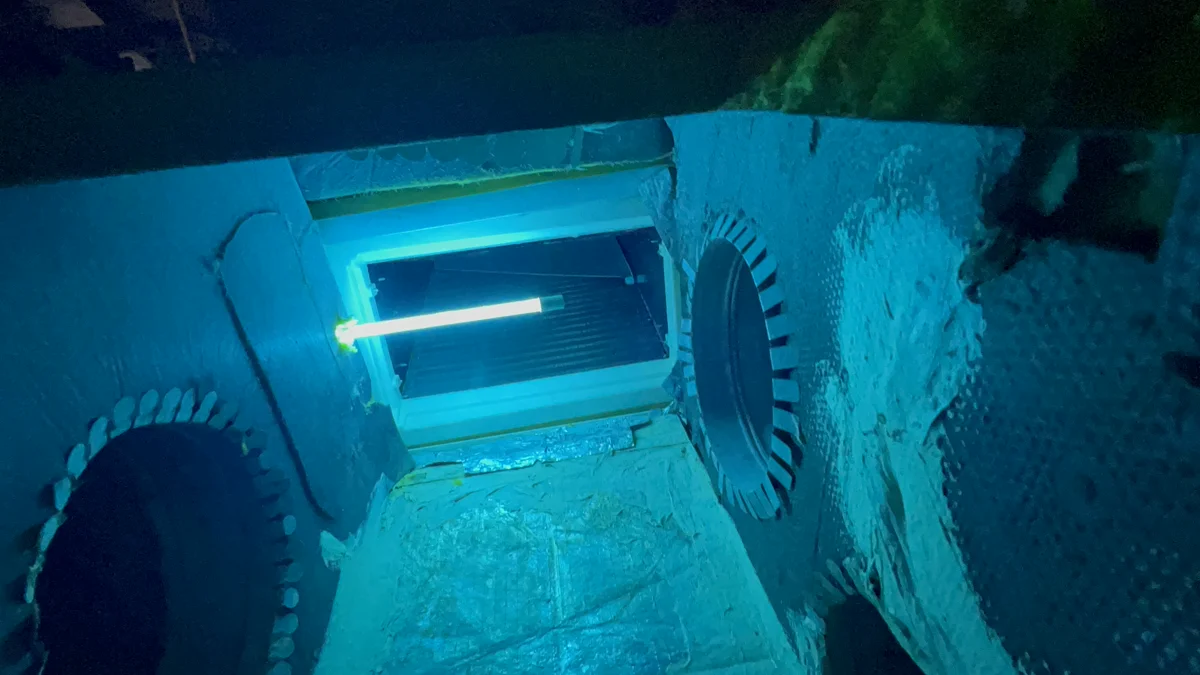
The <a href="https://www.cdc.gov/mold/faqs.htm" target="_blank" rel="noopener">CDC states</a> that exposure to damp and moldy environments can cause a variety of health effects, including nasal stuffiness, throat irritation, coughing or wheezing, eye irritation, and skin irritation. People with mold allergies may have more severe reactions, and immunocompromised individuals and people with chronic lung illnesses may develop serious infections in their lungs when exposed to mold. In Austin, where humidity averages 67% and HVAC systems run 10-11 months per year, the evaporator coil and ductwork create conditions that support microbial colonization if not properly maintained.
The connection between dirty ducts and illness is not speculative. The National Institutes of Health Inner-City Asthma Study demonstrated that comprehensive indoor environmental interventions - including HVAC cleaning - reduced asthma symptom days by 21% in children. The World Health Organization (WHO) estimates that occupants of damp or moldy buildings have a 40% increased risk of asthma and respiratory symptoms. While not every health issue traces back to ductwork, the pattern of symptoms that improve away from home and return upon re-entry is a strong indicator that indoor air quality - and specifically the HVAC system distributing it - deserves investigation.
Related Services
Learn more about our professional services related to this topic:
- Air Duct Cleaning - Remove dust, allergens, and debris from your entire HVAC system for cleaner indoor air.
- Air Duct Inspection - Diagnose leaks, blockages, and efficiency issues with HD camera inspection.
Want the full picture?
Read our complete guide: The Ultimate Guide to Air Duct Cleaning in Austin, TX (2026) →Have questions about air duct cleaning? Our team is available 7 days a week. Call us at (512) 601-4451 or visit our contact page.