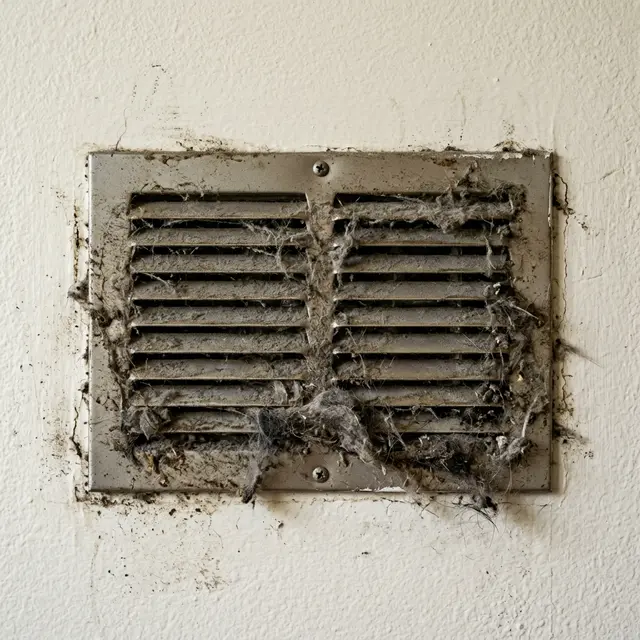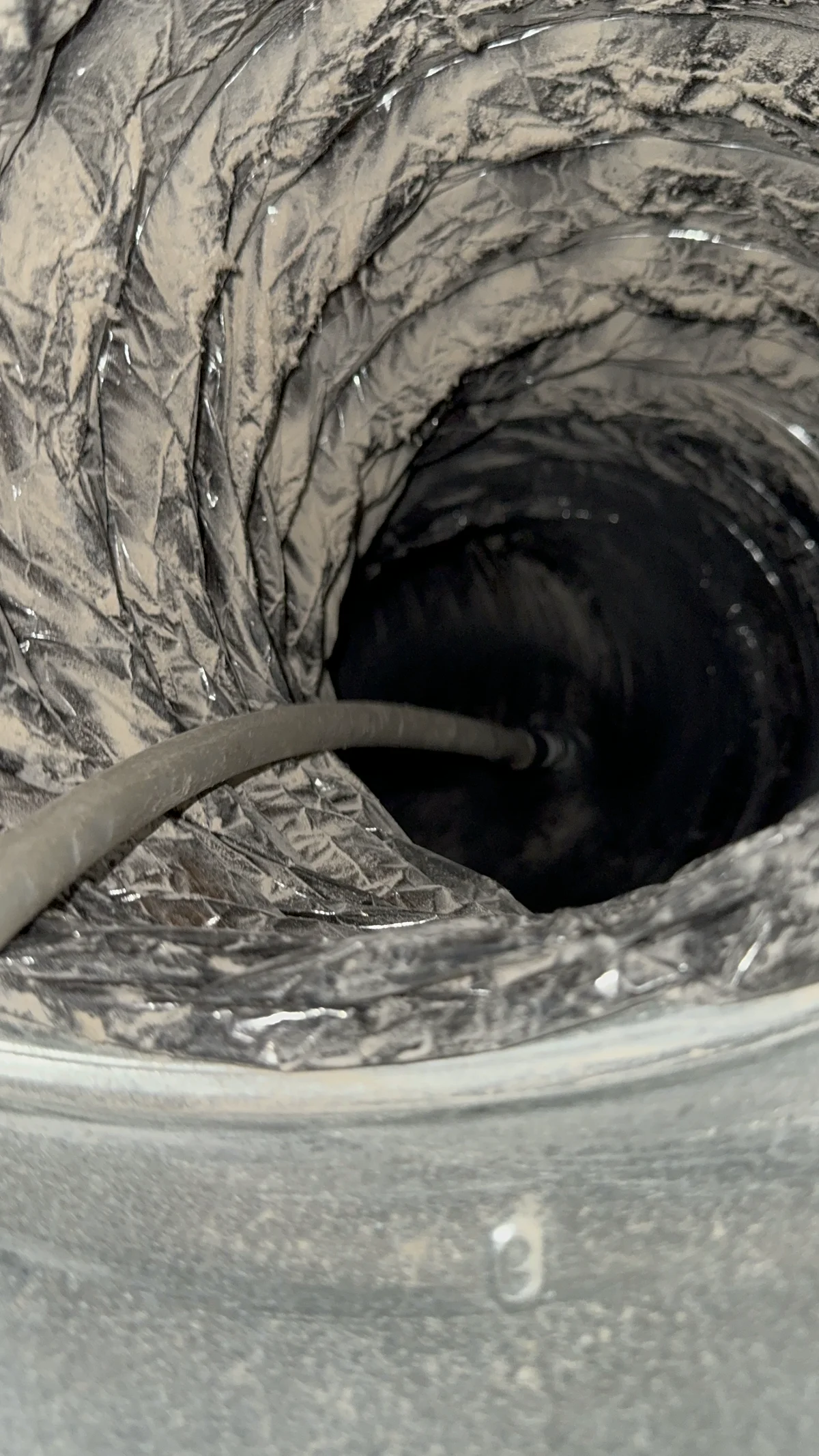
Dirty air ducts circulate dust, allergens, mold spores, bacteria, and other contaminants through your home every time the HVAC runs. Research links contaminated indoor air to respiratory irritation, worsened allergies and asthma, headaches, fatigue, and increased illness frequency. The EPA estimates indoor air is 2-5x more polluted than outdoor air. Professional duct cleaning removes these contaminants at the source.
What Accumulates Inside Your Air Ducts
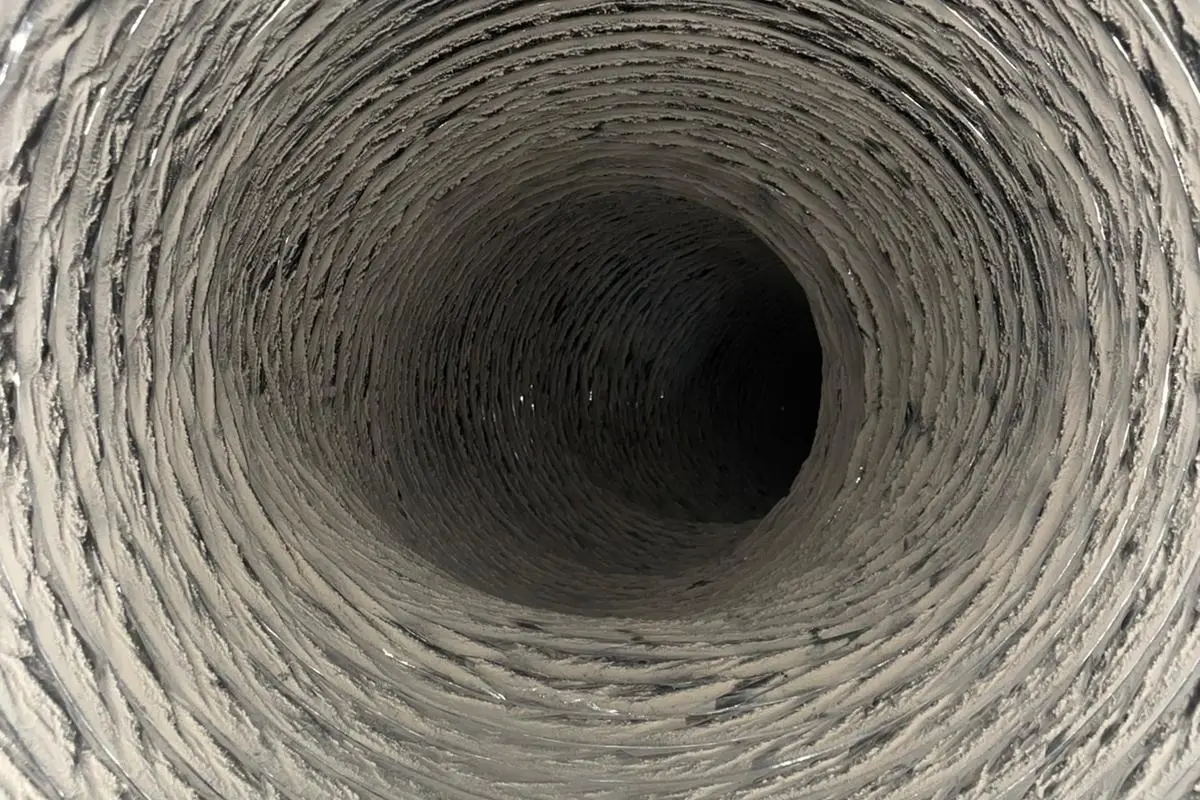
Over a typical 3-5 year period, a residential HVAC system accumulates several pounds of particulate matter inside the ductwork. This includes household dust (a mixture of skin cells, fabric fibers, and soil particles), pollen (cedar, oak, ragweed, and grass in Austin), pet dander and hair, insect fragments and droppings, bacteria and mold spores, cooking residue, and chemical off-gassing particles from furniture, paint, and cleaning products.
Your HVAC filter catches a percentage of these particles, but no filter captures everything. Standard MERV 8 filters catch roughly 70% of particles 3-10 microns in size but miss most particles below 3 microns - the size range that includes bacteria, mold spores, and fine allergens. These sub-3-micron particles pass through the filter and deposit on duct surfaces, where they accumulate over months and years.
The ductwork becomes a reservoir. Every time the system cycles on, air flowing over these deposits picks up particles and distributes them throughout your home. A single HVAC cycle can release thousands of particles per cubic foot of air. You inhale roughly 11,000 liters of air per day while inside your home. If that air passes through contaminated ductwork, you are continuously breathing reintroduced contaminants.
Respiratory Effects: What the Science Shows
The EPA's Total Human Exposure Assessment Methodology studies found that indoor air pollutant levels are frequently 2-5 times higher than outdoor levels. For some pollutants, indoor concentrations are more than 100 times higher. Since Americans spend roughly 90% of their time indoors, cumulative exposure to contaminated indoor air is a significant health factor.
The World Health Organization's guidelines on indoor air quality link exposure to particulate matter, biological agents (mold, bacteria, dust mites), and volatile organic compounds to upper and lower respiratory tract infections, allergic sensitization, asthma exacerbation, and chronic obstructive pulmonary disease progression. Contaminated ductwork contributes to all of these exposure pathways by continuously recirculating pollutants.
A study published in the Indoor Air journal found that homes with visible duct contamination had significantly higher airborne particulate levels than homes with clean ductwork, even when controlling for other variables like smoking, pets, and outdoor air quality. The researchers concluded that duct contamination was an independent predictor of indoor air quality degradation.
Allergies and Asthma: The Ductwork Connection
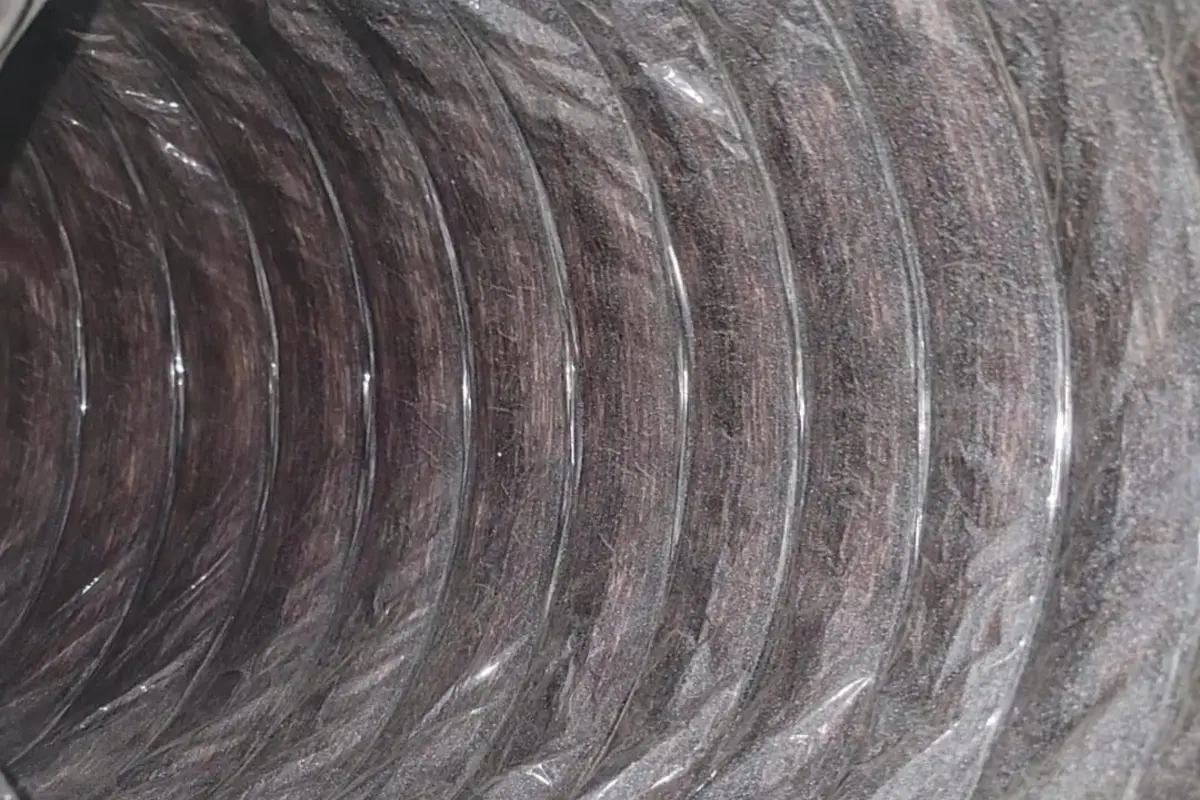
For the estimated 25% of Austin adults with allergies and 8% with asthma (CDC data), contaminated ductwork functions as a continuous exposure source for the exact triggers that provoke symptoms. Dust mite waste, pet dander, pollen, and mold spores - the most common allergic triggers - all accumulate in ductwork and are redistributed with every HVAC cycle.
The Asthma and Allergy Foundation of America identifies indoor air quality as a critical factor in asthma management. Their guidelines specifically mention HVAC system cleanliness as a component of indoor allergen reduction. The logic is straightforward: if your ductwork contains allergens, and your HVAC system circulates air through those ducts 5-7 times per day, you are continuously re-exposing yourself to triggers that a clean system would not distribute.
Austin's unique allergen profile makes this worse. Cedar pollen enters the HVAC system during winter and coats duct surfaces. Then as spring brings oak and grass pollen, additional layers accumulate. By summer, the ductwork contains a cross-section of every allergen season. Without cleaning, these accumulated allergens are redistributed year-round regardless of the outdoor pollen count.
Headaches, Fatigue, and Cognitive Effects
Dirty indoor air does not only affect the lungs. The EPA and multiple occupational health studies have documented associations between poor indoor air quality and headaches, fatigue, difficulty concentrating, and irritability. This cluster of symptoms is formally recognized as Sick Building Syndrome when it occurs in commercial buildings, but the same mechanisms apply in residential settings.
The pathway: particulate matter and volatile organic compounds trigger low-grade inflammatory responses in the nasal passages and sinuses. This inflammation causes sinus pressure headaches and nasal congestion that disrupts sleep quality (you may not notice the congestion consciously, but it fragments sleep). Fragmented sleep produces daytime fatigue and reduced cognitive function. The cycle is subtle enough that many people attribute the symptoms to stress, aging, or seasonal changes rather than their indoor air quality.
A telling diagnostic: if headaches or fatigue improve when you spend time away from home (vacation, weekend trips) and return within a day or two of coming back, your home's air quality is a likely contributor. This pattern is especially common in tightly sealed newer homes and apartments with limited natural ventilation.
Time for a Duct Cleaning?
Find out what is inside your ducts with an HD camera inspection. Same-day appointments available.
Call (512) 601-4451Rate your home's indoor air quality in 2 minutes
Vulnerable Populations: Children, Elderly, and Immunocompromised
Children breathe roughly 50% more air per pound of body weight than adults. Their respiratory systems are still developing, and their immune systems are not fully mature. Research published in Pediatrics found that children in homes with poor indoor air quality had 40% more respiratory infections and 60% more missed school days than children in homes with good air quality. Contaminated ductwork is a modifiable risk factor - cleaning the ducts removes a significant exposure source.
Adults over 65 and individuals with compromised immune systems (cancer treatment, HIV, organ transplant recipients, autoimmune conditions) face elevated risk from airborne mold and bacteria. For these populations, organisms that healthy adults easily tolerate can cause serious infections. The CDC specifically recommends that immunocompromised individuals minimize exposure to mold and environmental bacteria - clean ductwork is part of that strategy.
What Duct Cleaning Actually Changes
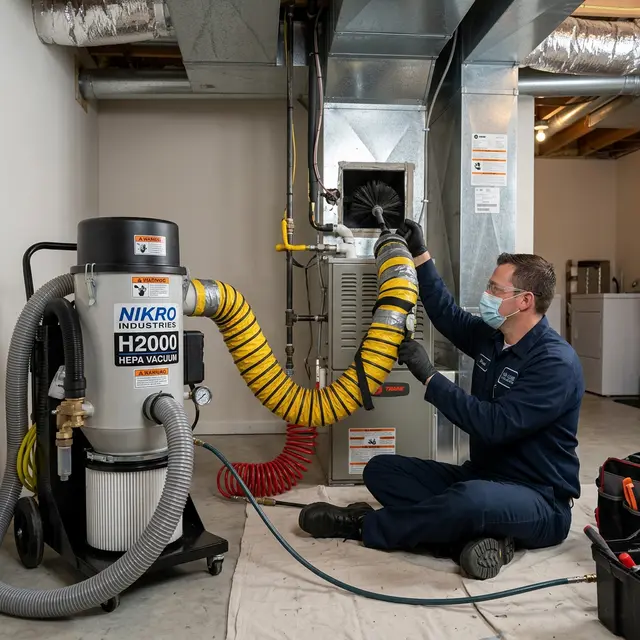
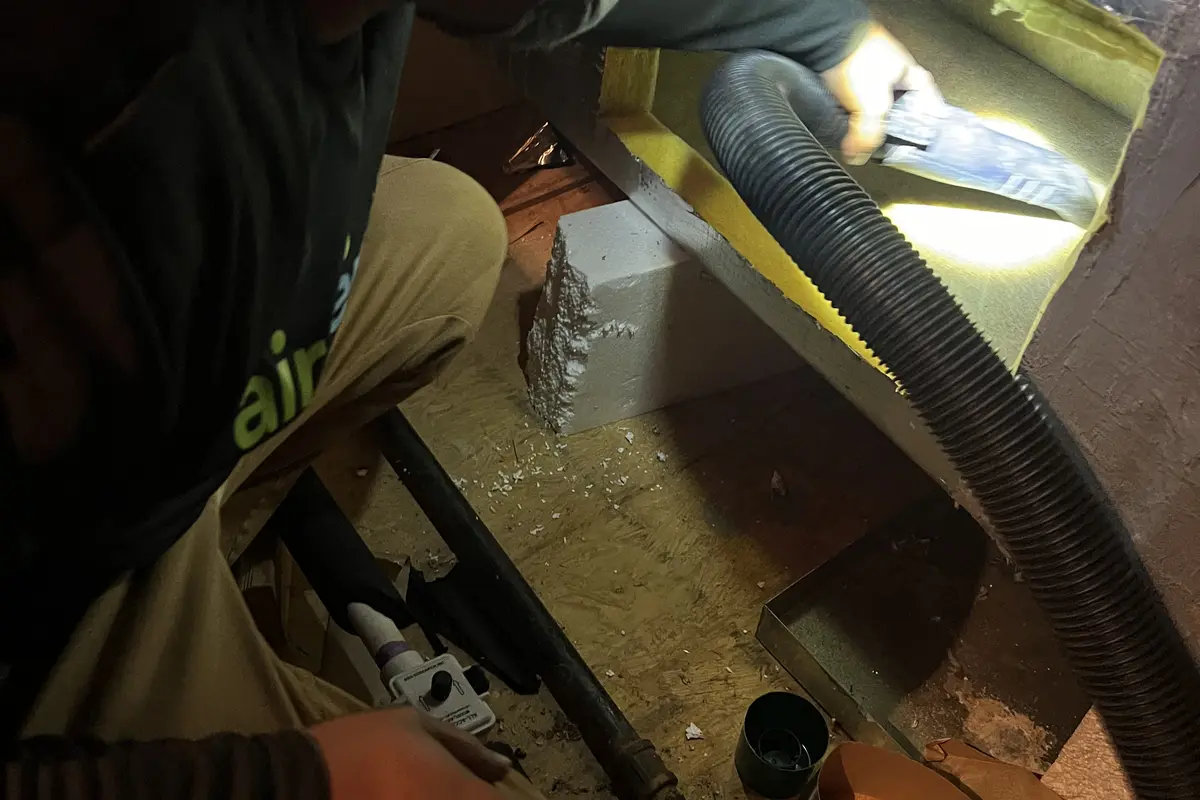
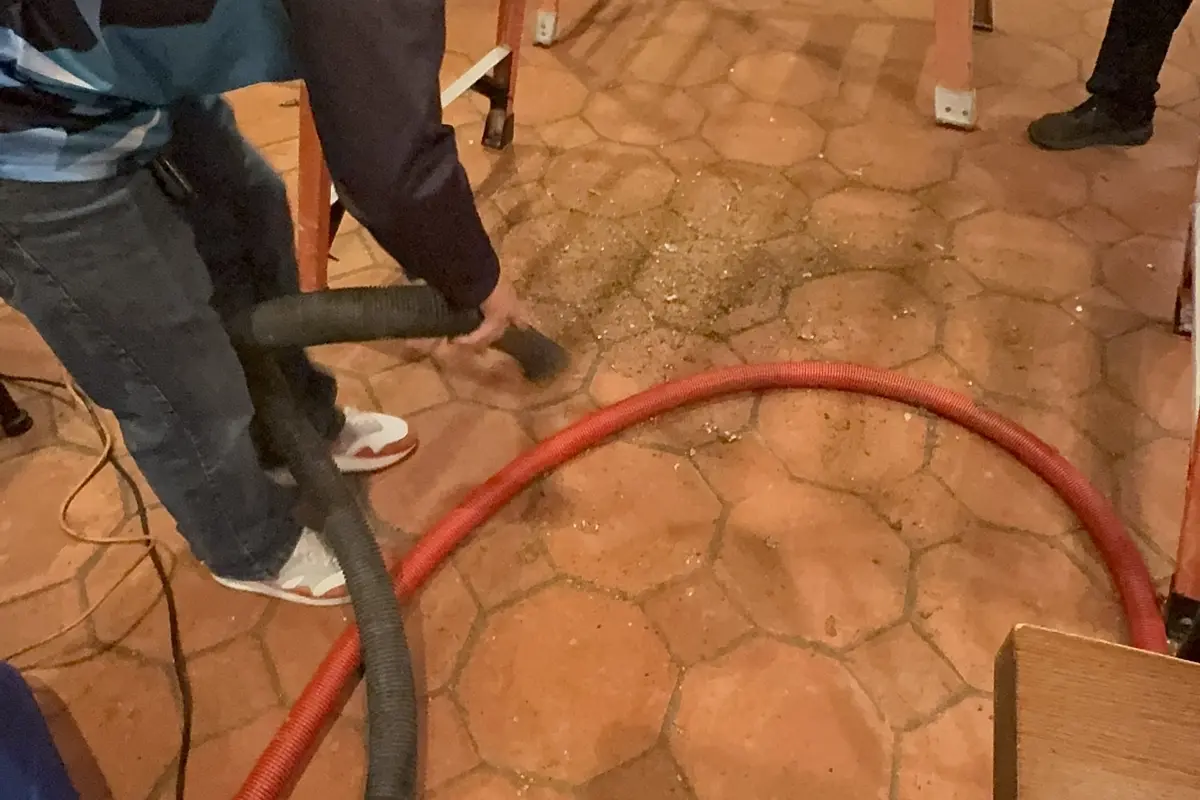
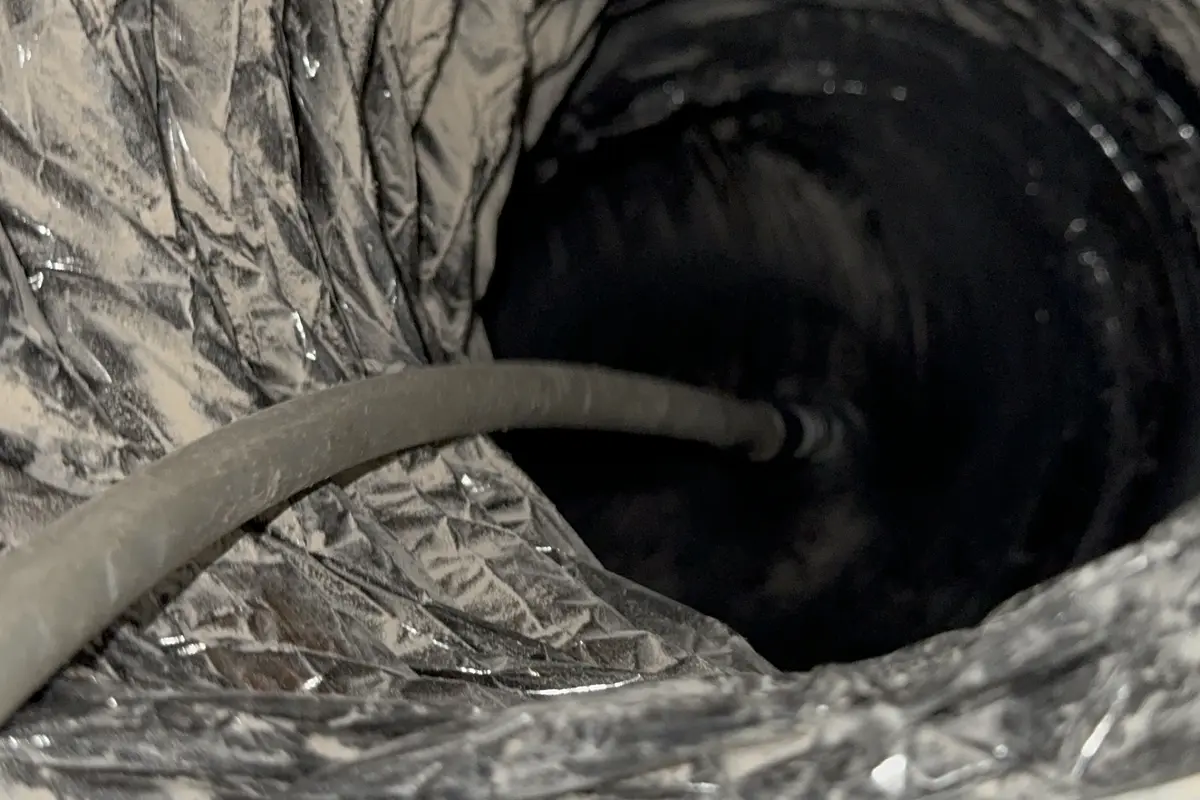
Professional duct cleaning with commercial-grade negative-pressure HEPA vacuum equipment physically removes the accumulated contaminant reservoir from your ductwork. This means the HVAC system is no longer redistributing years of accumulated particles with every cycle. Post-cleaning, airborne particulate levels typically drop measurably within 24 hours.
The NADCA notes that duct cleaning is especially beneficial after renovation (removes construction dust), after moving into a previously occupied home (removes prior occupants' contaminants), for homes with pets or smokers, for households with allergy or asthma sufferers, and for homes that have never been cleaned or have not been cleaned in 3-5+ years.
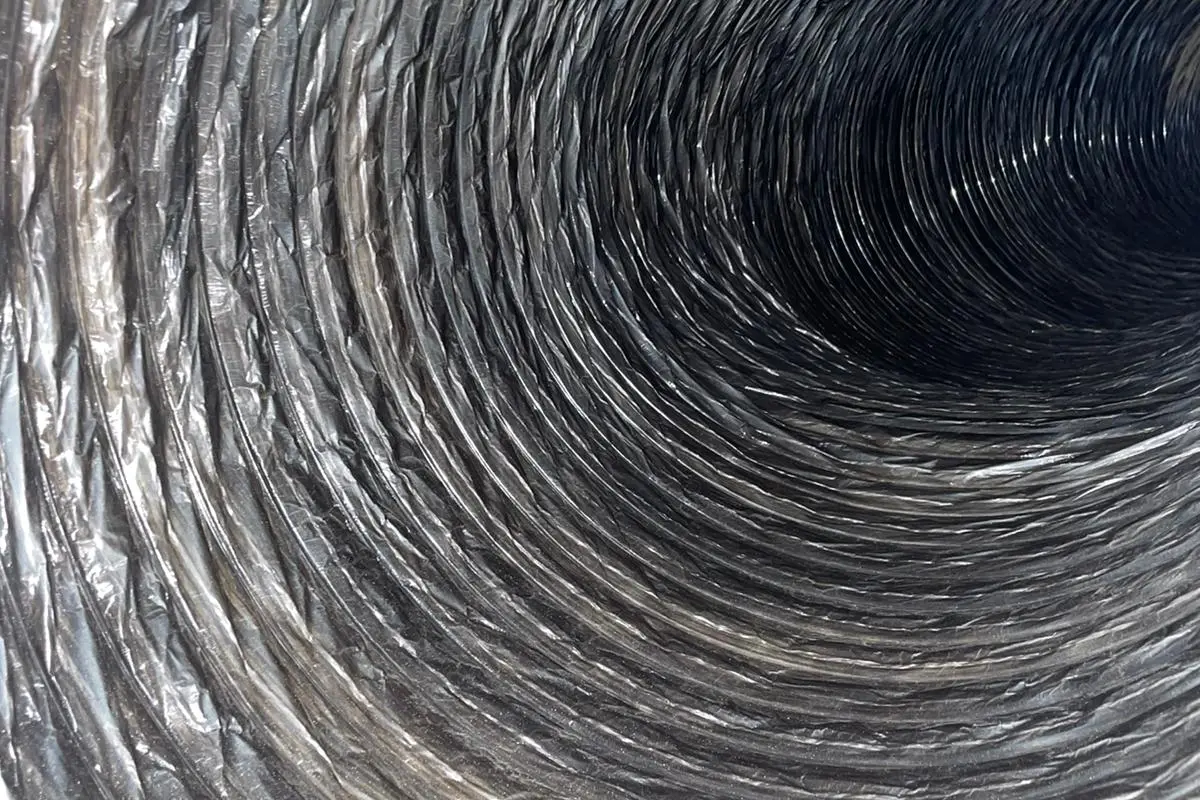
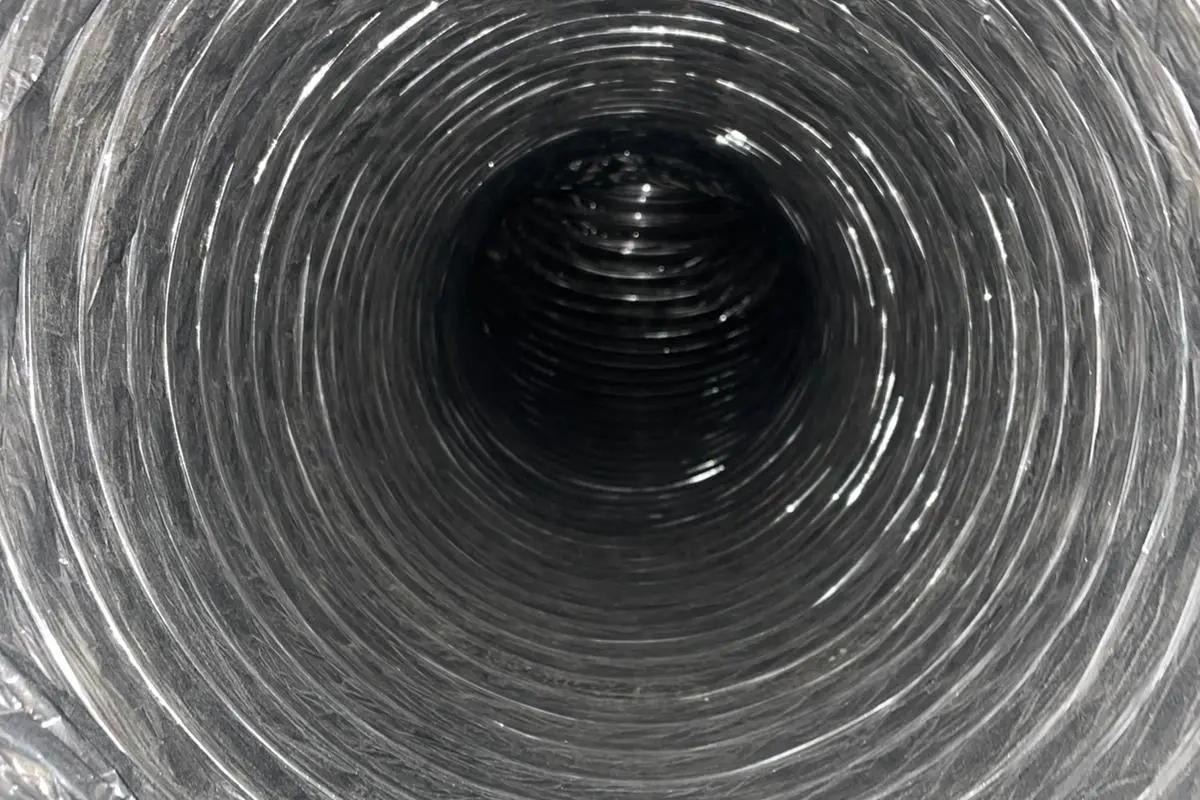
Air Central uses HD camera inspection before and after every duct cleaning, so you can see exactly what was in your ducts and verify that it has been removed. Combined with a fresh filter and optional UV-C light installation, a duct cleaning resets your indoor air quality to baseline. Call (512) 601-4451 to schedule an inspection and see what your family has been breathing.
Related Services
Learn more about our professional services related to this topic:
- Air Duct Cleaning - Remove dust, allergens, and debris from your entire HVAC system for cleaner indoor air.
- Air Duct Inspection - Diagnose leaks, blockages, and efficiency issues with HD camera inspection.
Want the full picture?
Read our complete guide: The Ultimate Guide to Air Duct Cleaning in Austin, TX (2026) →Have questions about air duct cleaning? Our team is available 7 days a week. Call us at (512) 601-4451 or visit our contact page.