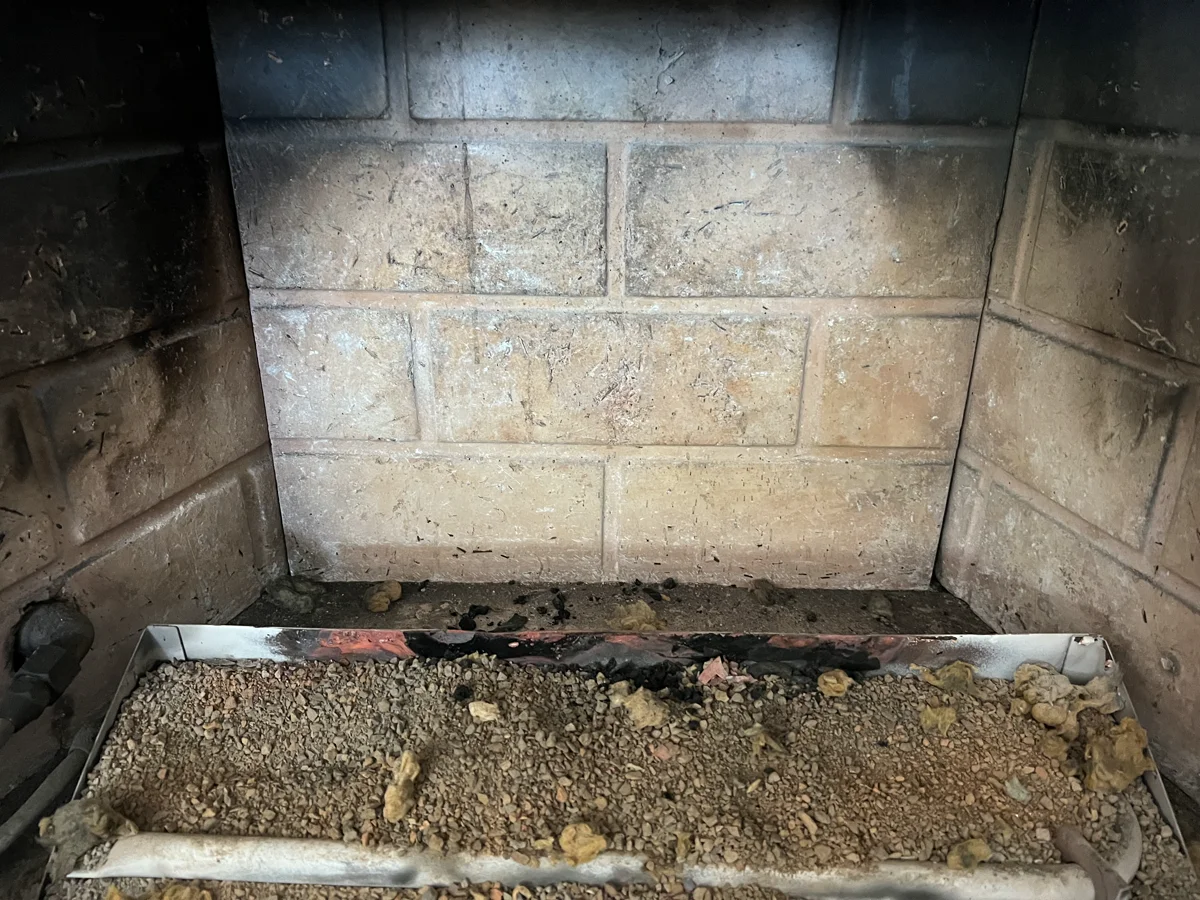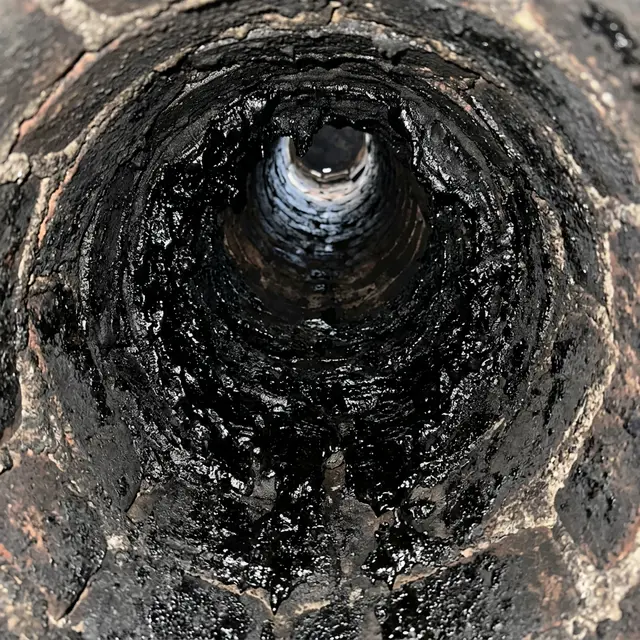
Creosote is a highly flammable tar-like substance that builds up inside chimneys from burning wood. Stage 3 (glazed) creosote can ignite at just 451F and is the leading cause of chimney fires - annual sweeping prevents dangerous accumulation.
What Creosote Is and How It Forms
Creosote forms when wood smoke condenses on the cooler interior walls of the chimney flue. It is a natural byproduct of wood combustion, but the rate of buildup depends on: wood moisture (wet wood = more creosote), burn temperature (smoldering fires = more creosote), chimney temperature (cold flues = more condensation), and airflow restriction (closed damper = more buildup). In the West Lake Hills and Dripping Springs areas, where many homes have stone fireplaces used heavily during cedar season from December through March, we see creosote buildup accelerate because homeowners burn frequently during short, cool stretches and then let the flue sit idle the rest of the year.
The chemistry is straightforward. Wood smoke contains volatile organic compounds, tar droplets, and water vapor. When these gases contact a flue surface that is cooler than about 250F, they condense and stick. Over time, repeated fires add layers. The cooler your flue runs - due to exterior chimney placement, poor insulation around the flue, or low-temperature fires - the more creosote you will accumulate per fire. Austin homeowners with exterior masonry chimneys on north-facing walls tend to see faster buildup because the flue stays cooler, especially on cold winter nights.
"I have scraped Stage 3 creosote out of chimneys in Tarrytown and Barton Hills that was thick enough to reduce the flue opening by half," says Nessi Ziv, owner of Air Central. "The homeowner had been burning fires for 8 years without a sweep. One more season and that chimney would have been a fire waiting to happen."
The Three Stages in Detail
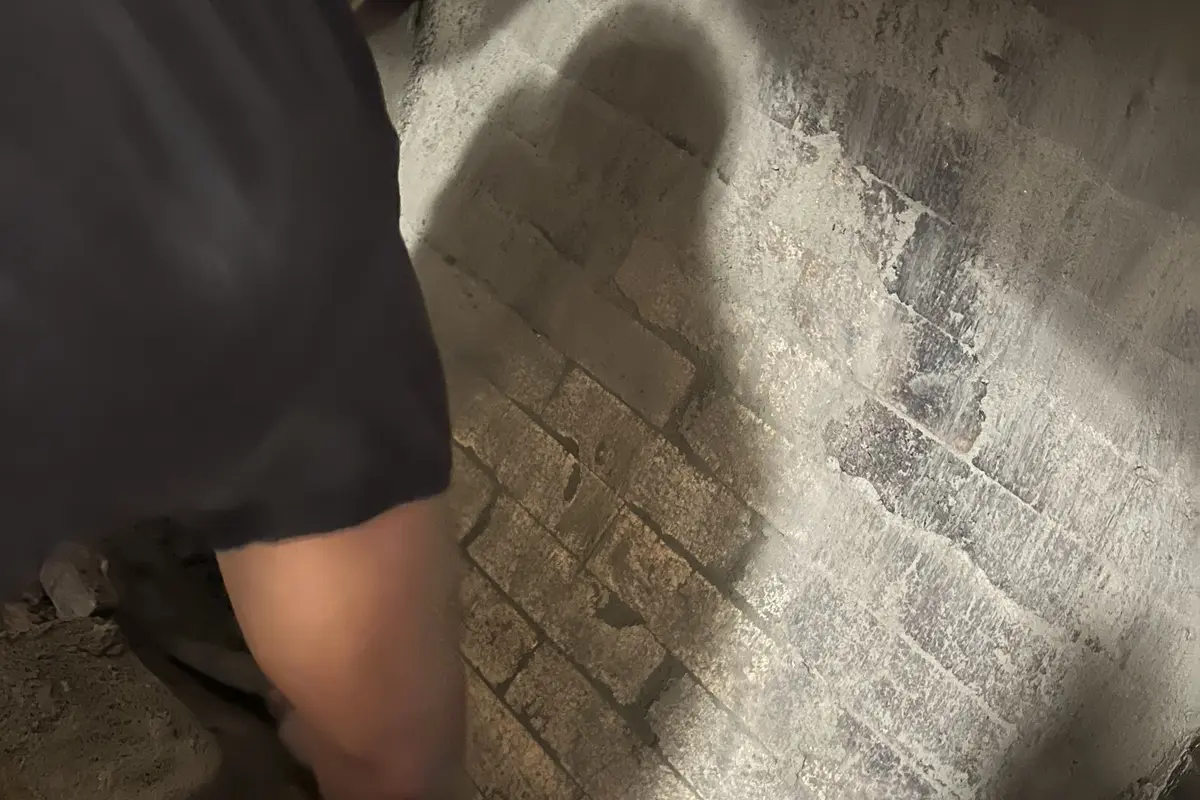
Stage 1: Dusty or flaky deposits that are easily brushed away during routine sweeping. It looks like dark brown or black soot dust and typically forms a thin layer on the flue walls. This is normal and manageable with annual sweeping. You can check for Stage 1 yourself by carefully reaching past the damper with a flashlight and running a finger along the flue wall. A light, powdery residue that wipes away easily is Stage 1.
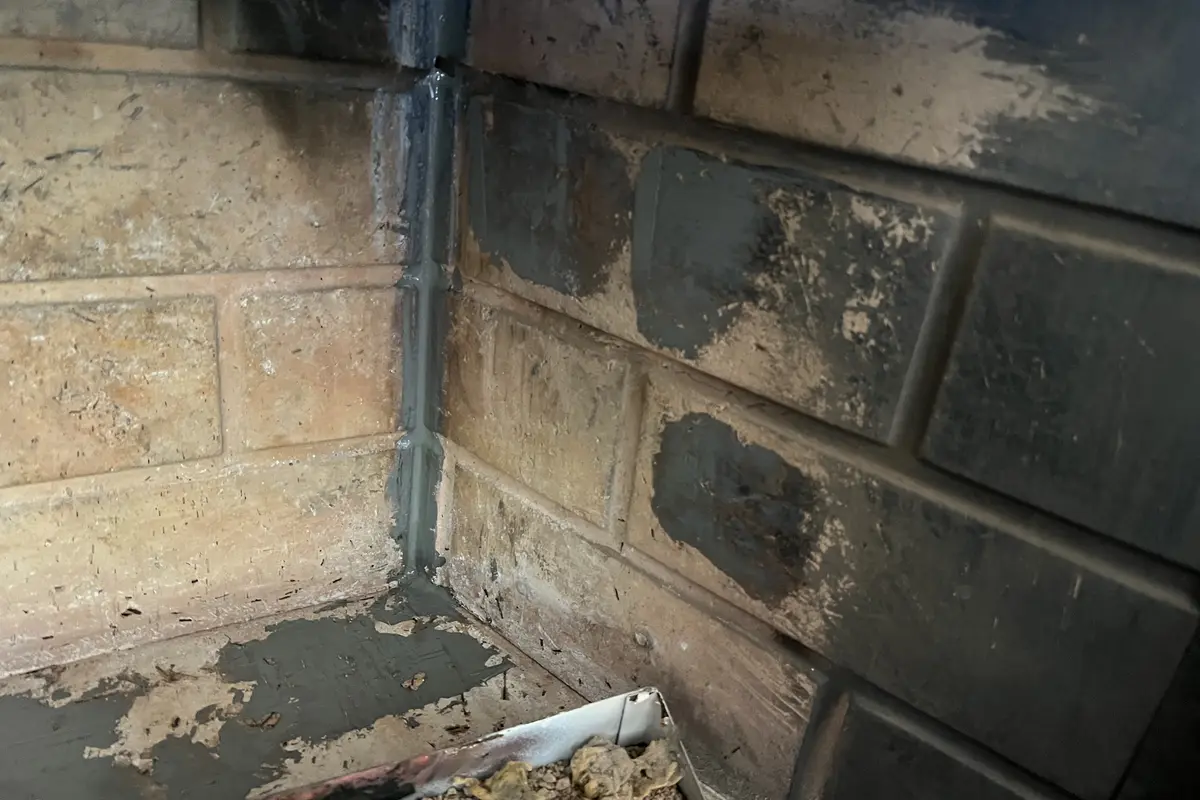
Stage 2: Crunchy, flaky deposits that look like thick black cornflakes or tar chips. The texture is rough and the deposits are noticeably thicker - often 1/8 to 1/4 inch. Harder to remove, this stage requires more aggressive brushing and sometimes specialized rotary cleaning tools. Stage 2 indicates conditions that promote buildup - burning unseasoned wood, running low-temperature fires, or having a draft problem. The fix is to address the cause (better wood, hotter fires, improved draft) alongside a thorough cleaning.
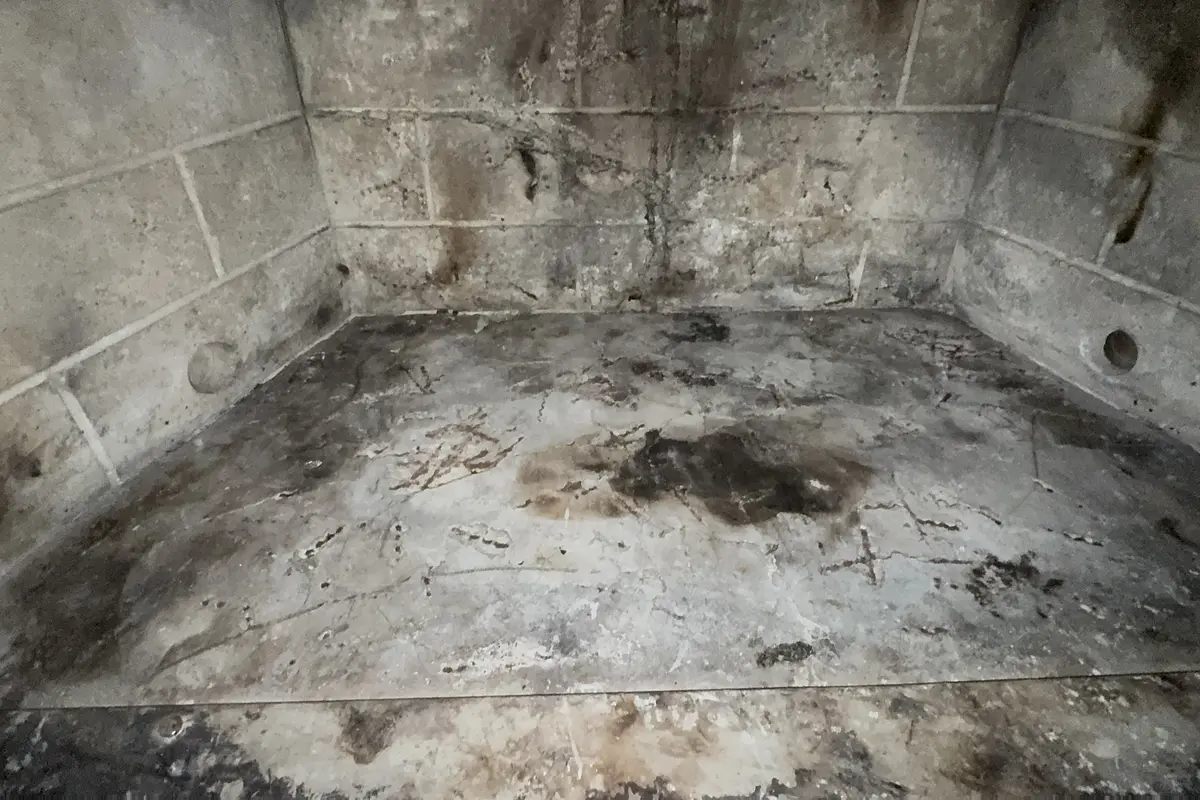
Stage 3: Glazed, tar-like coating that is smooth, shiny, and extremely hard. This is the dangerous stage. It looks like thick, dark lacquer or hardened tar coating the inside of the flue. Glazed creosote is nearly impossible to remove with standard brushing - it requires chemical treatment (creosote removers applied over multiple applications) or professional remediation that may involve replacing the flue liner entirely. Stage 3 creosote ignites at approximately 451F. For reference, a normal fireplace fire produces flue temperatures of 300-600F, meaning Stage 3 deposits are regularly exposed to temperatures near their ignition point. Once ignited, chimney fires burn at 2,000F+ and can crack flue liners, warp metal components, and allow fire to reach the home's wood framing.
How to Visually Identify Each Stage
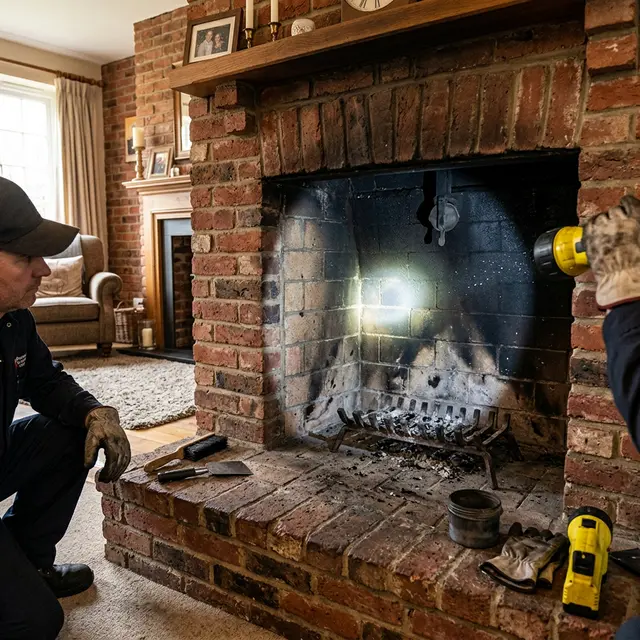
You can do a basic check yourself before lighting your first fire of the season. Open the damper, use a bright flashlight, and look up into the flue. Stage 1 appears as a light dusty coating - think of it like fine ash clinging to the walls. Stage 2 looks like bumpy, rough black patches that resemble burned cornflakes or bark chips stuck to the surface. Stage 3 has a distinctive glossy, wet-looking appearance even though it is solid - like someone painted the inside of the flue with thick black enamel. If you see anything beyond light Stage 1 deposits, do not use the fireplace until after a professional cleaning.
Another indicator of creosote problems is smell. During warm, humid Austin summers, accumulated creosote can produce a strong, acrid odor that enters your living space through the fireplace opening, especially when the damper is closed. If your fireplace smells like tar or asphalt on hot days, that is creosote off-gassing. This is a sign you have significant buildup that needs attention before the next burning season.
Chimney Fire Warning Signs
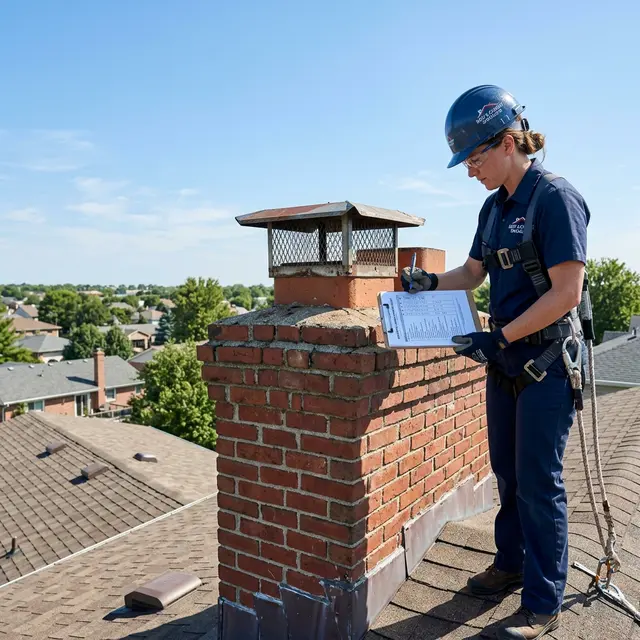
A chimney fire can be dramatic or subtle. The obvious signs include a loud roaring or rumbling sound from the chimney, dense black smoke pouring from the top, and visible flames at the chimney opening. But many chimney fires are slow-burning events that go unnoticed. Signs of a past chimney fire include: cracked or collapsed flue tiles visible from above or below, warped or discolored metal components, creosote flakes on the roof or ground near the chimney base, and exterior masonry that is warm to the touch during or after a fire. If you suspect a chimney fire has occurred - even a small one - stop using the fireplace immediately and schedule a Level 2 inspection with camera examination of the entire flue.
Is Your Chimney Safe for This Season?
A 21-point chimney inspection catches problems before they become dangerous. Book before the first fire.
Call (512) 601-4451Rate your home's indoor air quality in 2 minutes
Prevention
Burn only seasoned (dried 6-12 months) hardwood. Oak, pecan, and mesquite are excellent choices that are readily available in the Austin area. Avoid burning pine, cedar, or any softwood as your primary fuel - they contain more resin and produce significantly more creosote per fire. Maintain hot, active fires rather than smoldering ones. A fire that burns hot and clean produces less creosote than a low, smoky fire. Ensure adequate draft by opening the damper fully during use. Have the chimney swept annually to remove Stage 1 and 2 deposits before they progress to Stage 3.
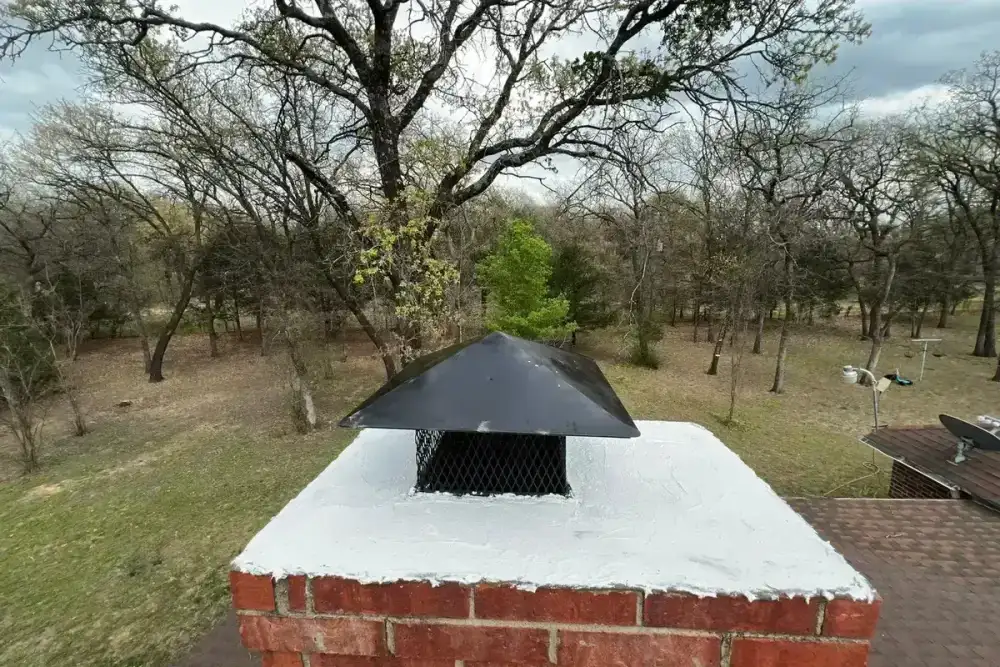
Install a chimney cap to prevent rain from mixing with creosote (wet creosote is harder to remove and accelerates corrosion of metal flue components). Never burn treated lumber, painted wood, or cardboard - these produce toxic compounds and accelerate creosote formation. Finally, let your fire burn down completely before closing the damper. Shutting the damper on a smoldering fire traps smoke in the flue, dropping the temperature and creating ideal conditions for creosote condensation.
Finding Professional Chimney Sweeps and Chimney Cleaners in Austin
Creosote removal requires professional chimney sweeps with the right tools - rotary brushes, chemical dry-log treatments for Stage 2 deposits, and rotary power sweeping systems for Stage 3. A clean chimney sweep by a qualified professional removes Stage 1 and early Stage 2 deposits in a single annual service. Stage 3 deposits require chemical pre-treatment to soften the glaze before mechanical removal, and some cases require multiple visits. Austin chimney cleaners who follow CSIA standards will assess creosote stage during inspection and quote the appropriate cleaning level before starting.
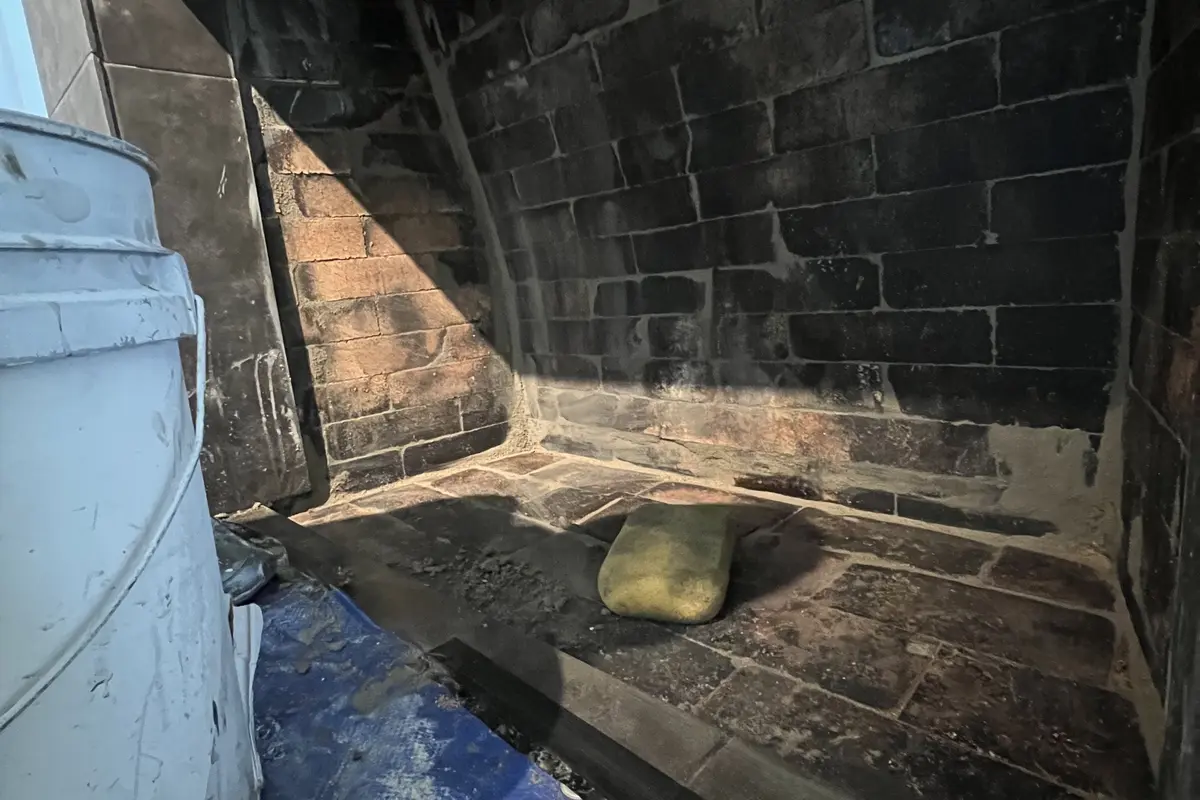
When searching for professional chimney sweeps or chimney cleaners near me after discovering creosote concerns, verify these three things: the company uses commercial HEPA vacuum equipment (not a shop vac) to contain soot and debris inside the firebox, they provide a written report documenting creosote stage and recommended action, and they carry CSIA certification or follow CSIA standards for inspection and cleaning. A legitimate chimney cleaning service takes 45-90 minutes per flue and leaves your firebox and surrounding areas clean of soot.
Air Central's chimney sweep services in Austin cover all three creosote stages. Standard annual cleaning for Stage 1 and 2 keeps most Austin fireplaces in safe condition. Stage 3 cases receive the additional chemical treatment and extended cleaning time required to safely reduce glazed deposits. Our 21-point chimney inspection service is included with every sweep, so you get a complete picture of your chimney's condition along with the cleaning. Call us before the burning season - Austin chimney sweeps are typically busiest from August through October when everyone is preparing for fall and winter use.
Related Services
Learn more about our professional services related to this topic:
- Chimney Sweep & Repair - Professional cleaning and 21-point safety inspection for your fireplace.
Want the full picture?
Read our complete guide: Chimney Sweep and Fireplace Safety: Austin Guide (2026) →Have questions about chimney & fireplace? Our team is available 7 days a week. Call us at (512) 601-4451 or visit our contact page.