Most Austin homes are built on slab foundations, but pier-and-beam homes in older neighborhoods like Bouldin Creek, Travis Heights, Old West Austin, and Hyde Park have crawl spaces that lose significant energy through uninsulated floors. Spray foam and rigid foam board are the best options for Austin crawl spaces because they resist moisture, while fiberglass batts sag and fail in humid conditions. Expect to pay $1-$3 per square foot installed depending on material and crawl space accessibility. Call (512) 601-4451 for attic insulation services or a referral to a crawl space specialist.
Do Austin Homes Have Crawl Spaces?
The vast majority of homes in the Austin metro area sit on concrete slab foundations. Post-1970s construction in neighborhoods like Mueller, Circle C, Avery Ranch, and most of Round Rock and Cedar Park used slab-on-grade almost exclusively. If your home was built in a modern subdivision, you almost certainly do not have a crawl space.
However, Austin's older neighborhoods tell a different story. Homes built before 1960 in Bouldin Creek, Travis Heights, Old West Austin, Hyde Park, Clarksville, and parts of East Austin commonly sit on pier-and-beam foundations with crawl spaces underneath. These homes have a raised floor supported by concrete piers and wooden beams, with an open space (typically 18 to 36 inches) between the ground and the floor joists.
Some homes in the Hill Country west of Austin also have partial crawl spaces where the terrain slopes and a full slab was not practical. These are common in Dripping Springs, Bee Cave, and Lakeway where builders adapted to limestone hillsides.
If you are not sure whether your home has a crawl space, look at the exterior foundation. If you can see vents near ground level or if there is a small access door on the exterior or in a closet, you likely have a crawl space. Slab homes sit directly on the ground with no visible gap.
Types of Crawl Space Insulation
Three insulation materials are commonly used in crawl spaces: fiberglass batts, rigid foam board, and spray foam. Each has different strengths and weaknesses, but moisture resistance is the deciding factor in Austin's humid climate.
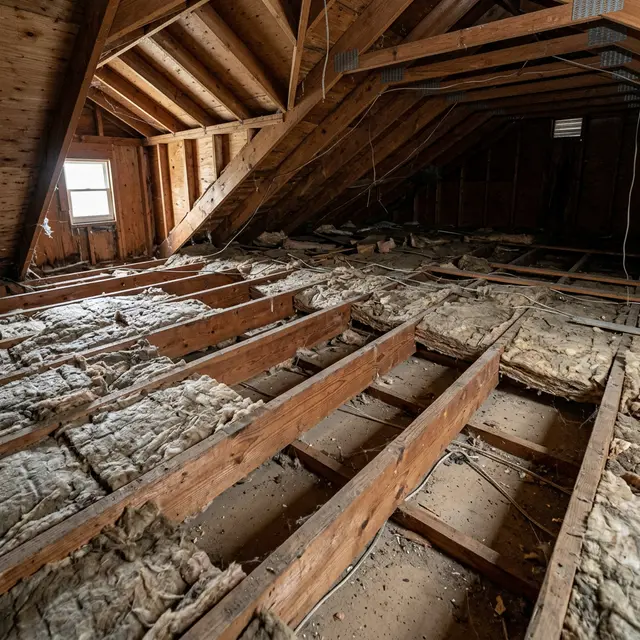
Fiberglass batts are the cheapest option ($0.50-$1.00 per square foot for material) and the one you will find in most older Austin pier-and-beam homes. They are installed between floor joists with the paper vapor barrier facing up toward the living space. The problem is that fiberglass absorbs moisture, sags under its own weight over time, and eventually falls out of the joist bays entirely. If you have ever looked under an old Austin pier-and-beam home and seen pink insulation hanging down like curtains, that is failed fiberglass batt insulation.
Rigid foam board (XPS or polyiso) costs $1.00-$2.00 per square foot installed and provides R-5 to R-6.5 per inch. It does not absorb moisture, does not sag, and acts as its own vapor barrier. Rigid foam is typically attached directly to the crawl space walls (in an encapsulated crawl space) rather than between floor joists. It is a durable, long-lasting solution that works well in Austin's humidity.
Closed-cell spray foam is the premium option at $1.50-$3.00 per square foot installed, delivering R-6 to R-7 per inch. It seals air leaks, acts as a vapor barrier, and bonds directly to whatever surface it is applied to. Spray foam can be applied to the underside of the floor (between joists) or to crawl space walls. It is the most effective option but also the most expensive.
R-Values and How Much Insulation You Need
The International Energy Conservation Code recommends R-19 to R-30 for floors over unconditioned crawl spaces in Austin's climate zone (Zone 2). Most pier-and-beam homes in Austin have R-0 to R-11 in the crawl space, meaning they are significantly under-insulated.
If you insulate the crawl space walls instead of the floor (the preferred method for encapsulated crawl spaces), the minimum recommendation is R-10 continuous insulation on the walls. This approach treats the crawl space as part of the conditioned envelope and is more effective than insulating between floor joists.
For spray foam applied to the underside of the floor, 3 inches of closed-cell foam provides approximately R-19. For rigid foam board on crawl space walls, two inches of XPS provides R-10. Either approach meets code minimums, but more insulation always provides better performance in Austin's extreme heat.
Moisture Barriers and Encapsulation
Moisture is the biggest enemy of crawl space insulation in Central Texas. Austin's average relative humidity hovers around 67%, and the ground under a crawl space constantly releases moisture vapor upward. Without a moisture barrier, that vapor condenses on cooler surfaces, promotes wood rot in floor joists, and destroys fiberglass insulation.
A basic moisture barrier is a 6-mil or thicker polyethylene sheet laid over the ground surface. This alone reduces ground moisture by 80-90% and is the minimum any crawl space should have. Many older Austin homes have no ground cover at all, which accelerates wood decay and creates conditions for pest infestations.
Full encapsulation goes further: the ground is sealed with a heavy vapor barrier (12-20 mil), the crawl space vents are closed, and the walls are insulated with rigid foam or spray foam. A dehumidifier or supply air duct conditions the space. Encapsulated crawl spaces stay dry, maintain consistent temperatures, and dramatically reduce energy loss through the floor. This is the gold standard for pier-and-beam homes, though it costs $5,000-$15,000 depending on crawl space size and condition.
At minimum, every crawl space in Austin should have a ground vapor barrier. If your crawl space has bare dirt, that is the first upgrade to make before worrying about insulation type or R-value.
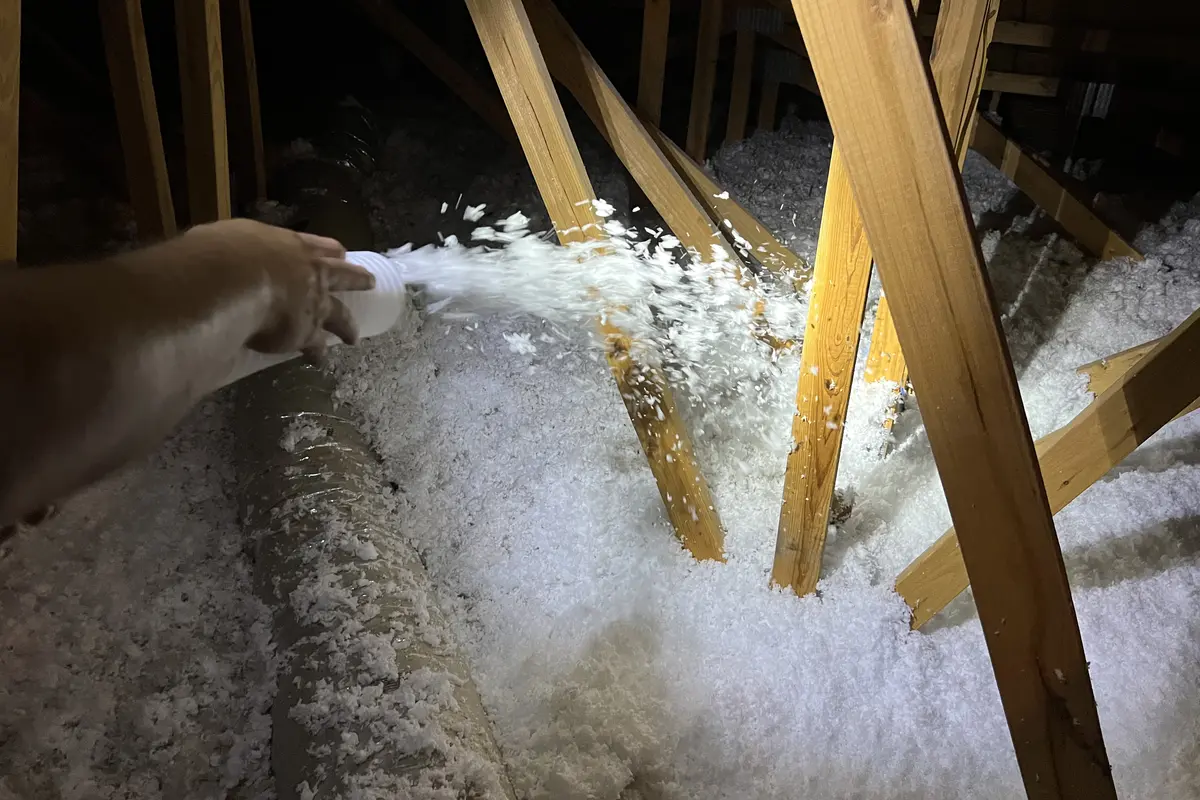
Wondering About Your Insulation Level?
We measure your current R-value and show you exactly where you stand. Professional attic assessments available.
Call (512) 601-4451Estimate how much you could save on energy bills
Common Crawl Space Insulation Problems in Austin
Sagging fiberglass batts are the most common problem. Gravity and moisture cause batts to pull away from floor joists within 5-10 years. Once they sag, they lose contact with the floor surface and provide almost no insulating value. You will find this in the majority of Austin pier-and-beam homes that have not been re-insulated in the last decade.
Pest damage is another frequent issue. Rats, mice, possums, and raccoons use crawl spaces for shelter and tear apart fiberglass insulation for nesting material. If you see shredded insulation under your home, animals have been or are currently living there. The insulation needs to be removed and replaced after pest exclusion work.
Standing water after heavy rains indicates a drainage problem that must be solved before any insulation work. If water pools in your crawl space during Austin's spring thunderstorms, grading corrections or a sump pump may be needed first. Installing insulation over a water problem is a waste of money.
Disconnected or deteriorated ductwork in the crawl space is another concern. Some older Austin homes have HVAC ducts running through the crawl space. If those ducts are leaking, you are cooling or heating the ground under your house instead of the rooms above. Duct sealing should happen alongside any crawl space insulation project.
Crawl Space Insulation Cost Breakdown
For a typical Austin pier-and-beam home with a 1,200 to 1,500 square foot crawl space, here is what to expect for installed costs.
Fiberglass batt replacement (floor joists): $1.00-$1.50 per square foot, or $1,200-$2,250 total. This is the budget option but will eventually sag again, especially in unconditioned crawl spaces with no vapor barrier.
Rigid foam board on crawl space walls (with encapsulation): $2.00-$3.00 per square foot for the foam plus $3,000-$5,000 for full encapsulation including vapor barrier, vent sealing, and dehumidifier. Total project cost: $5,000-$10,000.
Closed-cell spray foam on floor joists: $1.50-$3.00 per square foot, or $1,800-$4,500 total. This is the best option for insulating the floor itself without full encapsulation.
Ground vapor barrier alone (6-mil poly): $0.50-$1.00 per square foot installed, or $600-$1,500 for a typical crawl space. This is the essential first step regardless of which insulation approach you choose.
Air Central specializes in attic insulation for Austin homes. For crawl space insulation projects, we can refer you to trusted local specialists who focus on below-grade work. Call (512) 601-4451 for attic insulation service or a crawl space referral.
Best Insulation for Crawl Space with Dirt Floor
The best insulation for a crawl space with a dirt floor is rigid foam board (XPS or polyiso) installed on the crawl space walls after a proper vapor barrier covers the dirt - never fiberglass batts. A dirt floor continuously releases moisture vapor into the crawl space, and that moisture destroys fiberglass insulation within a few years. Fiberglass batts absorb water, sag out of joist bays, lose their R-value, and become a breeding ground for biological growth. If you look under an older Austin pier-and-beam home with a dirt-floor crawl space, you will almost always find fiberglass hanging down in soggy curtains - completely useless as insulation.
Before installing any insulation in a dirt-floor crawl space, the ground must be sealed with a vapor barrier. A 6-mil polyethylene sheet is the code minimum, but 20-mil reinforced polyethylene is significantly better - it resists tears from crawling over it during future inspections and maintenance, and it provides a more durable moisture seal. Overlap all seams by 12 inches and tape them with polyethylene tape. Run the barrier 6 inches up the foundation walls and attach it with adhesive or mechanical fasteners. This single step reduces ground moisture entering the crawl space by 80 to 90 percent and is the most important part of any dirt-floor crawl space project.
Once the vapor barrier is in place, rigid foam board (2-inch XPS provides R-10, 2-inch polyiso provides R-13) is installed against the crawl space walls from the top of the foundation down to the vapor barrier overlap. The foam is adhered with construction adhesive and mechanically fastened. This wall insulation approach treats the crawl space as a semi-conditioned space, which is more effective than trying to insulate the underside of the floor above. The crawl space stays warmer in winter and cooler in summer, which protects plumbing from freezing and reduces the temperature difference between the floor and the living space.
Austin's pier-and-beam homes in neighborhoods like Bouldin Creek, Travis Heights, Clarksville, and Old West Austin are the most common candidates for this type of crawl space upgrade. Full encapsulation - which combines the vapor barrier, wall insulation, sealed vents, and a dehumidifier - is the gold standard and transforms a damp, energy-wasting crawl space into a clean, dry, conditioned space. While Air Central focuses on attic insulation services, we work with trusted crawl space specialists in the Austin area and can provide referrals. Call (512) 601-4451 to discuss your home's insulation needs.
Related Services
Learn more about our professional services related to this topic:
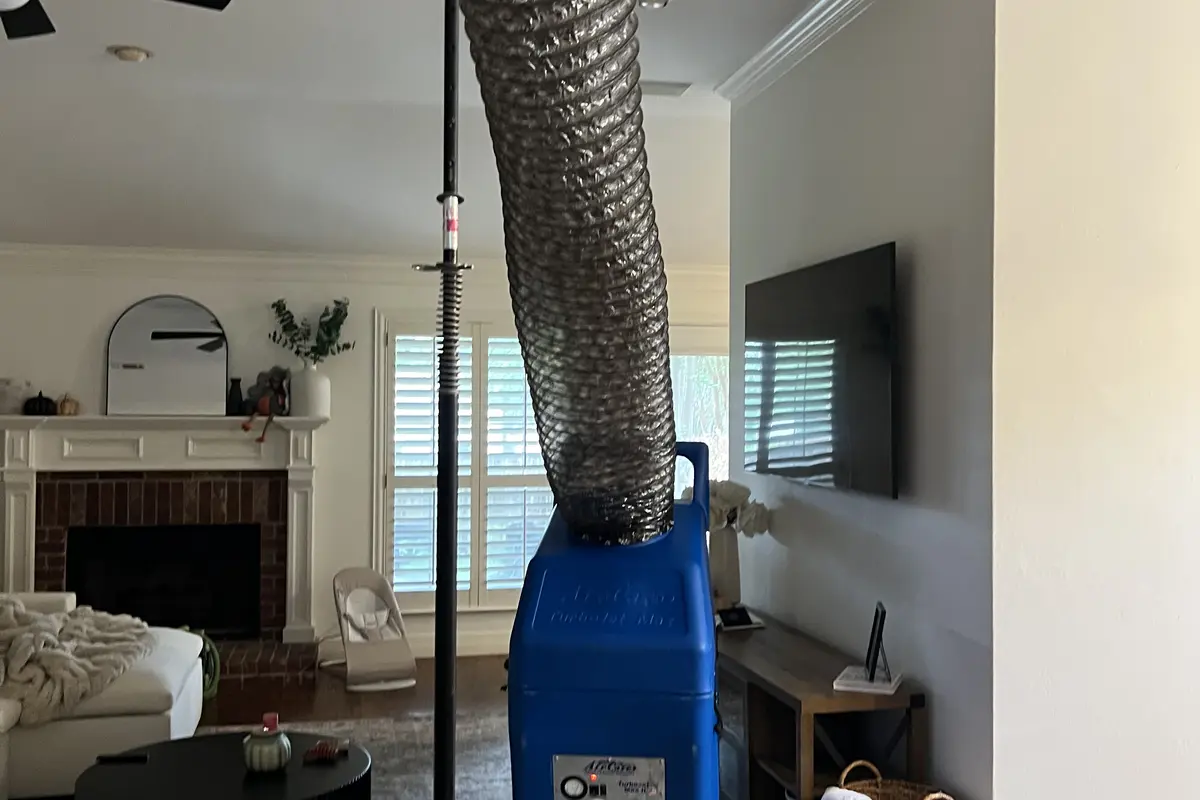
- Attic Insulation - Premium blown-in insulation to cut energy costs and improve year-round comfort.
- Solar Fan Installation - Solar-powered attic ventilation that cuts cooling costs naturally.
Want the full picture?
Read our complete guide: Attic Insulation for Austin Homes: The Complete Guide (2026) →Have questions about attic & insulation? Our team is available 7 days a week. Call us at (512) 601-4451 or visit our contact page.