Indoor air in Austin homes is typically 2-5 times more polluted than outdoor air due to cedar pollen, pet dander, dust mites, and VOCs from building materials. The most effective improvements are professional duct cleaning, upgrading to MERV 11+ filters, controlling humidity between 30-50%, and installing UV-C germicidal lights in your HVAC system.
Why Indoor Air Quality Matters More in Austin
I have been cleaning air ducts in Austin since 2014, and one thing I tell every homeowner is this: the air inside your home is almost certainly worse than the air outside. The EPA estimates indoor air is 2-5 times more polluted than outdoor air. In Austin, with our unique combination of allergens and climate, that number can be significantly higher.
Austin consistently ranks in the top 10 worst cities in the United States for allergies. Cedar pollen from December through March, oak pollen in spring, ragweed in fall, and grass pollen nearly year-round means your HVAC system filters and recirculates allergens for most of the year. When you close your windows to escape 105-degree summer heat or cedar season misery, you are sealing those pollutants inside.
The city's rapid growth compounds the problem. Construction dust from new developments in areas like Mueller, East Austin, Pflugerville, and Cedar Park sends fine particulate into the air that enters homes through HVAC intakes, open doors, and cracks in the building envelope. Even homes several miles from active construction accumulate this dust over time.
Here is what most people do not realize: your HVAC system does not just heat and cool air. It is the single largest air quality system in your home. Every cubic foot of air passes through your ductwork multiple times per day. If that system is dirty or inadequately filtered, it actively distributes pollutants rather than removing them.
"The number one thing I wish Austin homeowners understood is that your HVAC system is either cleaning your air or contaminating it - there is no neutral," says Nessi Ziv, owner of Air Central. "We have inspected over 10,000 systems in this market, and roughly 7 out of 10 homes have ductwork that is actively making their air quality worse."
Common Indoor Air Pollutants in Austin Homes
Cedar pollen is Austin's most notorious allergen. Mountain cedar (Ashe juniper) releases pollen from December through early March, and pollen counts regularly exceed 20,000 grains per cubic meter during peak weeks. This pollen is microscopic and enters homes through every gap and opening. Once inside your ductwork, it recirculates with every heating and cooling cycle. Homeowners who suffer from cedar fever often find their worst symptoms happen indoors because the pollen concentrates in enclosed spaces.
Dust mites thrive in Austin's humidity. These microscopic organisms live in bedding, upholstered furniture, and carpet, but their waste particles become airborne and enter your HVAC system. Austin's average humidity levels, particularly from April through October, create ideal breeding conditions. A single mattress can harbor millions of dust mites, and their allergenic waste particles are small enough to stay suspended in air for hours.
Pet dander is another major contributor. Over 60% of Austin households have at least one pet. Pet dander particles are extremely small - about 2.5 microns - and can remain airborne for hours. They accumulate in ductwork, on evaporator coils, and in filter media. Standard fiberglass filters (MERV 1-4) do virtually nothing to capture pet dander.
Volatile organic compounds (VOCs) come from paint, cleaning products, new furniture, carpet adhesives, and building materials. Austin's new construction boom means many homes are off-gassing from recently installed materials. VOCs like formaldehyde, benzene, and toluene can cause headaches, dizziness, and respiratory irritation. In tightly sealed newer homes with efficient insulation, these chemicals have fewer ways to escape.
Construction dust from Austin's ongoing development is a silent problem. Fine silica particles from concrete, drywall dust, and other construction materials travel farther than most people expect. Homes near I-35 corridor construction, Domain developments, and suburban expansion areas accumulate this dust in their HVAC systems even with windows closed.
How Your HVAC System Affects Air Quality
Your HVAC system processes between 1,000 and 2,000 cubic feet of air per minute when running. In a typical 2,000 square foot Austin home, that means the entire volume of air in your house passes through the ductwork roughly 5-7 times per day. Whatever is in those ducts - dust, pollen, pet dander, debris - gets pushed back into your living space with every cycle.
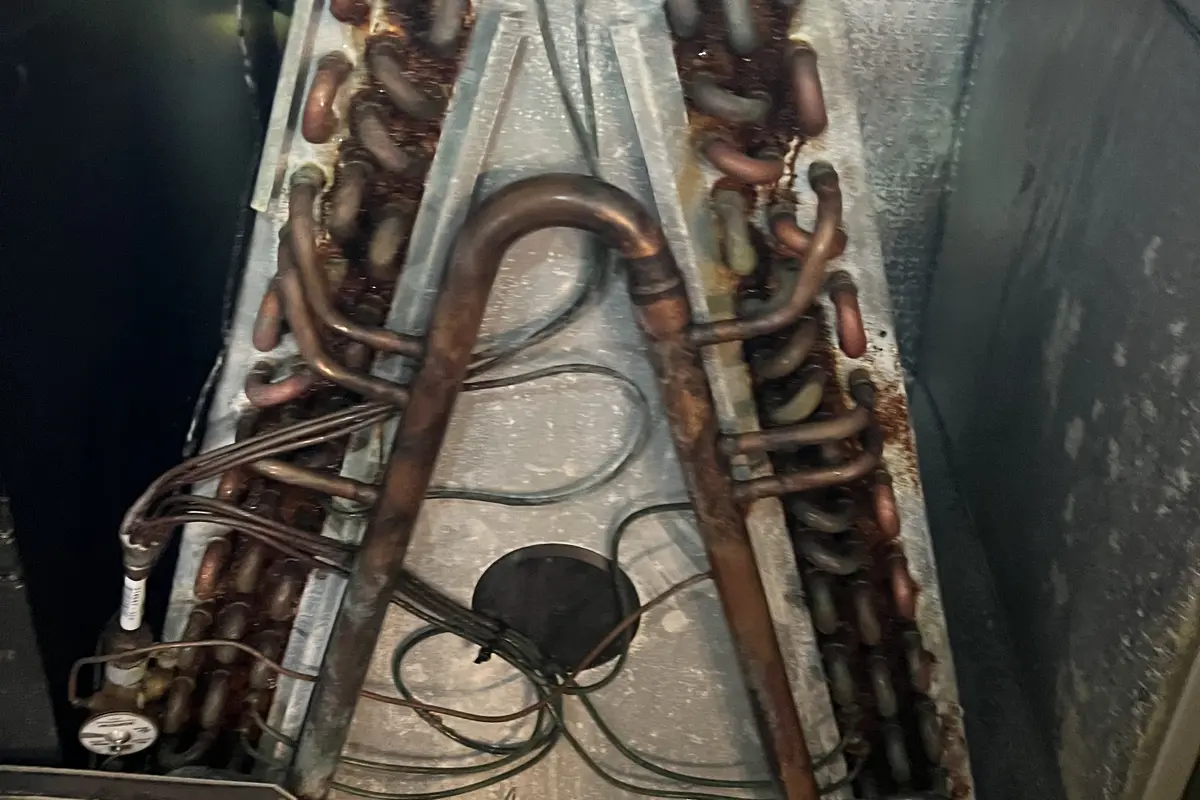
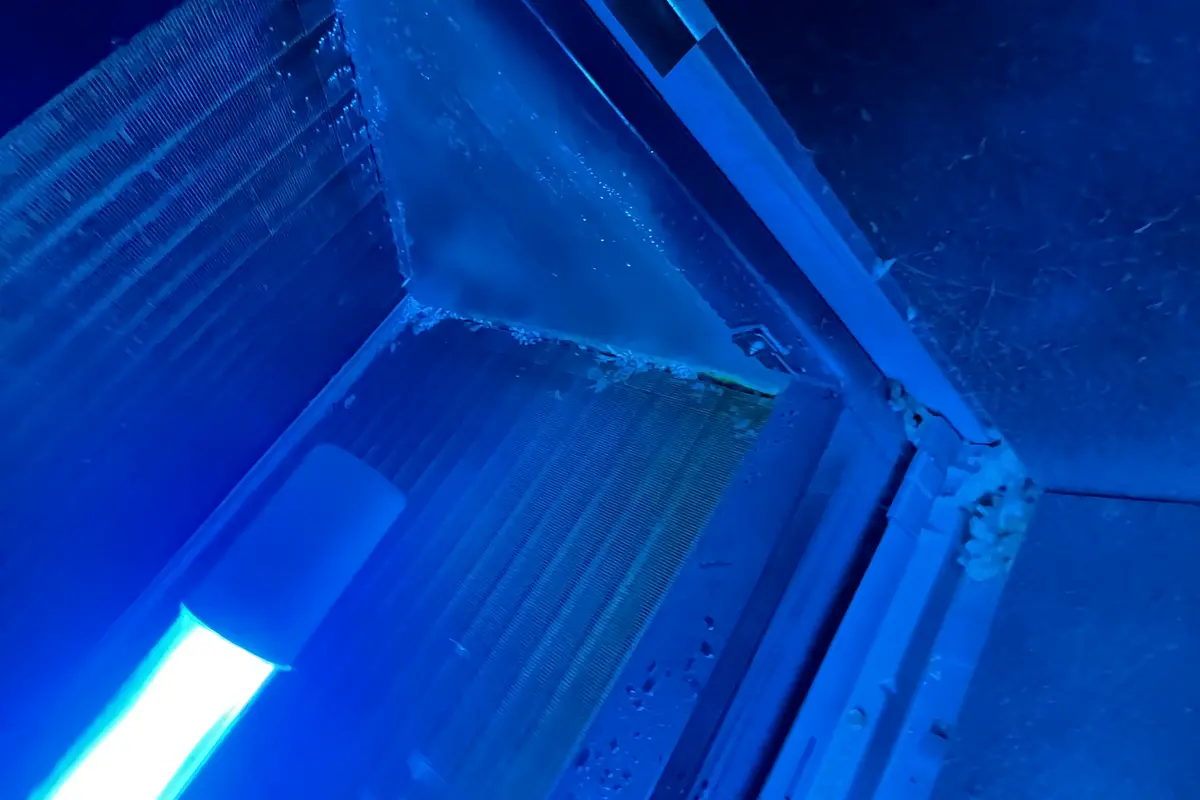
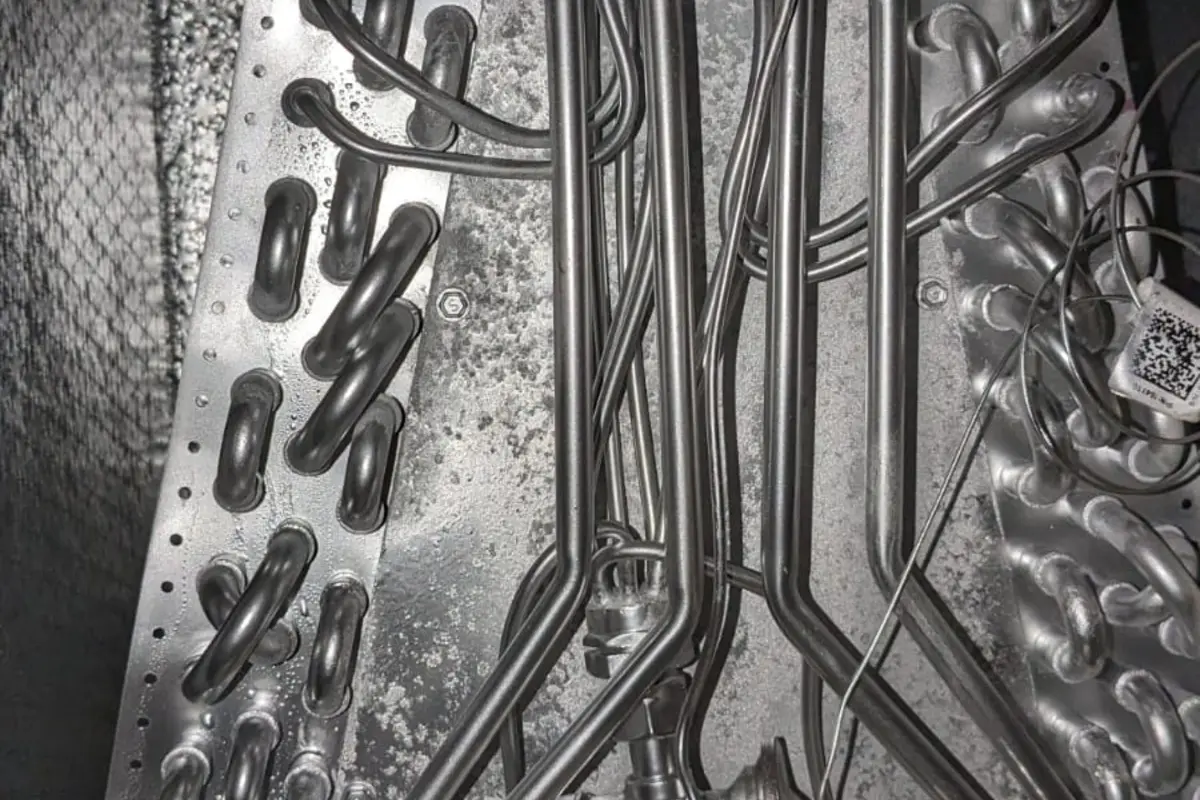
The evaporator coil is a particular trouble spot. This component gets wet during cooling cycles, and in Austin's humid climate, it stays damp for extended periods. Biological growth on wet evaporator coils is one of the most common sources of musty odors from HVAC systems. UV-C light systems installed near the evaporator coil prevent this growth entirely.
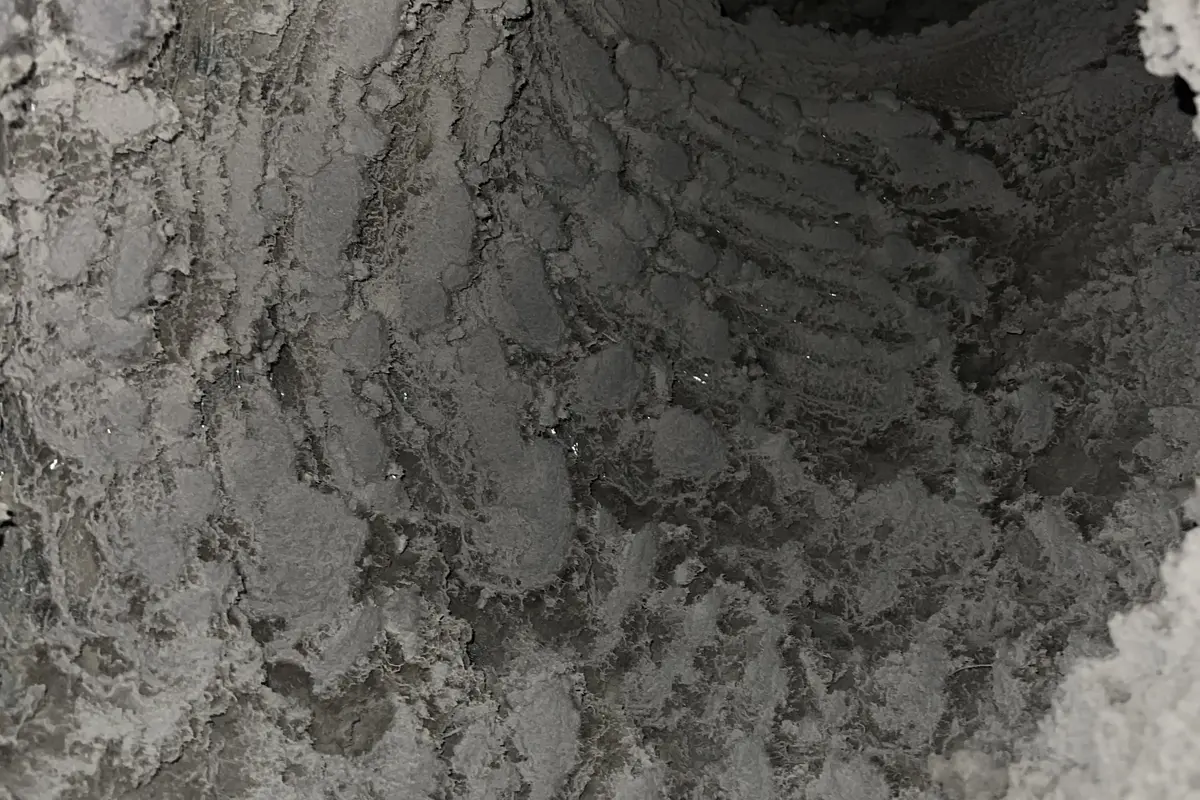
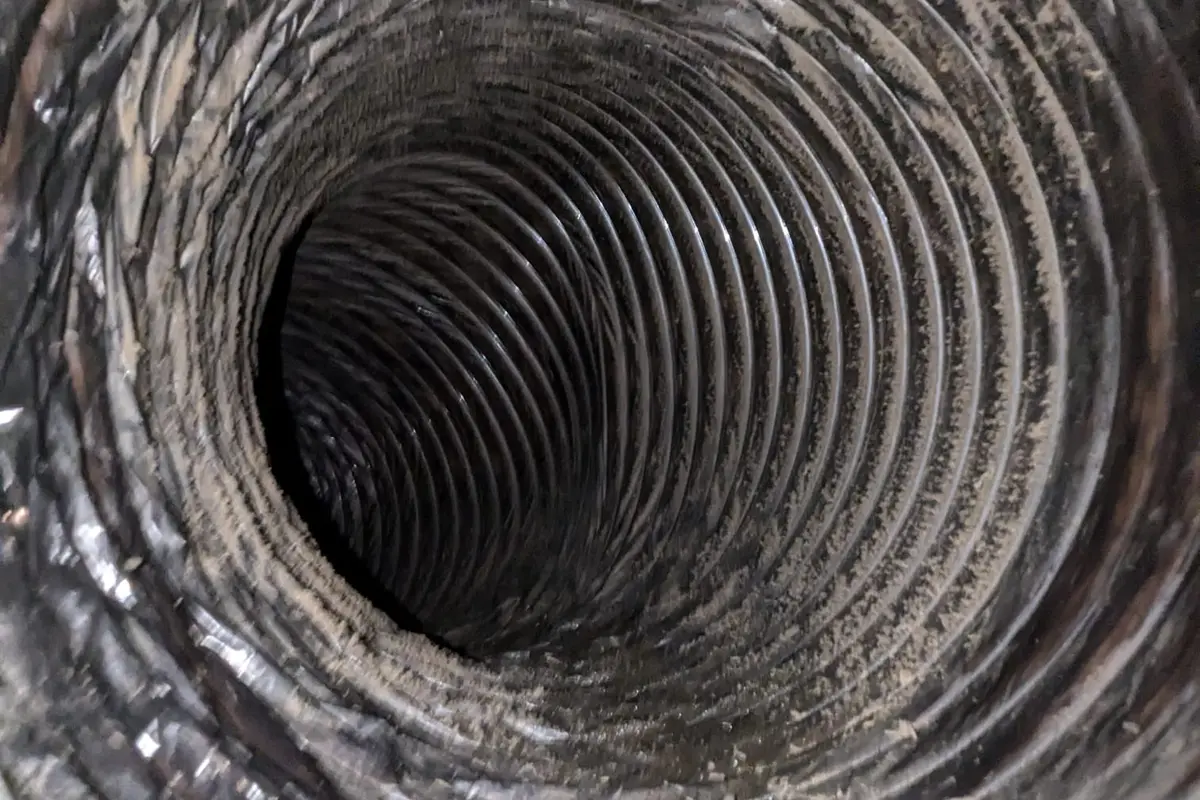
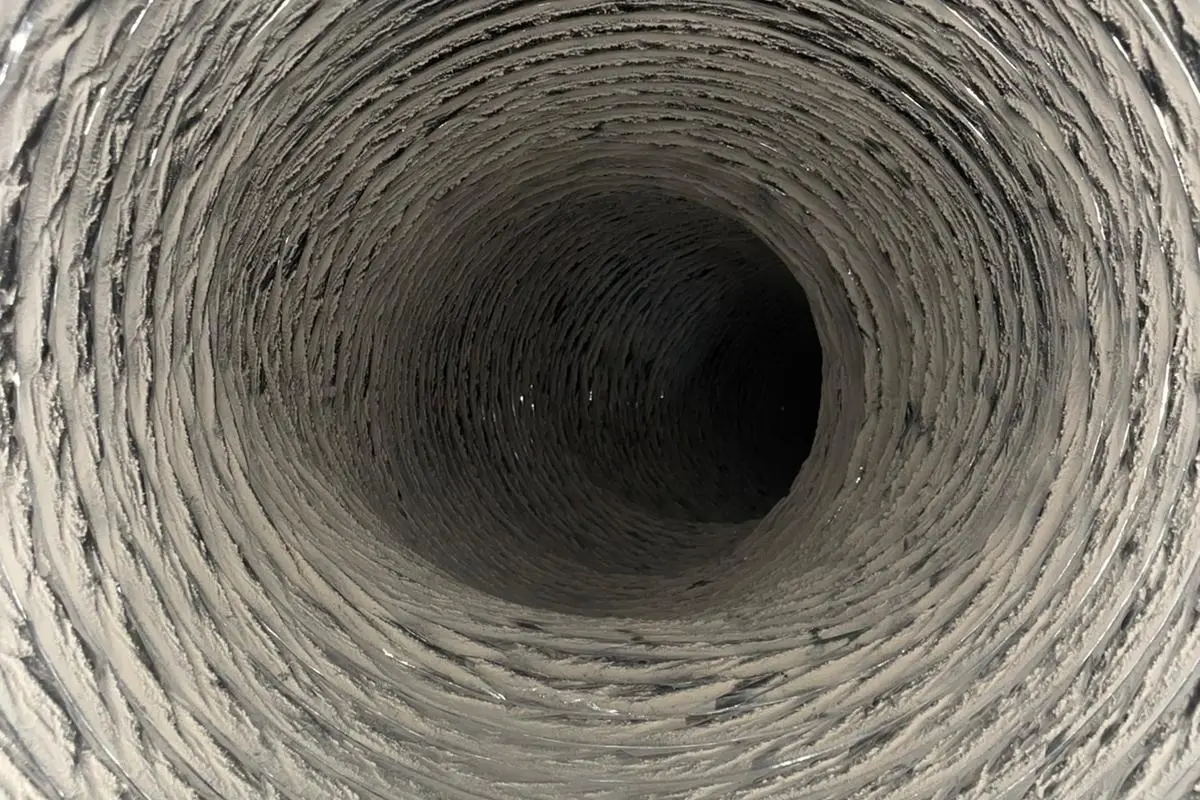
Ductwork itself accumulates contaminants over time. We routinely pull pounds of debris from Austin homes during duct cleaning - cedar pollen, pet hair, dust, insulation fibers, and construction debris. In homes that have never had ducts cleaned, this buildup can be significant enough to reduce airflow by 20-40%, forcing the system to work harder while delivering dirtier air.
The air filter is your first line of defense, but most Austin homeowners are using the wrong filter or changing it too infrequently. A standard 1-inch fiberglass filter captures less than 20% of airborne particles. Upgrading to a MERV 11 or MERV 13 filter captures 85-95% of particles in the 1-3 micron range, which includes most allergens and fine dust. However, higher-rated filters restrict airflow more, so your system needs to be able to handle the increased resistance.
MERV Ratings Explained: Which Filter Does Your Austin Home Need
MERV stands for Minimum Efficiency Reporting Value, and it measures how effectively a filter captures particles of specific sizes. The scale runs from 1 to 20, with higher numbers capturing smaller particles. For residential use in Austin, the sweet spot is MERV 11 to MERV 13.
MERV 1-4 (basic fiberglass): These are the cheap blue or white filters you find at hardware stores for a few dollars. They capture large particles like lint and carpet fibers but do almost nothing for allergens, pollen, or pet dander. If you are using these in an Austin home, you are essentially running no filtration for the contaminants that matter most.
MERV 8 (pleated): A significant step up. These capture dust mite debris, some pollen, and larger pet dander particles. Adequate for homes without pets or allergy concerns, but not sufficient for Austin's heavy allergen load. Most builder-installed filters are MERV 8.
MERV 11 (high-efficiency pleated): My recommended minimum for Austin homes. Captures 85% of particles between 1-3 microns, including most pollen, pet dander, and fine dust. Does not significantly restrict airflow in most residential systems. This is the best balance of filtration and system performance.
MERV 13 (premium pleated): Captures 90%+ of particles down to 0.3 microns, including bacteria and some viruses. Excellent for households with severe allergies, asthma, or immunocompromised members. However, these filters create more airflow resistance. Verify your system can handle MERV 13 before installing - some older or undersized systems may struggle.
MERV 16-20 (HEPA and hospital-grade): These are not designed for residential HVAC systems. They restrict airflow too much for standard ductwork and blower motors. If you need HEPA-level filtration, standalone room air purifiers are a better solution than forcing HEPA filters into your central system.
Regardless of MERV rating, change your filter every 60-90 days in Austin. During cedar season (December-March) and peak pollen months, check monthly. A clogged filter provides no filtration and forces your system to work harder, increasing energy costs.
UV-C Light Systems: How They Work and Whether You Need One
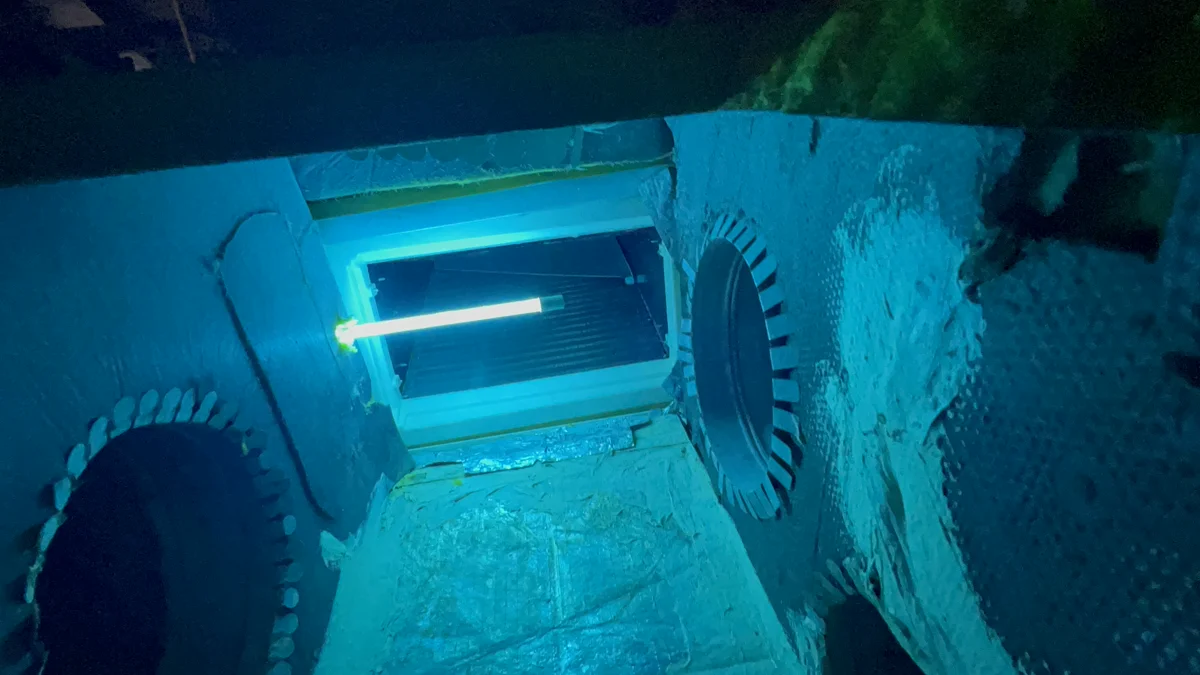
UV-C germicidal lights installed inside your HVAC system use short-wavelength ultraviolet light to destroy microorganisms. The same technology has been used in hospitals and water treatment plants for decades. In a residential HVAC system, UV-C lights are typically installed near the evaporator coil or in the return air duct.
The primary benefit in Austin is preventing biological growth on the evaporator coil. Austin's high humidity means coils stay wet for extended periods during cooling season, creating ideal conditions for biological growth. Once established, these organisms produce musty odors and release spores into the airstream. UV-C light prevents this growth entirely without chemicals.
UV-C also neutralizes airborne bacteria, viruses, and allergens as air passes through the system. While no UV system eliminates 100% of pathogens in a single pass, continuous operation means air is treated multiple times per day. Over 24 hours, germicidal UV systems can reduce airborne microorganism levels by 90% or more.
Who benefits most from UV-C systems in Austin: households with recurring musty HVAC odors, homes with allergy or asthma sufferers, households with young children or elderly residents, and anyone who wants an additional layer of air purification beyond filtration alone. The system runs 24/7 with minimal electricity use (about the same as a 60-watt light bulb) and bulbs typically last 12-24 months before replacement.
UV-C lights complement but do not replace duct cleaning and proper filtration. Think of it as a three-layer defense: filters capture particles, duct cleaning removes accumulated debris, and UV-C neutralizes biological threats. Each addresses a different aspect of indoor air quality.
Humidity Control: The Hidden Air Quality Factor
Austin's relative humidity averages 65-75% from April through October. Inside your home, the ideal range is 30-50%. When indoor humidity exceeds 50%, dust mites reproduce faster, biological growth risks increase, and the air feels uncomfortable even at the right temperature. When humidity drops below 30%, which happens during dry winter months, you get dry skin, static electricity, and increased susceptibility to respiratory infections.
Your air conditioning system naturally dehumidifies as it cools. When warm, humid air passes over the cold evaporator coil, moisture condenses and drains away. However, oversized AC systems (a common problem in Texas new construction) cool the air so quickly that they do not run long enough to adequately dehumidify. The result is a home that feels cold and clammy.
If your home consistently feels humid despite running the AC, check your condensate drain first. A clogged drain line prevents moisture removal and can cause water damage. Beyond that, a whole-home dehumidifier integrated with your HVAC system is the most effective solution for Austin's humidity levels.
In winter, when Austin's dry northers bring humidity down to 20-30%, a whole-home humidifier prevents the respiratory and comfort issues associated with dry air. This is less common than humidity problems in Austin, but it matters during December-February when heating systems run frequently and dry out indoor air.
One practical step that costs nothing: run your bathroom exhaust fans for 15-20 minutes after showers and your kitchen range hood while cooking. These are the two biggest sources of excess indoor moisture, and proper ventilation prevents that humidity from spreading through your ductwork to the rest of the house.
Concerned About Your Home's Air?
We provide professional air quality assessments for Austin homes. See what is in your ducts before deciding.
Call (512) 601-4451Rate your home's indoor air quality in 2 minutes
Air Purifiers vs Duct Cleaning: Do You Need Both
Portable air purifiers and professional duct cleaning address different problems, and in Austin's allergen-heavy environment, most households benefit from both.
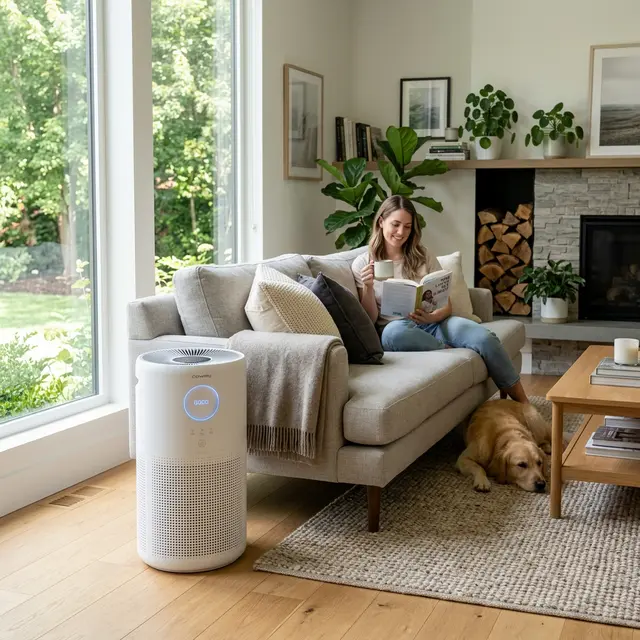
Air purifiers with HEPA filters clean the air in a single room. They are excellent for bedrooms, home offices, and nurseries where you want the highest possible air quality in a specific space. Good units capture 99.97% of particles down to 0.3 microns. However, they only clean the air that passes through them - they do nothing for the contaminants in your ductwork.
Professional duct cleaning removes the source of contamination in your HVAC system. When ducts are full of accumulated pollen, dust, and debris, every heating and cooling cycle pushes those contaminants back into every room in the house. No number of portable air purifiers can keep up with a dirty central system pumping pollutants into every room simultaneously.
My recommendation for Austin homeowners: use a portable HEPA air purifier in bedrooms (especially during cedar season), maintain MERV 11+ filters in your central system, and schedule professional duct cleaning every 3-5 years. This layered approach addresses air quality at every level - the source (ducts), the distribution system (filter), and the point of use (room purifier).
Cedar Fever and Indoor Air Quality
Cedar fever is not actually a fever - it is an intense allergic reaction to Ashe juniper pollen that affects up to 30% of Central Texas residents. Symptoms include severe nasal congestion, sneezing, itchy eyes, fatigue, and sometimes a low-grade temperature from the immune response. Cedar season typically runs from mid-December through early March, with peak counts in January and February.
The pollen is so fine that it penetrates most home defenses. It enters through door gaps, window seals, attic vents, and your HVAC outdoor intake. Once inside your ductwork, it recirculates with every system cycle. This is why many cedar fever sufferers report that their worst symptoms happen at home, particularly at night when the bedroom HVAC vent has been blowing pollen-laden air across their pillow.
What actually helps during cedar season: upgrade to MERV 11 or MERV 13 filters and change them monthly during December-March. Run a portable HEPA air purifier in the bedroom at night. Keep windows and doors closed. Shower before bed to remove pollen from hair and skin. And schedule duct cleaning for late March after the season ends - this removes the accumulated pollen from your ductwork before spring and summer.
We get more calls during cedar season than any other time of year. Homeowners who have never had air quality issues suddenly cannot breathe comfortably in their own homes. Professional duct cleaning after cedar season provides noticeable relief that lasts until the next winter.
Indoor Air Quality for Pet Owners
If you have pets in Austin, your indoor air quality challenges multiply. Pet dander, saliva proteins, and hair accumulate in ductwork, on furniture, and in carpet. Unlike larger dust particles that settle quickly, pet dander stays airborne for hours because the particles are so small (2.5 microns on average).
Standard HVAC filters do very little for pet dander. MERV 8 filters, which come standard in most Austin homes, capture only a fraction of dander particles. Upgrading to MERV 11 or MERV 13 makes a dramatic difference. In homes with multiple pets, I recommend MERV 13 and changing the filter every 60 days rather than 90.
Professional duct cleaning is especially important for pet-owning households. We routinely find significant pet hair accumulation in ductwork - it collects at bends, register connections, and on the blower wheel. One home in the Lakeway area with three dogs had so much pet hair in the ducts that it was restricting airflow by about 25%. The homeowner had been complaining about uneven cooling and higher-than-expected energy bills. The duct cleaning resolved both issues.
Additional steps for pet owners: vacuum with a HEPA-filtered vacuum at least twice a week, wash pet bedding weekly, groom pets regularly to reduce shedding, and keep pets off beds and furniture in bedrooms. These steps reduce the total allergen load that your HVAC system needs to handle.
Consider UV-C light installation if anyone in your household has pet allergies. The UV light neutralizes the proteins in pet dander that trigger allergic reactions, providing an additional layer of protection beyond filtration alone.
Signs Your Home Has Poor Indoor Air Quality
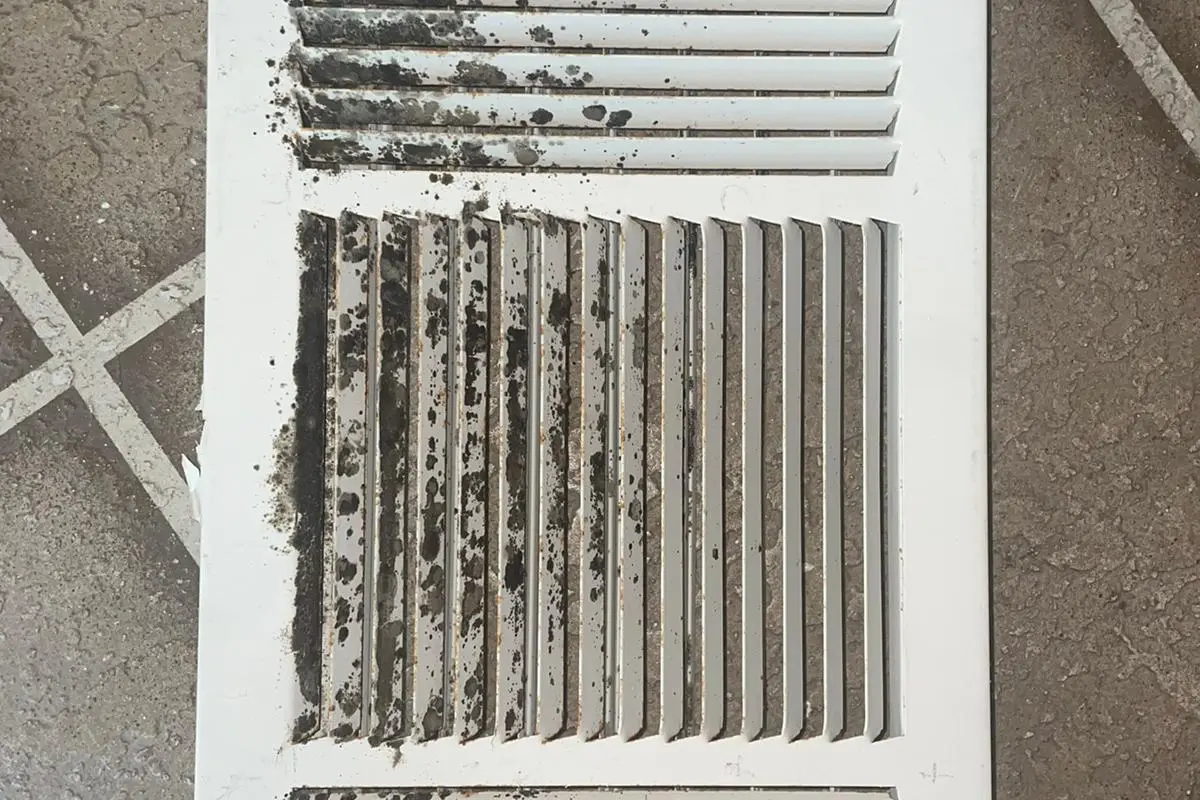
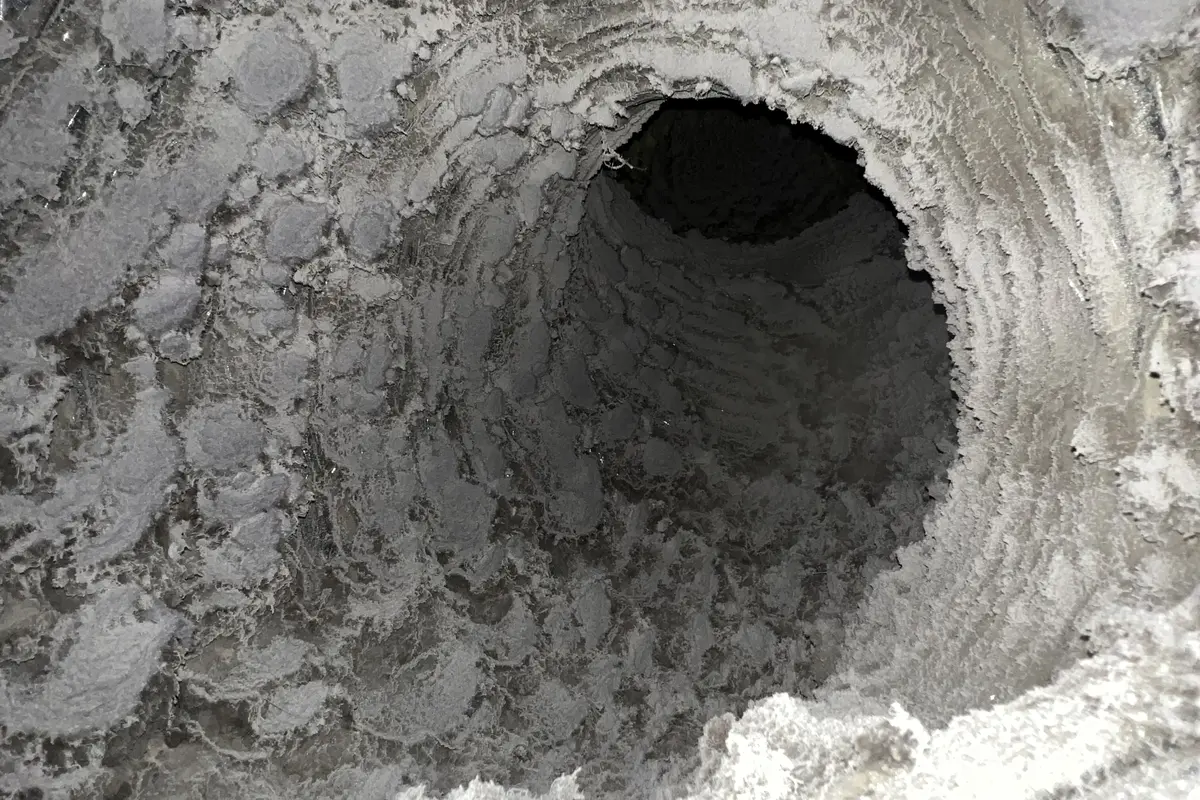
Some air quality problems are obvious. Visible dust blowing from vents when the system starts, musty or stale odors, and excessive dust accumulation on surfaces are all clear indicators that your HVAC system needs attention.
Other signs are more subtle. Persistent headaches, fatigue, or dizziness that improve when you leave the house could indicate elevated VOC levels or inadequate ventilation. Waking up congested despite not having a cold may mean allergens are concentrating in your bedroom overnight. Respiratory symptoms that worsen during certain seasons point to seasonal allergens entering and accumulating in your home.
If multiple household members experience similar symptoms simultaneously, the air quality is almost certainly the issue rather than individual illness. This is particularly common during Austin's cedar season when pollen infiltrates homes and recirculates through dirty ductwork.
A simple test: look at the return air filter after 30 days. If it is heavily discolored or clogged, your home has a high particle load. Next, check your supply vents - run your finger along the inside edge. If you collect visible dust, your ducts likely have significant buildup.
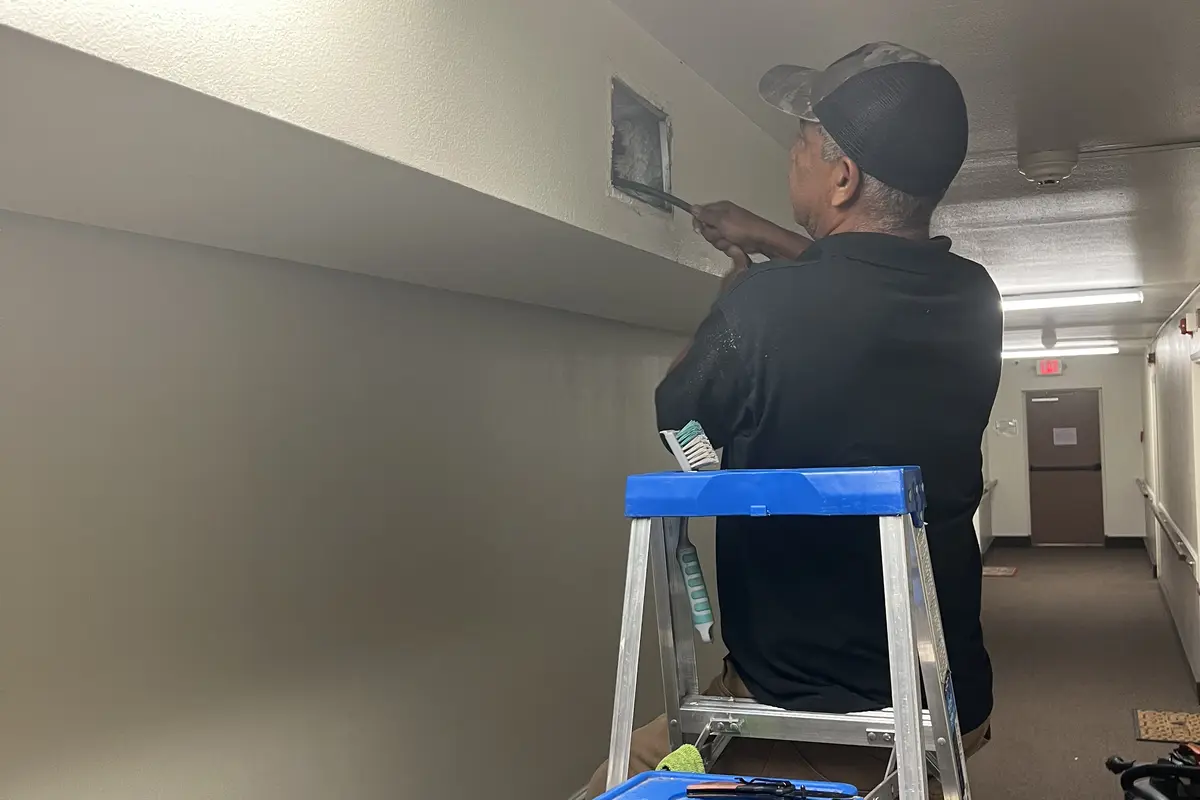
For a definitive assessment, schedule an HD camera duct inspection. We can show you exactly what is inside your ductwork and make specific recommendations based on what we find. The inspection alone takes about 30 minutes, and you decide if cleaning is right for your home.
How to Improve Indoor Air Quality: Step-by-Step
Start with the basics. Replace your HVAC filter with a MERV 11 or MERV 13 rated pleated filter. Set a calendar reminder to check it monthly and replace it every 60-90 days. This single change captures significantly more allergens and dust than a standard filter.
Schedule professional duct cleaning if it has been more than 3-5 years, or if you have never had it done. This removes the accumulated debris that your filter cannot reach - the pollen, dust, and contaminants already inside your ductwork. In Austin, post-cedar-season (late March to April) is the ideal timing.
Control humidity. Keep indoor levels between 30-50%. Use exhaust fans when showering and cooking. If your home stays above 50% despite running the AC, consider a whole-home dehumidifier.
Consider UV-C light installation for ongoing biological control. This is especially valuable in Austin where humidity and long cooling seasons create conditions for biological growth on evaporator coils.
Ventilate when possible. On mild days (spring and fall), open windows to flush indoor air. Run the HVAC fan in 'on' mode rather than 'auto' for 30 minutes to circulate fresh air through the filter. When outdoor pollen counts are high, keep windows closed and rely on filtration.
Address specific sources. If you just moved into a home, had renovation work done, or have new furniture off-gassing, increase ventilation temporarily. If you have pets, implement the pet-specific steps mentioned above.
For the most comprehensive approach, combine duct cleaning, MERV 11+ filtration, UV-C light, and targeted air purifiers in bedrooms. This multi-layer strategy addresses particulate, biological, and chemical air quality challenges simultaneously.
If you have tried better filters, air purifiers, and humidity control and the air still does not feel right, the problem is likely inside your ductwork where none of those solutions can reach. Air Central starts every air quality assessment with an HD camera inside your ducts - you see exactly what has been recirculating through your home before we recommend a single thing. Call (512) 601-4451 to book your assessment.
Related Services
Learn more about our professional services related to this topic:
- Air Duct Cleaning - Remove dust, allergens, and debris from your entire HVAC system for cleaner indoor air.
- Air Duct Inspection - Diagnose leaks, blockages, and efficiency issues with HD camera inspection.
- UV Lighting System - Eliminate bacteria and allergens inside your HVAC with UV-C light technology.
All Articles in This Series
- Air Duct Sanitizing vs. Cleaning: What Homeowners Must Know
- 10 Tips to Improve Indoor Air Quality in Your Austin Home
- Indoor Air Quality Guide for Pet Owners
- Air Purifier vs Duct Cleaning: Which Do You Need?
- MERV Filter Ratings Explained: Choosing the Right Filter
- Sick Building Syndrome: Is Your Home Making You Sick?
- Austin Pollen Calendar 2026: Season-by-Season Guide
- Cedar Fever Austin: Indoor Air Quality Tips
- How Austin's Humidity Affects Your Indoor Air Quality
- Indoor Air Quality for Babies: Austin Parents' Nursery Guide
- Mold in Air Ducts: Prevention & Detection Guide
- Mold vs Mildew in Your HVAC: How to Tell the Difference
- Fungi in Your AC System: Causes, Dangers, and Prevention
- Asthma and Air Ducts: How Duct Cleaning Reduces Attacks
- Austin Humidity and Mold: Your HVAC Is Your First Defense
- Allergy-Proofing Your Austin Home: Room-by-Room Guide
- Dust Mites in Your Ductwork: The Hidden Allergy Trigger
- Black Mold and Air Ducts: Facts vs Fears
- What's Your Austin Home's Air Quality Score? Take the Quiz
- Wildfire Smoke and Indoor Air Quality: Protection Tips
- Indoor Air Quality Monitors: What Homeowners Should Know
- Cooking, Kitchen Exhaust, and Indoor Air Quality Risks
- New Home Smell: Off-Gassing, VOCs, and Air Quality Tips
- Pictures of Mold in Air Ducts: What It Looks Like
- How to Get Rid of Mold in Air Ducts: Pro vs DIY
- Can You Spray Something to Kill Mold in Air Ducts? The Truth
- What Causes Mold in Air Ducts? The 5 Conditions in Your HVAC
- Mold in Air Ducts Symptoms: 8 Warning Signs to Know
- Is Mold in Your HVAC System Dangerous? What to Know
- How to Check for Mold in Your HVAC: Step-by-Step Guide
- Indoor Air Quality Assessment for Austin Homes
- Home Air Quality Testing: DIY Test Kits vs Professional
- Choosing an Air Quality Company in Austin: What Matters Most
- Air Purifier vs Humidifier: Which Do You Need?
- Air Scrubber vs Air Purifier: Which Do You Need?
- White Dust From Air Vents: What It Is and How to Fix It
- How Cedar Pollen Gets Into Your HVAC (And How to Remove It)
- MERV 11 vs MERV 13 Filters: Which Is Better for Allergies?
- Does Duct Cleaning Help Prevent Illness? The Science
- Office Building IAQ Standards for Property Managers
- Daycare and School Air Quality Requirements in Texas
Have questions about indoor air quality? Our team is available 7 days a week. Call us at (512) 601-4451 or visit our contact page.