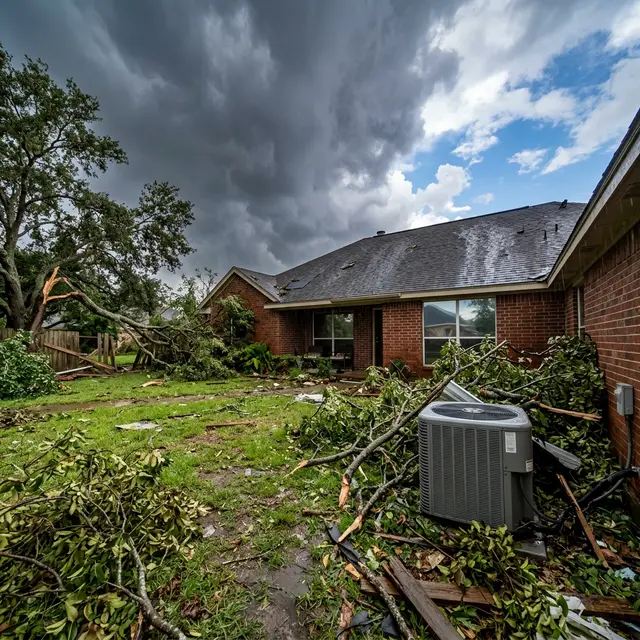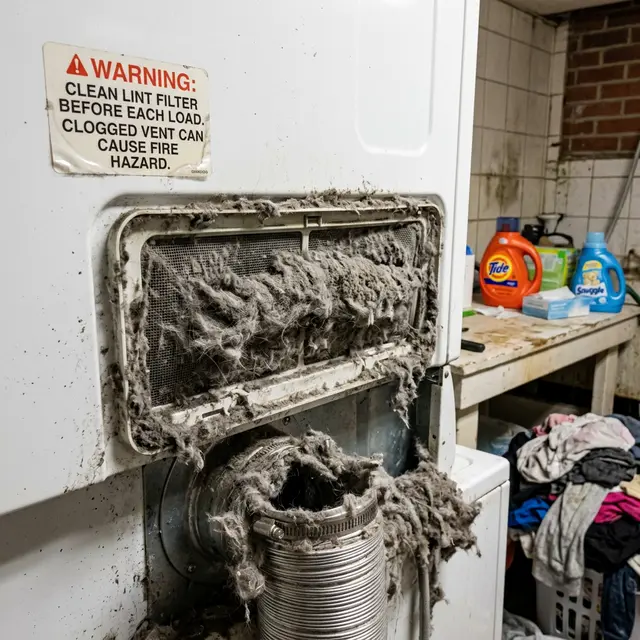
The six warning signs of a clogged dryer vent: clothes take more than one cycle to dry, the dryer is hot to the touch, you smell a burning odor, lint collects around the dryer door, the laundry room feels humid, and the exterior vent flap does not open during operation.
6 Warning Signs
A clogged dryer vent does not announce itself with alarms - it announces itself with higher electric bills and longer dry times. Most Austin homeowners miss the warning signs until the problem becomes serious, or worse, dangerous. Here is what to watch for.
"The sign that worries me most is when homeowners say their dryer 'just does not work like it used to,'" says Nessi Ziv, owner of Air Central. "That gradual decline in performance is lint building up week by week. By the time drying time doubles, the vent is often 70-80% blocked. We see this pattern across Austin homes every single day."
1. Clothes take more than one cycle to dry (or 60+ minutes for a normal load) - this is the most common first sign and the one most Austin homeowners notice. The vent cannot exhaust hot, moist air fast enough, so moisture stays trapped in the drum. You end up running two or three cycles for a load that used to finish in 45 minutes. At $0.50-$0.75 per cycle in electricity, those extra runs add up fast. If drying time has gradually increased over the past few months, lint buildup in the vent is almost certainly the cause.
2. The dryer exterior is unusually hot to the touch - trapped heat has nowhere to go. When exhaust airflow is restricted, the dryer cannot dissipate heat normally. The top and sides of the dryer feel noticeably hotter than they should. This is not just uncomfortable - it means internal temperatures are elevated beyond design specifications, which stresses the heating element, thermal fuse, and other components.
3. You notice a burning smell when the dryer runs - lint buildup near the heating element is an active fire hazard. This is the most serious warning sign. Lint ignites at approximately 250F, and concentrated buildup near the heating element can reach that temperature. If you smell burning, stop the dryer immediately, unplug it, and do not use it again until the vent has been professionally cleaned and inspected.
4. Lint accumulates around the dryer door seal or on clothing after drying - lint is backing up into the dryer drum instead of exiting through the vent. When exhaust airflow drops low enough, lint that would normally be pulled through the vent has nowhere to go. It collects around the door gasket, on clothes, and inside the dryer cabinet. You may also notice lint on the floor behind the dryer.
5. Your laundry room feels hot and humid when the dryer runs - moisture that should be exhausted outdoors cannot escape through the clogged vent. In Austin, where ambient humidity is already high, this added moisture can promote biological growth on walls and surfaces in the laundry area. If you notice condensation on laundry room windows or walls during dryer operation, the vent needs immediate attention.
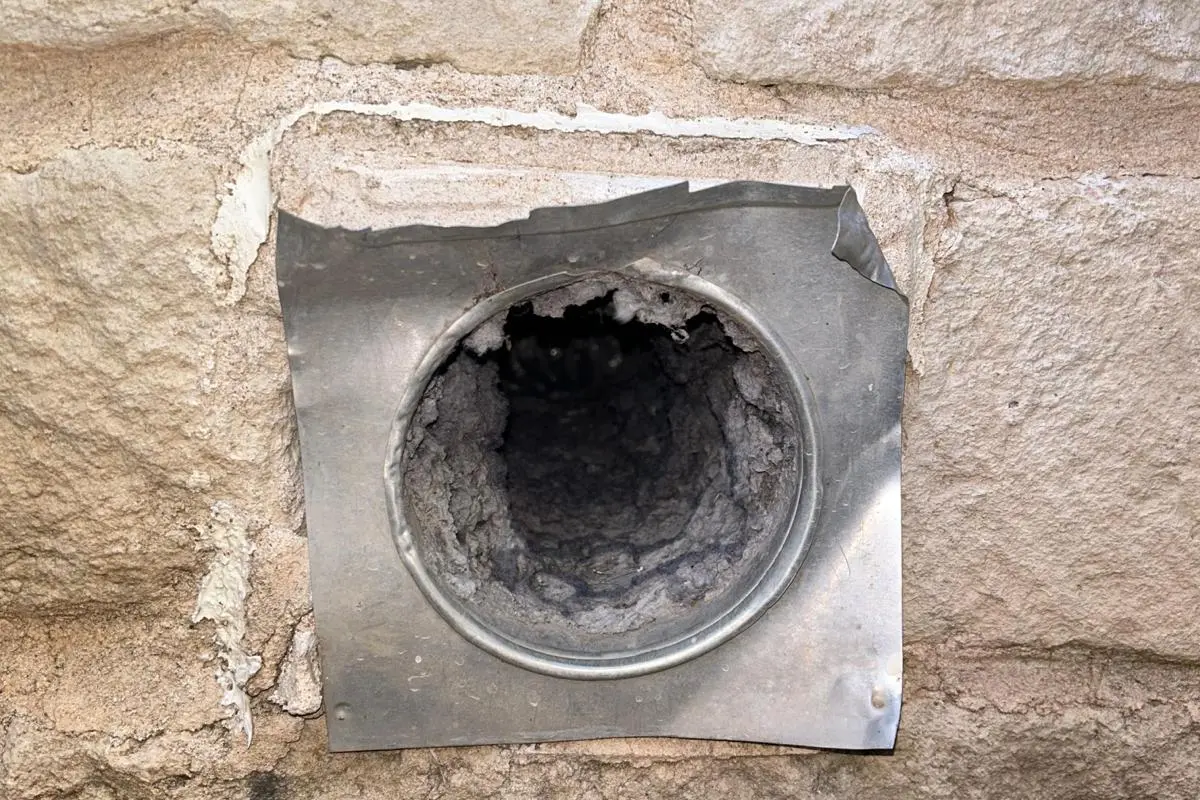
6. The exterior vent flap does not open during operation - this is the easiest sign to check and confirms a blockage. Go outside while the dryer is running and look at the vent exit. The flap should be pushed open by strong, hot airflow. If the flap barely moves or stays closed, the vent is blocked. You should also feel warm air blowing from the exit - if you feel nothing, airflow is near zero.
Why This Is Urgent
Clogged dryer vents cause an estimated 2,900 house fires per year in the US, resulting in 5 deaths, 100 injuries, and $35 million in property damage annually (US Fire Administration). Lint is highly flammable. When it builds up near the heating element, a single spark can ignite it. If you notice any of these signs, stop using the dryer and schedule a vent cleaning immediately.
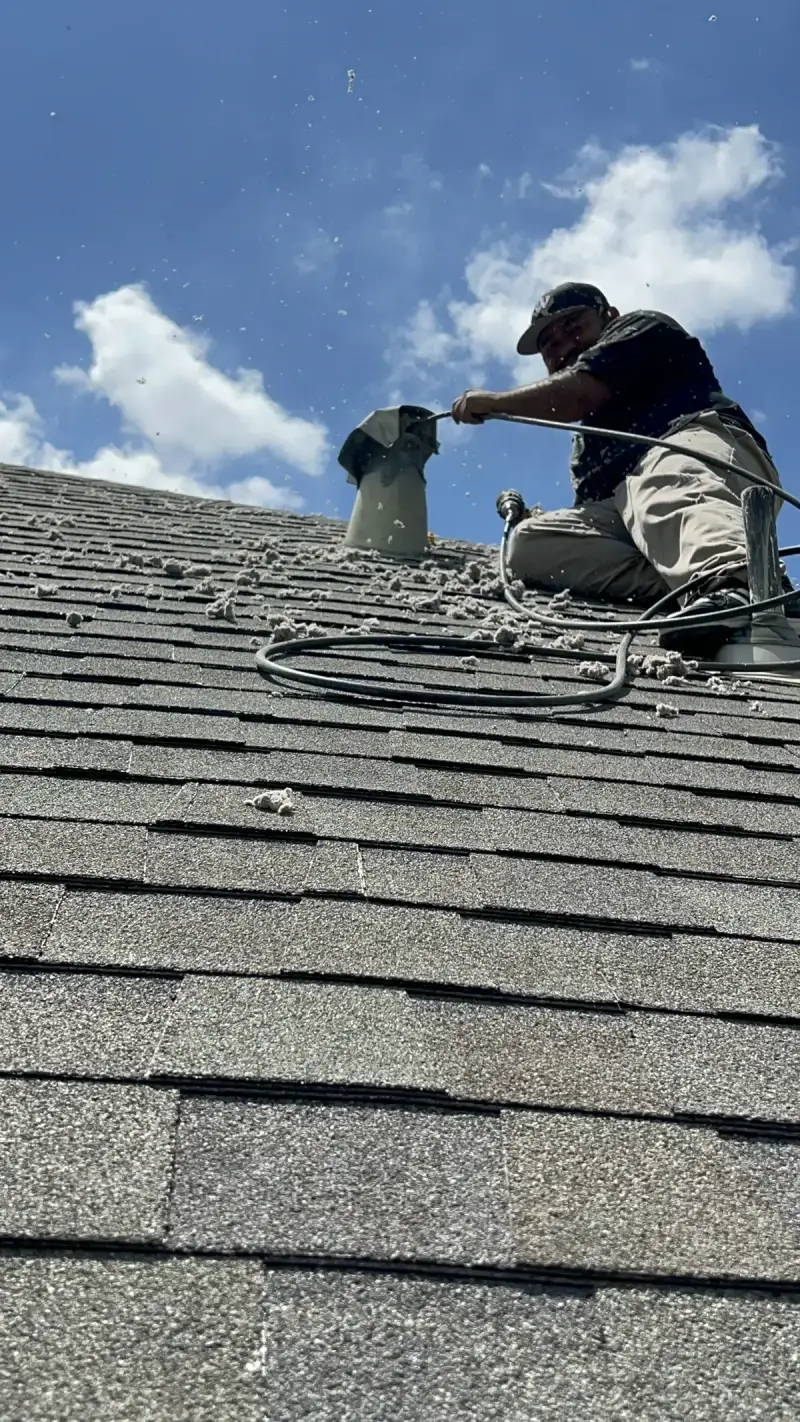
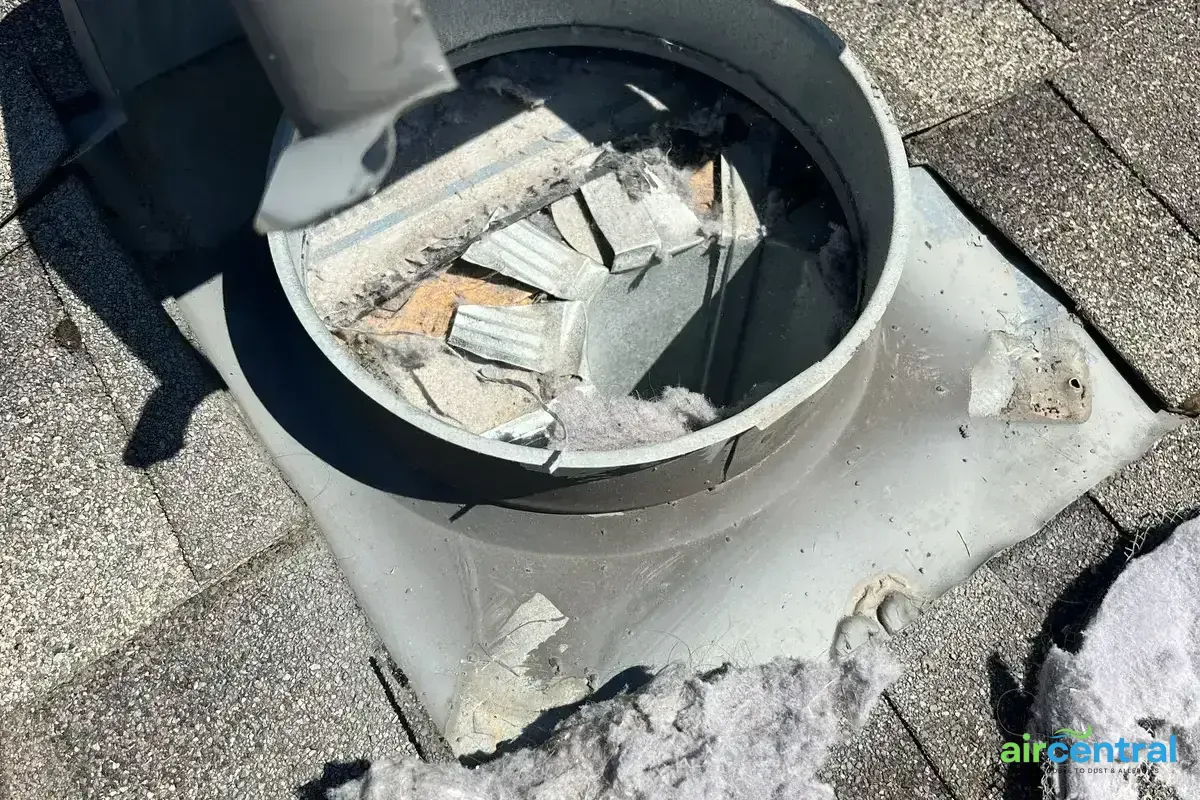
The risk is highest in homes with long vent runs, multiple turns, or vents that exit through the roof - all common configurations in Austin homes built after 2000 where laundry rooms are often located on second floors or interior rooms far from an exterior wall. These longer, more complex runs accumulate lint faster and are harder to clean with DIY methods.
Austin Fire Department responds to dryer fires regularly. Most are preventable with annual vent cleaning. The cost of professional cleaning is insignificant compared to the cost of a house fire, which averages $50,000-$100,000 in damage when the fire spreads beyond the laundry room.
Prevention
Clean the lint trap before every load - this is the single most important habit. A clean lint trap allows maximum airflow and captures 75% of lint before it enters the vent system. The remaining 25% is why professional vent cleaning is still necessary, but a clean trap dramatically slows the rate of vent buildup.
Schedule professional vent cleaning annually (or every 6 months for large households running 5+ loads per week). Mark it on your calendar or set a phone reminder. Many Austin homeowners schedule vent cleaning in the fall alongside their annual HVAC tune-up so both services happen at the same time.
Use rigid metal vent pipe instead of flexible plastic or foil for the main vent run. Rigid pipe has a smooth interior that collects less lint than corrugated flex duct. Flex duct should only be used for the short connection directly behind the dryer (and even there, a semi-rigid aluminum duct is preferred). Keep vent runs as short and straight as possible - every 90-degree turn adds resistance and creates a lint collection point. Never vent a dryer into an attic, crawl space, garage, or wall cavity.
Here is a 30-second test you can do right now: start your dryer, walk outside, and hold your hand near the vent exit. If you feel weak airflow or no airflow, your vent is restricted. If the flap barely opens, lint is blocking the path. Do not wait for a burning smell to confirm what that weak airflow is telling you. Call (512) 601-4451 and get the vent cleaned before the next load - it takes about an hour and eliminates the number one cause of home appliance fires.
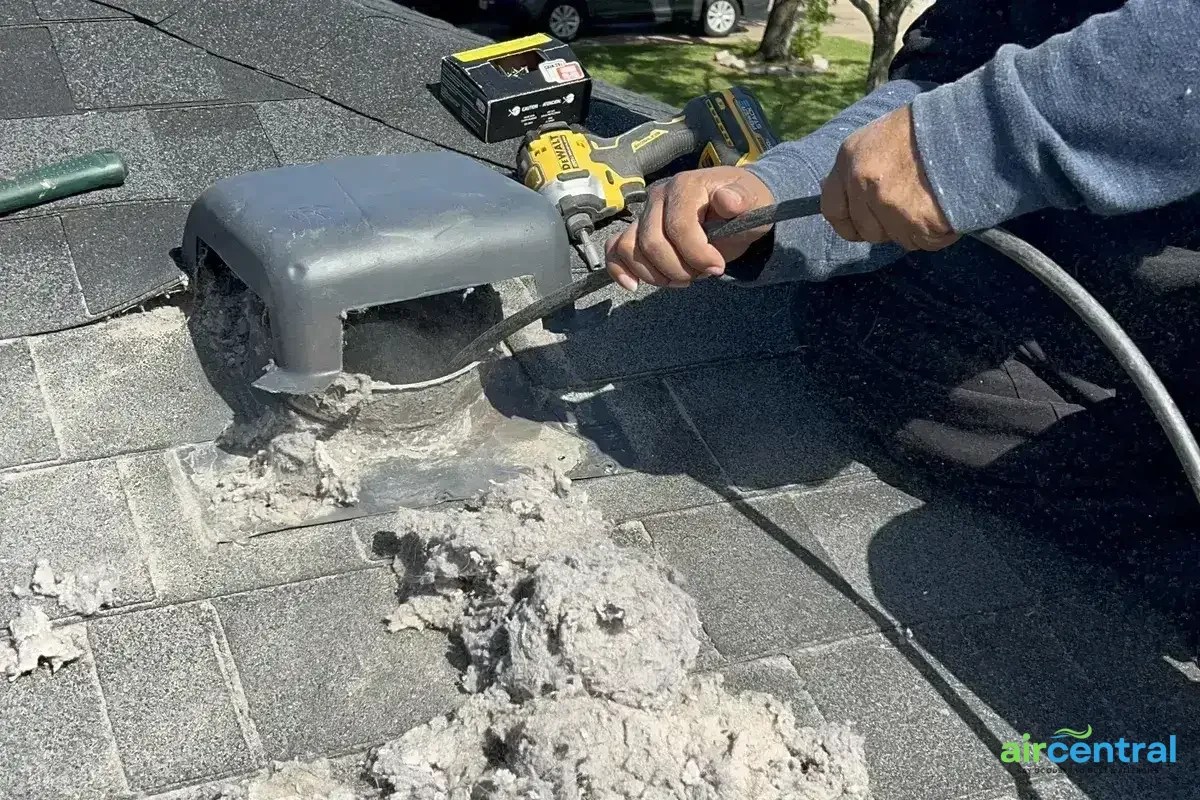
When Was Your Dryer Vent Last Cleaned?
Most Austin homeowners go too long between cleanings. A quick inspection takes minutes and could prevent a fire.
Call (512) 601-4451Rate your home's indoor air quality in 2 minutes
How Can I Tell If My Dryer Vent Is Clogged?
The fastest way to tell if your dryer vent is clogged is a two-step check that takes under a minute. First, start a drying cycle and go outside to the vent exit. Hold your hand 6 inches from the opening - you should feel a strong, warm rush of air pushing the flap open. If the airflow is weak, barely noticeable, or the flap does not open at all, the vent is restricted. Second, time a standard load of towels. If it takes more than 50-55 minutes on high heat, restricted exhaust airflow is the most likely cause.
The National Fire Protection Association (NFPA) reports that dryers and washing machines were involved in an estimated 13,820 home structure fires reported to U.S. fire departments per year between 2014-2018, with dryers accounting for 92% of those fires. Failure to clean the dryer vent was the leading factor in dryer fires. The NFPA recommends professional dryer vent cleaning at least once per year. For Austin households running 5+ loads per week, cleaning every 6-9 months is a safer interval given the city's high humidity, which causes lint to bond more aggressively to vent walls.
Beyond the safety risk, a clogged vent costs you money every day it goes uncleaned. A partially restricted vent forces your dryer to run 30-60% longer per load. At Austin Energy rates, that adds $8-$15 per month for a family doing 5-6 loads per week. Over a year, the wasted electricity alone exceeds the cost of professional cleaning. The dryer itself also wears out faster - the heating element, thermal fuse, and bearings are all stressed by elevated temperatures from restricted airflow.
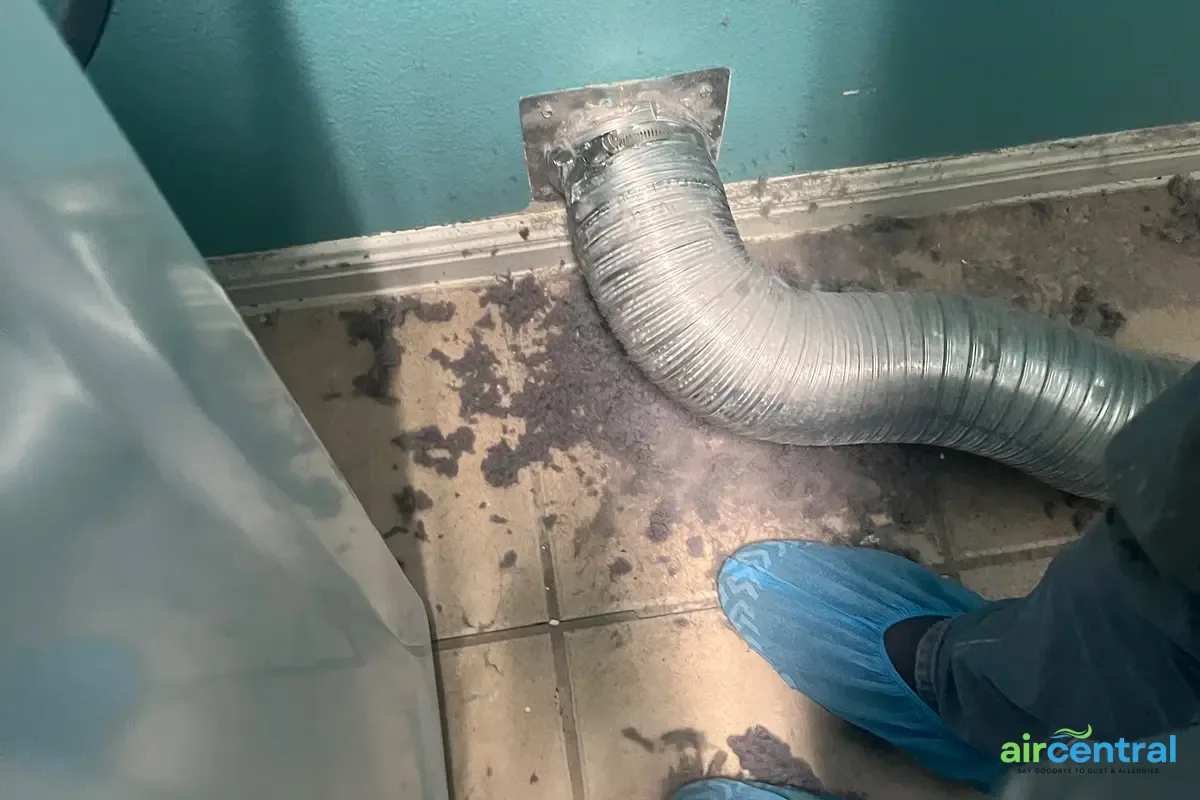
Dryer Vent Cleaning Services Near Austin: Your Options
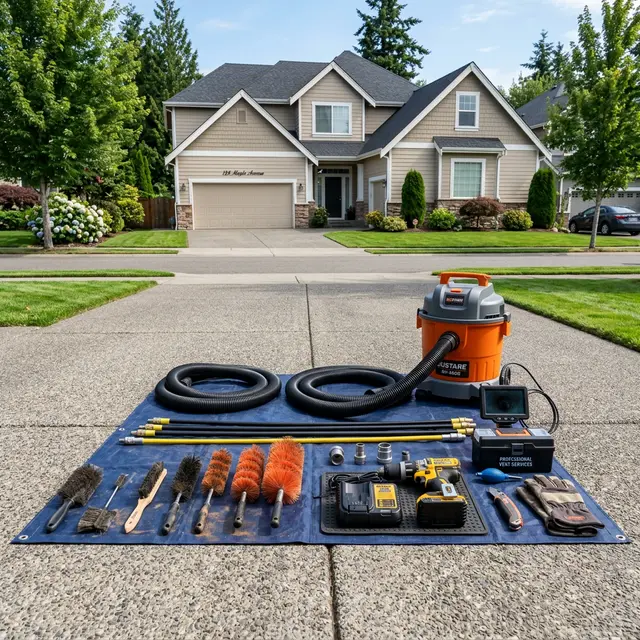
Once you confirm your vent is clogged, the next question is who to call. When searching for a dryer cleaner near me in the Austin area, look for companies that bring a dedicated rotary brush system with a commercial vacuum - not a leaf blower or a household shop vac. Proper dryer vent cleaning involves mechanical agitation of the full vent run combined with negative-pressure extraction, which removes lint from the entire path rather than pushing it toward the exterior.
Companies that clean dryer vents in Austin range from standalone appliance services to HVAC companies that offer it as an add-on. Air Central specializes in dryer vent air duct cleaning and treats both as primary services rather than upsells. We measure airflow at the exterior termination before and after cleaning so you have quantifiable proof the vent is performing correctly. If the vent material itself is the problem - foil flex in a concealed run, a vent that exceeds code length, or a damaged exterior cap - we document and explain the issue so you can make an informed repair decision.
Professional cleaning dryer vents services in Austin typically cost $89-$300 depending on vent length, complexity, and whether roof access is required. Air Central serves all of Austin and 27 surrounding communities. Call us when the signs above are telling you it is time.
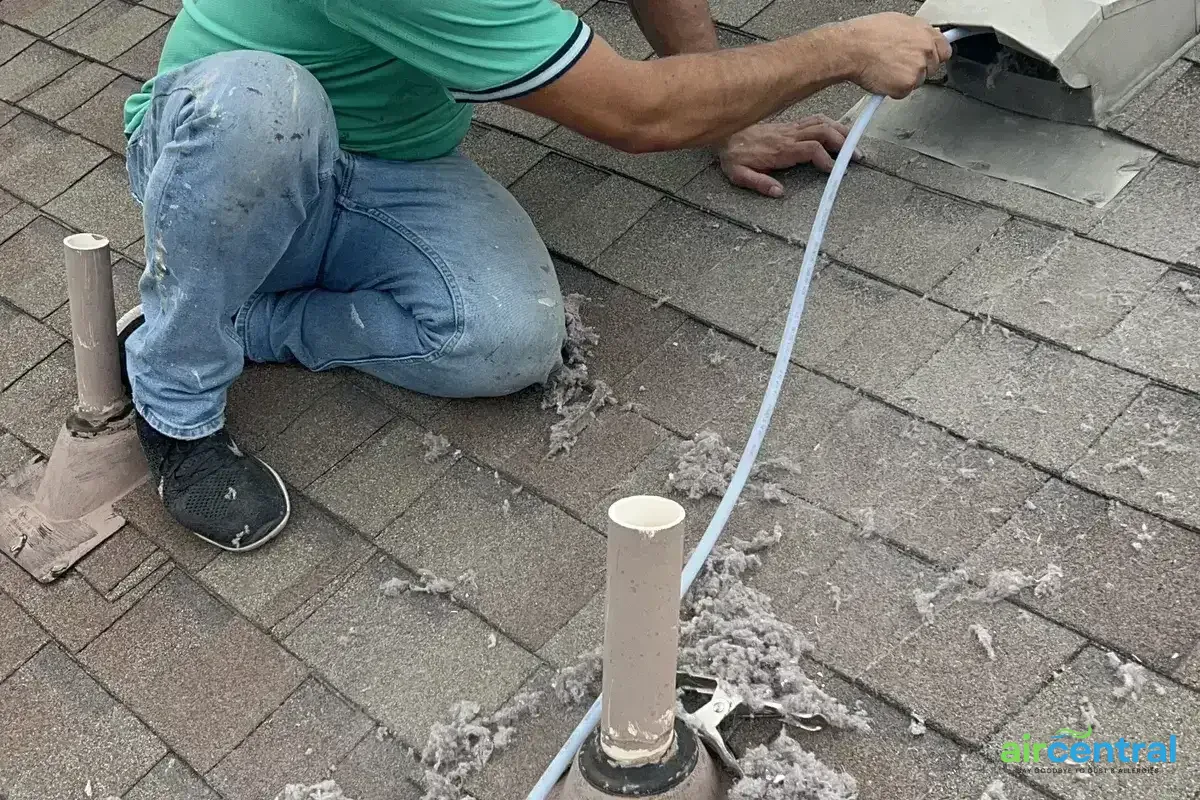
Related Services
Learn more about our professional services related to this topic:
- Dryer Vent Cleaning - Clear lint buildup to prevent fires and cut drying time in half.
Want the full picture?
Read our complete guide: Dryer Vent Cleaning Austin: Complete Safety Guide (2026) →Have questions about dryer vent safety? Our team is available 7 days a week. Call us at (512) 601-4451 or visit our contact page.