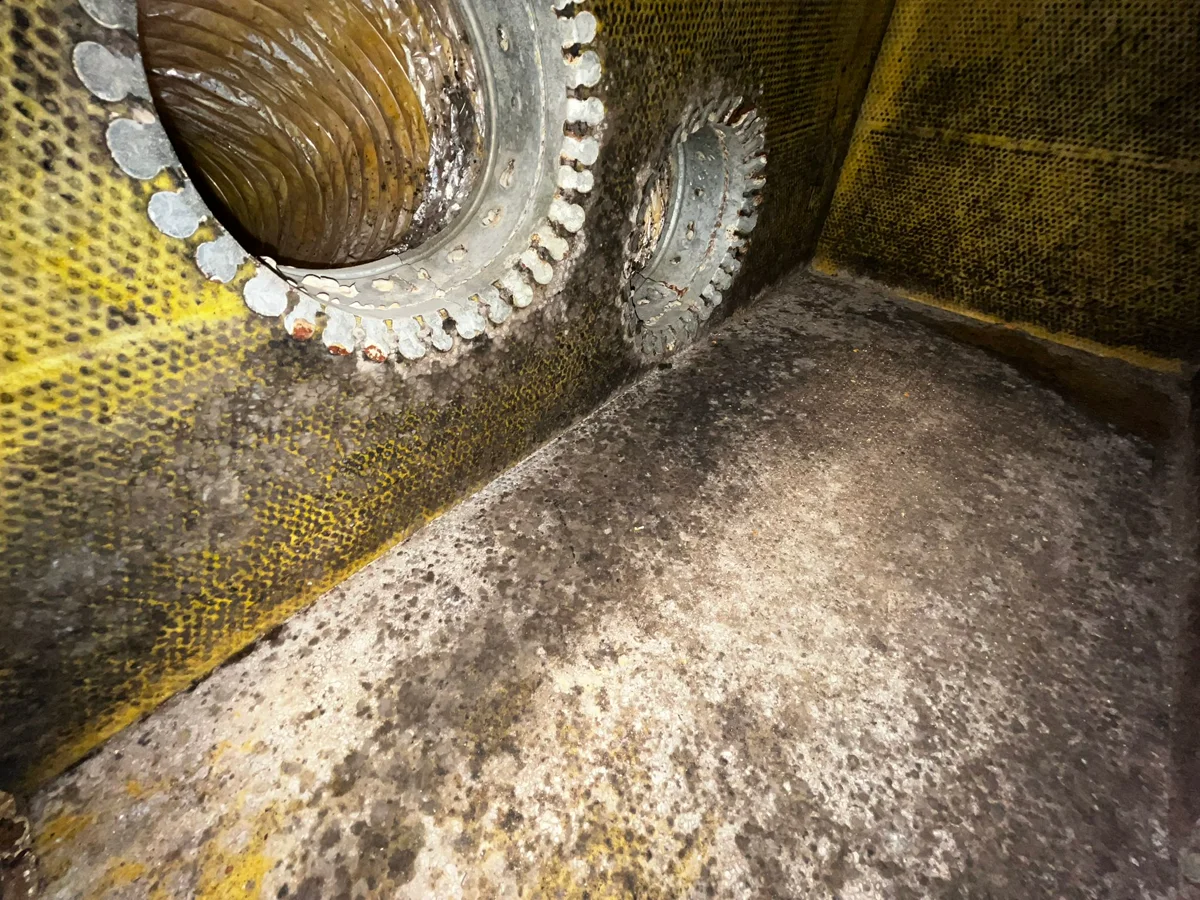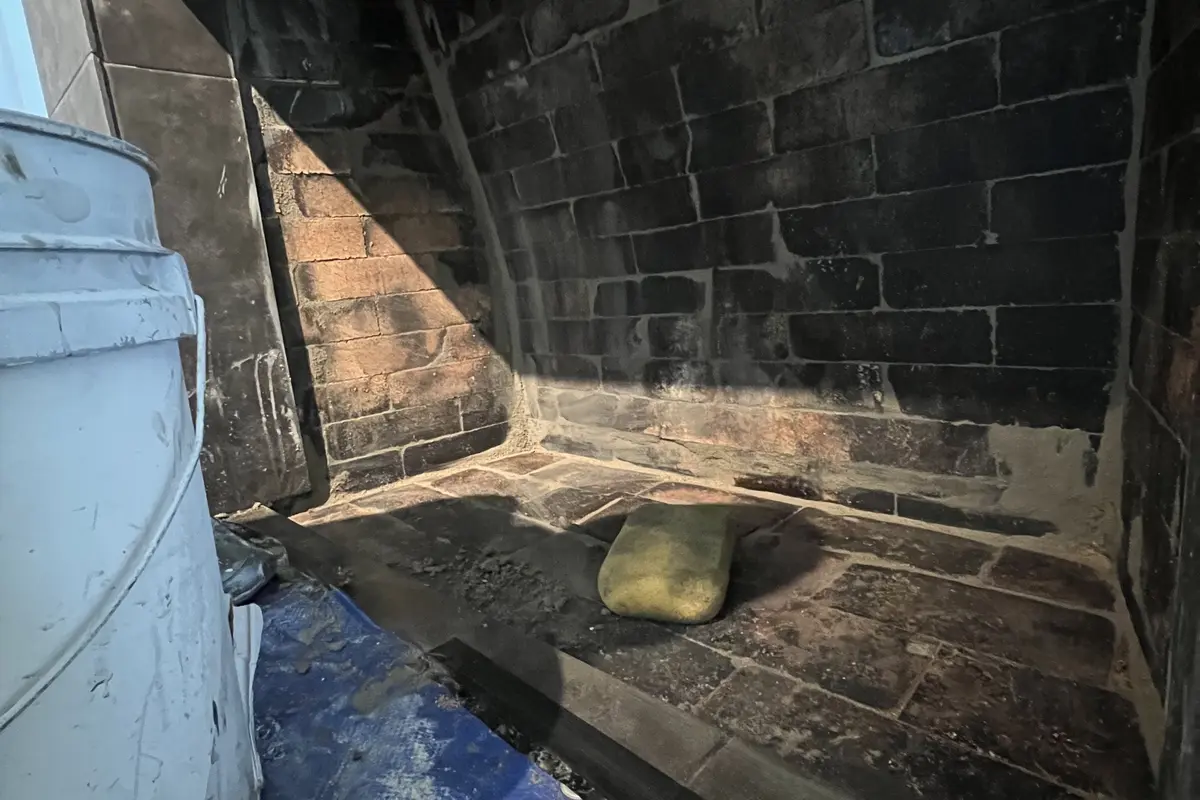
Yes, you need a chimney inspection even if you never use your fireplace. Unused chimneys attract animals, accumulate moisture damage, and can allow carbon monoxide from gas appliances to enter your home through deteriorating flue liners. The NFPA recommends annual chimney inspections regardless of usage.
Your Unused Fireplace Still Needs a Chimney Sweep
Austin is not exactly known as a fireplace city, but roughly 40% of homes in the metro area have one. Many homeowners assume that if they never light a fire, the chimney takes care of itself. It does not. An unused chimney is not a dormant chimney - it is an open vertical shaft exposed to weather, wildlife, and structural forces year-round.
The National Fire Protection Association (NFPA 211) recommends that chimneys be inspected at least once per year, regardless of how often they are used. This is not an upsell - it is a safety standard. Unused chimneys develop problems that active chimneys do not, precisely because nobody is looking inside.
According to Air Central owner Nessi Ziv, 'Some of the worst chimney damage I have seen in Austin is in fireplaces that have not been used in years. Homeowners assume no fire means no problem. But water damage, animal nests, and cracked flue liners do not care whether you light a fire or not.'
What Happens Inside a Chimney Nobody Uses?
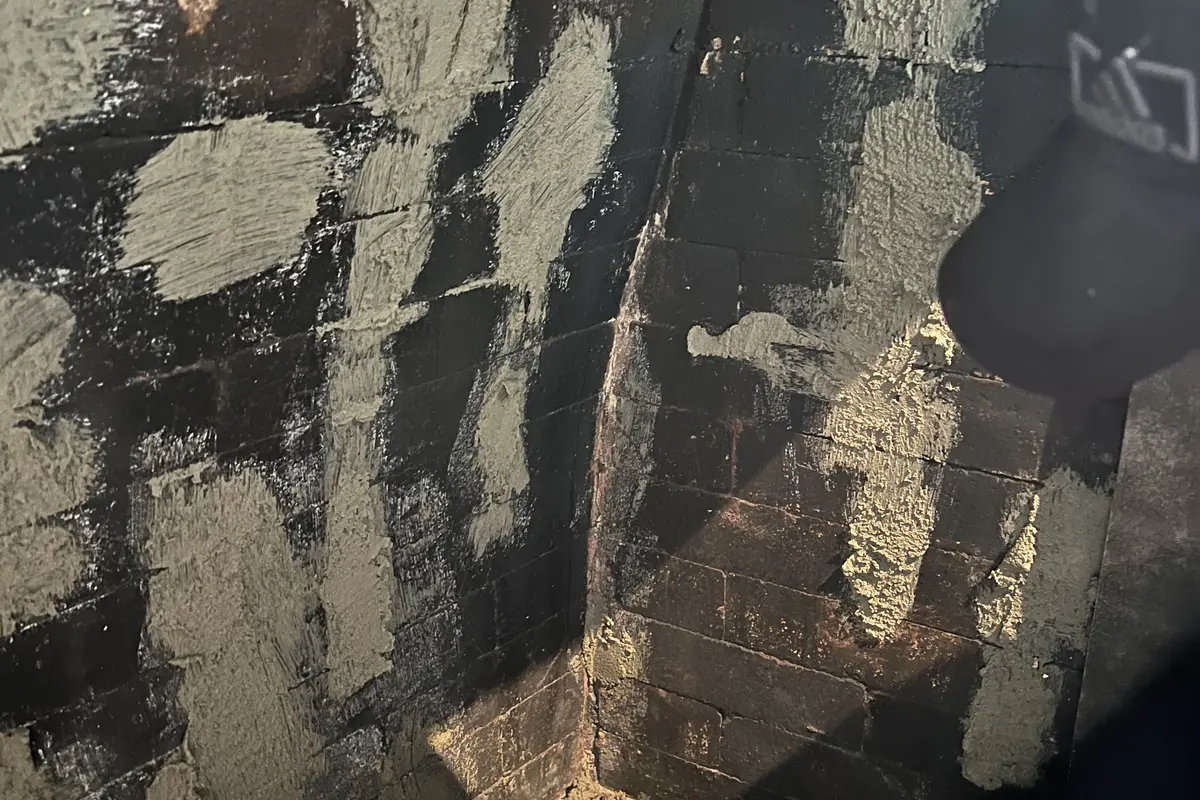
A chimney without a cap is an open invitation to water, animals, and debris. Rain enters directly and saturates the flue liner, mortar joints, and surrounding masonry. Austin receives about 34 inches of rain per year, and every drop that enters an uncapped chimney accelerates deterioration from the inside out.
Moisture is the primary destroyer of unused chimneys. Water penetrates mortar joints and causes spalling - the process where freeze-thaw cycles (yes, Austin does get freezing temperatures, as Winter Storm Uri proved) crack and crumble masonry. The damage is invisible from outside until it becomes severe.
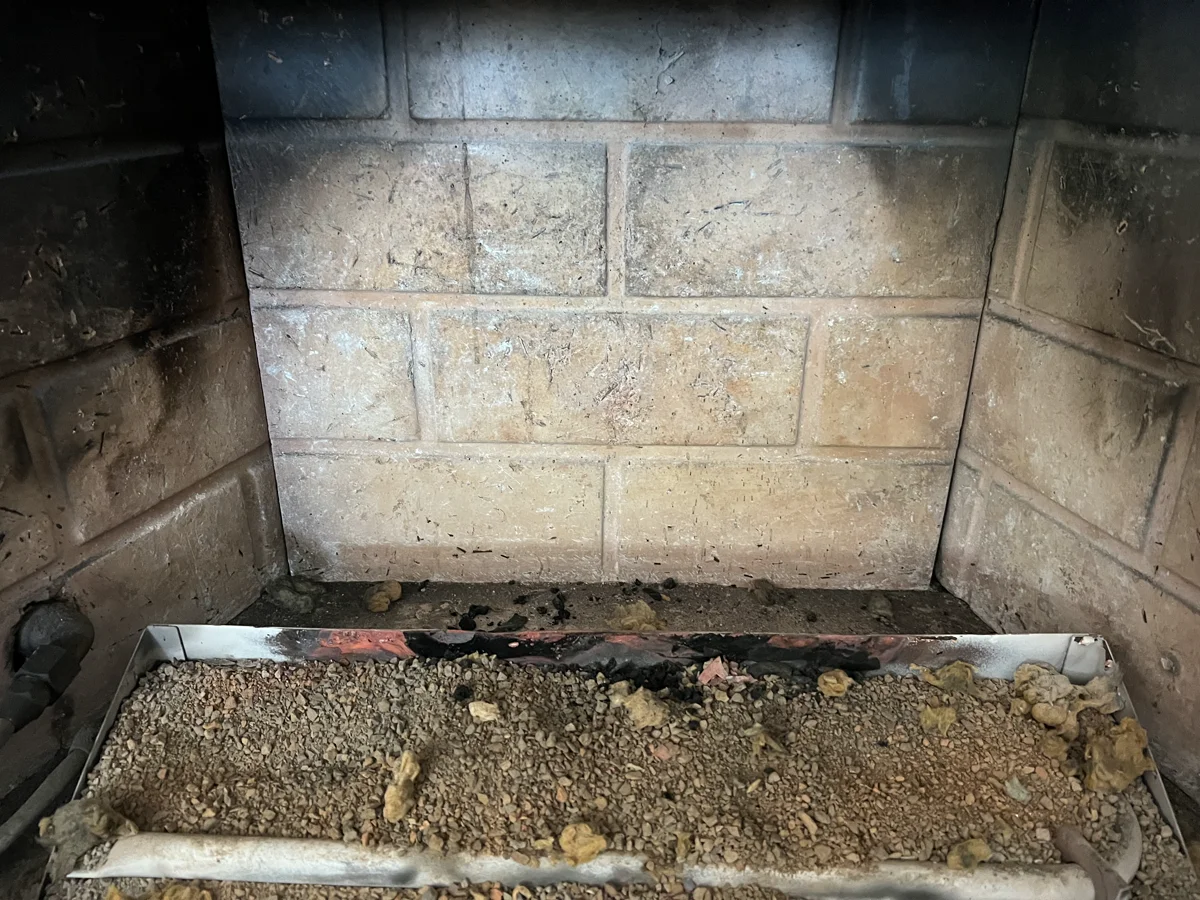
Leaves, twigs, and other debris accumulate in the smoke shelf and firebox. This organic material traps moisture, promotes mold growth, and can block the flue entirely. A blocked flue in a home with gas appliances creates a carbon monoxide risk even if you never use the fireplace.
Why Animals Love Austin's Unused Chimneys
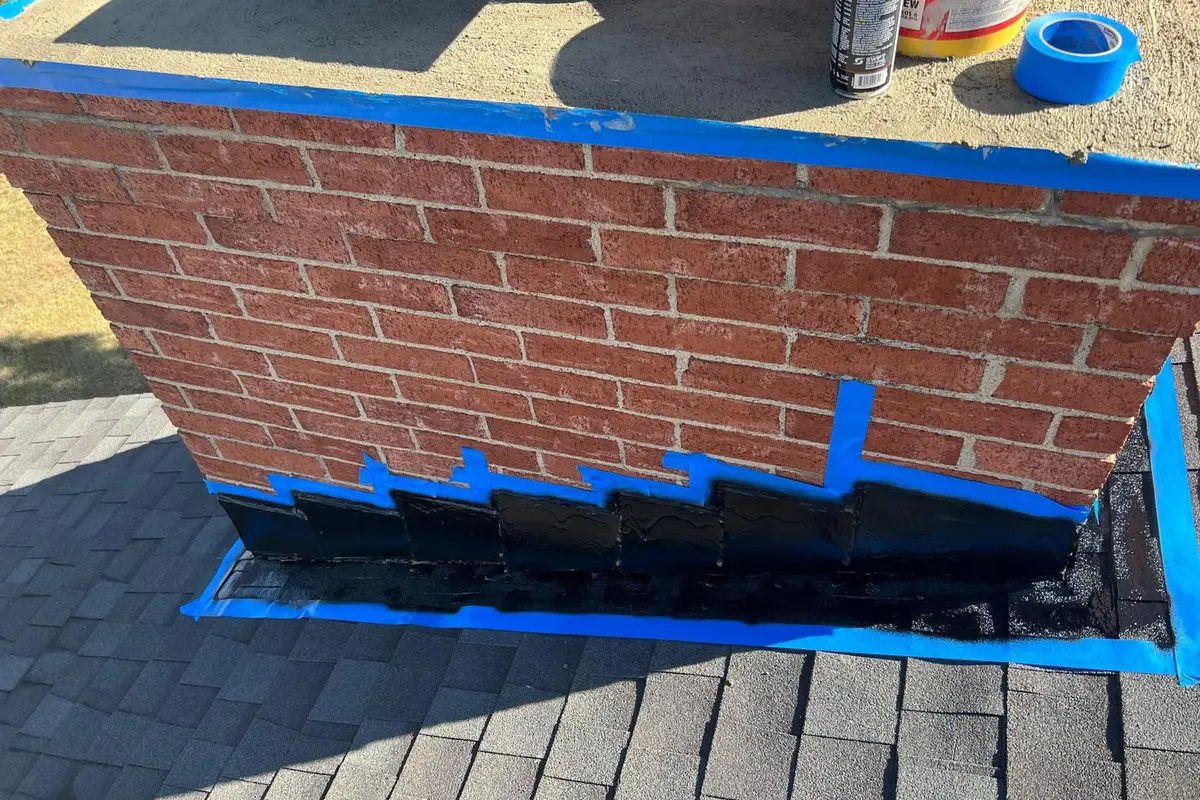
Chimneys are essentially protected vertical caves with consistent temperature. For wildlife in Central Texas, they are premium real estate. Raccoons, birds, bats, squirrels, and wasps all nest in Austin chimneys regularly.
Chimney swifts are particularly common from March through October. These small birds are federally protected under the Migratory Bird Treaty Act, which means you cannot legally remove them once they have nested. Prevention with a chimney cap is the only option - and it must be installed before nesting season begins.
Raccoons are the most destructive chimney visitors. They tear through damaged flue liner, dislodge dampers, and leave behind waste that creates odor and health hazards. A mother raccoon will often nest in a chimney in spring, and removing a family of raccoons is significantly more complex (and expensive) than installing a cap to prevent entry.
We find active wasp nests in roughly one out of every ten uncapped chimneys we inspect in Austin. A wasp colony in your chimney can migrate into living spaces through gaps in the damper seal or cracks in the firebox masonry.
Can an Unused Chimney Cause Carbon Monoxide Problems?
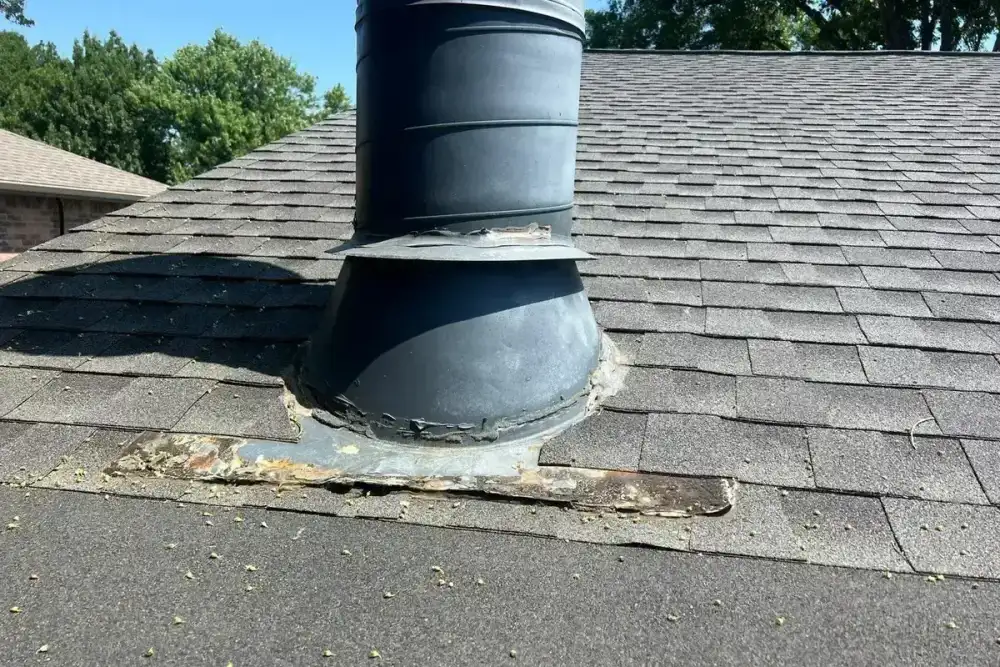
This is the risk most homeowners overlook. If your home has a gas furnace, gas water heater, or gas dryer that shares a flue or is located near the chimney, a deteriorated chimney can allow combustion gases to enter your living space instead of venting outside.
The mechanism is straightforward. Many older Austin homes have the furnace or water heater vented through or near the chimney. If the chimney flue is blocked by debris or an animal nest, backdrafting can push carbon monoxide into the home. The CDC reports that more than 400 people in the United States die from accidental carbon monoxide poisoning each year.
Even homes with a sealed gas fireplace insert can have issues. The seal between the insert and the chimney deteriorates over time. If the flue above is blocked, combustion products from the gas fireplace have nowhere to go but into the room. Annual inspection catches these issues before they become dangerous.
What Does a Chimney Inspection Include?
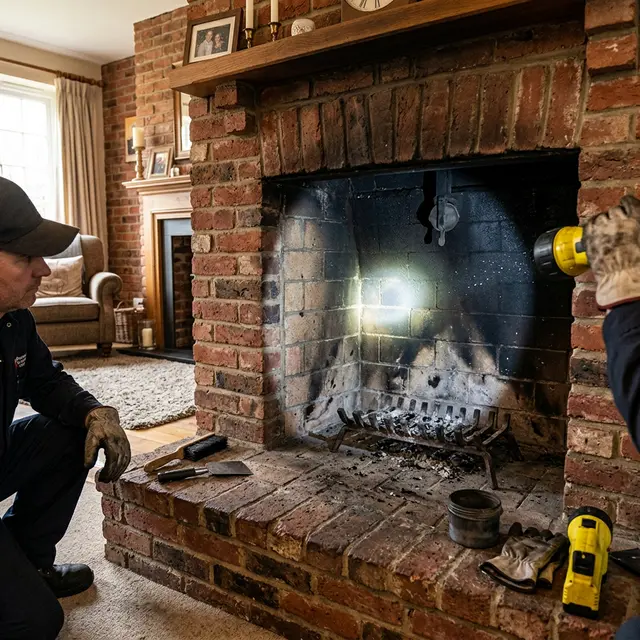
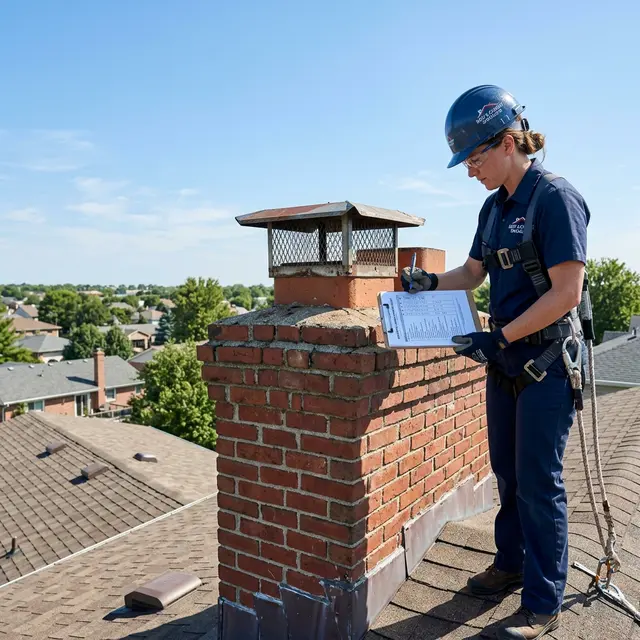
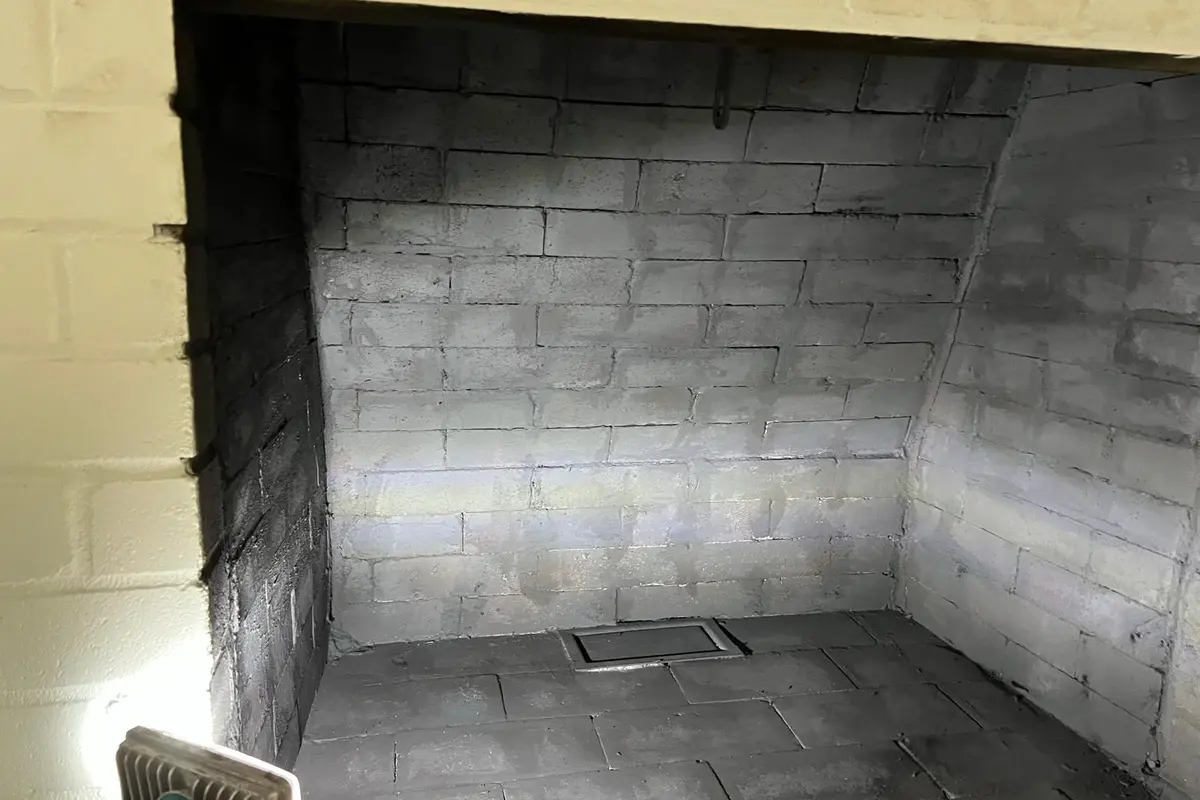
A Level 1 chimney inspection - the standard annual check recommended by NFPA 211 - examines all readily accessible portions of the chimney structure. The inspector checks the firebox, damper, smoke chamber, flue liner (via camera or visual), chimney crown, cap, and exterior masonry.
For unused fireplaces, the inspection focuses on water damage indicators, animal intrusion signs, flue blockages, and structural integrity of the liner and masonry. The inspector checks for cracked flue tiles, deteriorated mortar joints, rust on the damper, and signs of moisture penetration.
A Level 1 inspection typically costs $150-$500 depending on chimney accessibility and whether camera inspection of the full flue is included. This investment catches problems when they are minor repair items ($200-$500) rather than major rebuild projects ($2,000-$5,000+).
Is Your Chimney Safe for This Season?
A 21-point chimney inspection catches problems before they become dangerous. Book before the first fire.
Call (512) 601-4451Rate your home's indoor air quality in 2 minutes
The Chimney Cap Solution
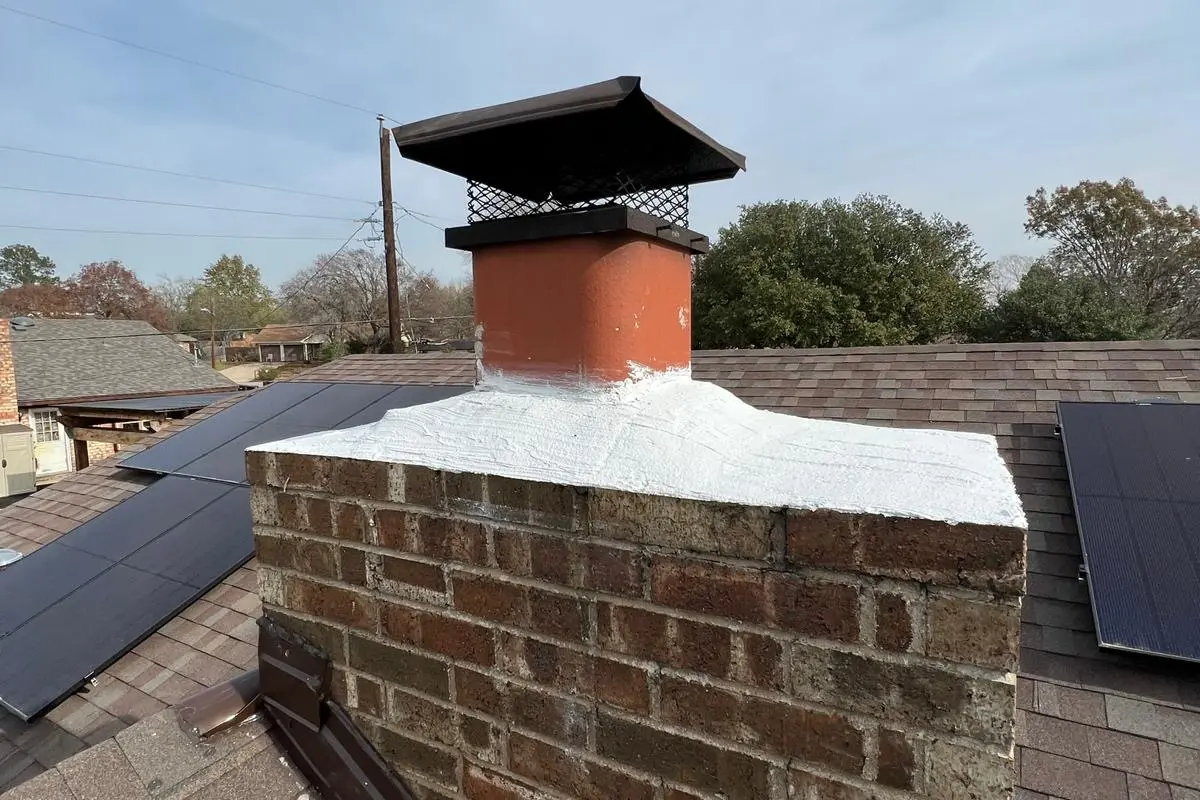
A chimney cap is the single most effective protection for a chimney you do not use. It blocks rain, animals, and debris while allowing any residual moisture or gas to vent. A quality stainless steel cap with mesh screening costs $150-$400 installed and lasts 15-20 years.
For fireplaces you are certain you will never use again, a top-sealing damper combined with a chimney cap provides complete closure. This prevents drafts (which waste energy by pulling conditioned air up the chimney), blocks all animal entry, and eliminates water intrusion. The energy savings alone can offset the installation cost within a few years for Austin homeowners running their HVAC 10-11 months per year.
We recommend stainless steel or copper caps over galvanized steel. Austin's occasional severe weather events - hail, high winds, and ice - take a toll on cheaper materials. A stainless cap handles decades of Central Texas weather without corroding.
How Often Should You Inspect an Unused Chimney?
The NFPA recommends annual inspection, and we agree - even for chimneys that have not seen a fire in years. An annual check catches water damage, animal activity, and structural issues in the early stages when they are inexpensive to fix.
At minimum, schedule an inspection if you notice any of these signs: musty or animal odors from the fireplace area, visible staining on the walls or ceiling near the chimney, chirping or scratching sounds from inside the chimney, cold drafts coming from the firebox, or a damper that will not open or close properly.
If you bought your Austin home within the past few years and have never had the chimney inspected, schedule one regardless of whether you plan to use the fireplace. The previous owner's maintenance history is unknown, and problems in an uninspected chimney only get worse with time.
Book Your Chimney Inspection
An unused fireplace is easy to forget about - until a raccoon family moves in, water damage reaches your ceiling, or a carbon monoxide detector goes off. A single annual inspection keeps your chimney safe, dry, and sealed against Austin's wildlife. Call (512) 601-4451 to schedule your chimney inspection and ask about chimney cap installation while we are there.
Austin Chimney Sweeps and Chimney Cleaning Near Me: What to Expect
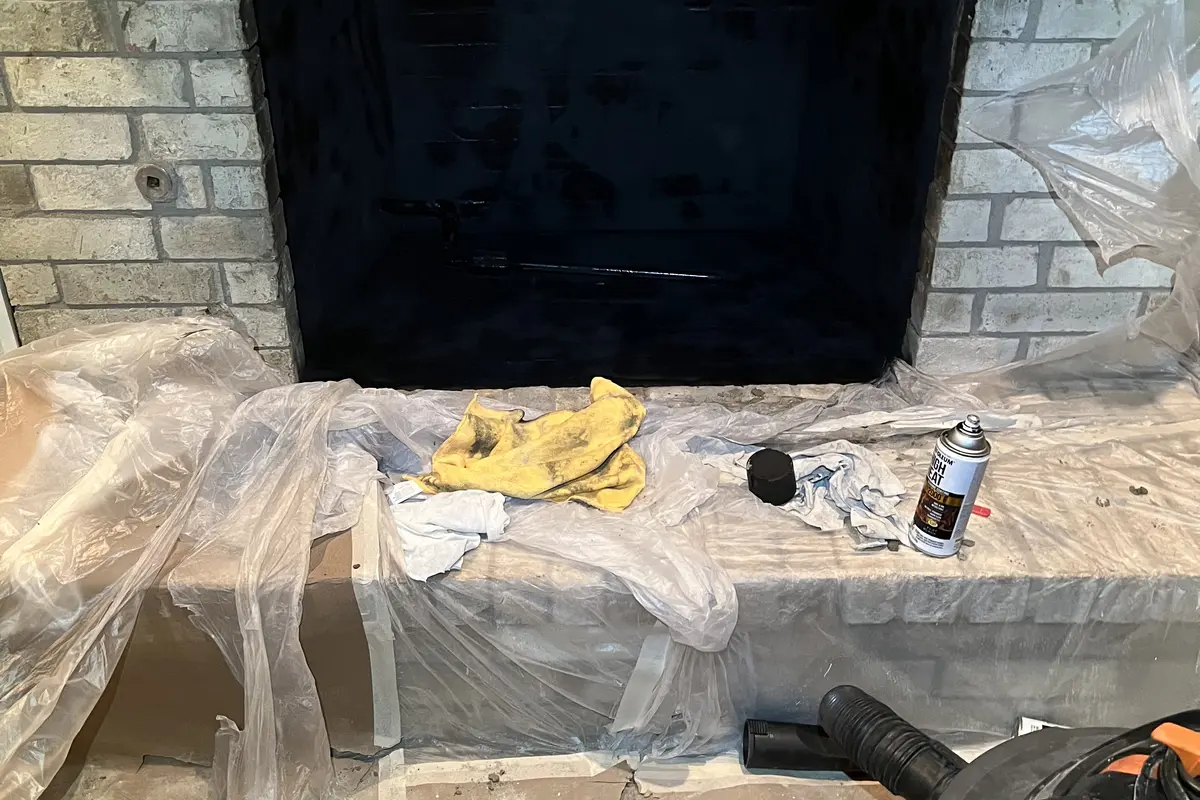
If you are searching for chimney cleaning near me or austin chimney sweeps for your unused fireplace, here is what a legitimate service visit looks like. The technician arrives with professional brushes, a commercial HEPA vacuum to contain soot, and inspection equipment. For an unused fireplace, the chimney sweep portion may be minimal (light debris and any nesting material) while the inspection gets more attention - camera examination of the flue liner, exterior crown and cap assessment, and documentation of the chimney's current condition.
Professional chimney sweeps in Austin charge $150-$400 for a standard single-flue service including inspection. If the cap is missing or damaged, adding chimney cap installation brings the total to $300-$700 depending on cap material and chimney dimensions. Most Austin chimney companies schedule together for efficiency - inspection, any needed sweep, and cap installation in one visit. Stainless steel cap installation on the same visit saves the homeowner a second scheduling and mobilization fee.
Air Central serves the full Austin metro area for chimney sweep and inspection services - from Round Rock and Georgetown in the north to Kyle and Buda in the south, and from Cedar Park and Leander in the west to Pflugerville and Manor in the east. For an unused fireplace chimney inspection and cap installation, appointments are typically available within 1-2 weeks. Call us to schedule during shoulder season (late winter to early spring) before summer heat arrives and the August-October rush begins.
Related Services
Learn more about our professional services related to this topic:
- Chimney Sweep & Repair - Professional cleaning and 21-point safety inspection for your fireplace.
Want the full picture?
Read our complete guide: Chimney Sweep and Fireplace Safety: Austin Guide (2026) →Have questions about chimney & fireplace? Our team is available 7 days a week. Call us at (512) 601-4451 or visit our contact page.