A chimney sweep in Austin takes 45-90 minutes, includes brushing the flue, a Level 1 inspection, and full cleanup. Expect to pay $175-$350 depending on chimney type and condition. Even if you only use your fireplace a few times each winter, annual inspection catches water damage, animal nests, and cracked crowns before they become expensive repairs. Call (512) 601-4451 to book your appointment.
What a Chimney Sweep Appointment Looks Like Start to Finish
The technician arrives, walks the job with you, and explains what will happen before touching anything. The first step is laying drop cloths around the fireplace and sealing the firebox opening with a containment system to prevent soot and debris from entering your living space. This is non-negotiable for any professional sweep - if a company skips containment, they are cutting corners.
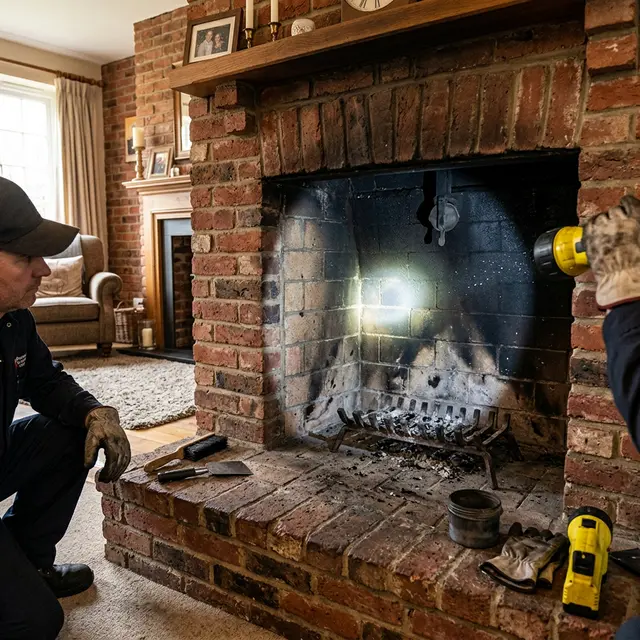
Next comes the pre-sweep inspection. Using a flashlight and mirror or HD camera, the technician checks the firebox, smoke shelf, damper, and visible flue sections for damage, heavy creosote, obstructions, or animal activity. This initial look determines what the flue needs and whether there are any conditions that change the scope of work.
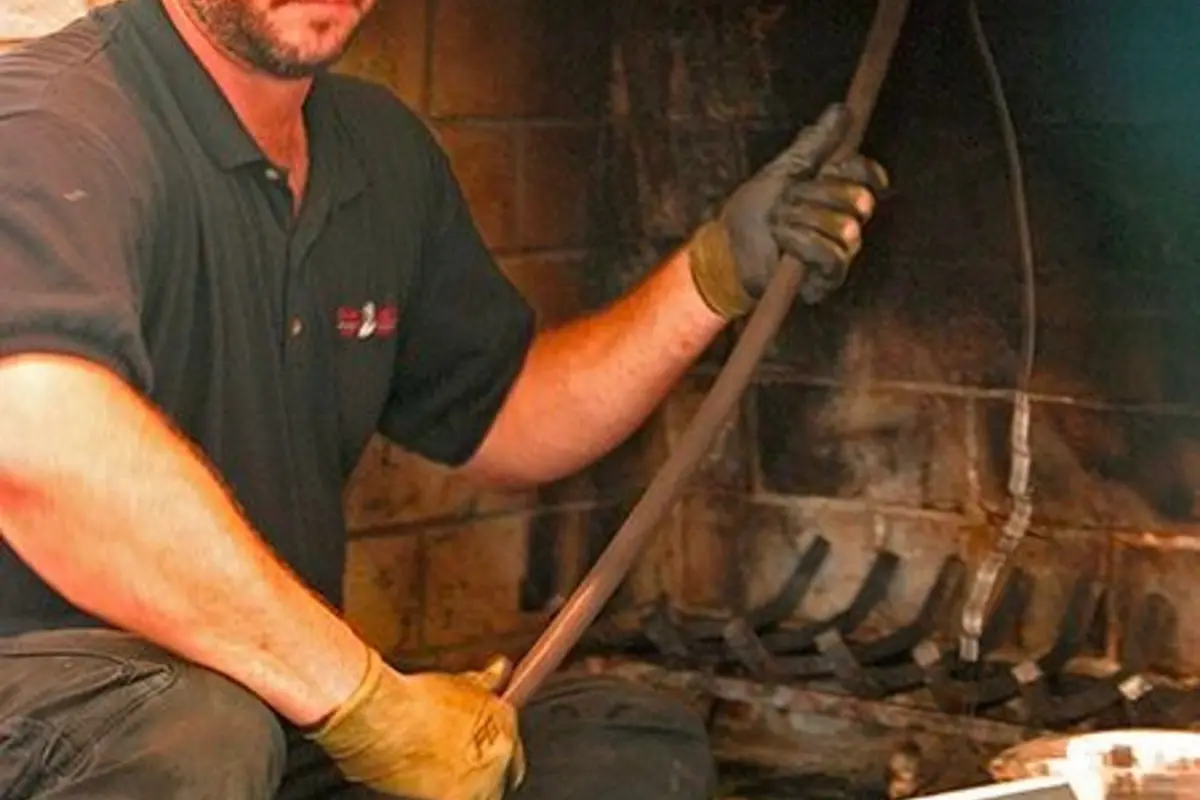
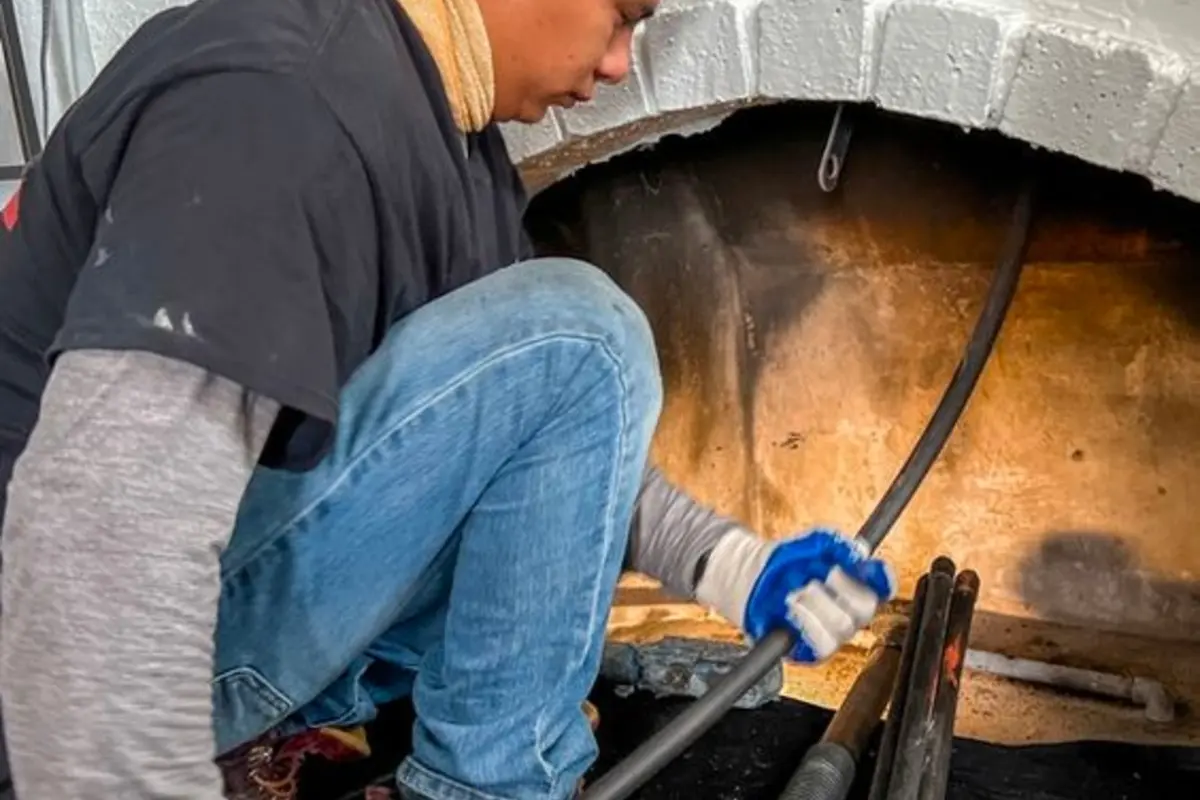
The actual sweeping uses professional chimney brushes sized to your specific flue. Brushes are run from the firebox up through the full length of the flue, scrubbing creosote and soot from the liner walls. The negative-pressure vacuum connected to the containment system pulls debris down and captures it before it can escape into your home. The technician works each section methodically until the full flue is clean.
After sweeping, a post-cleaning inspection confirms the flue is clear and documents any issues found. You receive a written report noting the condition of the flue liner, crown, cap, damper, and firebox. The technician removes all containment, cleans up any trace of the work, and walks you through the findings. A standard sweep on a single-flue chimney takes 45-90 minutes.
Why Austin Homeowners Need Annual Chimney Service (Even with Light Use)
Austin fireplaces see lighter use than chimneys in northern states. Most Austin homeowners light fires on 10-20 evenings per year, primarily between November and February. This leads many people to assume their chimney does not need annual attention. That assumption misses the bigger picture.
Creosote builds up even with light use. Every fire deposits some creosote on the flue walls, and those thin layers accumulate over years. A chimney that has not been swept in three or four years of light use can have enough buildup to create a fire hazard. The National Fire Protection Association (NFPA) recommends annual inspection regardless of how often you use the fireplace.
Water is actually the primary enemy of Austin chimneys, not creosote. Austin's thunderstorms deliver heavy rain that penetrates cracked crowns, deteriorated mortar joints, and chimneys without caps. Water inside the flue system accelerates deterioration of clay liners, rusts metal components, and damages the chimney structure from the inside out. Annual inspection catches water intrusion before it becomes a major repair.
Animals seek shelter in uncapped chimneys year-round. Raccoons, squirrels, and birds commonly nest in Austin chimneys during spring and early summer. Nesting material is combustible, and animal activity can damage flue liners and dampers. An annual inspection before fall ensures the flue is clear and undamaged before you light the first fire of the season.
Common Findings in Austin Chimneys
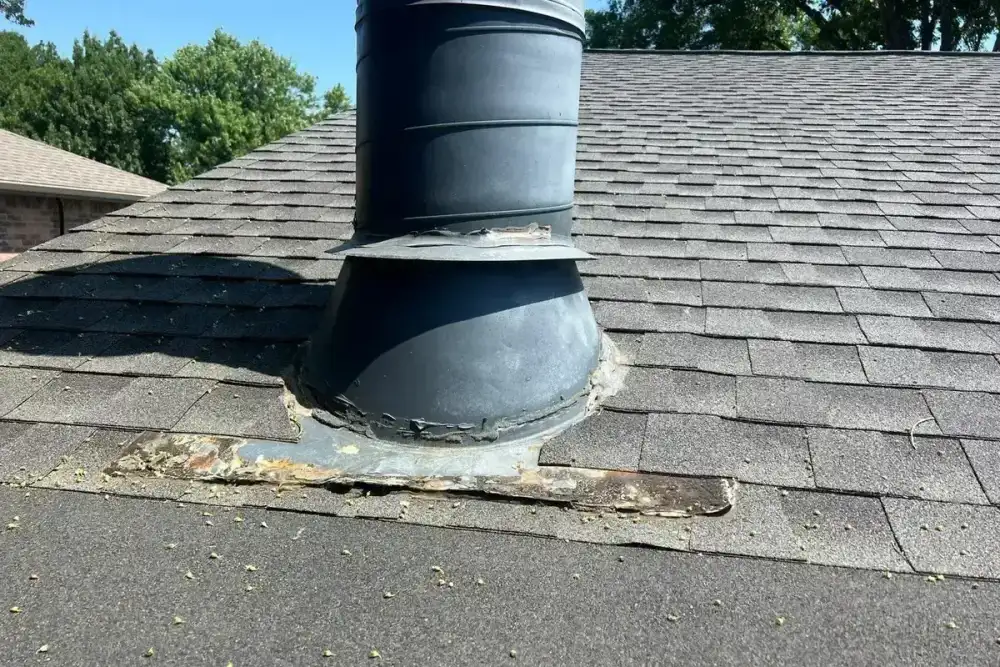
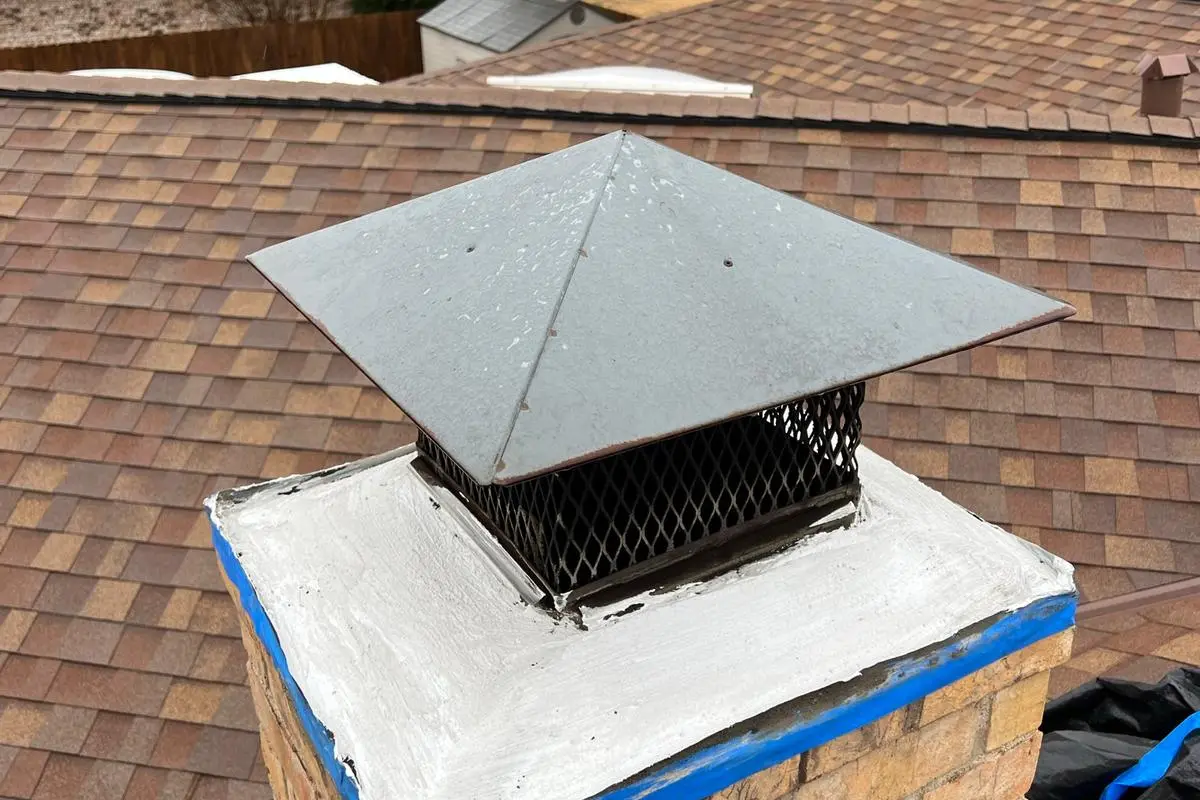
Cracked chimney crowns are one of the most frequent findings. The crown is the concrete cap at the very top of the chimney that sheds water away from the flue opening. Austin's intense UV exposure - over 300 days of sunshine per year - bakes the crown concrete and causes it to crack and deteriorate faster than in cloudier climates. A cracked crown allows rain directly into the chimney structure. Repairs range from a sealant application for hairline cracks to a full crown rebuild for severe damage.
Animal nests are a regular discovery, especially in uncapped chimneys. Bird nests made of twigs, leaves, and grass create a fire hazard and block proper draft. Raccoons leave larger debris and can damage the damper and smoke shelf area. If you hear scratching or chittering sounds from your chimney, or notice a strong odor from the firebox, animal activity is likely.
Water damage to flue liners shows up as cracked, spalling, or missing clay tile sections. When water enters through a damaged crown or missing cap and goes through freeze-thaw cycles (Austin gets 15-20 freezing nights per year), clay tiles crack and pieces fall into the flue. Damaged liner sections are a safety hazard because they allow heat and combustion gases to reach combustible framing materials in the chimney chase.
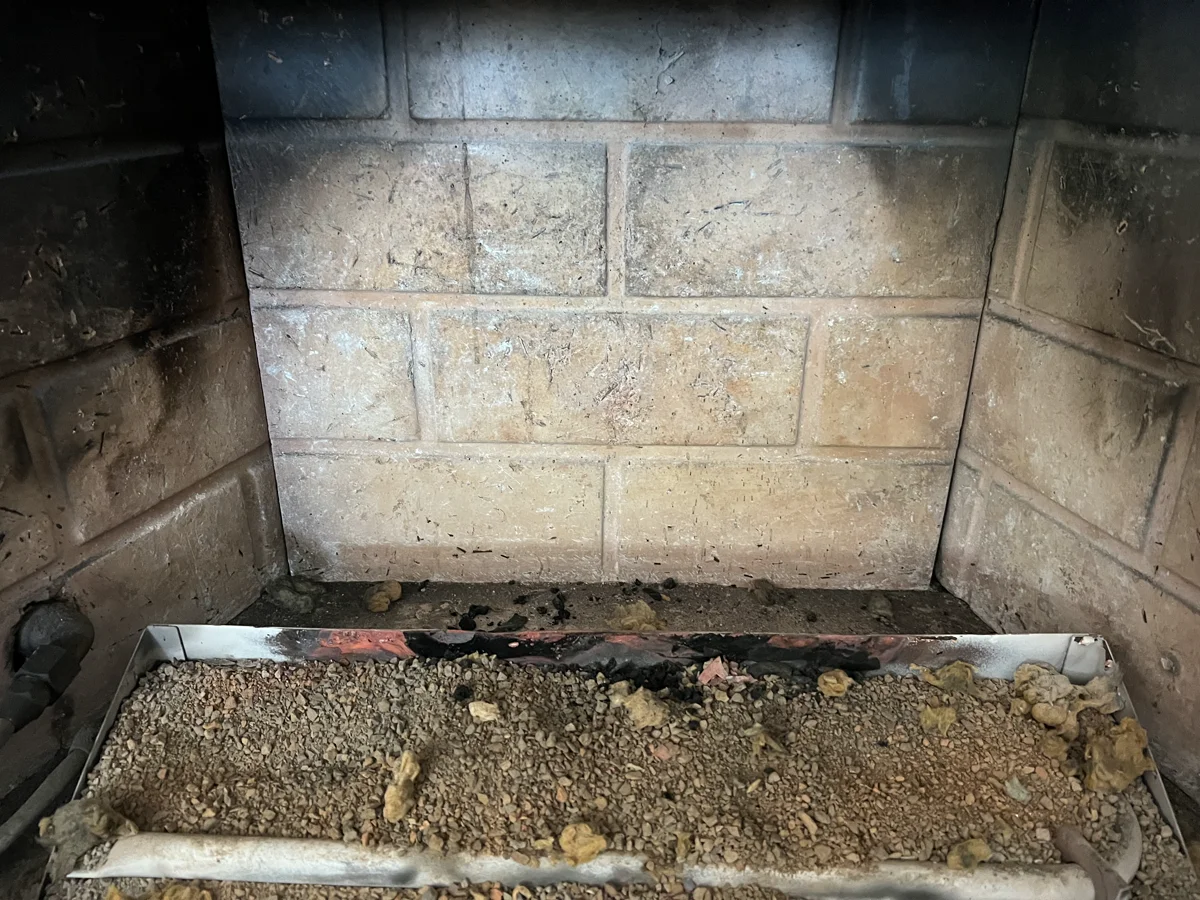
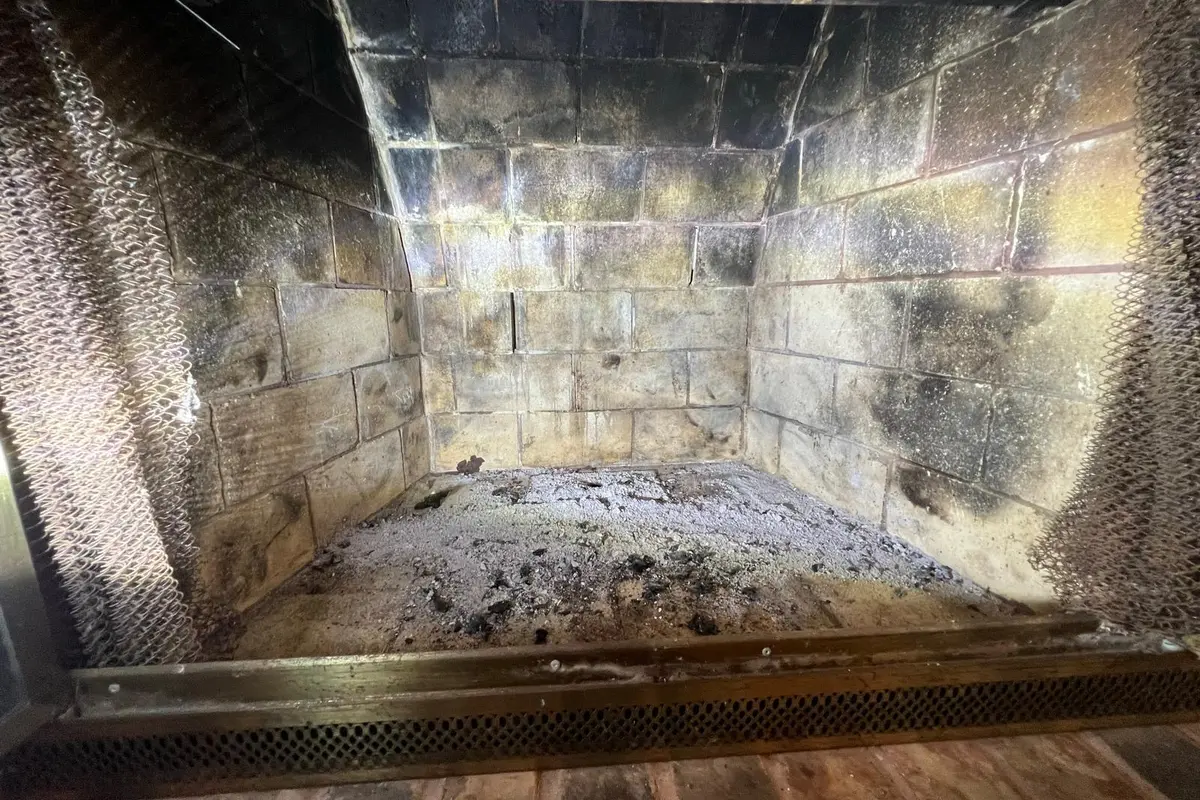
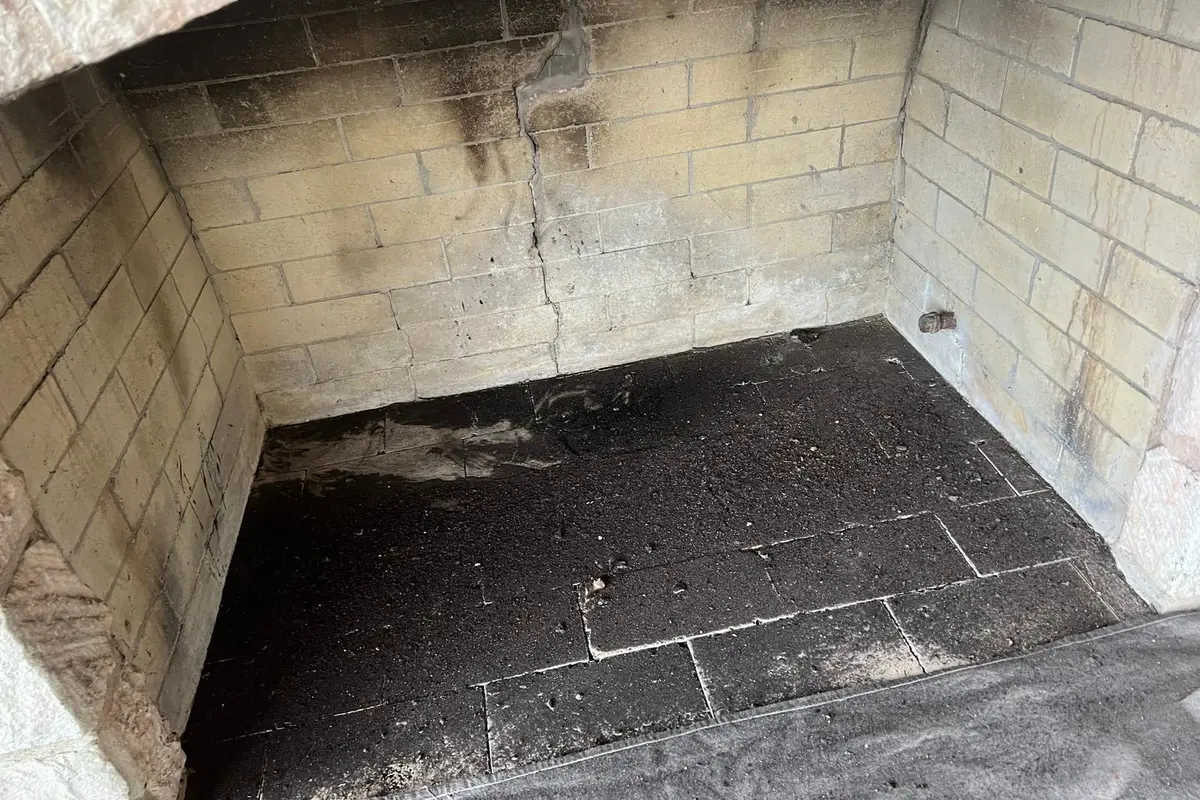
Light-to-moderate creosote buildup (Stage 1 or early Stage 2) is typical for Austin chimneys with occasional use. Stage 1 creosote is a powdery, brushable deposit that comes off easily during a standard sweep. Stage 2 is flakier and tar-like, requiring more effort but still manageable with standard tools. Heavy Stage 3 glazed creosote is rare in Austin due to the lower frequency of fireplace use compared to colder regions.
How to Choose a Chimney Sweep in Austin
Look for CSIA (Chimney Safety Institute of America) certification or technicians trained to CSIA standards. CSIA is the industry benchmark credential confirming the technician understands chimney safety codes, proper cleaning techniques, and inspection standards. Not every company employs CSIA-certified sweeps, but those that follow CSIA guidelines generally deliver more thorough and reliable work.
Verify insurance. Chimney work involves rooftop access, fire hazards, and work inside your home. The company should carry both general liability and workers compensation insurance. Ask for proof before work begins - a legitimate company provides it without hesitation.
Check Google reviews - and read the content, not just the star count. Look for reviewers who describe the actual service: did the technician explain findings, provide a report, show camera images, and clean up properly? Generic five-star reviews with no detail are less useful than a four-star review with a thorough description of the experience.
Ask what the service includes before booking. A legitimate chimney sweep should include full flue brushing, smoke shelf cleaning, firebox cleaning, damper check, and a Level 1 visual inspection with a written report. If a company cannot list what is included, they may be cutting corners on scope.
Air Central has been serving Austin chimney owners since 2014. We provide HD camera inspection before and after every chimney sweep, deliver a written condition report, and have 500+ Google reviews at 5.0 stars. Call (512) 601-4451 to book your chimney sweep appointment.
Is Your Chimney Safe for This Season?
A 21-point chimney inspection catches problems before they become dangerous. Book before the first fire.
Call (512) 601-4451Rate your home's indoor air quality in 2 minutes
What a Chimney Sweep Costs in Austin
A standard chimney sweep with Level 1 inspection in Austin costs $175-$350. The price depends on chimney type (masonry chimneys with clay liners take longer than prefabricated metal units), creosote level (heavy buildup requires more time), roof accessibility (steep or high roofs add time and effort), and number of flues (two-flue chimneys cost roughly 1.5x a single flue).
Level 2 camera inspections add $100-$250 to the base sweep price but are worth it for homes that have not been inspected in several years, homes being bought or sold, or any chimney where damage is suspected. The camera inspection reveals conditions inside the flue that are invisible from the firebox opening.
Repairs are quoted separately after the inspection identifies what is needed. Common Austin repairs include crown sealing ($150-$400), chimney cap installation ($200-$500), and minor mortar repairs ($300-$800). Your technician should present repair options with pricing after the inspection, not surprise you with charges during the sweep.
Get a professional estimate before work begins. Air Central quotes the complete scope upfront - the price you are quoted is the price you pay. Call (512) 601-4451 for your chimney sweep appointment.
When to Schedule Your Chimney Sweep in Austin
The best time is late summer through early fall (August-October), before you start using the fireplace. This timing ensures the flue is clean, inspected, and any needed repairs are completed before the first cold front. It also avoids the peak-season rush that hits in November when everyone remembers their chimney at the same time.
Spring (March-April) is a strong alternative. After the last fire of the season, a spring sweep removes the winter's creosote accumulation and provides a clean starting point for the off-season. If the inspection reveals water damage from winter storms, spring timing gives you the full summer to complete repairs at a comfortable pace.
Do not wait for visible signs of trouble. By the time you see or smell problems from the firebox, the issue has usually been developing for a while. The NFPA recommends annual inspection of all chimneys, regardless of use frequency. An ounce of prevention in chimney maintenance is genuinely worth a pound of cure - a $200 sweep can catch a $2,000 problem before it happens.
Call (512) 601-4451 to schedule your chimney sweep. Air Central serves Austin and the surrounding areas including Round Rock, Cedar Park, Georgetown, Pflugerville, Lakeway, and Dripping Springs.
What Does a Professional Chimney Sweep Include?
A professional chimney sweep follows a structured process designed to clean the flue safely while protecting your home from soot and debris. The National Fire Protection Association (NFPA 211) sets the standard that guides every step. Here is what happens in sequence.
Step 1: Setup and containment. The technician lays drop cloths around the firebox and seals the opening with plastic sheeting and a commercial vacuum attachment. This negative-pressure seal ensures that soot, creosote, and debris are captured rather than released into your living space. Setup takes about 10-15 minutes.
Step 2: Pre-cleaning inspection. Using a flashlight, mirror, and/or HD camera, the technician examines the firebox, smoke shelf, damper, and flue liner from below. They document the creosote stage (1, 2, or 3), check for obstructions like animal nests, and note any visible damage to the liner or mortar joints. This initial assessment takes 5-10 minutes and determines the cleaning approach.
Step 3: Flue brushing. Professional chimney brushes matched to your flue size and shape are run through the entire flue length, scrubbing creosote and soot deposits from the liner walls. The technician works each section until the brush moves freely. A HEPA vacuum at the base captures falling debris in real time. Brushing takes 15-30 minutes depending on flue length and creosote severity.
Step 4: Smoke shelf and firebox cleaning. The smoke shelf (the horizontal ledge behind the damper) collects falling debris, rain, and sometimes animal nesting material. It is cleaned manually and vacuumed. The firebox is swept clean of all ash, soot, and debris. This step takes 5-10 minutes.
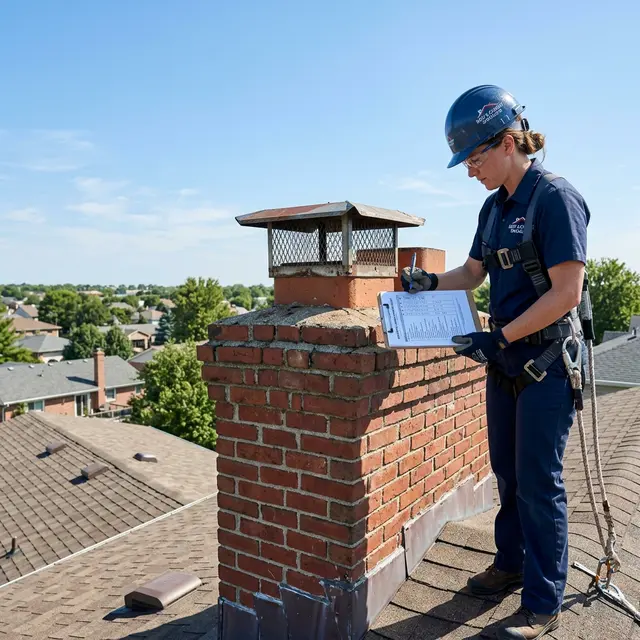
Step 5: Exterior inspection. The technician accesses the rooftop to inspect the chimney cap, crown, flashing, and mortar joints from the top down. They check the cap for damage or animal evidence, examine the crown for cracks, and assess flashing seals where the chimney meets the roof. This exterior check takes 10-15 minutes.
Step 6: Post-cleaning documentation. A written report details every finding: creosote stage, liner condition, crown status, cap condition, damper operation, and any recommended repairs with pricing. The technician walks you through the results. Total appointment time for a standard single-flue chimney: 45-90 minutes.
Related Services
Learn more about our professional services related to this topic:
- Chimney Sweep & Repair - Professional cleaning and 21-point safety inspection for your fireplace.
Want the full picture?
Read our complete guide: Chimney Sweep and Fireplace Safety: Austin Guide (2026) →Have questions about chimney & fireplace? Our team is available 7 days a week. Call us at (512) 601-4451 or visit our contact page.