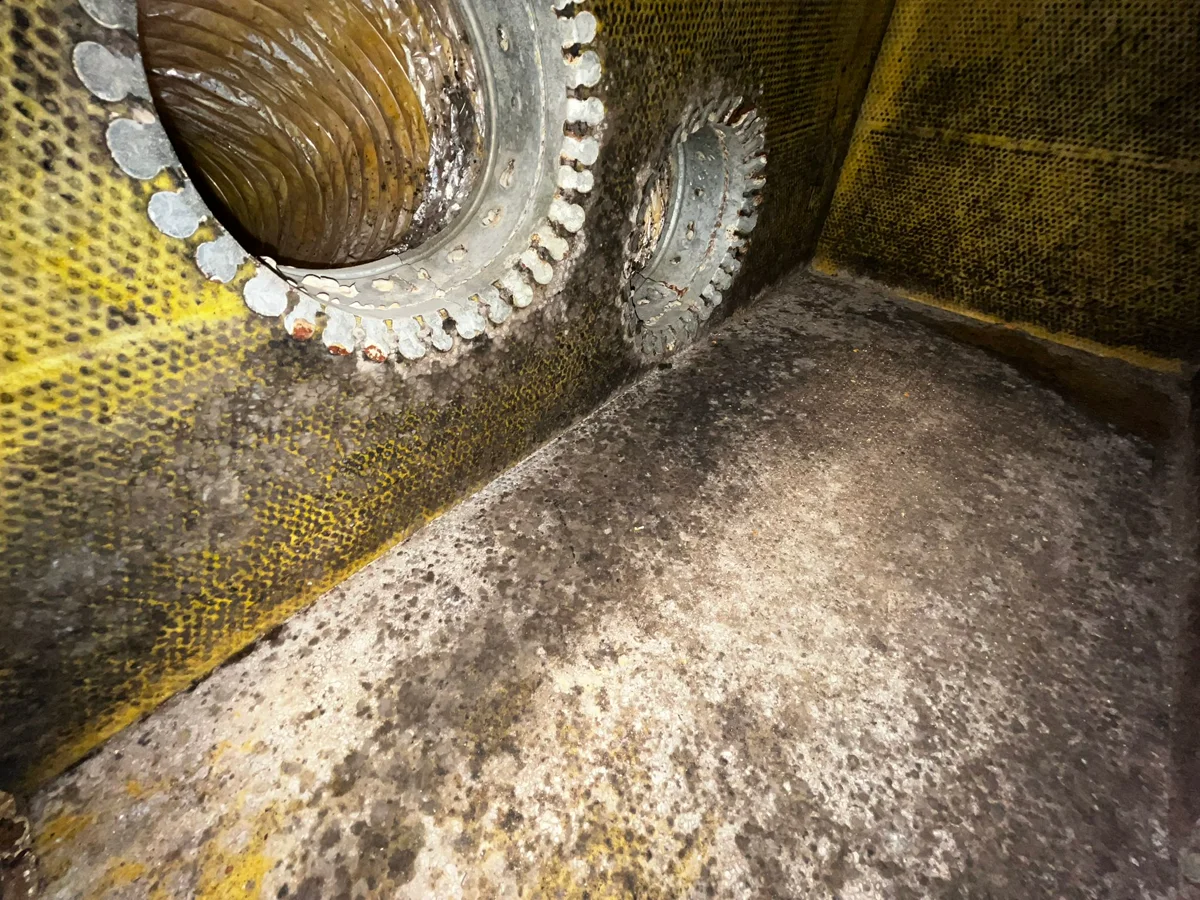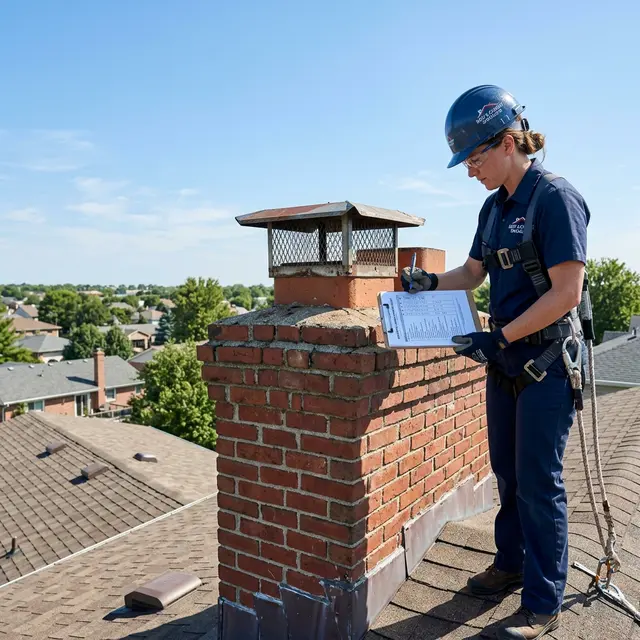
A complete chimney inspection covers 21 points: flue liner condition, creosote level, cap and crown condition, damper operation, firebox integrity, mortar joints, flashing, and structural soundness - here is what each check means.
The 21-Point Inspection
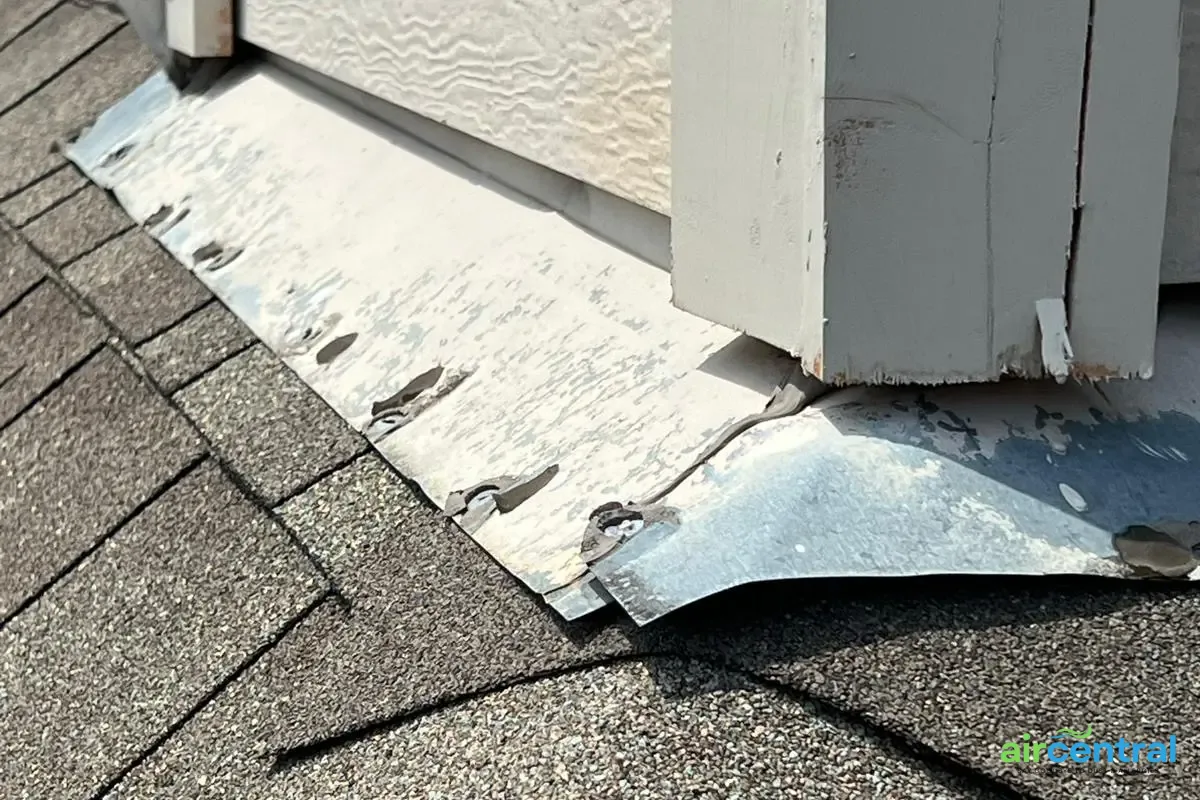
Exterior (7 points): 1. Chimney cap - present, properly sized, no damage. The cap is your first line of defense against rain, animals, and debris entering the flue. A missing or damaged cap is the single most common problem we find in Austin chimneys, and one of the cheapest to fix. 2. Crown/wash - no cracks allowing water entry. The crown is the concrete top of the chimney, and Austin's intense UV and heat cycles cause cracking over time. Even hairline cracks let water in, which accelerates interior damage. 3. Mortar joints - no gaps or deterioration. 4. Flashing - sealed where chimney meets roof. Failed flashing is a major source of roof leaks. 5. Brick/stone condition - no spalling or loose masonry. 6. Height - meets code (minimum 3 feet above roof, 2 feet above anything within 10 feet). 7. Chimney lean - plumb and structurally sound.
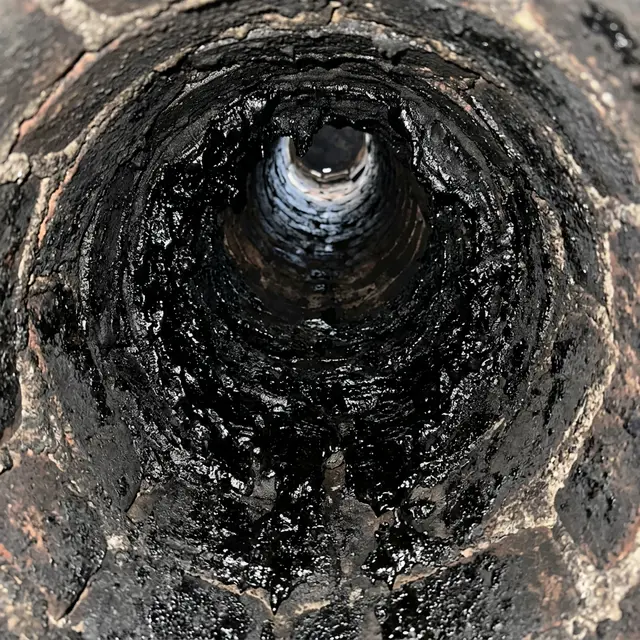
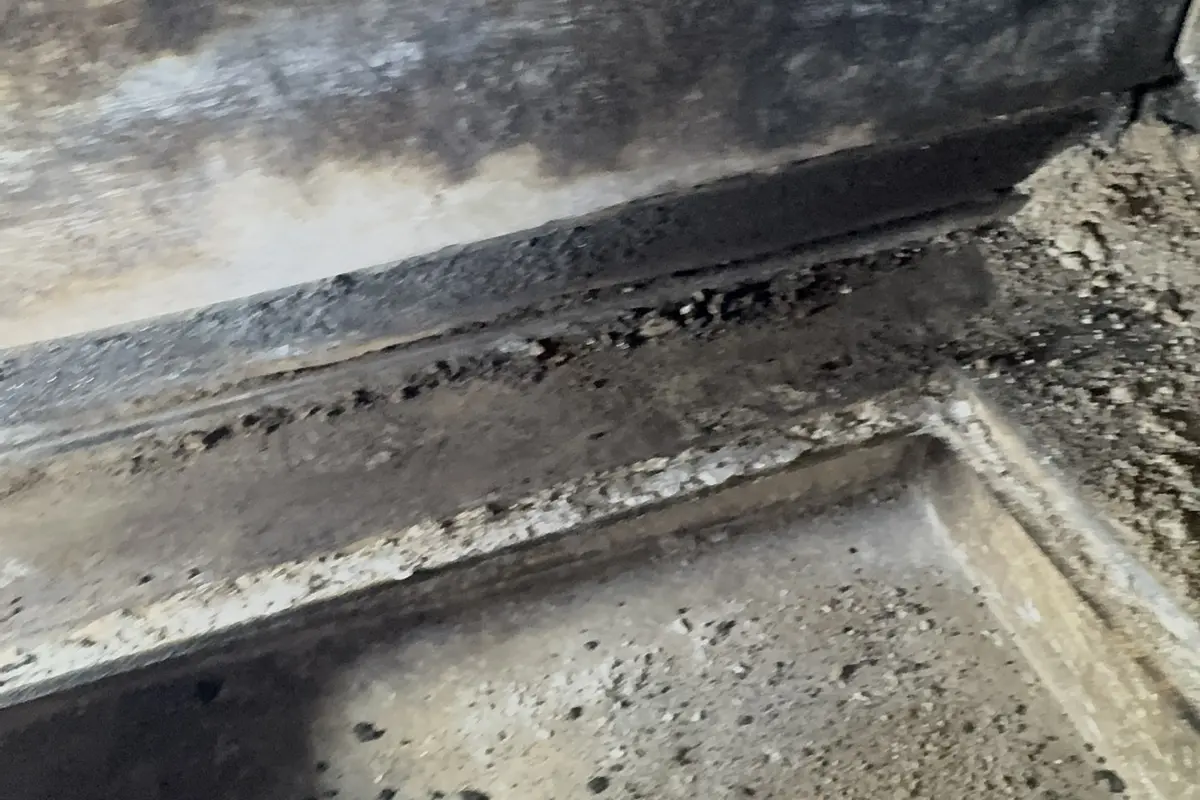
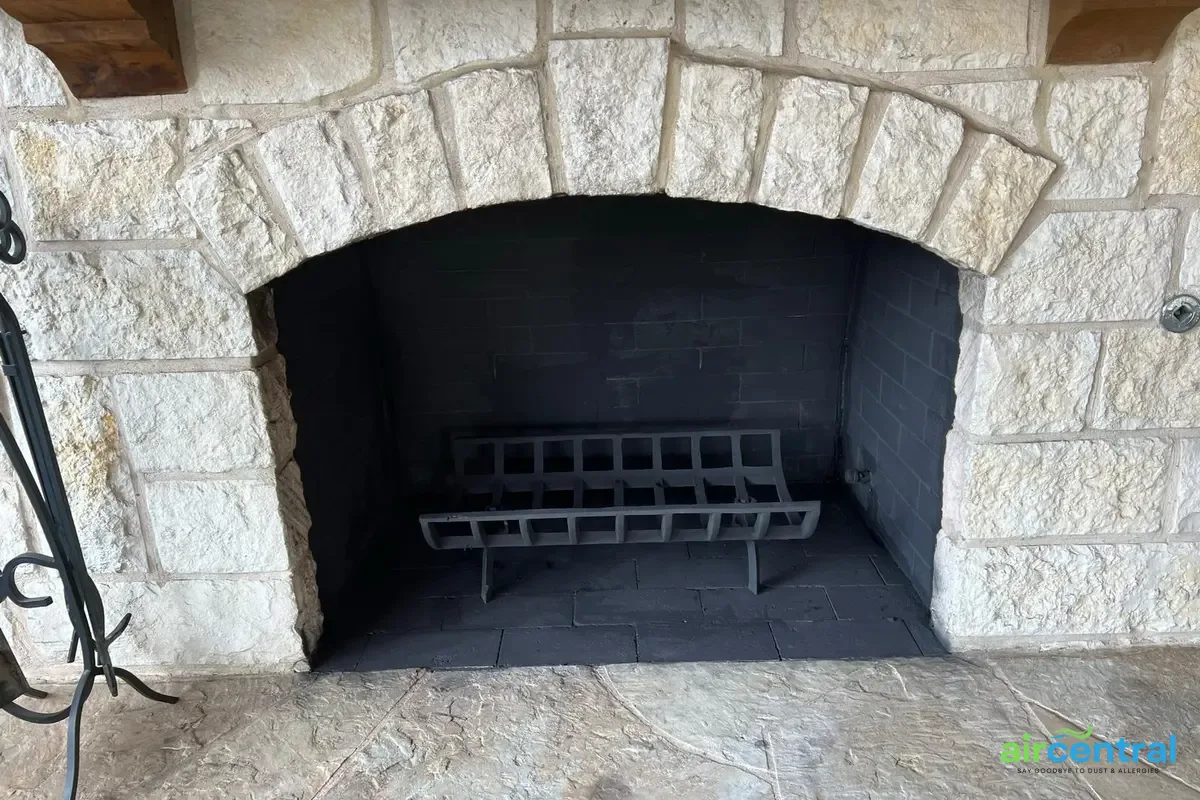
Interior (8 points): 8. Flue liner - no cracks, gaps, or deterioration. The liner protects your home's wood framing from the extreme heat inside the flue. A cracked liner is a fire hazard. Clay tile liners are the most common in Austin homes, and they can crack from age, settling, or a past chimney fire. 9. Creosote level - measured as Stage 1, 2, or 3. The technician checks the thickness and type of creosote deposits to determine if sweeping is needed and how aggressive the cleaning should be. 10. Smoke shelf - cleared of debris. This horizontal shelf behind the damper catches falling debris and rain. It should be clean and free of animal nesting material. 11. Damper - opens, closes, and seals properly. A stuck or warped damper wastes energy year-round by letting conditioned air escape up the flue. 12. Firebox - no cracked firebricks or damaged refractory panels. 13. Hearth extension - meets code clearances. 14. Ash dump - functional and clear. 15. Cleanout door - accessible and sealed.
Connections and safety (6 points): 16. Smoke chamber - no gaps in mortar. The smoke chamber funnels smoke from the wide firebox opening into the narrow flue. Gaps in the mortar here allow heat to reach combustible framing. Parge coating (smooth mortar applied to the smoke chamber walls) improves draft and safety. 17. Connector pipe (for stove installations) - proper gauge, clearances met. 18. Carbon monoxide path - no obstructions anywhere in the venting system. 19. Combustion air supply - adequate for the appliance. Modern tight homes sometimes starve fireplaces of air, causing smoke to back up into the room. 20. Gas connections (if applicable) - no leaks, tested with electronic leak detection or soap solution. 21. Clearance to combustibles - meets code minimums throughout, including walls, mantels, and any wood trim near the firebox.
What Each Inspection Level Covers
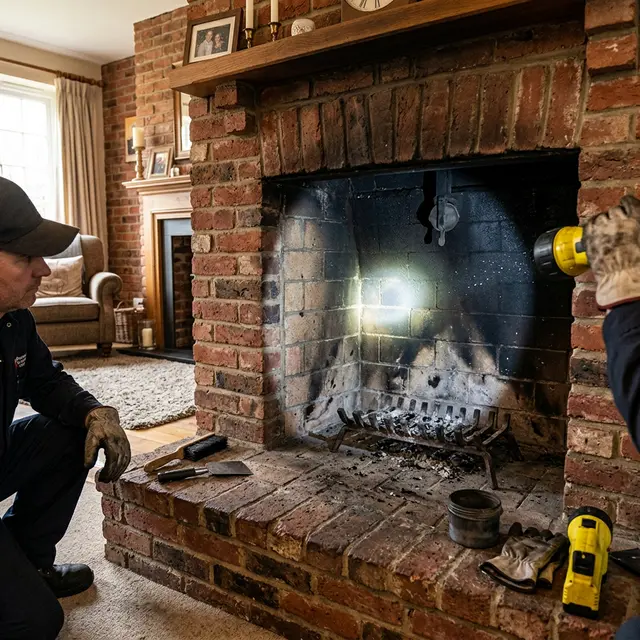
Level 1 (routine): visual inspection of accessible areas during normal use. The technician examines everything visible without special tools or removing any components. This is the standard annual inspection for chimneys in continued service with no changes or known problems. Recommended for every Austin homeowner with a fireplace, every year.
Level 2 (more thorough): includes everything in Level 1 plus a camera inspection of the flue interior, examination of accessible areas in the attic and crawl space, and verification of proper clearances from combustibles. Required when buying or selling a home, when changing fuel type (such as converting from wood to gas), after a chimney fire, or after any event that may have damaged the chimney such as an earthquake or severe storm. In Austin's active real estate market, a Level 2 inspection is standard during home sales and gives buyers clear documentation of chimney condition.
Level 3 (invasive): involves removing components to investigate suspected structural damage. This means opening walls, removing chimney components, or excavating around the foundation to get a full picture of the chimney's condition. Level 3 is only done when a Level 1 or Level 2 inspection reveals evidence of a serious hazard that cannot be fully evaluated without access to concealed areas. Most homeowners will never need a Level 3 inspection.
Common Issues Found in Austin Chimney Inspections
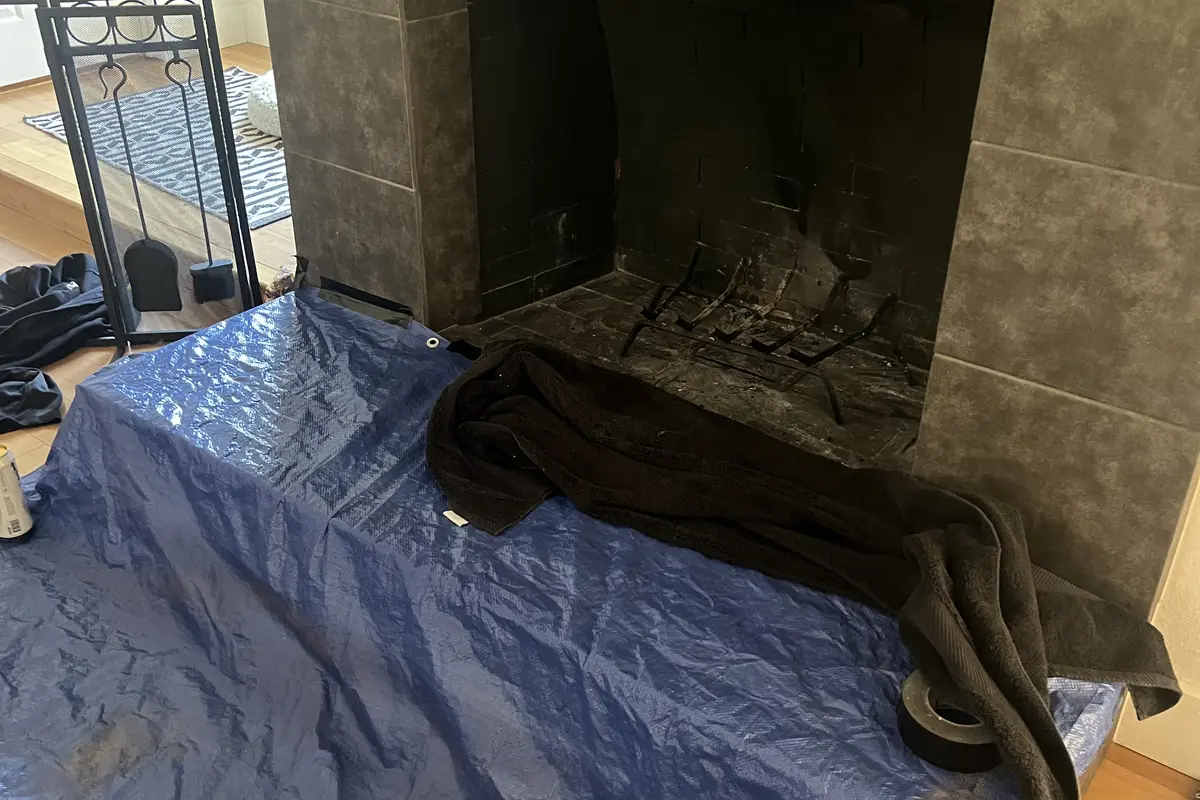
After inspecting hundreds of chimneys across Austin, the most frequent problems we see are missing or damaged chimney caps (about 30% of inspections), cracked crowns from heat and UV exposure (about 25%), deteriorated mortar joints on older masonry chimneys in neighborhoods like Allandale and Crestview, and dampers that will not seal properly due to warping or rust. Water damage is a recurring theme - Austin gets 34 inches of rain per year on average, and every entry point on a chimney eventually lets moisture in if not properly maintained.
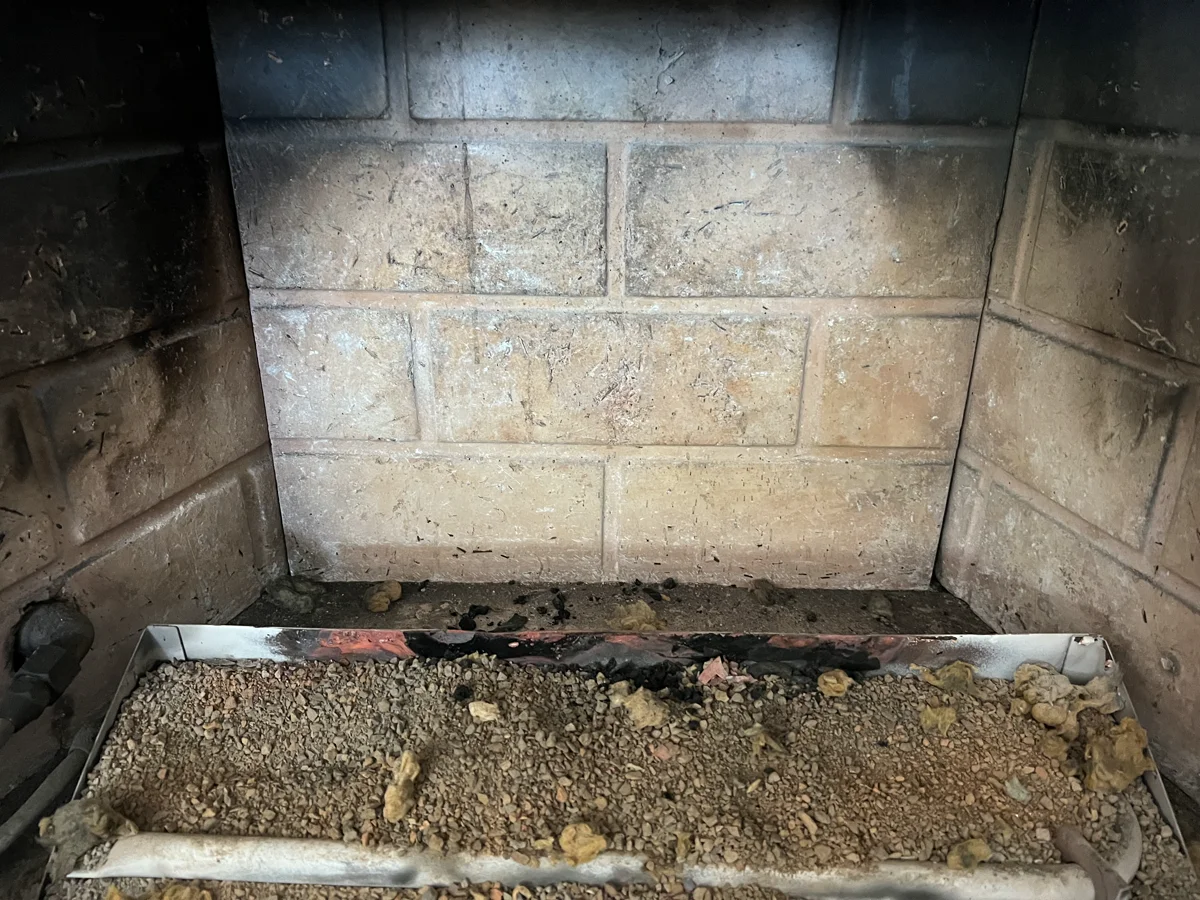
For gas fireplaces, the most common findings are dusty or clogged burner ports, deteriorated gaskets on sealed glass panels, and corroded or malfunctioning pilot assemblies. Every one of these is a routine fix when caught early - and every one becomes a safety hazard when ignored. Whether your fireplace burns wood or gas, a 21-point inspection once a year keeps it safe and ready. Call (512) 601-4451 to get yours checked before the first cold front catches you off guard.
Is Your Chimney Safe for This Season?
A 21-point chimney inspection catches problems before they become dangerous. Book before the first fire.
Call (512) 601-4451Rate your home's indoor air quality in 2 minutes
Chimney Inspection Service and Chimney Cap Installation: What to Expect
A professional chimney inspection service in Austin includes all 21 points above, completed in 45-90 minutes for a single-flue chimney. The technician documents findings in a written report, shows you photos or video of any problems discovered, and provides a clear recommendation for any repairs needed. A proper chimney sweep and inspection together - the cleaning plus the full visual assessment - is the standard annual service package for any wood-burning fireplace.
Chimney cap installation is one of the most common repairs identified during inspection, and one of the highest-value fixes available. A stainless steel chimney cap with mesh screening typically costs $150-$500 installed, depending on the chimney size and cap style. Stainless steel caps last 20-30 years in Austin's UV environment, compared to galvanized caps that begin to rust within 5-7 years. If your inspection reveals a missing or damaged cap, budget for stainless steel. The cap prevents rain entry that damages the flue liner and masonry, keeps animals out year-round, and stops debris from blocking the flue.
Fireplace repair findings during inspection are categorized by urgency. Safety-related repairs - cracked flue liner, failed damper seal, blocked carbon monoxide path - should be addressed before the fireplace is used again. Cosmetic or maintenance repairs - spalled brick, hairline crown cracks, tuckpointing - can typically be scheduled within the next season. Air Central's inspection report clearly separates safety-critical from maintenance-priority findings so you know exactly what needs immediate attention and what can wait.
Related Services
Learn more about our professional services related to this topic:
- Chimney Sweep & Repair - Professional cleaning and 21-point safety inspection for your fireplace.
Want the full picture?
Read our complete guide: Chimney Sweep and Fireplace Safety: Austin Guide (2026) →Have questions about chimney & fireplace? Our team is available 7 days a week. Call us at (512) 601-4451 or visit our contact page.