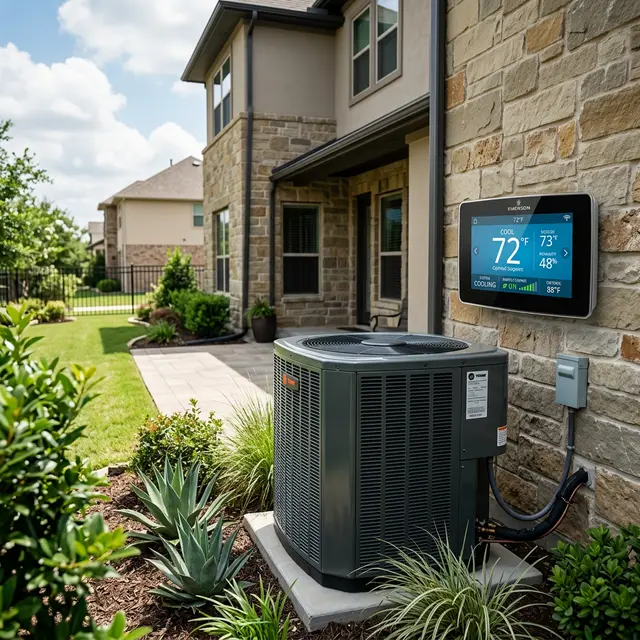
A chimney cap sits on top of the chimney to keep rain, animals, and debris out. A chimney damper sits inside the flue to control airflow and prevent conditioned air from escaping. Most Austin chimneys need both - caps cost $150-$500 installed, dampers cost $200-$600. They serve completely different functions.
One Sits on Top, One Sits Inside - and You Probably Need Both
Homeowners confuse chimney caps and dampers constantly, and the confusion costs money. A cap without a functioning damper means wildlife stays out but conditioned air escapes up the flue 24/7. A damper without a cap means you can close the flue but rain and animals still enter the chimney when the damper opens. Each component solves a different problem.
In Austin, where raccoons, chimney swifts, and roof rats actively seek shelter in chimneys, and where cooling costs dominate 7-8 months of the year, having both components functioning properly saves money and prevents headaches. NFPA 211 (the National Fire Protection Association standard for chimneys) recommends both as part of a properly maintained chimney system.
What Does a Chimney Cap Do?
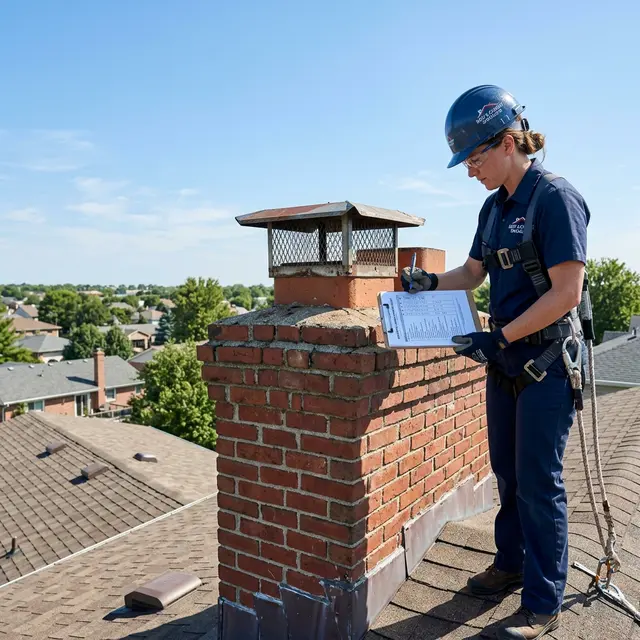
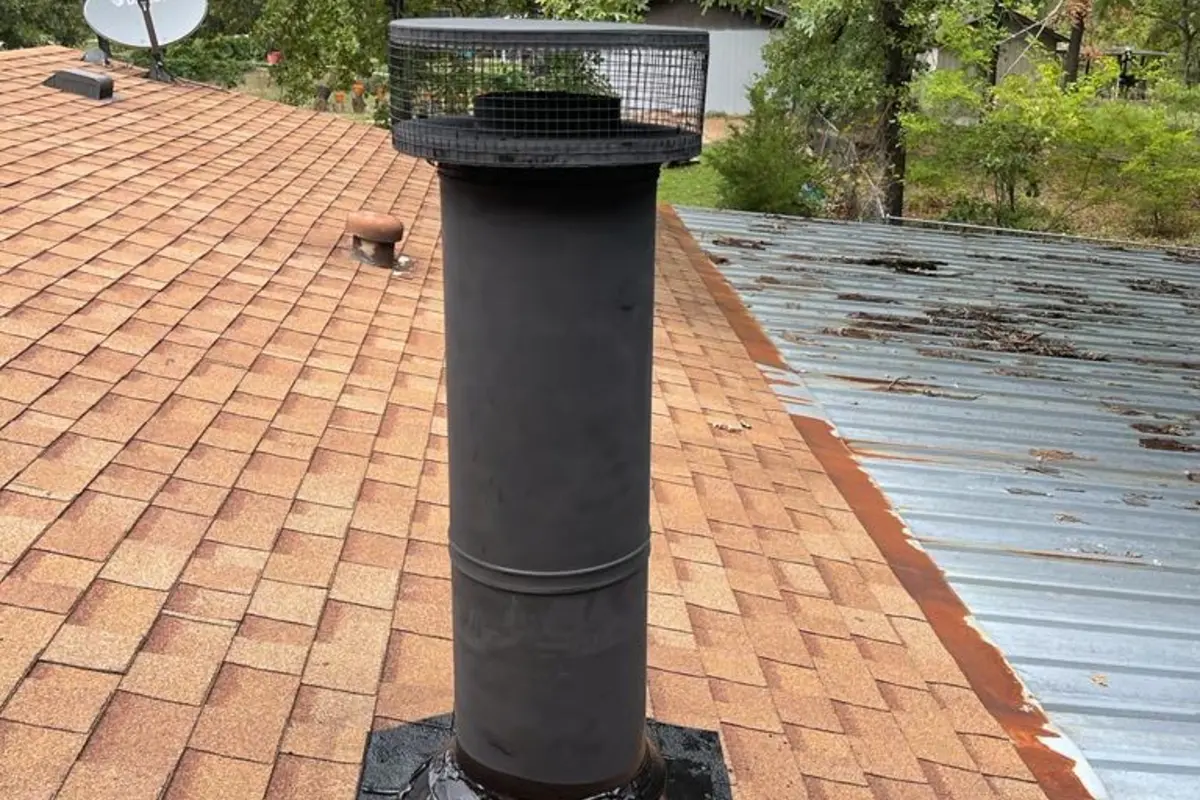
A chimney cap is a metal cover that mounts on top of the chimney crown (the flat surface surrounding the flue opening). Properly sized caps include mesh screening on the sides that allows smoke to exit while blocking animals, birds, rain, leaves, and debris from entering.
Without a cap, rain enters directly into the flue, deteriorating the flue liner, eroding mortar joints, and causing rust on the damper plate. In Austin, where annual rainfall averages 34 inches, an uncapped chimney absorbs significant moisture over time. That moisture causes efflorescence (white mineral deposits), spalling bricks, and eventually structural damage.
The mesh screening on a quality chimney cap prevents animals from nesting inside the flue. Austin's most common chimney invaders - raccoons, chimney swifts, bats, and wasps - cannot enter a properly capped chimney. Removing a raccoon family or wasp colony costs $200-$500, making the cap a simple cost-avoidance measure.
What Does a Chimney Damper Do?
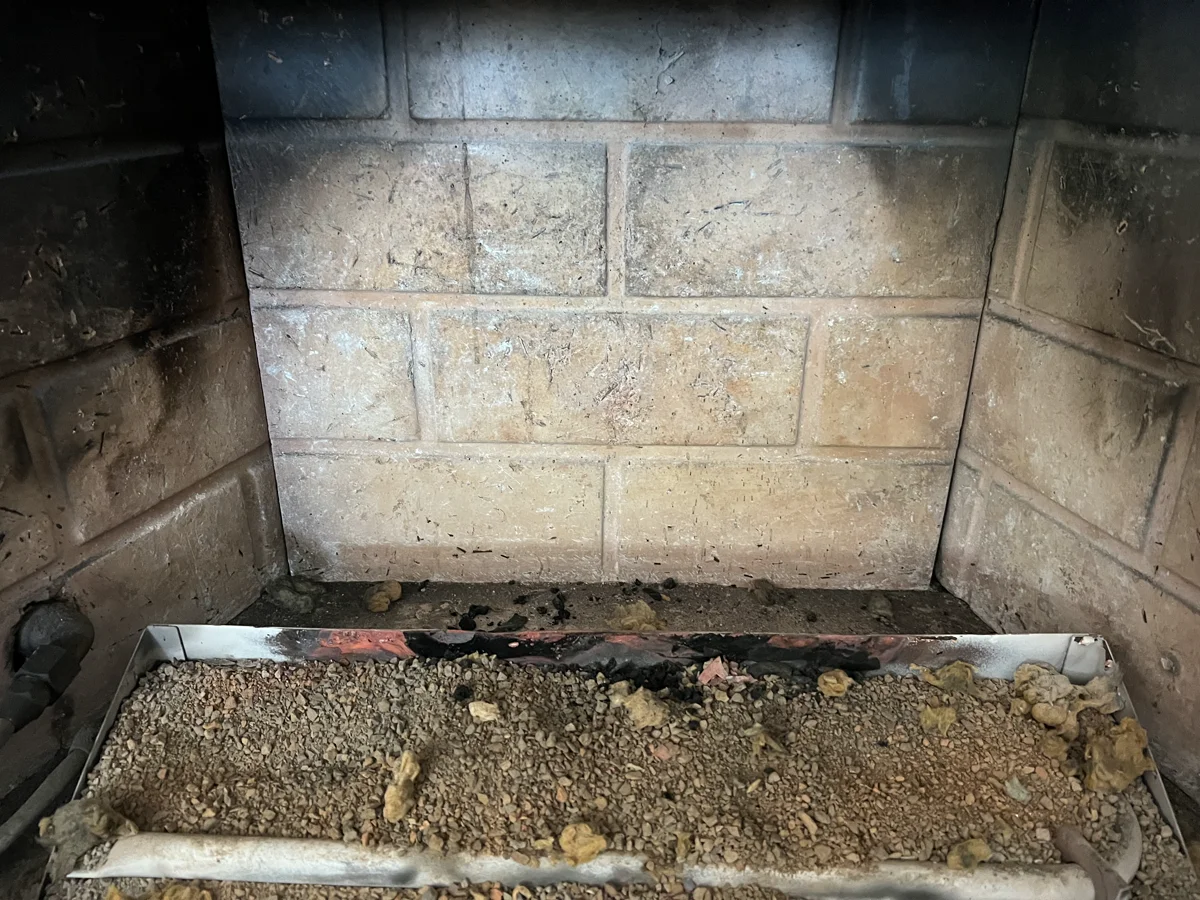
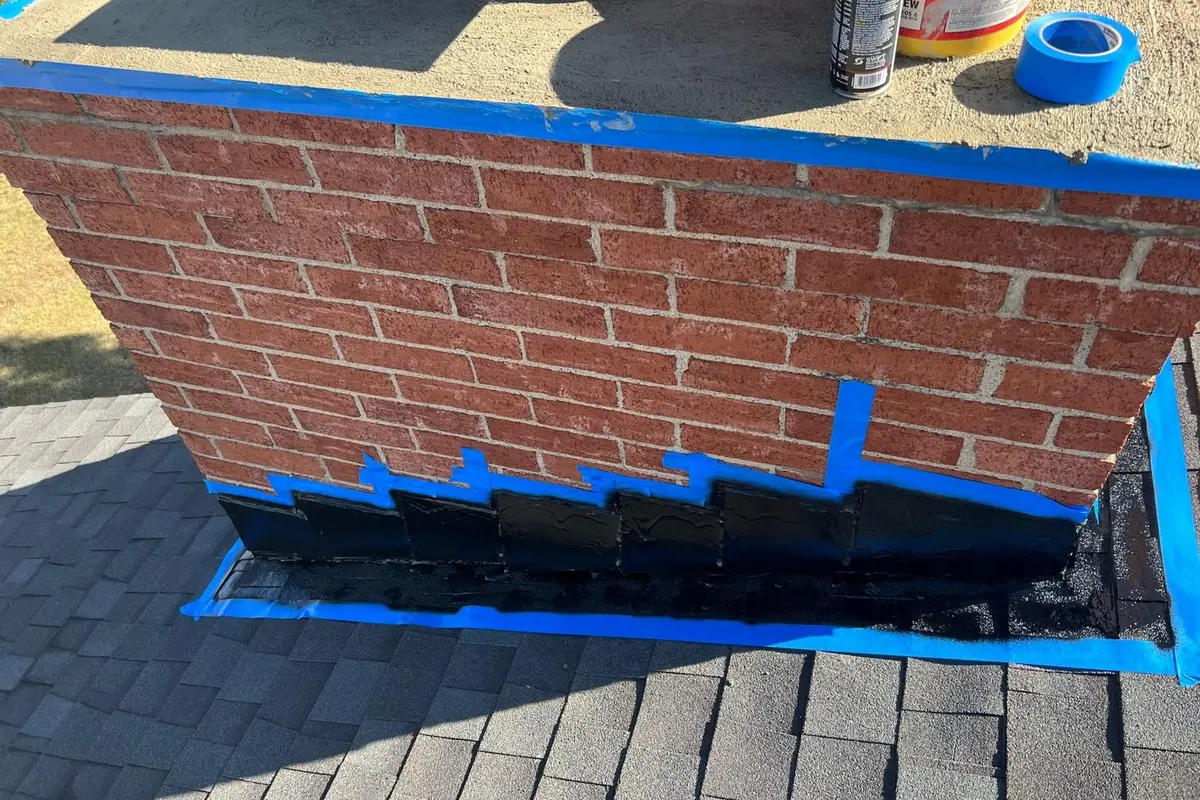
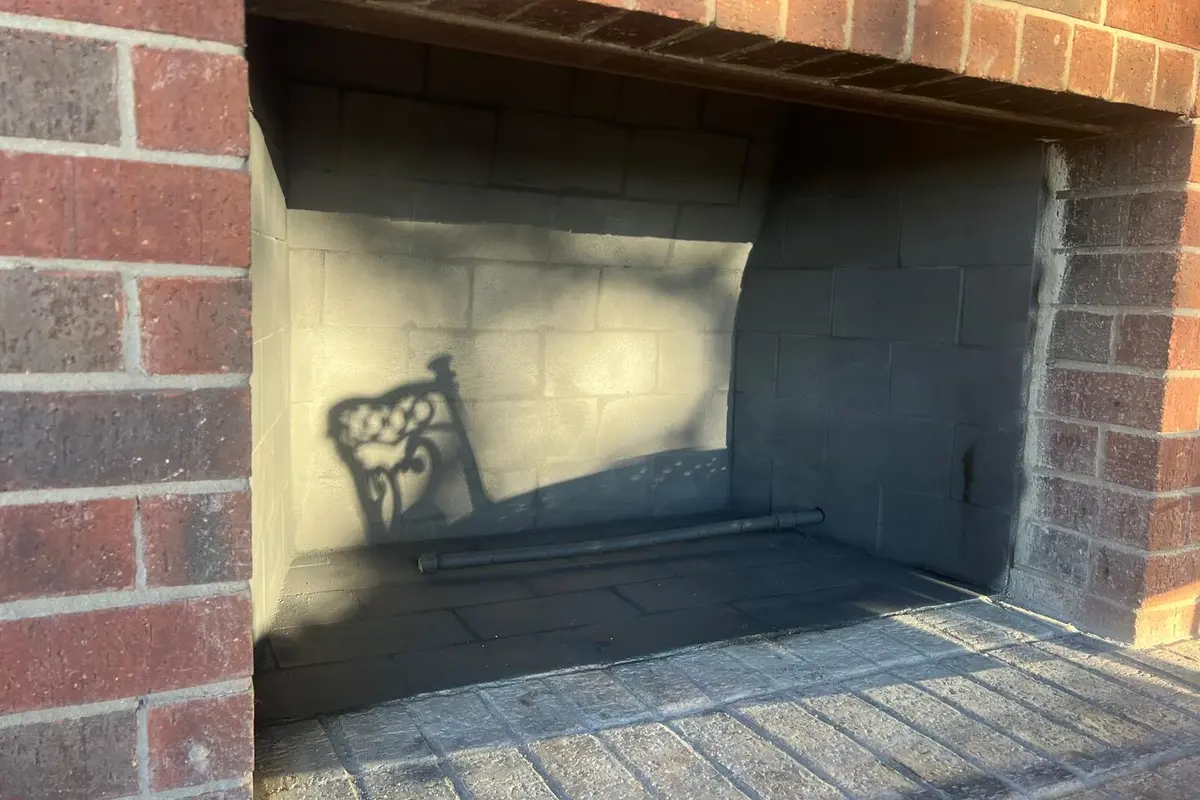
A chimney damper is a metal plate or valve inside the chimney that opens to allow smoke and combustion gases to exit during use, and closes to seal the flue when the fireplace is not in use. Traditional throat dampers sit at the base of the flue, just above the firebox. Top-mount dampers sit at the top of the chimney and double as a basic cap.
When the damper is open (or missing), your chimney acts as an open window. Conditioned air - the cooled air you are paying to produce all summer - rises up the flue and out of the house. The DOE estimates that an open damper can waste $200 or more in heating and cooling costs per year, depending on climate and energy prices.
"I inspect chimneys across Tarrytown, Zilker, and Travis Heights where the damper has been rusted open for years," says Nessi Ziv, owner of Air Central. "The homeowner wonders why the rooms near the fireplace are always warmer in summer and colder in winter. The answer is a $300 part that has been stuck open for a decade."
Side-by-Side Comparison
Here is how chimney caps and dampers compare across the categories that matter most:
<table><thead><tr><th>Feature</th><th>Chimney Cap</th><th>Chimney Damper</th></tr></thead><tbody><tr><td>Location</td><td>Top of chimney (exterior)</td><td>Inside the flue (interior)</td></tr><tr><td>Primary function</td><td>Block rain, animals, debris</td><td>Control airflow, seal flue</td></tr><tr><td>Energy savings</td><td>Minimal (blocks downdrafts only)</td><td>Significant ($100-$200/year)</td></tr><tr><td>Wildlife prevention</td><td>Yes (mesh screening)</td><td>No (animals enter when open)</td></tr><tr><td>Rain protection</td><td>Yes</td><td>Partial (when closed)</td></tr><tr><td>Installed cost</td><td>$150-$500</td><td>$200-$600</td></tr><tr><td>Lifespan</td><td>15-25 years (stainless steel)</td><td>10-20 years</td></tr><tr><td>Maintenance</td><td>Annual inspection</td><td>Annual inspection + operation check</td></tr><tr><td>DIY installable?</td><td>Sometimes (single flue, accessible)</td><td>Not recommended</td></tr></tbody></table>
The two components are complementary, not interchangeable. A chimney cap does not seal the flue to prevent air loss, and a damper does not prevent rain and animals from entering when it is open. For complete protection, you need both.
Is Your Chimney Safe for This Season?
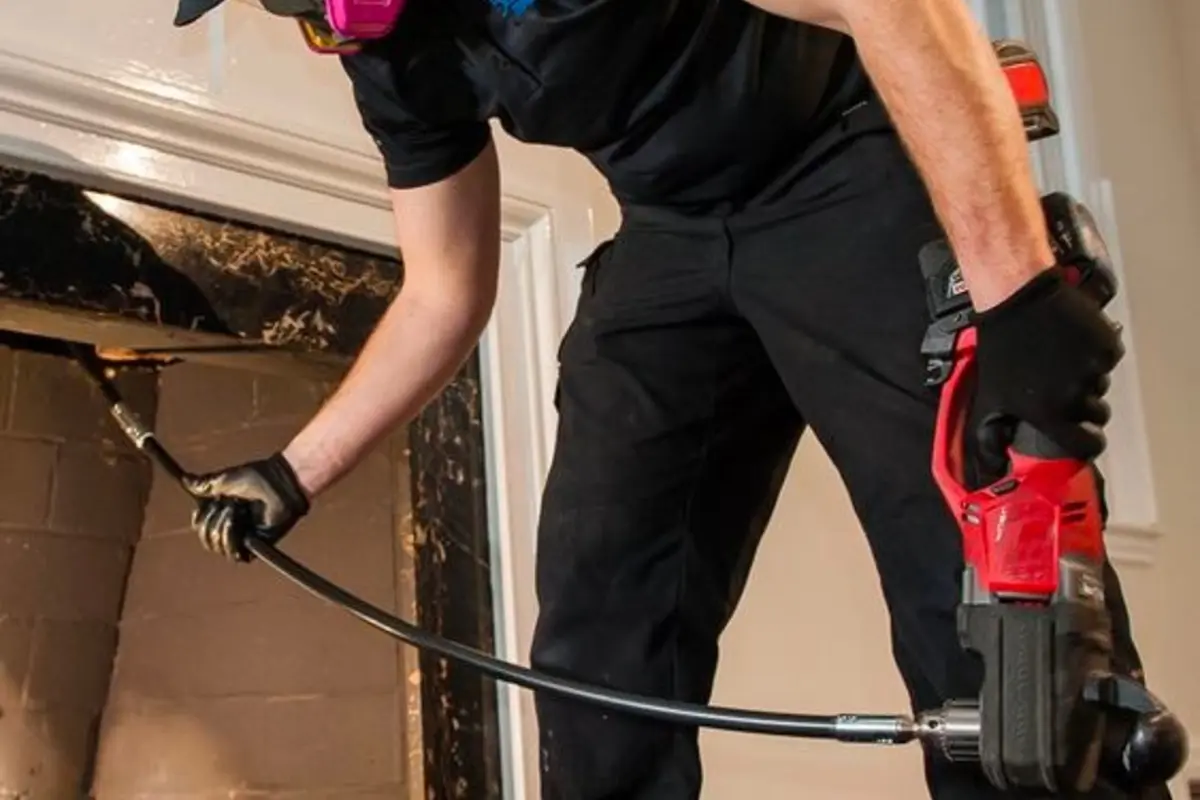
A 21-point chimney inspection catches problems before they become dangerous. Book before the first fire.
Call (512) 601-4451Rate your home's indoor air quality in 2 minutes
Top-Mount Dampers: The Two-in-One Solution
Top-mount dampers (also called top-sealing dampers) address both functions with a single unit. They mount at the top of the flue like a cap, seal with a rubber gasket when closed, and open via a cable that runs down to the firebox. A built-in mesh screen provides animal and debris protection even when the damper is open.
Top-mount dampers create a tighter seal than traditional throat dampers because the gasket sits at the top of the flue, keeping the entire chimney column at indoor temperature when closed. This eliminates the cold air column that forms above a closed throat damper in winter, which can cause downdrafts and cold air intrusion.
Cost for a top-mount damper with integrated cap runs $300-$600 installed - comparable to buying a separate cap and damper, but with better energy performance. For Austin homes where energy savings during the 7-8 month cooling season are the primary concern, top-mount dampers offer the best return on investment.
When to Replace Your Cap or Damper
Replace your chimney cap if the mesh screening is torn or corroded (animals can enter), if the cap has blown off or shifted (check after storms), or if visible rust or deterioration is present. Galvanized steel caps last 5-10 years in Austin's climate. Stainless steel caps last 15-25 years and are worth the upfront premium.
Replace or repair your damper if it does not close fully (hold a dollar bill in the damper plate gap - if it pulls free, the seal is inadequate), if the plate is warped or corroded, or if the handle mechanism is broken. Dampers that cannot close completely waste energy every hour of every day.
Air Central inspects chimney caps, dampers, flue liners, and all chimney components as part of our chimney sweep and inspection service. We serve homes in West Lake Hills, Bee Cave, Dripping Springs, Georgetown, and across the Austin metro. Call (512) 601-4451 to schedule your chimney inspection.
Chimney Cap Installers and Fireplace Repair in Austin
Finding qualified chimney cap installers in Austin who also handle fireplace repair requires verifying that the company works on both structural chimney components and mechanical components like dampers. Some companies only sweep and inspect - they outsource cap installation and damper replacement to a separate contractor. Others, like Air Central, handle the full scope: chimney sweep and inspection, cap selection and installation, damper replacement, and minor fireplace repair work in one visit.
Chimney cap installers should measure your flue opening before ordering a cap - a cap that does not fit properly either allows water entry around the edges or restricts smoke exhaust. Standard round flue sizes run 6 to 15 inches in diameter. Rectangular flues require custom-measured caps. Prefabricated (factory-built) fireplace chimneys use manufacturer-specific caps that must match the original equipment. Getting the wrong cap installed is worse than no cap at all.
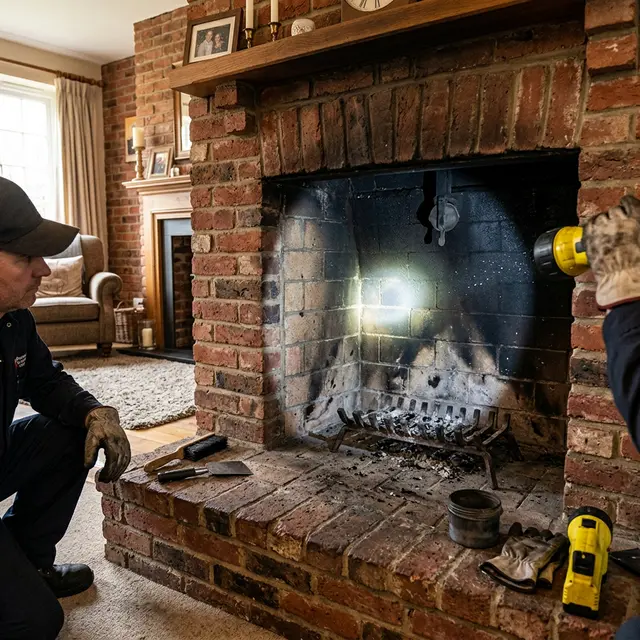
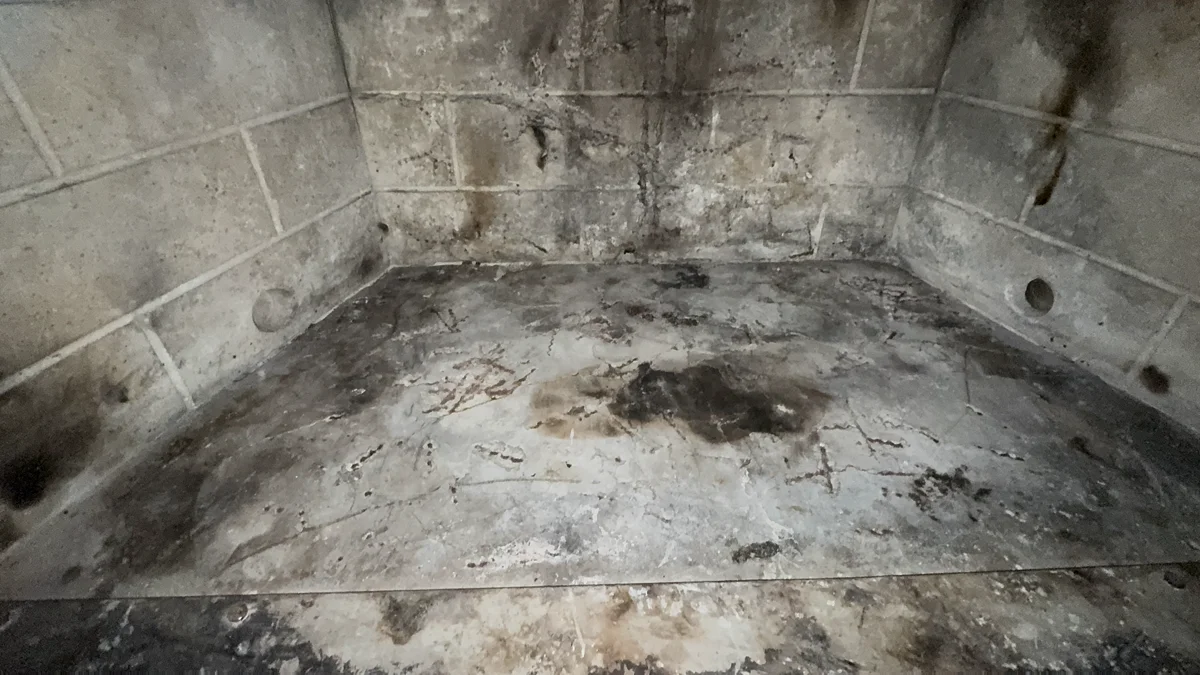
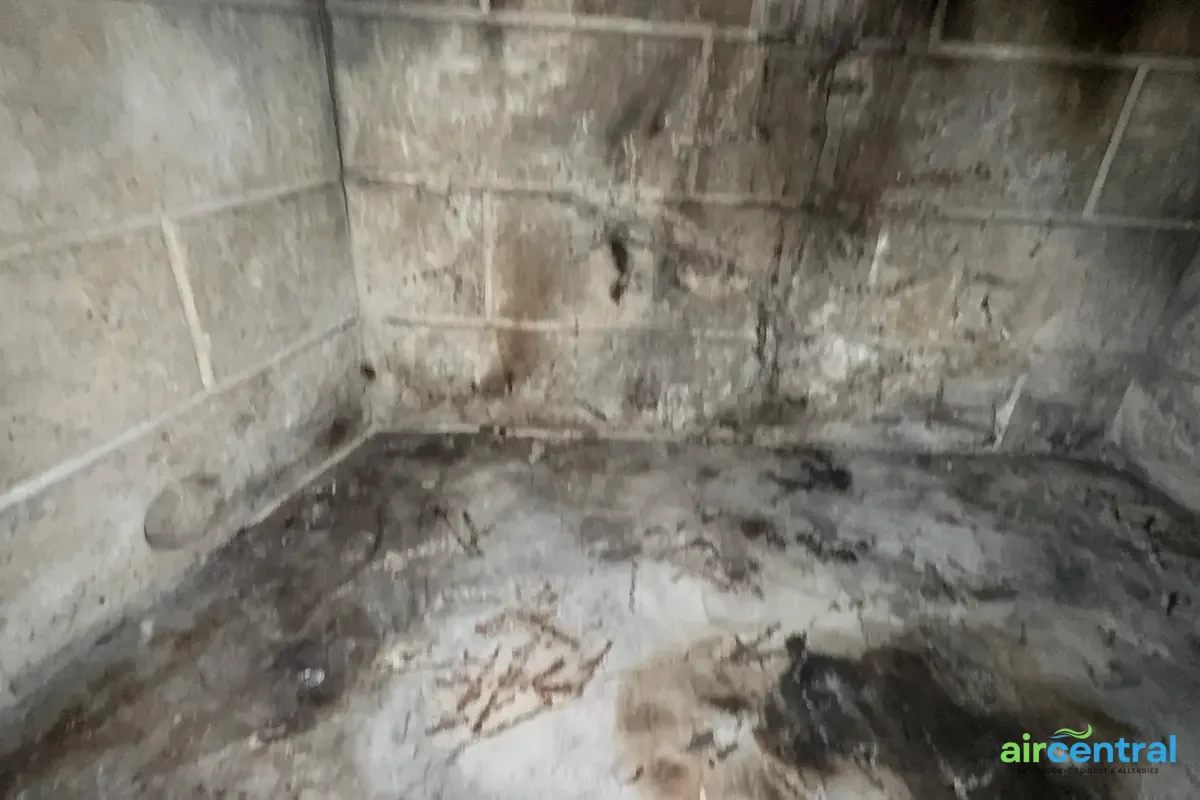
For fireplace repair beyond cap and damper work - firebox refractory panel replacement, smoke chamber parge coating, flue liner repair or replacement - Austin chimney sweeps who have completed CSIA training can accurately assess and quote these repairs. Air Central's chimney inspection service includes documentation of all repair needs with photos, written descriptions, and clear pricing so you can make informed decisions about which repairs to address immediately and which to schedule for future seasons. Call us for chimney sweep and inspection, chimney cap installation, or fireplace repair assessment.
Related Services
Learn more about our professional services related to this topic:
- Chimney Sweep & Repair - Professional cleaning and 21-point safety inspection for your fireplace.
Want the full picture?
Read our complete guide: Chimney Sweep and Fireplace Safety: Austin Guide (2026) →Have questions about chimney & fireplace? Our team is available 7 days a week. Call us at (512) 601-4451 or visit our contact page.