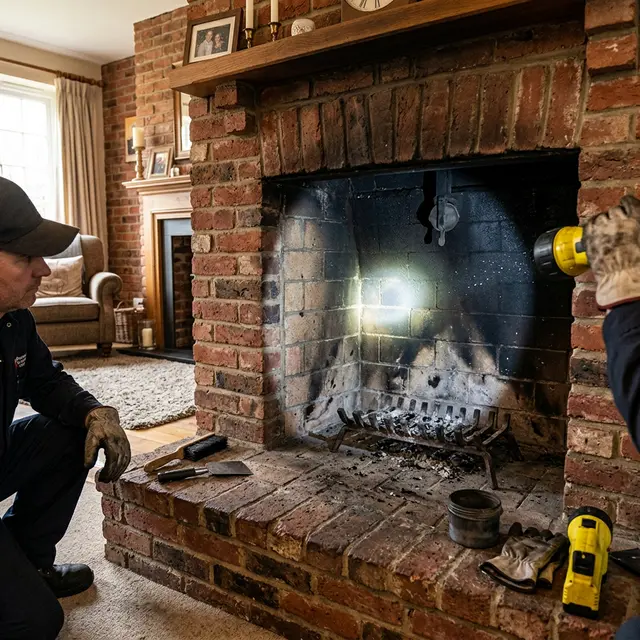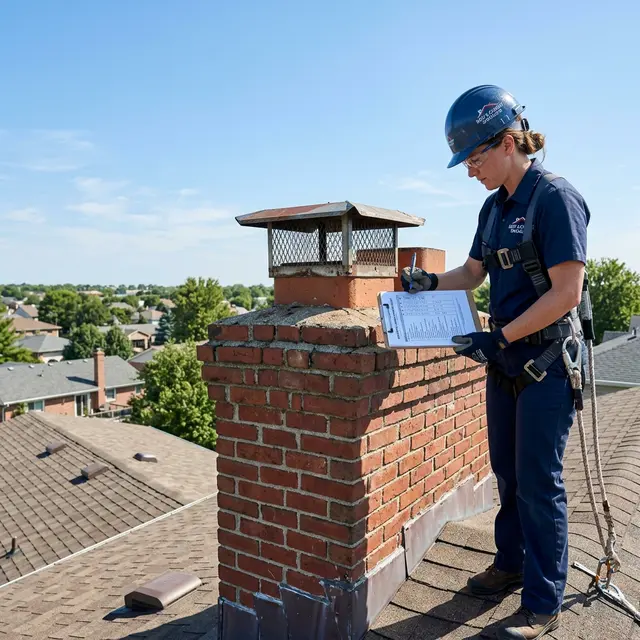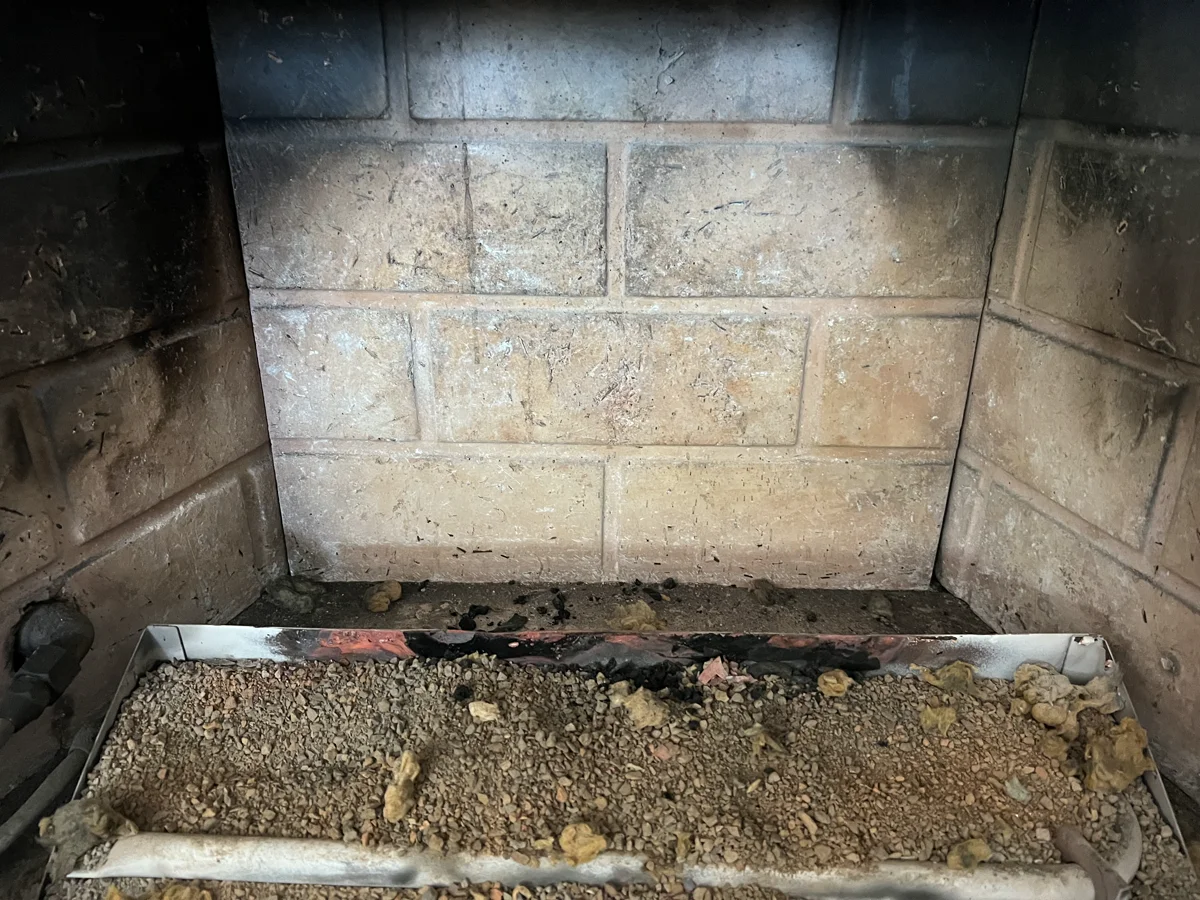
A chimney cap is the single most important protective accessory for any Austin fireplace - a metal cover installed on top of your chimney flue that keeps rain, animals, debris, and sparks out. Every Austin home with a fireplace needs one - raccoons, squirrels, and heavy rainstorms make an uncapped chimney a liability. Installation typically costs $150-$700 depending on material and chimney type. Call (512) 601-4451 to schedule chimney cap installation or replacement.
What Does a Chimney Cap Do?
A chimney cap sits on top of your flue opening and serves four essential functions: it keeps rain out, blocks animals from entering, contains sparks and embers, and prevents downdrafts from pushing smoke back into your home. Without a cap, your chimney is an open hole in your roof - exposed to everything the sky and local wildlife can throw at it.
Rain is the most damaging element. Water entering an uncapped flue runs down the interior walls, deteriorating the flue liner, rusting the damper, staining the firebox, and eventually weakening the mortar joints from the inside out. In Austin, where thunderstorms can drop several inches of rain in an hour, the volume of water entering an unprotected chimney during a single storm is significant.
The mesh screening around a chimney cap also acts as a spark arrestor. When burning wood, embers and sparks rise with the hot air and exit the flue. Without a cap, those sparks land on your roof or nearby vegetation. In Austin's dry summer months, when wildfire risk is elevated and cedar trees surround many Hill Country homes, a spark arrestor is a basic fire safety measure.
Types of Chimney Caps
Single-flue caps cover one chimney opening and are the most common type for residential homes. They attach directly to the flue tile or flue pipe with set screws or clamps. Most Austin homes with a single fireplace need a single-flue cap. These are the simplest to install and the least expensive option.
Multi-flue caps (also called top-mount or full-coverage caps) span the entire chimney crown and cover multiple flue openings under one unit. These are common on older Austin homes where one chimney stack may have two or three flues - one for the fireplace, one for a furnace, and sometimes one for a water heater. Multi-flue caps also protect the chimney crown itself from rain and UV damage.
Custom chimney caps are fabricated to fit unusual chimney shapes, oversized flues, or decorative specifications. If your chimney does not match standard dimensions - common in custom-built homes in West Lake Hills, Lakeway, and Dripping Springs - a custom cap ensures proper fit and function. Custom caps cost more but solve fitment problems that standard caps cannot address.
Draft-increasing caps (wind directional caps) use aerodynamic design to improve chimney draft in areas where wind patterns cause persistent downdraft problems. These are specialty products and rarely needed in Austin, but homes on exposed hilltops in the Hill Country occasionally benefit from them.
Chimney Cap Materials: Which One Lasts in Austin
Stainless steel is the standard recommendation for Austin homes. It resists rust, withstands UV exposure, handles temperature extremes, and lasts 15-25 years or longer. Most professional chimney companies install stainless steel caps as their default option. The cost is moderate - typically $150-$400 for a single-flue cap installed.
Galvanized steel caps cost less upfront ($75-$200 installed) but have a shorter lifespan. The zinc coating degrades over time, especially in Austin's heat and UV conditions, and once the coating fails, the steel rusts quickly. Expect 5-10 years from a galvanized cap. For homeowners on a tight budget, galvanized works as a temporary solution, but stainless steel is the better long-term value.
Copper chimney caps are the premium option - they look distinctive, develop a natural patina over time, and last 50+ years. Copper caps run $300-$1,000+ installed depending on size and design. They are popular on high-end homes in Westlake, Tarrytown, and other upscale Austin neighborhoods where aesthetics matter. Functionally, copper performs identically to stainless steel.
Aluminum caps exist but are not recommended for wood-burning fireplaces. Aluminum cannot handle the heat from flue gases and warps or degrades over time. For gas-only fireplaces or furnace flues that never see high temperatures, aluminum is adequate, but stainless steel is a safer choice across the board.
When to Replace Your Chimney Cap
Visible rust is the most obvious sign. Once rust breaks through the surface of a galvanized cap, the deterioration accelerates. Rust holes in the mesh screening allow animals and rain through, defeating the cap's purpose. If you see rust, replacement is overdue.
Storm damage is common in Central Texas. Hail, high winds, and falling tree branches can dent, shift, or knock caps off entirely. After any significant storm, visually inspect your chimney cap from the ground with binoculars or ask your chimney professional to check it during your next sweep.
A missing cap is an emergency, not a to-do item. Every day your chimney sits uncapped, rain enters the flue, animals can nest inside, and sparks have a clear path to your roof. If your cap blew off or was never installed, schedule replacement as soon as possible.
Mesh screening that has pulled away from the frame or developed large gaps is a sign that the cap has reached end of life. Even if the top plate is intact, damaged mesh allows birds, squirrels, and raccoons to enter the flue. In Austin, we regularly find raccoons nesting in uncapped or damaged chimney flues - they can cause thousands of dollars in damage to dampers and flue liners.
Austin Wildlife and Your Chimney
Raccoons are the biggest chimney invaders in Austin. They are excellent climbers, strong enough to push past damaged caps, and they seek dark, enclosed spaces for denning. A mother raccoon in your chimney flue means babies within weeks - and raccoon removal from a chimney is a specialized, expensive process that requires wildlife control professionals.
Chimney swifts are federally protected migratory birds that nest in chimneys from March through October. If chimney swifts establish a nest in your uncapped flue, federal law (Migratory Bird Treaty Act) prohibits removing them until the birds have left on their own. This means no fires, no smoking them out, and no cap installation until fall. The simplest prevention is having a cap installed before swift season begins.
Squirrels, grackles, and occasionally opossums also enter uncapped chimneys in Austin. The cost of a chimney cap ($150-$700) is a fraction of the cost of wildlife removal, damper replacement, and flue cleaning after an animal intrusion. A properly installed cap with intact mesh screening eliminates this risk entirely.
Is Your Chimney Safe for This Season?
A 21-point chimney inspection catches problems before they become dangerous. Book before the first fire.
Call (512) 601-4451Rate your home's indoor air quality in 2 minutes
Installation and Code Requirements
Professional chimney cap installation takes 30-60 minutes for a standard single-flue cap. The technician measures the flue, selects or custom-orders the correct size, climbs to the rooftop, and secures the cap with screws, clamps, or adhesive depending on the cap type and chimney construction.
The International Residential Code (IRC) does not require chimney caps nationwide, but local amendments and common sense make them essential. Austin's building code follows the IRC with Texas amendments. While a cap is not technically mandated on existing homes, it is required on new construction in most jurisdictions, and insurance companies increasingly expect them as a basic maintenance item.
DIY installation is possible for single-flue caps on single-story homes with accessible roofs. However, working on a roof involves fall risk, and incorrect installation can leave gaps that animals exploit. For two-story homes, steep roofs, or multi-flue chimneys, professional installation is strongly recommended.
Air Central installs and replaces chimney caps as part of our chimney services. We carry stainless steel and custom options, and every installation includes a chimney condition check. Call (512) 601-4451 to schedule.
Chimney Cap Sizes and How to Measure
Most homeowners have no idea what size chimney cap they need, and buying the wrong size is the most common reason DIY cap installations fail. Chimney caps are sized by the interior dimensions of your flue - not the exterior of the chimney structure. You need to measure the inside opening of the flue tile or flue pipe at the top of the chimney.
Round flue pipes are the simplest to measure. Common round chimney cap sizes are 6-inch, 8-inch, 10-inch, and 12-inch diameter. Metal flue pipes from gas furnaces and water heaters are almost always round. Measure the outside diameter of the pipe (since the cap clamps over the outside) and match it to the nearest standard size. A 6-inch round cap fits B-vent pipe commonly used for gas appliances. An 8-inch round cap fits most wood-burning fireplace flue pipes.
Rectangular and square flue tiles are standard on masonry chimneys, which are the most common chimney type in Austin homes. Standard rectangular flue tile sizes include 8x8, 8x13, 13x13, and 13x18 inches (outside dimensions). Measure the outside length and width of the flue tile at the top of the chimney. Single-flue caps for rectangular tiles clamp or screw directly onto the tile, so the outside measurement is what matters.
If your chimney has an unusual flue size that does not match standard cap dimensions - common in custom-built homes, older homes with hand-laid flue liners, or chimneys that have been modified over the years - you will need a custom-fabricated cap or an adjustable-size cap. Adjustable caps use sliding brackets to accommodate a range of sizes, but they do not fit as precisely as a cap matched to exact dimensions. For the best seal and longest life, a custom cap is worth the investment on non-standard flues.
When in doubt, do not guess. An incorrectly sized chimney cap can blow off in a storm, leave gaps that animals squeeze through, or sit too tight and crack the flue tile. Call (512) 601-4451 and our technicians will measure your flue and recommend the right cap size and material.
Home Depot vs Professional Chimney Cap Installation
Home Depot, Lowe's, and other big-box stores sell chimney caps ranging from $30 to $200. For handy homeowners with a single-story home, accessible roof, and a standard-size flue, buying a home depot chimney cap and installing it yourself can work. The cap itself is a simple product - the question is whether you can safely get to the chimney top, correctly identify your flue size, and install it so it stays put through Central Texas storms.
The DIY approach has real limitations. Big-box store caps are overwhelmingly galvanized steel - the lowest-cost material with a 5-10 year lifespan in Austin's UV and heat conditions. The selection of sizes is limited to the most common dimensions, which means non-standard flues are out of luck. Installation instructions assume ideal conditions, but Austin chimneys often have cracked crowns, deteriorated mortar, or flue tiles that are not perfectly level - conditions that affect how a cap should be mounted.
Professional chimney cap installation costs more upfront ($150-$700 total including the cap) but includes critical extras: the technician inspects the chimney crown, flue liner, and flashing while on the roof. They identify problems like cracked crowns, missing mortar, or water damage that you cannot see from the ground. The cap is selected to match your exact flue dimensions, installed with proper fasteners, and backed by a workmanship warranty.
The math often favors professional installation when you factor in the full picture. A $50 galvanized cap from Home Depot that rusts out in 5 years and misses a cracked crown that leads to $2,000 in water damage is not a bargain. A $350 stainless steel cap professionally installed with a chimney inspection catches problems early and lasts 15-25 years. For Austin homeowners who are not comfortable on a roof or who have two-story homes, steep pitches, or multi-flue chimneys, professional installation is the clear choice.
Custom Chimney Caps for Unique Flues
Standard chimney caps fit standard flues - but many Austin homes do not have standard chimneys. Custom-built homes in West Lake Hills, Lakeway, Dripping Springs, and the Hill Country frequently have oversized fireplaces with non-standard flue dimensions. Older homes in Travis Heights, Hyde Park, and central Austin may have hand-built chimneys from the 1920s-1950s with irregular flue openings. In these cases, a custom chimney cap is the only option that fits correctly.
A custom chimney cap is fabricated to the exact measurements of your specific chimney. The technician takes precise measurements of the flue opening (or multiple openings), the crown dimensions, and any decorative elements that the cap must accommodate. The cap is then built to order - typically from stainless steel or copper - and installed once fabricated. Turnaround time is usually 1-3 weeks depending on complexity.
Multi-flue custom caps are the most common custom order in Austin. Many homes have two or three flues sharing one chimney stack, and a full-coverage custom cap protects all flues and the chimney crown under a single unit. This eliminates the gaps between individual caps where water and animals can still enter, and it protects the crown itself from rain, UV, and freeze-thaw damage.
Decorative custom caps are popular on high-end Austin homes where the chimney is a visible architectural element. Copper caps with ornamental finials, powder-coated caps matched to the home's color palette, and caps with integrated spark screens in custom patterns are all available. These caps cost $500-$2,000+ depending on material, size, and design complexity, but they serve the same protective function as any chimney cap while enhancing curb appeal.
Air Central works with local fabricators to produce custom chimney caps for any flue configuration. Whether your chimney has an unusual shape, multiple flues, or you want a specific material and finish, we measure, specify, and install custom caps that fit perfectly and last decades. Call (512) 601-4451 to schedule a measurement.
Related Services
Learn more about our professional services related to this topic:
- Chimney Sweep & Repair - Professional cleaning and 21-point safety inspection for your fireplace.
Want the full picture?
Read our complete guide: Chimney Sweep and Fireplace Safety: Austin Guide (2026) →Have questions about chimney & fireplace? Our team is available 7 days a week. Call us at (512) 601-4451 or visit our contact page.