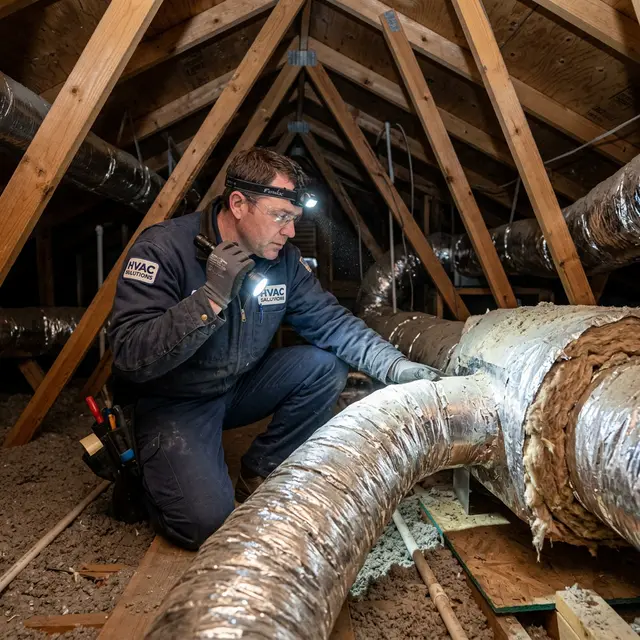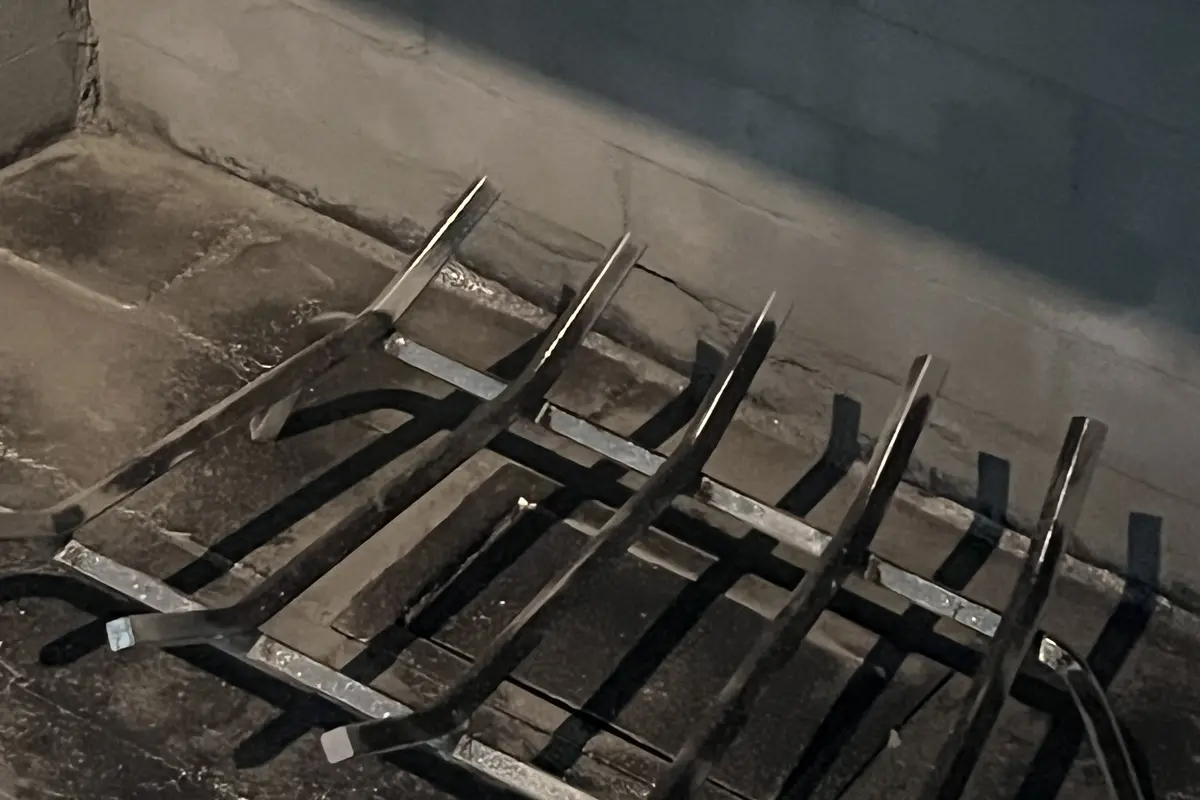
Late summer and early fall (August through October) is the best time for a chimney sweep in Austin. You get ahead of the heating season, animal nesting is complete, and scheduling is easier with lower demand. NFPA 211 requires annual inspection regardless of how often you use the fireplace.
August Through October: The Sweet Spot for Austin Chimney Service
Austin is not exactly known as a fireplace city, but roughly 40% of homes in the metro area have a wood-burning or gas fireplace. Those fireplaces see action during a compressed cold season - typically mid-November through late February - and then sit dormant for nine months. That dormancy period is exactly when chimney problems develop and why late summer is the ideal time to address them.
Scheduling a chimney sweep in August, September, or October puts you ahead of the curve in three important ways. First, the previous winter's creosote and soot buildup gets removed before it hardens further (creosote becomes more difficult and expensive to remove the longer it sits). Second, any damage from winter use or spring storms gets identified and repaired before you need the fireplace again. Third, demand is lower, so scheduling is faster and you are not competing with every other Austin homeowner who waited until the first cold front.
The NFPA (National Fire Protection Association) Standard 211 states that chimneys, fireplaces, and vents should be inspected at least once a year for soundness, freedom from deposits, and correct clearances. Annual inspection is required regardless of whether you used the fireplace zero times or fifty times.
What Happens During a Professional Chimney Sweep?
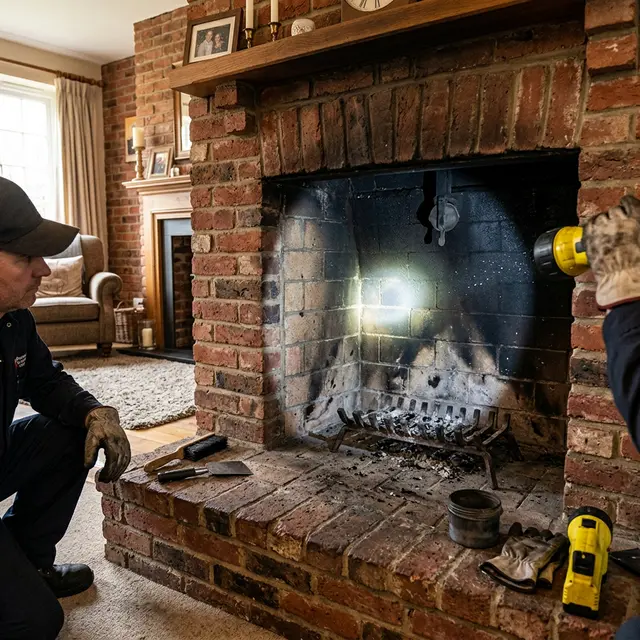
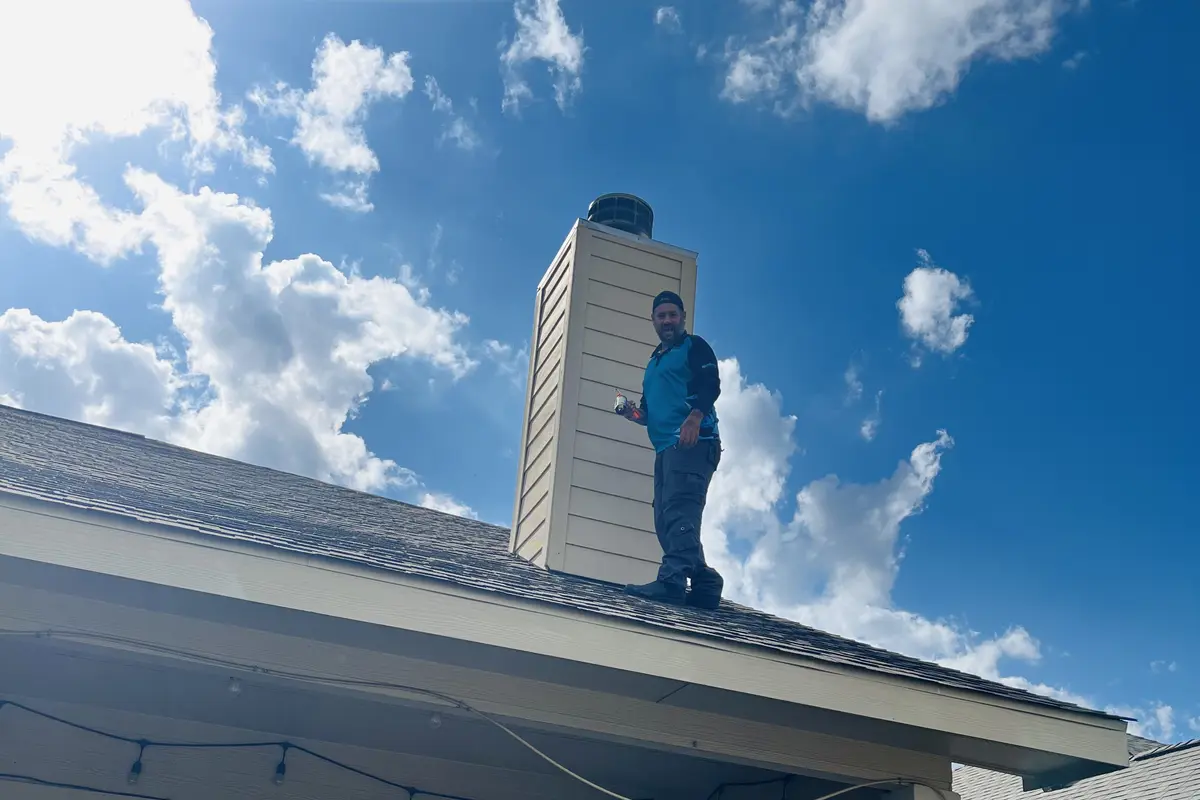
A chimney sweep covers the mechanical cleaning plus a visual inspection of the chimney system. The technician uses specialized brushes sized to your flue diameter, working from either the top down or bottom up depending on chimney access and configuration.
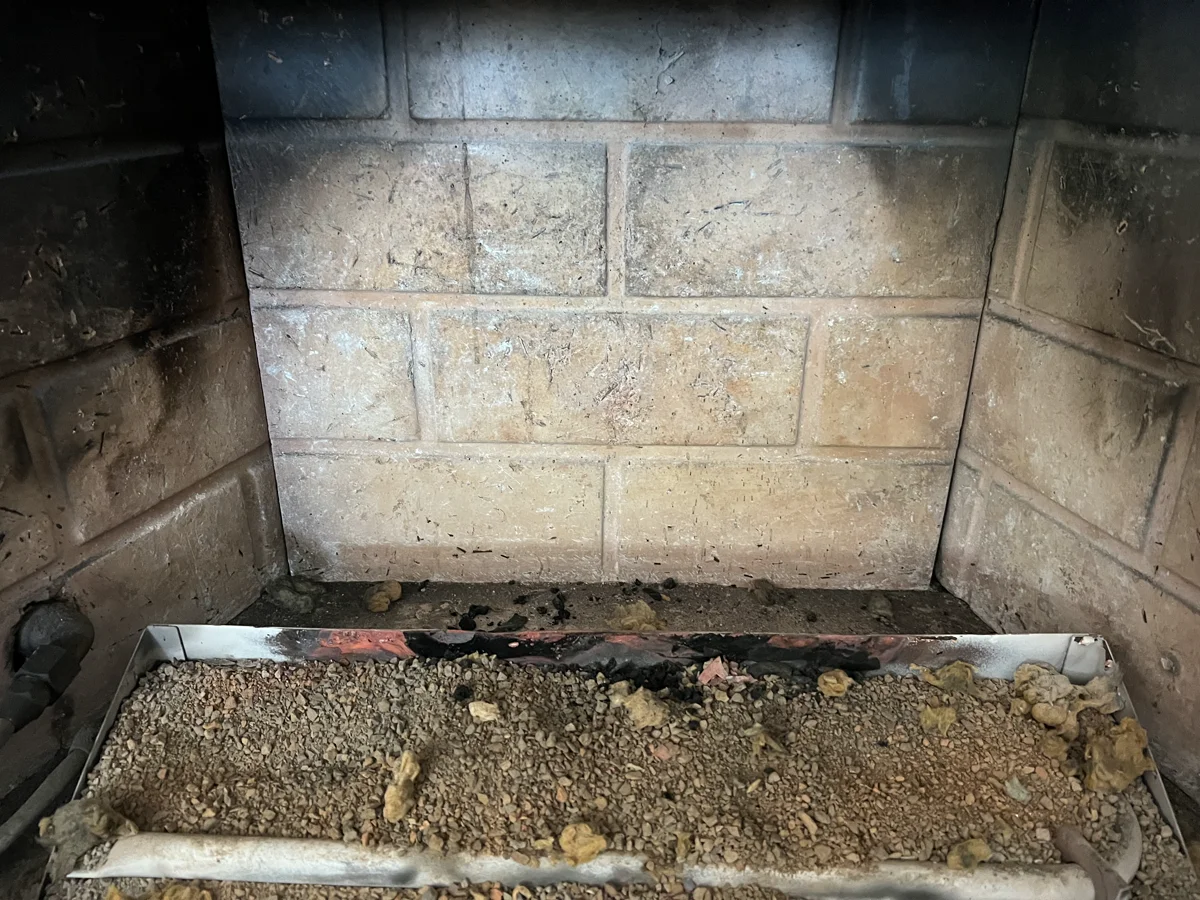
The sweep removes creosote (a combustible byproduct of wood burning), soot, ash, and any debris that accumulated since the last cleaning. For gas fireplaces, the sweep clears dust, cobwebs, and any corrosion products from the flue and checks the gas log set or burner assembly.
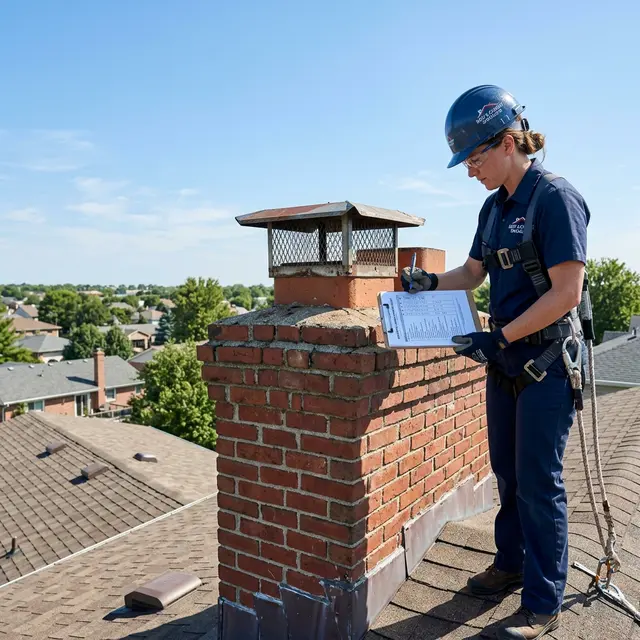
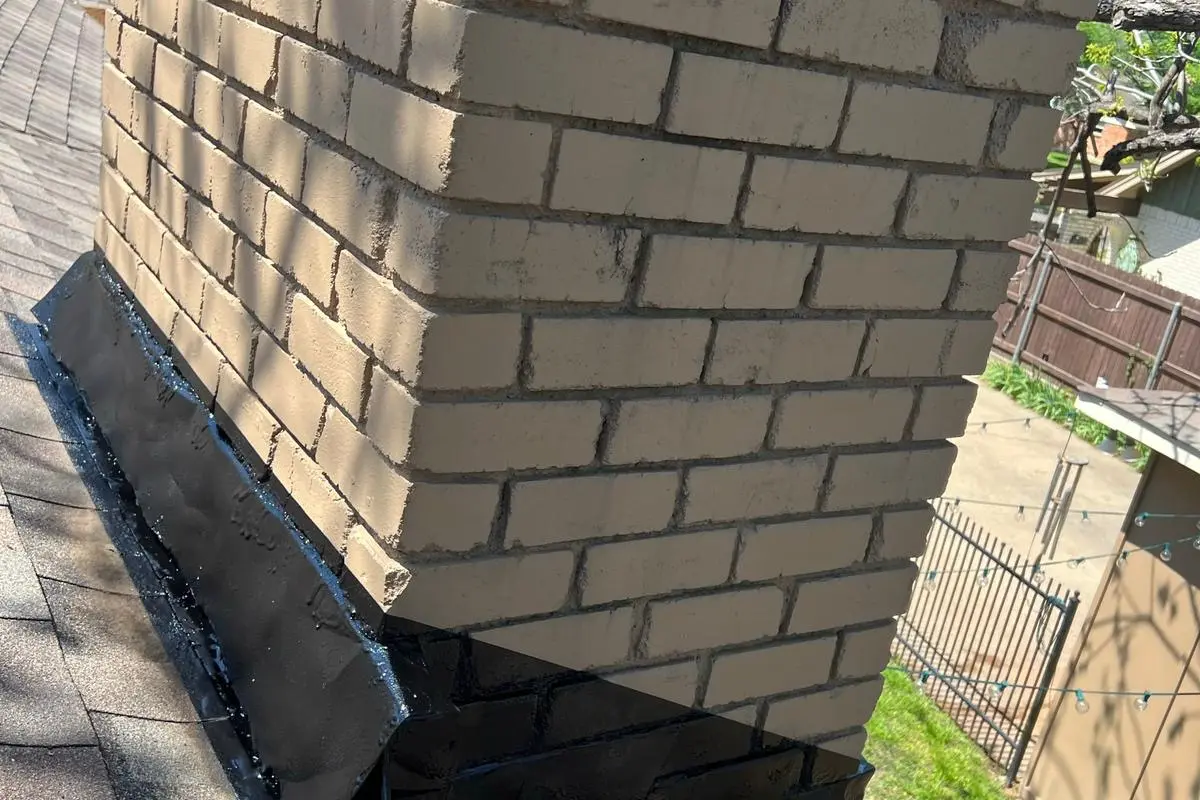
The inspection component checks the flue liner for cracks or deterioration, examines the mortar and brick for damage, verifies the damper opens and closes fully, inspects the chimney cap and crown for weather damage, and looks for signs of animal activity. A professional chimney sweep typically costs $150-$500 depending on chimney type, height, accessibility, and the level of buildup present.

Why Not Spring? It Is the Second-Best Option.
Spring (March through May) is the second-best window for chimney service in Austin. The logic is straightforward: you just finished using the fireplace, so creosote removal happens before it hardens over the summer. Any issues discovered during the sweep can be repaired during the off-season when contractors have more availability.
The downside of spring scheduling: animal nesting season runs from March through July in Central Texas. Chimney swifts, a federally protected migratory bird, nest in Austin-area chimneys from April through October. If swifts have already established a nest during your spring cleaning appointment, the Migratory Bird Treaty Act prohibits disturbing them. You will need to wait until fall to complete any chimney cap installation.
Raccoons, squirrels, and other wildlife also nest in spring. A spring inspection may discover animals that require professional wildlife removal before chimney work can proceed - adding cost and delay. A late summer sweep, after nesting season concludes, avoids this complication entirely.
Creosote Does Not Wait: What Builds Up After an Austin Winter
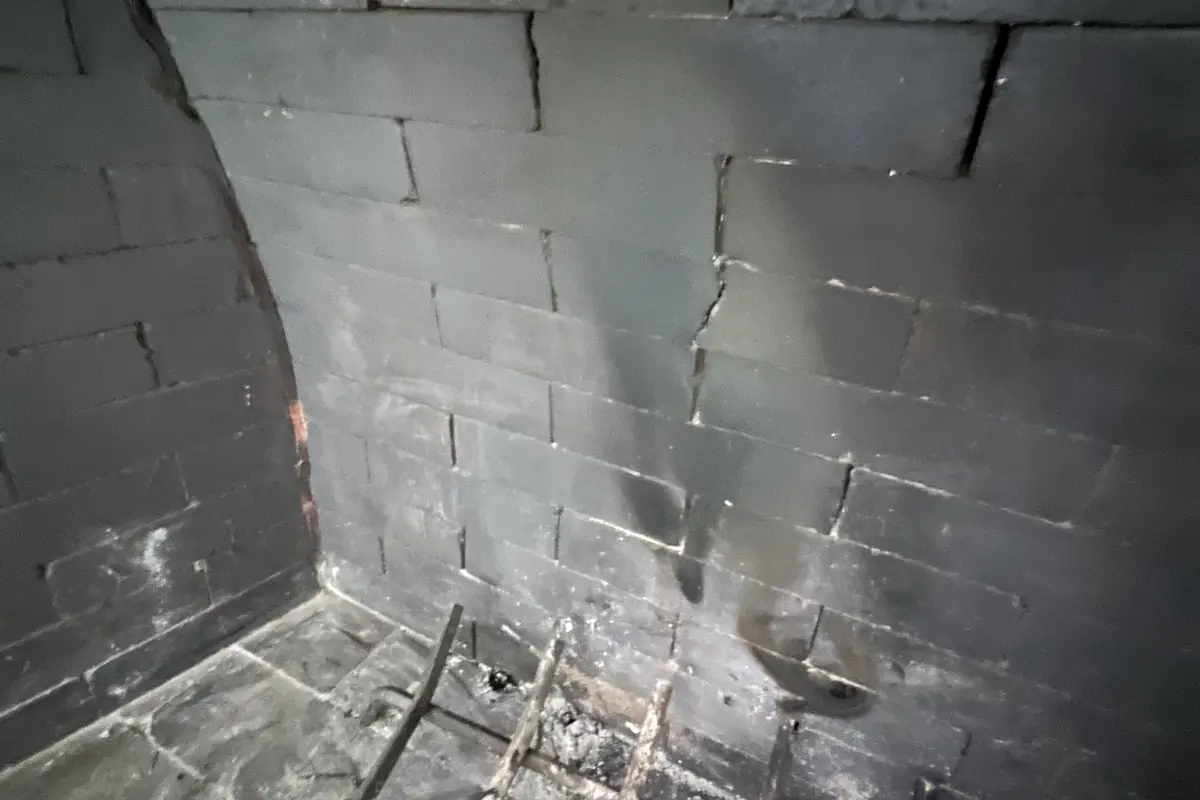
Austin's wood-burning season is short (roughly December through February) but intense when cold fronts hit. Homeowners who use their fireplace 15-20 times per winter accumulate enough creosote to warrant professional removal. The Chimney Safety Institute of America (CSIA) recommends sweeping when creosote deposits reach 1/8-inch thickness.
Creosote forms in three stages. Stage 1 is a light, flaky soot that brushes away easily. Stage 2 is a shiny, tar-like glaze that requires specialized tools to remove. Stage 3 is a hardened, fuel-like buildup that is extremely difficult to remove and highly combustible - it ignites at just 451 degrees Fahrenheit, well within the temperature range of a normal fireplace fire.
Austin's climate contributes to faster creosote buildup in a counterintuitive way. Because our cold snaps are brief, homeowners often burn fires at lower temperatures - using the fireplace for ambiance on a 45-degree evening rather than roaring fires in sub-zero weather. Lower burn temperatures produce more creosote per fire because incomplete combustion leaves more residue in the flue.
Off-Peak Pricing and Scheduling Advantages
Chimney service companies in Austin follow a predictable demand cycle. November and December are peak season - every homeowner who forgot about their chimney suddenly remembers when the first cold front drops temperatures into the 30s. Wait times stretch to 2-3 weeks, and emergency calls for chimney issues take priority over routine sweeps.
Booking in August through October means shorter wait times (often same-week scheduling), no competition with emergency calls, and the ability to schedule repairs before they become urgent. If your sweep reveals a cracked flue liner or damaged crown, you have 2-3 months to arrange repairs before you need the fireplace - versus discovering the problem in December and either paying rush pricing or going without a fireplace all winter.
For homeowners in Dripping Springs, Wimberley, and the Hill Country communities west of Austin where fireplaces see heavier use due to cooler evening temperatures, this scheduling advantage is particularly valuable. These areas also have higher creosote accumulation rates due to more frequent fires and the prevalence of cedar wood burning.
Is Your Chimney Safe for This Season?
A 21-point chimney inspection catches problems before they become dangerous. Book before the first fire.
Call (512) 601-4451Rate your home's indoor air quality in 2 minutes
Annual Inspection: Not Optional, Even If You Never Light a Fire
Roughly half the chimney calls Air Central receives are from homeowners who have not used their fireplace in years but suspect a problem - usually a smell, a sound, or visible damage to the exterior. Unused chimneys deteriorate faster than active ones in several ways.
Without the drying effect of regular fires, moisture accumulates inside the flue and accelerates mortar deterioration. Freeze-thaw cycles - yes, even in Austin, where overnight lows drop below freezing 15-20 times per winter - crack mortar joints and flue tiles. Water entry through damaged chimney crowns or missing caps causes rust on dampers, staining on interior walls, and eventually structural damage.
An unused chimney without a cap is an open invitation for animals (see our guide on <a href="/blog/chimney-sweep-unused-fireplace/">chimney sweeps for unused fireplaces</a>). Animals nest, debris accumulates, and the chimney becomes a liability rather than an asset. Annual inspection catches these problems when they are cheap to fix rather than after they have caused thousands in damage.
Book Your Chimney Sweep While It Is Still Easy to Schedule
The Austin fireplace season arrives faster than you expect. One week it is 95 degrees, and the next week a blue norther drops temperatures 40 degrees overnight. The homeowners who called in September are ready. The ones who waited are calling every chimney service in Travis County hoping for a cancellation.
Air Central provides complete chimney sweep and inspection services with HD camera documentation. We show you exactly what we find - creosote levels, flue condition, cap status, and any animal evidence - so you see the results and understand the recommendations. Over 10,000 chimney and duct inspections in the Austin area. Call (512) 601-4451 to get your chimney swept before the first cold front.
Chimney Sweep and Inspection Companies Near Austin: What to Look For
When evaluating chimney sweep companies near me in Austin, timing and credentials both matter. CSIA-certified sweeps have completed training and examination in chimney safety, codes, and proper technique - ask specifically whether the technician arriving at your home holds CSIA certification or if the company simply says they follow CSIA standards. Both are indicators of professionalism, but direct certification provides stronger assurance.
Austin chimney sweeps who specialize in this market understand the local variables that affect chimney maintenance: UV-driven crown cracking, thunderstorm-related flashing damage, and the low-use patterns of Austin fireplaces that lead to moisture accumulation and pest entry rather than creosote as the primary concern. A sweep who works primarily in northern markets where creosote is the main issue may not be as attuned to the Austin-specific structural maintenance priorities.
For fireplace repair needs identified during your sweep - crown cracks, flashing failures, mortar joint deterioration, damaged dampers - the inspection report should give you clear pricing for each repair item and a priority rating (safety-critical versus deferred maintenance). Air Central's chimney inspection service includes a written report with every service, camera documentation of any issues, and transparent pricing for recommended repairs. Book your chimney sweep and inspection before August ends - that is when scheduling gets tight in Austin.
Related Services
Learn more about our professional services related to this topic:
- Chimney Sweep & Repair - Professional cleaning and 21-point safety inspection for your fireplace.
Want the full picture?
Read our complete guide: Chimney Sweep and Fireplace Safety: Austin Guide (2026) →Have questions about chimney & fireplace? Our team is available 7 days a week. Call us at (512) 601-4451 or visit our contact page.