Austin's HVAC needs shift dramatically by season: cedar pollen defense in winter, AC preparation in spring, peak cooling management in summer, and heating system checks in fall. This month-by-month guide covers exactly what maintenance to perform and when, optimized for Central Texas climate patterns.
January-February: Peak Cedar Season Defense
January and February are the heart of cedar season in Austin. Mountain cedar (Ashe juniper) pollen counts regularly exceed 20,000 grains per cubic meter, making these the worst months for allergy sufferers. Your HVAC system is your primary defense - but only if it is properly maintained.
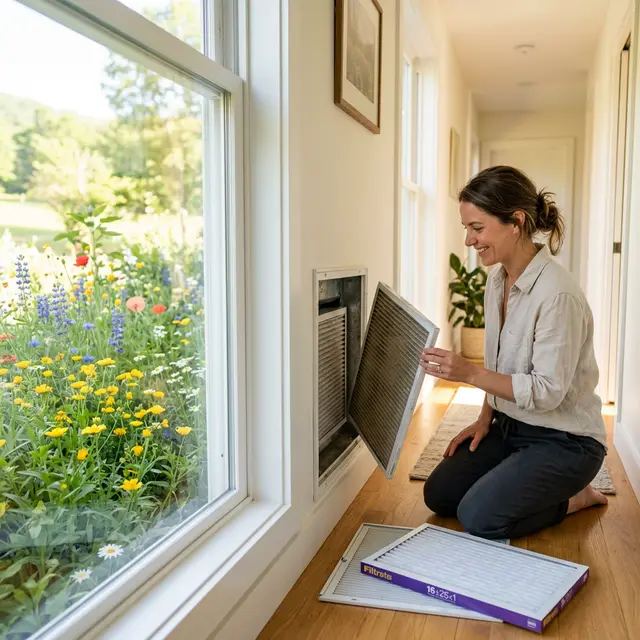
Check and replace your air filter at the start of January, then again at the start of February. During peak cedar, a MERV 11 or MERV 13 filter can become visibly loaded in just 3-4 weeks. A clogged filter during cedar season means pollen bypasses the filter and accumulates in your ductwork, where it recirculates for months.
Run your system in circulation mode (fan set to 'on' rather than 'auto') for a few hours each day. This pushes more air through the filter, capturing more pollen. Yes, it uses slightly more electricity, but the air quality improvement during peak cedar is worth it.
If your heating system produces a burning smell when it first fires up in January, that is dust burning off the heat strips or furnace burner. It should dissipate within an hour. If the smell persists or smells acrid rather than dusty, shut the system down and call for service.
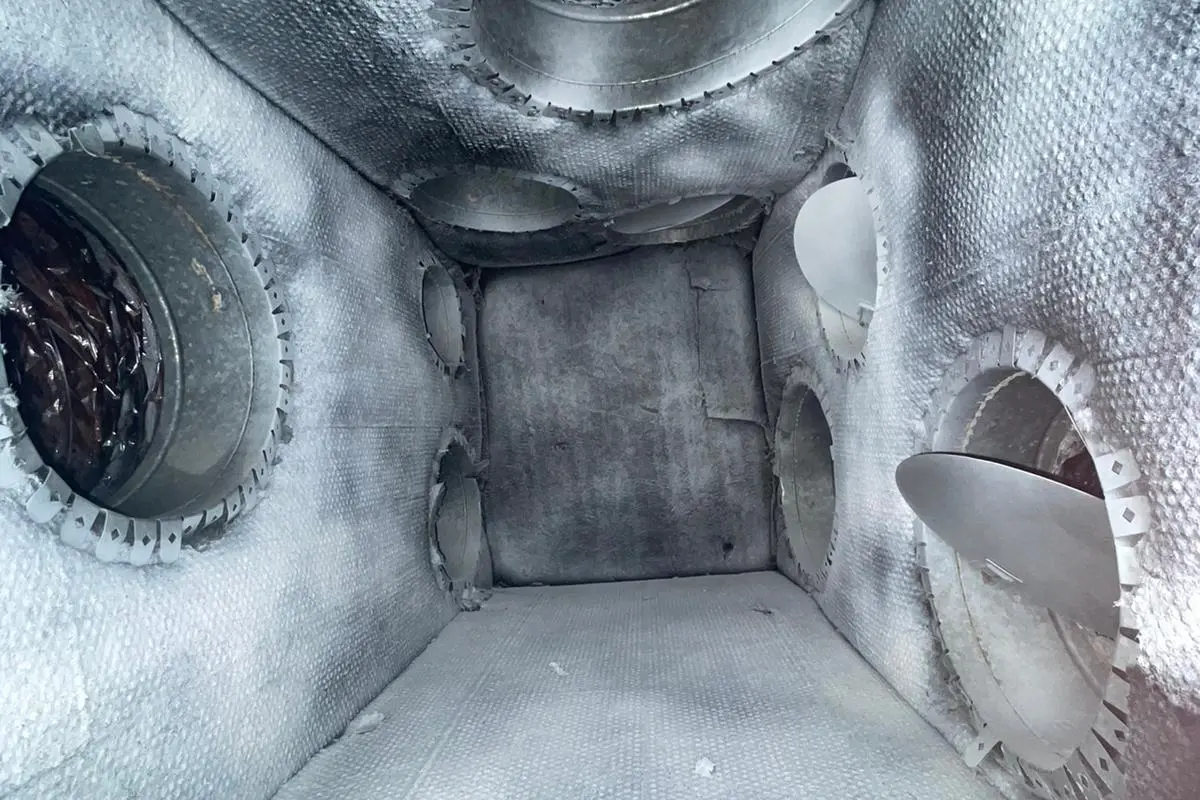
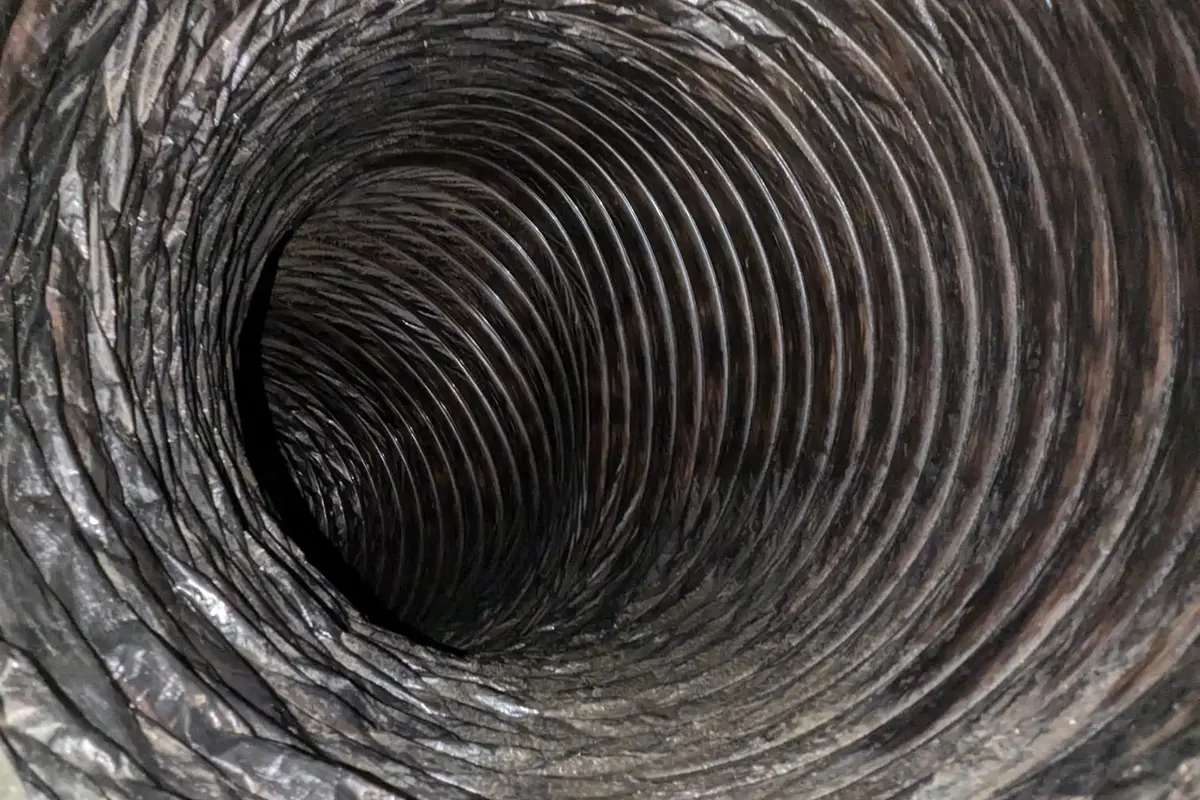
This is also a good time to schedule duct cleaning for late March or April - right after cedar season ends. Booking now ensures you get a spot before the spring rush. Post-cedar duct cleaning removes all the pollen that accumulated during the season.
"Our busiest month is March - right after cedar season," says Nessi Ziv, owner of Air Central. "Austin homeowners who book in January get their preferred time slot. By March, we are booked 2-3 weeks out. The smart move is to schedule now for a post-cedar cleaning so your system starts summer with clean ducts."
March-April: Spring Transition and AC Preparation
March marks the end of cedar season and the beginning of Austin's rapid warming trend. By late March, daytime temperatures regularly hit 80-85 degrees, and your AC will start running. This is the critical window for spring maintenance.
Schedule duct cleaning now if it has been 3 or more years since the last cleaning. Post-cedar season is the ideal timing because you remove accumulated pollen before switching to full-time AC mode. Clean ducts deliver cooler air more efficiently and reduce allergen recirculation during the oak pollen that follows cedar.
Replace your air filter with a fresh one at the start of March. Oak pollen peaks in March and April, so you want maximum filtration capacity heading into this second allergy wave.
Test your AC before you need it. Set the thermostat to 70 degrees on a warm day and verify that cool air comes from all supply registers within 5 minutes. Check for strange noises, unusual vibrations, or weak airflow from any vents. Catching problems now avoids emergency calls during the first 100-degree week.
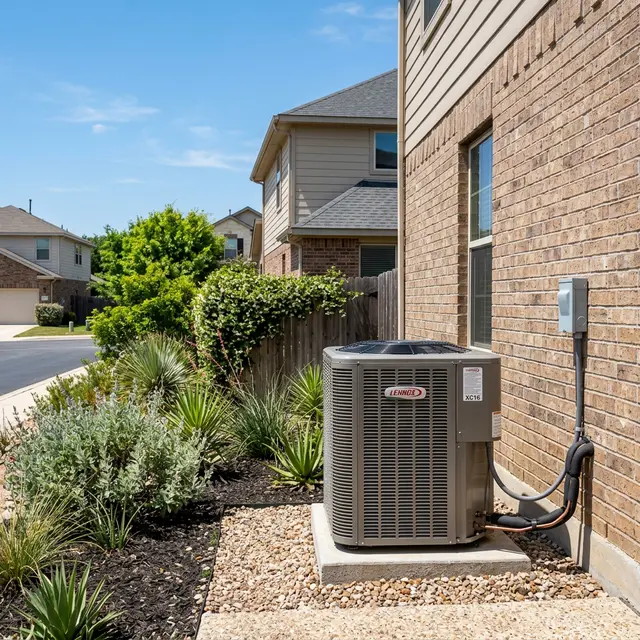
Clear the area around your outdoor condenser unit. Remove leaves, mulch, and vegetation that accumulated during winter. Rinse the condenser coils gently with a garden hose. Verify the unit has at least 2 feet of clearance on all sides for proper airflow.
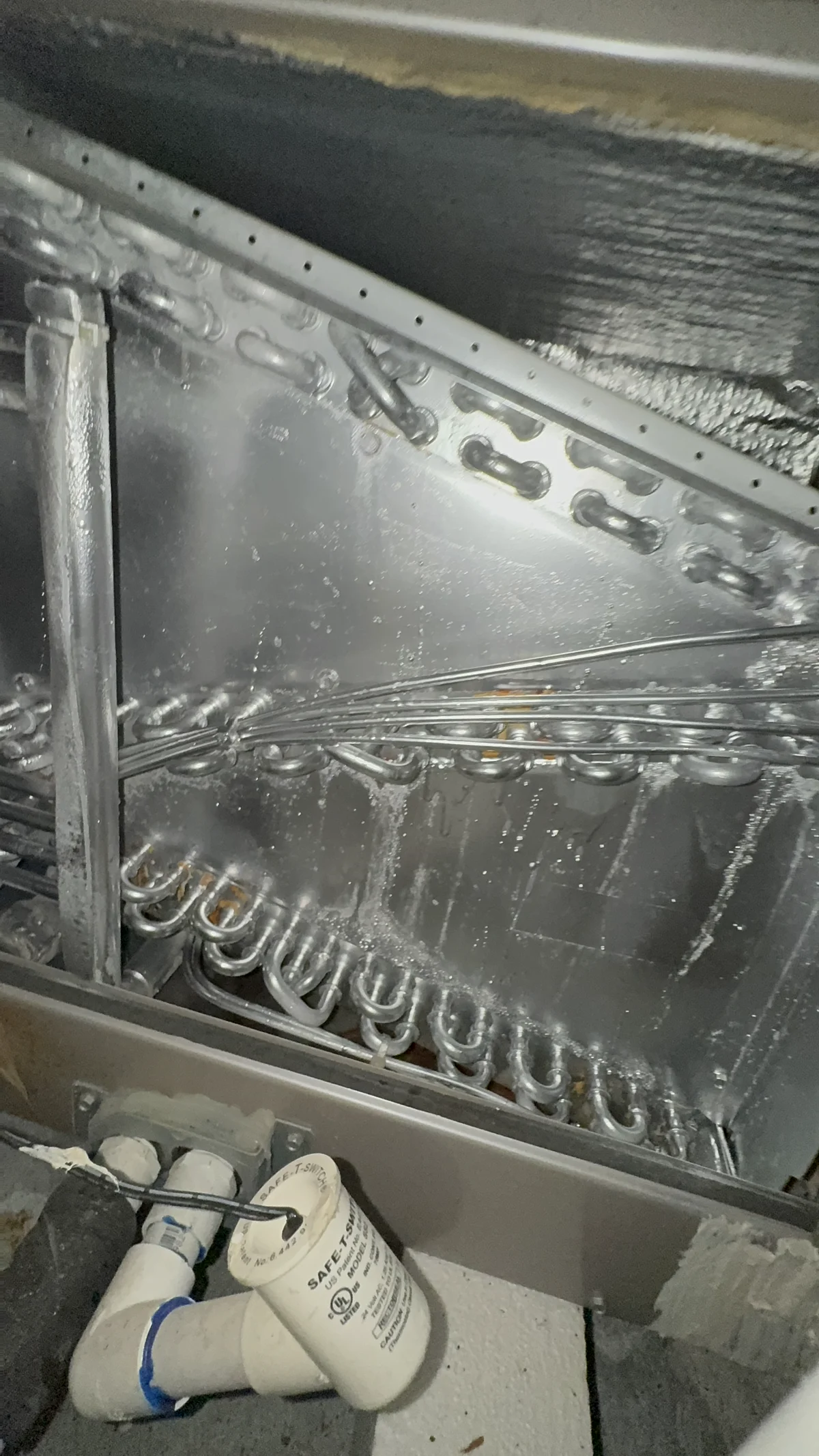
Flush the condensate drain line with a cup of white vinegar. Algae and buildup can clog this line during the cooling season, causing system shutdowns or water damage. A spring flush prevents the most common warm-weather HVAC emergency we see in Austin.
Inspect window and door seals. Winter weather can crack or loosen weatherstripping. Replacing deteriorated seals before summer prevents hot air infiltration that makes your AC work harder.
May-June: Early Summer Optimization
May and June bring Austin's transition from warm to hot. Temperatures climb from the mid-80s to the upper 90s, and your AC shifts from occasional to near-constant operation. This is when system efficiency matters most.
Set your thermostat to 78 degrees when home and 82-85 degrees when away. Every degree above 72 saves 3-5% on cooling costs. In Austin's 5-6 month cooling season, that adds up to hundreds of dollars. If 78 feels warm, use ceiling fans - moving air feels 3-4 degrees cooler than still air, allowing you to set the thermostat higher without discomfort.
Check your filter monthly from May through September. Heavy pollen, increased system runtime, and construction dust in growing Austin neighborhoods can load filters faster during cooling season. A restricted filter during peak cooling is the fastest way to increase energy bills and strain your equipment.
Close blinds and curtains on south and west-facing windows during afternoon hours. Solar heat gain through windows can add 20-30% to your cooling load. This simple step reduces how hard your AC needs to work, especially in homes with large or older windows.
Verify your attic insulation is adequate. If you have not checked, now is the time. Peek into the attic during a hot afternoon - if you can feel significant heat radiating from the ceiling in rooms below the attic, your insulation may be insufficient. R-38 is the minimum recommended level for Austin.
Run appliances that generate heat - dishwasher, oven, dryer - during evening hours when temperatures drop. Generating heat inside your home during the hottest part of the day forces your AC to remove that additional heat, increasing energy consumption.
July-August: Peak Heat Survival
July and August are Austin's most brutal months. Consecutive 100+ degree days are common, and your HVAC system runs 12-16 hours per day. This is when equipment failures peak, energy bills soar, and every efficiency measure matters.
Do not drop your thermostat below 76 degrees during extreme heat days. Your AC has a fixed cooling capacity - typically 20-25 degrees below outdoor temperature. When it is 108 outside, your system may only be able to maintain 83-85 degrees, and that is normal. Setting the thermostat to 72 in extreme heat forces the system to run continuously without reaching setpoint, increasing wear and energy cost without improving comfort.
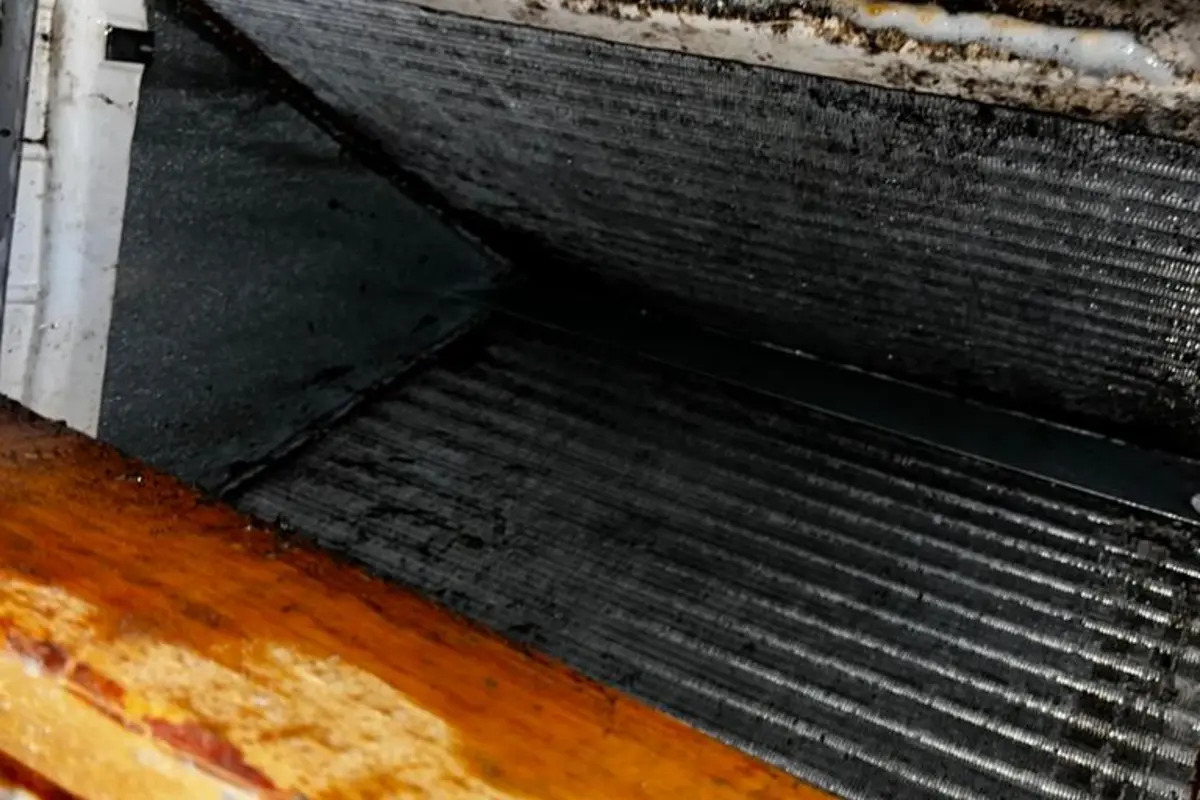
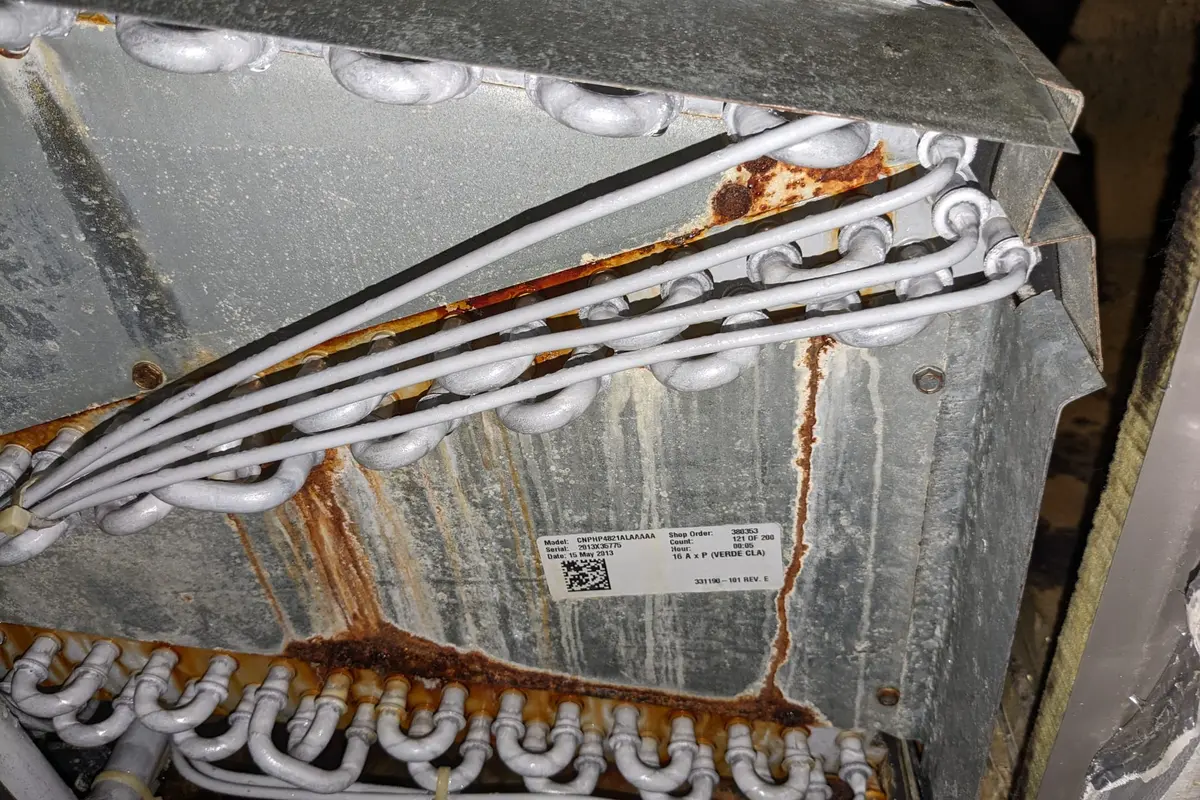
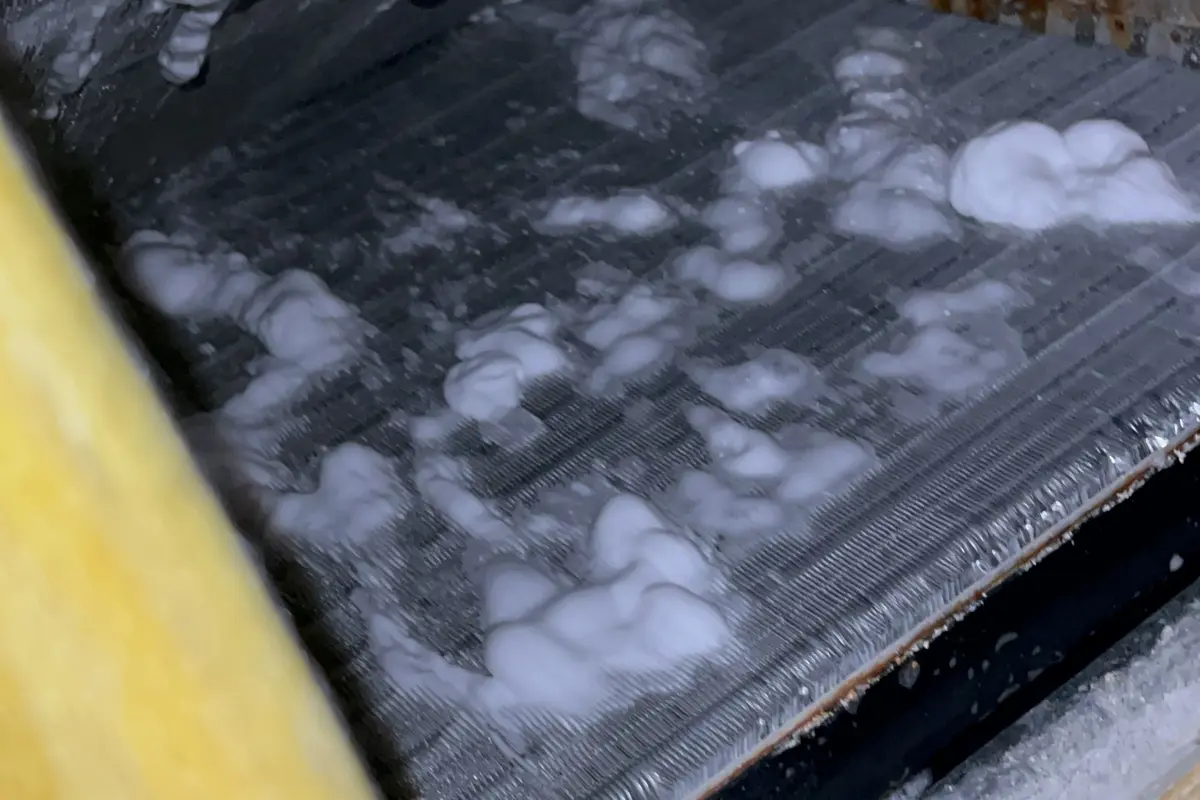
Watch for these signs of system stress during peak heat: ice on the refrigerant lines or evaporator coil (indicates low refrigerant or airflow restriction), water pooling around the indoor unit (clogged condensate drain), the system running constantly but not cooling (could be dirty coils, low refrigerant, or a compressor issue), and circuit breakers tripping (electrical demand exceeding capacity).
Keep the outdoor unit shaded if possible, but never block airflow. Strategic shade from trees or a shade structure can reduce condenser temperature by 5-10 degrees, improving efficiency. But the condenser needs clear airflow on all sides - lattice screens, vegetation, or enclosures that restrict airflow hurt more than shade helps.
If your electricity bill spikes dramatically compared to the previous summer with similar weather, your system may have developed an efficiency problem. Common causes include dirty evaporator or condenser coils, low refrigerant from a slow leak, a failing capacitor reducing compressor efficiency, or duct leaks that developed since the last inspection.
Avoid running the dryer during peak afternoon heat. Your dryer exhausts hot air out of the house but also pulls in replacement air - hot outdoor air that your AC then needs to cool. Evening dryer use saves energy on both the dryer and AC side.
September-October: Fall Recovery and Heating Prep
September brings the first relief from extreme heat, though Austin can still hit 95+ degrees into early October. This transition period is ideal for system recovery and winter preparation.
Schedule any deferred maintenance now. If you put off duct cleaning, insulation upgrades, or HVAC repairs during the summer, fall is the time to act. HVAC companies are less busy in September and October, which means shorter wait times, more scheduling flexibility, and sometimes off-season pricing.
Replace the air filter in early September. After a full summer of heavy use, the filter has done significant work. A fresh filter improves airflow as the system transitions to lighter duty.
Have your heating system inspected before you need it. In Austin, many heat pumps and furnaces sit idle for 6-8 months. The first cold front (usually late October or November) is when heating failures emerge. A pre-season check identifies problems while there is time for parts and repairs.
Clean the area around your outdoor unit again. Fall foliage, grass clippings from final mowing, and general debris accumulate around the condenser. Clear everything away before winter.
Ragweed pollen peaks in September and October. If anyone in your household has ragweed allergies, maintain the same MERV 11+ filtration and monthly filter changes you used during cedar season.
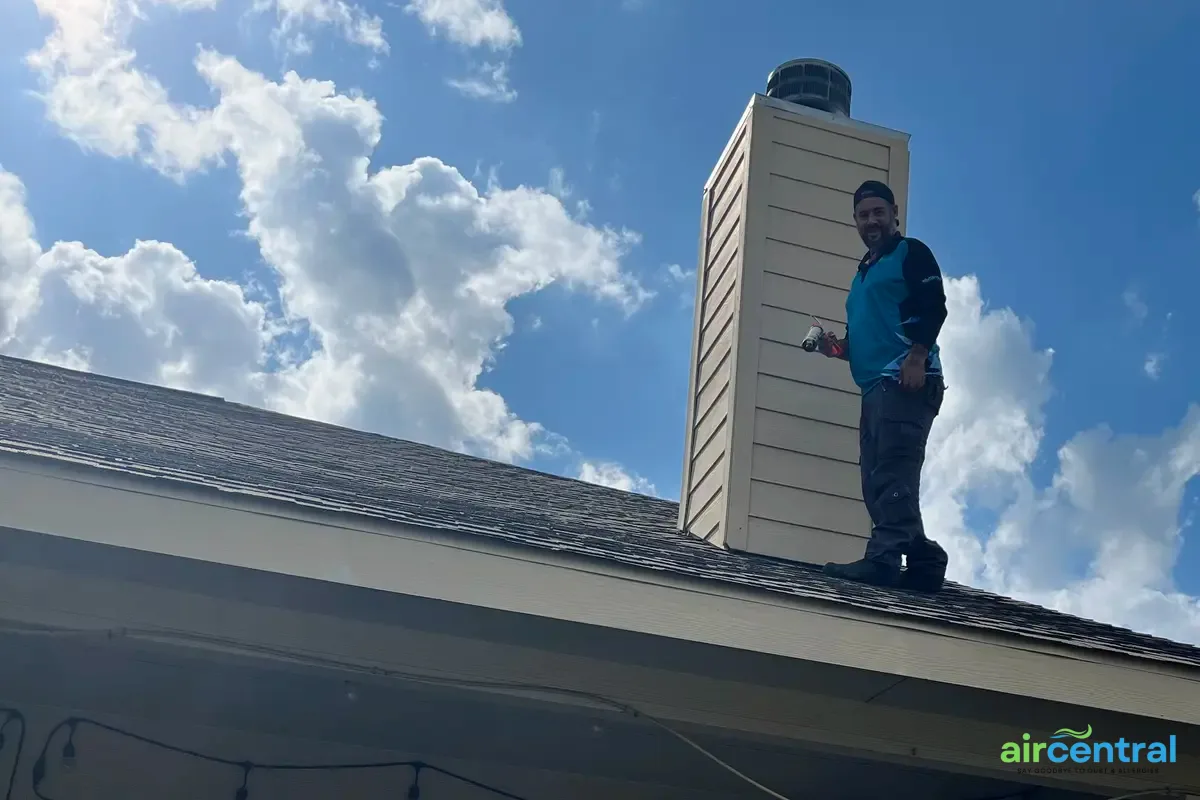
This is also the perfect time for a chimney inspection if you plan to use your fireplace during winter. Schedule your chimney sweep in September or October - before the first cold front when everyone suddenly remembers their fireplace.
November-December: Winter Preparation and Cedar Season Start
November brings Austin's first real cold fronts, and December marks the beginning of cedar season. Your HVAC system transitions from cooling to heating, and new air quality challenges arrive.
When your heating system first fires up after months of dormancy, expect a brief burning smell from dust on heat strips or burner components. Run the system for 30 minutes with windows cracked to burn off this dust and ventilate any odor. If the smell does not clear within an hour, or if you smell gas with a gas furnace, shut the system down and call for service immediately.
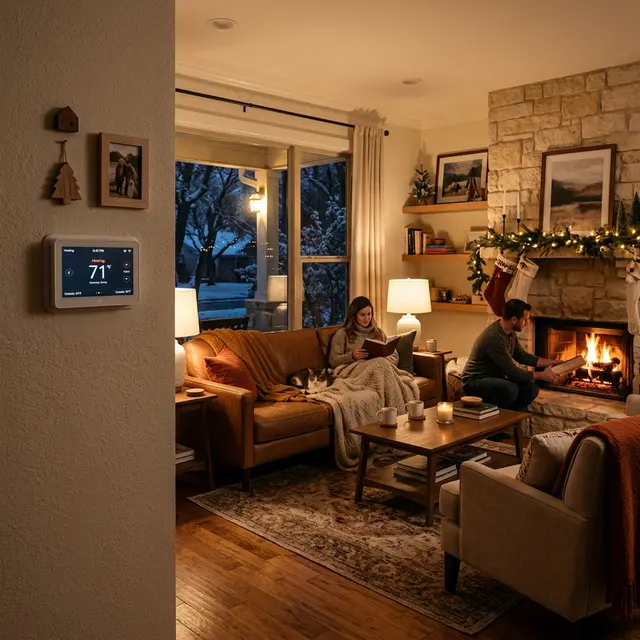
Check your thermostat settings. If you have a programmable or smart thermostat, update the schedule for winter patterns. In Austin, heating needs are relatively mild - most winter days require only a few hours of heating in the morning and evening. Setting the thermostat to 68-70 degrees when home and 60-65 degrees when away saves energy without sacrificing comfort.
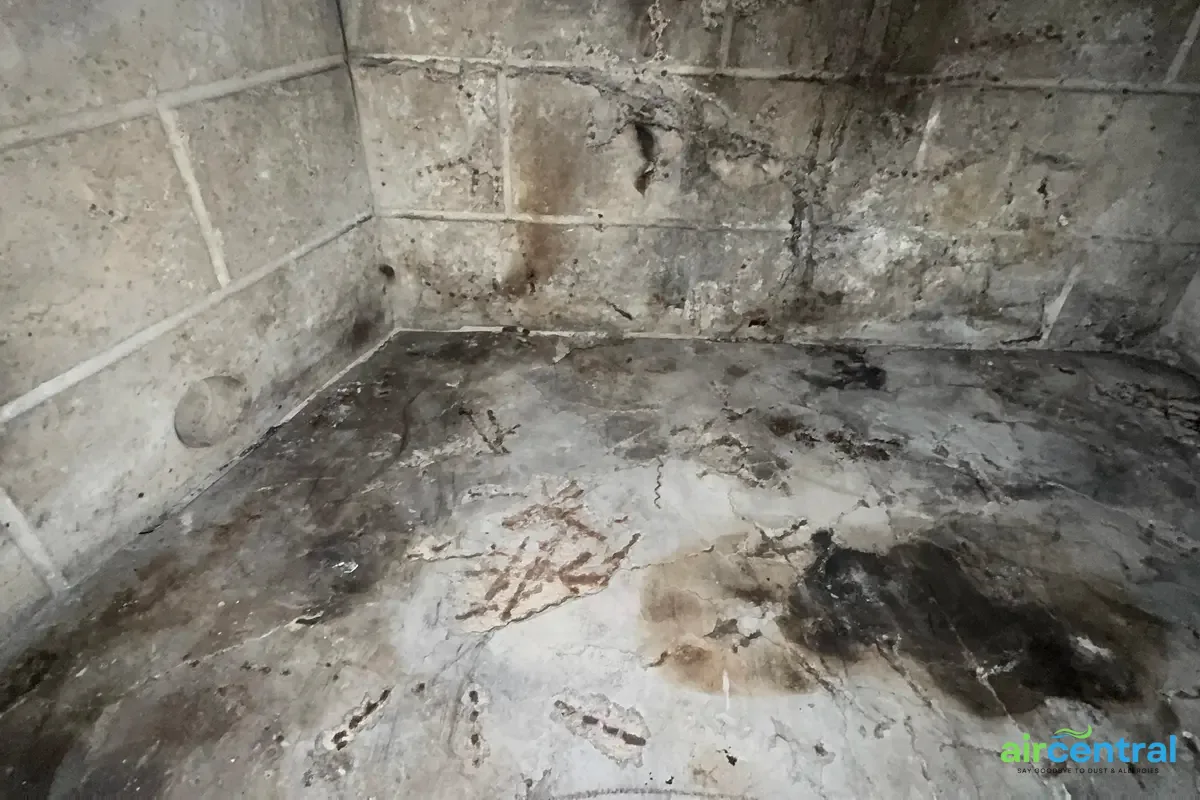
Test your fireplace before the first use of the season. Open the damper and verify it operates freely. Look up the flue with a flashlight - you should see daylight at the top. If the chimney has not been inspected this year, do not use it until it has been. Schedule a chimney sweep if needed.
Cedar season begins in mid-to-late December. Switch to MERV 11 or MERV 13 filters and plan on monthly changes through March. If you deferred duct cleaning during the fall, schedule it for late March to catch the post-cedar window.
Inspect weatherstripping on doors and windows. Austin's mild winters make it easy to ignore air leaks, but those same leaks let cedar pollen in and conditioned air out. A $20 roll of weatherstripping can improve both comfort and air quality.
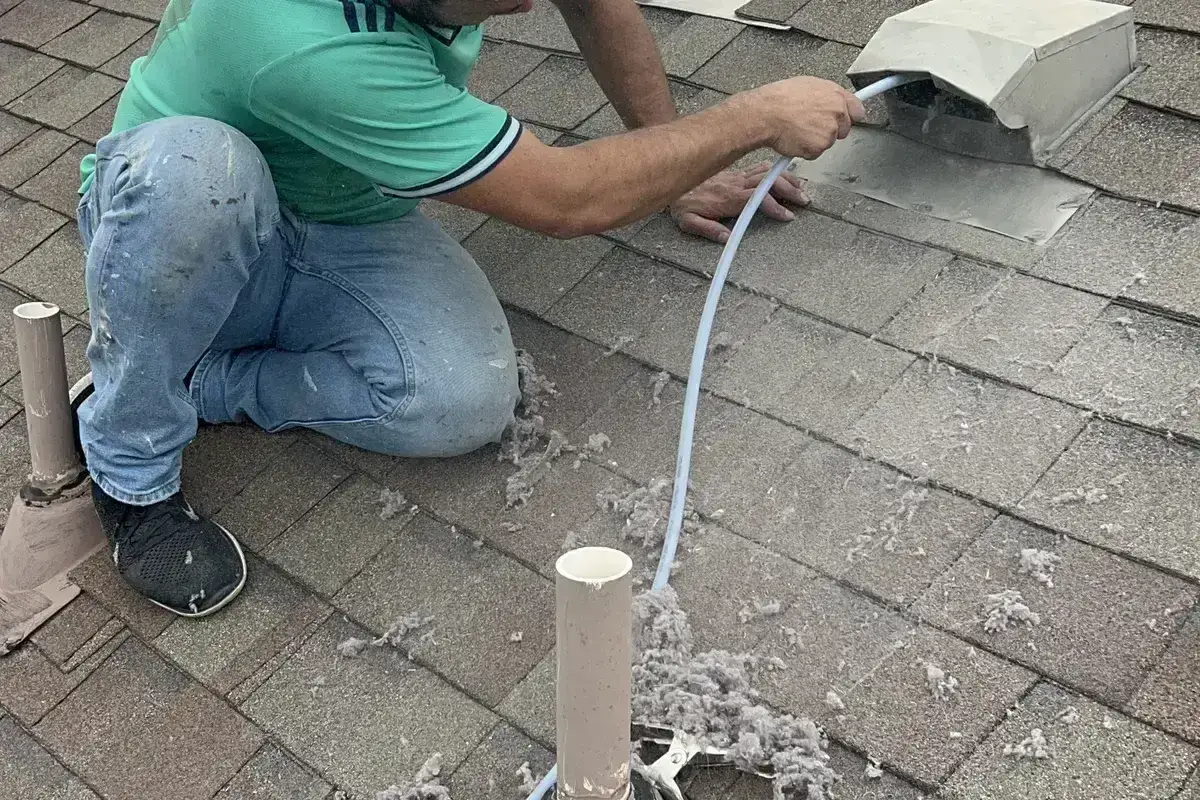
Check your dryer vent before heavy holiday laundry season. December through January is peak dryer use for many households (guests, holiday linens, cold-weather clothing). If you have not had the dryer vent cleaned this year, schedule it before the holiday rush.
Ready to Get Your System Checked?
Seasonal tune-ups catch small problems before they become expensive emergencies. Same-day service available.
Call (512) 601-4451Estimate how much you could save on energy bills
Year-Round Maintenance Habits
Some maintenance tasks should happen regularly regardless of season. Building these into your routine prevents the gradual efficiency decline and air quality degradation that leads to expensive problems.
Filter checks: monthly visual inspection, replacement every 60-90 days minimum, or whenever visibly dirty. Set a calendar reminder on the first of every month.
Thermostat batteries: replace annually, even if the display still works. Dying batteries can cause erratic thermostat behavior that is easily mistaken for HVAC problems.
Condensate drain: flush with vinegar quarterly. This prevents the most common HVAC emergency call we receive - system shutdown from a clogged drain.
Outdoor unit: check monthly for debris, vegetation growth, and physical damage. Clear any obstructions.
Vent registers: vacuum supply and return registers quarterly. Remove and wash the grille covers every 6 months.
Carbon monoxide detectors: test monthly, replace batteries annually, and replace the entire unit every 5-7 years. Essential for any home with gas appliances or an attached garage.
Professional duct cleaning: every 3-5 years, or every 2-3 years for homes with pets, allergies, or recent construction. Annual dryer vent cleaning. Annual chimney inspection if you have a fireplace.
Keep a maintenance log. Note when filters are changed, when professional services are performed, and any issues you observe. This history is valuable for troubleshooting problems and proves maintenance history if you sell the home.
Watch for efficiency changes over time. If your electricity bill jumps 15-20% compared to the same month last year with similar weather patterns, something has changed in your system. Common culprits include a slow refrigerant leak that has finally become significant, a failing run capacitor that makes the compressor work harder, or duct connections that have separated in the attic due to heat expansion and contraction. Tracking your monthly electricity usage against outdoor temperature averages gives you a baseline. When usage spikes without a corresponding temperature spike, that is your signal to schedule a service call before a small problem becomes a major failure.
Your HVAC system does not care what month you read this - it needs what it needs right now. If you have been putting off a filter change, skipping the condensate drain flush, or wondering why one room never cools down properly, pick up the phone. Air Central is here 7 days a week, Mon-Sun 8:00 AM - 7:00 PM, and we can usually get someone to your door within a day or two. Call (512) 601-4451 and tell us what is going on - we will figure out the rest.
Austin's Unique Climate Challenges for HVAC
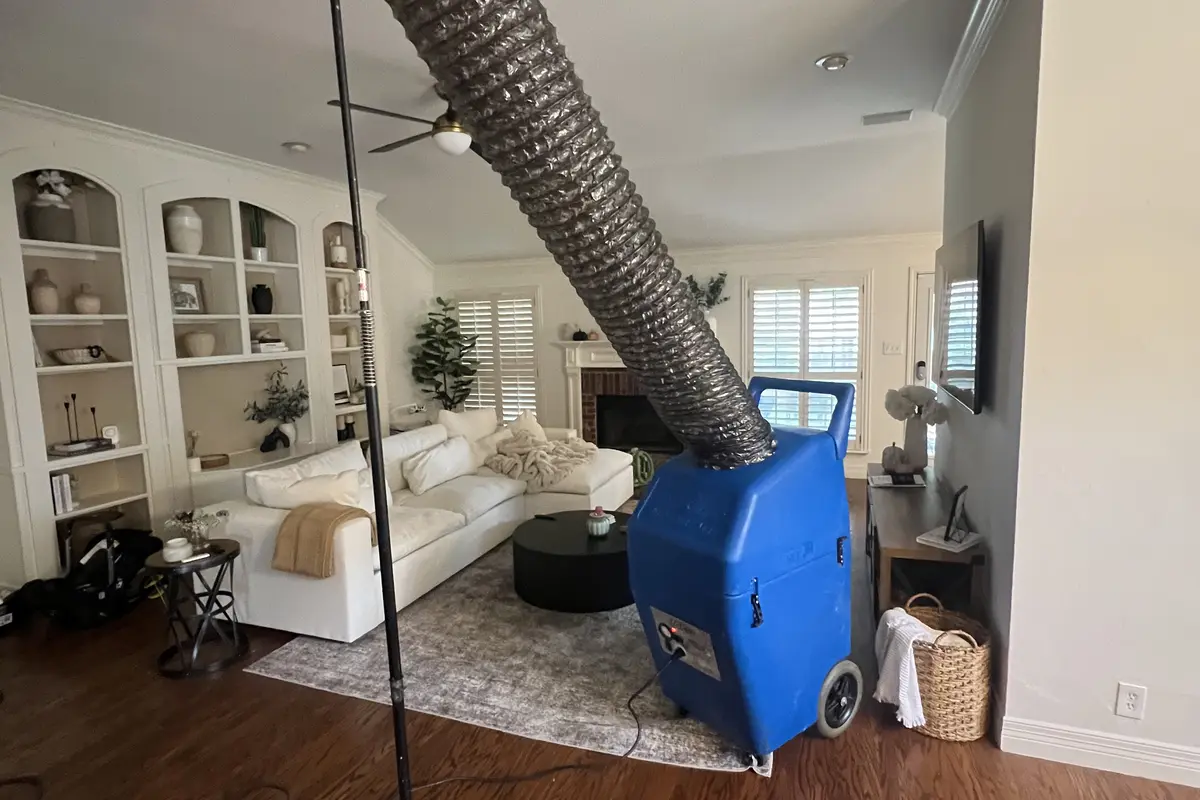
Austin's climate puts more stress on HVAC systems than almost any other city in the country, and it is not just the summer heat. We average 110-120 days per year with temperatures above 90 degrees Fahrenheit. That is nearly four straight months of heavy AC operation, with many of those days pushing past 100 degrees. Your compressor, blower motor, capacitors, and contactors run thousands of hours each cooling season. Compare that to a city like Nashville or Charlotte where the AC might run hard for 60-70 days. Austin systems age faster in calendar years because they accumulate more runtime hours. A 10-year-old system in Austin has done the equivalent work of a 15-year-old system in a milder climate.
Cedar season creates a unique overlap between heating and air quality demands that most cities do not face. From mid-December through February, your heating system runs while mountain cedar pollen counts explode to some of the highest levels recorded anywhere in North America. Your HVAC system has to heat the home and filter massive pollen loads simultaneously. Filters clog faster, ductwork accumulates allergens, and the system works harder because it is fighting restricted airflow through a pollen-loaded filter during the same months it needs to heat your home. This is why Austin homeowners need to check filters more frequently than the standard 90-day recommendation.
Flash flooding and severe thunderstorms add another dimension. Austin sits at the intersection of several weather patterns that produce intense, sudden rainfall. When your outdoor condenser unit sits in standing water, it can damage electrical components, corrode connections, and introduce debris into the unit. After any significant flooding event, inspect the outdoor unit before running the system. Check for standing water around the base, mud or debris inside the unit, and any tilting of the concrete pad. Extreme temperature swings also stress your system - Austin can swing 40-50 degrees in a single 24-hour period during spring and fall, forcing your system to switch between heating and cooling modes multiple times in one day. These rapid cycling transitions wear components faster than steady operation in either mode.
DIY vs Professional Maintenance: What You Can Handle
There are plenty of HVAC maintenance tasks you can handle yourself, and knowing which ones saves you money. Filter replacement is the most obvious - buy the correct size MERV 11 pleated filter, slide out the old one, slide in the new one with the airflow arrow pointing toward the air handler. Takes 60 seconds. Clearing debris from around the outdoor condenser is another easy one. Pull weeds, trim vegetation back to 2 feet of clearance on all sides, and rinse the exterior coils with a garden hose set to a gentle spray. Do not use a pressure washer - it bends the delicate aluminum fins and reduces the unit's ability to release heat.
Flushing the condensate drain with vinegar is straightforward DIY maintenance. Find the PVC drain line near your indoor air handler, locate the access T-fitting or cap, pour in a cup of white vinegar, and let it sit for 30 minutes before flushing with water. Checking and cleaning vent registers is simple too - unscrew the covers, wash them with soap and water, vacuum visible dust from the duct opening, and reinstall. Replacing thermostat batteries, checking weatherstripping on doors and windows, and making sure the emergency shutoff switch works are all homeowner-level tasks that keep your system running well between professional visits.
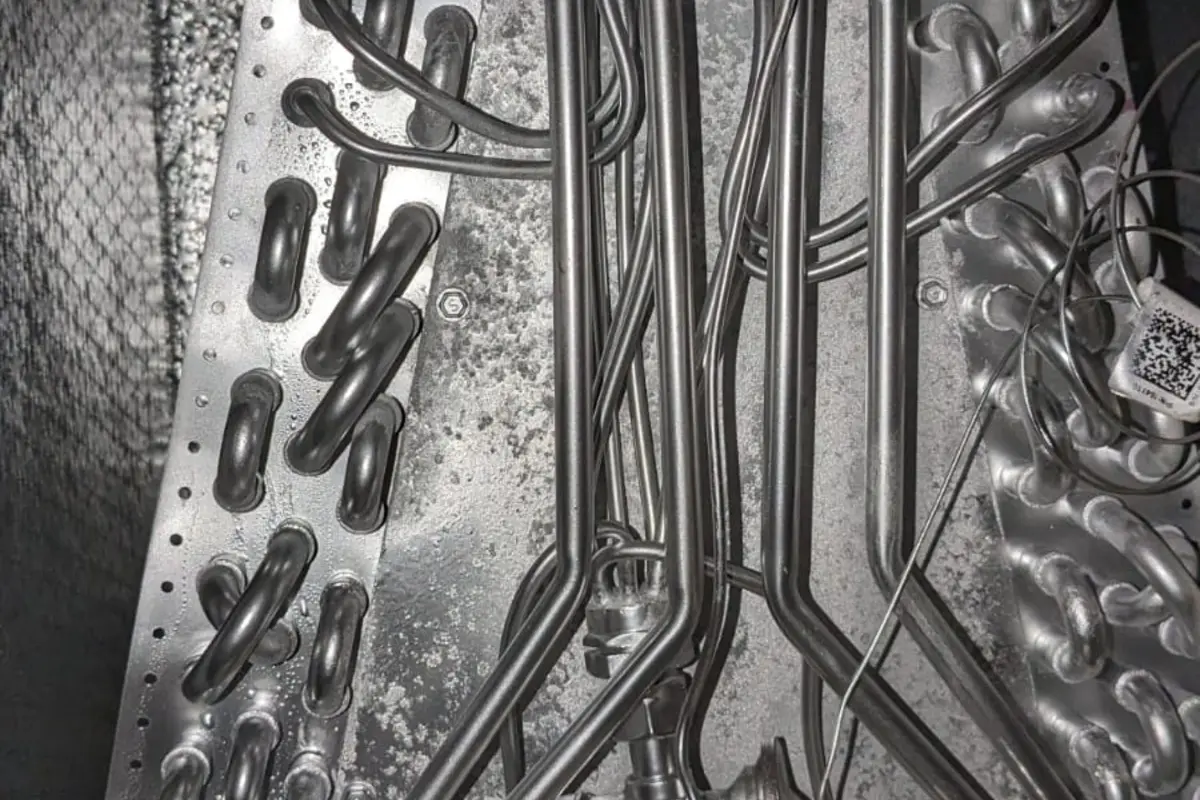
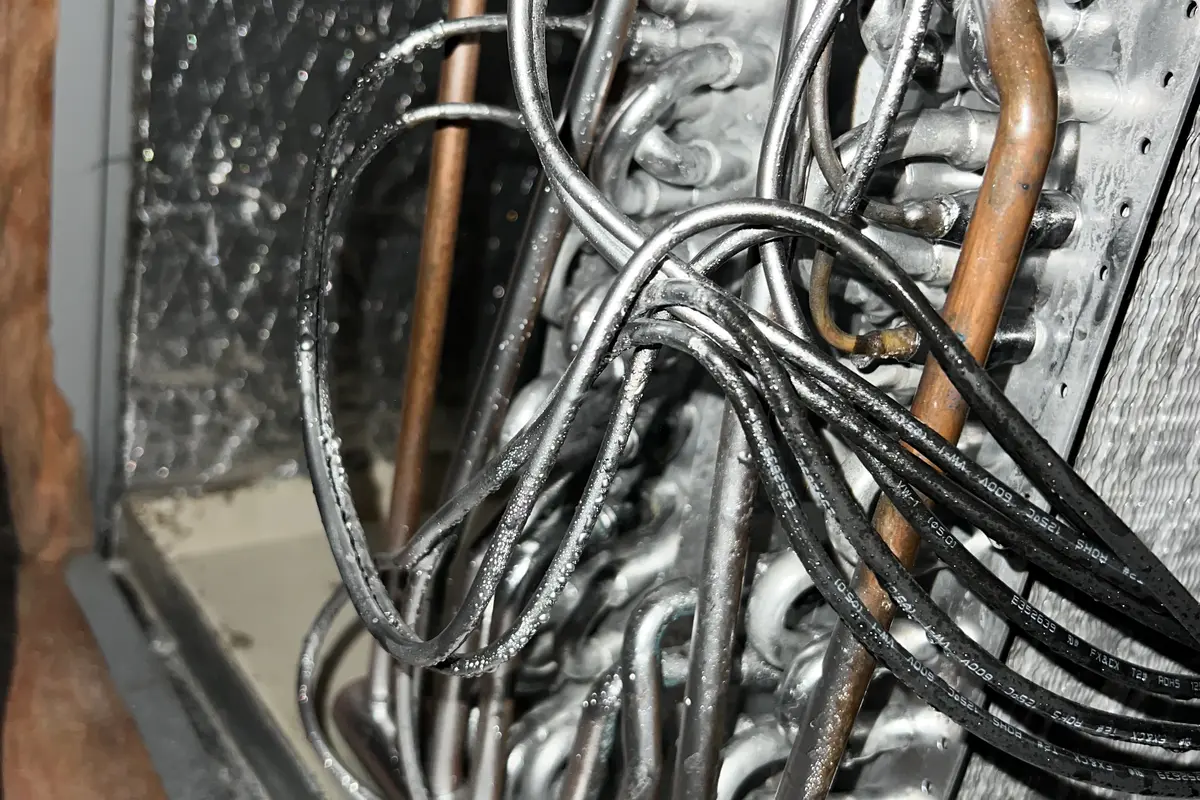
Where you need a professional is anything involving refrigerant, electrical components, or the internal workings of the air handler and condenser. Refrigerant is a sealed system that requires EPA certification to handle legally. Capacitors store lethal electrical charges even when the system is off. Evaporator and condenser coil cleaning requires specific chemicals and techniques that can damage the coils if done incorrectly. Duct cleaning requires professional equipment to do properly - a shop vac on a register opening does not clean your ductwork. Any time you hear grinding, squealing, or buzzing from inside the unit, or if the system trips a breaker repeatedly, call a professional. These are symptoms of mechanical or electrical failures that get worse and more expensive when amateurs attempt diagnosis.
Emergency Weather Preparedness
Austin's weather includes extreme events that can damage HVAC systems. Winter Storm Uri in 2021 taught every Austin homeowner that preparation matters.
Before a hard freeze: set the thermostat to at least 65 degrees and leave it there. Open cabinet doors under sinks on exterior walls. If you have a heat pump, switch to emergency/auxiliary heat before temperatures drop below 30 degrees - heat pumps lose efficiency rapidly below freezing.
During extended power outages in winter: shut off the HVAC system at the thermostat. When power returns, turn the system back on in emergency/auxiliary heat mode and let the house warm gradually. Do not set the thermostat to 80 degrees to warm up faster - this can cause system stress.
After severe storms: inspect your outdoor unit for debris, hail damage, or standing water. Check your roof and attic for leaks that could damage insulation. Listen for unusual sounds when the system restarts. If the system will not start, check the circuit breakers before calling for service - storms frequently trip breakers.
After flooding or water intrusion: do not run the HVAC system until the ductwork has been inspected. Water in ductwork creates health hazards and can damage system components. Professional assessment is necessary before resuming operation.
Keep a battery-powered radio and flashlight accessible. Know where your HVAC circuit breakers are. Have your HVAC service provider's number saved in your phone. In Austin, extreme weather events are uncommon but not rare, and basic preparation prevents minor weather events from becoming major HVAC emergencies.
Related Services
Learn more about our professional services related to this topic:
- Air Duct Cleaning - Remove dust, allergens, and debris from your entire HVAC system for cleaner indoor air.
- Dryer Vent Cleaning - Clear lint buildup to prevent fires and cut drying time in half.
- Chimney Sweep & Repair - Professional cleaning and 21-point safety inspection for your fireplace.
- Attic Insulation - Premium blown-in insulation to cut energy costs and improve year-round comfort.
All Articles in This Series
- Spring HVAC Maintenance Checklist for Austin Homes
- Getting Your AC Ready for Austin Summer: Complete Guide
- Winter HVAC Prep: Getting Your Austin Home Ready
- Austin Allergen Calendar 2026: Month-by-Month Guide
- Post-Storm HVAC Checklist: What to Check After a Storm
- Fall HVAC Maintenance Checklist for Austin Homeowners
- Oak Pollen Season in Austin: Air Quality Tips
- HVAC Tips Before and After a Long Vacation
- AC Tune-Up in Austin: Cost, Checklist, and When to Schedule
- Preparing Your Austin HVAC for the Next Winter Freeze
Have questions about seasonal guides? Our team is available 7 days a week. Call us at (512) 601-4451 or visit our contact page.