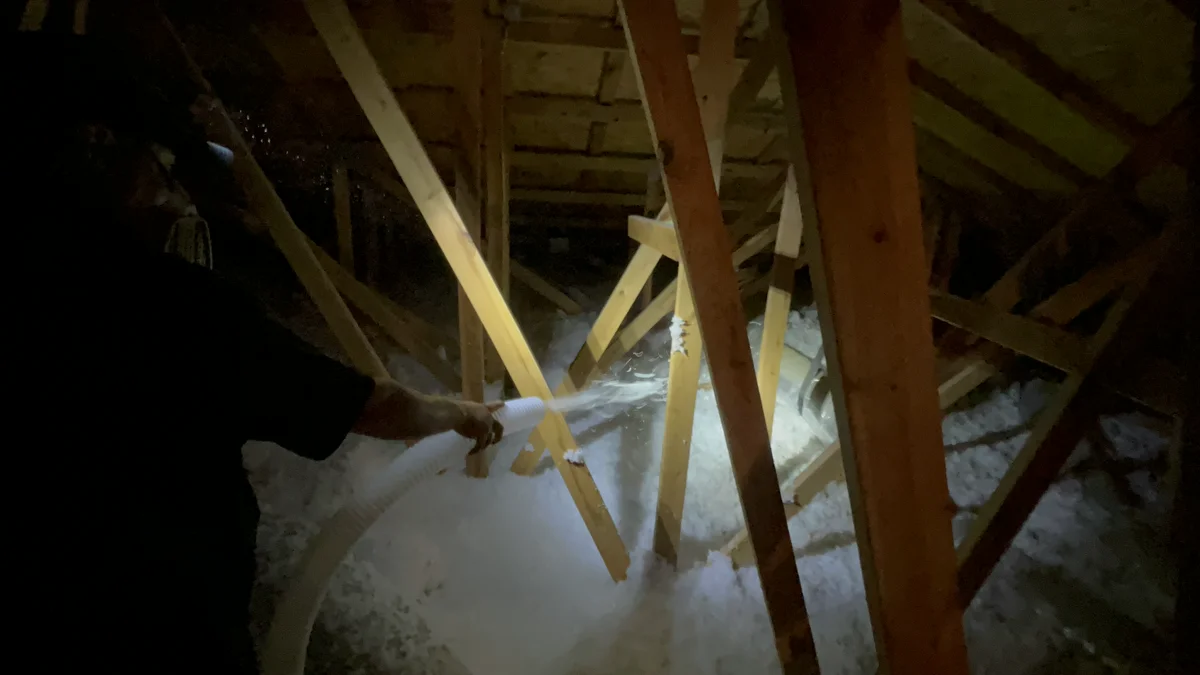
Attic insulation removal is necessary when insulation is contaminated by rodents, damaged by water, degraded by age, or contains hazardous materials like vermiculite. In Austin, extreme attic heat (140-160 degrees F in summer) degrades insulation faster than in cooler climates. Professional removal uses industrial vacuum equipment and typically costs $1.50-$3.00 per square foot. Always pair removal with new insulation installation. Call (512) 601-4451 to schedule an attic insulation assessment.
When Attic Insulation Removal Is Necessary
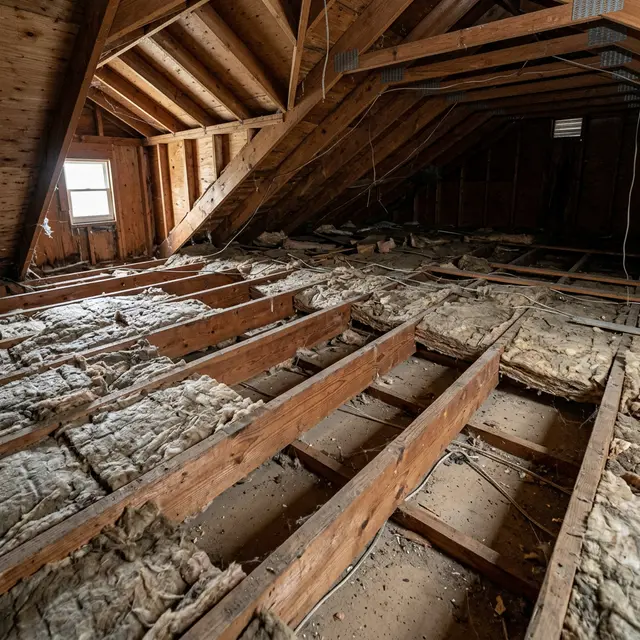
Rodent contamination is the most common reason for insulation removal in Austin homes. Rats, mice, squirrels, and raccoons nest in attic insulation, leaving droppings, urine, nesting material, and sometimes carcasses throughout the material. Contaminated insulation cannot be cleaned - it must be physically removed and replaced. The health risks from rodent waste (hantavirus, salmonella, leptospirosis) make this a situation where removal is not optional.
Water damage from roof leaks, condensation, or plumbing failures saturates insulation and creates conditions for microbial growth. Wet fiberglass insulation loses its R-value because the air pockets that provide thermal resistance collapse when waterlogged. Wet cellulose (blown-in) insulation compacts, clumps, and develops odor. Once insulation has been wet and dried, it never recovers its original performance. Water-damaged insulation should be removed and replaced after the moisture source is repaired.
Old vermiculite insulation installed before 1990 may contain asbestos. Vermiculite from the Libby, Montana mine (sold under the brand name Zonolite) was contaminated with tremolite asbestos. If your Austin home was built or insulated between 1940 and 1990 and has loose-fill vermiculite (small, accordion-shaped granules), have it tested before disturbing it. Asbestos-containing vermiculite requires certified abatement professionals for removal.
Fire damage, even minor smoke damage, contaminates insulation with soot particles and chemical residue. Insurance companies typically require full insulation removal and replacement after any attic fire, and the health reasons for doing so are clear - burned insulation off-gasses toxic compounds every time attic heat rises.
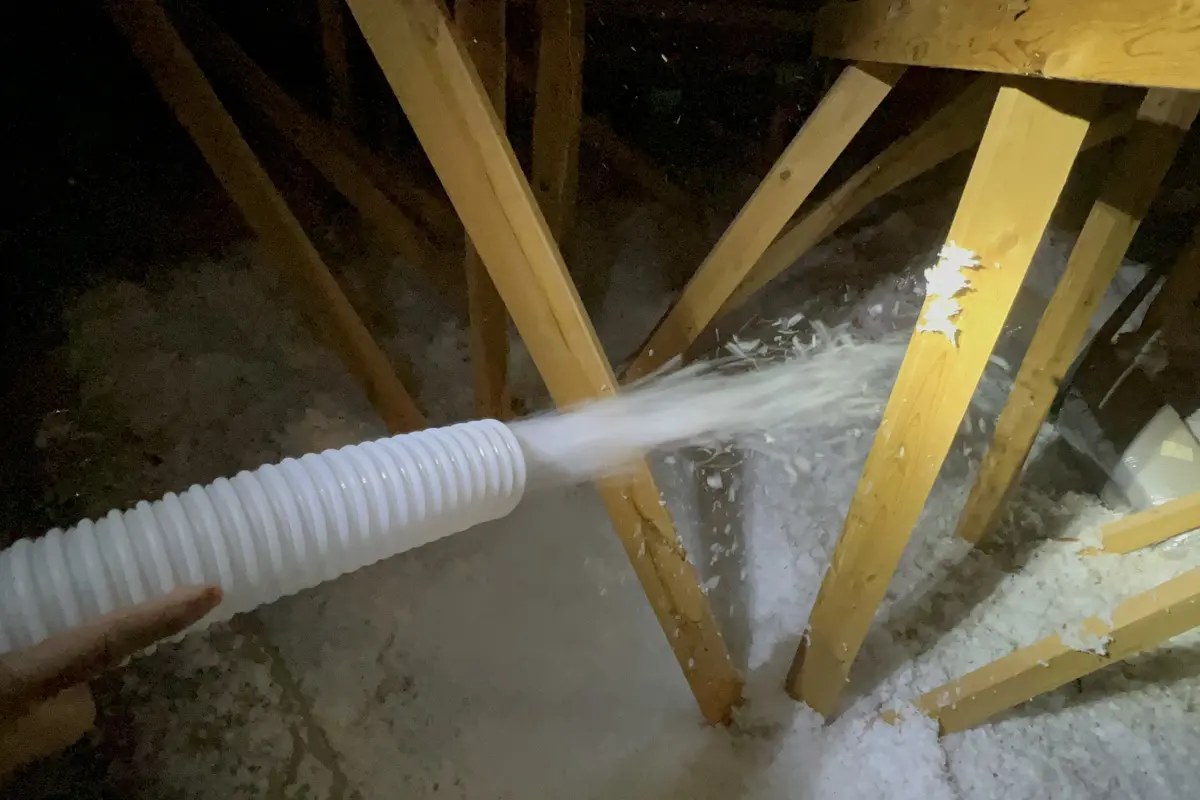
Signs Your Existing Insulation Has Failed
Blown cellulose that has settled significantly is no longer performing at its rated R-value. Cellulose insulation compresses over time due to gravity, moisture cycles, and vibration. If your attic floor insulation was originally 12-14 inches deep and is now 6-8 inches, it has lost 40-50% of its thermal resistance. In Austin, where attic temperatures reach 140-160 degrees F, that settlement translates directly to higher cooling bills.
Fiberglass batts that are compressed, shifted, or have gaps between sections are similarly underperforming. Batts installed 20-30 years ago in homes built during Austin's 1980s and 1990s building booms were often R-19 (6 inches). Current code for Austin's climate zone (IECC Zone 2) recommends R-38 to R-49. Even if the old batts are in good condition, they are likely insufficient by today's standards.
A persistent musty or stale smell from ceiling vents or the attic access point suggests contamination in the insulation. Organic material (dust, pollen, dead insects, rodent activity) accumulates in insulation over decades and decomposes. If your attic smells bad, the insulation is part of the problem.
Uneven temperatures between rooms, especially rooms directly under the attic, often trace to insulation gaps or degraded coverage. If your upstairs bedroom is always 5-10 degrees warmer than downstairs despite running the AC, the insulation above that room is likely compromised.
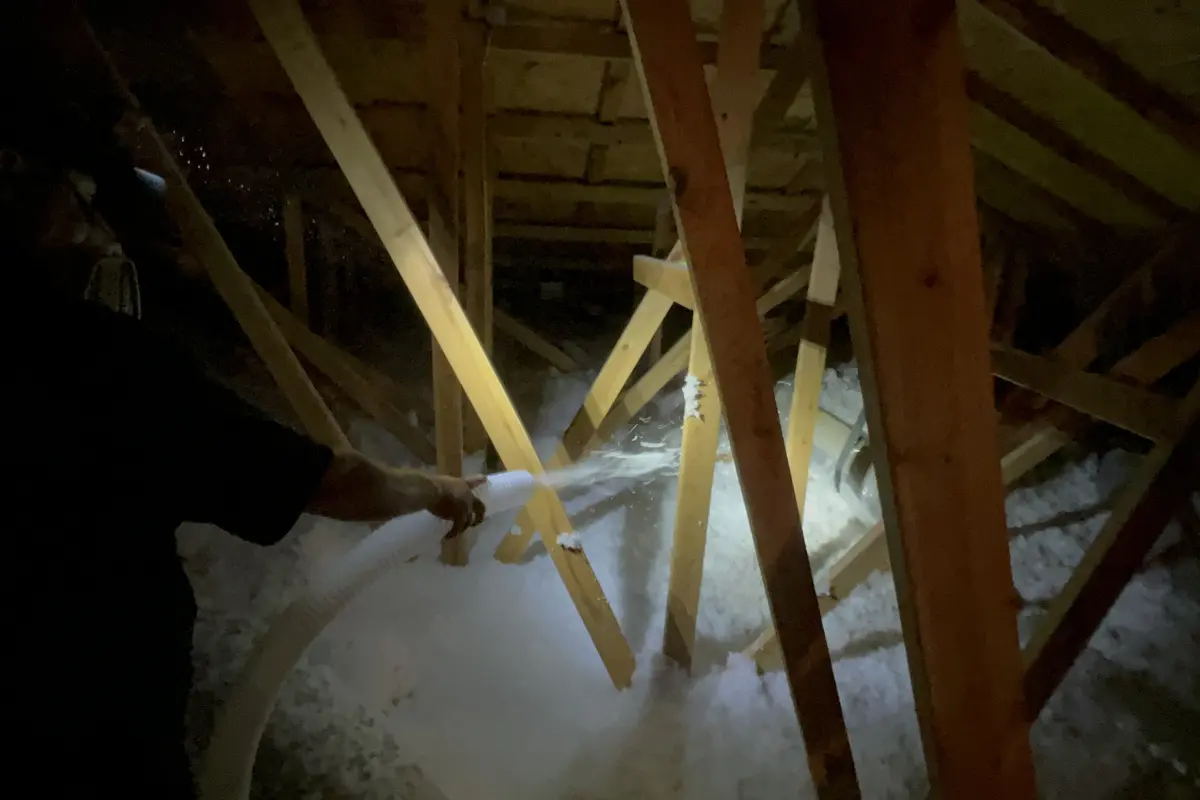
How Professional Insulation Removal Works
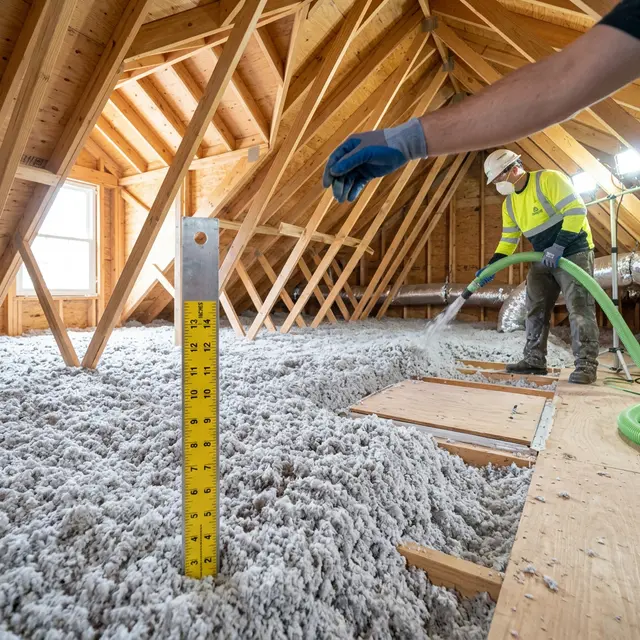
Professional insulation removal uses industrial vacuum equipment - a gas-powered machine with a large collection bag mounted on a trailer or truck. A long vacuum hose runs from the machine through the attic access and into the attic space. The technician feeds insulation into the hose, and the vacuum pulls it through to the collection bag outside.
For blown-in insulation (cellulose or loose-fill fiberglass), the vacuum process is straightforward. The machine suctions the loose material directly. A crew of 2-3 technicians can vacuum a 1,500 square foot attic in 4-6 hours depending on insulation depth and accessibility.
Fiberglass batt removal is partially manual. Batts are rolled or folded and passed down through the attic access, then the remaining loose debris and dust is vacuumed. Batt removal is faster in some ways but more labor-intensive because each section must be handled individually.
After all insulation is removed, the attic floor (typically drywall or plywood over ceiling joists) is vacuumed clean. Any rodent droppings, debris, or contamination on the attic floor is removed. For rodent-contaminated attics, a sanitizing treatment is applied after cleaning to neutralize residual pathogens before new insulation goes in.
The removed insulation is bagged and disposed of according to local regulations. Contaminated insulation (rodent, water, fire) is classified as waste and goes to appropriate disposal facilities. Old vermiculite with asbestos requires certified hazardous material disposal.
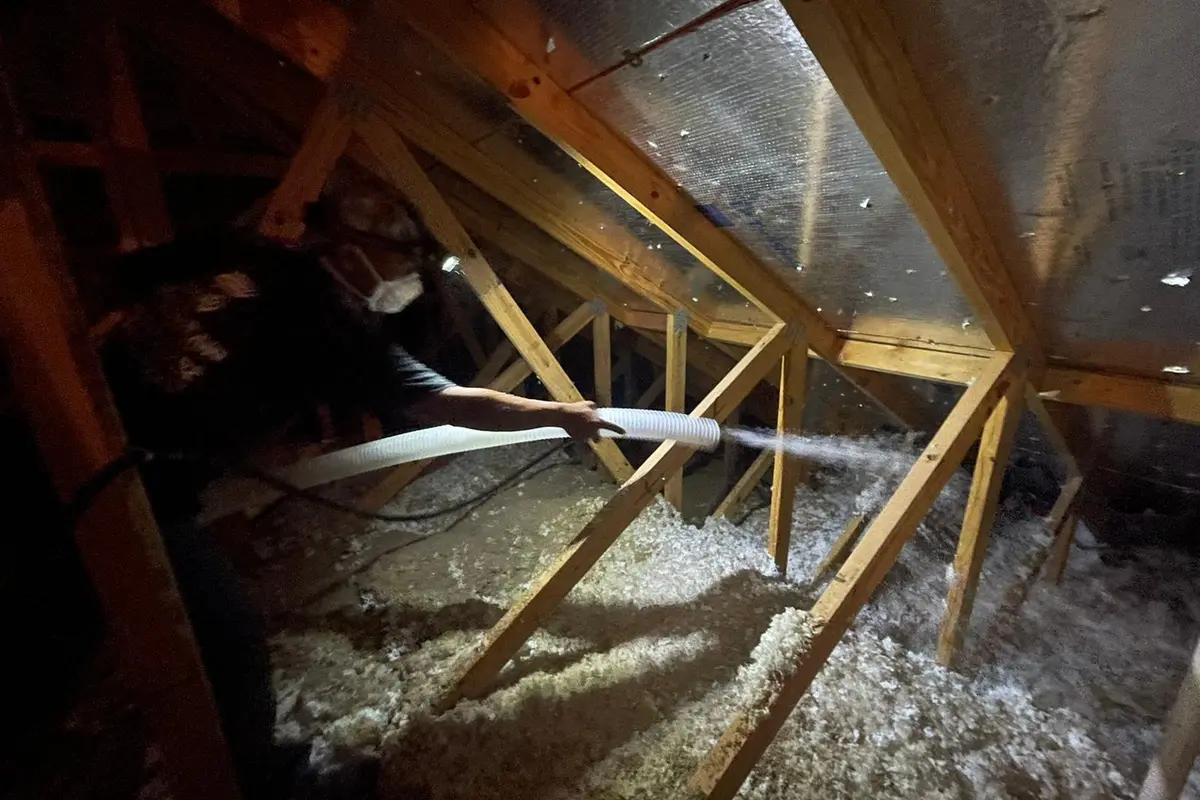
Cost of Insulation Removal in Austin
Insulation removal in Austin typically costs $1.50-$3.00 per square foot of attic space, depending on insulation type, depth, contamination level, and accessibility. For a 1,500 square foot attic, expect $2,250-$4,500 for removal alone. Material type significantly affects removal difficulty and cost: blown-in cellulose is the easiest and least expensive to remove because it vacuums out efficiently with industrial equipment. Fiberglass batts require more manual labor since each section must be rolled, bagged, and carried down through the attic access. Spray foam is the hardest and most expensive to remove because it bonds to surfaces and must be scraped, cut, or ground off mechanically.
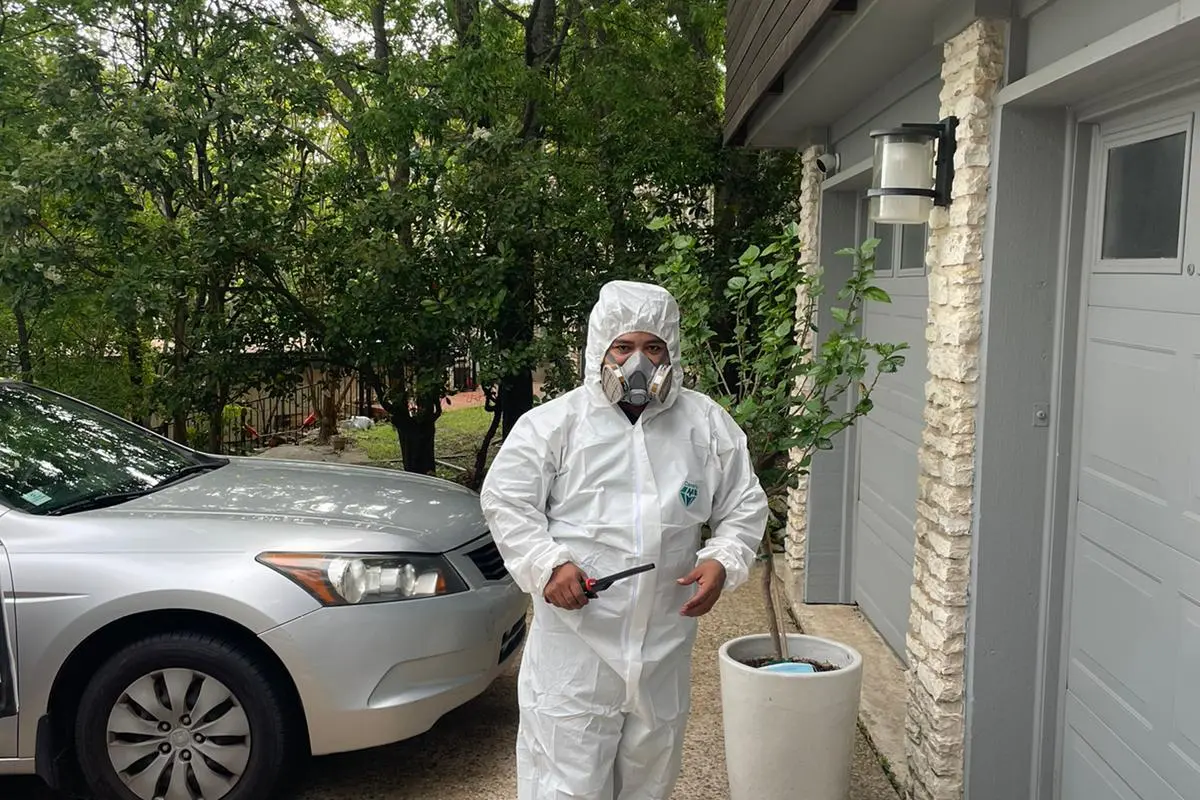
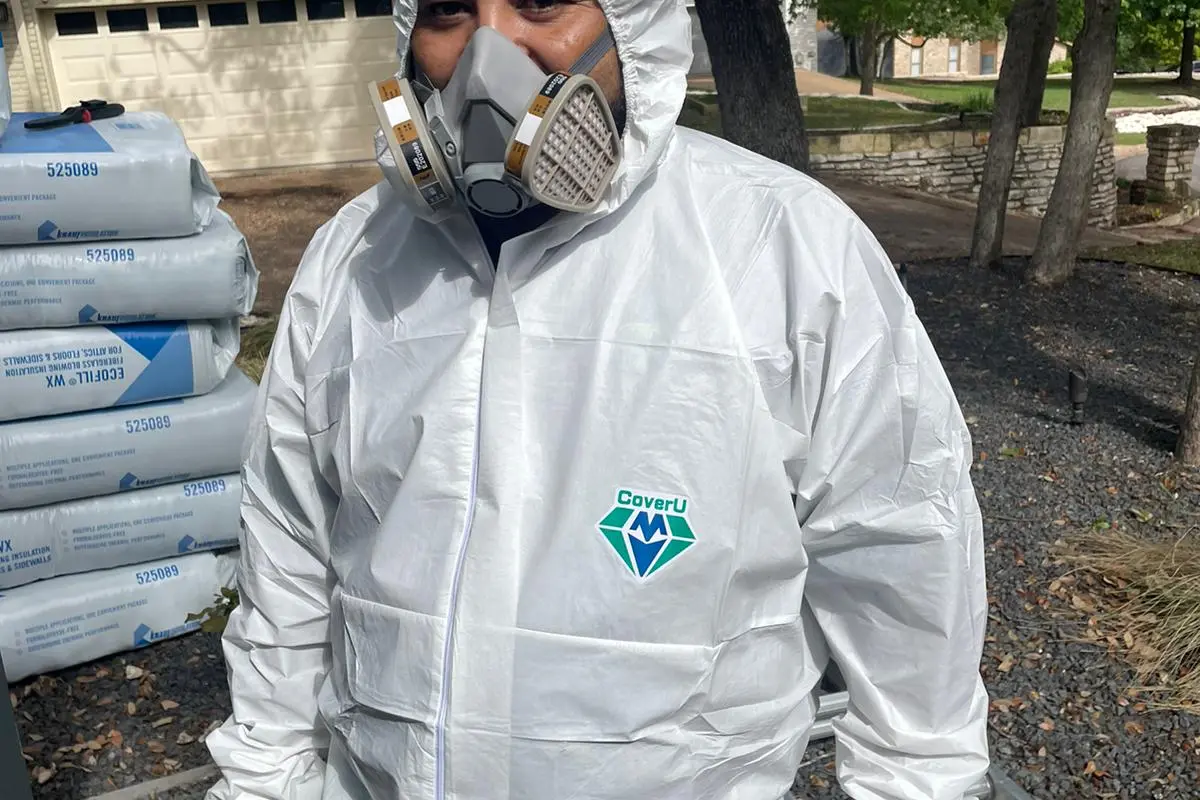
Rodent-contaminated insulation costs more to remove because it requires additional safety precautions (respirators, protective suits, sanitization after removal). The disposal costs are also higher for contaminated material. Contaminated removal typically adds 25 to 50 percent to the base cost.
Vermiculite with asbestos is the most expensive to remove because it requires certified asbestos abatement professionals, air monitoring during removal, and hazardous waste disposal. Costs for asbestos-containing insulation removal typically start at $5-$10 per square foot.
Most homeowners combine removal with new insulation installation, which is the recommended approach. Installing new insulation immediately after removal means one project, one crew, and one disruption. The combined cost for removal plus new blown-in insulation (R-38 to R-49) typically runs $3.50-$6.00 per square foot in Austin.
Wondering About Your Insulation Level?
We measure your current R-value and show you exactly where you stand. Professional attic assessments available.
Call (512) 601-4451Estimate how much you could save on energy bills
Why Austin Attics Destroy Insulation Faster
Austin attics are among the harshest environments for insulation in the country. Summer attic temperatures regularly reach 140-160 degrees F. That extreme heat accelerates the breakdown of all insulation types. Cellulose degrades faster, fiberglass binder resins break down, and spray foam can become brittle over time under sustained high heat exposure.
Austin homes built in the 1970s through 1990s are the most likely candidates for insulation removal. These homes are now 30-50+ years old, the insulation has endured decades of extreme heat cycles, and building standards at the time specified lower R-values than current code requires. Many of these homes also have inadequate attic ventilation, which compounds the heat problem.
Humidity is the other Austin factor. The city averages 67% relative humidity, and moisture migrates into the attic through ceiling penetrations (light fixtures, bathroom exhaust fans, attic access openings). When moist air meets hot attic air, it creates conditions that degrade insulation and promote contamination over time.
Air Central evaluates attic insulation condition as part of every attic insulation assessment. We check R-value, contamination, moisture, and ventilation, then provide a clear recommendation on whether your insulation needs topping off, partial removal, or full replacement. Call (512) 601-4451 to schedule.
What Comes After Removal: Choosing New Insulation
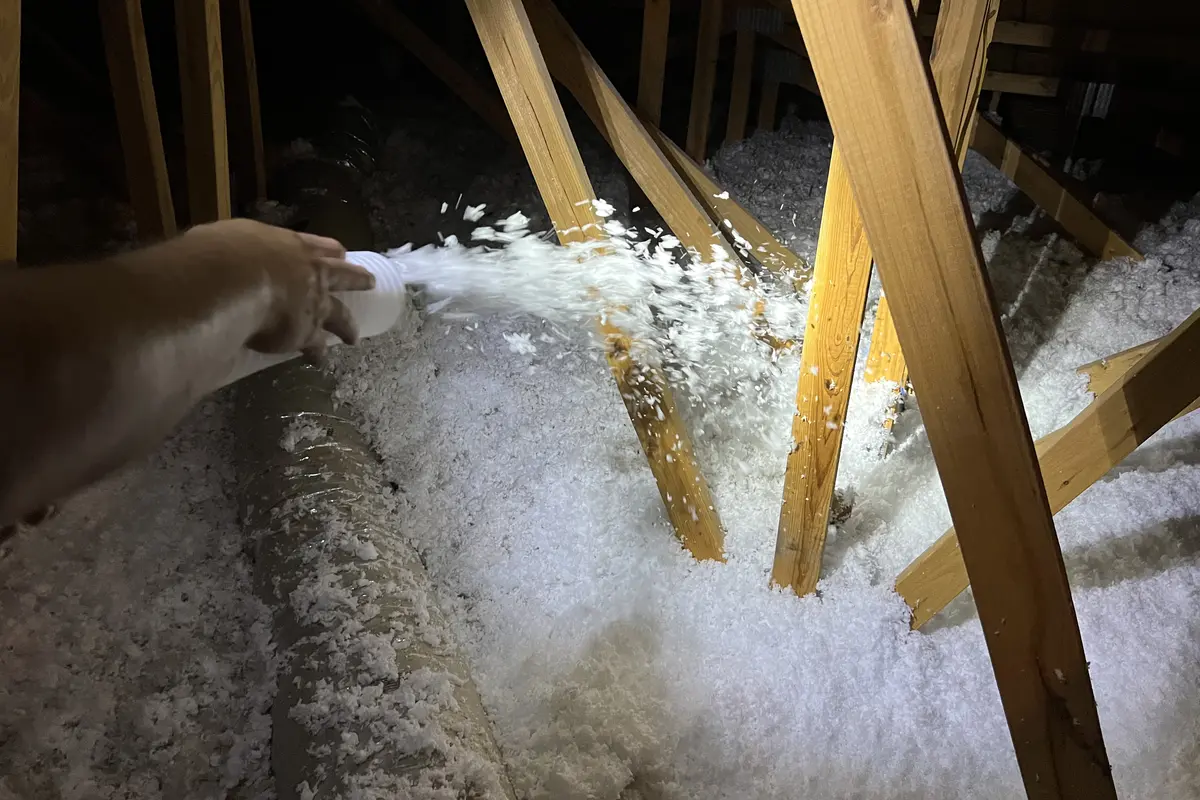
After removal, the most common replacement in Austin is blown-in fiberglass or cellulose installed to R-38 or R-49. Blown-in insulation fills gaps and irregularities better than batts, and it is faster to install. Most attic insulation replacements (removal + new blown-in) are completed in a single day.
Air sealing should be done before new insulation goes in. With the attic floor exposed after removal, it is the ideal time to seal gaps around electrical penetrations, plumbing stacks, HVAC boots, recessed light cans, and the attic access hatch. Air sealing can improve energy efficiency by 10-20% on its own and is much harder to do after insulation covers the attic floor.
Radiant barriers are worth considering during re-insulation in Austin. A radiant barrier (reflective foil installed on the underside of roof rafters) reduces radiant heat transfer into the attic by up to 30%. In Austin's climate, where radiant heat from the roof is the dominant source of attic heat gain, the combination of a radiant barrier plus R-38 or higher blown-in insulation provides excellent thermal performance.
Solar attic fans can also be installed during the re-insulation project to actively ventilate the attic and reduce peak temperatures. Lowering attic temperature extends the life of the new insulation, reduces cooling costs, and decreases the thermal load on attic ductwork.
Related Services
Learn more about our professional services related to this topic:
- Attic Insulation - Premium blown-in insulation to cut energy costs and improve year-round comfort.
- Solar Fan Installation - Solar-powered attic ventilation that cuts cooling costs naturally.
Want the full picture?
Read our complete guide: Attic Insulation for Austin Homes: The Complete Guide (2026) →Have questions about attic & insulation? Our team is available 7 days a week. Call us at (512) 601-4451 or visit our contact page.