Raccoons, chimney swifts (federally protected March through October), bats, and wasps are the most common Austin chimney invaders. Never start a fire to drive animals out - it is dangerous, often illegal, and can kill protected species. A chimney cap with mesh screening is the only permanent prevention. Professional removal is required for most wildlife.
Something Is Living in Your Chimney
Scratching at 3 AM. Chattering sounds echoing down the flue. A foul smell drifting from the firebox. If you have an uncapped chimney in Austin, the question is not whether animals will move in - it is which species got there first. Central Texas wildlife treats an open chimney like a luxury condo: dark, protected, temperature-stable, and predator-proof.
The Texas Parks and Wildlife Department handles thousands of urban wildlife calls annually in the Austin metro area. Chimneys rank among the top entry points for wildlife getting into residential structures, alongside attic vents and soffit gaps.
According to Air Central owner Nessi Ziv, 'We pull animals out of Austin chimneys every single week during spring and summer. Raccoons, birds, bats, wasps - we have seen it all. The one rule we tell every homeowner: never start a fire to smoke them out. It does not work, it is often illegal, and it can cause a chimney fire if there is nesting material in the flue.'
Raccoons: Austin's Most Destructive Chimney Guest
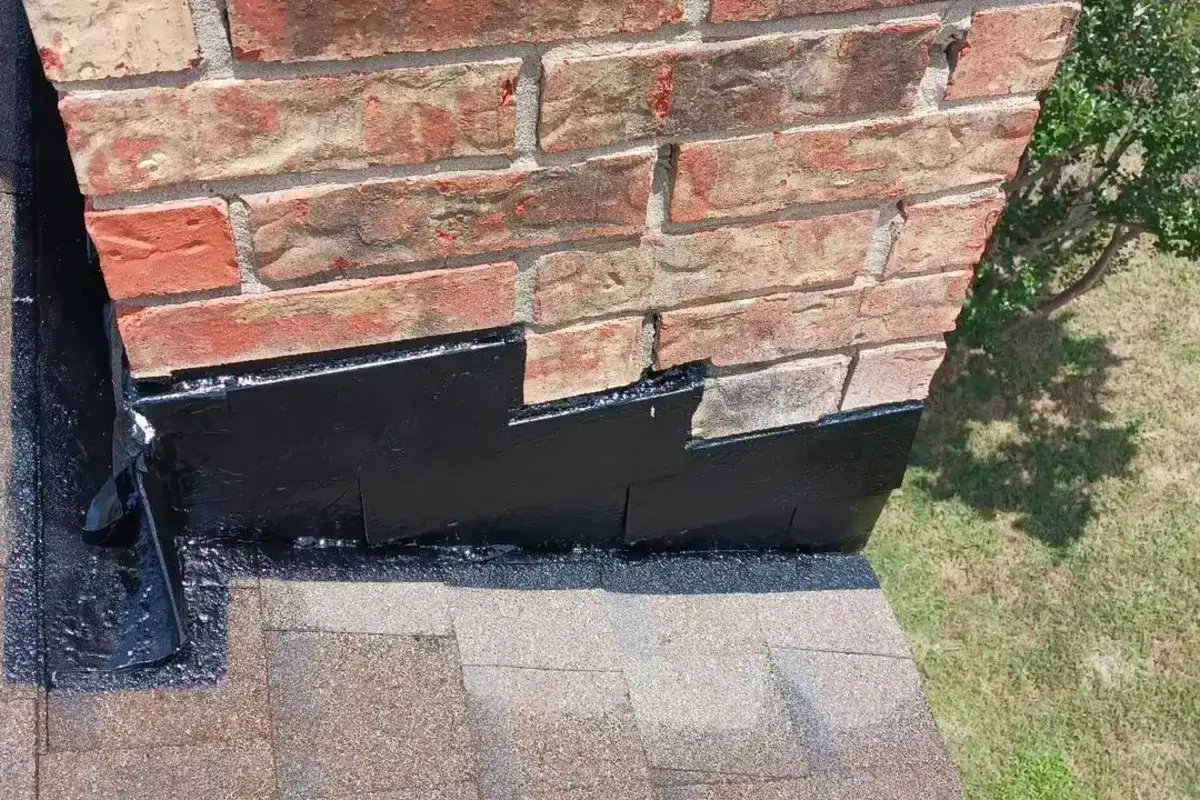
Raccoons are strong, intelligent, and persistent. A female raccoon looking for a nesting site in spring will climb a brick chimney exterior with ease - their claws grip mortar joints like ladder rungs. Once inside, they nest on the smoke shelf or damper, tearing apart anything in their path.
A nesting raccoon damages the damper mechanism, dislodges flue tiles, and contaminates the chimney with droppings that can carry raccoon roundworm (Baylisascaris procyonis), a parasite dangerous to humans. The CDC identifies raccoon roundworm as a serious health risk, particularly for children.
Removing raccoons requires a licensed wildlife professional. Texas law permits homeowners to trap nuisance raccoons on their property, but chimney access makes this impractical without specialized equipment. After removal, the chimney needs thorough cleaning to eliminate waste, nesting material, and any parasites before it is safe to use.
Prevention cost vs removal cost tells the story clearly. A chimney cap with raccoon-proof mesh screening costs $150-$400 installed. Professional raccoon removal plus chimney cleaning and damage repair commonly runs $500-$1,500. Spending $300 on a cap now saves $700-$1,100 the first time it turns away a raccoon - and it keeps working for 15-20 years after that.
Chimney Swifts: Federally Protected and Non-Negotiable
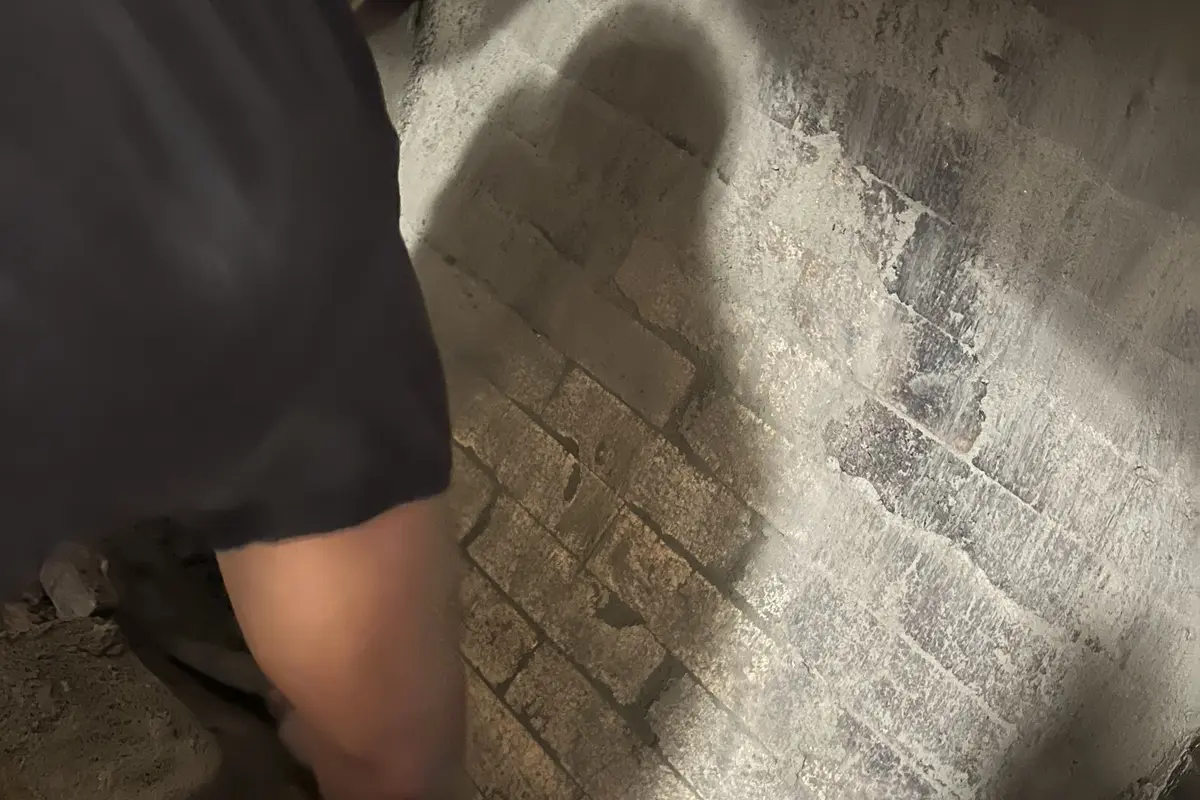
Chimney swifts are small, cigar-shaped birds that migrate through Central Texas from March through October. They nest almost exclusively in chimneys and other vertical structures, building small cup-shaped nests of twigs glued together with saliva on the interior chimney walls.
Chimney swifts are protected under the federal Migratory Bird Treaty Act - full stop. Once they have established a nest in your chimney, it is illegal to remove the birds, their eggs, or their nest until the young have fledged and the birds have departed. Violations carry fines up to $15,000 per incident.
The nesting cycle runs approximately 6-8 weeks from nest building through fledging. During this time, you will hear chattering - sometimes quite loud - as the parents feed the young. The birds are not causing structural damage to your chimney. They eat thousands of insects daily (including mosquitoes), and they will leave on their own when the young can fly.
The only legal prevention is installing a chimney cap before nesting season begins. Once swifts are present, you must wait until they leave (usually by late October in Austin). If you are unsure whether birds have already nested, a professional chimney inspection can confirm their presence without disturbing the nest.
Bats in Your Austin Chimney
Austin is famous for its bat population - the Congress Avenue Bridge colony of Mexican free-tailed bats is the largest urban bat colony in North America, numbering 1.5 million individuals. Those bats need roosts, and chimneys fit the bill perfectly.
Bats are also protected in Texas. While they are not covered under the Migratory Bird Treaty Act, Texas Parks and Wildlife Department regulations prohibit killing bats, and the Texas Health and Safety Code restricts how bats can be removed from structures. Exclusion (allowing bats to leave but preventing re-entry) is the accepted method.
Bat exclusion from chimneys involves installing one-way devices that let bats exit but not return, then sealing the chimney once all bats have departed. This must be done outside of the maternity season (May through August) to avoid trapping flightless young inside the chimney, which creates a die-off and severe odor problem.
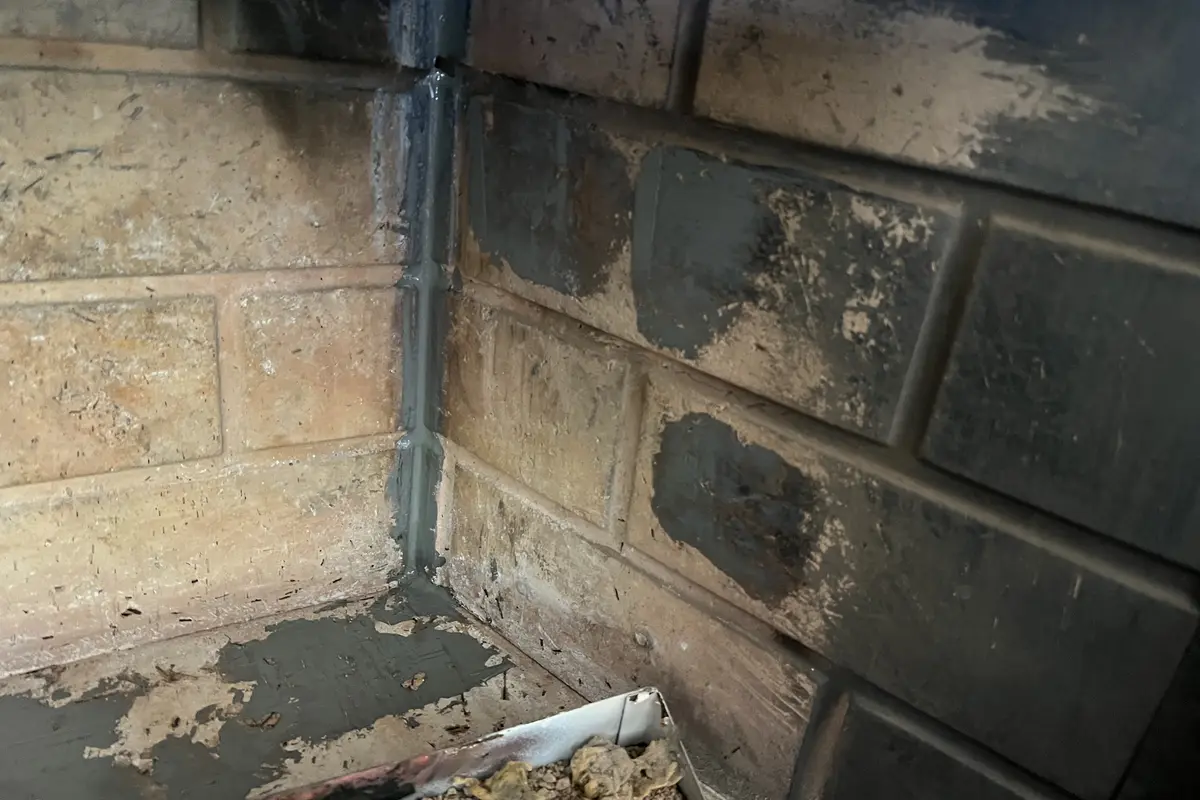
Bat guano (droppings) in chimney cavities can harbor Histoplasma capsulatum, the fungus that causes histoplasmosis, a respiratory infection. Professional cleanup with proper respiratory protection is recommended after bat removal. Do not attempt to sweep out bat guano yourself without appropriate safety equipment.
Wasps, Mud Daubers, and Other Insect Invaders
Paper wasps and mud daubers frequently build nests inside chimney flues, on the smoke shelf, and around the damper. We find active wasp colonies in roughly one out of every ten uncapped chimneys we inspect in the Austin area, with numbers peaking from April through September.
A wasp colony in your chimney can eventually migrate into your living space. Gaps around the damper, cracks in the firebox masonry, or openings where the chimney meets the wall framing all provide pathways. If you notice wasps appearing inside your home near the fireplace area, do not open the damper - this will give the colony direct access to the interior.
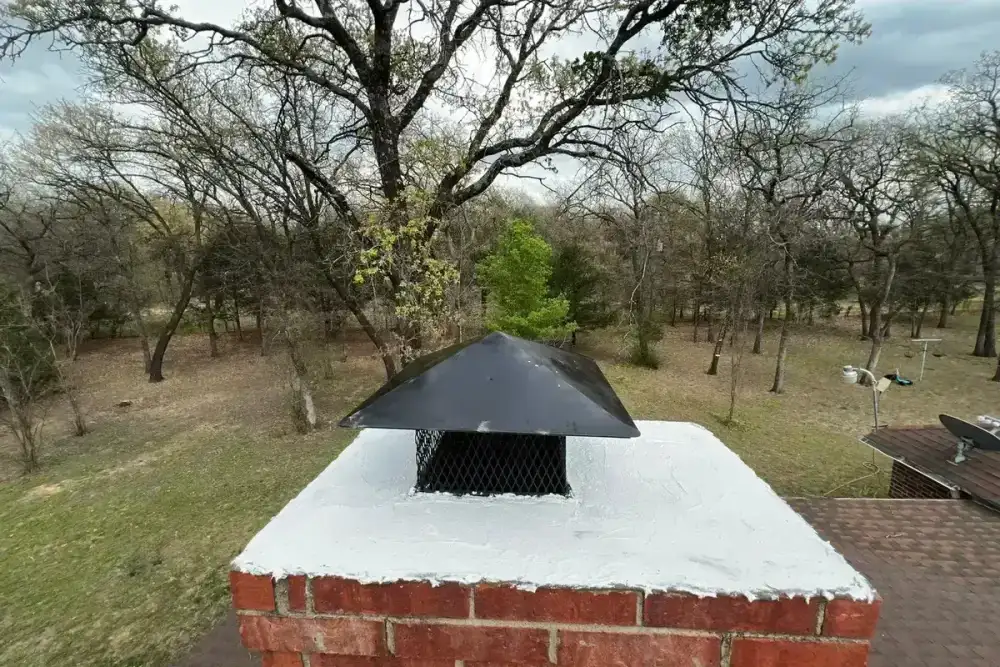
Professional removal is recommended for chimney wasp nests. The confined space, height, and poor visibility make DIY treatment dangerous. After removal, cleaning the chimney and installing a capped screen prevents recolonization. Standard chimney cap mesh (3/4-inch spacing) blocks birds and mammals but may not stop wasps - ask for fine mesh screening if wasps have been a recurring problem.
Is Your Chimney Safe for This Season?
A 21-point chimney inspection catches problems before they become dangerous. Book before the first fire.
Call (512) 601-4451Rate your home's indoor air quality in 2 minutes
Why You Should Never Start a Fire to Remove Animals
This is the most common mistake homeowners make, and it can be catastrophic. Starting a fire to smoke out animals creates several serious risks that make the situation far worse.
Animal nesting material is flammable. Twigs, leaves, fur, and feathers piled on the smoke shelf or inside the flue can ignite and cause a chimney fire. A chimney fire can reach 2,000 degrees Fahrenheit and spread to the home's framing through cracked masonry or deteriorated flue liner.
Trapped animals panic and may enter the living space rather than exit through the top. A raccoon or squirrel driven by fire and smoke will come down, not up - into your firebox and potentially into your home. A panicked wild animal inside your house is a dangerous situation for everyone involved.
For protected species like chimney swifts and bats, intentionally harming them through fire is a federal or state violation. The penalties are real and enforced. If you suspect protected wildlife is in your chimney, contact a licensed wildlife removal professional or Texas Parks and Wildlife for guidance.
How a Chimney Cap Prevents All of This
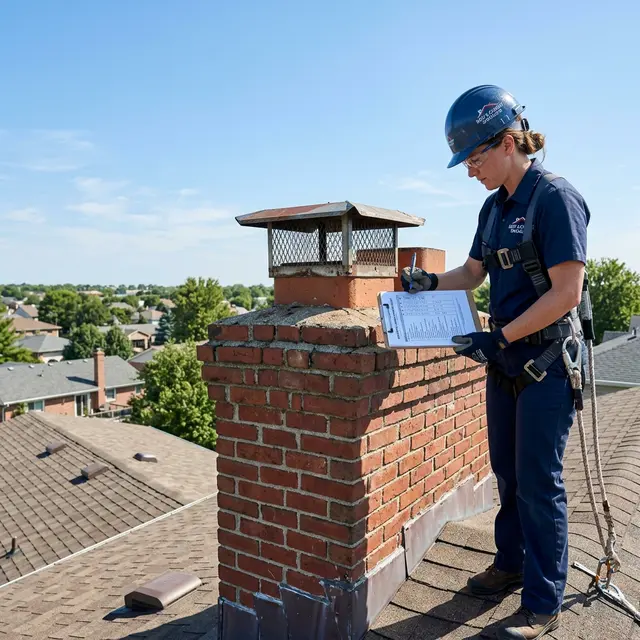
A properly installed chimney cap with mesh screening is the only permanent solution to wildlife entry. The cap covers the flue opening while allowing smoke and gases to vent normally (for fireplaces still in use) or moisture and air to exchange (for unused chimneys).
Stainless steel caps with welded mesh screening last 15-20 years in Austin's climate. The mesh should be sized to block the smallest likely invader - 3/4-inch mesh stops birds, raccoons, and squirrels. For bat and wasp exclusion, finer mesh is available.
Cap installation is a straightforward job that takes less than an hour for most chimneys. The cost ($150-$400 installed) is a fraction of what a single animal removal and cleanup costs. After 10,000+ duct and chimney inspections in Austin, we can say with confidence that a chimney cap is the highest-ROI investment an Austin homeowner can make on their chimney.
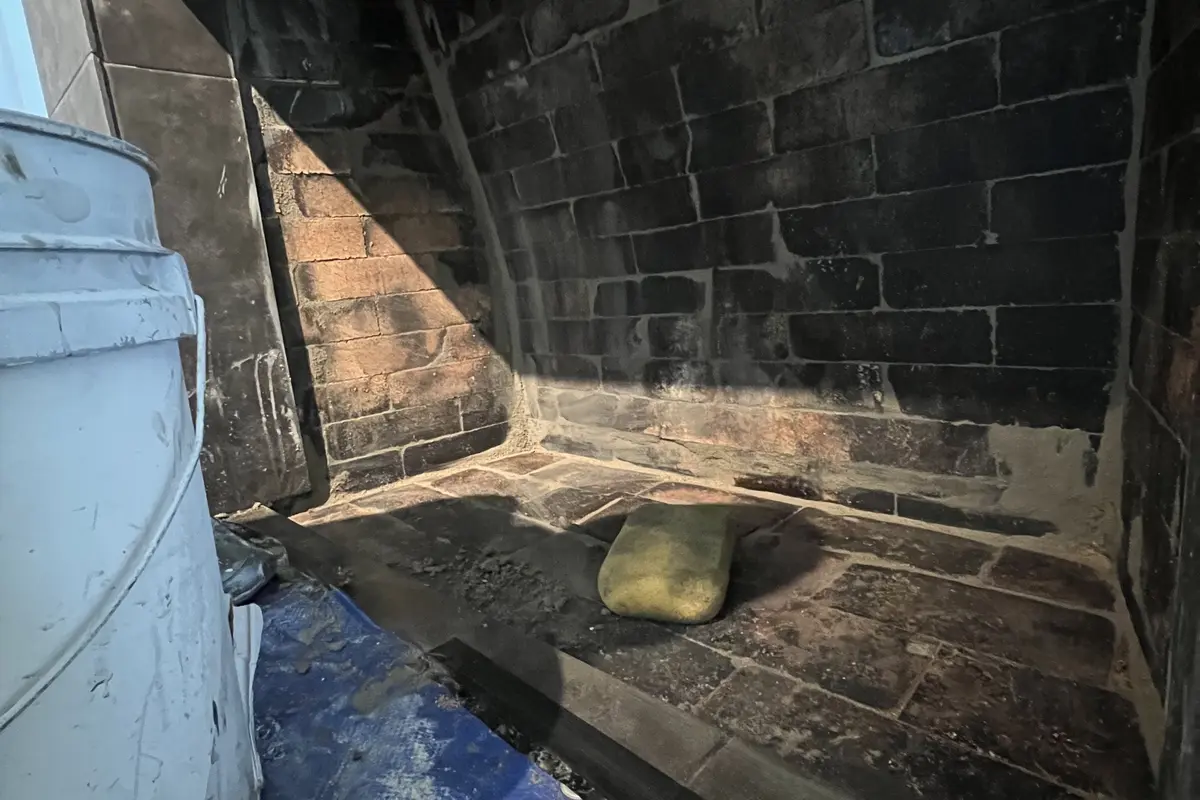
Book Your Chimney Inspection and Cap Installation
If you hear sounds from your chimney, notice odors near the fireplace, or simply have an uncapped chimney you have been meaning to address, do not wait for nesting season to make the situation more complicated.
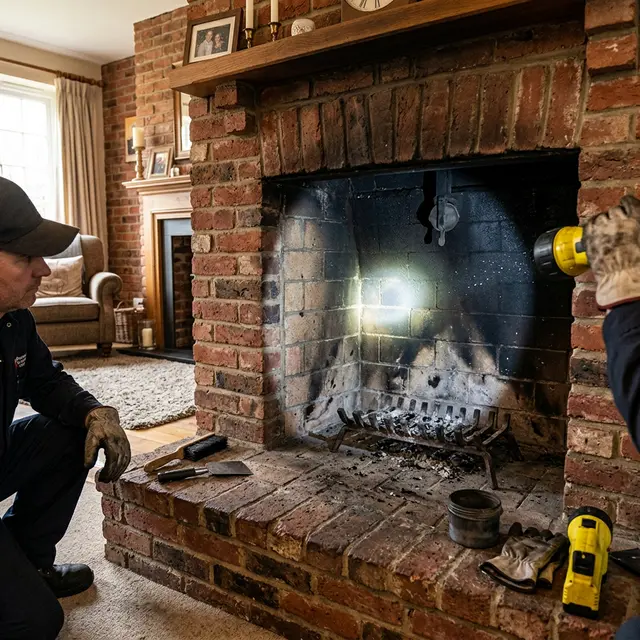
Air Central inspects chimneys with HD camera technology to identify whether animals are present, assess any damage, and recommend the right cap for your chimney type. If protected species are present, we will advise you on the legal timeline for removal and schedule cap installation for when the animals have departed. Call (512) 601-4451 to book your chimney inspection.
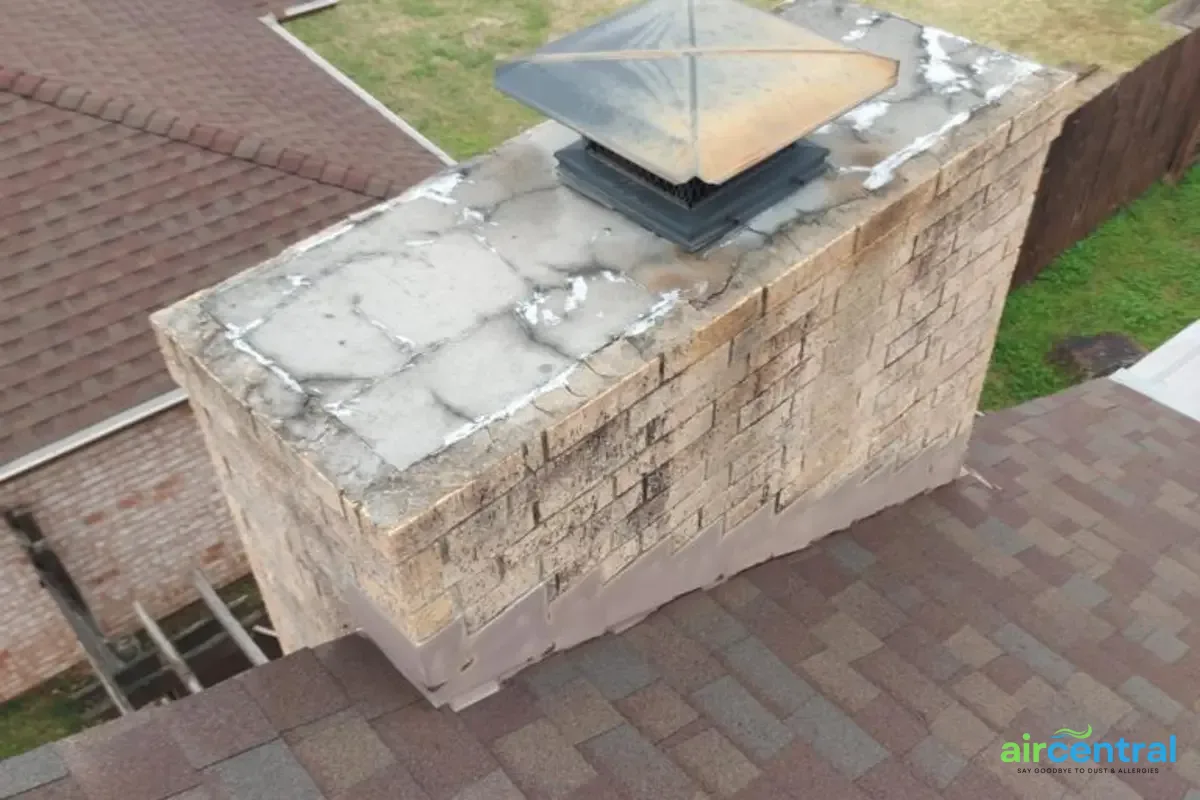
Chimney Sweep Services and Chimney Cap Installers in Austin
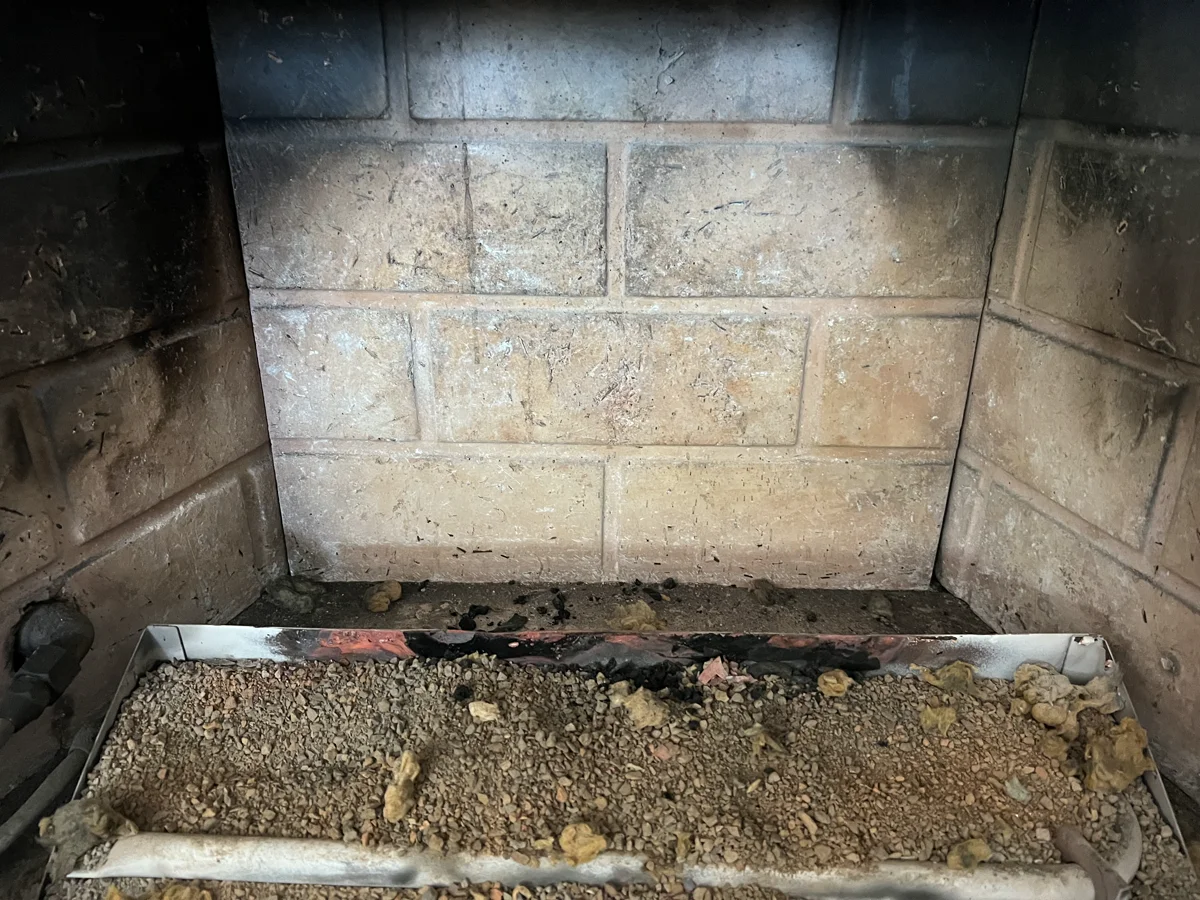
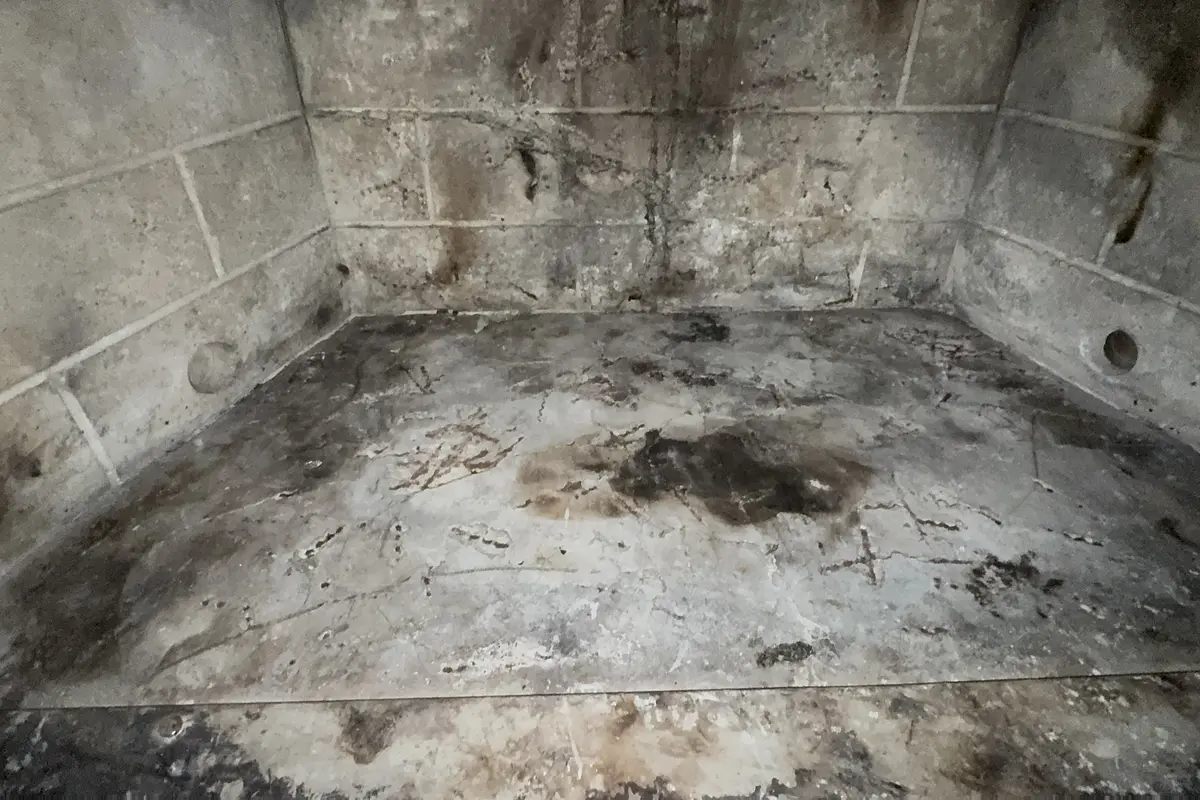
After animal removal, your chimney needs a professional sweep and inspection before you can safely use the fireplace again. Nesting material, animal waste, and debris can block the flue, and wildlife may have damaged the flue liner or damper mechanism. A chimney sweep service after animal removal includes thorough cleaning of the firebox, smoke shelf, and flue, a Level 1 inspection of all accessible components, and a report on any repairs needed before the chimney is returned to service.
Chimney cap installers in Austin vary in materials and pricing. The cap is the permanent prevention solution that makes follow-up animal removal calls unnecessary. Air Central installs stainless steel chimney caps with mesh screening appropriate for the wildlife pressure your chimney faces. For homes in areas with heavy raccoon activity (South Austin, Barton Hills, Bouldin Creek), heavy-gauge stainless mesh provides more reliable protection. For chimneys where swifts have historically nested, we discuss the legal timeline and schedule cap installation for October after the birds depart.
Finding professional chimney sweeps in Austin who handle both the wildlife situation and the follow-up service in one relationship saves time and ensures the work is coordinated. Air Central handles chimney cleaning near me, chimney cap installation, and the inspection documentation needed before you schedule your first fire of the season. We serve Austin and 27 surrounding communities seven days a week.
Related Services
Learn more about our professional services related to this topic:
- Chimney Sweep & Repair - Professional cleaning and 21-point safety inspection for your fireplace.
Want the full picture?
Read our complete guide: Chimney Sweep and Fireplace Safety: Austin Guide (2026) →Have questions about chimney & fireplace? Our team is available 7 days a week. Call us at (512) 601-4451 or visit our contact page.