Leaky ductwork wastes 20-30% of your conditioned air before it reaches your rooms, and Austin's extreme heat makes every percentage point of loss more expensive. Professional duct sealing using mastic, metallic tape, or aerosol-based systems typically costs $1,500-$3,500 and pays for itself in 2-4 years through lower energy bills and reduced HVAC strain.
How Much Energy Are Leaky Ducts Costing Austin Homeowners
According to ENERGY STAR, the typical American home loses 20-30% of its conditioned air through leaks, holes, and poorly connected ductwork. The U.S. Department of Energy puts it bluntly: duct losses in unconditioned spaces - attics, crawl spaces, garages - represent one of the largest energy waste sources in residential buildings. In a city where summer electricity bills routinely hit $250-$400 per month, that translates to $50-$120 per month literally escaping into your attic before cooled air ever reaches your living space.
Austin makes this problem worse than the national average. Most Central Texas homes run their HVAC systems 10-11 months per year, with the cooling season stretching from April through October and often into November. When your system runs nearly nonstop for seven months pushing 40-degree air through ductwork sitting in a 140-degree attic, every leak is a direct exchange between the air you paid to cool and superheated attic air rushing in to replace it. The temperature differential between your conditioned air and the surrounding attic environment in an Austin summer can exceed 100 degrees - far more severe than homes in moderate climates where duct leakage statistics were originally measured.
Here is the math that most homeowners never see. A standard 3-ton AC system moves roughly 1,200 cubic feet of air per minute. If 25% of that air leaks out before reaching your rooms, you are losing 300 CFM of conditioned air every minute the system runs. Your thermostat never reaches the set temperature as fast as it should, so the system runs longer cycles. Longer cycles mean higher electricity consumption, more wear on the compressor, and a system that ages faster than it should. Sealing those leaks does not just save energy - it reduces the total runtime hours on your equipment, extending its lifespan.
How to Tell If Your Ducts Are Leaking
The most common sign is rooms that never seem to reach the temperature on your thermostat. If you have one bedroom that stays five degrees warmer than the rest of the house no matter what you set the AC to, the duct run feeding that room is likely leaking conditioned air into the attic or wall cavity before it arrives. Uneven temperatures between rooms with similar vent sizes almost always point to duct leakage rather than equipment problems.
Higher-than-expected energy bills are another indicator, especially if your bills have crept up over the years without any change in your habits or rates. Duct connections loosen over time due to thermal expansion and contraction - the constant cycling between hot attic air and cold conditioned air causes joints to shift and separate. A system that was reasonably tight when installed 10 or 15 years ago may have developed significant leaks simply from age and temperature stress.
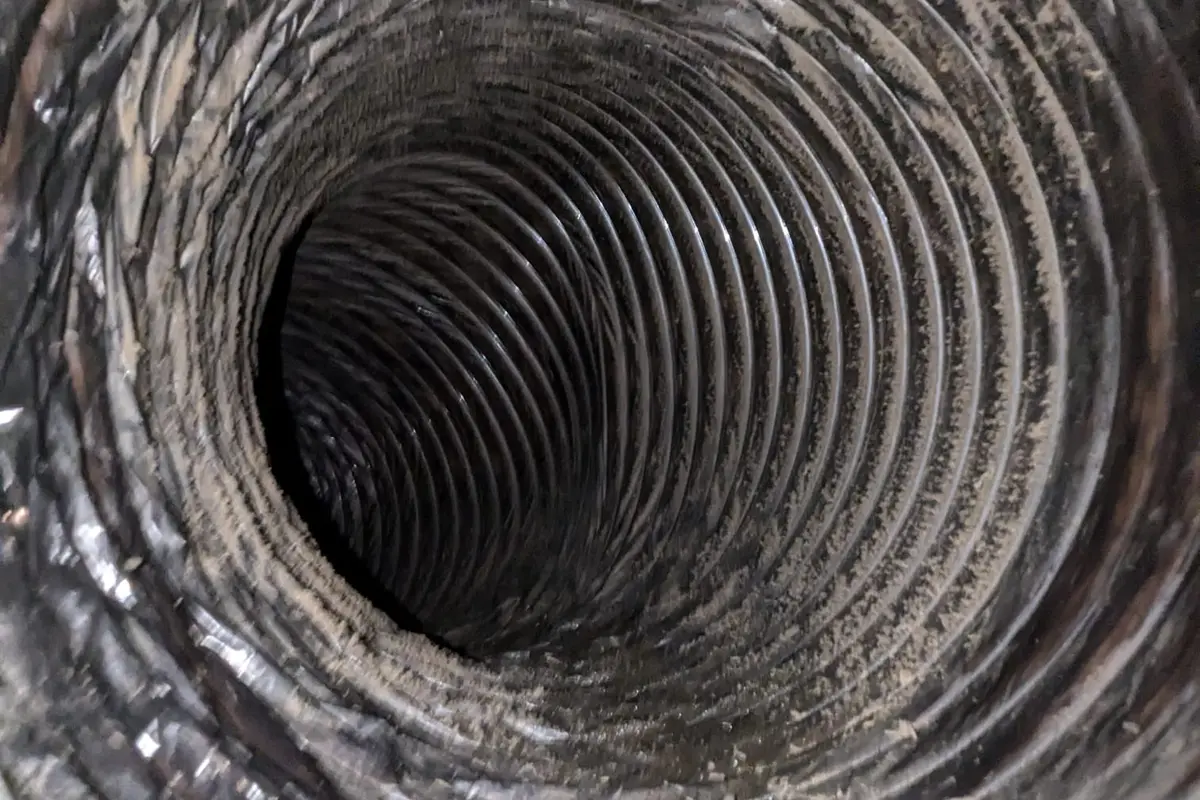
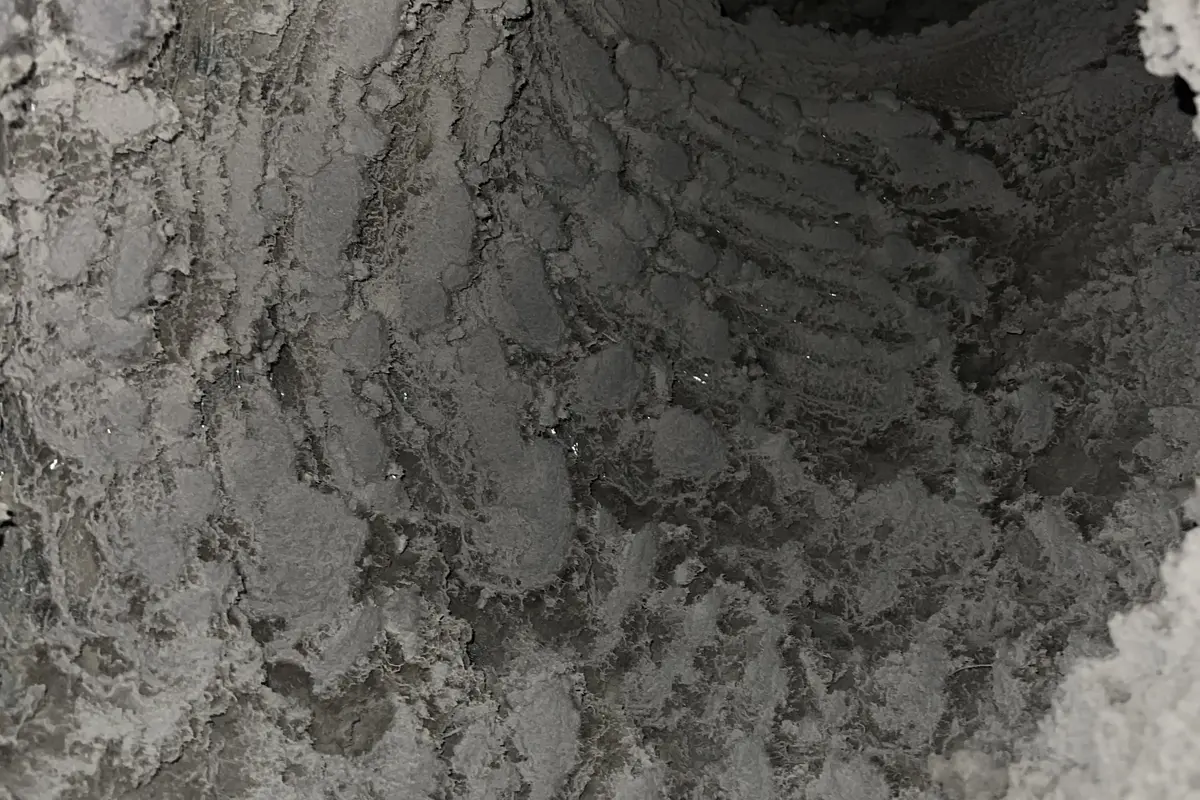
Excessive dust on surfaces and around vent registers is a sign that your ductwork is pulling in unfiltered attic air through leaks. When ducts leak on the return side, the system draws in dusty, unconditioned attic air that bypasses your filter entirely. If you notice dust accumulating faster than it should, especially in rooms far from the air handler, duct leaks may be the cause. For a deeper look at what duct contamination looks like, see our guide on <a href="/blog/signs-air-ducts-need-cleaning/">signs your air ducts need cleaning</a>.
You can do a basic check yourself. Turn on your system, go into the attic, and hold your hand near visible duct connections and joints. If you feel air blowing where ducts connect to each other, at register boot connections, or where flex duct attaches to the plenum, those are active leaks. You can also hold a piece of tissue paper near suspected leak points - it will flutter or get sucked toward return-side leaks. For a more thorough evaluation, a professional <a href="/air-duct-inspection/">duct inspection</a> with a camera system identifies both visible leaks and hidden problems inside the duct runs that you cannot see from the outside.
What Causes Duct Leaks in Austin Homes
Central Texas construction practices are a major contributor. The majority of Austin homes built from the 1990s onward use flexible ductwork (flex duct) in the attic. Flex duct is lightweight and affordable, which is why builders prefer it, but it is more prone to connection failures than rigid sheet metal. The inner liner connects to plenums, register boots, and junction boxes with clamps and mastic or tape. Over time, vibration from the air handler, thermal cycling, and settling of the home cause these connections to loosen. A connection that was adequate on installation day can develop a gap after a few years of 140-degree attic summers followed by 30-degree winter nights.
Rodent and pest damage is common in Austin attics. Rats, mice, squirrels, and raccoons chew through flex duct outer jackets and inner liners, creating holes that leak conditioned air and pull in attic contaminants. We see rodent damage on duct systems in neighborhoods across the metro - from older homes in Central Austin to newer construction in Round Rock and Georgetown. A single chewed hole in a duct run can leak enough air to noticeably affect the room it serves.
Age and wear take their toll regardless of installation quality. Duct tape - despite the name - fails on ductwork within 5-10 years. The adhesive dries out and releases, especially in the extreme heat of Austin attics. If your ducts were sealed with standard cloth duct tape at installation, those joints are likely open now. Even UL-listed foil tape degrades over 15-20 years in attic conditions. This is why homes that were perfectly sealed at construction can develop significant leakage over time without any visible damage or event.
Poor original installation is more common than most homeowners realize. During Austin's building booms, HVAC subcontractors working under time pressure sometimes rush duct connections. Flex duct that is not pulled taut sags and creates low points where condensation pools. Connections made without mastic rely entirely on tape and clamps that inevitably fail. Duct runs that take unnecessarily long routes or have excessive bends restrict airflow and create higher internal pressure, which forces more air through any existing gaps. If your home was built during a period of rapid development - which describes most of Austin's growth since the mid-1990s - the original duct installation may have been rushed.
Professional Duct Sealing Methods Compared
Mastic sealant is the industry standard for accessible duct joints. Mastic is a thick, paste-like compound that is brushed or troweled onto duct connections, seams, and small holes. It dries to a permanent, flexible seal that moves with the ductwork through thermal expansion and contraction cycles. Unlike tape, mastic does not degrade in heat. A properly applied mastic seal on a duct joint in an Austin attic will outlast the ductwork itself. The limitation is access - mastic can only be applied to joints and seams that a technician can physically reach, which means it works for exposed connections but cannot seal leaks buried inside walls or in tight spaces between joists.
Metallic foil tape (UL 181-rated) is used alongside mastic for joints that need immediate holding strength while the mastic cures, and for connections where mastic alone is not practical. This is not the cloth duct tape you buy at hardware stores - UL 181 metallic tape is a different product with an aggressive acrylic adhesive designed to withstand the temperature extremes inside ductwork and attic spaces. It bonds permanently to clean metal and properly prepared flex duct collars. Professional technicians use metallic tape as a complement to mastic, not as a replacement. Tape alone can fail over 10-15 years; tape plus mastic creates a redundant seal that holds indefinitely.
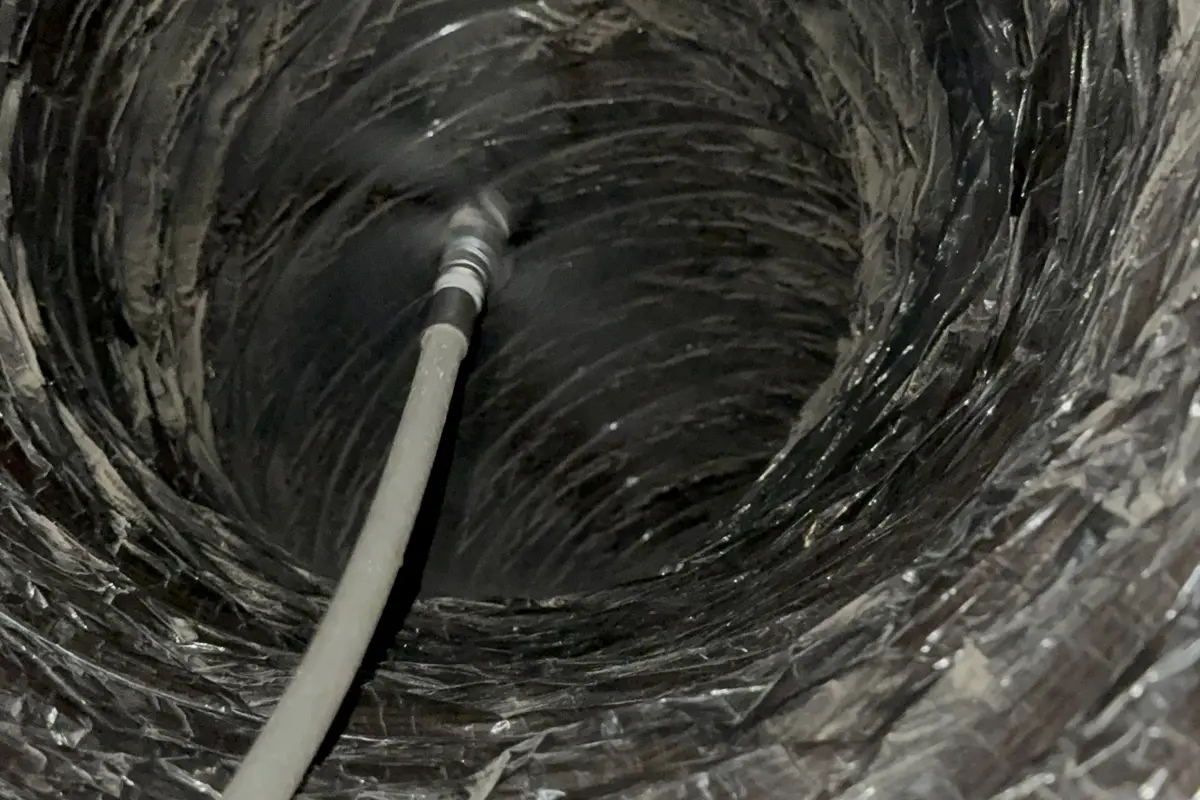
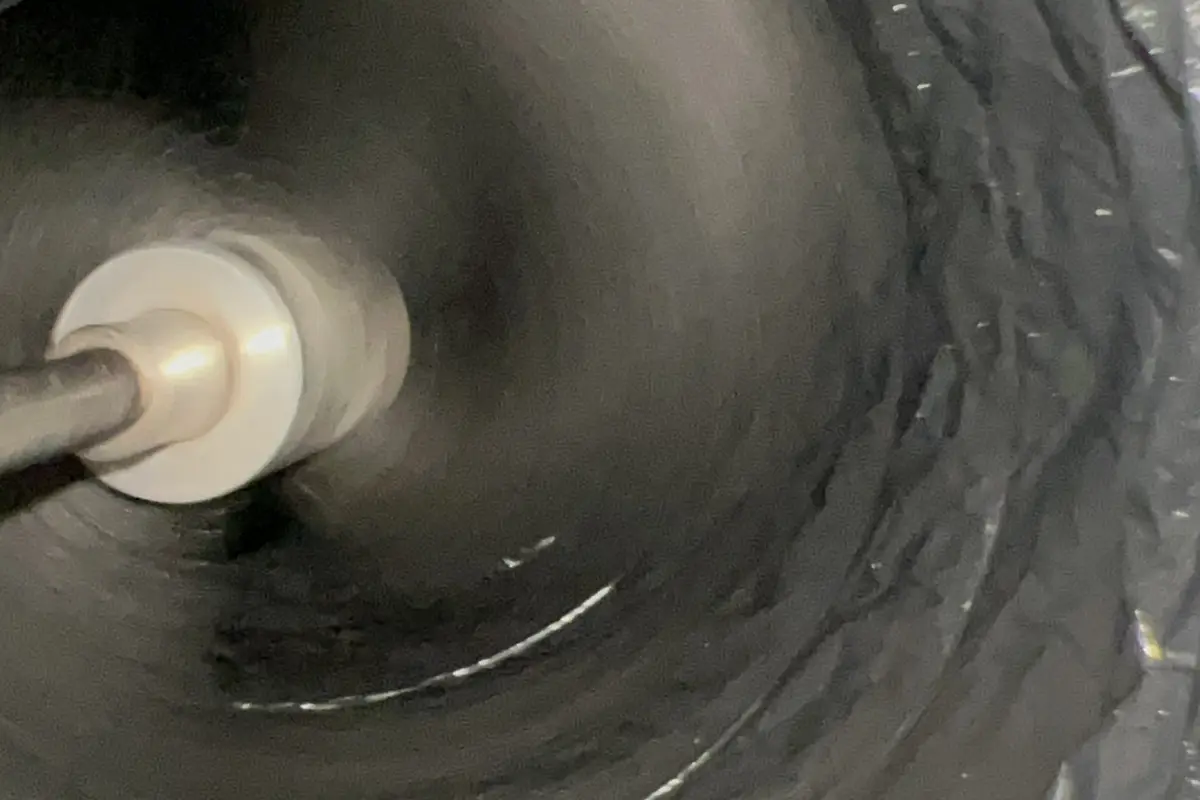
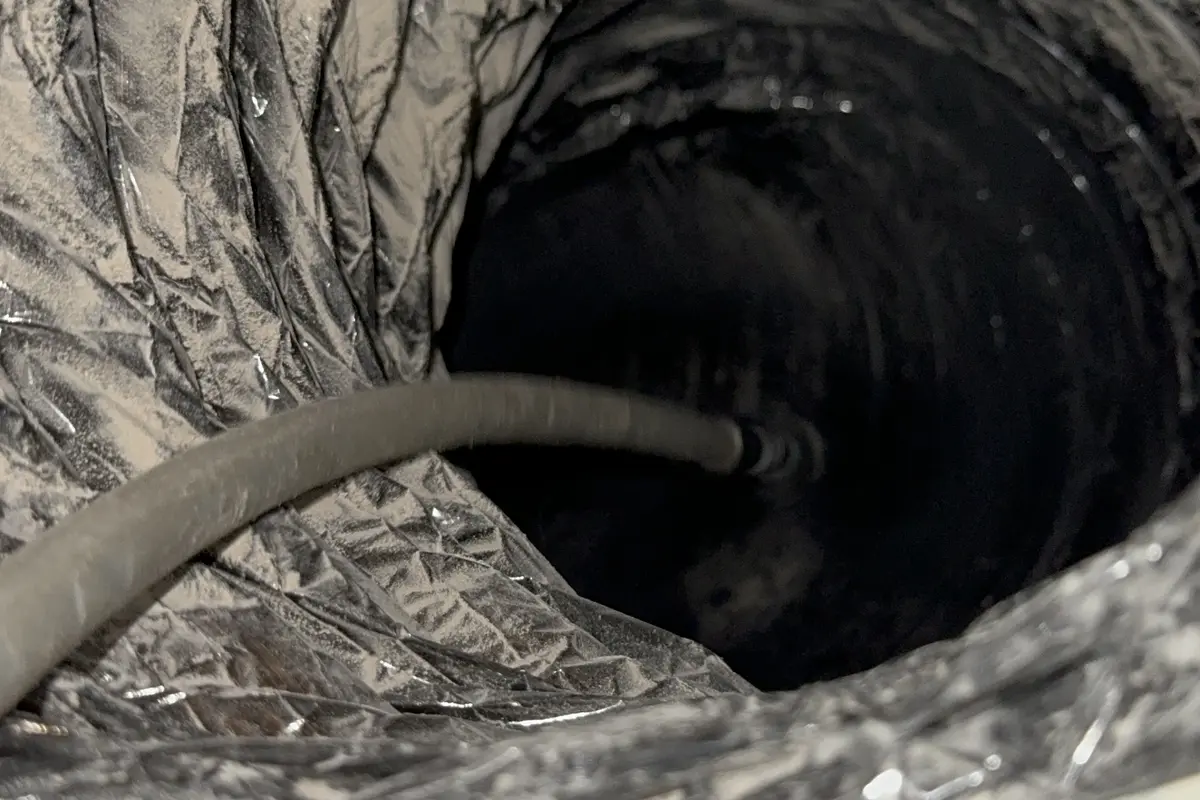
Aerosol-based sealing (commonly known by the brand name Aeroseal) takes a different approach entirely. The system pressurizes your ductwork and introduces an aerosol polymer mist that seeks out leaks from the inside. As pressurized air escapes through holes and gaps, it carries the polymer particles to the leak points, where they accumulate and form a durable seal. The advantage is that Aeroseal reaches leaks that no technician can access - inside walls, at buried joints, and in duct runs that are impossible to reach physically. The system also measures total duct leakage before and after, giving you a precise quantification of the improvement. Aeroseal typically costs more than manual sealing ($2,000-$3,500 for a typical Austin home) but seals the entire system including inaccessible sections. For homes with significant leakage in hidden duct runs, it is often the only practical option.
The right method depends on your ductwork configuration. Homes with fully accessible attic ducts often do well with mastic and metallic tape applied to every visible joint - this is the most cost-effective approach when the technician can reach everything. Homes with ducts running through walls, between floors, or in tight soffits benefit from Aeroseal because those sections cannot be sealed manually. Many jobs use a combination: manual mastic and tape on accessible connections, with Aeroseal for the hidden portions.
DIY Duct Sealing vs. Professional Service
Homeowners can handle some basic duct maintenance. If you can access your attic safely and can see obvious gaps at duct connections - flex duct pulled away from a register boot, a visible hole in the outer jacket, a disconnected joint - you can apply mastic sealant and UL 181 foil tape yourself. Both are available at home improvement stores. Clean the connection surfaces, apply a generous layer of mastic over the joint, and wrap with foil tape for reinforcement. Wear a respirator in the attic, work during cooler hours (early morning), and never step off the joists or decking.
The limitation of DIY is scope. You can fix the leaks you can see and reach, but most duct leakage occurs at connections that are not visible from a standard attic walkthrough. Joints buried under insulation, connections inside wall cavities, and the supply plenum where multiple duct runs originate are common leak sources that require professional equipment to identify and seal. The DOE estimates that the average home has dozens of duct connections, and many of the worst leaks are at points you would never find without a systematic inspection.
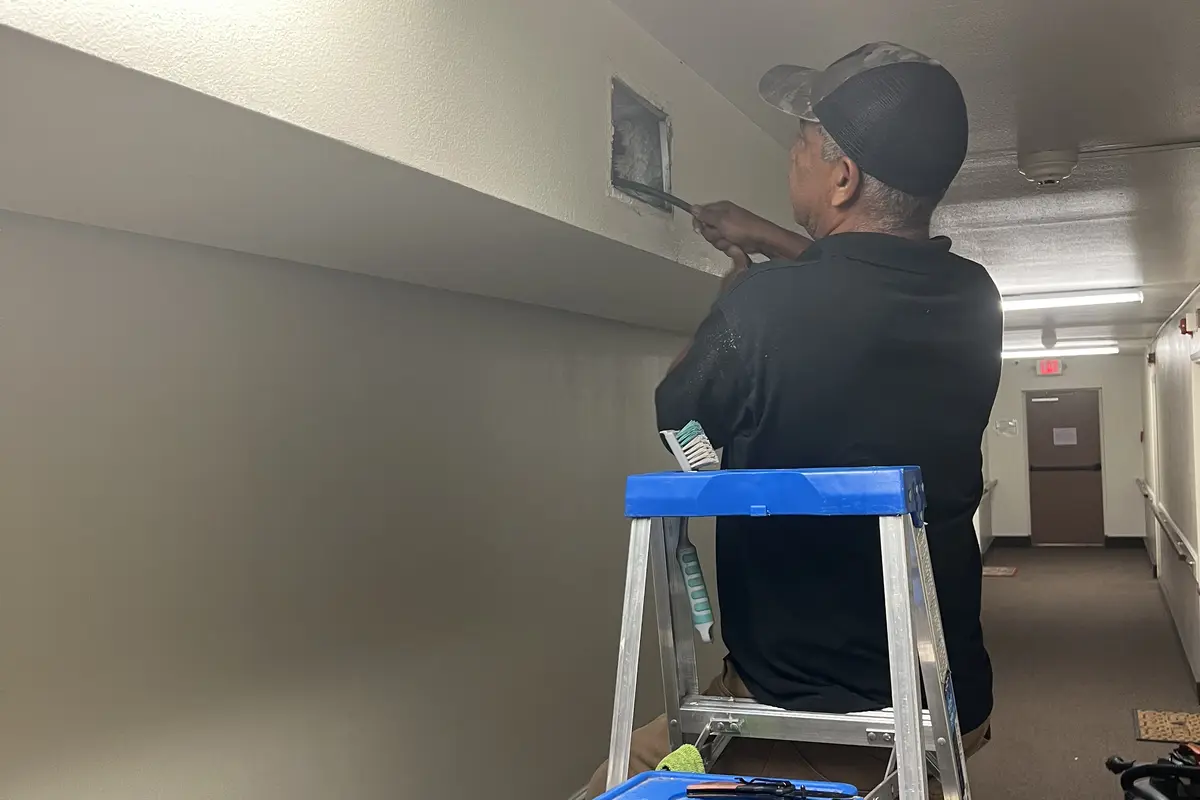
Professional duct sealing includes a complete assessment of the system. Technicians use inspection cameras to identify leak sources throughout the duct network, including sections hidden from view. They seal every accessible joint with mastic and metallic tape, repair damaged flex duct sections, reconnect separated joints, and can deploy aerosol sealing for the portions that cannot be reached manually. The result is a comprehensively sealed system rather than a handful of patched spots.
The energy savings justify professional service for most Austin homes. A home losing 25-30% of its conditioned air through duct leaks can expect to reduce that to 5-10% after professional sealing. On a $300 monthly summer electric bill, that is a savings of $45-$60 per month during peak cooling season alone. Factor in the extended HVAC lifespan from reduced runtime, and the payback period on professional sealing is typically 2-4 years - significantly shorter than most home energy improvements. For a broader look at energy-saving strategies that complement duct sealing, see our <a href="/blog/home-energy-efficiency-guide-austin/">complete guide to home energy efficiency in Austin</a>.
Want to Know Where Your Energy Goes?
We identify the biggest efficiency gaps in your home and give you a clear plan to fix them.
Call (512) 601-4451Estimate how much you could save on energy bills
How Duct Sealing Connects to Duct Cleaning and Inspection
Duct sealing, <a href="/air-duct-cleaning/">duct cleaning</a>, and <a href="/air-duct-inspection/">duct inspection</a> are three related services that work best as a coordinated strategy rather than isolated one-off jobs. An inspection identifies not only contamination levels but also structural problems - disconnected joints, crushed sections, deteriorating duct liner, and active leak points. This information determines whether you need cleaning, sealing, or both.
The ideal sequence matters. If your ducts are both dirty and leaky, cleaning should happen before sealing. Sealing over contaminated surfaces can trap debris and compromise adhesion. Once the duct interiors are clean, mastic and tape bond properly to the surfaces and the seal is durable. Cleaning also removes any biological growth or pest debris that could cause odor problems if sealed inside the ductwork.
After sealing, your duct system becomes a genuinely closed loop. Air that enters the system through the return passes through the filter, gets conditioned, and arrives at your rooms without picking up attic dust, insulation fibers, or outdoor pollutants along the way. Sealed ducts also hold their cleanliness longer because they are no longer drawing in unfiltered air from unconditioned spaces. Homeowners who invest in both cleaning and sealing typically go longer between cleaning cycles because the system stays cleaner. For a full diagnostic of your ductwork condition, start with an <a href="/air-duct-inspection/">air duct inspection</a> - the camera footage shows exactly where leaks and contamination exist so you can make informed decisions about what to address first.
Duct sealing also pairs naturally with <a href="/attic-insulation/">attic insulation</a> upgrades. If your insulation is below the recommended R-38 for Austin's climate zone, adding insulation while a crew is already in the attic for duct sealing reduces labor costs and compounds the energy savings. Sealed ducts running through a well-insulated attic lose dramatically less energy than either improvement alone. Our guide on <a href="/blog/attic-insulation-energy-savings/">attic insulation energy savings</a> covers the numbers in detail.
Austin Energy Rebates and Incentives for Duct Sealing
Austin Energy offers rebates for home energy improvements that reduce consumption, and duct sealing qualifies under their weatherization and HVAC efficiency programs. The specifics change periodically, so check Austin Energy's current rebate schedule before scheduling work, but historically their programs have covered a portion of duct sealing costs when performed as part of a qualifying energy upgrade. Some programs require a pre-qualification energy assessment through an Austin Energy-approved auditor.
Federal tax credits under the Inflation Reduction Act (IRA) can also apply. The IRA provides tax credits for home energy efficiency improvements including air sealing and insulation work. Duct sealing performed as part of a broader energy efficiency upgrade may qualify for credits up to $1,200 per year for envelope improvements. Consult a tax professional for your specific situation, but the combination of utility rebates and federal credits can offset 20-30% of the project cost for qualifying homeowners.
Beyond rebates, duct sealing directly reduces your electricity consumption, which matters in Austin's tiered rate structure. Austin Energy charges more per kilowatt-hour as your usage increases - higher tiers carry significantly higher rates. By reducing the total energy your HVAC system needs, duct sealing can drop you into a lower billing tier, compounding the savings beyond just the raw efficiency improvement. For Austin homeowners already running above-average consumption during summer months, this tier reduction can be the single largest financial benefit of duct sealing. For more strategies to reduce your Austin energy costs, see our guide on <a href="/blog/lower-energy-bills-austin/">how to lower energy bills in Austin</a>.
If you are considering a home energy audit to identify all efficiency opportunities at once - duct leakage, insulation levels, air sealing gaps, equipment efficiency - our <a href="/blog/home-energy-audit-guide/">home energy audit guide</a> walks through what to expect from the process and how to prioritize the findings.
Expected Costs and Return on Investment
Manual duct sealing (mastic and metallic tape on accessible joints) typically costs $800-$2,000 for an Austin home, depending on the number of connections, accessibility, and extent of repairs needed. This covers a technician spending 4-8 hours in the attic systematically sealing every reachable joint, reconnecting separated duct runs, and repairing damaged sections.
Aerosol-based sealing (Aeroseal or similar systems) runs $2,000-$3,500 for most homes. The higher cost reflects the specialized equipment, setup time, and the fact that it seals the entire system including inaccessible sections. Homes with extensive ductwork in walls or between floors, where manual sealing is not possible, benefit most from this approach.
Combination projects - manual sealing of accessible joints plus aerosol sealing of hidden sections - typically fall in the $2,500-$4,000 range. While this represents a larger upfront investment, it delivers the most comprehensive results.
The ROI in Austin is strong because of the sheer number of cooling hours. A home spending $3,600 per year on electricity (average for a 2,000 sq ft Austin home) with 25% duct leakage is wasting roughly $900 annually on conditioned air that never reaches the living space. Professional sealing that reduces leakage to 5-10% recovers $500-$700 of that annually. At those savings rates, even a $3,000 sealing job pays for itself in 4-5 years - and the seal lasts the remaining life of the ductwork. Factor in reduced HVAC wear, fewer repair calls, and the potential to delay a $10,000-$15,000 system replacement by several years, and duct sealing is one of the highest-ROI home improvements available to Austin homeowners. For more on optimizing your HVAC system's performance alongside sealing, check out our <a href="/blog/hvac-efficiency-tips/">HVAC efficiency tips</a>.
When to Seal vs. When to Replace Your Ductwork
Sealing makes sense when the ductwork is structurally sound but has connection failures, tape degradation, and minor damage. This describes the majority of Austin homes built in the last 30 years. The duct material itself - whether flex duct or sheet metal - is still functional, but the joints and seals have failed due to age and thermal stress. Professional sealing restores the system to near-original tightness for a fraction of the cost of replacement.
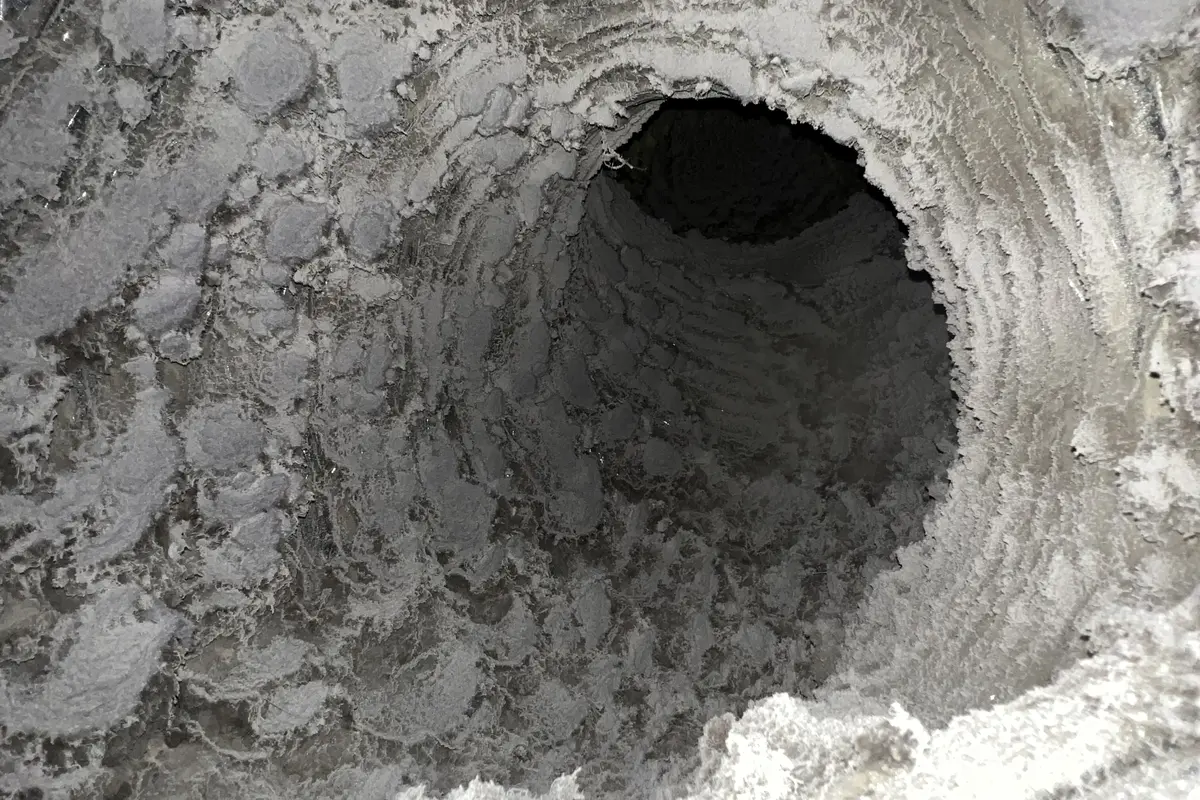
Replacement becomes the better option when the ductwork has extensive physical damage, severe sagging, crushed sections, or deteriorated inner liners. Flex duct that has been chewed through by rodents in multiple locations, that has collapsed from failed support straps, or whose inner vapor barrier has cracked and separated is beyond sealing. If a camera inspection reveals that more than 20-30% of the duct runs are physically compromised, sealing the connections will not solve the underlying problem.
Age is a factor but not the sole determinant. Well-installed sheet metal ductwork can last 30-50 years with periodic sealing. Flex duct in good condition lasts 20-25 years before the inner liner begins to degrade. If your flex duct is approaching 20 years old and the inspection shows widespread liner deterioration, replacement is the better long-term investment. If the duct material is sound but the connections have failed, sealing saves you 70-80% compared to full replacement.
A professional inspection gives you the information you need to make this decision. The camera footage shows the actual condition of your duct interiors - not just the accessible connections you can see from the attic walkway, but the full length of each duct run including sections buried under insulation or routed through tight spaces. Based on that assessment, a technician can tell you whether sealing will solve the problem or whether specific duct runs need replacement. In many cases, the answer is a combination: seal the connections that are intact, replace the duct runs that are physically damaged, and leave the rest alone. This targeted approach costs far less than a full duct replacement while addressing every problem in the system.
Related Services
Learn more about our professional services related to this topic:
- Air Duct Cleaning - Remove dust, allergens, and debris from your entire HVAC system for cleaner indoor air.
- Solar Fan Installation - Solar-powered attic ventilation that cuts cooling costs naturally.
- Attic Insulation - Premium blown-in insulation to cut energy costs and improve year-round comfort.
- UV Lighting System - Eliminate bacteria and allergens inside your HVAC with UV-C light technology.
Want the full picture?
Read our complete guide: Home Energy Efficiency: The Cost-Saving Guide for Austin →Have questions about energy efficiency? Our team is available 7 days a week. Call us at (512) 601-4451 or visit our contact page.