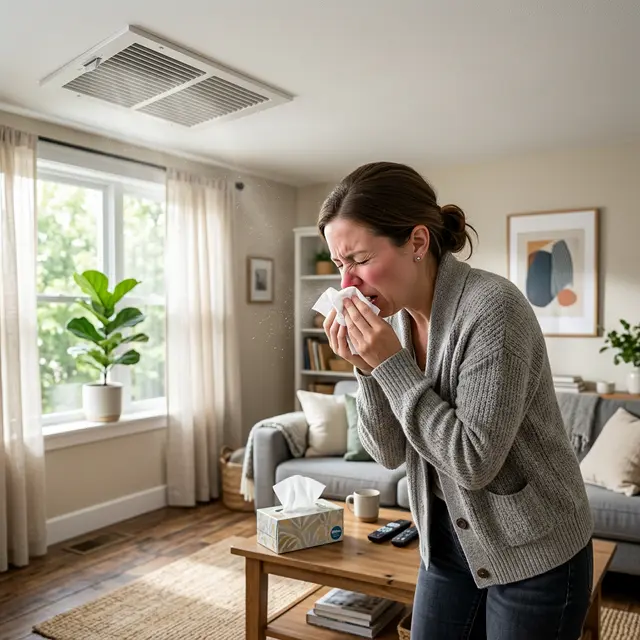
Yes, air duct cleaning can significantly reduce allergy symptoms by removing the accumulated dust, pollen, pet dander, and biological allergens that your HVAC system recirculates through your home every time it runs.
The Connection Between Ducts and Allergies
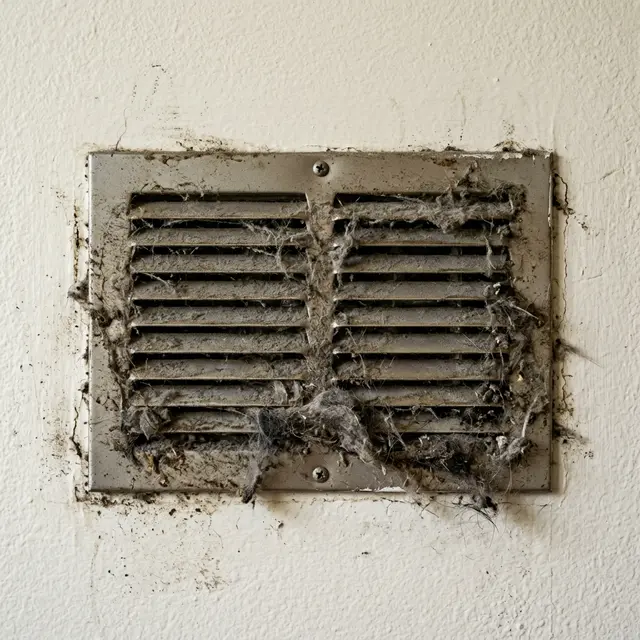
Your HVAC system circulates all the air in your home 5-7 times per day. If your ducts contain accumulated allergens - cedar pollen, pet dander, dust mite waste, biological spores - those particles are distributed to every room with every cycle. Even with a good filter, particles trapped in the ductwork behind the filter circulate freely.
Austin's cedar pollen season (December-March) is especially problematic. Pollen enters through doors, windows, and on clothing, then settles in ductwork where it accumulates year after year. A single cleaning after cedar season can remove several years of pollen buildup. And it is not just cedar - Austin's year-round pollen calendar means oak pollen in spring, grass pollen in early summer, ragweed in fall, and elm overlapping in between. Your ducts collect all of it.
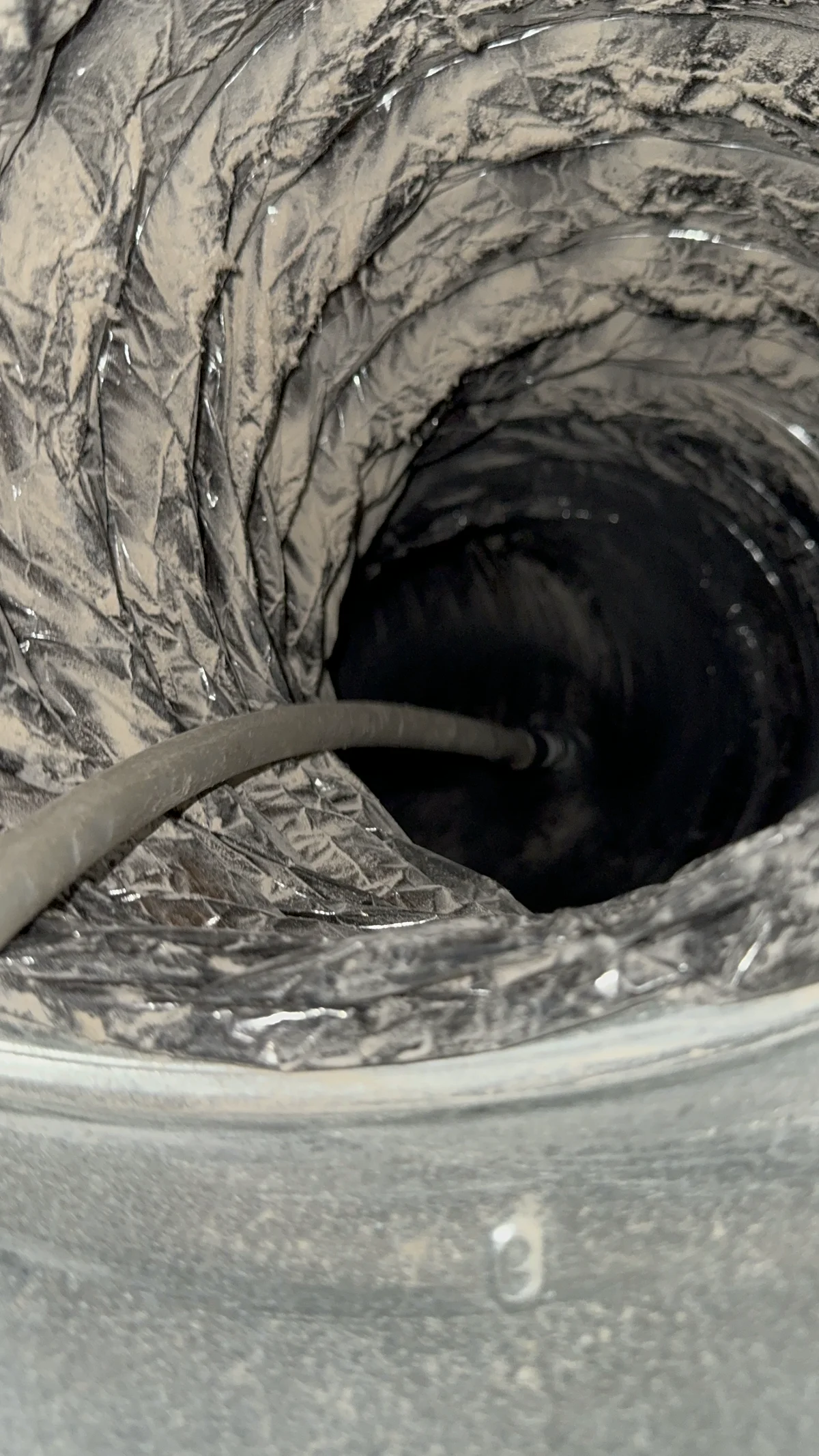
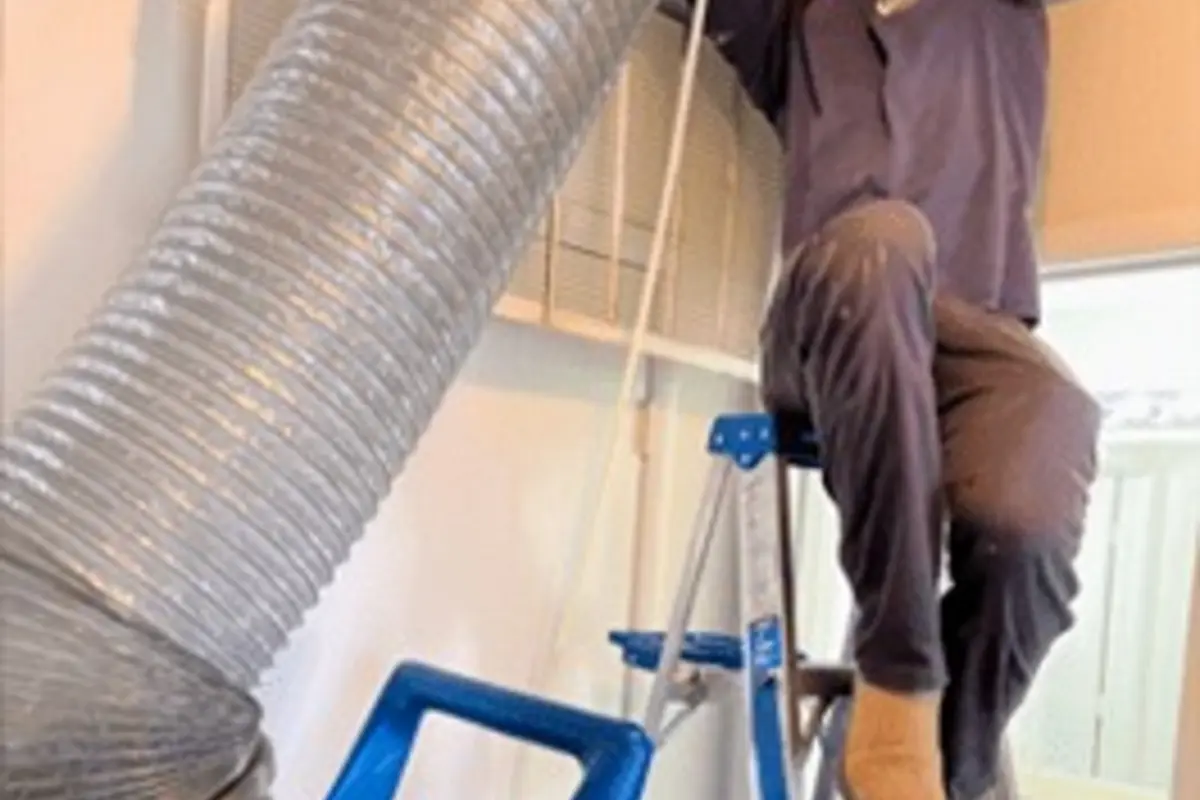
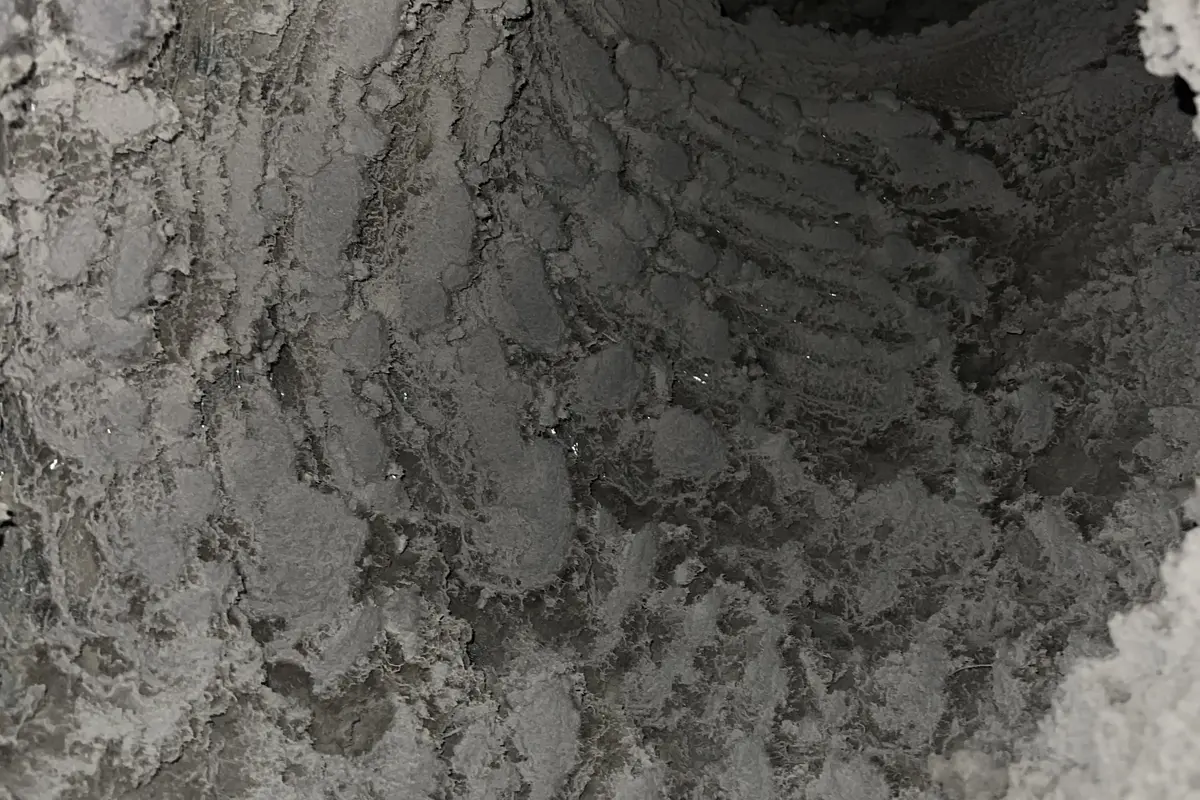
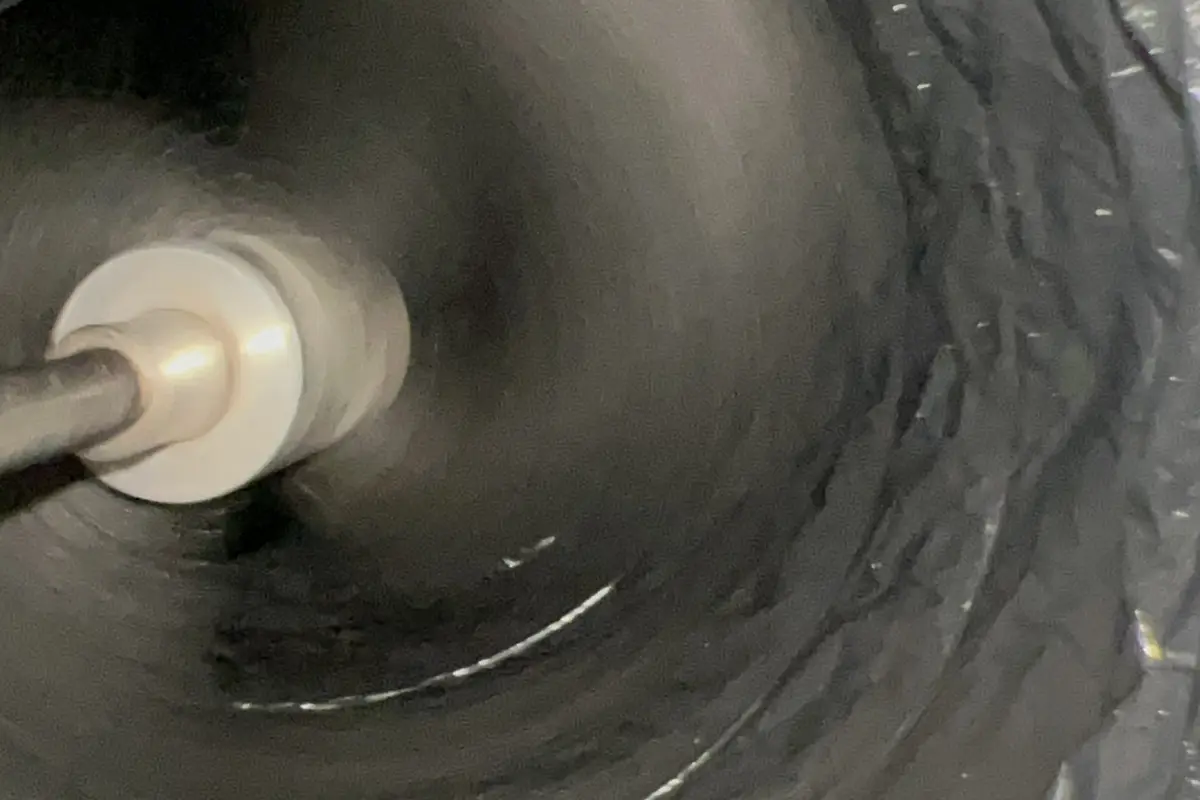
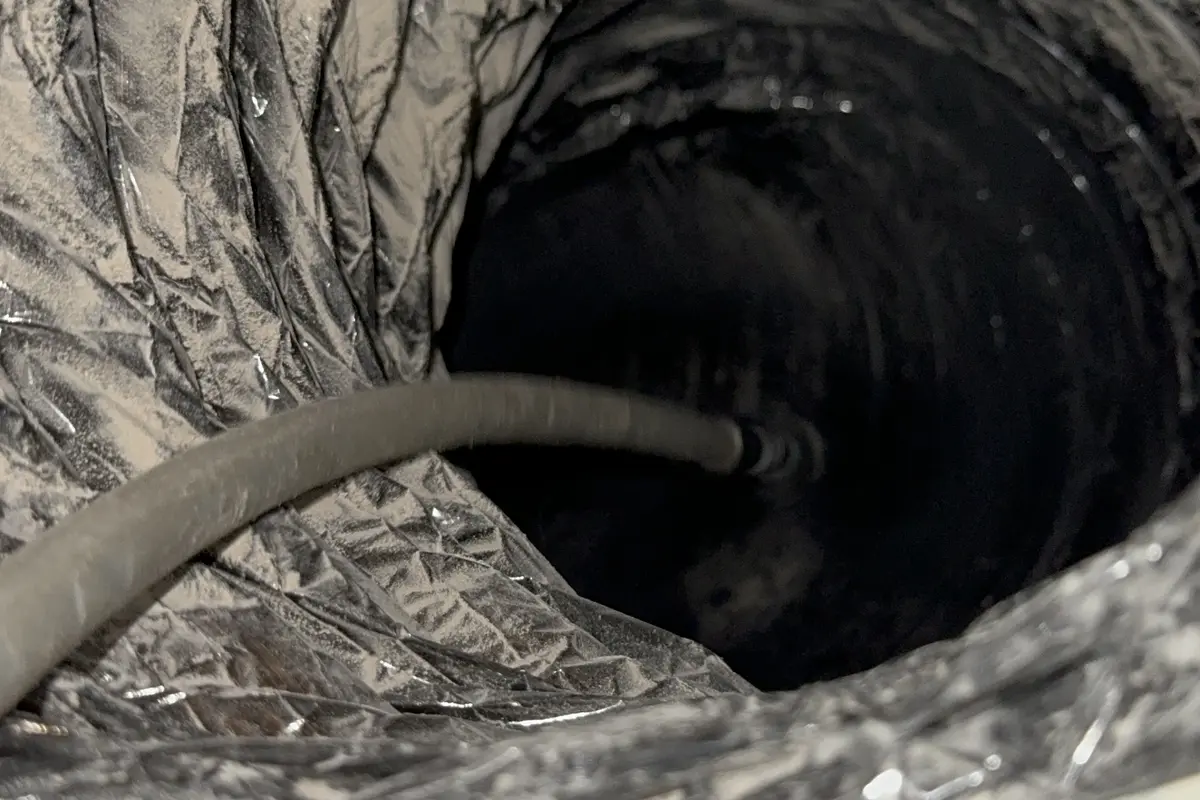
"Austin has 2-3 times the pollen load of most U.S. cities, and all of it ends up in your ductwork," says Nessi Ziv, owner of Air Central. "The camera footage does not lie - after cedar season, we see a yellowish-green layer coating the inside of ducts in homes across Westlake, Tarrytown, and Bee Cave. That pollen recirculates every time the system runs, which is why people keep sneezing indoors long after the outdoor count drops."
Which Allergens Are Most Common in Austin Ducts
Cedar (Ashe juniper) pollen is the number one allergen found in Austin ductwork. Cedar pollen grains are microscopic, extremely lightweight, and produced in such volume that pollen counts regularly exceed 20,000 grains per cubic meter during peak season. An estimated 25-30% of Austin residents are allergic to it, and the pollen accumulates in ductwork faster than any other allergen because it enters homes so aggressively during the three-month season.
Dust mite waste is the second most common allergen in Austin ducts. Dust mites thrive in humidity above 50%, and Austin's average indoor humidity sits right in their comfort zone for most of the year. The mites themselves live in bedding, carpet, and upholstery, but their waste particles become airborne and settle in ductwork where they get recirculated. Pet dander is the third major contributor - microscopic skin flakes from dogs and cats that are 5-10 microns in size and stay airborne for hours before settling in the duct system.
What the Research Shows
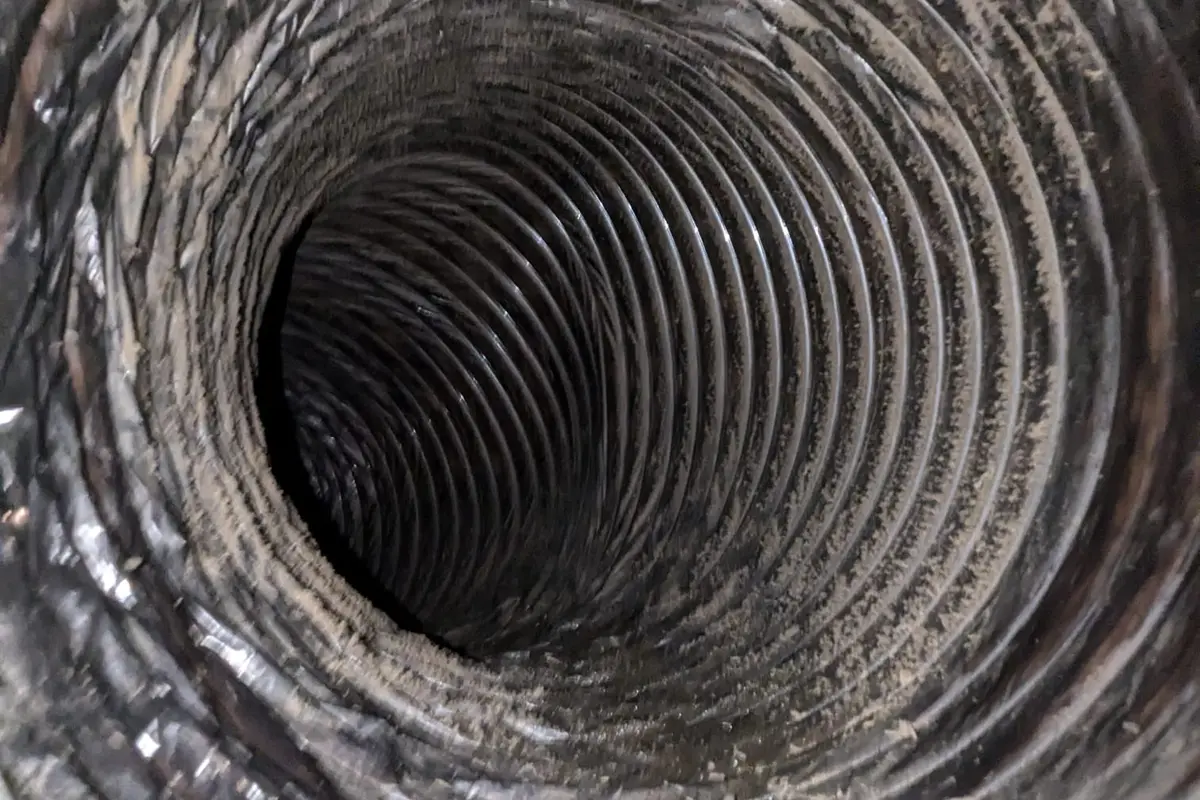
The EPA states that duct cleaning has not been proven to prevent health problems in every case, but acknowledges that dirty ducts can contribute to indoor air quality issues. Clinical experience shows that patients with dust mite allergies, pet allergies, and pollen allergies often report symptom improvement after professional duct cleaning - especially in homes where ducts have not been cleaned in 5+ years.
A study published in the journal Indoor Air found that HVAC systems are a significant source of particulate matter in homes, and that regular maintenance including duct cleaning reduces airborne particle concentrations. Austin allergists frequently recommend duct cleaning as part of an overall allergen reduction strategy, especially for patients who have tried medications and air purifiers without adequate relief.
Before and After: What to Expect for Symptoms
Most allergy sufferers notice improvement within the first 1-2 weeks after duct cleaning. The most common changes reported are: less morning congestion (your system runs overnight and recirculates what is in the ducts while you sleep), reduced sneezing when the HVAC kicks on, and less dust accumulation on surfaces throughout the house.
Set realistic expectations - duct cleaning removes the allergen reservoir in your HVAC system, but it does not eliminate allergens from entering your home. You will still bring in pollen on your clothes and shoes, and dust mites will continue to produce waste in soft furnishings. The difference is that your HVAC system stops amplifying the problem by recirculating years of accumulated allergens with every cycle.
Time for a Duct Cleaning?
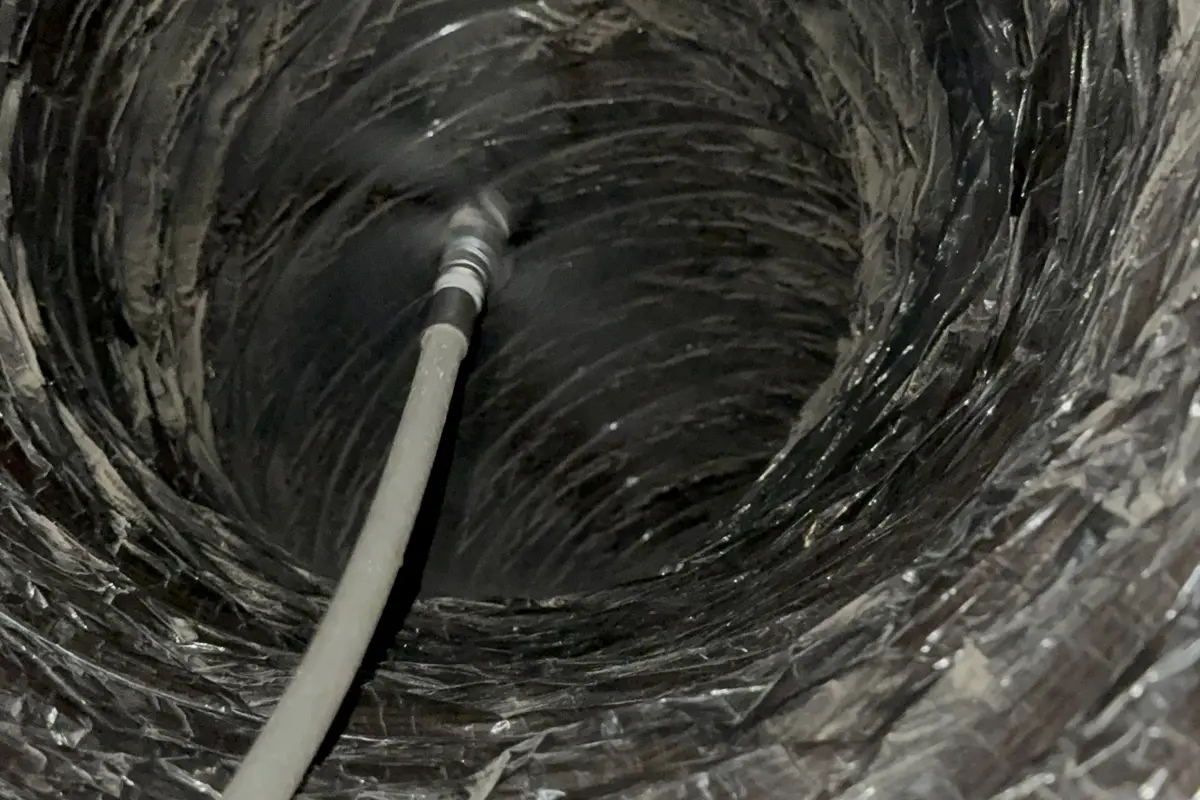
Find out what is inside your ducts with an HD camera inspection. Same-day appointments available.
Call (512) 601-4451Rate your home's indoor air quality in 2 minutes
Air Duct Cleaning for Allergies: What the Clinical Data Shows
Studies show that professional duct cleaning reduces airborne particulate matter by 30-50% in the first 24 hours after service. For allergy sufferers, this means measurably less exposure to the triggers that cause symptoms: dust mites, pet dander, pollen, and mold spores that accumulate in ductwork over years and get redistributed with every HVAC cycle. The reduction is most pronounced in the first week after cleaning, then stabilizes as new particles begin entering the system through normal use - which is why pairing duct cleaning with a high-quality filter (MERV 11 or higher) extends the benefit significantly.
In Austin, the effect is most dramatic after cedar season. Cleaning in late March or early April removes the pollen reservoir that your HVAC system has been redistributing since December. Cedar pollen grains are small enough to bypass standard MERV 8 filters and light enough to stay suspended in airflow for extended periods. Three months of continuous cedar pollen accumulation creates a substantial allergen load inside ductwork that no filter change can address - it requires physical removal through professional cleaning.
The American College of Allergy, Asthma and Immunology recommends reducing indoor allergen reservoirs as a core component of allergy management. Duct cleaning targets one of the largest and most overlooked reservoirs in any home. It is one component alongside proper filtration (MERV 11+), humidity control (keeping indoor humidity below 50% to starve dust mites), regular surface cleaning with HEPA-filtered vacuums, and medical management with your allergist. No single intervention eliminates allergies, but removing years of accumulated allergens from the system that circulates air through every room in your home is one of the highest-impact changes available.
Maximizing Allergy Relief
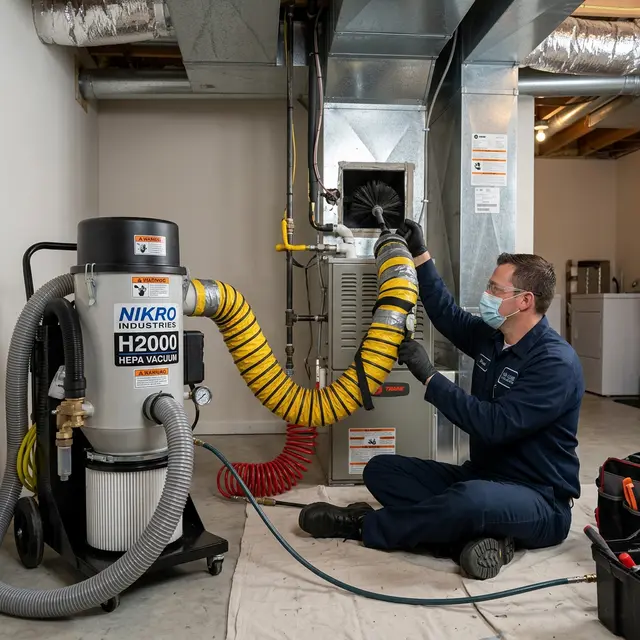
Duct cleaning alone is not a complete solution. For best results: clean ducts, then immediately install a MERV 11+ filter. Consider a UV light system to kill biological allergens. Control humidity below 50% (dust mites cannot survive below 50% humidity). Vacuum with HEPA filtration weekly. The combination of these steps provides the most significant allergy relief.
For Austin residents with severe cedar allergies, the ideal routine is: duct cleaning in early March after cedar season, MERV 11 filter changed monthly during pollen peaks, and windows kept closed from December through February. If your allergy meds are barely keeping up and you cannot remember the last time your ducts were cleaned, this is the single highest-impact change you can make for your indoor environment. Call (512) 601-4451 and ask about our post-cedar-season cleaning - your sinuses will thank you by the end of the week.
Related Services
Learn more about our professional services related to this topic:
- Air Duct Cleaning - Remove dust, allergens, and debris from your entire HVAC system for cleaner indoor air.
- Air Duct Inspection - Diagnose leaks, blockages, and efficiency issues with HD camera inspection.
Want the full picture?
Read our complete guide: The Ultimate Guide to Air Duct Cleaning in Austin, TX (2026) →Have questions about air duct cleaning? Our team is available 7 days a week. Call us at (512) 601-4451 or visit our contact page.