An AC tune-up in Austin typically costs $75-$200 and includes refrigerant level check, evaporator and condenser coil cleaning, electrical connection inspection, thermostat calibration, and condensate drain line flush. Schedule yours in March or April before summer demand spikes - Austin HVAC companies book up fast once temperatures hit the 90s.
What Is Included in an AC Tune-Up
An AC tune-up is a comprehensive inspection and maintenance visit that covers every component involved in cooling your home. The technician checks refrigerant levels and inspects for leaks, because low refrigerant forces the compressor to work harder and can cause ice buildup on the evaporator coil. In Austin, where your AC runs 6-7 months per year at near-maximum capacity, even a small refrigerant shortfall translates to significantly higher electricity bills.
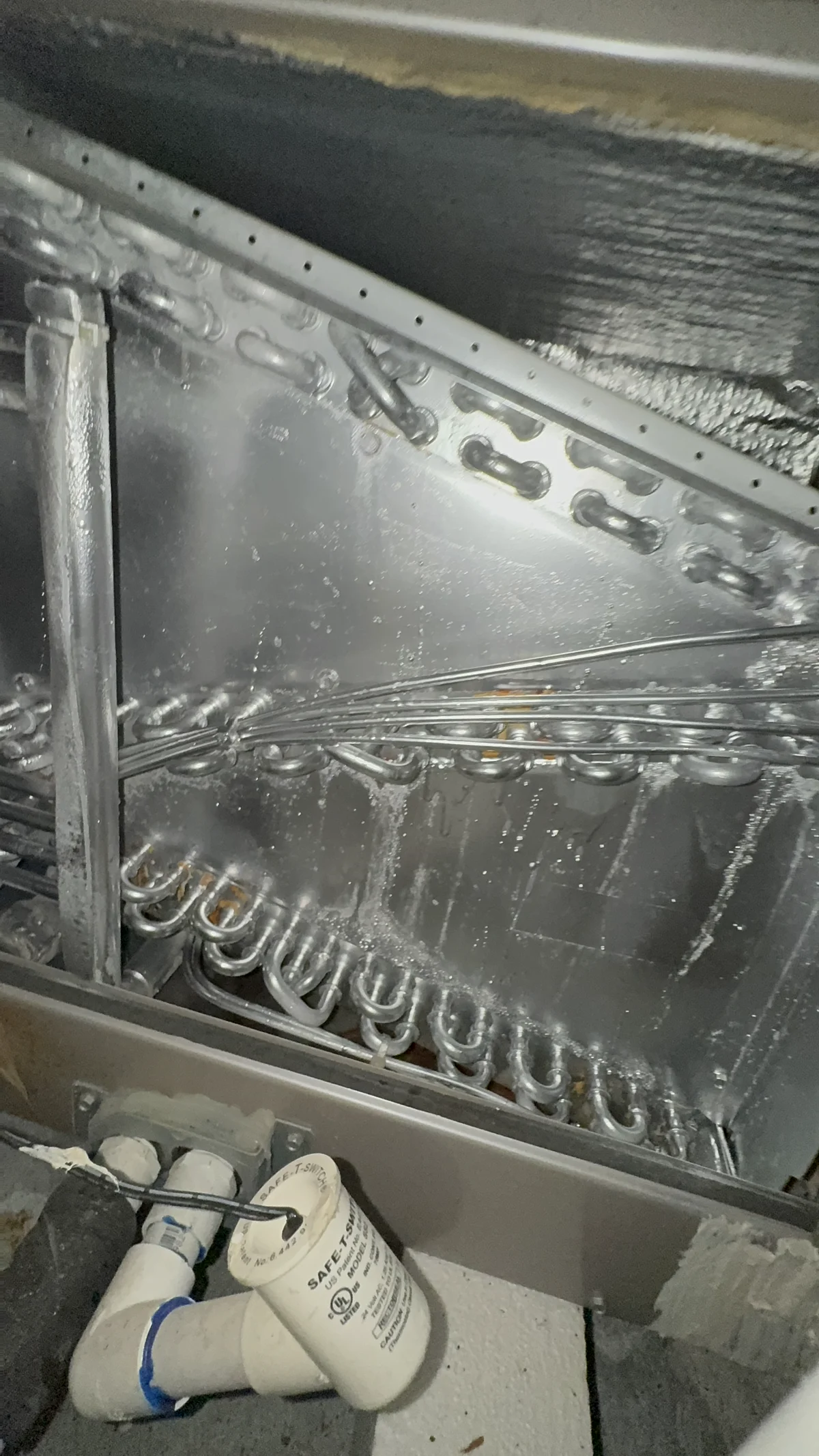
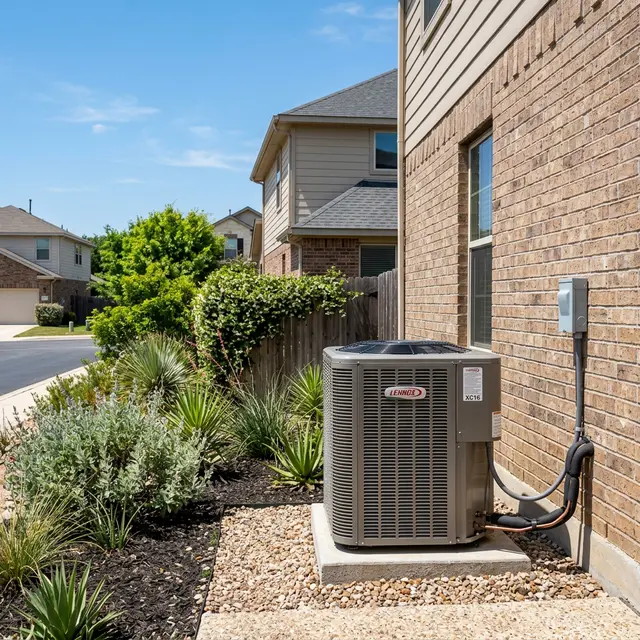
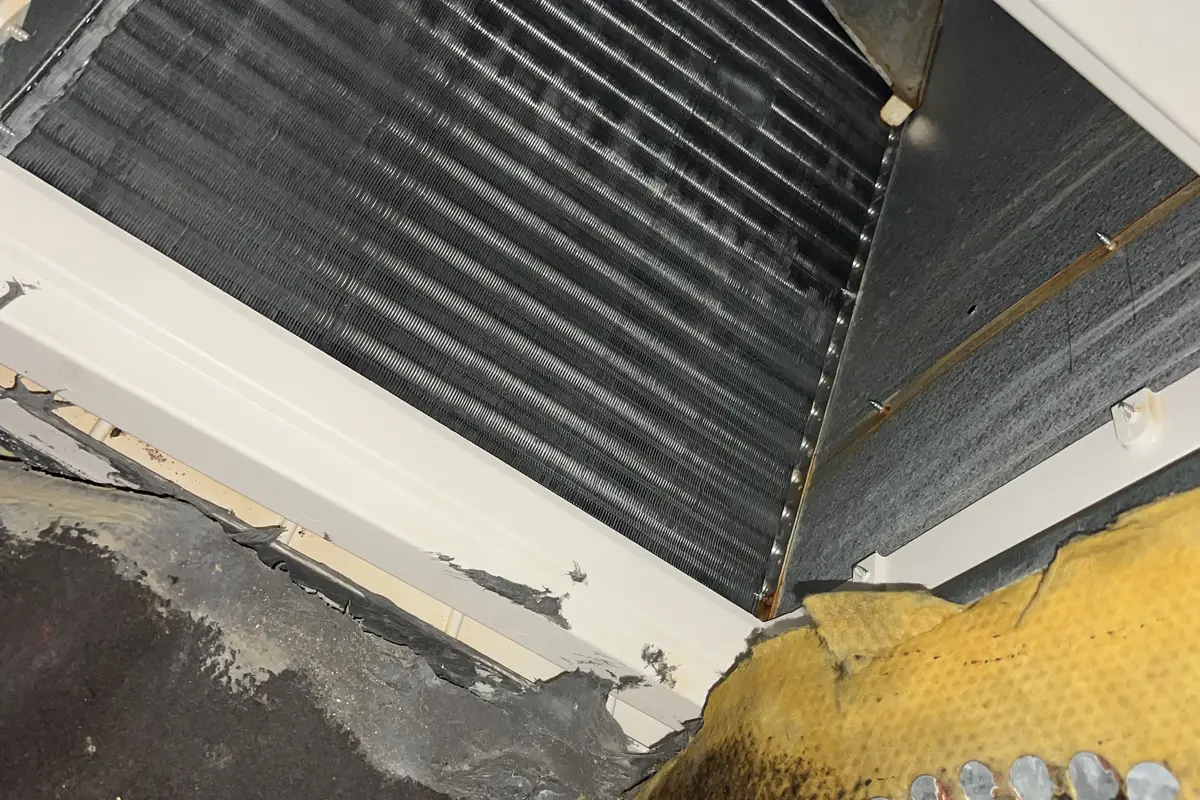
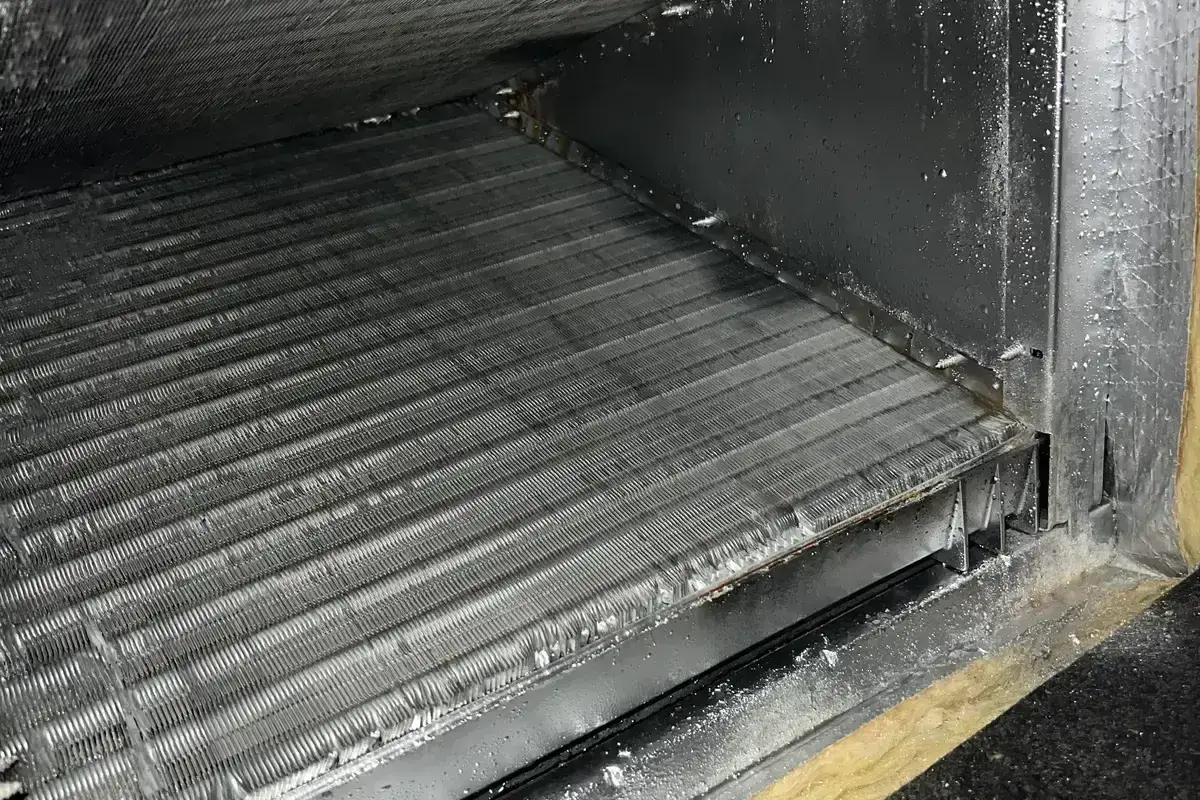
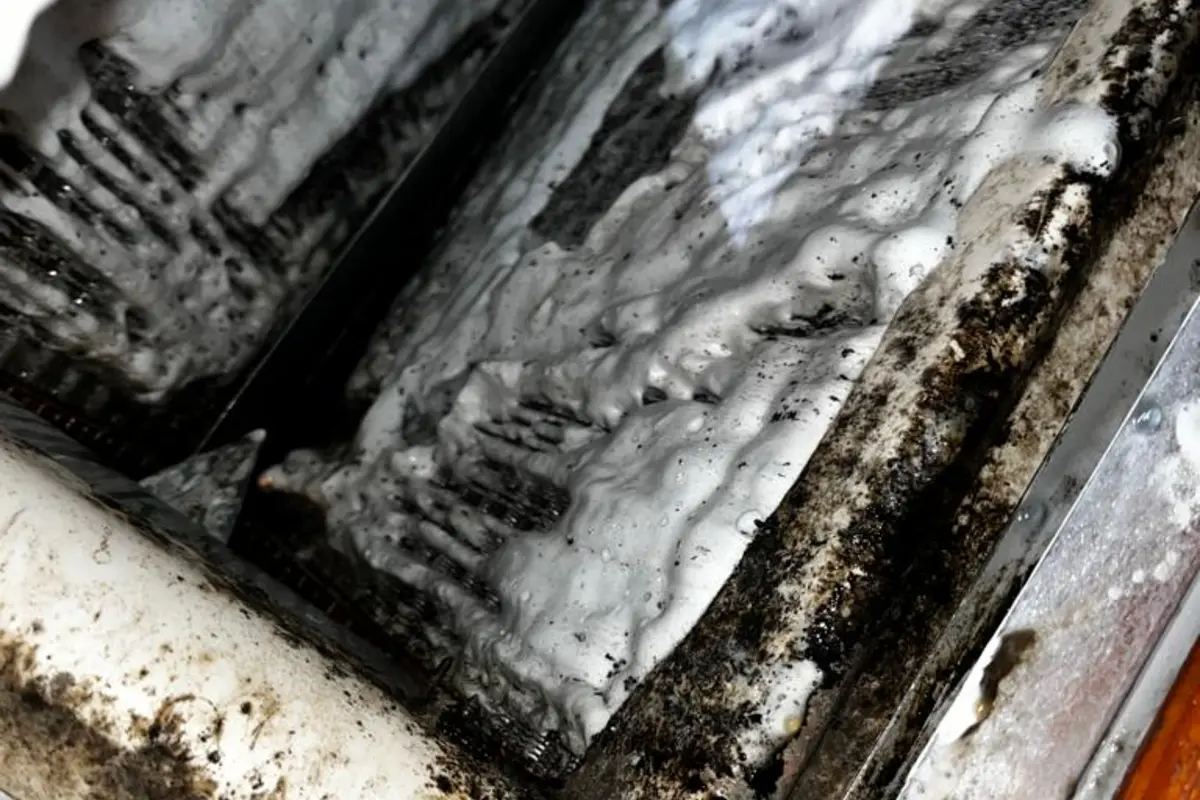
Coil cleaning is one of the most impactful parts of the tune-up. The evaporator coil (indoor unit) and condenser coil (outdoor unit) accumulate dust, pollen, and debris over time. Austin's cedar season coats outdoor condensers with a fine layer of pollen from December through March. A dirty condenser coil can reduce cooling efficiency by 20-30%, and in a city where summer electric bills routinely exceed $200-$300 per month, that efficiency loss adds up fast.
Electrical connections get inspected and tightened. Loose connections create resistance, generate heat, and can cause component failure. The technician checks capacitors, contactors, and wiring for signs of wear or damage. A failing capacitor is one of the most common AC breakdowns in Austin - it handles the surge of power needed to start the compressor, and the extreme heat in Austin attics and garages accelerates capacitor degradation.
Thermostat calibration ensures your system cycles correctly. A thermostat that reads 2-3 degrees off can cause the system to run too long or short-cycle, both of which waste energy and stress components. The technician verifies the thermostat reading matches actual room temperature and adjusts if needed.
The condensate drain line flush prevents water damage and biological growth. Austin's humidity means the evaporator coil produces a lot of condensation during cooling, and that water exits through a drain line. Over time, algae and biofilm can clog this line, causing water to back up into the drain pan and potentially overflow into your ceiling or walls. A simple flush with compressed air or a cleaning solution keeps the line clear.
AC Tune-Up Cost in Austin: What to Expect
A standard AC tune-up in Austin costs $75-$200, depending on the company, what is included, and whether your system is a single unit or dual-zone setup. Most reputable HVAC companies charge $100-$150 for a single-system tune-up that covers all the items listed above.
Some companies offer multi-system discounts if you have two AC units (common in larger Austin homes with upstairs and downstairs zones). Expect to pay $150-$300 for a dual-system tune-up. The second unit takes less time since the technician is already on-site and set up.
Be cautious of tune-up prices that seem unusually low. A thorough tune-up takes 45-90 minutes of skilled labor. If a company is advertising a tune-up at a price point that cannot cover an hour of a licensed technician's time plus travel, they may be using the appointment as a foot-in-the-door to upsell expensive repairs. Legitimate tune-ups include everything described above without add-on pressure.
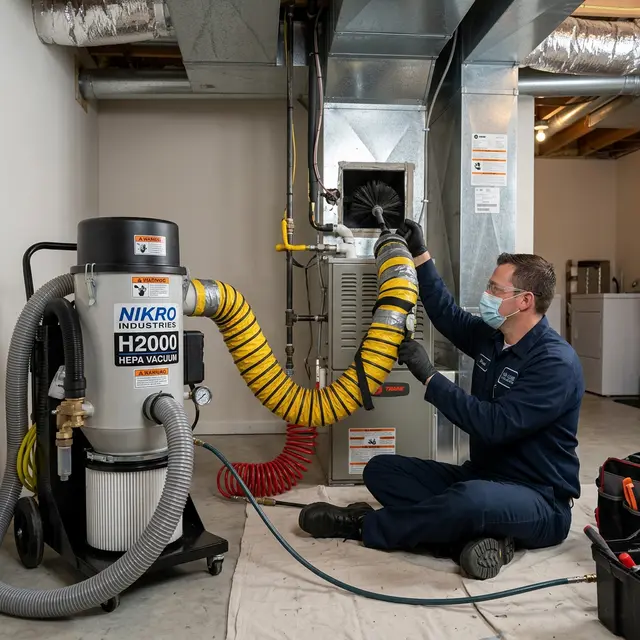
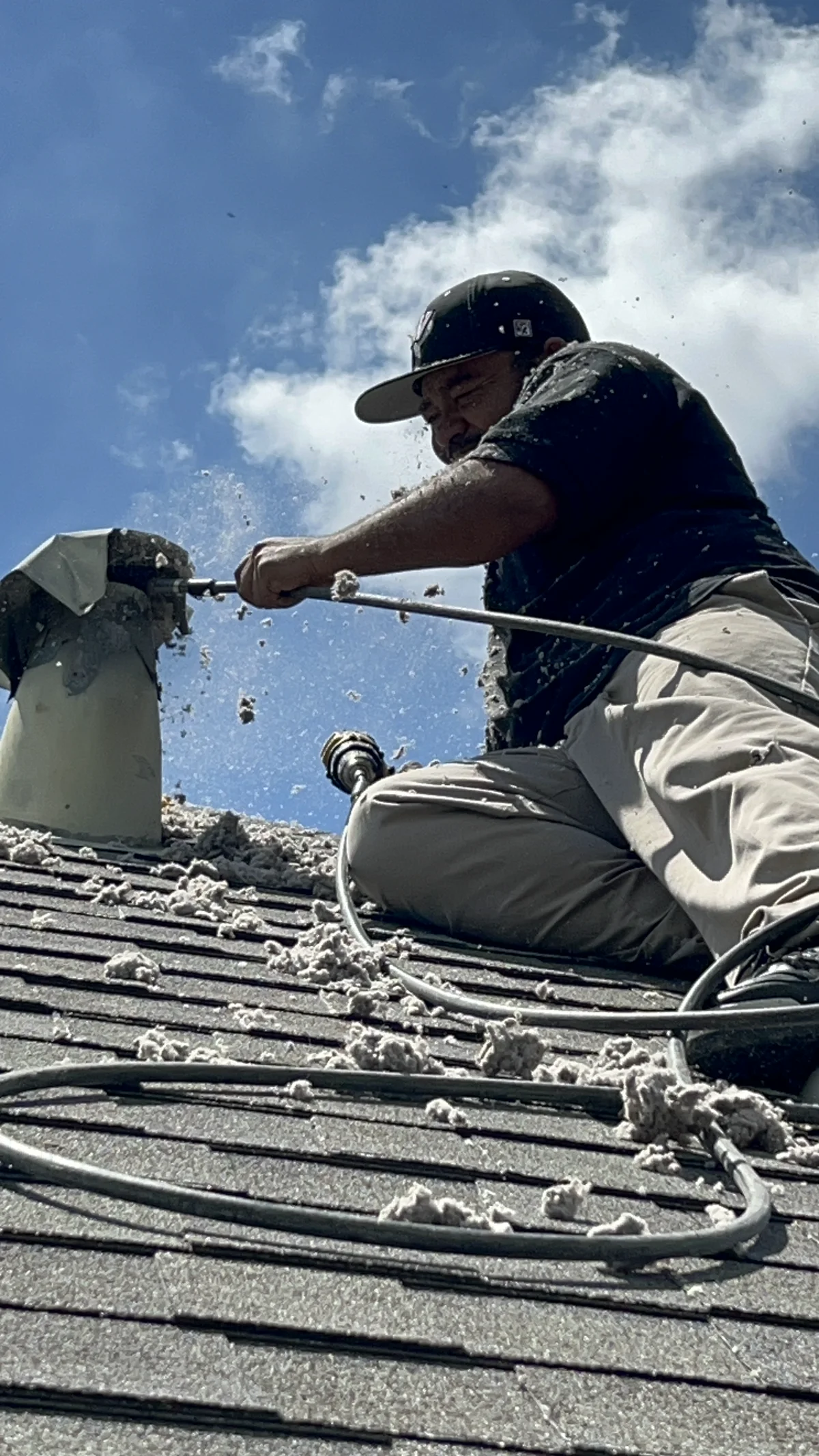
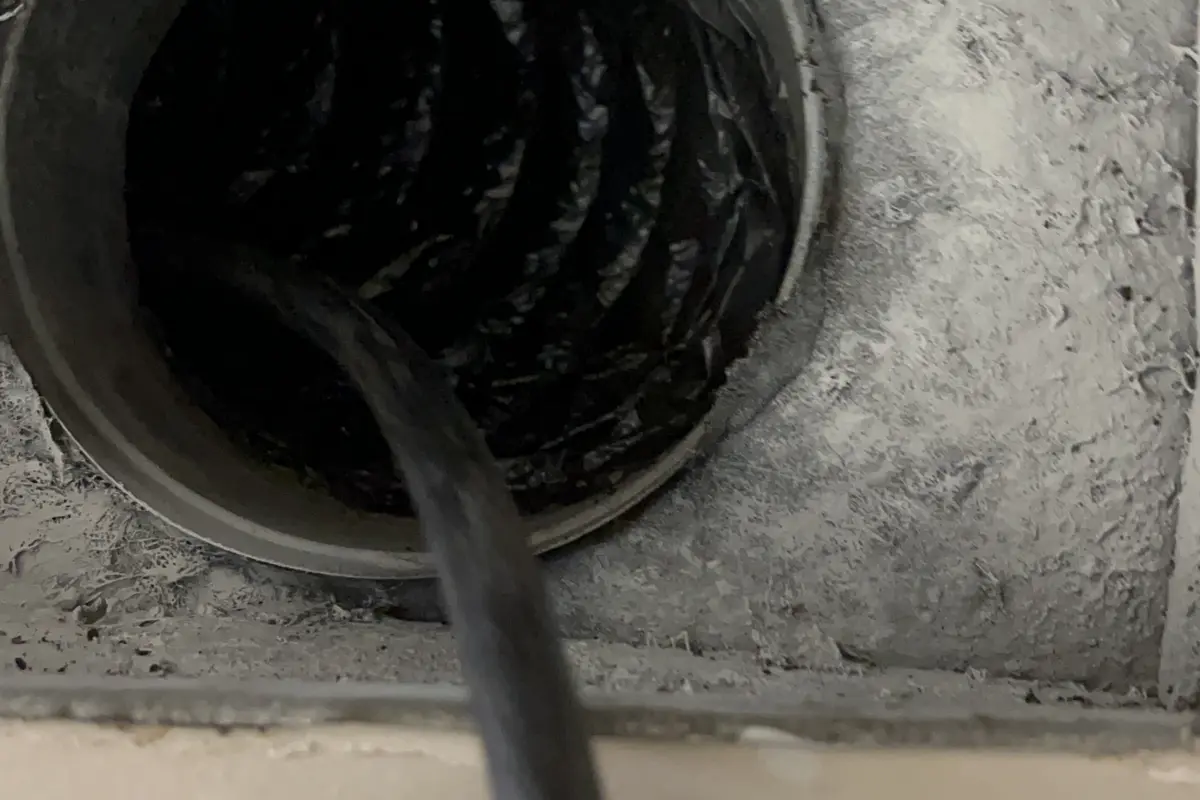
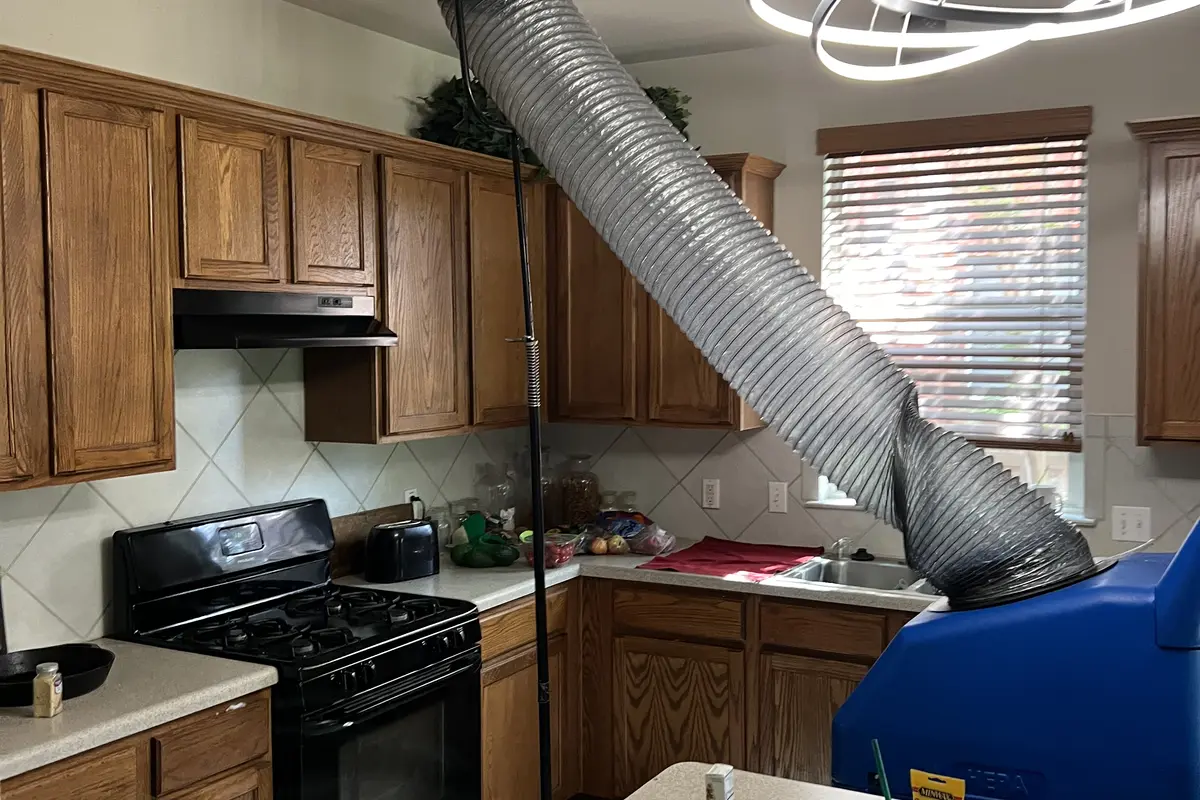
Additional services sometimes offered alongside tune-ups include duct cleaning, dryer vent cleaning, and UV light installation. These are separate services with their own pricing, not part of a standard tune-up. If you are scheduling a tune-up, it is a good time to bundle duct cleaning since the HVAC system is already being accessed and the technician can coordinate timing.
When to Schedule Your AC Tune-Up in Austin
The best time to schedule an AC tune-up in Austin is March or early April. This window gives you two advantages: the technician can catch problems before they fail under summer stress, and you avoid the scheduling rush that starts once temperatures climb into the 90s in May.
Austin's HVAC companies are busiest from June through September when AC failures spike. If your system breaks down in July, you may wait days for a repair appointment while your house sits at 95 degrees. A March tune-up identifies weakening components - like a degraded capacitor or low refrigerant - while there is still time to address them without emergency pricing or scheduling pressure.
If you missed the spring window, October is the second-best time. The system has worked hard all summer and a post-summer tune-up catches wear from the heaviest usage period. You also get the heating side checked before the first cold front, which can drop Austin temperatures from the 80s into the 30s overnight.
Do not wait for symptoms to schedule a tune-up. By the time your AC is blowing warm air, making unusual noises, or failing to cool evenly, a minor issue may have become a major repair. Preventive maintenance catches problems when they are inexpensive to fix.
DIY AC Maintenance Checklist vs Professional-Only Tasks
Several maintenance tasks are safe and effective for homeowners to handle between professional tune-ups. Changing your air filter every 60-90 days (monthly during cedar season) is the single most impactful DIY task. A clogged filter restricts airflow, reduces efficiency, and lets allergens bypass the filter and enter your ductwork. Use a MERV 11 filter for the best balance of filtration and airflow in Austin homes.
Keeping the outdoor condenser unit clear of debris is another easy DIY task. Trim vegetation back at least 2 feet from all sides of the unit. Remove leaves, grass clippings, and any debris that accumulates on or around the unit. You can gently rinse the condenser fins with a garden hose (not a pressure washer) to remove surface dust and pollen.
Check your condensate drain line monthly during cooling season. The drain line usually exits near the outdoor unit - if water is dripping, the line is clear. If there is no drip during cooling operation, the line may be clogging. You can pour a cup of white vinegar into the drain access point (usually near the indoor unit) to help prevent algae buildup.
Professional-only tasks include checking refrigerant levels (requires EPA certification and specialized gauges), testing electrical components (capacitors store dangerous voltage), inspecting the evaporator coil (requires accessing the sealed air handler), and verifying system charge and superheat/subcool measurements. These require training, licensing, and equipment that homeowners do not have.
Ready to Get Your System Checked?
Seasonal tune-ups catch small problems before they become expensive emergencies. Same-day service available.
Call (512) 601-4451Estimate how much you could save on energy bills
How AC Tune-Ups and Duct Cleaning Work Together
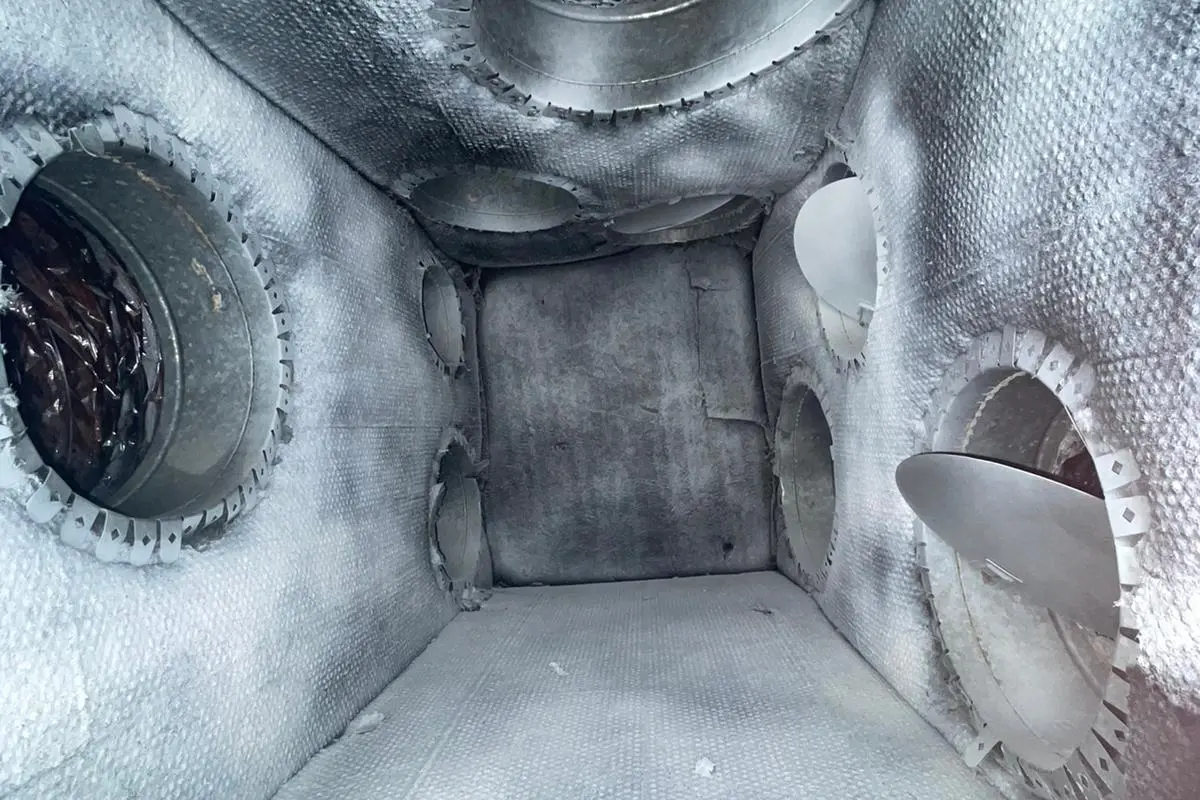
An AC tune-up optimizes the mechanical performance of your cooling system, while duct cleaning addresses the air distribution side. Together, they deliver complete system optimization - the AC unit produces clean, cold air efficiently, and the ductwork delivers it to every room without adding dust, pollen, or debris back into the airstream.
Think of it this way: a tune-up ensures the engine runs smoothly, and duct cleaning ensures the pipes are clear. If you tune up the AC but your ducts are packed with three years of cedar pollen and pet dander, the system still pushes dirty air into your rooms. If you clean the ducts but the AC is low on refrigerant and has a dirty coil, the system struggles to cool effectively.
The ideal annual schedule for Austin homes is a spring AC tune-up (March-April) paired with duct cleaning every 2-4 years, timed for late March after cedar season ends. When these services coincide, you start summer with a fully optimized system - clean coils, correct refrigerant charge, calibrated thermostat, and clean ductwork delivering allergen-reduced air to every room.
Air Central handles the duct cleaning and air quality side of system optimization through our core services. For AC tune-ups, we coordinate with trusted local HVAC partners who specialize in mechanical service. Call (512) 601-4451 to schedule duct cleaning or a duct inspection alongside your tune-up for complete system care.
Signs Your AC Needs a Tune-Up Now (Not Later)
Warm air from supply vents when the thermostat is set to cool is the most obvious sign. This can indicate low refrigerant, a failing compressor, or a frozen evaporator coil. Do not ignore warm air - the underlying problem gets worse and more expensive the longer the system runs in a compromised state.
Unusual noises are another urgent indicator. Grinding suggests a failing motor bearing. Clicking at startup can indicate a struggling compressor or a weak capacitor. Rattling or banging may point to a loose component inside the air handler. Any new noise deserves prompt attention.
Short cycling - when the system turns on and off every few minutes instead of running a full 10-15 minute cycle - signals a problem with the thermostat, refrigerant charge, or electrical controls. Short cycling stresses every component in the system and drives energy costs up dramatically.
Higher-than-normal energy bills without a change in usage patterns often point to declining system efficiency. If your July bill jumped 30% compared to last July at similar temperatures, your AC is likely working harder than it should. A tune-up identifies the efficiency losses and corrects them before they lead to component failure.
Ice on the refrigerant line or evaporator coil is a clear sign of trouble. This typically indicates low refrigerant, restricted airflow (dirty filter or coil), or a failing blower motor. Turn the system off, let the ice melt, and schedule a service appointment rather than continuing to run the system. Running an iced-up AC can damage the compressor, which is the most expensive component to replace.
Beyond the Tune-Up: Ongoing AC Maintenance
A tune-up is important, but it is one piece of a complete maintenance strategy. AC maintenance in Austin breaks down into monthly tasks, quarterly tasks, and annual professional service. Consistent maintenance extends system life by 5-7 years, reduces energy bills by 15-25%, and prevents expensive emergency repairs during Austin's brutal summer heat.
Monthly: Change your air filter every 30-60 days. During cedar season (December-March), check weekly - cedar pollen can saturate a standard filter in 2-3 weeks. Use a MERV 11 filter for the best balance of allergen capture and airflow. While changing the filter, take 30 seconds to check around your indoor unit for water puddles or stains indicating a condensate drain issue, and listen for unusual sounds.
Quarterly: Check and clear your condensate drain line every three months during cooling season (March through October). Locate the drain line exit point near the outdoor unit and verify water is dripping during AC operation. Pour a cup of white vinegar into the drain access point near the indoor unit to prevent algae buildup. Clean around the outdoor condenser unit, maintaining at least 2 feet of clearance on all sides.
Annual: Schedule a professional tune-up in March or April. Professional evaporator coil cleaning should happen during the annual tune-up. Schedule duct inspection every 2-3 years. If your system is 10+ years old, ask the technician about the condition of the capacitor, contactor, blower motor, and compressor.
Total annual maintenance budget for most Austin homes runs $150-$400. That investment prevents emergency repairs that typically cost $300-$1,500 for component failures, extends system life by an estimated 5-7 years (delaying a $5,000-$15,000 replacement), and reduces energy bills by 15-25% compared to a poorly maintained system.
Related Services
Learn more about our professional services related to this topic:
- Air Duct Cleaning - Remove dust, allergens, and debris from your entire HVAC system for cleaner indoor air.
- Dryer Vent Cleaning - Clear lint buildup to prevent fires and cut drying time in half.
- Chimney Sweep & Repair - Professional cleaning and 21-point safety inspection for your fireplace.
- Attic Insulation - Premium blown-in insulation to cut energy costs and improve year-round comfort.
Want the full picture?
Read our complete guide: Austin HVAC Seasonal Maintenance: Month-by-Month Guide →Have questions about seasonal guides? Our team is available 7 days a week. Call us at (512) 601-4451 or visit our contact page.